Following of the assassination of Dr. Martin Luther King Jr. in April of 1968, Robert Culp became very active with the Southern Christian Leadership Conference’s “Operation Breadbasket” program which used peaceful non-violent methods to gain economic equality for black communities.
He filmed the activities of the movement for what would become a documentary that he would produce, direct and narrate, titled simply “Operation Breadbasket.” He nearly went broke doing the project, as he footed the expenses for it himself and was otherwise unemployed for nearly two years while working on it.
His efforts, however, were not in vain. He successfully sold the documentary to ABC News, despite the fact that the networks at the time practically never bought documentaries produced outside their network news department. The documentary aired July 7th, 1969 as part of a series of documentaries by ABC News on race relations in the United States at the time.
Back in June of 2011, I posted that the film had been awarded a preservation grant from The National Film Preservation Foundation. A few years later, in 2014, I posted that the preservation of the film had been completed and that a follow up documentary was in the works.
Well I’m very happy to post that you can now view the restored documentary online at the George Eastman Museum website. The companion documentary, titled “Operation Breadbasket: A Civil Rights Legacy” is still to come but below is a promo video posted by Joseph Culp back in 2012.
I’ve been curious about Robert Culp’s original documentary, along with the new one, for many years now. Indeed, this process has been going on for over 10 years! I look forward to watching the original documentary and posting a reaction.
“Betray a friend and you’ll often find you have ruined yourself.” -Aesop
Last Thursday I was standing in the middle of bowling alley in Augusta, ME, when the news alert came through that Bill Cosby was found guilty.
I wasn’t shocked. The shock wore off years ago. Week after week, starting in the fall of 2014, until some 60 women came forward with their story of rape and sexual assault by Cosby my shock eventually just gave way to anger and dismay.
The court of public opinion convicted him long before this. But for many of us sitting in the gallery, now long after the judge’s gavel has come down, there remains the anger and dismay.
Do not misunderstand. I applaud the verdict and the victory for the women, but I am angered, still, by what this man did to these women while building up a legacy so many of us thought was worth something. I’m angered by what this man did to these women while others took risks and sacrificed to help him to be successful.
I’m angered because in the context of Robert Culp’s career, to which this site is dedicated to, one of the few things he was immensely proud of which was I SPY, is at risk of being further reduced to a mere asterisk in the footnote of television history. I’m haunted by his own words from 2007 when asked about the legacy of I SPY. “There isn’t one,” he said, without even a pause to think about it. “It’s like we never did it.”
I’m further dismayed, now, to see the postings and comments on social media. Sure, there’s the handful of dumb shit and sick jokes that people make in light of the situation but overall the common thread of the comments and reactions from people is the sense of betrayal. Cosby betrayed the women and he betrayed all of us, black and white, as viewers and audience members. Over the past four years, the collective punishment for that betrayal has been the removal of Cosby’s shows from television and the individual declarations from people who have vowed to never watch or listen to any of his material again. Recognition for the milestone that I SPY holds in television and pop culture history is now, sadly, ignored.
I spoke of this in a previous blog post and since then my objective here with this site, insofar as I SPY is concerned, has not changed nor will it. I will continue to talk about I SPY, post images from I SPY and respect I SPY and the historical impact that it had in its time. I coudn’t care less about Cosby at this point; the man deserves everything he has coming to him. But I will not punish I SPY as a whole.
On February 8th, the LA Sentinel posted an article about the History of Black Television as part of its celebration of Black History Month. The article tells a condensed chronology of important milestones in the evolution and progression of black actors and entertainers on television. Among the list of shows, of course, was I SPY.
I take issue, however, with the writer’s commentary about the show, saying, “Although I SPY was a significant breakdown of Black stereotypes it created an invisible standard for Black actors on primetime TV; Blacks are acceptable as long as they are partnered with white co-stars.”
Um, what?
I’m not sure the writer truly understands and appreciates the significance of I SPYs impact on the portrayal of black characters on television and perhaps did little to no research about the show itself, or the time period in which it came about. At the time I SPY was conceived in late ’64, blacks and whites were not supposed to be considered equals. Jim Crow and so called “separate but equal” laws existed, particularly in the south where the mere idea of a black man being shown on television as EQUAL to a white was near blasphemy.
Indeed, several NBC affiliates in the south refused to air I SPY when it first debuted in the fall of ‘65. The subtle displays of equality, things taken for granted now, were very significant at the time. Scenes showing Alexander Scott (Cosby) and Kelly Robinson (Culp) dining together, sharing hotel quarters and a wash basin together were part of the visual impact that was part of the “non-statement” statement Culp and Cosby made with the show. Color was not a factor in how the partners worked and lived together. Each had their strengths and weaknesses in physical and mental attributes that complimented each other. In fact, Scott was the Rhodes Scholar who spoke several languages and had an understanding of world history and cultures along with a mechanical aptitude that would have made MacGyver proud. Kelly, on the other hand, was the first to tell you that he was more often than not the dummy of the two. He wasn’t, necessarily, but if somebody was speaking a foreign language he always turned to Scotty for a translation.
The first episode of I SPY, “So Long Patrick Henry,” written by Robert Culp, is a story of black characters not seen on television up to that point. Subsequent Culp penned scripts such as “The Loser” and “Court of the Lion” were also black stories not seen on the television prior.
Comedian Godfrey Cambridge, who played the villain in Culp’s “Court of Lion” episode, was very clear to TV Guide in 1966: “A Negro’s always got to be the Good Guy on TV these times. I am tired of being loved. Now this king of the Zulus is the first villain I’ve been allowed to play on TV. I’m doing a black Goldfinger. Bob Culp had the guts to put me in this part. So many other people in this town would say, ‘Let’s not have an argument, let’s make the Zulu an Indian.’ But Culp says, ‘Let’s do it right.’ That’s what I like about Culp.”
In the same article, I SPY co- producer Mort Fine said, “There is a wide audience acceptance of the camaraderie between Culp and Cosby, the white man and the Negro. People want to do the right thing, white to Negro. I think it’s vicarious. They want to watch it in action.”
“Yeah,” Cambridge said sardonically, “watching I Spy on the tube provides a relationship with a Negro with no risk.”
Cambridge obviously knew different. And if there had truly been no risk, why did affiliates in the south initially refuse to air the show?
Simple. The image I SPY portrayed, the equal working relationship and friendship of Robinson and Scott, a white man and a black man, was powerful.
Very powerful.
I would hope that Ms. Buck, the writer of the article, will someday take some time to truly get to know I SPY, watch several episodes (I could offer some recommendations) and take a moment to learn more of the history of it and of the time period it was created in. Then perhaps she will understand that the standard I SPY set was NOT that “blacks are acceptable as long as they are partnered with white co-stars” it was that blacks were acceptable as strong, independent, intelligent, resourceful people regardless if they were paired with a white co-star or not.
Back in April of 1965 Pulitzer Prize winning author and syndicated columnist William S. White wrote: “NBC-TV has guts. The network, gambling that Dixie attitudes are changing, will pioneer with a 30-minute (sic) Wednesday evening show next season which co-stars a Negro actor, Bill Cosby, with a white one, Robert Culp. They will portray secret agents on even terms in a thriller called I Spy. NBC won’t know until late summer how many of its Southern affiliates will carry the program.”
NBC pioneered the interracial pairing of black and white characters on even ground at a time in America when race relations were less than harmonious. Did you notice the last line in that statement about the Southern affiliates? Yeah, there were a few who refused to air the show at the time it debuted and there was a lot of hand wringing at NBC’s offices.
This past weekend NBC celebrated its 90th anniversary and I SPY received no mention among the clips, salutes and tributes that were made. No mention whatsoever. The historical significance of what I SPY represented at the time it debuted and the impact it had was completely ignored.
By now, most of you have heard of the “Trump Trackdown” video. For those of you who haven’t, a quick recap:
This past week, Snopes.com posted about the video, which was originally posted to YouTube back in November and consists of 4 minutes of various scenes from a 1958 episode Trackdown. In the episode, a con man named Walter Trump arrives in a Texas town and tells everyone that only he can save them from the end of the world, by building a protective wall around their homes (along with selling them parasols to shield them from a meteor shower).
Texas Ranger Hoby Gilman, played by none other than Robert Culp, suspects Trump is a fraud. At one point in the episode, Trump threatens to sue. Hoby doesn’t take any crap and eventually exposes Trump for the fraud that he is.
The Snopes article and video have since gone viral. This pleases me in several ways, not the least of which is the recognition and exposure Trackdown is getting, which currently runs on MeTV Saturday mornings (and also on the network Heroes and Icons) after having been absent from television for many years. The video has been shared and talked about on social media all week, with some 40,000 shares alone on Facebook as of the time of this posting. A lot of folks have never heard of the show. Many seem curious to learn more about it.
With that in mind, I wanted to point out a couple of things that I’ve noticed in comments and blog posts of recent days. First, Trackdown is NOT in the public domain. The show’s copyright and distribution rights are owned by CBS, which is the network it originally aired on from 1957 to 1959.
There is no official DVD release of the show. However, there is a DVD set that’s floating around out there, but the video quality is atrocious (to put it kindly). The source material was literally VHS recordings of the show from local TV stations and TVLand airings dating from the late 1980s. Those of us of a certain age know what VHS quality looked like.
I was thrilled when Trackdown began airing on MeTV back in October of 2016. I’ve tried to watch at least one episode on Saturday mornings on MeTV (two eps run back to back) and the film quality is exceptionally better than the cruddy DVD copy I’ve seen. The show is much more enjoyable to watch.
Which brings me to my ultimate wish (well, one of them anyway!) I’m talking to you CBS. With curiosity and interest in Trackdown increasing the more the video and Snopes article is shared, this would be a wonderful time to look at putting Trackdown out on DVD before the end of 2017.
With the return of Trackdown and The Greatest American Hero to TV screens it seemed appropriate to post an updated listing of where you can view these shows and others.
Trackdown can be seen on MeTV and on Heroes and Icons. Check your local listings for times and availability.
I Spy is currently not running on any television networks (although RetroTV still has a page for it on their website), but can be seen online via Hulu, Yahoo View and on the PROClassicTV streaming service. Yahoo View is free (with occasional commercials during the episode) while Hulu and PRO require subscriptions. However, in the case of PRO, individual episodes can be viewed for .99 a piece.
The Greatest American Hero can be seen on Heroes and Icons and streaming on Hulu with subscription and for free on Yahoo View. Yes, the pilot episode is conspicuously absent from the online streaming services.
You can also find two of Culp’s Celebrity Bowling appearances at the PROClassic site, the first from 1973 and one from 1975.
Along with those shows are several shows that Culp guest starred on, such as Columbo (MeTV, Netflix), The Rifleman (MeTV, PROClassicTV streaming, Hulu and Yahoo View), Everybody Loves Raymond (TV LAND), Murder, She Wrote (COZI, Netflix) and many others. You can always check TV Guide’s online listing for upcoming episodes of shows featuring Culp.
You can also check out JustWatch.com, which currently lists where you can find 17 Culp films and TV series’ that can be viewed online or purchased. I consider it my civic duty to warn you to NOT waste your money on National Lampoon’s Movie Madness. Just don’t. Trust me.
The media seems to have turned its collective back on I SPY due to Cosby’s issues. Why doing so is an injustice.
Robert Culp’s words, spoken nine years ago during his American Television Archive interview, seem to be becoming a self-fulfilling prophecy as of late.
I SPY, the TV series Culp co-starred with Bill Cosby for three seasons, premiered on NBC 51 years ago last week, September 15th, 1965. Outside of TheConsummateCulp Facebook and Twitter feed and a Facebook page called I SPY, SPY SHOWS, you probably missed the notice in any news feeds on social media platforms. It appeared nowhere. Granted, 51 is an odd anniversary to mark, but several other shows that also premiered that same week in 1965 had plenty of mentions.
I SPY was just not one of those shows.
Then, this past Sunday night was the 68th Emmy Awards. Host Jimmy Kimmel did a cheap and cringeworthy Bill Cosby joke and the website Upworthy.com failed to mention the first African American actor to win an Emmy in their article on 15 Emmy nominees and winners who broke barriers. That actor, Bill Cosby, for I SPY, was not included in the list.
And you know, I get it. Cosby’s being punished and I’m not saying he doesn’t deserve everything he gets. But I SPY, and all those associated with it, doesn’t deserve to be punished with him. I SPY was a ground breaking culturally significant milestone in television history that still matters. You can try to ignore it and bury it in light of Cosby’s loss of honor because it seems like the right thing to do. But to do so unfairly punishes so many others. Not the least of which is Robert Culp, who so believed in all that I SPY would represent for race relations if given the chance, he threatened to quit the show before it even started when NBC wanted to replace Cosby whom they didn’t favor due to his lack of acting experience.
Or producer Sheldon Leonard, the man who originally envisioned the concept of the two man, black and white team of spies and also backed up Cosby.
Or Fouad Said, the brilliant Egyptian born cinematographer, who met the challenge of I SPY’s around the world on location filming with innovative ideas and concepts that revolutionized television and film making beyond I SPY.
Or Earle Hagen, who scored the show, writing a musical accompaniment for each episode, incorporating musical styles and flavors from the many exotic locations I SPY filmed.
Or any of the people who worked on I SPY, from top executive producers, to the guest stars, down to the line crews and everybody in between.
Bill Cosby’s transgressions makes it hard to celebrate I SPY and its place in television history. Believe me, I understand. But those transgressions don’t change history, nor does it change Robert Culp’s, or others, place in it. Because they did do it. And were it not for them, much of what came after them never would have happened.
The Peter Rodgers Organization (PRO), who currently own the distribution rights to I SPY, and many others TV series’ from the 50s through the 90s, has launched its own online streaming service as of March 1st 2016. Viewers at PROClassicTV.com can watch full episodes on any device for .99 each with NO commercial interruptions. Pricing for day and week passes for those who like to binge view are in the works.
PROClassicTV.com will offer great classic TV series’ including I SPY, THE RIFLEMAN, CELEBRITY BOWLING, PETER GUNN and THE SAINT among many others with full episodes and entire seasons of each show being available for viewing.
PRO’s mission “is ensuring iconic television shows perseverance and ability to entertain generations of TV viewers, past, present and future.”
Which means shows like I SPY will continue to remain available for viewing one way or another. And we’re happy to hear that!
Oh. Yeah, you have heard this before. About a year ago, when Fox gave the green light to Phil Lord and Chris Miller, who wrote and directed THE LEGO MOVIE and also directed a big screen version of Stephen Cannell’s 21 JUMP STREET, to film a pilot for a new take on THE GREATEST AMERICAN HERO. We’ve heard nothing more since then about a script, or actors or anything.
It’s been a year and apparently a change in writers, but a casting director has now been hired to scout out some talent. Nathan Fillion expressed some interest in playing the lead during a Q&A session at Chicago’s Wizard World Comic Con back in August, 2015.
It’s also unclear if the concept has changed. Originally, it sounded like Ralph, Pam and Bill were NOT going to be rebooted, that it would be all new original characters; an inner city teacher named Issac would be the recipient of the suit. Now, based on the recent Deadline Hollywood article, the script written by Rick Famuyiwa (DOPE), “is the story of what happens when great power is not met with great responsibility. An ordinary man, completely content with being average, wakes up with a superpower suit he never asked for and has to deal with the complications it brings his life.”
Given Hollywood’s penchant for lampooning and doing parody’s of original shows, it really doesn’t sound encouraging.
Recently I shared on Facebook several HICKEY & BOGGS articles I had written back in 2012 for the 40th anniversary of the film. One of the articles made reference to a 2007 screening of H&B at the Aero Theatre in Los Angeles with Robert Culp on hand afterwards for a Q&A session. Video of the event existed at the time of the posting in 2012 – and then disappeared some two weeks later. The source of the video, a website known as Criminally Unknown which was dedicated to discussing lesser known films, all but fell off the face of the earth at the time. The links to vids on their Facebook page disappeared, their website disappeared, and onlyone segmentof the nearly 45 minute Q&A survived still on YouTube. It seemed the entire Q&A session was lost forever.
But lo… it was not lost! After sharing the articles I heard from a fellow Culpophile and I’m very happy to say that the vids have survived because they were saved (thanks Tatia!) and now THEY’RE BACK! And you can check them out below.
So, the last time I wrote to you, just over two years ago, I whined and cried because Robert Culp’s Saturday Night Live monologue along with the opening sketch he did with Eddie Murphy that had been available for viewing on your website had disappeared. As you may recall, we’ve had an on again, off again relationship regarding this material. But like Nancy Sinatra, who found herself another box of matches, I since found the clips on Hulu.com (which are still available) and also about a year or so ago on Yahoo Screen (also still available).
Recently, however, it looks like you’re back on my Valentine’s list NBC, as the clips are now back where they belong on your redesigned website, with what appears to be additional sketches (none with Culp) from the same episode.
So, I just wanted to say thank you for keeping this material out there via various sources. I know the internet is a fickle place, things come and go, technologies change, platforms change and all, but I appreciate that the material remains available.
I SPY, which premiered 50 years ago this week on September 15th, 1965, ran for 83 episodes and if you think it was easy compiling a Top Ten list, you’d be mistaken. Most of those 83 could probably be easily shoved into this list. My handicap in trying to come up with a list on my own is the fact that I have not seen all of season three. So I put the question out to other fans on Facebook and over at the I SPY FORUM to try to come up with The List of the 10 best I SPY episodes. These would be the ones that just stick in your mind, the ones that if you were introducing someone new to the show you would have them watch, the ones that had the best story lines, the best performances, the best use of exotic scenery, the best score by Earle Hagen – and more often than not, all of these elements would be in the same episode!
So here we go, in order of season/air date…
So Long, Patrick Henry (Season 1, Episode 1)
I SPY’s original pilot episode, “Affair in T’Sien Cha,” was already in the can, promo photos were being used by the press but NBC wasn’t happy with it. They decided not to go with “Affair” and instead, selecting from other episodes completed, they picked this one to set the tone for the series. And they couldn’t have picked a better episode. Written by series star Robert Culp, the episode features Ivan Dixon (Hogan’s Heroes) as a disgruntled US Olympic athlete who defected to China after the ’64 Olympics. Appearing to not be happy with his decision after a year, the US government is prepared to offer him a chance to come back and Scotty and Kelly are sent to deliver the message. The episode has a great mix of drama and comedy and overwhelmingly succeeded in starting the series off on the right foot.
Tatia (Season 1, Episode 10)
Kelly falls for a freelance photographer, Tatia Loring, who Scotty suspects is an enemy agent. Nearly everyone Tatia has ever photographed has ended up dead. Kelly’s feelings are strong and he doesn’t believe his partner – to the point they have a knock down drag out fight over it. Set in Japan, the episode showcases the Japanese scenery and backdrops beautifully and has an excellent mix of romance and angst.
The Tiger (Season , Episode 15)
Prior to taking the role of Kelly Robinson in I SPY, Robert Culp had written a script for a pilot for a potential spy series called “Danny Doyle.” That script was reworked and became this episode. Kelly is sent on a dangerous mission to Vietnam to locate a philanthropist doctor who has gone into hiding. The doctor’s daughter, Sam Than McLean, a US government agent herself, is captured by the enemy in order to lure the doctor out. Scotty waits in the wings to assist in picking Kelly, Sam and her father up but they are under a desperate time table – the US Airforce is set to bomb the area whether Kelly and all make it out or not.
Bet Me a Dollar (Season 1, Episode 20)
The most dangerous thing Kelly can do is get bored. And he does in this episode which prompts him to challenge Scotty to “find” him. The game would be fun, except it takes on a serious turn when Scotty finds out that the knife wound Kelly suffered prior to the challenge has exposed him to anthrax. Meanwhile, Kelly befriends a young Mexican boy who accompanies him through the “game.” Kelly, however, gets sicker as the challenge goes on but refuses to let Scotty find him and it’s up to the young boy to be Kelly’s salvation.
Vendetta (Season 2, Episode 4)
What did I say about Kelly getting bored? This time he’s hanging out by the pool of the hotel he and Scotty are staying at when he spots an attractive Italian girl. She turns out to be bait for a set up and Kelly is held against his will by the family of a man who was killed during the Korean War under Kelly’s command. Kelly is accused of having shot the man in the back and is placed on trial by the family. If convicted, his sentence is death.
Bridge of Spies (Season 2, Episode 9)
Sheesh, you’d think Kelly would be more careful of beautiful women by now but…nope! This time it’s an Italian tourist guide (Barbara Steele) who sets him up so she and an accomplice can retrieve information on other agents and take them out of circulation. Scotty and Kelly’s set ups for contact with other agents are super secretive and the loss of the agents starts to make Scotty and Kelly suspicious of each other.
Room with a Rack (Season 2, Episode 21)
Quite possibly the most disturbing opening for television at the time, we see Kelly chained to a medieval rack, stretched. Subsequent images follow, making it clear that Kelly has been tortured. We then see him in a hospital, recovering – and that’s all before the opening title sequence. He’s given a 30 day vacation but at the same time the Department thinks he’s damaged beyond repair. While on break, Kelly is happy to meet an old friend but the enemy agents who tortured him have found him too. Culp’s performance is fantastic as the nearly broken Kelly, who flinches and cowers much too easily after his ordeal and falls to his knees in tears when he’s brought back to the torture chamber for the second time.
Mainly on the Plains (Season 2, Episode 22)
Kelly befriends Don Silvando, a scientist (Boris Karloff), in Spain and with Scotty must convince him to work for the US. (The Communists are attempting the same but when their agent fails to befriend the scientist they just try to go with force). When Kelly and Scotty offer to drive with the Don to Madrid they discover that his car is full of books – hundreds of copies of all the same book, Don Quixote, in multiple languages. The Don loves the story so much, and has been under quite a bit of strain as of late, along the way to Madrid he has moments of hallucination and thinks he is Don Quixote. The Don saves a damsel in distress, battles the windmills and inadvertently releases a truck load of prisoners.
Magic Mirror (Season 2, Episode 25)
Sam McLean (seen previously in The Tiger) whom Kelly has fallen for is shown to be having an affair with a vicious dictator currently in exile. The dictator plans to return to power with help from the Soviets in exchange for allowing missiles to be based in his country. Kelly and Scotty must find out what he’s up to, stop him and if need be, destroy Sam for her traitorous ways. But is she really a traitor?
Home to Judgment (Season 3, Episode 14)
Consistently a top choice among fans as a favorite, I think I can safely assume that if any I SPY fan were to be stuck on a desert island and could only take one episode with them, this would be it. Kelly and Scotty blow an assignment and escape from the criminals they had been in pursuit of who are now in pursuit of them. The boys seek refuge on an old farm that turns out to be Kelly’s aunt and uncle, whom he hasn’t seen in years. Not wanting to bring heat down on his family, Kelly and Scotty figure to move on as quickly as possible but are caught by Kelly’s Uncle Harry as the bad guys are closing in.
Honorable Mentions:
It’s All Done with Mirrors (Season 1, Episode 27)
Kelly is abducted by a Russian scientist (Carroll O’Connor, totally NOT Archie Bunker here) and brainwashed into believing that Scotty is a traitor and must be killed. Kelly is controlled by light reflecting off a mirror and when he fails to kill on the first attempt, the department writes him off and wants him destroyed. Scotty doesn’t believe his partner has deliberately gone rogue and manages to finagle 48 hours to bring Kelly in or otherwise dispatch him himself.
Blackout (Season 2, Episode 24)
Kelly woos a Russian ballerina in order to try to find out who in the ballet company is passing information. He wakes up in a seedy hotel in Spain, the ballerina dead and he unable to recall what’s happened. Colonel Benkovski of the KGB gives Kelly and Scotty approximately 12 hours to figure out what happened and who killed the ballerina before taking the matter to the Spanish authorities.
Laya (Season 3, Episode 3)
A Central African country, recently independent thanks to the Communists, has been receiving arms shipments from the same. Scotty is assigned to befriend an embassy clerk who has access to the information but the assignment becomes complicated when he develops genuine feelings for the woman.
The Lotus Eater (Season 3, Episode 12)
Scotty loses contact with Kelly for 10 days eventually finding him on a Greek isle, literally enjoying wine, women and song. Kelly claims he’s quit the service, has taken up light housekeeping with a pretty Greek girl and dances at the local tavern smashing plates over his head. Scotty suspects something’s up and when he’s jumped by two thugs who work for Sorgi (Sheldon Leonard, previously seen in “Three Hours on a Sunday Night”) he has no doubt. Kelly’s dependence on Ouzo isn’t by accident.
Think there’s an episode that should have been on this list? Let me know in the comments below!
When my friend casually tweeted “What should I write about,” I spent forty five minutes trying to convince him why I Spy should be remembered in its fiftieth anniversary year. The 144 character conversation ended with him apologizing that he couldn’t because of “the Cosby thing.” And therein lays the problem. We’ve known about “the Cosby thing” since 1997, but it’s social media for better that has convicted him and for worse condemned innocents who didn’t know they danced with a demon.
Though every book of faith warns against worshipping false idols, Bill Cosby was always considered safe to worship because he was one of the “good guys.” He is an educated, self-made man, with a loving wife and family. He is also funny as all get out. I switched tenses to describe him because he is still all of those things, though now we understand he is another character played by William H Cosby, Jr.
Now we understand this man may be one of the most dangerous psychopaths we have ever known.
There is no negating what he has done. Countless women were victimized daily by him: at the time of the initial “seduction” when he got them to trust him, at the moment of the violent act, and every day thereafter when these women were denied their rightful justice because no one could believe that Alexander Scott / Fat Albert / Cliff Huxtable could do this.
Because we forget that actors are not their characters.
There is no question he needs to be punished. The Statute of Limitations must be done away with when it comes to sexual crimes, so the victims can come forward when they have made a safe place for themselves to do so. Perhaps that may be his final act for us, to be the impetus for such legislation. In the meantime, the only recompense these victims have is knowing he is guilty in the court of public opinion, and maybe in civil court. Perhaps that will help them; it will not hurt him.
Psychopaths cannot be hurt because they cannot feel.
But in the void of his lack of feeling are pawns who find their collective legacy being wiped out by his.
I Spy was one of the few correct and true things NBC has ever done. The nation needed to see in a non-proselytizing manner that all men are created equal. We were given in a weekly fifty minute non-statement, two men literally equal in size and stature sharing a meal, a room, a mirror, a bathroom. Nothing mattered as long as they got the job done and had fun. The end. This steady dose of Kelly Robinson and Alexander Scott walking side by side, living life together was absorbed subliminally and obviously and hearts began to change. Self-doubt about whether it was really OK to sit next to your classmate and eat off each other’s plates, finish their drinks, go camping with them, was obliterated. Ninety episodes later Alexander Scott made it clear to young men they no longer had to fear being the nerd who had done so well scholastically because being so didn’t negate your ability to be a man. To be a good human being.
Mr. Sulu and Lt. Uhura would not have journeyed through Star Trek without Alexander Scott.
Martin Riggs and Roger Murtaugh would not have their Lethal Weapon without Alexander Scott.
Without I Spy and executive producer Sheldon Leonard’s desire to film the series in those exotic locations the script called for, there would have been no reason for Fouad Said an Egyptian American, to create many of the technical advances that made filming on the big and small screen much easier. Said gave us the Cinemobile, the wireless mike, among many other improved or completely new devices. Filming for TV and cinema didn’t just move forward, thousands of dollars were saved making overseas filming possible when costs would otherwise have been prohibitive.
This equipment also threatened to push out the antiquated cameras, lights, mikes, and men that had been Hollywood staples for years, and no one was happy about that. For most of the time I Spy was filmed Said could not join the unions you would have expected him to be a highly valued member of. That came only as the series was ending, as did other breakthroughs.
Robert Culp made Clint Eastwood and Ben Affleck possible. Culp was one of the first actors who also wrote and directed his own material, and ticked off many suits in the business for doing so. He took the first generation of anger so the second and third generations win their Emmys and Oscars. And when Alexander Scott appeared on our television screens, the words that came out of his mouth were the best Culp could make possible. When Cosby won his Emmys, Emmys Culp was nominated for, the latter didn’t mind. It was a win for him, for the show, for humanity.
Remember and celebrate the series for what it has given us. Removing it from the airwaves, trying to wipe it from our collective consciousness, does not in any way harm a predator. We are harming ourselves because we are forgetting how we got to where we are.
I Spy didn’t gently break through glass ceilings of stereotypes. It took a jackhammer to the concrete nonsense that Hollywood created to make itself pretty and in the chaos created true beauty. Its crew did this. Its writers, directors, musicians and producers did this. Its actors and actresses did this. It did this when the country wanted to bury its collective head in the sand and pretend all was well when it knew change had to come but was too painful to look at. I Spy did all of this and can do it again if we allow it to.
One truly disturbed individual cannot be permitted to undo it.
50 years after the land mark show debuted on NBC, its legacy and impact are at risk of fading away just at a time when we need to remember it and be reminded of it more than ever.
The Legacy of “I Spy.”
“There isn’t one. It’s like we never did it.” – Robert Culp, 2007, when asked about the legacy of I Spy.
The concept hardly causes a stir nowadays. A black man and a white man paired equally as partners and working together as a team is so common place now in films and television that it doesn’t get much of a second glance. Several such partnerships are now iconic and the idea even goes all the way to White House.
But it had to start somewhere and on September 15th, 1965 it did with the premiere of a new spy series on NBC called I Spy. The spy business was everywhere in the mid-60s and was the smoking hot genre of the time. With the westerns and cowboys starting to ride off into the sunset and the success of the James Bond films (starting with Dr. No in 1963) it meant television had a new bandwagon to jump on. And it did starting with shows like Man from UNCLE in 1964.
Actor turned producer Sheldon Leonard (Make Room for Daddy, The Andy Griffith Show) had a different idea in mind for a spy show. Two guys posing as international tennis star and his trainer go globetrotting over the world, defeating evil for the good ol’ US of A. Oh, and one of them is black.
It was unheard of. Putting any black actor in a lead role on television, equal to a white, playing an educated and non-subservient role was unheard of prior to I Spy. And it was born at a time when the struggle for civil rights for blacks in the US was starting to turn from a long slow simmer to a boil.
Consider: Civil Rights activist Medgar Evers was shot and killed in June of 1963 and was initially refused entry in a hospital in Jackson, MS because of his race. Martin Luther King Jr’s “I Have a Dream” speech occurred in August of ’63. President Kennedy was assassinated in November of ’63. Race riots erupted in places like Birmingham, Alabama, St. Augustine, FL, Chicago, Philadelphia and New York City, prompted in part by the passage of the Civil Rights Act in 1964 that banned discrimination based on race, color, religion, sex or national origin. Dismantling of Jim Crow laws in efforts toward desegregation of schools, busing, and restaurants began. Controversial activist Malcolm X was gunned down in February of ’65. The march from Selma to Montgomery AL took place in March and the Voting Rights Act of 1965 was passed in August with the Watts Riots in Los Angeles occurring just days later.
Against such a background of violence and struggle for civil rights in America, television was about to take a chance to show what equality could truly look like. The show was talked about frequently in the media for a solid year before its debut. Television observers and commentators pondered how the show would do, and how many Southern affiliates of NBC would carry it. Columnist William White proclaimed simply that “NBC has guts.”
I Spy was, to say, A Big Deal.
As the show was talked about, so was its stars. Robert Culp was already a seasoned television veteran having starred in the western series Trackdown a few years before and did notable guest spots on shows such as The Outer Limits, Rawhide, Bonanza, The Rifleman, The Virginian, The Man from UNCLE and Gunsmoke just to name a few. He had also began appearing in feature films starting in 1963 with PT 109 with Cliff Robertson and Sunday in New York with Jane Fonda.
Bill Cosby, on the other hand, had no previous acting experience at all. A stand-up comedian, Cosby began to be noticed around late 1963, after playing various clubs and venues and ending up on The Jack Paar Show and The Tonight Show in 1964. Although he was certainly not the first black entertainer to be featured on television he seemed an unlikely choice to become the first black actor to have a starring role on television.
Both performers came to the attention of Sheldon Leonard via different paths but with the same fork in the road – Carl Reiner. Culp had written a script for a pilot for a possible series, a spy themed show that he took to Reiner. Reiner was on his way out of television at the time but had passed the script along to Sheldon Leonard. Leonard liked Culp’s idea, but liked his own better and as soon as Culp heard it, he concurred. Cosby’s name was mentioned to Leonard as having some potential for a future project and then Carl Reiner, again, passed Cosby’s name to Leonard after his son, Rob Reiner, saw Cosby on the Tonight Show and mentioned it to his father.
Culp was on board to play Kelly Robinson and Leonard offered the role of Alexander Scott to Cosby. The first time Culp and Cosby met and read from the script, it went terribly. Cosby was ill at ease. But there was an immediate connection between the two men, one that would overcome Cosby’s shortcomings as an actor. Culp believed they could make it work, as did Leonard and they managed to convince NBC to carry through with the show, even after the weak “test film” episode “Affair in T’sien Cha” was screened.
Even when NBC wanted to fire Cosby because they didn’t think he was right for the show.
Even when they were afraid to lose the South in terms of viewers.
Even when they were concerned about showing a black man and a white man sharing a room and a wash basin.
It’s the nuances such as that, the scenes showing a black man and white man sharing a table in a restaurant, sharing a hotel room, sharing a bus seat, sharing a car, that we take for granted now, that formed the core of what is I Spy’s legacy. Even more than that it was true friendship and brotherhood that the two characters shared. Kelly Robinson and Alexander Scott had each other’s backs and each had their own individual strengths and weaknesses, complimentary abilities that made the working partnership work.
I Spy didn’t go out of its way to draw attention to racial issues or the turmoil going on at the time. This was not to say that racial issues were ignored. There were never racist jokes or any issues of race between the two leads. But it wasn’t unusual in some episodes for the two to cross paths with someone who would say something that was of a racist nature.
For example, in the episode “Danny Was a Million Laughs,” Martin Landeau plays Danny, a mobster and total jerk of character who at one point turns to Scotty and flips him a quarter. “Here boy,” he says, “I’ll leave my shoes outside the door, you can shine them for me.” Scotty and Kelly essentially ignore this gesture but it’s clear through the episode that they have no use for Danny. Karma gets it due from Danny later in the episode.
Sometimes plots would focus on attempts to split the two partners apart, by any means necessary to undermine their equal status. In the episode “Tonia” from the second season, Leslie Uggams plays an American born black woman who grew up in Italy and has become very leftist in her views. After meeting Scotty, she says she knows what the conditions are in the United States as far as minorities are concerned and she assumes Scotty is subservient to Kelly, at one point saying to him that he “carries the White man’s rackets.” When Scotty calls her out on defining the “conditions” in the US she speaks propaganda of the “ruthless exploitation of racial minorities.” Scotty adds in the “capitalist warmongers and their Wall Street lackeys” blah blah, having heard this drivel before.
Tonia believes in the rhetoric, until later in the episode when she learns that the party wants Scotty and Kelly both destroyed because they represent “harmony, equality, racial equality. They destroy one of our most important propaganda points!” Her assignment is to set the “black man and the white man at each other’s throats.”
Seeing they operate as equals, however, she rejects the task to destroy them and unfortunately pays for her defiance. The communist leader still attempts to split Kelly and Scott apart but fails.
Unhappy with “Affair in T’sien Cha” NBC picked from the other episodes completed the Robert Culp penned “So Long Patrick Henry,” to be the episode that premiered the series. In the episode Elroy Brown, a disenfranchised black American Olympic athlete (played by Ivan Dixon), defects to China lured by the promise of cash. Although he gets more money, he’s kept on a short leash by his Chinese handlers and after a year appears disgusted with the treatment. Kelly and Scotty must make an effort to persuade him to return to the United States. Neither of them really care if Brown comes back to the US or not, since he’s basically a jerk toward both of them. He still thinks he got the better deal until Scott throws it in Brown’s face, telling him bitterly that he more or less sold himself back into slavery.
Cicely Tyson plays a supporting role as Brown’s love interest, an educated woman from Africa whose grandfather once ruled over tribal lands. At one point in the story, Brown is seen with her during a press conference, advocating for the Afro-Asian Games. He’s asked how he liked Africa. “Yeah, it’s a beautiful country, would make a nice zoo.”
He talks about a town they had visited, the capital, and she pronounces it for him (Ouagadougou, capital of modern day Burkina Faso, in western Africa). He gives a smug snort, saying “Yeah, I wouldn’t say that even if I could.”
No television show before had ever shown storylines involving black performers on this level. Brown’s indifference toward his African heritage along with being flippant and indignant toward everything else was part of the leveling of the playing field in I Spy. Blacks were now seen as good guys, bad guys and everything in between. They could now be seen as independent, educated, hopeful or pessimistic, angry or kind, ruthless or merciful. Amos n’ Andy need not apply.
At this distance in history, however, such an approach is underappreciated and often misunderstood. In his September 2014 review of Mark Whitaker’s biography of Bill Cosby, New York Times columnist Neil Drumming generalized the series as a “globetrotting fantasy that seemed to ignore the turmoil of the civil rights movement.” This is the only nod to I Spy Mr. Drumming could afford in his review of the book, instead giving more weight and importance to the show he called “the one that forever altered television,” The Cosby Show.
If The Cosby Show forever altered television, dare it be said that it was I Spy that kicked the door down first? The real irony in Mr. Drumming’s assessment is that The Cosby Show, although revered for its positive portrayal of an African-American family, was also panned by some as not being “realistic.” I Spy is revered for its positive image of a black man and white man on equal status, yet in the case of Mr. Drumming, it’s panned for being “fantasy.”
Ok, some of the storylines may have been fanciful, after all this IS television we’re talking about. But I Spy, unlike its various counterparts at the time, didn’t rely on gimmicks, trick weaponry or a Massive Evil Conglomerate Organization Bent on Taking Over the World (Megalomaniacs R Us) as it’s one and only enemy. Kelly and Scotty matched wits and outwitted standard Cold War adversaries from the Russians and the Red Chinese, but also drug lords, mobsters and a few old friends and acquaintances. When either of them were betrayed by somebody, you felt the shock and pain. When either of them were cut, they bled. They were beaten and battered and sometimes bordered on being broken. The spy business was dirty, ruthless, lonely and unforgiving. Innocents were killed while the guilty got asylum.
That’s not fantasy. That’s real.
And the relationship between the partners, equal and unprejudiced, was real. Robert Culp summed it up best in an article in Newsweek from January 1966 when he said, “We’re two guys who don’t know the difference between a colored and White. That’s doing more than 100 marches. We’re showing what it could be like if there had been no hate.”
No hate.
Fifty years later, America is still wondering what it could be like if there was no hate. We’re so far removed now from the “separate but equal” status of the time, that the visuals of I Spy and of the two characters sharing a meal, a seat, or a mere space within the world, just seem normal and common to us today. What’s unsettling is that I Spy shows us how much further we still need to go and we’re not bothering to look at it now. Even sadder, the revelation of Cosby’s decades of misconduct has caused people to turn away from the show or for those who’ve never seen it to not give it a chance at all, risking it to be marginalized even further. And yet in light of the recent events, from Ferguson Missouri last August to the Emmanuel AME Church shooting in Charleston SC this past June, how are we ever to achieve the kind of equality so beautifully showcased in I Spy if we allow ourselves to dismiss it, remove it and forget it?
Just Under the Radar
Unfortunately, as 2015 marks the 50th anniversary of I Spy, a show deserving of a celebration, the recognition of the series has always seemed to be lacking in many respects. Robert Culp’s quote from 2007 is a brutally honest assessment of where I Spy has stood within pop culture since the series ended. Although it only ran three years, the show remains fondly remembered by fans but seems to fall just under the radar within popular nostalgia culture.
I Spy never cracked the top twenty in ratings but after the show’s end in 1968 it continued to have a decent fan base with reruns running through the 70s and into the 80s. Limited VHS releases came in the 1990s with a random selection of episodes. However, one particular release erroneously featured a photo of Culp and Cosby from their 1972 film Hickey & Boggs on the cover instead of an I Spy photo. I could say how the shortcomings of the internet back then (which just barely existed) wasn’t like the internet now and thus the people responsible for packaging couldn’t double check on the photo…but Hickey & Boggs photos have been erroneously tied to I Spy for years. Still are.
A set of DVDs was released in 2002, a somewhat odd collection that packaged various episodes together by filming location (Italy, Hong Kong, Japan, Madrid, ect). A two volume set, called “The Robert Culp Collection” was released the same year and featured all of the episodes written and/or directed by Robert Culp along with Culp providing commentaries. Complete season sets finally arrived in 2008 and included the same commentaries from Robert Culp on the episodes he penned and….that was it. No other extras. In 2014 Timeless Media, in conjunction with Shout! Factory, put out a nicely done Complete Series package but with no re-mastering of the footage and no extras or features.
By contrast the short-lived 1967-69 series “The Mothers-in-Law” has more extras and features on its complete series DVD release. What? You never heard of that show?
Prior to Bill Cosby’s rape and assault allegations snowballing in the fall of 2014, I Spy was running on various classic TV themed networks such as Retro TV, COZI TV and Magic Johnson’s network ASPIRE. Retro TV seemed to run the show consistently, while COZI TV shuffled the show around their schedule eventually dumping it in a 1am time slot. Depending on your cable provider, this prime viewing time is usually reserved for infomercials so it’s likely you’d have never seen I Spy. Even when the show ran at a more decent hour, 6pm on Friday nights, it doesn’t appear the show was ever promoted by the network. At least, I never saw a promo for it when I watched shows on COZI. ASPRIE and COZI have since dropped I Spy all together and Retro TV still has a page on their website for I Spy but do not have the show listed anywhere on their broadcast schedule. At the time of this writing, the only place you can watch I Spy either online or on television is at Hulu.com.
Most of the online DVD reviews of the box set in 2014 waxed on poetic about the chemistry between Culp and Cosby, the banter between them, the fact that much of the show as filmed on location in different parts of the world and its place in television history, but were otherwise ho hum on the content of the episodes themselves. One reviewer stated “the series is slow and plodding by today’s standards. Many of the 50-minute episodes on the DVD collection can feel excruciatingly long and sluggish.”
Considering today’s “standards” that statement is partly true. Which is a shame really. Some episodes of I Spy require the viewer to be involved with the story, something that perhaps audiences today just can’t be bothered with. They would rather have less talk and more action, explosions, gun fire, gory deaths, quick cuts, split screens, constantly moving cameras, dark and murky settings and wooden acting.
Which may explain why I Spy seems to fly under the radar as far as nostalgic pop culture. Cosby’s misdeeds certainly don’t help now either but the show doesn’t deserve to be punished further. Maybe it’s asking too much too soon but I Spy still matters. It showed us how it looks with no hate. Something we need to see more of, not less.
According to the IMDB, Robert Culp, who would have turned 85 last month (8/16), did as many TV films (35) as he did theatrical releases (34). I’m still on the hunt for many of his MOTW, but awhile back I polled fans on Facebook as to their favorites. I think I have a respectable Top Ten list of TV movies that, in many cases, are still remembered by viewers to this day.
In order of air date:
The Hanged Man (1964) – Directed by Don Siegel (Dirty Harry, The Shootist) this was the second TV movie to air and was an adaptation of the 1947 film Ride the Pink Horse. Set in New Orleans during Mardi Gras, Culp is Harry Pace who arrives to find out why a friend was killed and finds himself embroiled in shady union politics. Edmond O’Brien is the union boss with dirty hands, Norman Fell is the cop trying to find out why Pace’s friend was murdered and Vera Miles is the love interest whose allegiance to any man is questionable. Culp’s performance is dark and brooding and through the lies and deceit, the truth he seeks turns out to be more than he bargained for.
See the Man Run (1971) – Also known as The Second Face, the suspense in this one starts from the get-go and doesn’t let up. Culp is Ben Taylor, an alcoholic out of work actor who has recently moved into a new cheapie apartment with his wife Joanne (Angie Dickinson). Their phone number, previously issued to a Dr. Thomas Spencer (Eddie Albert), is the number a couple of kidnappers dial to say they have his daughter and demand a $50,000 ransom. Culp has no chance to tell them they have the wrong number and after he calls Dr. Spencer and tries to explain what happened, the doctor thinks he is the kidnapper. Caught in the middle and egged on by his wife, Culp runs the dangerous game of go between with the doctor and the real kidnappers for the chance at $150,000. Watching Culp switch roles from cool, threatening kidnapper to trembling victim to mere actor trying keep his wits about him is enough to induce schizophrenia. Angie Dickinson is great as she gets consumed with greed and the twist ending – you’ll never see it coming.
A Cold Night’s Death (1973) – I’m including this one because it seems to be on other people’s top list but here’s the thing: I haven’t watched it yet. I got as far into it as when the helicopter pilot is showing Culp and Eli Wallach around the lab, which is located on some godforsaken frozen mountain, and he shows them the part of the lab with the big vats that hold snow to melt to use for drinking water and I had this awful vision. I won’t share it but since I live in a place that has winters that look like where this laboratory was located, I haven’t had the hot foot to go back to it.
Outrage (1973) – Apparently based on true events, Culp is Dr. Jim Kiler, a veterinarian and family man, living in a gated community somewhere in California. The spoiled rich kids in the neighborhood enjoy raising a ruckus and go hot rodding around in their cars, risking life and limb to anyone who is out on the sidewalk or in the street. Kiler petitions to have speed bumps put in the neighborhood and after becomes the target of the punks and their escalating antics. The basic story line of the gentle man pushed too far, anyone who has seen Culp in his Columbo episodes will recognize the contained simmering anger in this one that builds up to a violent and, let’s face it, satisfying vigilante outburst at the end.
Strange Homecoming (1974) – Culp plays Jack Halsey, who left his small town 18 years earlier and sends postcards back home to his brother, Bill (Glen Campbell), from all these exotic locations all over the world where he does “business.” His business, however, is that of a jewel thief and while in Hawaii Jack adds murder to his resume. On the run from the law, he returns home to the surprise of his family and old friends, who are oblivious to his true trade. Campbell, who’s also sheriff of the town, starts to become suspicious of his brother. Culp is cool yet wild eyed and creepy in this one, having an especially awkward moment involving a pair of ladies nylon stockings (causing him to flashback to the murder in Hawaii). When the brothers finally clash, only one will win and the ending may surprise you a little.
A Cry for Help (1975) – Culp channels his inner Don Imus in this one as a caustic talk radio host, Harry Freeman, who indulges in diatribes and insults his listeners for sport during the morning commute. When a young girl phones in saying she’s going to commit suicide, he blows her off, jokingly asking where she was and that he would join her. When his listeners start phoning in and taking him to point, including a psychologist, Culp scrambles to try to locate the girl via his listeners to stop her from going through with it. The best part of this is watching Culp turn from caustic to caring and seeing the humanity in the character come through…even though he masks it and denies it.
Flood! (1976) – Master of Disaster Irwin Allen (The Poseidon Adventure, The Towering Inferno) brings big screen disaster to the small screen with the story of a rain swollen lake, an earthen dam that can’t hold it back much longer and the small town of Brownsville that stands to be washed away when the dam breaks. Culp is helicopter pilot Steve Brannigan who ferries high paying clients back and forth to fishing cabins at the lake. After seeing the water level at the dam, along with a fresh leak, he tells fellow pilot and friend Paul Burke (Martin Milner) who tries to get the mayor and town council to consent to opening the dam to relieve the pressure. They won’t because it will ruin the fishing, thus ruin the tourism…which apparently is more important than, say, preventing the whole town from wiped out by the flood from the busted dam, which is exactly what happens (how’s the fishing now?!). Culp assists in rescue efforts with his bird and looks really good doing it, just saying!
Spectre (1977) – Originally pitched as a pilot for a potential series created by Gene Roddenberry, Culp plays William Sebastian a renowned criminologist and dabbler in the occult. With his partner, Dr. Hamilton (Gig Young), the two are a modern day Holmes and Watson. They travel to England at the request of Anitra Cyon, who believes her brother Jeffrey has come under the influence of some kind of evil. All the Culp coolness you love is here along with a good mystery and very well done production.
Last of the Good Guys (1978) – Culp once said in an interview that the earliest incarnation of “Maxwell” was in this, where he plays a tough, calcified, by-the-book (sound familiar?) police sergeant named Nichols that oversees a misfit squad of cops (including Dennis Dugan, Ji-tu Cumbuka, James Hong and Hampton Francher). When veteran cop Frank O’Malley (Larry Hagman) dies just days from retirement, the younger cops plot to manipulate Nichols by covering for O’Malley at roll call until his retirement date, so that his widow and kids can receive his pension. Nichols catches on to the ploy and after Officer Lucas (Dugan) attempts a last minute desperate shakedown on Nichols involving a “breach of promise” with a young blind girl, it comes down to whether the tough as nails Nichols sticks with the book regarding O’Malley’s pension or not.
Killjoy (1981) – A murder mystery so damn convoluted you’re not sure who really died and who really did it until the very end. Culp is Lou Corbin, a cop and also a suspicious character in his own right, who knew the victim, Joy Morgan, and is trying to find out who killed her. A tip of the hat to Columbo with a touch of Maxwell with a bent, Corbin shows up on people’s door steps, pops in on them when they least expect it (especially when they go rummaging through the victim’s house) and essentially pesters everybody (just like Columbo!) but never lets on that he’s a cop until the end.
Honorable Mentions:
Houston, We’ve Got a Problem (1974) – Dramatization of the 1970 Apollo 13 crisis, only this one focused on the lives of the men who were on the ground at Houston Mission Control, having to work to figure out how to get the crippled space craft back to Earth and back to safety. Culp is Retro Officer Steve Bell, who suffers from a deteriorating heart condition that will essentially end his career if not his life before Apollo 13 makes it back to earth. Not knowing if the lunar module itself is damaged, Culp must figure a point of re-entry and calculate coordinates to bring the module safely back through Earth’s atmosphere. The other story lines run more melodramatic and the film was criticized at the time for being so (and for being overly fictionalized) but if you’re a Culp fan his performance alone is worth the watch.
The Blue Lightning (1986) – Although he opens the movie, there’s not enough of Culp in this one, plain and simple. Culp is ex-IRA bomber and cutthroat criminal Lester McInally (complete with Irish brogue) operating in the Australian outback when he goes up against private investigator Harry Wingate (Sam Elliot) who is attempting to retrieve a priceless opal from him. The film is non-stop action and only slows down enough when Elliot takes a bullet in the lung from Culp (ha!). Character development is sparse but the Australian scenery is magnificent. I would have liked to have seen a scene showing Culp overseeing his den of debauchery at McInally’s Casino, ordering thugs around and all but, alas.
Combat High (aka, Combat Academy) (1986) – Military academy version of “Police Academy” (produced by the same people) Culp is in the Commandant Lassard role here (although not as air headed), as the head of a military academy. When two punk kids (Keith Gordon, Wallace Langham) are sent to his school, they turn it and him upside down. Culp suffers the typical sophomoric indignities in this one, including the entire dining table being upended on him in the mess hall dumping just about everything all over his uniform and his office is sabotaged six ways from Sunday. A young George Clooney plays Culp’s son and there’s a subplot involving the strained father/son relationship. The film is loaded with noted guest stars including Jamie Farr (actually in a uniform as opposed to his typical “dress” on MASH), Bernie Koppell, John Ratzenburger, Richard Moll, Dick Van Patten and Sherman Hemsley.
Is there a MOTW you think should have been on this list? Let me know in the comments below!
Although best known for his work in television, Robert Culp, who would have turned 85 on back on August 16th, starred in over 30 feature films (theatrical releases). Although I haven’t seen them ALL yet (there’s several in the DVDs To Be Watched pile and others I’m still trying to ah, trackdown…), I believe these to be a respectable top ten.
In order of release year:
PT 109 (1963) – Robert Culp’s feature film debut, he plays Ensign George “Barney” Ross of John F. Kennedy’s PT boat crew during WWII. The epic film (in every sense of the word), clocks in at over two hours long, features an all-star cast and is the only biographical film done about a President while said President was still in office. In the film, Ross, a friend of JFK’s, more or less hitch-hiked on the 109 after his own boat was blown to pieces. Ross’s arrival on the 109 is used to foreshadow the fate of the boat and crew, but Culp’s portrayal of the Ensign shows a man who stepped up to the plate and did what needed to be done to help save as many of the crew as possible after the 109 was struck by a Japanese destroyer.
Sunday in New York (1963) – When Culp shows up in this one, almost an hour into the film, he bursts through a door with a hello and proceeds to steal the rest of the movie. Culp plays Russ, the rich, handsome boyfriend of Aileen (Jane Fonda). Aileen takes off to New York City one Sunday to visit with her brother Adam (Cliff Robertson) after Russ asks something of her that she’s not ready to give just yet. A comedy of errors ensues for Aileen, who meets Mike (Rod Taylor) on the 5th Avenue bus and things go appropriately haywire for her from there. By the end of the movie, Aileen makes a choice between the two men and, in my opinion, picks the wrong guy.
Bob & Carol & Ted & Alice (1969) – This movie is hilarious, even 45 years after the sexual revolution of the sixties. Culp is Bob Sanders, a film maker, who attends a free thinking retreat with his wife Carol (Natalie Wood) and upon returning the couple decide to experiment with open communication, honesty (now THERE’S a novel idea!) and affairs outside of their marriage. Honesty is great and all but the humor comes in watching the couple try to find the line that divides sex and love. Plus, Culp’s wardrobe is a bonus in this thing. Ruffled shirt? Check. Velvet jacket? Check. Cordoroy? Got it. Full leather suit? Oh. My. God.
Hannie Caulder (1971) – A western starring Raquel Welch as Hannie who is raped, burned out of her home and her husband killed by three wandering outlaws (Ernest Borgine, Strother Martin and Jack Elam). Hannie vows revenge but she doesn’t know how to shoot a gun. Enter Thomas Luther Price (Culp) a bounty hunter, whose steely eye and quick draw of a gun contrast with his storefront preacher look. Initially he refuses to teach her but eventually gives in. The lesson is practical and real. Culp’s finesse with firearms is showcased best during the shootout at the gun maker Bailey’s home (Christopher Lee).
Hickey & Boggs (1972) – This is Culp’s only feature film as a director, and although I may be biased, a fine effort at that. An early 70’s neo-noir style film about two private detectives in Los Angeles (Culp and Bill Cosby) who are literally the last of their kind. They’re also on their last hope, their last thread and their last dime. The film is dark, and violent, but Culp as director refuses to glorify. Seeing Culp and Cosby play complete and total losers (and completely NOT their I SPY characters) is perhaps more refreshing 50 years after I SPY, than it was to audiences a mere 4 years after.
Inside Out (1975) – A lightweight caper style film, Culp is Sly Wells, an ex-jewel thief living overseas. He is recruited by ex-Army Major Harry Morgan (Telly Savalas), who in turn was recruited by former POW Kommandant Ernst Furben (James Mason), to help bust a Nazi war criminal out of prison, find out where six million in gold is located, take it, put the Nazi back in prison and enjoy a happily ever after. Although Savalas is the ringleader, Culp is the cool and low key schemer, planner and wheel man for the caper.
The Great Scout and Cathouse Thursday (1976) – The title alone should land this movie on a top ten list somewhere. A complete and total farce, the film is outrageous both in plot and political incorrectness. Set in 1908, Lee Marvin is Sam Longwood (the Great Scout – and essentially channeling his Cat Ballou character here) and Culp is smooth talking, sharp dressed railroad baron and political schmoozer Jack Colby with eyes on the governor’s office. Having stolen gold from Marvin and some other buddies years before (including Strother Martin and Oliver Reed as a well-spoken but bat shit crazy Indian) the old gang wants their share of the money back and they put Culp through the ringer to get it. The knock down drag out fight scene between Marvin and Culp is worth the price of admission.
Breaking Point (1976) – Seeing Robert Culp in the role of a lawman isn’t unusual (he played such a role multiple times). What stands out about this particular role, however, is the cop can’t catch a break. After Mike (Bo Svenson) witnesses a mob beating, identifies the attackers and testifies in court, he and his family face threats of harm. Lieutenant Sirriani (Culp) tries in vain to protect the family but every conventional mob MO is turned on its ear this time and Sirriani can’t do anything right. The film is violent and Svenson swears like a sailor but Culp is rather mild mannered, in fact he looks appropriately haggard in this. The most poignant moment comes when Mike’s sister learns that her boyfriend has been killed by the mob. Sirriani phones Mike with the news and then after hanging up remains in his office smoking a cigarette and looking rather defeated. The scene is juxtaposed with Mike telling his sister the news of her boyfriend.
Skyriders (1976) – Robert Culp had one thing and one thing only to do in this movie: Look worried. And he’s got plenty to worry about when terrorists kidnap his family and hold them for ransom. Culp is Jonas Bracken, an American businessman living in Greece and he scrambles to liquidate assets and raise the millions the terrorists want. When he gets it, they then give him a shopping list of weapons to buy. Meanwhile, McCabe (James Coburn), the ex-husband of Jonas’s wife arrives on the scene when he learns of the kidnapping and sets out to save Sue Ellen (Susannah York) and the kids. One might expect Jonas and McCabe to be at each other’s throats but they’re not (which was actually kind of refreshing to see). Although I had hoped that Jonas would join with McCabe in the daring high flying operation to save the family, he instead gets jailed by the Greek police. Nonetheless, he does take part in the police raid. Seriously, how many multi-million dollar international business men do you know look so damn comfortable sporting a six shooter on their hip?
The Almost Guys (2004) – Watching 70something year old Robert Culp leadfoot around in a ’68 Camaro as an aging repo man just puts a zing! in my heart. Culp’s co-star, Eric Fleming (who also wrote and directed) clearly was a child of the 70s and 80s and brings all those elements from those decades together into a fun film. Culp is The Colonel and Fleming is Rick, two down on their luck repo men whose luck goes even worse when they stumble on a major league baseball pitcher bound and gagged in the trunk of a car they’re repoing. The World Series is three days away, the pitcher isn’t exactly being honest with the Colonel and Rick about his situation and somewhere in the mix is a million dollars ransom. The almost perfect kidnapping scheme that almost worked. Almost.
Honorable Mentions:
The Raiders (1963) – I don’t believe this was actually intended to be a feature film. It feels more like a pilot for a potential television series focusing on the exploits of the three leads, Culp as Wild Bill Hickcock, Judi Meredith as Calamity Jane and Jim McCullan as Buffalo Bill Cody. I’ve seen this movie get trashed by other reviewers more or less because the historical characters are completely put through alchemy in the story line. There’s no doubt it’s complete and total fanciful fiction and if you can forget who Wild Bill Hickcock, Calamity Jane and Buffalo Bill Cody really were, the concept here had it’s positives. Culp is fun to watch as the sharp dressed and sharp shooting Wild Bill. The chemistry was there, but alas, it was only for one pass. Since TV movies weren’t quite the norm yet (they were literally just around the corner) one would assume that Universal decided to release the pilot as a feature film since it was at least worthy of that.
Rhino! (1964) – Basically National Geographic Goes to the Movies Rhino! was filmed entirely on location in Africa and the actors in the film get up close and personal with the various animals, Culp especially since he’s playing a scientist. Harry Guardino is a safari guide (and closet poacher) who agrees to guide Culp through the countryside in search of the white rhino. Bond girl Shirley Eaton is the love interest. At the time the film was made there were 650 to 700 southern white rhinos in South Africa. Today, thanks to conservation efforts such as what was portrayed in the film there are over 16,000 southern white rhinos in South Africa.
Sadly, however, the northern white rhino found mostly in East and Central Africa are down to four. One is in a zoo and three are in a conservancy in Kenya. The last surviving male, known as Sudan, is under 24 hour guard.
Turk 182! (1985) – Zimmerman flew and Tyler knew! Culp is New York City Mayor John J. Tyler in the middle of a re-election campaign when scandal hits. Meantime, NYC firefighter Terry Lynch (Robert Urich) is injured during an off duty fire rescue. He’s denied disability benefits and his younger brother Jimmy (Timothy Hutton) tries to get help from the Mayor’s office. Shut out by the Mayor, Jimmy lashes back, adding fuel to the brewing scandal by tagging “Zimmerman Flew and Tyler Knew” all over NYC with the signature “Turk 182.” Watching Culp deal with the proverbial political egg on the face through out the film (from the subway SNAFU to the meltdown at the Meadowlands) and pitching a beautiful fit with Peter Boyle, who plays his head of security, are worth the view.
The Pelican Brief (1993) – If I don’t mention this one, somebody’s gonna smack me, and rightfully so. However, at the time of this writing I have not watched The Pelican Brief yet so I can’t comment anything on this movie. I did read the book back in high school but…yeah, that doesn’t help me. At all.
Is there a movie not on this list that you think should be? (Keep in mind, this is THEATRICAL releases, not TV movies.) Let me know in the comments!
Robert Culp, who would have turned 85 on August 16th, played the very cool and very don’t-mess-with-Texas Ranger Hoby Gilman in the 1950s western TRACKDOWN. In the 60’s, Culp continued the essence of cool with the very cool and very debonair spy Kelly Robinson on I SPY. By the 70’s he was all over the tube and films, turning out varied performances from ruffled shirt wearing Bob in BOB & CAROL & TED & ALICE to three time killer on COLUMBO to the very cool and dark William Sebastian in Gene Roddenberry’s SPECTRE. Even as Bill Maxwell, the calcified by-the-book old school Fed on THE GREATEST AMERICAN HERO, Culp was still cool.
So how do you pull off that kind of ambiance? Well, here’s five things to keep in mind.
5. Reject labels
“You can’t just state categorically that one fellow is a square, another a gray-flannel type character, and a third a beatnik. Every person is a mixture of many things, and to lump groups of them together into neat, pre-conceived patterns is ridiculous! I think that may be one of the traps young people fall into today. They fancy themselves to be one “type” or another, then try to live up to what they imagine to be the epitome of that “type.” Instead, they should be exploring, branching out, discovering all the infinite variety of things life has to offer.” – Robert Culp, 1959.
When Culp first arrived in Hollywood in 1957 he caught the public’s attention and earned the label of “offbeat” by the Hollywood establishment. Studios and networks expected their stars to adhere to a certain wholesome public image, one that chafed Culp from the start. By contrast, he wasn’t a “bad boy” either but tooling around on a thundering motorcycle or in a cool speedy Corvette went a little against the wholesome Hollywood grain of the 1950s. He wasn’t afraid to speak his mind and the word “compromise” sometimes wasn’t in his vocabulary. Nonetheless, Culp wasn’t completely insufferable. Always the professional, he sought out the expertise from those with experience and in the know, contributed ideas and suggestions that more often than not were for the benefit of others and not him and learned from his mistakes. That’s not offbeat. That’s just plain awesome.
4. Stand up and do something for what you believe in – or just shut the hell up.
The tumultuous year of 1968 was marred by riots, demonstrations and the assassinations of Dr. Martin Luther King and Robert Kennedy. After the assassination of Dr. King in April, Culp along with I Spy co-star Bill Cosby, went to Atlanta to pay their respects to the King family during the funeral and then went to Memphis to march with the striking garbage workers (an event Dr. King had helped organize and was to take part in). In May of ’68, Culp lived for three weeks in Resurrection City, the plywood and tent city of the Poor People’s Campaign that was setup along the Mall in Washington DC. After the assassination of Robert Kennedy in June, Culp went to work on OPERATION BREADBASKET a documentary on the Southern Christian Leadership Conference’s economic program that worked to bring jobs and economic viability to black communities. The project would take more than a year to complete and would cost Culp professionally, financially and personally. When it was complete, Culp succeeded in selling it to ABC, which was unprecedented at the time. The networks never aired documentaries that weren’t produced by their own in house news departments. The documentary aired July 7, 1969 to positive reviews and was aired a second time later that summer.
“At least I had my say,” Culp said in 1969. “I did what I could.”
Indeed. He did a lot.
3. Be adventurous
“I walked down those streets (in New York City) and saw all the people and they all looked mad as though they were going to beat me up. I loved it.” – Robert Culp, 1957, referring to his first arrival in New York in the early 50s.
In the course of three seasons, I Spy filmed in locations all over the world, including Hong Kong, Japan, Spain, Mexico, Morocco, Italy and Greece. In his career, Culp starred in various films that were shot in places like Canada, England, Germany, Australia and South Africa.
“We also didn’t have dressing rooms (in Hong Kong while filming I Spy). We dressed on the streets. We were in a hurry. We’d change our pants and people would say, ‘Those guys are in their underwear! On the side walk!’ Bill didn’t care and I didn’t either. We were secretly proud of it, man. It’s a macho thing. The hell with ‘em.” – Robert Culp, talking about the lack of dressing rooms during filming in Hong Kong for I Spy.
2. When it comes to couture don’t be afraid to mix it up.
In 1969, TV Guide called Robert Culp one of the “gassiest dressers in Hollywood.”
“(Culp) was so perfect, he used his own wardrobe. Moss Mabry, the costume designer went to his house and said ‘I don’t have to buy anything for him. He’s got more zippers than anyone.’” – Director Paul Mazursky, Bob & Carol & Ted & Alice.
“…yeah, as long as you dress right. Conservative, not too garish.” – Agent Bill Maxwell, explaining how to dress right in Las Vegas.
Robert Culp’s fashion sense was legendary and he more often than not wore his own clothes in different roles. From classic to contemporary, Culp wasn’t afraid to wear things other men would shy away from. White jeans were his iconic look for I SPY, while BOB & CAROL & TED & ALICE utilized similar styles and also pushed the boundary with velvet tops, ruffled shirts and full leather ensembles. Quite possibly the only man who could pull off wearing a bright red dinner jacket, Culp could wear a tuxedo like he was born into it yet didn’t shy away from bright, bold colors and patterns. Okay, the Maxwell mattress jacket above isn’t the best example of that, but COLUMBO fans remember the yellow motorcycle style jacket Culp wore in this third turn as the killer du jour. Like the old song goes, every girl’s crazy for a sharp dressed man.
1. Make no excuses.
Robert Culp didn’t survive 50 plus years as an actor, writer and director in Hollywood by passing the blame. Hindsight, as they say, is 20/20 and Culp acknowledged the view in the rear view mirror, recognized the times when a decision made might not have been for the best, but otherwise carried on forward. Hollywood’s a tough town and like we all face in life, things don’t always go your way. Culp survived because he was damn good at what he did, was reliable, he persevered and he was, quite simply, cool.
If being featured on a bubblegum trading card is a sign of success, Robert Culp hit pay dirt when Trackdown was included in the 1958 Topps TV Westerns trading card set. The set featured several TV westerns including Gunsmoke, Have Gun Will Travel, Wanted: Dead or Alive, Wagon Train and several others. A total of 71 cards were in the set with most shows having five or six cards a piece (Gunsmoke had a whopping 15!). The set was very popular and the cards continue to circulate among collectors today.
Trackdown had five cards in the set and is the second show featured (after Gunsmoke) in the set.
It’s been talked about for years, as either a feature film or a new TV series, but FOX appears to be the latest player in the attempt to bring back Stephen Cannell’s GREATEST AMERICAN HERO. Phil Lord and Chris Miller, who wrote and directed THE LEGO MOVIE and also directed a big screen version of Cannell’s 21 JUMP STREET, have apparently been given the green light to film a pilot for a new series. Based on the brief description provided by Deadline.com, it sounds like the characters will be all new and will not be reboots of Ralph, Pam and Bill respectively.
Despite the rather dismal track record for TV reboots, Hollywood keeps trying. We’ll reserve judgment on this one until the pilot episode actually sees the light of a TV screen.
With the recent posts over on Facebook regarding CoziTV’s schedule for I SPY airings, I’ve learned it comes down to basically two things: The first being if your satellite or cable provider offers CoziTV, RetroTV or ASPIRE in their packages and the second being if the affiliate that broadcasts the channel follows the parent channel’s schedule (and doesn’t, say, run paid programming in place of a show, usually at the wee hours of the morning.)
In other words, you need a score card to keep track of where to find I SPY on TV these days!
So where can you watch I SPY on TV or online now? Well, as of May 8, 2014, here’s where you can find I SPY. As always, check the listings for you area to see if these channels are available and for time and schedule.
Using information mentioned or otherwise inferred in the episodes and from the 1994 I Spy Returns TV movie, Barbara K. Emanuele has compiled comprehensive character bios for Kelly Robinson and Alexander Scott. Given the fact that the show ran for three seasons and accounting for continuity issues and conflicting tidbits, Barbara has managed to pull together information that brings further depth to these characters. TheConsummateCulp.com is pleased to showcase these character bios!
“They were partners in the truest sense of the word. Ideally matched in wit, charm, looks, and strength, at no point was one far superior to the other. Mission after mission, locked room after opened room, they were equals who never let the obvious difference in race be anything more than a physical difference. Their work and their cover allowed them to function above the racial turmoil of the late sixties.”
Previously back in 2011 I posted that Robert Culp’s documentary “Operation Breadbasket” was awarded a grant from the National Film Preservation Foundation to be preserved in a project being spearheaded by his son, Joseph Culp. I recently learned from Joseph that the restoration of the film is nearly complete and that they were working on getting funding to make a new documentary to follow up on the original. Possibly a Kickstarter campaign but more details to come!
I recently learned that I Spy: The Complete Series is slated for release on June 24, 2014 from the folks at Shout! Factory and Timeless Media. This will be a complete box set of all three seasons of I SPY on 18 discs. Shout! Factory promises an official press release in the coming weeks with more details but the set is available for pre-order at Shout! Factory’s website and from Amazon.com.
I SPY previously was released on DVD in season sets back in 2008 from Image Entertainment. The only extras included at the time were audio commentaries from Robert Culp, attached to the episodes he wrote, and used previously in a DVD release of episodes packaged by common theme. Although the Image Entertainment season sets were “newly remastered” the film was not exactly digitally remastered. The master tapes used were excellent but there are specks and dust noticeable from time to time. With 2015 marking the 50th anniversary of the show’s debut, a digital remaster of the episodes would be wonderfulness.
Although I SPY fans will be wise to not set their hopes too high for new extras or digitally remastered episodes, if you’re watching Shout! Factory, fans will nonetheless have some great expectations for this set.
Looking for something to do this Saturday night (3/15/14) in LA at 5pm? How about heading on over to Cinefamily theatre and taking in a double feature of BOB & CAROL & TED & ALICE with DRINKING BUDDIES. And, if that wasn’t enough, directors Paul Marzusky and Joe Swanberg will be in person for the screenings of their respective films.
The Cinefamily website notes that this screening of BCTA will be the “world premiere of new DCP restoration!” DCP being Digital Cinema Package. In layman’s terms, it’s basically the conversion of print film as we’ve known it into the digital age and into digital formats. DCP provides for sharper images and better sound quality, reportedly even more so than Blue-Ray or HD.
Tickets are $14 and the event begins with BOB & CAROL & TED & ALICE at 5pm.
AFI Silver Theatre and Cultural Center, in partnership with The National Building Museum, has been presenting the film series “Overdrive: LA Modern, 1960-2000” which looks at the legacy of Los Angeles architecture and use in film. The series began February 8th and runs through April 17th, 2014 with several films being screened as part of the series, including Robert Culp’s sole big screen directorial effort “Hickey & Boggs” from 1972.
AFI Silver accurately describes the film as a “neo-noir to end all noirs” and recognizes the films broad use of known LA locations, such as the Los Angeles Coliseum and Dodger Stadium, along with street scenes in LA’s core, topless bars, homes with freeways in the front yard and other once fine homes falling off cliffs along the ocean.
The film will be screened Sunday, March 9 at 4:00pm, Monday March 10 at 9:30pm and Tuesday March 11 at 9:15pm. General admission tickets are $12.
The March 9th screening will be introduced by National Building Museum’s assistant curator Deborah Sorensen.
On I Spy Bob Culp and I are a team. And that’s why I don’t feel anyone should split us up and give an award to just one guy – the way they gave an Emmy just to me a while back. With other comedy teams there is always only one guy who is funny – Jerry Lewis, Lou Costello – but Bob can be as funny as he wants. The two of us make it together. One plays off the other. We do comedy, but there’s no straight man.
On the Emmy Awards show I thanked Bob for helping me learn to act – thereby losing his own chance to win an Emmy for best actor in a dramatic series, for which we had both been nominated. What he had done for me was the finest thing one friend could do for another. He had taken a comedian who knew nothing about acting, and without being selfish he helped me along – eased my tension, gave me pointers, made sure certain things were right. He told me what acting really meant – “This all has to do with what’s inside of you. If you believe what you’re saying your face will show it.”
He taught me about lighting, where to stand, how to move, how to speak up. He wouldn’t let a director make me do something I couldn’t handle yet. He protected me that first year. And he still does at times, if I don’t know what’s going on. I think that’s why he lost the Emmy. He always helped me, and he might just not have had enough time to do certain things for himself.
Of course, he did it to help the whole show too – because Bob knows as well as I do that the strength of the series happens to be the relationship between the two men. If one man goes bad, it all starts to fail. As Bob said a few months ago in an article in MOTION PICTURE,” “The gold in the show is the relationship between Bill and me; and that’s what makes the show.”
Our relationship is important in our personal lives, too. We are very, very close.
Bob came up to me on the set of I Spy and gave me some old Captain Marvel comic books, which he knows I dig, and old Captain America second issue and a Captain Marvel poster. And he wrote me a little note that said, “Thanks a lot for everything.” He thanked me. We sat down and we kind of discussed the awards. And that’s when I told me him that they shouldn’t try to split up a team like us. He saw what I meant, and agreed with me, I told him it really got to me that there was a trophy for only one guy, when that’s not really the way it is – at least not with us.
But I really didn’t have to explain to Bob how I felt. We’re so close that we instinctively understand each other. We even have a certain way that we speak to each other. I don’t know if you’ve ever had a friend who was so close to you that maybe just one word could key you off into – not necessarily fits of laughter, but enjoyable moments, when you’ve both been depressed or tired. For me that particular pick-me-up happens to be Bob Culp.
I don’t think we like the same things as much as we can sit down and really communicate with each other. I can talk with him for a long time and never get bored. We’ve discussed many things, from acting to pro football to lizards – to the beauty of putting an A-bomb together for fun. Or we may talk about some choice, beautiful thing we saw on TV: good acting, good actors, good actresses, good movies. Nothing really deep. We talk occasionally about politics, but neither of us is very active in that field. I wouldn’t back any politician, because I don’t believe in them. I have very little faith in politicians. They will make noises at election time, putting down their opponents, saying, “Hey, you stink … you’re bad!” So forth and so on. Then you put the guy in office, and soon the other guy says, “Look at him! He’s messing up, too.”
I don’t think it’s surprising that Bob and I can discuss so many things so easily, or that we’ve developed our own way of communicating. When you live with somebody 12 hours a day for 5 days out of the week, you get to know him awfully well. And then, in our case, we also go to places around the world together for our show … Hong Kong, Mexico, Japan, Italy. You pick up on the lingo and start to have your own little dialogue. And pretty soon you can revert back to something that you said maybe a month ago, just by using a punch line or a little joke that you’ve got going. And believe me, we’ve shared some good jokes on trips to other countries. To an outsider, a key word or line might mean little or nothing. But to us they contain a whole adventure.
For instance, I could say El burro es grande and Bob might double up laughing. Why? Well, it dates back to our trip to Mexico. I enjoyed the Mexican people very much – beautiful, beautiful people. And they have a great sense of humor, which of course is terribly important to me. And that’s where El burro es grande comes in.
I studied Spanish in high school and came out of the class with just one sentence – the one quoted above which means, “The burro is big.”
So while we were on location in Mexico, I would sit down on the grass with the Mexican crew – about 20 guys who took care of the lights and stuff – and I’d say, El burro es grande. And they would give me other lines: El burro es muy (very) grande. Si! (Yes!) And so on.
Well, finally it was time for Bob and me to return to California, and the majority of the crew came to see us off at the airport. And most of the son-of-the-guns had tears in their eyes. Then suddenly one of them says: “One, two, three …” and they all chimed out in unison: “El burro es good-bye!” So neither Bob nor I will ever forget that sentence. It turned out you could say quite a lot with it after all.
Then there was something that happened to Bob and me in Hong Kong while we were filming the 1st show in the series. Now, when I get to a foreign land I like to eat the food of the country. I don’t care how sick it makes me feel. Well, we were sitting in this restaurant. (A Chinese restaurant, of course!) Both of us had just learned how to work out with chopsticks, and were starting to learn a little about Chinese food, I mean real Chinese food. So we sat down and looked at the menu and said, “What is this?” and so forth and so on, and “Let’s have some of this. Have you ever tried this? No, man, let’s try some. Let us venture forth and get some of these wonderful things that they have on the menu here. We don’t care what it is. Give us some of this and some of that, with flangs and floosh and zoobie … and oh, yes, we must have some duck. Give us some duck. This barbecued duck here.”
“It’s $36,” the waiter said, (That was Hong Kong dollars, but it still added up to $9 in American money.)
“Oh, so what!” we said, “We don’t care – $36 – man, give us the duck.”
So the guy’s bringing the food to us, and it’s all great – just great. Even the bean curds, which I’d never had before. Pretty soon we’re acting like high school kids – you know like fooling around with a chocolate sundae or something like that. And every time we’d taste something new, if it’s kind of weird, you look at your partner and your partner looks at you, and you break up laughing.
So we’re munching and crunching, till we’d finished a good part of the meal. (As a matter of fact all of it.) And I said to Bob, “Did we get everything – except the duck?” Bob said, “Yeah – we forgot the duck.” But we were both so full we couldn’t have cared less.
Then suddenly this guy comes up the stairs and over to our table – and he’s got a whole duck. What Bob had ordered was a whole barbecued duck! I was so startled I thought it was a joke, but it wasn’t. Now, we’re full of food – it’s up to the Adam’s apple, man. Well, we don’t want to make the guy feel bad, so we said, “Oh, this is wonderful …” Here are two guys so full of food, and now we’ve got to eat a whole duck. We’ve got to force it down.
The guy brought out the plum dressing and everything for it, and it was really delicious. I ate about two slices and Bob ate about two slices, and then I told the waiter, “Okay – put it in a bowser bag and we’ll take it home!”
And that’s what we did. We took it back to the hotel and gave it to one of the kids who worked in the lobby – they make like a penny a day. I’m sure that when he went home with a whole 36-Hong-Kong-dollars barbecued duck they all flipped.
Memories like that tie Bob and me together in a genuine friendship. It’s as genuine a friendship as any can be. There’s no pretending about anything. Although we have different tastes, we always respect that. He never demands anything of me – if I don’t want to do it, I don’t have to do it. There’s no argument, no walking off or anything like that. We don’t even have to pressure each other into saying, “Now, listen, man, if you don’t want to do it, you don’t have to do it.” That’s simply understood.
And if I ever take Bob some place that I think is special, and it fails, we both laugh – and vice versa. I went to the ballet with him one night. Went right to sleep. And we laughed and I thanked him. I said, “Listen, I probably would have stayed up til 12:30 – if I hadn’t gone to the ballet!”
Hi. It’s me again. I wrote to you previously about two years ago when I had been teased and deceived about a couple of clips of Robert Culp on Saturday Night Live from 1982, when he hosted. You had his opening monologue posted to your website but for some technical reason at the time the clip wouldn’t play and I cried. Then I wrote you an open letter.
Ok, maybe I didn’t exactly cry, but I did write you an open letter. As Culpkarma would have it, after posting said letter I was alerted to another Culp clip from the same SNL episode, this time of him and Eddie Murphy with the “cold opening” sketch that spoofed a little I Spy and a little on Bill Cosby and his many product endorsements. I was so happy to see this clip, and that it played, I wrote you another lovely note.
Still, the monologue wasn’t working. However, not long after these two gracious letters appeared on this blog the monologue clip was restored and viewable. Not only could the clips be viewed at your own site, NBC, but also on Hulu.com. Ok, probably nobody at NBC ever saw my lamenting pleas, but I liked the idea of thinking it had some kind of effect.
Which is why I’m writing again. I was very sad this past weekend (on Saturday, no less) to take a look at the “cold opening” sketch again only to find that the clip on both your site and at Hulu have been removed. The monologue is gone as well.
This makes me very unhappy, NBC. I know, life’s full of disappointments, but it is not full of multiple hosting gigs by Robert Culp of Saturday Night Live. He only did the show once and although it could be argued that the episode is not one of SNLs more stellar offerings, it is nonetheless, ROBERT CULP. Both the “cold opening” sketch and the opening monologue, for what it’s worth, are entertaining and, well, I would love it if they could be restored so that others can view them. Culp’s “Kelly Robinson” open warm-up jacket look is worth the price of admission for Culp fans!
Heck, Joe Piscopo wrecking a tennis racket in front of Culp in the opening sketch is worth the price of admission too. And the opening monologue? Culp worked with a guy who’s a comedian, you think he didn’t pick up something from Cosby over the years?!
Anyway, I sincerely hope you can find it within your heart to bring these clips back either on your site or via Hulu (no, not HuluPlus) or wherever so they can be viewed again and enjoyed by all. That is the only motive for my note this time. Well, ok I do have a somewhat selfish motive with this too. I now have postings in this blog that reference video clips that are no longer there.
Now that the prizes are safely in the hands of the winners of the August #ColumboTV Twitter event, here’s what they won!
Greg McCambley won a copy of an ABC promotional photo of Peter Falk and Robert Culp from Culp’s fourth Columbo outing (however, he is not the murderer) “Columbo Goes to College” (1990).
Neal Maidment won a vintage copy of the 1973 Mad Magazine featuring the spoof “Clodumbo” with “Dr. Robert Culpable.”
Oh no, this was no April Fool’s joke. A military plane with a top secret gun sight is stolen in broad day light and the government is scrambling to find it and get it back before it ends up in enemy hands. But FBI Agent Bill Maxwell knows how to find it. All he needs is Ralph and the suit.
Except Ralph isn’t so willing to drop everything to go after some military hardware that, big deal, “can hit a beer can from five miles out.” After all, he’s got other plans. Pam’s parents are coming in for a visit, he’s supposed to meet Pam to pick them up at the airport, they’re going to dinner… We’re on the third episode of the show and this suit is damn inconvenient, Bill…
Convinced of the severity of the situation, Ralph goes with Bill. He calls Pam from Bill’s car phone (which after more than 35 years, it’s interesting that mobile reception hasn’t much improved since then) and then spends a couple of hours bouncing around the dessert looking for the plane. Bill’s hunch is the plane was brought down in the sand, as opposed to being dumped in the ocean. He turns out to be right, he and Ralph find the plane but the gun sight has long since been removed.
What was left behind, however, was the pilot’s helmet. Ralph gets a halograph image from it of the man that stole the plane and gun sight (although he doesn’t know necessarily it’s him) and the “soldiers of fortune” type operation this guy is part of.
Before they leave the dessert, Bill has an idea that Ralph –with the suit- can do telekinesis “moving things around with the old grey cells.” It would be a useful skill if Ralph can harness it and he wants Ralph to try it. Ralph’s a little hesitant. “Every time you have me do something new with the suit, I get into more trouble.”
That hardly phases Bill. He has Ralph try to stop him from physically approaching and push him back. Only Ralph pushes the wrong something and ends up disappearing.
Ralph freaks out, of course, and can’t figure out how to reverse what he’s done. He and Bill head back to town, with Ralph whining the whole way about having to face the rest of his life being invisible. Bill, meanwhile, is trying very hard to find positives in the situation and not let Ralph get too discouraged. Despite his cheer leading efforts, he catches the attention of a motorcycle cop, who thinks the Fed is talking to himself.
Bill saves himself pretty smoothly this time, telling the cop that he has to give a speech a Whitney High for Government Day and that he was practicing.
Bill and Ralph continue on to the private vet’s club where McCready and his soldiers of fortune hang out. Bill’s scenario is simple. Since Ralph is invisible, he can just go in, take a poke around and find out what’s going on and where the gun sight is. Easy! Accept….now Ralph becomes visible again.
It doesn’t last long, however, and Ralph fades back out again. Not knowing how to control the visibility power of the suit, Ralph doesn’t chance going inside the house but manages to get a halograph of what’s going on. Bill fakes tinkering around under the hood of his car while Ralph tunes in on what’s going down. He learns that the gun sight is going to be auctioned off, at the consulate, later that night.
While Bill and Ralph have been investigating all this international intrigue, Pam’s parents are visiting from Minnesota (Deer Lick Falls, Minnesota to be exact where Pam’s father is the mayor but having nothing to do with “The Mayor’s Committee from Deer Lick Falls” which was a Rockford Files episode. Let’s not confuse the issue). Ralph made reservations at a nice restaurant to take Pam and her folks for dinner. Which would be all well and good except he’s still invisible with the suit.
With this pending date, Ralph leaves Bill at the vet’s club and takes off to try to figure out how to get out of his predicament, but promises he’ll meet Bill at the consulate later that night. Ralph doesn’t have any better luck at the restaurant trying to explain things to Pam. He becomes visible again in the suit and, as luck would have it there’s no back door to sneak out of. Ralph has to run the gauntlet through a dining room full of people – including Pam’s parents.
At the very least, they don’t recognize him but poor Pam certainly suffers through enough in this episode.
Back at the consulate, Bill is setting up with his “Willy the Wrench” bit, popping the hood of his car. While tinkering with the radiator cap (which should have been REALLY HOT if the car had been running for anything length of time) Bill talks on his communicator with Ralph to see where he’s at.
And where’s Ralph? He’s on a bus! And at a time when he would love to be invisible, he’s not. The other riders on the bus think he’s a freak and all cower at the front of the bus.
Bill, meantime, gets caught by the bad guys and taken inside.
When Ralph arrives at the consulate, he figures out how to work the invisibility feature of the suit. He finds Bill’s abandoned car and gets a halograph, seeing Bill is being held captive. Remaining invisible, Ralph walks through the front gate of the consulate and heads inside.
He finds Bill, knocks out the man guarding Bill and Bill commandeers the man’s rifle. “Bill, you’re not going to use that gun are you?” Ralph asks. “Of course not,” Bill says, “I’m gonna pick my teeth with it…”
With Ralph invisible and in control of it, Bill figures for him to just go right in where they having the auction and take the gunsight. (I like where Culp looks directly at the camera, where us as the audience are the POV of Ralph for a moment).
Ralph gets the gunsight and, naturally, pandemonium breaks out as all the bidders freak out when the gunsight magically floats through the air and out of the room. Ralph meets back with Bill again – just in time for his invisible cloak to click off. He and Bill make a run for it and Ralph flies himself and Bill out of the consulate, crashing landing on the ground outside the wall. The flight footage of the two is from the pilot, as Bill magically goes from a three piece suit to khaki’s and green aviator jacket then back to suit again upon landing.
When all is said and done, Bill shows up at the school a day or so later to let Ralph know that McCready and all had been caught and to thank him for his help. Ralph, of course, immediately thinks Bill is there for another scenario and carries on about how he’s taking Pam and her parents to lunch and that’s final. Kid, you are wound way too tight.
In fact, I think Ralph was wound so tight he made himself disappear again. And I’m not even sure if he had the suit on…
The fact that The Greatest American Hero lasted three seasons (never mind beyond three episodes) is truly a testament to the show itself. The show had great performers and good writing but had everything else against it. The lawsuit from WB for the supposed Superman similarities notwithstanding, ABC wasn’t exactly any help for a show that they originally asked for. The finest example of knee-jerk reaction from the network is evident in this episode, where Ralph’s last name is changed from Hinkley to…well, to nothing. All mentions of the last name are not so cleverly edited out (ie, Pam’s mom saying “Ralph (insert loud jet engine noise)” when Pam picks up her folks at the airport). Good thing the students referred to him as Mr. H often anyway, which saved at least some work for the sound editor.
Why was Ralph’s name “bleeped” out? Because two days before this episode aired, on March 30, 1981, President Ronald Reagan was nearly assassinated in front of the Hilton Hotel in Washington DC by John W. Hinckley Jr.
Can you imagine if his name had been John W. Maxwell Jr.?
The assassination attempt was upsetting enough, since Reagan had only been in office less than 70 days. When John Hinckley’s motive for shooting the President was revealed (in short, he was a deranged fan of Jody Foster and was trying to get her attention, having been inspired by the movie Taxi Driver) television and film entertainment thought twice about anything they had going on around that time that would be deemed inappropriate in the light of the events. NBC pushed back an episode of Walking Tall called “Hit Man.” Yet, ABC was left shaking simply over a name, that wasn’t even spelled the same way.
Commentator Paul Harvey thought it was absurd, writing in his syndicated column, “Because probably the sick boy accused of trying to kill the president was named John Hinckley Jr., these professional sin, sex and murder merchants self-righteously reverted to the scapegoat concept of blaming, crucifying and burying somebody else.”
Harvey hoped programmers at the network would reconsider. It was largely reported in the press that in the remaining episodes of the Greatest American Hero‘s first season Ralph would have no last name at all, he would just be “Mr. H” and would have a new name the following season. However, by the last episode of season one (“The Best Desk Scenario”) Ralph would be christened “Hanley.”
When season two opened in the fall of 1981 with “Two-Hundred Mile Per Hour Fastball” Ralph would be reborn as Hinkley making the whole name change, really, a moot point.
Noted guest stars included…
Bob Hastings (McHale’s Navy, Green Acres) as Pam’s father and June Lockhart (Lassie, Lost in Space, Petticoat Junction) as Pam’s mom. Hastings would return in future episodes playing a sportscaster both times (“It’s All Downhill from Here,” “The Price is Right.”)
James Whitmore Jr. as the cool and steely McCready. He would return to be the not so cool Biron “the BB” Bigsby, IRS auditor in “There’s Just No Accounting” in season two, and as the nerdy creator of a Dungeons and Dragons knockoff in “Wizards and Warlocks” in season 3.
Red West as one of McCready’s security guards. Besides acting, West also is a songwriter and was part of Elvis Presley’s inner circle known as the “Memphis Mafia” as a body guard for the King. West would also return in two more episodes of TGAH.
Despite the name haggling, The Greatest American Hero was enjoying a pretty strong run at this point, ranking around 13th in the ratings.
The Greatest American Hero – Season One is available at Amazon.com, either as a download or you can purchase the DVD set. You can also download the episode itself through Amazon for about the price of a cup of coffee!
Believe me folks, it wasn’t easy to pick a winner from each #ColumboTV viewing event. There were hundreds of tweets and a lot of folks are pretty good at dropping good one liners at 140 characters or less.
But here they are! The wining tweets (and honorable mentions) for each event.
Saturday – 8/17
Winner: @nealmaidment So Robert Culp do you come here often to sexily sit in the pumpkin display?
Honorable: @patrickdijusto It’s so obvious that the culprit was Dr. Mustard-Jacket, in the lobby, with the pistol.
Sunday – 8/18
Winner: @GregMcCambley Is it murder, or is is Memorex?
Honorable: @HollHox You know I did it, I know I did it, I know you know I did it, let’s call the whole thing off.
Congrats to the winners and mentions! Winners will each receive a unique Culp/Columbo prize. (I don’t want to spoil anything so I’ll reveal what the prizes were once the winners have receive them. Yes, really!).
Again, thanks to all who participated and made both events a lot of fun!
The “Double Your Pleasure, Double Your Fun, Double Exposure” #ColumboTV events this past weekend (August 17th and 18th) on Twitter I think was a resounding success! Stats are still being sorted out, but my estimates approximately 18 folks took part in the Saturday event with another 12 folks on Sunday. The Saturday event saw a few die hard Columbo fans in the UK staying up (or getting up) at midnight to watch and tweet and the hashtag #ColumboTV trended briefly catching the attention of a couple of trend watch-bots on Twitter. There were hundreds of tweets during both events and I’m still – STILL! – sorting through to pick the best tweet from each and award prizes. I’ll notify winners via DM on Twitter. If you took part in either event make sure you follow me so I can contact you!
And a thanks to all who participated! A great cap on the weekend for what would have been Robert Culp’s 83rd birthday.
Fill my eyes, with that double vision…of not one, but TWO #ColumboTV events on Twitter!
The first on Saturday, August 17th, 2013 at 7pm EDT, 12am BST and 9am AEST. The second on Sunday, August 18th, 2013 at 2pm EDT, 7pm BST and 4am AEST.
As Lord Dastardly Deano would say, “for those of you with an inferior education” BST is British Summer Time or simply UK time! AEST is Australian Eastern Standard Time (for our Aussie friends in places like Sydney and Melbourne.)
Why two events, you ask? Am I crazy, you wonder? Are you kidding, Robert Culp twice, in honor of his birthday, which would be August 16th? Absolutely!
Actually, I know a #ColumboTV event typically takes place around 5pm EDT, but I just can’t swing that hour. So, since I can do earlier, or later, and knowing Columbo fans span the globe my hope is the two slots will work well for turnout.
As an extra bonus, there will be a selection of Best Tweet from both events with a prize for each!
So mark your calendars August 17th and 18th and join me on Twitter (@ConsummateCulp) for #ColumboTV and Robert Culp! And for those of you not familiar with how #ColumboTV works, click here to get the scoop!
Robert Culp’s character is revealed by his behavior on ‘I Spy’ and off.
BY DICK HOBSON
“Some of these white cats they say, ‘Hey, man, dig this, dig that, dig the other thing.’ When they talk like that they think they’re saying: ‘See? I’m with you. I’m sympathetic to the Negro cause.’ But I just say, ‘Man, you talk that way at home?’ I’d rather have a cat that shuts up and does it than a cat with the words. That’s what I like about Bob Culp. He’s a cat that does it. I got confidence in the man.”
The speaker is Negro comedian Godfrey Cambridge, all got up in white flannels and navy-blue double –breasted yachting jacket, as he paces the deck of a luxurious yacht on Stage 6 at Desilu-Cahuenga Studio in Hollywood. He awaits the nod of Robert Culp, who is directing his first I Spy episode, “Court of the Lion.”
“A Negro’s always got to be the Good Guy on TV these times,” Cambridge says. “I am tired of being loved. Now this king of the Zulus is the first villain I’ve been allowed to play on TV. I’m doing a black Goldfinger. Bob Culp had the guts to put me in this part. So many other people in this town would say, ‘Let’s not have an argument, let’s make the Zulu an Indian.’ But Culp says, ‘Let’s do it right.’ That’s what I like about Culp.”
Sagebrush Victorian would describe the style of Robert Culp’s dressing room: leather upholstery, bar with a foot rail, roll-top desk—a hark back to his days as Texas Ranger Hoby Gilman on Trackdown. Prominently hung in an oval gilt frame is a photo of Sammy Davis Jr. gripping Culp in a vigorous bear hug. The door is flung open and the minor whirlwind that is Bob Culp whips across the room, deflating into a chair, sandals flying. “First question,” he says, in the manger of a director saying, “Action.” The man is lean, athletic, brown of hair, hazel of eye, and looks rather professorial behind his horn-rim glasses.
It’s true, he had to shell out $2000 to get into the Directors Guild in order to direct this episode, for which his director’s pay is $3500. He concedes he laid out $2500 for an artist to story-board the entire script. “Rarely can a man successfully act and direct at the same time. One has to suffer and it will always be the acting.” That conviction is what motivated Culp to hire acting coach Jeff Corey to stand by and observe his performance.
“At first I found only nitwits in this business,” Culp is saying. “I became childishly hostile. I got the image ‘troublesome.’ But I got wiser. I set about to rectify my ways.”
One of those to whom he was “childishly hostile” was Vincent Fennelly, producer of Trackdown, the series Culp starred in back in 1957. Fennelly claimed Culp walked more like a Method actor than a Texas Ranger, and for a year they didn’t speak to each other. “Yeah, he thought I walked funny,” Culp says, “I invented my own kind of slouch-stroll. Fennelly’s an accountant. He wanted the same old Western hero. But he was right; I was wrong. In Omaha they couldn’t care a rat’s nose.”
*****
A thick blue pall clouds the dressing of Bill Cosby, first Negro to co-star in a network dramatic series. Cosby is stretched over an easy chair, puffing on a 9-inch cigar, sprawled under a framed photo of the co-stars dressed in tennis garb.
“I could be just a nothing. I could be crumpled and crushed if Bobby had turned out to be the kind of guy who wants everything for himself,” Cosby says. “But we made contact. We tuned each other in. Now Bobby knows me better than anybody. We’re closer than brothers.” Godfrey Cambridge sidles into the room and pours himself some coffee, picking up the drift of the conversation. Cosby continues: “We don’t have any race jokes in the scripts. Even in real life, race jokes would be embarrassing to Bobby and embarrassing to me.”
But what about Sammy Davis Jr. and the Clan? They’re integrated and they make ethnic-type jokes. “The old-timers like Sinatra do it. But the Clan has guilts and complexes. They’ve always got to talk about race. It’s very corny, unhip. We’re beyond that.
“You know how the Clan has to have a Leader and all that? No King of the Road with us. Bobby and I are equal. Another thing, we’re closer to the people. The Clan could play golf on Forest Lawn, they’ve got so much money.”
*****
Out in Woodland Hills in San Fernando Valley waits Culp’s wife, the former Nancy Wilner (or former Nancy Asch, actress-theatrically speaking), described by a close friend as “nutty, droll, and bright.” “I hate being called a ‘former’ somebody. Just say I’m the current Mrs. Culp. There was a previous Mrs. Culp, you know—Bob’s college drama coach. She was 24; he was 19. I think she was another mother to him. Shall we tour the homestead?” It’s a big, old frame house with an oversize cupola, a decidedly eccentric house among all those new-moderns in suburbia.
“This is the playroom. This is Jason’s room. This is Joshua’s room. This is Joseph’s room. This is Rachel’s room.” All but one of the offspring are pre-schoolers. One room has a jungle tree-house in one corner and bunks suspended from the ceiling on chains. “Bob did it.” Another is fitted like a ship’s cabin with bunks, ladder, and real portholes. “Bob built it. This is our kitchen. Bob laid the floor.
“We first met at an off-Broadway theater. Off-stage he was very shy, insecure, ill-at-ease. But on-stage he could do the most fantastic things. We did the Greenwhich Village scene together, the Brando thing, the motorcycles, the whole bit.”
On a peg hangs a black cowboy hat. “Gary Cooper’s. Bob wore it in a Gunsmoke.” The oversize cupola on the third floor turns out to be Culp’s study. “We call it the Lion’s Den.” Up here Culp has a 360-degree view of his two-acre wooded domain. Here is his typewriter.
“Bob’s first script was a Trackdown. He thought all the stories were adolescent drivel. So he just wanted to do one that would be his own way. But Trackdown was an unhappy period for us. It was agony for Bob to go to the studio each day. He was hanging on for dear life. I didn’t know from one day to the next whether he would come home or not. Sometimes he didn’t.”
*****
After Trackdown, Culp loudly let it be known he wanted no more of series. “Bob had a reputation as being quite tumultuous,” agent Jimmy McHugh says of him. “He’s one of those actors who has a deeply rooted desire to say something in his work. But Hollywood is not that kind of town.” Culp says: “Jimmy helped me change. He set out to make a comedy image for me and he did a beautiful job.” In two years Culp made four feature pictures, including “Sunday in New York.”
Any discussion of I Spy invariably returns to the Culp-Cosby relationship. Mark Rydell, who has directed three I Spy episodes this season, says: “Bob could easily overpower Cos simply by exercising his talent. But Bob is always helping Cos and guiding him in a way that I find quite moving.”
“Half of my energy is spent trying to translate their private communications,” says Paul Wendkos, director of eight of this year’s I Spys. “Culp and Cosby have put-ons on top of put-ons. They’re ‘hippies,’ to use one of Bob’s favorite words. They always take the off-beat way. But underneath their hip, existentialist veneer is the sense of irony just this side of bitterness- the irony of the artist in show business, the irony of racial inequality.”
“Bob is incensed by prejudice,” says Culp’s friend, director Sam Peckinpah. “He doesn’t recognize it; he doesn’t understand it. Yet he’s not trying to carry any particular banner.” Wendkos adds: “Bob’s attitude is, ‘I don’t have to crusade. I’m it.’”
According to I Spy co-producer Mort Fine: “There is a wide audience acceptance of the camaraderie between Culp and Cosby, the white man and the Negro. People want to do the right thing, white to Negro. I think it’s vicarious. They want to watch it in action.”
“Yeah,” says Godfrey Cambridge sardonically, “watching I Spy on the tube provides a relationship with a Negro with no risk.”
As for Bob Culp, he says only, “If Cos and I have any kind of mission on this show, it’s something we’ve never had to discuss.”
Prior to watching the dreadful National Lampoon’s Movie Madness I had discovered that the TV movie The Blue Lightning from 1986 was given a proper DVD release earlier this year (2013). I had seen a few clips of Culp from this one on YouTube and, of course, loved the aviators, the Irish accent and the riding boots. I hoped to find the movie to see the whole thing some day.
I was very glad to find it on DVD and had watched it just before seeing the National Lampoon movie. To set things right in my world I figured to go back and wipe the memory of National Lampoon from my mind and take a look at The Blue Lightning again.
Besides, I needed to do some screen caps y’know…
The movie opens in Opal Ridge, Australia where Quinton McQueen is tied to a tree and is about to be left for dead by Lester McInally (Culp). (Lester’s last name, to note, is pronounced two different ways in this movie; the Australian pronunciation sounds like “McKinley” while the American way is like it’s spelled, Mac-In-Ally.) Quinton pleads to not be left tied to the tree where the wild dogs would get to him and eat him alive. One of McInally’s thugs, Mr. Words, asks for McInally to show some mercy. After some thought, McInally agrees and as Mr. Words starts for the tree to untie McQueen, McInally pulls his gun and shoots McQueen, killing him. “There,” he says to Words, “we’ve saved him from the dingos…”
(Clip courtesy of FedKidCounselor)
Hell of an intro for Culp’s character! And he’s just as merciless through the rest of the movie.
Back in San Francisco, Harry Wingate (Sam Elliot), an adventurer, sailboat enthusaist umm…private investigator? I’m not sure exactly what Wingate’s profession is but he’s hired by Brutus Cathcart (Max Phipps) to do one of two things; retrieve a priceless opal or get back the $400,000 Brutus paid in attempt to buy the opal from McInally. McInally, a former IRA bomber who has been hiding from the British in Australia, runs a town called Opal Ridge and discovered the Blue Lightning opal himself. He initially put a price tag on it of $250,000 but kept upping the price on Cathcart, who, one might consider foolishly, kept paying.
Harry initially refuses the job unless he gets $100,000 plus expenses or 25% of the true value of the opal, whichever is greater but Cathcart only offers $80,000. Harry leaves Cathcart’s office but they must have worked something out because Wingate heads off to Australia, where he purchases a black market .44 magnum upon arrival and then finds a rattlesnake in his hotel room.
Good thing he got the gun first because he uses it to cut the snake in half. He then dumps it outside his hotel room, just as a bride and groom are going by. (Hopefully that didn’t bode badly for their future together.)
Harry then meets with Kate McQueen (Rebecca Gilling), whose husband Quinton works for Brutus Cathcart and also had McInally as a client (tho’ I’m not sure at this point in the movie what exactly it is that Quinton did). Anyway, Harry talks Kate into going with him to Opal Ridge, more or less as insurance since he doesn’t know her or Quinton and thinks it’s possible she and her husband have the opal for themselves.
On the drive to Kate’s house, they pick up a tail. A couple of McInally’s boys try to run Harry off the road. Harry ends up running them off the road, but later at Kate’s house his car is rigged with a bomb. He discovers it in time before it blows up and he and Kate take off into the brush as the two hired guns come swooping in. Harry and Kate make their escape in a sky tram, exchanging gunfire with the baddies along the way.
On the other side of the valley they make their way to an airport to get a plane. The hired guns catch up and get themselves a plane too – and leave no witnesses.
The guns catch up in the air and manage to shoot a hole in Harry’s plane. Harry manages to get the plane down into some clouds to lose the guns and then down to the ground for a tough landing that busts the landing gear.
The hired guns keep looking to see where the plane went down. Harry and Kate catch their breath near a tree not far from the road they landed on. Unfortunately, a huge truck comes along and smashes their plane to pieces. The driver is horrified thinking he had killed someone. He finds Harry and Kate are fine just as the hired guns show up in their plane. Everybody jumps into the cab of the truck and they take off, with the plane chasing after them and shooting.
The movie is only about 30 minutes old at this point and it’s been all action. There’s little character development or even much background. We still know little to nothing about Harry Wingate and Kate McQueen apparently spent some time with the Los Angeles County Sheriff’s Department, but in what capacity we do not know. This is one of the things about the movie that irritates me.
Also, one can only guess how McInally knew that Wingate was coming and sent his two “best men” after him. Not that it did any good. Harry manages to nail not only the pilot of the plane but the fuselage with his .44 from the speeding truck. Pretty good marksman. The plane goes down in a fireball.
They continue on to Opal Ridge without incident and the truck driver drops them off. He wishes them luck in their going up against McInally, who is hated with a passion apparently all over Australia (and the British government couldn’t find him?). Opal Ridge, one should note, is a town out in the middle of nowhere in the Australian Outback. Think of the old west towns, add a little more color, some cars along with horses and a video arcade. Yer there.
In town, Harry’s plan is simple. He’s just gonna walk right into McInally’s home base of operations and say howdy. (I like how the roof of McInally’s Casino – and that’s exactly what it’s called McInally’s Casino, very original – has a huge FOSTER’S LAGER written across it. Don’t tell me I’m the only one who remembers the Foster’s tv ads back in the 80s… “Fawstahs, Awwstraylian for Beeah!”)
Inside the casino/bar, the bartender, Mr. Words, is throwing somebody out (a fellow hood perhaps? He apparently brought the wrong supplies to the bar. Idiot.). Harry goes up to the bar and orders a beer. Whatever’s on tap. (Ya reckon it’s Fosters? Can’t miss the Fosters signs on the wall. Oh, and CASH ONLY – no credit. You stiffs.)
Mr. Words draws up the beer and then slops it on the bar at Harry. There’s a brief exchange over the price of the beer considering most of it ends up on the bar which leads to a fisticuff.
Down in his underground lair, McInally is watching everything on his close circuit TVs. He applauds as Harry gets the upper hand.
Harry grabs Mr. Words and uses him to go down in the hole. McInally, knowing he has a visitor coming, prepares with a push of a button to summon his boys and have a gun at the ready.
Down in the lair, there’s the exchange of words between Harry and McInally. Listening to Culp do the Irish accent is worth the price of admission here. And it’s not so much the accent. It’s that he’s so damn deadly sounding with it. (“If you’re going to go on, with your rudeness, then I guess I’m going to have to do something about you…”)
Eventually McInally tries to take an upper hand and kill Harry but doesn’t quite succeed (but does plant a bullet in Harry’s lung). Chaos erupts outside the casino where McInally’s boys are waiting as Kate takes their Chevy El Camino-like car and runs them all over. Harry escapes the casino, jumps in the car and they take off. McInally comes out as they disappear in a cloud of dust, giving them a few parting shots as they go. He vows another day and then turns around to his trashed town and starts laughing like a maniac.
(Clip courtesy of FedKidCounselor)
McInally is very disappointed in his boys for letting Wingate get away. One poor sap gets his hand/fingers twisted behind his back. This same sap says something about Mrs. McQueen that gets cut off by McInally and suggests something about the kind of relationship they may have had. I’m not sure. Another piece of the puzzle that’s missing in this thing.
A hundred miles away, Kate drives Harry to a ranch, a mission, that was started by her husband when he was a priest (we find out around this time that he left the priesthood and became a private detective. That’s quite a career change!) At the ranch, Harry is treated by a doctor and spends some time re-cooperating. At the mission he comes to know some of the aboriginal people. Quinton McQueen is revered by the aborigines and Harry asks their help in going after McInally. At this point nobody knows if Quinton is dead or alive and initially, Harry is told no…until the aborigines find Quinton’s body still tied to the tree where McInally left him.
As they prepare for their raid, two of McInally’s men are watching. But they never get to report back to McInally because they end up caught – and killed by Harry and some of the aborigines.
A couple of days later, they launch their attack at dawn. Kate drives the truck she and Harry are in straight through the front window of McInally’s casino. Harry jumps out, Kate backs the truck out and Harry shoots the hell out of the bar. Seriously. The jukebox, the slot machines, the liquor, the pool table, the piano… and a couple of McInally’s men along the way.
The aborigines, meanwhile, smoke out the rest of McInally’s men, who are in various areas of the underground hideout (which is an old mine). Harry starts to make his way to McInally’s “main office.”
Down below, McInally gives an order to a few of his men that they’re going to go out via the back shaft. One man decides he’s just getting the hell out. McInally does not tolerate disobedience or disloyalty and promptly shoots the man in the back as he flees.
McInally grabs his gun, his aviators and his opal and makes his exit.
The climatic cat and mouse shootout between Wingate and McInally is pretty good. The use of the old abandoned mine platform is great, although I hope everyone got their tetanus shots updated considering all the rust they were around. My only disappointment was in McInally’s end. Seriously, for being so merciless and conniving and cold and what not, Culp’s McInally deserved a blaze of glory finish. His dangling of the opal over the catwalk as he died (and grabbed by Wingate) I think could have been better sequenced.
Overall, not a bad film but as I noted earlier it was fairly heavy on action and had little on character background or development. Actually, this could have made an interesting pilot for a series, which would have allowed for more character development but Culp’s McInally would have had to stick around to be the “Wofat” to Sam Elliot’s “Steve McGarrett.” Very good use of locations, of course, Australia is a beautiful place on Earth.
Reviews at the time were about the same, though one reviewer made it clear that they could not stand Sam Elliott. I’ll admit he did little for me in this film but Newsday felt Elliott was “the most boring, unappealing actor since the days of Mr. Ed, the talking horse. He speaks in a low, monotonous growl, always looking immensely pleased with himself. His mustache is thick and scruffy, his manners atrocious. In the final shootout, you may prefer to root for Robert Culp.”
The Chicago-Sun Times couldn’t get enough of poking fun at the fact that Wingate carries this big-ass gun and can’t hit much with it. “…poor Elliott’s aim with a gun is almost comical. No, it is comical. Time after time, he fires countless rounds of bullets from “the most powerful handgun blah, blah, blah . . .” and rarely manages to inflict much damage beyond building up a callus on his trigger finger.” (I think I hear Frank Bogg’s in the background… “What’s the matter, Harry? Need a bigger gun? Can’t hit nothin’?“)
As for Culp, the Sun-Times described his role as “played to the hilt” and that “in a relatively modest role, Culp seems to have the time of his life playing the thug McInally.”
The New York Times also noted Culp’s performance: “…although he appears in only a few scenes, Robert Culp is positively menacing as the clearly psychotic McInally.”
I don’t know if he had “the time of his life” playing the part, but I think he certainly had some fun with it.
One user submitted review on IMDB notes: “Sadly, despite all the heat and dust, Sam Elliott doesn’t get to do a shower scene even though, at about age 42, he’d still look good walking around with just a towel knotted around his waist.”
Big deal. Robert Culp, meanwhile, at about age 55 sports the well-fitted khaki’s very nicely, thank you…
Cast highlights…
Despite being called “the most boring, unappealing actor since the days of Mr. Ed, the talking horse” Sam Elliott has had a long and varied career and has appeared in such films as Road House, Gettysburg, Tombstone and The Big Lebowski. His beefcake status was achieved with the 1976 film Lifeguard.
Jack Davis, the only other American cast member, plays the leader of the aborigines (Jahrgadu) and forges a bond with Wingate. Jack began his acting career as a child, appearing in several of the Our Gang short films in the early 1920s before being sent off to military school by his brother-in-law, Harold Loyd. He would eventually become a well respected physician in the Los Angeles area but still continued to appear in various films and tv shows from the 1940s until his death in 1990.
The cast featured several well known and recognized Australian actors, including…
Rebecca Gilling. In an interview with “TV EYE” from February of 1995 she was asked about the film and although she said she had fun doing it she didn’t consider it a critical highlight of her career. She went on to say, “It was the first time I had been offered a role sight unseen or without interview. Lee Philips, the director, had been an actor in Hollywood in the fifties and sixties, and knew exactly how to communicate with the cast. The conditions were challenging as we were mostly in Broken Hill in the middle of summer. Sam Elliot was a very nice man but very serious as an actor. Robert Culp seemed to be extremely bland and disconnected from everything. He could never remember my name and I became ‘the girl’. I think he thought he was only doing this movie as a diversion, a visit to the antipodes. The only unusual episode during filming was a dispute between Sam and Robert over whose character should have the biggest gun in the shoot-out!”
John Meilon is the doctor that patches up Harry at the ranch. The same year as this movie, Meilon would be seen as Crocodile Dundee’s friend and mentor in the original Crocodile Dundee.
McInally’s “best men” were played by Michael Carmen (blonde) and Ray Meagher. Both Carmen and Meagher are veteran Australian actors who have appeared in many films and tv shows in Australia.
Although he only had one scene, Max Phipps’s Brutus Cathcart was memorable enough. Phipps career spanned theatre, film and television in Australia. He played Dr. Frank-n-Furter in the Australian production of The Rocky Horror Picture Show and played “The Toadie” in the second Mad Max film (The Road Warrior) where he loses a few digits trying to catch a particularly sharp boomerang.
The abandoned mine where the final shootout takes place is known as “Browne’s Shaft,” part of Junction Mine, located just outside of the city of Broken Hill in Australia. The buildings still stand today, including the shaft building and storage tanks that are seen in the film. The area is now a historic site and is open to visitors, however, I suspect one can not go into the mine shaft building anymore. The mine did not produce opals, however, but instead produced silver and other such metals.
There’s a reason this movie, originally filmed in 1981, went straight to video in 1983.
It sucks.
Seriously. This thing is bad. And I mean real bad. You know how sometimes a movie can be so bad it’s good? No, no this is not even that. This is clearly what-the-hell-were-they-thinking-and-why-didn’t-they-burn-it BAD.
The premise of the movie is to spoof other typical movie genres. There’s three segments, although apparently the movie was originally supposed to have six. (My God were they kidding?!) The first segment spoofs the personal growth plot line, the second segment (with Culp) spoofs the rags to riches plot line and the third segment spoofs cop movies. I’m only going to tell you about the second segment that Culp was in and not bother with the other two because 1. Culp isn’t in the other segments, 2. I didn’t bother to watch the first segment at all and 3. I have no idea WHY I watched the third but there’s just nothing to say for that one.
The second segment is called “Success Wanters.” Ann Dusenberry plays Dominique Corsair, a recent college graduate who is trying to find a job. She’s not having much luck and must lower herself to taking a job as a burlesque dancer/stripper.
Her first gig is to do a show for a bunch of geezers at a dairy convention. Yes, a dairy convention a concept of which would be ripe for tons of double entendre and innuendo and the best thing the writers could come up with for this curdled milk of a movie? A butter bang.
Please don’t ask me what a butter bang is. The geezers butter bang Dominique leaving her innocence shattered and her completely humiliated. But Dominique isn’t the kind of girl to stay down, oh no. She decides she’s going to get her revenge against the butter bastards by switching to margarine.
She finds her way to the Everest Margarine Company, manages somehow to sneak into this bajillion floor office building and waits in the board room, in her trashed stripper costume, smoking a cigarette. Enter Paul Everest, owner and CEO of Everest Margarine Company played by Robert Culp.
Ok, I’m digging the GQ suit here and attaché. Very nice…
Dominique introduces herself and says she’s been waiting for him. Mr. Everest dismisses Joyce, his secretary (who’s no fool and knows exactly what’s going to happen next). After Joyce leaves, Dominique says she wants to know everything there is to know about margarine. He tells her that margarine is a ruthless industry and is no place for a woman. She tells him that he’s never met a woman like her and proceeds to demonstrate that fact by taking an ice cube from the ice bucket, tracing it seductively around her mouth, placing it in her mouth and then sliding under the table to crawl over to him.
Everest presses the button on his intercom to ask his secretary to hold all his calls. Gee, whatya think’s gonna happen next?! I dunno! Why are they playing “Jaws” like music?!
Everest, meanwhile, is all nonchalant for a guy who knows what he’s about to start his day off with. He continues with his paperwork until we hear *ziiip!* and with a deadpan expression he flicks his fancy pen across the room.
Ok, I chuckled at that. But, ya know, I would have had it that there wasn’t enough clearance and she bangs her head against the table…
You still reading? Really? Ok, well I’ll keep going then…
Next scene is in Hong Kong at an Everest Margarine production facility. Ms. Corsair is still in her trashed stripper costume but she has a nice trench coat. At least, at the outdoor scene here where they first arrive. She’s presented a lovely bouquet of flowers. No, I’m not really sure why.
Inside, she no longer has her trench coat, but still has her flowers. Her voice over (yes, this thing is narrated) says, “The excitement of my introduction to margarine was so thick, you could cut it with a knife…” I think I was supposed to laugh there. I’m sorry I forgot.
Actually, I’m distracted by Culp in that suit. Did I mention Culp looks super smashing in that suit?? Damn…
He extols the amazing story of how what was once a mere byproduct of the lowly ol’ soybean had become “a wholesome and nutritious foodstuff known all over the world. Ideal for all forms of cooking and baking, delicious in sandwiches, perfect for snacks and on toast!”
Damn, I’m sold! I’ll even take the stick he dropped on the floor there as he got all carried away…
He then tells Dominique how someday they’ll find a way to make a margarine that tastes better than butter. She, ever the cheerleader, believes they will. Awww!
On the plane back to Los Angeles, he dictates a memo, which she happily types up for him. He then is distracted by her soft and inviting backside. Woohoo…
He suggests they take a break since it’s been a long day (actually, the entire time span from when she showed up in his board room at about 7 am to this point is only two and half hours.) There’s a kiss and then a presentation of some jewelry. A huge, monstrous, red, blue and white necklace that weighs a ton and nearly causes her to fall out of her chair. (The jewelry is a running joke through the whole segment, as Dominique goes on to collect additional outlandish pieces). After, he calls the pilot with a change in flight plan. Off to St. Tropez…
In St. Tropez they enjoy a private tender loving satin sheeted moment that unfortunately gets spoiled when Everest suffers a massive heart attack. But! All is not lost, because he has papers in his attaché transferring power and presidency of Everest Margarine to Ms. Corsair (that he somehow found time to do up in the previous 3 hours). Before he finally is done in by the “heart attack, massive coronary and a cold” he makes the handover official with his notary seal, which Dominique has to smash his hand on the crimper to make it all legal.
News flash: You can’t notarize your own documents! And when she smacks his hand on the crimper seal – that had to hurt. For real! One of those “ow’s!” from Culp I think was legit.
Yes, that’s Culp under all those satin sheets. Considering how bad this thing is, I’d be hiding my head too.
Dominique goes on to take over the company, romances the son of one of the butter bastards from the start of the segment, encourages said son to kill his father, she turns him in, buys up all of the butter business, ends up marrying a Greek tycoon, gets some more jewelry, sleeps with his son, the Greek tycoon kills his own wife, he then ends up dead (I think he was executed for killing his wife, I can’t really remember) and Dominique inherits a bigger fortune. Then, a German scientist discovers a cure for cancer by having a stick of Dominique’s margarine “radiated” by a color television set. She wins the Nobel Prize. She then schmoozes with the President of the US, sleeps with him, he presents her with some outrageous gold over sized Presidential seal necklace, blah blah and ends up becoming the new First Lady after the current First Lady abdicates her title in favor of the woman she loves.
Ridiculous. But I’m gonna save you from ever having to pay to watch any of this. (I paid $5.24 for the DVD -with FREE shipping! – but it was about $5.24 too much. Seriously, I should have been paid to watch this.) You can watch Culp’s entire bit, beginning to end (all seven or so minutes of it) below.
Please. Don’t thank me.
I can only hope that Culp got a really nice big fat paycheck for what was probably two days’ work for him. Otherwise, I can not fathom why he would have taken this gig. Did he owe somebody a favor? Was he lied to? Blackmailed? I don’t know the answer but I do know that it was a good thing he had The Greatest American Hero to go back to after this!
I don’t know what’s worse. The fact that Culp’s talents were completely wasted here or the fact that Dr. John was equally wasted for the movie’s damn catchy theme song. I mean, seriously, whoever wrote this movie had to be driving that train, high on cocaine. It’s not like National Lampoon didn’t have a precedence. After the surprise success of “Animal House” in 1978, there was quite a bit of anticipation about a follow up film. Media reports noted early in 1981 that the folks at National Lampoon were up to no good again and it seemed the public had some sort of expectation about the end result. The end result, however, was crap. Or, as Shary Flenniken, one of the writers associated with the movie put it, it was “a cocaine fueled fiasco.”
So they were high on cocaine! That explains everything…
Not convinced this movie is as bad as it really is? The movie was tested with an audience in Rhode Island once it was completed. The audience was so appalled and disappointed by what they had seen, they tore up the seats in the theater.
There are a couple of interesting things to note about this movie, however. The director of the “Success Wanters” segment was Bob Giraldi who went on to direct more accolade worthy things like Michael Jackson’s “Beat It” video.
And Everest’s secretary, Joyce? Is none other than Andy Warhol alum and “Cult Queen” Mary Woronov in what has to be the most non-oddball role she’s ever been cast in.
National Lampoon’s Movie Madness is available on DVD through places like Amazon and such. I’m not putting a link to it though because you don’t need to spend your hard earned money on it. Really. You don’t. The tagline on the DVD says it all: “The film that Hollywood doesn’t want you to see!”
May I state for the record that I don’t think I’ve ever used that many ampersands in anything. Ever.
Robert Culp was no stranger to the antics of Mad Magazine, having been spoofed at least four times (that I’m aware of), for I Spy, Bob & Carol & Ted & Alice, Columbo and The Greatest American Hero. Previously I featured the 1973 Mad satire on the popular detective series Columbo (called “Clodumbo“) which included Dr. Robert Culpable as the poor unfortunate sap that gets pestered by the lieutenant to the point he confesses to a crime he didn’t commit just to make the lieutenant go away. Now, we go back three years prior, to 1970, and the spoof of the 1969 film Bob & Carol & Ted & Alice.
May I add that Culp looks cute here as a caricature? All shy and innocent lookin’, holding the blanket up, just like he is in the movie…
Ah, well…ok, maybe not quite!
The same art is not used for the storyboard. Instead the storyboard is drawn by the legendary Mort Drucker (who also did the I Spy spoof for Mad in 1967). Drucker’s drawing of Culp this time around although recognizable, is at times more outrageous than anything.
Square jaw? Check. Big teeth? Got it. Hippie hair? Plenty. In the first panel though, where “Boob” and “Carnal” are being introduced to the Institute, “Boob” looks suspiciously more like Alan Alda.
This is indeed a satire of the movie. Sometimes searing, other times goofy but a complete and total farce. Take a look for yourself! Keep your eye out for Bill Cosby to appear in a couple of the panels just for the heck of it. Also note the additional names added to the title that run around the whole storyboard.
It’s one thing when Mad Magazine spoofs the movie or TV show you’re a star of. Obviously, you’re going to be spoofed too. But it’s a whole other honor to be included in the spoof of a show that you were a guest star on!
In its 60 year history, Mad Magazine has spared no television series, movie or pop culture du jour from its lampooning antics (not to mention politicians and any other public figures). Back in 1973, the popular series Columbo wasn’t spared either, getting the royal Mad treatment in “Clodumbo.”
The story line ran similar to an episode of the show, with a Mad Magazine twist of course. The story opens with Clodumbo annoying the hell out of the Police Commissioner and the rest of the department wishing for a homicide so Clodumbo can go and annoy somebody else. Lo and behold, they get a report of a homicide, which has taken place at the house of Dr. Robert Culpable.
If the name wasn’t blatantly obvious, the excellent art work by Angelo Torres is. Robert Culp, who had appeared on two Columbo episodes by the time this issue of Mad hit newsstands in January of 1973, was given the dubious honor of being portrayed as Clodumbo’s prime suspect. (And honestly, who could’ve resisted using the name “Culpable” anyway?). Dr. Culpable is drawn much like how Culp appeared as Detective Brimmer in 1971’s “Death Lends a Hand” with the striped shirt and square glasses. As another nod to that episode, Clodumbo goes to leave and walks into a closet by mistake, just as Columbo did.
And like Columbo on the series, Clodumbo aggravates Dr. Culpable to the Nth degree. Only unlike Robert Culp, who played the guilty party with aplomb, Dr. Culpable was innocent and ended up confessing to a crime he didn’t commit, just to get the pestering Lieutenant to leave him alone!
Take a look for yourself! You can click the thumbnails to view larger images.
On September 7, 2008, Stephen J. Cannell, the writer-creator of The Greatest American Hero, openly announced that a movie based on the hit TV series was “in the works.” The announcement came at the Screen Actor’s Guild 25th Anniversary Reunion in Hollywood, CA.
If Cannell had any doubts about the movie project going through, it wasn’t evident at this time. He went so far as to promise “actingjobs, not just cameos” for original TGAH cast members Connie Sellecca, William Katt and Robert Culp. Sellecca and Katt were both in attendance at the time of Cannell’s announcement.
Cannell was not one to make empty promises. According to Cannell’s comments, which were reported by SciFiWire on Sept 9, 2008 and re-published by ComicBookMovie.com, the movie roles for the Sellecca, Katt and Culp were “absolutely guaranteed.” You can read the whole thing here.
What Caused the Greatest American Hero Movie Project to Stall?
Fast-forward to April 16, 2009. Despite having a completed script, a director, and a lead actor cast for the role of Ralph Hinkely, the big-screen version of The Greatest American Hero was over before it began. The reason? A lack of financial backing. Reportedly, Cannell’s vision of the movie was high-tech, with special effects and stunts that were a far cry from the cheesy, low-budget sequences in the TV series.
Eric Christian Olsen, who had a contract in hand for the red-suited role of Ralph Hinkley, reportedly explained, “They didn’t have financing in place. But yeah, I booked it – but because the budget was so huge they couldn’t get the money.” Olsen’s disappointment was shared by longtime Greatest American Hero fans who found him to be a good choice for the role.
Director Stephen Herek was already on deck for the project, bringing his action-adventure direction experience from “Bill & Ted’s Excellent Adventure” and “The Mighty Ducks.” But in Hollywood, projects come and go in the blink of an eye.
What the Greatest American Hero Movie Could Have Been
According to Eric Christian Olsen, the script was “really funny” and contained “a lot of cool stunts.” He told MovieHole that the script was built around an ordinary guy who got in over his head; a premise that is true to the original TV program.
According to a fan who claims to have seen parts of the script, the movie’s ending had a heartwarming, optimistic note. At the climax of the story, Ralph Hinkley is outmatched by a powerful enemy, facing certain doom. Suddenly he’s rescued by the combined forces of the Greatest Russian Hero, the Greatest Chinese Hero and a few other nations with their own red-suited champions. Apparently, the alien “green guys” empowered a human in each nation with a super-powered suit in an effort to preserve the Earth.
If only the movie project itself had such a happy ending.
The Greatest American Hero Movie Facts According to William Katt
During a podcast interview on March 21, 2011, Katt explained that some ten years ago, he and original series co-stars Robert Culp and Connie Sellecca, were interested in a TV reunion and reboot of the show. Together they created a pilot for the concept. When bouncing the idea off of Stephen Cannell, Katt learned of Cannell’s big-screen movie project.
According to Katt, Cannell pitched the idea to Sony, and then later to Disney. Despite an “excellent” script by Paul Hernandez, an agreement couldn’t be reached for the project. Cannell took ownership of the project back, and reportedly it was last in the hands of 20th-Century Fox, where it has apparently stalled.
Did The Greatest American Hero Movie Die with Robert Culp and Stephen Cannell?
Actor Robert Culp, who played the role Federal Agent Bill Maxwell, passed away on March 24, 2010 at the age of 79.
Culp’s brilliant interpretation of Agent Maxwell added to both the action and comedic elements of the show. In The Greatest American Hero, Maxwell was an unusual superhero’s sidekick – a hard-bitten, old-school Fed who saw himself as the brains of the outfit. Ralph may have had the power suit, but the scenarios were usually Maxwell’s. He collected the credit – and sometimes the blame – for the exploits accomplished with Ralph and the red super-suit.
Culp would have welcomed the opportunity to reprise his role as Agent Maxell, even in a passing-of-the-torch role in the big-screen movie. Had the film project proceeded as scheduled, he could have had the chance.
As a highly-acclaimed writer and producer, it’s likely that Stephen J. Cannell would have eventually found the support he wanted for the movie. His website speaks of the movie project in present tense, describing it as “in development.” The date of this comment, while unspecific, appears to have been posted between 2009 and 2010.
Whether the “in development” status was posted before, or after, the project halt in April 2009 is unknown. There have been no further updates to the site.
Meanwhile, the distribution rights to The Greatest American Hero, along with several other Cannell productions, were sold to Mill Creek Entertainment in 2009. The announcement was made by Mill Creek Entertainment on October 14, 2009, several months after the reported stall of The Greatest American Hero movie.
Stephen J. Cannell died on September 30, 2010, at the age of 69, of complications from melanoma. His death came just a few months after the passing of Robert Culp.
Other works of Cannell did see big-screen adaptations; the A-Team in June of 2010, and 21 Jump Street in March of 2012.
The Greatest American Hero: the Fans and the Future
Despite the discouragement, fans of The Greatest American Hero have not given up hope that the big-screen movie will someday see theaters. Superheroes are an American cinema staple, and The Greatest American Hero is a unique concept that could be highly marketable for the movies. The idea of an everyday person who becomes endowed with tremendous power and responsibility – and bungles his way through it all – remains a fresh take on the genre.
William Katt remains popular with fans today and enjoys a strong Facebook following. He briefly worked on a comic book version of The Greatest American Hero, but lost the licensing to a business partner. Rather than pursue the exhaustive comic book project with little hope of return, with no business control to speak of, Katt let the comic book go and turned his focus elsewhere. Copies of the brief comic book series are sometimes found on ebay.
Katt still makes appearances at fan conventions and Comic-con. He also remains active in film, and played the villain in the recently-released thriller Sparks.
Will The Greatest American Hero movie ever fly? It could, but it will require a leap of faith by 20th-Century Fox.
Back a couple of months ago I found this great blog post by Justine who, as an 11-year-old child, wrote a fan letter to Robert Culp back in 1958 during the time of Trackdown. The letter is a wonderful example of a young girl’s first celebrity crush and the seriousness (at age eleven) at which she approached it.
She certainly had more chutzpah than me at age eleven. Not only in writing a letter to a fave celeb with intent to have it sent but for using the word “yearn” in it. Sure, I’ve yearned for Robert Culp, but I dunno I would have had the guts to tell him that. Ever. (Mr. Culp, unfortunately, never saw the letter as it was intercepted by Justine’s mother. But in doing so the letter ended up being preserved to be shared all these years later.)
Alas, however, Justine’s yearn for Mr. Culp was short lived despite saying in her letter, “I have seen many a western, (such as Maverick) and liked the stars, but never have I liked anyone as much as I like you. Please don’t forget this letter and that I will always like you more than you think.”
…at least, until she discovered Ricky Nelson.
In Yearn for Mr. Culp (or May I Call You Robert?) (sadly the blog no longer exists).
During my Hickey & Boggs retrospective a couple of weeks ago I included a post that featured a three part video, originally done by the folks at Criminally Unknown, from a Q&A session with Culp after a screening of the film at the Aero Theatre in LA in 2007. It appears the video is no longer available and the Criminally Unknown FB page is gone. Their Twitter account has been dormant for more than a year and their website is gone too. I know the internet is a fickle place and nothing last forever but…dammit all, did it have to go away not two weeks after I added it here?!
Their YouTube account appears to still remain, but also with no updates for more than a year, and the only piece of the nearly 40 minute Q&A session that was posted was a segment regarding Bill Hickman and the connection the Rolls Royce used in Hickey & Boggs had with The French Connection. I’m going to include the clip here but… don’t dilly dally watching it for it may be gone tomorrow.
If, by any remote, insane, million-to-one shot chance that somebody out there, either from Criminally Unknown or who knows them or something, sees this, could you contact me? I would be more than happy to give that 40 minute Q&A video a home with all proper credit and attribution and whathaveya to Criminally Unknown. The video is a rare, fantastic gem full of stories and tidbits on Culp’s only directorial feature. Oh please, don’t let it be lost forever…
For the longest time it seems this movie languished in obscurity. I had heard of it almost as soon as I started delving into All Things Culp, but finding the thing proved a task. Up until 2011, there had not been an official DVD release and apparently whatever copy was out there floating around, was not of the greatest quality. One grainy clip of Culp and Cosby going into the hotel to try to find Mary Jane was about all I’d ever seen of the film. And that wasn’t even posted on YouTube.
Then sometime in 2009, I found the movie available through iTunes (and still is). Naturally I purchased and downloaded it, although I lamented going this route. I pined for a DVD, something tangible that ensured, for the most part, that I would always have the movie, even if I burned through the computer that I downloaded it to (which, eventually, I did.)
Thankfully, 20th Century Fox on behalf of MGM released the film in a manufacture on demand format – along with several other MGM titles that Fox now has the rights to – in 2011.
What saddens me is that Culp did not live to see the film finally get a proper DVD release. The demise of MGM in the 70’s, the breakup of the studio’s film catalogue between other studios (Fox, Warner and Sony/Paramount) pretty much shoved everything into a vault for years while legal issues were hammered out before any of these titles could see the light of day again. Also, before the advent of the manufacture on demand, studios were hesitant to make the investment into a DVD release for a movie that they felt probably wouldn’t get much of a return.
Very unfortunate, as it would have been fitting to have Culp put together a “director’s cut” or at least a good amount of extras and commentary on the movie.
What we do have though, is various tidbits and commentary about the movie via other sources that I wish to bring together here. Bonus material, if you will, that didn’t make the DVD…
The re-teaming of Culp and Cosby was certainly noted by the media at the time the film was being shot in September/October of 1971. I Spy had ended 3 years earlier but was still fairly fresh on people’s minds. (At the time I Spy was cancelled, it was still pulling good ratings. So why was it cancelled? That’s another story).
Culp was very clear, however, when speaking about Hickey & Boggs to the public. “The story has nothing to do with ‘I Spy,’” he was quoted in the press at the time. “The fellows we played were winners, obviously. These two guys – Hickey & Boggs – are losers.”
Most entertainment writers noted the same thing but their stories played up the I Spy angle more than anything. Michel Poiccard of the Los Angeles Times noted in October of ’71, “’Hickey & Boggs’ will obviously generate much of its interest because it stars a team of actors who are both well known and loved by American audiences.”
Critically, it did garner interest. The film got a mix of good and “meh” reviews, some who praised the acting of Cosby and Culp, appreciated Culp’s directing skills, the use of locations, establishing a mood, ect. ect. The Pittsburgh Press (now Pittsburgh Post) called the film a “fine thriller about human private detectives.” Although the reviewer noted that it was sometimes confusing, they compared it to The Big Sleep noting that Hickey & Boggs’ “momentum comes more from characters and isolated situations than from the coherent flow of a story.”
Jamie Portman of The Calgary Herald also lamented that the plot “suffers from severe confusion if not dislocation.” But even he seemed to forgive this, extolling more about the characters and characterization of Al Hickey and Frank Boggs. “You can talk all you want about the gut realism of Sam Spade, Philip Marlowe or Lew Archer stories; but they are also invested with a rueful romanticism. The romanticism has gone sour in Hickey and Boggs.” Portman concluded that Hickey & Boggs “is a metaphysical detective thriller – fragmented, maddening and extraordinarily watchable.”
Frank DeGuida of The Milwaukee Sentinel applauded the film, the Culp and Cosby reunion and appreciated Culp’s direction, in particular the action sequences and Culp’s “fine sense of composition, with many shots presenting interesting visual effects.” DeGuida concluded, “all in all, if Culp has a sequel in mind when he has his heroes walk away into the sunset after the final shootout, I, for one, am looking forward to seeing it.”
Not all critics were as generous. Some couldn’t figure out who was who and what was what. Some blamed the script, some the directing. Others just didn’t get it, such as Variety which complained that the script ”suffers through audience never being entirely certain as to the identity of some of the characters.” (While some critics appreciated that the film didn’t insult the viewer’s intelligence by having to explain everything, Variety reviewers apparently liked their movies simple and spoon fed.)
I did not find any reviews from any Florida newspapers, which, so far in my searches, typically were less than kind of any Culp film or tv show (leading me to believe that it simply must have been depressing to live in Florida in the ’70s.) However, I did find a review from the Ocala Star-Banner for when the movie premiered on television on NBC’s “Saturday Night at the Movies” in March of 1976. The reviewer noted the following about the plot: “During their travels through the less glamorous sections of Los Angeles, Hickey and Boggs stumble up on a major case that places them in the midst of a major hold up at Dodger Stadium.” Um…what?
But overall, the critical response was positive. Unfortunately, that didn’t translate into much success at the box office. Although critics seemed positive about the film being well done and such, they also noted, heavily, that the film really was a downer. However, in looking at the promotional materials for the film at the time – the trailer and movie poster – the movie seems to suffer a little of an identity crisis. The trailer at least is fairly clear; two down and out PIs who are in over their heads but the funkified music and Dragnet-esque voice over ruins it.
Then there’s the poster. It has a great photo of Culp and Cosby on it with the shot up Rolls Royce and the very blunt tag line: “They’re not cool, slick heroes, they’re worn tough men and that’s what makes them so dangerous. They hold their .44 magnums with both hands and keep shooting until they hit something. Anything.”
I understand the first line, a bit of a poke at the fact that this is not I Spy. But the rest of it, about shooting their guns until they hit something…. The poster doesn’t so much as even hint at any thing else about these two men (ie, that they’re PIs) and I can’t help but wonder if they’re a couple of guys who just go berserk (ala Michael Douglas in Falling Down) and start shooting people. And ya know, I wouldn’t wanna see Culp n’ Cosby in a movie like that.
Perhaps, that may have been what kept others from seeing the film too. The whole “this isn’t I Spy” angle may have been driven home too much.
It may have just been, perhaps, that the average movie goer didn’t want to see Culp and Cosby as “losers.” The point was certainly driven home enough, in both reviews and in the promotion of the film that these two characters were down trodden, seedy, bottom of the barrel type guys. Cosby’s expression on the movie poster is pretty hang dog for a guy whose bread and butter is comedy. And Culp, after being handsome and dashing as Kelly Robinson, looks…well, he looks like shit in this movie. He’s pale, drawn and has what has to be the worst hair cut I’ve ever seen on him.
But friends, that’s what makes it all work.
When I first saw this movie I was struck by both Culp and Cosby’s performances in this. I grew up knowing Bill Cosby as he was on The Cosby Show and also remember a children’s show he did called Picture Pages. This is the guy who wore those wild sweaters during The Cosby Show run in the 80s, pitched Jello products and is a hilarious comedian. Of course, I was familiar with I Spy before seeing the movie, but nothing he did there was nearly as dark as what he did in Hickey & Boggs. I was genuinely impressed.
I don’t believe Bill Cosby would have done this kind of movie if Robert Culp had not directed it. This is not Cosby’s typical vehicle but Culp knew the kind of performance he could get from Cosby and got it.
As for Robert Culp…damn, I thought. He is so damn good at what he does, he really looks like a downtrodden, bottom of the barrel, crawling into the bottle kinda guy. He can’t run worth a damn in this thing. Brilliant!
Ah, well I might have been giving Culp a little too much credit. Not that he’s not that damn good at what he did (because he was) but come to find out he had something happen to him two weeks before filming started that contributed to his somewhat less than stellar physical appearance here.
He had double hernia surgery. That’s right. Double. Ouch.
Which explains his tripping down stairs, limping running style and being bent at the waist whenever he could get away with it. This is especially noticeable at the end of the shootout scene at the Coliseum, when Boggs is at the top of the bleachers looking down at Hickey and the dead bag man on the ground, leaning on the fence, bent double and looking like he’s making sure his innards are still where they’re supposed to be.
Culp told nobody about having surgery, except Cosby who would have known something was wrong. Culp swore Cosby to secrecy because if the insurance company knew about it, the production would have been shut down immediately, something Culp couldn’t afford to have happen.
There are a lot more interesting stories and tidbits about the movie, more than I can possibly do justice by cramming into this post, so instead I invite you to check out the following three part video. Back in 2007, there was a screening of Hickey & Boggs at the Aero Theatre in Los Angeles and Robert Culp was on hand for a Q&A session afterward. He talks about everything, from getting the script, the financial backing, directing it, the clothes he and Cosby wore (Cosby hated them), the “laughing garbage man” and the hernia surgery, amongst other things. All three parts together total about 40 minutes or so. The video is originally from the folks at Criminally Unknown. A great “featurette” for this Hickey & Boggs 40th anniversary salute! (Links originally lost in 2012, restored in 2015).
My capapalooza post for “Hickey & Boggs” can be found here.
And finally, Hickey & Boggs is available on DVD and Blu-ray through Amazon.com. Do yourself a favor, get this movie!
Originally released, September 20 (limited)/October 4 (nationwide), 1972
**Contains spoilers – for the love of Culp, if you haven’t seen this movie STOP READING and go watch it first!**
Robert Culp plays Frank Boggs who, along with Bill Cosby’s Al Hickey, is a down trodden gotta-reach-up-just-to-touch-the bottom of the barrel private investigator. Hickey and Boggs work out of an old office building somewhere in downtown Los Angeles, where the bright California sun does little to make their world any more cheerful. They’re old school PIs who are trying to hang on in a business that’s been pretty much legislated out of existence by the State of California.
These guys have hardly anything. They don’t have enough money to pay all their bills (but do manage to scrounge enough for drinks at the local bar), they drive junk cars, wear old suits and both have marriages/relationships that have busted apart.
Yet, they keep moving, not exactly forward but moving. And this is where the movie opens. They’re at the bar, having a few drinks, watching the boxing match on the tv. During the commercial break they talk finances. They don’t have enough money to pay both their phone service and the answering service, so Hickey only paid for the answering service. Boggs offers to borrower against his house, which I take based on Hickey’s reaction there’s not a lot of equity left in the place.
In order to check their messages and return phone calls, they’re reduced to using the payphones outside of the bar. One of the messages is for an appointment the next morning which Hickey has to make because Boggs decides he’s going into the tank. (Can you get any lower than this?)
The next morning, Hickey meets with a Mr. Rice (Lester Fletcher) on the beach. Mr. Rice made it a point to be sunbathing for this meeting – first thing in the morning. He wants the PIs to find a girl, Mary Jane Bower, whom he hasn’t seen in some time. Rice never really says why he wants to find her, it’s assumed to be romantic connection. Hickey doesn’t really care since Rice is willing to pay $500 as a retainer.
Rice, by the way, spends part of the meeting looking over at the young kids playing on the swings with “bad intent.”
Hickey returns to the office to tell Boggs they’re working. Boggs hardly looks up from his newspaper until he hears how much they got for a retainer. “You think money turns my head?” Boggs asks…as he slooowly turns his head toward Hickey (obviously it must). With a couple of leads to follow, the two PIs head out to try to find Mary Jane.
While this is happening, the local mob is discovering that the money they were originally to get from a bank robbery in Pittsburg about a year earlier, is now floating around LA, looking for a buyer. They know “Quamando’s woman” has the money but they’ll have to do some homework to track her down. Mr. Brill (Robert Mandan) makes some phone calls to get some soldiers to track it down, the soldiers being Tommy Signorelli as the gunman, Nick, Matt Bennett as the muscle, Fatboy, and Bill Hickman as, appropriately, the wheel man, Monte.
The leads from Rice turn up two things, a fresh dead man (who Hickey discovers) and a tidbit that Mary Jane dated a guy by the name of Quamando at one time who went to prison for armed robbery. Prisoner Quamando has a brother who runs a flower shop and when the two PIs meet again at the bar to compare notes, they plan to visit him the next day.
We learn that Al Hickey was once a police officer, having worked out of the Hallenbeck division. (Bogg’s background is never specified). Hickey goes to see Nyona (Rosalind Cash) who he may or may not have been married to, but they were living together – until she threw him out. Nyona has a young daughter who is about the only bright thing in Hickey’s life at the moment. He leaves some coins under the child’s pillow and then has a very short visit with Nyona, whom he hasn’t seen in three weeks. Whatever it was that made her throw him out, she’s still mad at him about.
Mr. Rice, meanwhile, is giving the same information he gave to Hickey to Mr. Brill. I’m not sure if he went to Mr. Brill of his own accord or was asked to be seen or what, but there’s one tidbit he doesn’t give the mob: He claims to not know of Mary Jane Bower.
Boggs, meanwhile, finds comfort and solace in a twenty dollar hooker. At the office. When he leaves the money on her coat, we never actually see her take it. With the dawn breaking over LA, Boggs sits in his chair with a drink and a dry toothbrush. He then brushes his teeth…and so begins a new day.
Fresh as a daisy, Boggs goes to Clifton Farrow’s apartment, the man Hickey found dead. The apartment is still an active crime scene with the LAPD but he fanagles a key to the place from either a neighbor or the landlady (making it sound like he was a cop) and goes in to poke around.
As he pokes around the place, he sees a note about a Rams/Falcons football game in a date book. Boggs helps himself to the day old bacon that’s been sitting on the stove since the man was killed and while in the kitchen, he hears the snap of a mouse trap from under the sink. He opens the cupboard and finds the mouse, releasing it. He then finds a small jewelry box taped to the drain pipe under the sink. Inside the box are two $1000 bills.
Large denomination bills, by the way, were last printed in the 1940s and discontinued by the Federal Reserve in 1969. Although the Fed began removing the bills from circulation, criminals would have still had an interest in them for various illegal transactions, such as the drug or arms trade. As the viewer, we know Mary Jane is trying to unload the cash and she obviously couldn’t spend it on new clothes, not without getting somebody’s attention.
When he’s done snooping through the apartment, Boggs returns the key to a patrolman, claiming he ended up with it by mistake. Mr. Brill’s soldiers, on orders to check out the same leads Hickey and Boggs are following, drive by in their GTO and see the cops hanging around the place which pretty much tells them all they need to know.
Later, Boggs meets up with Hickey at a hot dog stand. Hickey was to check with the florist Quamando brother, but the flower shop was closed. Boggs shows him what he found in Farrow’s apartment. He then says that he tried to call Rice but Rice’s answering service had been shut off with no forwarding number. They each order up a couple of really horrendous looking chili dogs.
They turn what they found over to the police. As is typical, there is no love lost between these two PIs and the police department. Sergent Papadakis (Vincent Gardenia) and Detective Shaw (Jack Colvin) are naturally annoyed that Boggs walked into an active crime scene.
Still, Boggs made a note of what he had found in Farrow’s apartment even though it didn’t seem like it had anything to do with Mary Jane. Along with the two $1000 bills was a note with some names on it and he copied down the names.
From here they go to check with the florist. He says he hasn’t seen Mary Jane in five years or more.
Shut out, Hickey and Boggs regroup outside the florist shop looking at the names Farrow had written down with the two $1000 bills. There was also an address noted which they decide to check on. They drive off just as the torpedoes show up to beat the same information out of the florist.
The address they check is for a hotel, where the room is rented to a Mary Florida. She hasn’t been seen for a few days. For $50 Boggs gets a key to the room and a promise from the receptionist that she would phone them if any heat shows up.
The room is sparse but Boggs finds an envelope in a drawer with the same Rams/Falcons seat numbers written on it as was found in Farrow’s apartment. The mob torpedoes then show up and the two PIs go out the window to the fire escape before the thugs arrive, with Hickey hanging on a drain pipe and Boggs trying to bust in to another room from the fire escape. The torpedoes, meanwhile, are tearing the hotel room apart. Fatboy can’t find anything productive to do so he finds a doll and proceeds to tear that apart. (Makes you wonder what he’d do to a woman. Eeeeyah…)
Hickey keeps hanging on to the drain pipe despite Boggs telling him to come on and sees Fatboy rip apart the doll. When Fatboy goes to look out the window and puts his hand on the windowsill, Hickey pushes the window down with his foot and crushes Fatboy’s hand.
The two PIs crash through another room’s window and run like hell (for the most part. Culp can’t run worth a damn here and even goes tumbling down the bottom of the stairs. But there’s a reason for that. Stay tuned). When they get outside, Boggs grabs his “out of order” paper bag off the parking meter and runs to the back of the torpedoes GTO. He stuffs the bag in the gas cap and lights it. He and Hickey take off as the torpedoes come out of the building and start shooting at them….and the GTO blows sky high.
The next morning, Hickey comes into the office with the mail. They get a letter from Rice, taking them off the case. Boggs assumes Rice found Mary Jane, but Hickey doesn’t think so (and the letter doesn’t specify). Considering the heat they had on them at the hotel, Hickey figures Rice was scared off. Hickey’s not about to be scared off and he pulls out his gun and starts loading. Boggs joins him, after reinforcing himself with a shot of booze first. But he asks Hickey if he really wants to go to this point. It may be better for them to just run.
Nope. Hickey isn’t running. And as such, neither is Boggs. “Yes, sir, I like your style…” he says after Hickey leaves to go see the florist again.
The thing about this part that I don’t get is why Boggs discouraged Hickey from wearing the shoulder holster. It’s gotta be a pain in the rear to have to lug around a .44 wrapped up in a towel or a newspaper under your arm. The only thing I can think of is it was too “cop like” to wear the holster.
When Hickey gets to the florist shop, he finds Quamando is dead.
The police, meantime, have run a trace on the two $1000 bills found in Farrow’s apartment. Turns out they were part of a bank robbery in Pittsburg the previous winter. Over $400,000 was stolen. Three guards were killed along with three of the robbers. The driver got away but then he was found dead later, the money and his girlfriend missing.
The girlfriend was never identified.
The police have Hickey and Boggs brought in because the recent deaths keep tying back to this money. Come to find out there’s a reward out for the recovery of the money: $25,000. This gets the boys attention.
Back at the bar, Hickey is running over everything again figuring Mary Jane was the girlfriend and is trying to unload the money. Boggs tells him not to worry about that now and that they were going to the football game the next day. Hickey doesn’t care about going to any football game. “We’re looking for Mary Jane Bower, not Roman Gabriel. Twenty-five thousand dollars…” Undeterred, Boggs asks what kind of odds Hickey wants. “On the Rams?” Hickey asks.
“On Mary Jane being at the ball game.”
They go to the game (and somehow got in as ushers) but Mary Jane doesn’t show. The wait around until the stadium clears out. The note Boggs found in Mary Jane’s hotel room matched what Farrow had on his date book: Rams – Falcons + 1. And three seats specified. After some thought, they figure that the plus 1 might be plus one day.
The next day, they go back to the Coliseum (with guns wrapped in towels and newspapers – seriously fellas, holsters woulda been more practical!). Boggs has scratched a new name on the copy of the note from Farrow’s apartment – Edith – with a phone number. His ex-wife who’s been dumped by some boyfriend in Westwood with a bigger house and has crawled back to Frank wanting help. Hickey’s raised eyebrow is commentary enough.
Inside the Coliseum, they wait in the tunnels for Mary Jane to show up. They’re not the only ones lying in wait, the torpedoes are waiting too. Mary Jane shows up, as does the bag man she was going to deal with, but she spots not only Boggs at the entrance to one of the tunnels, she sees one of the torpedoes. She stays in the shadows of another tunnel, while the bag man waits in the seat in the stands for about five minutes. When Mary Jane doesn’t show, he gets up to leave.
Hickey and Boggs chase after him…well, Hickey chases after him as Boggs drops back because he can’t run worth a damn…only for the bagman to get blown away by Nick. Our fearless PIs end up in a shootout with Nick, Fatboy gets the bag man’s brief case of cash and the torpedoes make their getaway, but not before Boggs puts a bullet in the back window of their car. (Best shot of Culp in the whole movie.)
Meantime, Prisoner Quamando is released on parole. Mary Jane isn’t just his girlfriend, she’s his wife and they have two children (one of whom is played by Jason Culp).
The police are less than enthused about the shootout at the Coliseum. Papadakis blows his stack and Lt. Wyatt (James Woods) warns the two PIs that he’ll basically put them out of business if this escalates further.
The two PIs press on though, as Bogg’s eloquently puts it, “We gotta find that bitch before they do.” They go over the names Farrow had on the note that was with the money Boggs found originally. The addresses for these people Farrow did not write down, so the phone book provides the answer and another hot dog break.
When he goes to see Eleana Cole, Boggs doesn’t know it but he ends up face to face with Rice, the guy who had hired him and Hickey to begin with. He asks to see Mrs. Cole to talk about Clifton Farrow and Mary Jane Bower. He’s brought in to see what turns out to be Mr. Leroy (another name on Farrow’s note), a black revolutionary.
They meet on the back patio of the house that faces the ocean. Yes, it is really hanging precariously off a cliff!
While Boggs is doing that, Hickey is back at the office where he gets a phone call from Mary Jane. Mary Jane also phones Mr. Brill and contacts Rice to make a deal. Boggs finds out about the phone call when he gets back to the office, where he loads up on booze and a cigarette. Culp is not at his prettiest here (nor is he supposed to be.)
The meeting with Mary Jane is to take place in Parking Lot 32 of Dodger Stadium. Hickey and Boggs are waiting, as are the torpedoes. A man in drag shows up (this is the guy Rice sent – in drag on purpose). Hickey and Boggs think they have Mary Jane. So do the torpedoes who come barreling out of the dark and start shooting. The man in drag goes down. Bogg’s car ends up getting blown up (“500 cars in the lot and the bastards blow up mine!”). Hickey, however, nails Nick and the torpedoes get away.
The man in drag turns out to be one of the leads they couldn’t find, a guy named Bledsoe. Hickey then realizes that they were set up.
The police are at their limit now. Lt. Wyatt is ready to pull their ticket and put them out of business. They’re facing charges now (witholding evidence, abetting felonious conduct) and their lawyer can’t offer much help. As they walk out of the PIs office and down the hall, Hickey stops at one point and says “I dunno…” and as if on cue there’s the sound of a toilet flushing in the background. Appropriate, since that’s about where these two are at.
Hickey figures it’s time to get out of the PI business. “It’s not about anything,” he tells Boggs.
“Yeah it is. It’s about four hundred grand…” More than that, it was about $25,000 – money both of them needed pretty badly.
While things are looking pretty dire on the professional level, with either the cops or the mob going to bury them, Hickey seems to be improving his relationship with Nyona on a personal level. It would be the last bright spot for him, however. The only bright spot Frank has is to see his ex-wife Edith (who he still pines for) back at her old job – as a stripper. She was previously barred from this particular club but the guy owed Frank a favor, so Edith was hired back. This allows Frank to basically be tortured by watching her dance.
Hickey lets it go for about a minute and then yanks Frank out of the place by the arm. Edith expresses her insincere thanks. “Kill yourself.”
Out on the street, Hickey and Boggs have to pick up the pieces. Boggs decides to check up on the Prisoner Quamando. Hickey says he’ll go back to the house at the beach (Mrs. Cole) and see what more he can find out. Frank also has to get himself another set of wheels.
Not only does Frank find another set of wheels, he finds another damn blue T-bird. And no, I don’t know what the point was of pulling the door latch was all about. He doesn’t kick the tires. He doesn’t even test drive the thing. He takes it, as is. Even the car dealer is surprised (and no, it’s not Cal Worthington – whose commercials can be heard on the tv in the bar scenes).
Hickey, meanwhile, goes back to Mrs. Cole’s house only to find it literally has fallen off the cliff!
Frank returns home with his new T-bird (which he looks back at as he walks to his front door – don’t we all do that with a new car?) only to find his house has been broken in to. He calls Hickey to warn him that the torpedoes might be on their way to his place (note the interstate running through Bogg’s front yard as he’s talking on the phone.) But the torpedoes have already been at Hickey’s place. Nyona, who was finally starting to thaw to Hickey and had been at his place, was in the wrong place at the wrong time…
This is where Culp’s directing style is unique. We don’t see what happened to Nyona. We don’t even see all of her on the screen. We don’t have to. Earlier in the film we saw Fatboy tear apart a doll. Here we see the blood splatters on her legs, the electrical cord and the two by four wrapped around one leg… Only a moron would stop and whisper to the person next to them in the theatre and asks “what happened to her?”
Hickey is devastated by what happened. One of the most powerful scenes in the whole movie is Hickey sitting on the front steps of Nyona’s house, while her little girl mindlessly goes back and forth on the small patch of lawn with a push mower. They don’t say a word to each other but there’s some kind of consolation going on. The child means a lot to Hickey and we’re pretty sure that Hickey had come to fill a void in the little girl’s life for a father. But then Nyona’s mother (played by Isabelle Sanford) spots him sitting there and comes out of the house and rips into him, basically blaming him for Nyona’s death. As she’s yelling at Hickey, calling him a no good rotten son of a bitch, the little girl stops pushing the mower and just crumbles to the ground.
As the grandmother consoles the little girl, Hickey can only watch heartbroken. Behind him, traffic on the freeway whizzes by, oblivious.
Hickey is pretty much stone faced when Boggs meets up with him at the bar again. Boggs found out that the Prisoner Quamando was paroled a couple of days before and that his wife’s name is Mary Florida Quamando. Bingo. He got their address too and is ready to go. He figures Hickey wants to get the torpedoes, if they find the woman, the torpedoes wouldn’t be far behind. But Hickey just sits there.
Boggs runs the gamut, first trying to get Hickey to move, then admonishing him for quitting, then joining him for a drink, then getting really pissed reminding Hickey of his speechify earlier about how Frank couldn’t go bad now because of some woman he couldn’t get over. Boggs is a little callous here as his ex-wife hadn’t been killed but…
Frank then declares he’s going to go after that $25,000 reward and he up and leaves the bar, but he doesn’t go far. After a moment, he comes back and he tells Hickey that he can’t bring Nyona back and he can’t make up for what he missed. The only thing he could do was to even things up. Make things right.
On that note, Boggs starts to leave again but he pauses. He’s really not going to go without his friend and partner and when he looks back to see where Hickey is at, Hickey is following after him.
They go see Quamando and manage to get into the middle of things just as Quamando is about to go through with a deal with Rice and Mr. Leroy. By this point the pieces have all come together. Quamando worked for the LA mob and Mary Jane had got the money in Pittsburgh and brought it back to LA. But he went to prison and instead of delivering the money to the mob in LA, Mary Jane sat on it for a while before looking for a buyer – with a better deal than the mob. She originally had a deal with Farrow but he wanted a bigger cut which was why he was taken out of the equation completely. But as soon as she started putting the money out on the street, the mob got tipped off and the pressure was on. Quamando goes to the mob looking “to come home” but they want him to collect another bonus. So they tell him to go through with the deal with Rice and Mr. Leroy.
The mob, however, have one more trick up their sleeve.
Quamando brings the two PIs with him when he meets with Rice and Mr. Leroy. They drive on to the beach where they’ll meet up with Mary Jane, who will have the money with her.
Mary Jane arrives by plane (earlier in the film, when Hickey and Boggs are looking in her hotel room, there are pictures of small aircraft on her wall) and lands on the beach. She hands the suitcase of money to Quamando who turns and throws it into the sand at Rice and Mr. Leroy. He doesn’t even take their bag of money in return. He takes Mary Jane by the hand and starts to walk her back to the plane.
Over the cliff along the beach, however, comes a helicopter with Mr. Brill’s soldiers in it.
A shootout ensues. Rice goes down, Mr. Leroy had a couple of his boys riding in the trunk of the Rolls and he pulls them out but they’re no match for the mobsters in the chopper. They’re cut down in the sand. Mr. Leroy tries hiding in the trunk of the Rolls himself, but the bullets from the mobster automatic rifle cuts holes into the car and the trunk.
While this is happening, Mary Jane and Quamando are turning the plane around on the beach. The chopper hovers back over to them and the gunman hesitates for a moment. Just when you think they might be spared, they’re not. In a cloud of dust kicked up by the chopper we hear the gun fire and when the dust clears, Mary Jane and Quamando are dead.
This is another part where Culp’s directing is unique. I actually felt sorry for these two when I shouldn’t have. I mean, Mary Jane blew a guy away earlier in the film. Yet the death of these two characters wasn’t at all satisfying in terms of any justice served.
When the mob soldiers think they’ve got everybody taken care of, they drop Fatboy down to the beach to pick up the both the $400,000 suitcase and the paper bag of money from the deal, the “bonus.” Fatboy no more than picks up the suitcase when suddenly there’s thunder from Bogg’s .44.
An intense shootout takes place between the heavies and the PIs. Mr. Leroy’s Rolls Royce and Quamando’s Firebird get shot full of holes but essentially protect Hickey and Boggs against the automatic rifle of the mob gunman. They get a break when the rifle jams and Boggs, who earlier in the movie complained that he needed a bigger gun because he couldn’t hit nothing, nails the gunman in the chopper. The force of the hit sends the gunman into the lap of Monte who is piloting the chopper and Monte can’t keep the bird in the air. The chopper crashes down to the beach.
Monte is still alive but he can’t get the dead weight of the gunman off of him to climb out of the wreckage of the now burning chopper. Fatboy tries to move in closer to help but the flames consume the remains of the bird and it blows up.
Fatboy is the last man standing against the PIs. He pulls on a piece of the chopper literally fighting with it before it comes loose. Hickey and Boggs just watch him and when he has it loose he turns to them. Neither PI feels particular threatened by Fatboy. (I think Fatboy knows he’s a goner anyway). Hickey’s gun is empty so Bogg’s hands over his .44. With what turns out to be Bogg’s last bullet, Hickey takes Fatboy down.
And the movie ends with so much death and carnage…and nobody showed up. The beach was empty and even when we see a shot of the other end of the beach (where there are some people!) apparently nobody dared even pay attention to what was going on. How could they not? There were about as many bullets flying on this beach as there was at Normandy. And with the plane and the helicopter…nobody noticed?!?!
Anyway, Hickey and Boggs got to the end of it with their lives and this time they got the bag money. The stolen $400,000 in the suitcase is left on the beach and the two PIs walk off into the sunset…they’re own futures perhaps not to be much longer.
My additional commentary will be in a separate post, but I did want to note the various cast members of this film, all of whom were excellent.
Robert Mandan (Mr. Brill) – Played Chester Tate on Soap and showed up a several times on Cannon, Maude, The Love Boat, Barnaby Jones and Santa Barbara. Also had a recurring role on Three’s Company (and Three’s a Crowd) and the short-lived Private Benjamin.
Michael Moriarty (Ballard – Brill’s right hand man) – Known for his role as Executive A.D.A Ben Stone on Law & Order and also appeared Bang the Drum Slowly and in Clint Eastwood’s 1985 western Pale Rider. One of Moriarty’s earliest film roles is Hickey & Boggs.
Tommy Signorelli (Nick) – Had minor roles in films such as Kelly’s Heroes, Theif, Dick Tracy and Bang the Drum Slowly (with Michael Morairty and Vincent Gardenia).
Matt Bennett (Fatboy) – Had minor roles in only a handful of films and tv appearances in the ’70s, including the off beat film Dinah East, an episode of Starsky & Hutch, and the 1978 tv mini-series How the West Was Won.
Bill Hickman (Monte) – Actor/stunt driver best known for being the wheelman that drives the black Dodge Charger in Steve McQueen’s Bullitt, and did the driving stunts for The French Connection and The Seven-Ups. Hickman would appear with Culp again (uncredited) in “The Enforcers,” the first episode for the short lived Shaft tv series in 1973.
Lou Frizzell (lawyer). Character actor with several credits, including the 1971 film Duel, Bonanza, Hawaii Five-O, The Streets of San Francisco and Barnaby Jones. Some descriptions of Hickey & Boggs credit him as the man that hires the two detectives. This is incorrect. He’s their lawyer, who tells them that he’s “a lawyer, not a magician” when it comes to trying to get them out from under the charges they face after the Dodger Stadium incident.
Lester Fletcher (Mr. Rice) – This is the guy that hires the PIs. Character actor often cast as a fashion designer, he had various credits, including the 1961 film Operation Eichmann (with future Hogan’s Heroes stars Werner Klemperer and John Banner), and appearances on such shows as The Doris Day Show, The Rockford Files and The Streets of San Francisco.
Ed Lauter (in a bit part here as Ted, the patrolman that Boggs gives the key to) – Veteran actor easily recognizable as he’s had a plethora of roles in film and television throughout his career. Also known as Captain Knauer in the original The Longest Yard and had a recurring role as Captain/Sheriff John Sebastian on The Misadventures of Sheriff Lobo and BJ and the Bear. He and Culp would cross paths again in the 1996 Olivier Gruner action flick Mercenary.
Vincent Gardenia (Sgt. Papadakis) – Previously appeared with Culp and Cosby on an I Spy episode “Get Thee to a Nunnery” and work with Culp again on the 1980 miniseries The Dream Merchants. He had a recurring role in All in the Family as Frank Lorenzo and also known for his role as Detective Frank Ochoa in Charles Bronson’s Death Wish II and as Cher’s dad in 1987’s Moonstruck.
Jack Colvin (Detective Shaw) – Best remembered as investigative reporter Jack McGee who chased after The Incredible Hulk for five seasons on CBS, Colvin also had roles on The Six Million Dollar Man, Kojak and The Rockford Files.
James Woods (Lt Wyatt) – Hugely successful actor whose career has spanned the past 40 years, one of Wood’s earliest film roles was here.
Isabel Sanford (Nyona’s mother) – Best remembered as Louise Jefferson on the The Jeffersons, Isabel made her film debut in 1967’s Guess Who’s Coming to Dinner?
Rosalind Cash (Nyona) – Prolific actress with many film and television roles including The Omega Man, Uptown Saturday Night and television appearances on Kojak, Starsky & Hutch, The Cosby Show and A Different World.
Prisoner Quamando and Mary Jane Bower – were played by real life husband and wife Louis and Carmenchristina Moreno.
Two final cast notes, Roger E. Mosley (T.C. on Magnum PI, Coach Ricketts on Hangin’ With Mr. Cooper) has an uncredited role as one of the black revolutionaries and Robert Culp’s son, Jason, is seen as Quamando’s son.
Magazine clipping that, unfortunately, I don’t know what magazine it comes from. However, I do know it’s from England. This was part of a small collection of foreign clippings related to Robert Culp I found on eBay a couple of years back.
Part of my 40th Anniversary look at Hickey & Boggs, here’s an original trailer, this being a 55 second television spot that ran back in 1972 that I found on YouTube sometime back in 2011.
I’ll be honest in that I wasn’t really bowled over by this trailer – and I had already seen the movie multiple times. The disadvantage, of course, is I’m looking at this from a perspective forty years after the fact and I’ve been spoiled over the years by the likes of voice over folks like Don LaFontaine. (Can you imagine if Don LaFontaine had done the trailer for this one?). The voice over here sounds like Jack Webb and it has almost a Dragnet feel to it. The music –although definitely early 70’s flavor – is totally wrong for the film (infact, it’s not even music used in the film). The clips used are great and certainly show the down and out feel of the characters and the good action scenes in the film, but the music and voiceover just don’t cut it. And the line about “they’ll knock you out of your seat” …um, eeeyeah.
Having been kind of disappointed in the original trailer (I think the movie deserved better), I was inspired to try to edit together one of my own. Now, mine’s probably no better than the original and I’ll admit my editing skills are pedestrian. Plus, I don’t have Don LaFontaine to do the voice over (in fact, I have no voice over with this). But, ever have an idea grab at you and not let you go until you do whatever it is it asks?
Previously I posted about an ad for Ralph Lauren Purple Label suits reminding me of Culp’s pinstripe suitin the 1973 Columbo episode “Double Exposure.” (Have I mentioned I looooove a man in a three piece suit?)
Well, I found some more Culp-esque fashion. Sasha Charnin Morrison, Fashion Director for Us Weekly, tweeted several photos of Natalie Wood last week and, in relation to that, also tweeted that “the Gucci Spring 2013 collection looks a lot like Bob & Carol & Ted & Alice.” I admit it does remind me of B&C&T&A with a lot of the bright colors and all (the women’s Gucci fashions more so), but I wasn’t expecting this:
Okay, the leather one is a stretch, since the Gucci model isn’t wearing matching leather pants (and why not?) and the color is different, yes. BUT! The Gucci color reminds me of this Culp suit! (Again from a Columbo episode, “The Most Crucial Game” 1972….)
And upon further investigating in the Gucci Spring 2013 collection we have this red hued suit and…well now lookit that, a polka dotted tie…
This light blue suit (middle) harkened back to I Spy (left) and even the beige/off white tie reminded me of Frank Bogg’s similar look in Hickey & Boggs (right). Apologies to Gucci though, yes, I know Boggs’ suit looks like it was run over by a car – with him in it.
The best though? This yellow jacket and white pants combination!
So what does all this Culp inspired fashion mean? Two things. One, Robert Culp was simply fashionable and two…I pay way too much attention to his clothes apparently…
It was 40 years ago this September/October of 1972 that Robert Culp’s only feature length directing effort, Hickey & Boggs was released. The film starred Bill Cosby along with Culp and although it was not a big commercial success at the time of its release, the film has obtained something of a cult status and is now considered a lost gem of early 70’s noir.
I’m biased, of course, but this movie really is a lost gem. As such, and since Hickey & Boggs truly was a significant milestone in Robert Culp’s career, it seemed natural that my next “capapalooza” post would be for the film and I would have it ready by the time of the 40th anniversary. I actually started working on the post way back in January since I knew it would probably run a little long between the number of screens caps I had and doing the overview of the film.
A little long? The whole thing literally got away from me. I have hundreds of screen caps, the overview ran waaay too long plus I had tons of commentary. The whole thing ended up a monster.
So instead of one great big LONG overkill of a post, I decided to break things up into smaller parts. There will still be the usual big capapalooza post (with some restraint on the overview) but I will separate out most of my commentary and other tidbits and gems about the film into other posts. So stay tuned over the next few weeks for more on Hickey & Boggs.
For the longest time, the photo above haunted me. Not in a bad way, but it is such a damn freakin’ awesome serious Don’t-Screw-With-Me look with the gun and the target pattern. And I had no idea for the life of me what film or tv show it was from! The image was even available on t-shirts and mugs and such through Cafepress on Culp’s official website but there was nothing noting what it was from.
Then in searching around the vast portals of the internet I came across the photo in an archive for either Getty images or something similar. The photo was tagged as being from something called “Shaft: The Enforcers.”
Shaft? I thought. As in John “bad moutha shut yer mouth” Shaft? But there were only three Shaft movies, the original Shaft, Shaft’s Big Score and Shaft in Africa. What’s this “The Enforcers?”
At some point after that, I found this photo…
Well, dang! I had no idea there had been tv movies with the Shaft character. I certainly knew of the original film, which is one of my favorites. But damn, I thought, Culp in a Shaft-esque tv movie? I gotta see this!
Alas, that was easier said than done. Until the nice folks at the Warner Archive put the 7 Shaft tv films out on a DVD set. The episode, actually known as “The Executioners” was the first of the series.
Robert Culp plays Marshall Cunningham, a well-heeled attorney in New York City. His wife was sexually assaulted and as a result has been confined to a hospital. The man who assaulted her was found not guilty but was eventually killed.
Meantime, the city has seen a series of unusual deaths over the past several months. Our story begins when defense attorney Charles Dawson (Noah Keen) and his client (Rafael Campos), who was just acquitted, are abducted while leaving the courthouse. They’re held for at least 8 hours and are then brought before a group of men in a finely decorated office, neither of them having any idea why.
Turns out Mr. Cunningham has put together a modern day posse, a vigilante task force if you will, comprised of several upstart citizens, including a former judge, a police officer and other distinguished members of the community. Their “court” charges, tries, convicts and sentences criminals who have otherwise evaded the justice system or had the good fortune to fall through its cracks. Justice delivered by Mr. Cunningham’s procedural is swift and final. There is no appeal, no parole and no jail time. The sentence is always death.
Killing a defense attorney, however, was a first and would be a costly mistake. The death of Attorney Dawson draws the attention of private investigator John Shaft, an old friend. Dawson had helped get Shaft started in the business.
Meantime, we see a little more of the life Marshall Cunningham, who lives in a stately New York high rise with his 11 year old daughter, Cathy (Melissa Sue Anderson). He drives his daughter to school because the streets are not safe (certainly, after what happened to his wife he is very protective of his daughter). Most of Cathy’s friends walk to school and she wants to as well, but father says no. As they wait on the sidewalk for his car to be brought around, she hands him an envelope with a note for her mother to take with him when he goes to see her.
After dropping his daughter off at school, Marshall goes to see his wife. Jane Cunningham (Barbara Babcock) is very disturbed after what happened to her and reacts extremely even to the sound of a man’s voice (even own her husband’s). She cowers in the corner and he makes no sudden moves and speaks softly to her, leaving the envelope from Cathy on the bed. The whole scene is tragic and Culp’s facial reactions as Cunningham show that the sight of his wife in a such a state, although he’s seen it probably day in and day out since the incident happened, kills him every time. He leaves quietly, giving a glance skyward as he goes out the door, hopeless that she’ll ever improve.
With Shaft working on investigating who killed Dawson, Cunningham has instructed police officer Lou Turner (Richard Jaeckel) to make sure Shaft doesn’t get far in his investigation. Specifically, Cunningham told Turner that if Shaft gets too close “to see that he has a short life.”
At the next meeting of Cunningham’s tribunal, they discuss new business. Dr. Walter Anderson (Maurice Hill) shows a recent feature from the newspaper about a man who boasts of controlling a large percentage of the city’s prostitution and yet has not been convicted or arrested for it. The tribunal agrees, unanimously, that the pimp should not be allowed to continue. Cunningham asks Anderson to do some homework on the pimp, determine his patterns and routines and with that information, Cunningham would do the pickup.
Shaft has been doing some homework himself, researching the backgrounds of the murder victims (all of whom were criminals of various degrees) and digging deeper by looking into the families of the people who had been victimized by the murdered individuals. Among those on his list: Marshall Cunningham.
Shaft finds out that the man accused of attacking Mrs. Cunningham, although found not guilty, was found dead two days after his acquittal. Cunningham acts surprised to learn of this and says he’s sorry to hear of it. He explains to Shaft that he feels that criminals are people who are sick and need help, not punishment. Shaft finds this just a bit hard to believe coming from a man whose wife was sexually assaulted. Cunningham has an answer for this too, explaining that Jane has had problems since the birth of their daughter. Cunningham is cordial to Shaft and all but it’s clear after Shaft leaves that the detective is starting to get too close.
After meeting with Cunningham, Shaft goes to the hospital where Mrs. Cunningham is confined. He asks to speak to the doctor in charge. Turner’s guy that’s tailing Shaft phones Turner to tell him. Turner tells him to dump him.
Shaft can’t get any information from the head nurse, but he gets the name of Cunningham’s doctor. He phones the doctor claiming to be a new attendant and says that Mrs. Cunningham was having problems. Shaft learns of what specifically happened to her and also learns that Mr. Cunningham is “on the edge of serious illness himself.”
As Shaft leaves the hospital, he’s shot down by Turner’s tail. The man is identified by a witness but is conveniently shot and killed by Sgt Turner who was sent to pick him up.
After two weeks recovering from the gunshot wound, Shaft is back on the case. He finds out more about Cunningham, who not only is a senior partner in a law firm, but also serves on several boards for various corporations, chairman of a bunch of charities, honest, trustworthy and reverent. The original Mr. Clean. Shaft also learns that Cunningham served in the military, obtaining the rank of Colonel and serving in the Judge Advocate’s branch.
Shaft stakes out Cunningham’s residence and tails him when he’s picked up by someone (looks like Bill Hickman). Cunningham is dropped off somewhere in midtown and he sneaks into the backseat of the pimp’s Rolls Royce, waiting for him and then pulling a gun and telling him to drive.
Shaft follows them to the athletic club where the pimp, Mr. Fell (Kaz Garas) is taken inside. Shaft sneaks into the building.
Mr. Fell, meanwhile, is placed on trial by Cunningham’s task force. Shaft hears the voices and follows through the club to find where the men are meeting. He finds the room and listens, hearing the names of the impaneled jury.
Cunningham presents his case and sounds very convincing. He asks the jury to return a sentence of death and he gives Mr. Fell a look that, well, if looks could kill…
We never hear what the defense argument is as it’s presumed to take place when Shaft leaves his listening point to find a phone and call Lt. Rossi at home.
Back at the trial, Mr. Fell is pleading for his life and looking to cut a deal. He says he’ll cut the girls loose, he’ll get out of town. His groveling gets no reaction or comment from the men in the room. When he’s reduced to sobbing for his life, we see reaction from Cunningham (Culp’s expression speaks for itself)…
Shaft makes a second phone call in the meantime to Sgt. Turner, telling him he’s busted the Dawson case wide open and to get down to the athletic club with some back up.
When Shaft goes back to the room where the trial was being held, he finds it empty. The task force is escorting Mr. Fell to his execution. When they bring him into the firing range, he screams.
Shaft hears the screams and runs through the building trying to locate them. Fell is tied up and gagged and placed at the far end of the firing range, by the targets. The Executioners ready their weapons…
The pimp is shot before Shaft can get to them but he busts in anyway. Shaft’s upper hand is short lived however when Turner shows up.
Certainly not wanting Shaft to expose what they’ve been up to, they put him on trial. His charge? Murder. Since the “court” previously held that Attorney Dawson carried the blood of his client’s victims on his hands by working to free his clients from conviction, Shaft, therefore, became an accessory having used his investigative skills to assist Dawson.
I gotta admit, although the whole concept of this tribunal borders on the absurd, Culp is totally convincing here as the prosecuting attorney. Shaft speaks in his own defense and calls the tribunal for what it really is, nothing more than a bunch of a vigilantes. He can understand why Cunningham is part of it all, but he doesn’t figure every man there to have a wife who was attacked and in a hospital.
Nonetheless, he’s found guilty. He slugs the nearest guy to him though before they can lead him out of the room and he tells Turner that he had phoned Rossi. Turner doesn’t believe him and even if Rossi was on the way, Turner figures Rossi won’t have much of a case without Shaft’s testimony.
Before he can be lead out of the room again, Shaft pushes one of the henchmen (Bill Hickman) and dives through a window that overlooks the athletic club’s indoor swimming pool. Cunningham is the first one to the window – with a gun. He fires a few shots at Shaft as the detective is getting out of the pool but misses.
Shaft tries to escape from the club but gets caught by both Turner and Cunningham in the basement. Shaft almost makes it outside but is caught by Cunningham. Shaft retreats back to the basement and locks the door only to be caught by Turner inside. Cunningham shoots the lock on the door and goes in. (Watch the gun Culp uses closely, it nearly blows up in his face.)
Not so minor continuity error here: After escaping the court by diving into the pool, Shaft must’ve been running pretty fast because his clothes are bone dry.
Cunningham shows Shaft the “garbage disposal” as they dump the pimps body into the opening in the floor. Eighteen blocks away it empties into the river. Turner tries to push Shaft into the opening but Shaft grabs Turner and throws him in instead.
And at this point ladies and gentlemen is where Marshal Cunningham finally cracks. He pulls his gun, completely crazed and is stopped only by Judge McCormack from shooting Shaft.
One of the henchmen picks up a shovel and readies a swing at Shaft when Cunningham says “No!…let me do it…” He’s nuts by this point. Crazed. He picks up the hook used to open the floor gate, clanging it on the open door and slowly coming around after Shaft. He even gives Bill Hickman a gentle push to the side.
He takes a few swings at Shaft and misses and Shaft manages to grab hold of the hook and turn it on Cunningham, practically wrapping it around his neck. The judge hollers for the henchmen to help Cunningham but before they can move, Lt. Rossi finally makes it on the scene.
Overall, this wasn’t a bad show, but if you’re expecting anything like the movies, especially the original Shaft (even with cleaned up language), forget it. This was clearly sanitized for television and has none of the New York City grit as the film does. The theme music is pretty well preserved but the opening of the episode looks like the opening for “The People’s Court,” and everything’s all pretty in the city. I’d even bet that, with the exception of some exterior shots, the episode wasn’t necessarily filmed in NYC. Shaft doesn’t even sport his classic leather duster here. Bummer.
Also, with the exception of Shaft and one minor character, there are no other black actors in this. Honestly, if this hadn’t been Shaft with Richard Roundtree, it could have just been another white guy playing a PI on television.
Additionally, I wasn’t impressed with some of the acting in this one. Richard Jaeckel as Sgt. Turner is a little too stiff, Eddie Barth is okay as Lt. Rossi but I would have liked to have seen Charles Cioffi who played Lt. Androzzi in the original Shaft film here. (Cioffi, for those of you playing Six Degrees of Separation Culp Style, was in the tv movie “See the Man Run” with Culp in 1971). Also the back and forth looks between Noah Keen and Rafael Campos after their abduction and when the committee finally arrives to see them, seems forced and excessive.
Culp alone is worth watching in this one. Those familiar with his Columbo appearances will recognize the similar modus operandi here. Character carries extreme anger and rage but is cool and calm by all outward appearances – until something causes him to completely crack up. None of Culp’s guilty murderers on Columbo ever really snapped once they were nailed by the famed Lieutenant, but when Shaft dumps Sgt. Turner down the “garbage disposal” Culp is no longer the refined, cool, calm attorney. He becomes a wild eyed, snarling, basket case.
Which is an excellent touch….to an otherwise disappointing scene. Culp’s Cunningham is wild in expression and looks capable of doing some real serious damage to Shaft, but instead we see a few feeble swings with the hook at Shaft who manages to grab it and wrap it around Cunningham’s neck. Then Lt. Rossi comes in to save the day.
Critics were lukewarm to the series, essentially lamenting it for being not much like the movies. One critic for The Milwaukee Journal went so far as to comment that “Red Skelton could have played Shaft and gotten away with it, given the same script, cast and production values.”
The St. Petersburg (Florida) Independent was just plain blunt. “It’s more than terrible, it’s a waste of time. There are lots more fun things to do with the 90 minutes – watch the grass grow, count dog hairs in the carpet, read a good comic book….” (It must have been depressing to live in Florida in the 70’s based on the entertainment reviews I’ve come across on other Culp shows/films). The bright spot of the Independent’s review is they ran a photo and a CBS affiliate ad on the same page. The quality isnt’t great here, but there’s no mistaking what Culp photo was used.
The best gem I found in my newspaper search?
Just a tiny piece, buried underneath a weather map, a story about President Nixon not releasing his tax returns and a story about some young folks involved in a car accident. Man, I miss the old days of newspapers…
Shaft “The Executioners” had several noted guest stars which included…
Dean Jagger (Judge McCormick) – Academy Award winning actor who first started in films in 1929. Played Brigham Young in the 1940 biopic “Brigham Young” (with Tyrone Power and Vincent Price), appeared in films such as “Twelve O’Clock High” (supporting actor Oscar win) 1949, “White Christmas” 1954, “Bad Day at Black Rock” 1955, “Cash McCall” (with James Garner) 1960, and “First to Fight” 1967 . Was nominated twice for an Emmy for his role as Principle Albert Vance on the 60s tv series “Mr. Novak” (1963-1965)
Bill Hickman (one of Cunningham’s heavies, uncredited) – Actor/stunt driver best known for being the wheelman that drives the black Dodge Charger in Steve McQueen’s “Bullitt.” Hickman also played the wheelman, Monte, in Culp’s “Hickey & Boggs.”
Melissa Sue Anderson (Cathy Cunningham, uncredited) – At the time of her appearance in this tv film, Melissa was only about a year away from becoming Mary Ingalls in “Little House on the Prairie.”
Barbara Babcock (Jane Cunningham) – Prolific actress with numerous television credits including recurring roles on shows such as “Dallas,” “Hill Street Blues” and “The Law and Harry McGraw.” Probably best known for her role as Dorothy Jennings in “Dr. Quinn, Medicine Woman.”
Richard Jaeckel (Sgt. Turner) – was Charlie Prince in the original 3:10 to Yuma in 1957, appeared in an episode of Trackdown with Culp (“The Protector”) in 1959 and played Lt. Martin Quirk for two seasons on “Spenser for Hire” and had a recurring role on “Baywatch.”
Noah Keen (Charles Dawson) – Veteran character actor who often played doctors, lawyers and police officers. Guested on many television shows from the 60s through the 80s.
Rafael Campos (Juan Otero, seen above with Attorney Dawson) – IMDB lists his first film credit with “Blackboard Jungle” in 1955, had a recurring role on “Rhoda,” guest spots on many tv series in the 70s and 80s including “All in the Family,” “Ironside” “The Streets of San Francisco” “St. Elsewhere” and “Airwolf.”
Ed Barth (Lt. Al Rossi) – has the interesting distinction of having been in the original Shaft movie as Tony, one of the mafia hoods guarding the kidnapped daughter of Bumpy Jonas. He also had a recurring role on Simon and Simon as Myron Fowler and appeared in films “The Amityville Horror” and “Fame.” If his voice sounds familiar then you recall the Miller Lite commercials from the 80s.
Kaz Garas (Gerald Fell) – If he looks familiar, and he should, the Lithuanian born Garas guest starred on numerous television series’ back in the ’70s and ’80s, including “Cannon,” “The Streets of San Francisco,” “Hawaii Five-O” and “The Dukes of Hazzard.”
And finally, Shaft was never seen driving a car in the original movie (he walked everywhere and I’ve always heard that a lot of New Yorkers walk to where they gotta go). Here, Shaft gets a set of wheels, a grey nondescript 1973 Dodge Charger.
“The Executioners” is available on the Shaft TV Movies complete DVD set, available from Amazon.com.
The latest issue of Time magazine features a two page advertisement on the inside cover for Ralph Lauren. Two finely suited young men are dressed in Ralph Lauren Purple Label suits. Very classic. Very stylish.
And, seemingly, very familiar…
The striped shirt, print tie and three piece pattern suit in the Lauren ad reminded me of Culp’s striped shirt, print tie and three piece pin stripe suit from Columbo “Double Exposure” (1973). I’m biased, of course, but I think Culp wore it better.
September 1972
Panelists: Soupy Sales, Melba Tolliver, Jim Backus, Arlene Francis
Host: Larry Blyden
“What’s My Line?” was a long running game show on CBS, airing from 1950 to 1967 before going into syndication in 1968 (lasting until 1975). Typically, contestants with unusual occupations were put before a celebrity panel of four who had to guess the person’s occupation based on questions where only yes or no answers were allowed. The contestant won money for every “no” answer they got (at least, in the original version). There was also a “mystery guest,” usually someone famous, that the panel, now blindfolded, had to guess using the same yes or no question format. The mystery guest usually disguised their voice, making it more challenging for the panel to figure out.
Robert Culp was the mystery guest on this September 1972 broadcast of “What’s My Line?” When he emerges from the side of the stage to write his name on the board for the television viewers and studio audience to see, he gets a resounding ovation. The applause prompts one of the panelists, actor Jim Backus, to say, “Judging from that reception you are in the entertainment business.”
Indeed he is, and in the two minutes the panel has to ask questions to try to guess who he is, they’re effectively stumped. Culp disguises his voice, sounding like an old timer and given his varied career up to that point, (he had been on Broadway, television and motion pictures) he couldn’t always give a really straight yes or no answer. There was no way they could’ve ever pinned down who he was (at least, not in two minutes!)
Shoot, I hardly recognized him with the moustache! This clip was posted to YouTube just shortly after Culp’s passing in 2010 and was the first I had seen him with a moustache ( a real one mind you!). And regular readers know I was just as surprised to see Culp still sporting the ‘stache in the Columbo episode “The Most Crucial Game” which aired November 5 1972.
Jim Backus mentions having appeared with Culp on an I Spy episode (“Happy Birthday, Everybody”). He was also in the 1963 Warner Brother’s movie Sunday in New York with Culp, although they had no scenes together. Backus is most recognized as the voice of Mr. Magoo and as Thurston Howell III on Giligan’s Island.
Comedian Soupy Sales compliments Culp on a tv movie that he had seen a rebroadcast of (See the Man Run, first broadcast in December of ’71) and Culp speaks about the upcoming release of Hickey & Boggs. As such, where he talks of it being released within the next month I pegged this game show appearance to have taken place sometime in September of ’72. (Hickey & Boggs was released in October of ’72).
Melba Tolliver is an accomplished journalist who was a reporter and occasional news anchor for WABC-TV in New York City at the time. Culp has an interesting non-verbal reaction after one of Melba’s turns with a question, but I have no idea what prompted it. He answered yes to a question about whether or not he was in a motion picture that was currently playing. Melba followed up asking if it was a drama as opposed to a comedy. Culp answers “neither….or both as the case may be.” I assume he’s referring to Hannie Caulder which was released in July of ’72 and was panned by some critics who couldn’t discern if it was a drama or a comedy.
Arlene Francis was a panelist on the original “What’s My Line?” from 1950-1967 and returned for the syndicated version in 1968. Her comment of “poor fellow” after they determine that Culp was not currently in a Broadway production and was not rehearsing for one is a hoot.
My caps come from the YouTube video, which isn’t always easy to cap (thus, there are so few here). However, you can still watch the video and see Culp stump the panel.
Yes indeedy! No, not the now Holy Grail 33 negatives that I bungled on getting previously, but another set of 27 rare negatives from the SFX Archive. This is now the third such auction on Culp photo negatives from the movie “Bob & Carol & Ted & Alice” that I’ve seen on eBay and is the second one that I had the smarts enough to bid or buy now on. (You can read about the first set I purchased and see the photoshere.)
I’m indebted Tatia on theI Spy Forum for spotting this auction and posting about it. (You know…information, Kel 🙂 )
Here’s the scan that the SFX Archive had with their auction…
Enticing right? You bet! Especially the ones of Culp in the full leather get up. And the ones in the white shirt and brown cords with the movie camera. And…oh yeah the white swim trunks and red jacket… (SOLD).
Just as before, I had the photos done in 8 x 10 prints and this time also had them put on a CD. Yeah, I’m finally getting the hang of this I think…
Here’s the rundown…
A couple of these are not clear focus which is unfortunate. #3 and #4 are my favorites. That last one…somebody’s getting an opinion or something!
I love these with the movie camera. My personal favorite is #2 and #5.
Heh heh, yeeeah….and gee, they all were clear focus. What luck!
Leather!
From the dinner scene. Wonder what somebody said in the second photo to get THAT look?
I dunno about y’all but the first pic does not match any scene in the movie that I can recall. The second one is at the “retreat,” third is from the bathroom scene and the fourth is from the Vegas scene.
All in all, another fine addition to the Culp Collection. I’m still keeping my eye out for those 33, but I’m very glad to have these gems in the collection!
Essentially The Dukes of Hazzard for the drag racing set, this made for tv movie originally was broadcast on May 25, 1979. Culp is TL Munn, root beer king and corrupt town boss, who’s looking to get in big with drag racing by sponsoring a major nationals event. Not only does he hope to cash in, he intends for his son to win the race, if not for this out of town kid who comes in (Gregg Henry).
This movie features some great hot rods and (now) classic cars, great drag racing, 50’s rock and roll music and Culp sporting some very wide shirt collars.
At least he only wears one gold chain and not ten of them.
Since I’m partial to Bill Maxwell and his grey suit, I actually dig Mr. Munn’s grey suit here…only because I think it’s the same grey suit!
Culp himself does not hot rod in this movie, but does drive a horrifically painted Caddy. Nonetheless, I enjoy this movie and have watched it several times (I’m a car nut anyway).
In this first clip, TL is trying to film a commercial for the Munn’s Root Beer Nationals but gets interrupted by the shenanigans of the hot rodders and rock n’ rollers.
Companion clip to the one above, out of towner Brian Addison (Greg Henry) does his part to stir up a little trouble and the rock n’ rollers are still doing their thing. Fed up, Munn tells the disc jockey to get lost.
Later in the film, when all of Munn’s attempts at harassment don’t keep Brian from running in the races, TL basically tries to buy him off. That doesn’t work either.
“Perhaps the most touching incident of this sort was the arrival of Bill Cosby and Robert Culp, the television stars. They did not even ask to see me, but spent most of the afternoon at the house playing with my boys, because they felt that this was the best contribution they could make.” – Coretta Scott King, talking about the many visitors she had in Atlanta in the days following the death of her husband, Dr. Martin Luther King, Jr. Dr. King was assassinated in Memphis, TN on April 4, 1968. (From LIFE magazine, September 19, 1969)
Robert Culp and Bill Cosby stayed around Atlanta and even helped to serve up eggs and grits for the many who visited Mrs. King and paid their respects. The two actors then went along to Memphis on the 8th of April, to take part in the striking sanitation workers march that MLK was originally in Memphis for at the time he was killed. Many other celebrities and actors also joined the march, including Harry Belafonte and Ossie Davis (indeed, they marched at the front with Mrs. King, her children, Andrew Young and others). Culp and Cosby purposely maintained a low profile, making no big deal about themselves as celebrities or tv stars and marched toward the back simply showing their solidarity for the workers who were striking.
I’ve just discovered that Shout! Factory (a descendant of the old Rhino records company) will be launching an official release for the 1976 film “Sky Riders” tomorrow (January 17)! The film is part of a double feature set with another James Coburn film, “The Last Hard Men.”
As regular readers know I did my capapalooza write up for Sky Riders previously based on a copy of the film obtained from Modcinema.com. With this official release, the film is no longer available at Modcinema.
My screen caps can attest that the copy from Modcinema was pretty decent, all things considered. But Sky Riders was originally released in wide screen format, as the opening titles and first scene show.
After that, the film is “formatted for television” and there are a couple of scenes in the film that look odd with having been cropped, such as this one where the actors seem to be standing so far apart.
But since Culp looked sooo good looking so worried in this film, it’ll be great to see it in its original wide screen format and with re-mastered clearer picture. So let me give a big shout out to Shout! Factory for releasing this one!
After watching So Long Patrick Henry and A Cup of Kindness on YouTube, I purchased all three seasons of I Spy off the bat. Indeed, the season DVD sets were released just weeks after I “discovered” Robert Culp and I Spy. Previous DVD sets were “theme” sets based on location or whathaveyou. My timing couldn’t have been better.
So, once I got the sets I began to watch from the beginning, meaning I watched “Patrick Henry” and “Kindness” again, since the episodes were kinda chopped on YouTube. From there I carried on with “Carry Me Back to Tsing-Tao.”
The episode opens with Kelly charming a lovely lady at a Hong Kong bar until he’s rudely interrupted by a drunken sailor. The interruption turns into an offense and the two men have to take their differences to the back alley to be settled. Turns out, the sailor is a spy like Kelly and he has information for an assignment for him.
It seems Charlie Huan aka “Papa Charlie” (Philip Ahn) wants to meet with Kelly and Scotty the following day (which is gonna put a crimp on Kelly’s plans with the lovely lady he’s been trying to woo for about a week). Kelly’s familiar with the name, as Mr. Huan ran a lot of not-necessarily-legal stuff on the West Coast of the US. Mr. Huan also knows that Kelly and Scotty are undercover agents.
After getting the information, and being told that the sailor can’t do the meeting because he’s not “one of you cute, glamour boys” the two men realize that one of them has to come out of the alley looking like a loser.
It’s not the glamour boy. Heh…
The next day, Kelly and Scott go to see Papa Charlie, who’s in the middle of his birthday celebration with his daughters and sons-in-law. The sons-in-law, Turkey (David Sheiner), Harold (Bernard Fox) and Morton (Michael Conrad) express an abundance of love and appreciation for Papa Charlie and it’s only for one reason; Papa Charlie is very rich and the three men want his money.
Papa Charlie excuses himself from the festivities to see to Kelly and Scotty (and let me say that Culp looks very dapper in the wine colored jacket and ascot tie). He takes them out of the big house to his quarters, a smaller more modest building on the grounds. Just before getting there he asks for them to follow him single file through the grass and to be careful of “poison ivy.”
In his quarters, he tells them his situation. He wishes to return to his native village in Formosa (AKA Taiwan) to live out the last few years of his life. However, he owes quite a bit in back taxes to the US government and as such, Formosa, by request of the US, will not grant Charlie a visa. He has discussed the issue with the US government and has agreed to pay $1 million to settle his debt. Once paid, he will be granted his visa.
Before Charlie can give them the money, Kelly and Scotty tell him they need to check with the government first and get instructions. Charlie tells them to do it quickly and warns them about his three sons-in-law how they’re after his money and if they found out what he was up to, they would be very dangerous.
Kelly and Scotty receive a cable back from the US government indicating the offer is acceptable and warns that the three men in question have criminal records. They should use “extreme caution.” Scotty’s not so bothered by extreme caution. He’s wondering where Charlie has all that money hidden!
When Kelly and Scott get back to their hotel room they’re jumped by Turkey, Harold and Mort. (I still can’t get over the fact that one of these guys is named Turkey!). The boys are roughed up a bit and when Kelly wakes up he’s staring straight into the barrel of Harold’s gun. The three men want to know why the two went to see Papa Charlie.
They don’t like Kelly’s first answer about a shark fin and a recipe for soup. Turkey slaps Kelly for that. Scotty tells them he only came along to listen to some old Fats Waller records. He gets a punch from Turkey for that.
Finally they come out and say they were talking a deal for something and were “dickering over a price.” Kelly tosses the explanation to Scotty who, not missing a beat, starts in about that they were con men and had found a piece of land to use in a deal and had asked Charlie if he would finance it for them. (I love the change in Culp’s expression as Scotty’s spinning his yarn. Heh!) Scotty and Kelly also say that Charlie agreed and that they saw his bank book.
Harold tells them that Charlie doesn’t have a bank account in any Hong Kong bank (they’d checked). Before Scotty and Kelly can get roughed up any further, one of Charlie’s daughters – Catherine – suddenly comes into the room and slaps Turkey. Scotty tells her to do it again. She does. She then tosses the three men out of the room.
Kelly and Scott are more than grateful. Kelly even tries to charm Catherine but doesn’t get far. When he tells her that he hurts pretty much all over, she has just the remedy for him: Chicken soup. (Not what he had in mind!)
When Catherine takes them to see Charlie, they find out why they have to walk single file through the grass. The whole area has been mined with anti-personnel mines.
They tell Charlie that the government accepts the deal. He then reveals to them his $1 million…a solid gold stove. They load the stove into an old truck and off they go to deliver it to the IRS.
I love the conversation Kelly and Scott have as they drive, talking about a few pounds of the stove for themselves (gold going for about $60 an ounce, black market. Gold prices at the time of this post is around $1600 per ounce. “A couple of one way tickets to Tahiti would hardly put a dent in it!”). Of course, they don’t do this knowing that if they did, they would lose their jobs and probably any sense of self-respect. (And medical benefits – who doesn’t love plaster of paris?)
It’s not long before Turkey, Harold and Mort catch up to Kelly and Scott and run them off the road. Both are thrown from the truck and a little worse for wear. While out cold, Turkey, Harold and Morton load up the stove into their car. (Okay, Turkey drags the stove, Harold gives commands and Mort stands over unconcious Kelly and Scotty with a gun.) The boys come to just before the three take off and try to fight them to no avail. Kelly ends up with his already cut face planted in the dirt.
I loved Kellys line to Scotty as Scotty’s picking him up off the ground. “You look terrible.” To which Scotty replies with a bit of chuckle, “Sorry about that.”
Turkey, Harold and Mort take the stove into town to have it looked at and determine a value for the gold. Only to find out that the stove isn’t gold at all. It’s cast iron with gold leaf paint… (and if you think they weren’t happy…)
Papa Charlie, meantime, with his visa to Formosa, packs up his meager belongings for his trip. Catherine, however, has discovered that the stove was a farce too. He tells her that there is no gold, that he did not have the money all along.
Back at the hotel, Scotty helps tape up Kelly’s ribs. (Yes, folks we’re on the 3rd episode of the series and 30 minutes into it and Culp has his shirt off!). He notices a scar on Kelly’s shoulder and Kelly tells about how he got it (the short version, he was bit by a dog). They then get a message that a stove can be bought at a shop in town.
They figure it’s a trap but they go to check it out anyway. At the shop, they speak to the proprietor about the stove and they find out about it not being gold at all. They realize they’ve been had by Papa Charlie. They figure the note came from Turkey, Harold and Mort and they go to the back alley of the store to find “The Rover Boys” waiting for them. Kelly and Scott get their just deserts and clean the alley with all three men.
Back at their hotel room, they try to track down Papa Charlie, only to find out he has already passed through immigration and into Formosa.
“Into each life, some goofs must fall,” Scotty philosophies.
“Yeah, but so many in ours?” Kelly replies.
They ponder how they can find Charlie on Formosa and then realize they could probably get their answer from Catherine.
They tell her that they realize they were used in order for Charlie to get his sons-in-law off his back. But they warn her that once the three men figure out where Charlie went, they would go looking for him and they would kill him for his money. She tells Kelly and Scott that there is no money, no gold, nothing. They would believe her, if she’ll tell them where in Formosa Charlie is.
They promise that if she tells them, they can have the three men sent back to the US and denied any passports or visas, which would prevent them from leaving the US and finding Charlie. Catherine, however, wants a different kind of assurance and gurantee. She suddenly runs out of her father’s quarters, yelling for Turkey, Harold and Mort, who come running and set off one of the land mines. The explosion kills Turkey. Kelly yells for Harold and Mort to stay put, otherwise, they’d be killed too. And he knows that once she was through with them, she’d find something for Kelly and Scott too.
So Kelly counters with a threat of his own. He’d turn Catherine over to Harold and Mort. Catherine chooses her sides more carefully.
Kelly, Scott and Catherine fly to Formosa and ask around for where to find Charlie. What they learn is very surprising. Papa Charlie is conducting business as usual. The meager housewares Catherine had helped him pack up, were actually made out of platinum and he is trading these pieces for diamonds and jewels and other mediums of exchange. Kelly quietly interrupts Charlie’s business day, tells him to send everyone home and then asks him to count out $1 million in the platinum pieces.
Charlie does so but says he will be left penniless now. Kelly doesn’t buy it. Kelly also doesn’t have very good luck charming any of the Asian women in this episode. Catherine pretty much ignored him as does one of Charlie’s assistants, who simply walks away from Kelly when he says hello.
Later an IRS agent shows up at the boys hotel room because the payment was short. Four ounces short as a matter of fact. (Interesting to note that platinum in 1965 was $140 an ounce. At the time of this post, it’s around $1400 an ounce.). Kelly and Scott knew the man would be coming and as he’s telling them about the shortage, Kelly is polishing off a platinum fork. They then show him the fork, along with a matching fork, and the box that they were going to ship the forks back to the IRS with. The agent doesn’t understand until Kelly explains that they have a friend who boasted once about eating fettuccine with a golden spoon. Now they can say they ate Chinese with platinum forks.
The IRS agent thinks about this for a moment and then asks to pass the moo goo gai pan.
When I first saw this episode, I thought “Huh…this looks familiar…”
I know the rib wrap would show up in another TGAH ep later (“Lilacs, Mr. Maxwell”) and subsequent I Spy eps, but the bandaid on the face, on the same side no less, was a hoot.
And even this felt familiar!
That’s what I get for watching these shows back and forth.
Anyway, “Carry Me Back…” was a fun episode. Where “Patrick Henry” was fairly serious, “Kindness” mixed serious with humor, “Carry Me Back…” also had a good mix of serious and humor but was pretty much an adventure in mishaps. I thought the plot stretched things just a tad (how would Charlie have ever, ever, known that Kelly was a undercover agent??) and was constructed purposely so that Kelly and Scotty’s mishaps would take place (seriously, wouldn ‘t the US government have waited for the back tax money to be delivered in hand to the IRS before issuing the visa? We’re talking a million bucks here!). Nonetheless, the episode offered some great banter and some classic lines.
Kelly and Scotty’s adversaries included…
– Bernard Fox, who was seen several times on the sitcom Bewitched as Dr. Bombay, played it straight here but would show up later on Hogan’s Heroes as the memorable, hapless and bombastic Colonel Crittenden.
– Michael Conrad, a frequent face seen on television through the 60s and 70s and best known as Sgt Phil Esterhaus on Hill Street Blues in the early 80s.
– David Sheiner, another frequent face on television during the 60s and through the 80s, doing multiple guest spots on shows such as The Man from UNCLE, Mission Impossible, and The Fugitive. He also was one of Oscar’s poker buddies in the 1968 movie The Odd Couple. He may have been hard to recognize here as he either shaved his head or wore a skull cap for the role.
– Philip Ahn, sly old fox “Papa Charlie,” was born in the US of Korean descent. A veteran character actor playing various Asian characters in film and television he had a long career spanning from the 1930s until his death in 1978. He is probably most known for his role as Master Kan in the David Carradine tv series Kung Fu.
Conrad, Sheiner and Ahn would each return for a second time on other I Spy episodes.
Also of note is George Murdock, the drunken sailor at the beginning of the episode who gives Kelly the assignment. Another veteran character actor who made a career out of playing judges, cops and bad guys, he appeared on numerous television shows and in films, incuding frequent guest appearances on shows such as Banacek, Ironside, Barney Miller, and Battlestar Gallatica.
Kelly and Scotty’s discussion about the gold stove and taking a piece or two for themselves is listed in the Memorable Quotes section for I Spy on the IMDB.
And one final programming note…it’s a good thing this episode of I Spy didn’t air on Monday, October 4th, 1965 because it never would have been seen. NBC dropped all of it’s regular daytime and nighttime programming to allow wall-to-wall coverage of Pope Paul VI’s visit to the US (the first such visit to the US by a Pope). ABC and CBS also provided wall-to-wall coverage but with a few exceptions here and there. ABC was in the particularly sticky situation of having to choose between coverage of the papal visit and airing the National League baseball pennant game between the Los Angeles Dodgers and San Francisco Giants (if it was so needed…and good Lord man, life does have it’s priorities!). Fortunately, the Dodgers saved them from such a decision by clinching the pennant over the weekend.
The first season of I Spy, of course, is available at Amazon.com.
While roaming around YouTube lately I came across this foreign trailer for Inside Out. It’s in Farsi. In fact, the description on the video reads (thanks to a Farsi to English translator – though I wouldn’t stake my life on this): “Trailer “the price of a prisoner” Indonesia with Farah F. Voice. Reconstructed by myself.” I have not ever seen what the trailer for US audiences was but I would guess that this is probably pretty close, the only differences being the language overdub and some sound overdubs (the car racing across the bridge to make the jump).
The Match Game (as it was called during the sixties) was resurrected in 1973 as “Match Game ’73” with subsequent seasons being denoted by year (Match Game ’74, Match Game ’75, ect…). Near as I can tell this was Robert Culp’s only appearance on Match Game in the ’70s, He would have appeared in the entire week’s run of episodes, however, I’ve only ever seen this first day.
Since Culp is in the first chair at the top row, he’s the first introduced. Um, pay attention, Bob…
Although this episode is early in the Match Game run, the familiar feel of the show is well established already. What would become the familiar cast of misfits are here, with Brett Sommers and Richard Dawson. Charles Nelson Riley was not yet a regular, but in what would be his chair is Mr. Brett Sommers, Jack Klugman. Frequent visitor Jo Ann Pflug is here and the “new blood” are Robert and actress Pat Carroll. Gene Rayburn promises the newbies they’re gonna have fun. Culp asks when. Heh. Carroll complains something about missing a PTA meeting for this. Honestly though, I’m not sure Culp really wanted to be there at first, it’s hard to tell.
The two contestants are Allen and Diane. Allan picks the first question, which is…
Gene: “Molly fed Jake nothing at all but chicken soup until he finally BLANKED.”
The usual shot of the stars writing their answers down. Nice close up of Culp. May I add that he looks very sharp in that blue suit?
Allan answers that Jake “cackled.” The audience likes this one.
Robert: “Well, it was close…he croaked.”
Most of the rest of the answers are similar, that Jake died. Klugman figures the soup might be like Brett makes it…thus, Jake vomitted. Anyway, Allan gets no matches from any of the stars. Culp says something about “no chicken soup jokes here…”
Next question for Diane… “When little Maybel dances with Big Wilt, her nose touches his BLANK.”
Now, by this point if you’re not familiar with Match Game you may have noticed the questions could sometimes be suggestive in some way. The answers, however, could not violate FCC rules. But you know everybody, including the audience, are thinking the same damn FCC violating answer. They just can’t say it. Gene tells everyone not to be influenced by this “evil audience” who are hooting and snickering. Since they’re all thinking the same answer, Culp is heard saying something like “nobody is that short.”
Diane keeps it clean and says that Maybel’s nose touches Big Wilt’s chest. Obviously the audience isn’t fond of the answer as they’re pretty much stone silent.
Robert: “Well the only Wilt I know is a lot taller than that. Belt buckle.”
Although Culp doesn’t match with Diane, he and Jack Klugman are on the same wavelength. Klugman’s answer was also belt buckle. “I think Robert and I dance with the same Wilt, I said belt buckle… ”
Jo Ann and Pat also say belt buckle. Brett and Richard say navel. Diane does not get a match but by this point Culp seems to be loosening up. On to the next question.
Gene: “Robinson Crusoe said to Friday, ‘We’ve been on this island together for 20 years. Let’s BLANK.’”
Yeah. You’re thinking all kindsa naughty answers aren’t you? So’s everybody else. Allan, who just can’t help himself, answers: “Get married.”
Gene: “He’s such a shy guy too.”
Robert: “I told you he was a vision in blue!” (Allan is wearing a bright powder blue sport coat.)
Your answer, Bob?
“I really wanted to play it very straight, because they’re cold up there and they wanted to build a fire.”
Build a fire? No, I’m sure that’s not what he first thought. (And if I was stuck on an island with Robert Culp for 20 years, I would hope we built a fire long before then!) Brett says “dance.” Klugman’s answer he figures will get him thrown out of the business…he matches Allen with “get married.” Jo Ann’s answer was that they should leave. Richard also matches with Allen for “get married.” And Pat figured as Jo Ann did, that they should just get out.
After a commerical break we return with the next question, which is, “Herman flew all the way to Brooklyn to look up Janet’s BLANK.”
The audience gets a good snicker along with some of the celebs on the panel. Culp asks Gene to repeat the question, saying, “I dare you to say it again.” Gene repeats it, unruffled, everybody chuckles and the close up of Culp shows…
Yeah. He’s thinking, “Geeze…” I’m also willing to bet Culp is thinking a particular answer but he plays it straight.
Brett is giggling like a mad woman as she writes her answer down. Everybody puts their cards in, Culp being the last one.
Diane’s answer is a disappointing “phone number.”
Robert: “You guys are too tough for me, I had to start out easy with this. I said ‘address.’”
No match. On to Brett who just stares at Gene for a long moment, looking innocent. Finally she snaps out of it and pulls her card out. The viewer and the audience can’t see it, but Culp does and you hear him burst out laughing.
That answer Culp might’ve been thinking of? Brett had no shame and proudly displays her card. “HER SKIRT!” After a good laugh, Brett then apologizes for her complete lack of taste. Culp can be heard saying “it’s allright…” Heh!
Once again Jack Klugman matches Culp with “address.” None of the other celebrities match with Diane so Allan wins the round. He goes on to win $500 in the super match with Richard but doesn’t win the $5000.
Round two with a new player, Barbara. Barbara picks question B, which is, “The morning after the party, Harry said, ‘Boy my mouth tastes like somebody left their BLANK in it.’”
Barbara’s answer: Socks
Good answer. Culp almost has it. “Very, very close!” he says, “But! It was shoes…”
Barbara would match with Brett and Richard to get two points. Unfortunately, that would be all the time they would have for this day’s game.
Now I dunno about you, but I would have loved to have been a contestant on Match Game just for the heck of it, but particularly if Culp was on the panel. If I had won a round and made it to the supermatch I would’ve picked him. I wouldn’t have cared if I won or lost at that point, I would’ve been happy just to have stood on that stage, with Culp not 15 feet away and try to see if I could match him.
And see about building that fire.
You can watch the Match Game ’73 episode on YouTube in five parts (Part One, Part Two, Part Three, Part Four, Part Five) which is where I grabbed my screen caps from. As always, with the fickle existence that is YouTube, check it out sooner rather than later as there’s no guarantee on how long the video will remain posted.
Now if I can just find the rest of his appearances from that week. I believe this screen cap I found on the internet is from the same week.
Earlier this year I posted about finding some photograph negatives on eBay last year of Robert Culp from the movie Bob & Carol & Ted & Alice…and how I blew it off and didn’t put a bid in on them. (Yeah. Didn’t. No, I still can’t believe I was that stupid!) So far, it’s my biggest eBay regretso when another auction came up for additional negatives, I jumped on it and bid. And won.
I ended up with 12 photos of Culp that I subsequently had developed into some nice 8x10s for my own collection. Here they are…
With the exception of adjusting the size and the color due to the scanning, I did no other digital alterations to the photos. I was very pleased with how they came out and am thrilled to have them. I can’t help but wonder what the photo developer thought when they got this order (the negatives had to be sent out to be processed and I waited, patiently, for 3 weeks for them to come back). Did they recognize that this was Robert Culp? Did they wonder how the hell did these negatives ended up in Podunk, USA…?
Whoever it was, I thank them for the fine job they did.
Now if I could just find those other 33 negatives I blew off…
NBC Movie of the Week, Originally aired May 21, 1977
**Contains spoilers**
One of the last gems I found on YouTube in the ‘08/’09 period was this tv pilot which I thoroughly enjoyed. As a more casual Star Trek fan I was also intrigued by the fact that this was created and written by Gene Roddenberry and it’s unfortunate it didn’t make into a series.
Robert Culp plays William Sebastian, a brilliant and well known criminologist who has been dabbling in and researching the occult. His theory is that the more heinous murders committed by humans that had no definable logic in motive must have been committed due to other more powerful and unseen forces. As a result of his flirtations with the dark side and backing out of a deal with the devil, he has just one minor problem: He has a hole in his heart, like a dagger or some object has been shoved through it.
A little healing black magic from his housekeeper, Lillith (Mrs. Gene Roddenberry – Majel Barrett), Sebastian is able to continue to live and walk around. But the spell does not offer a permanent fix. Sebastian has to find the doll that the object is impaled in.
He has been asked to look into a case in England at the request of Anitra Cyon (Ann Bell), who believes her brother, Geoffrey (James Villiers), is under the influence of evil supernatural forces which has contributed to his sudden and extensive wealth. In order to proceed with the case, Sebastian will need help from his former partner, Dr. “Hamm” Hamilton (Gig Young.) The movie opens with Hamm’s arrival at Sebastian’s home – having been requested there by telegram – and this great voice over to set the tone for the movie.
“I come here to meet a man I vowed never to see again. He was vain, arrogant, selfish, but his brilliance was still irresistible. He was also dangerous – never to me – but this evening began for both of us, a slide into horrors unimaginable, a descent into a corner of hell….”
Sebastian explains about the hole in his heart and asks for Hamm’s help with the case in England. Initially Hamm says no, after all, he has some issues of his own going on including a more than casual drinking habit and is facing an inquiry by the hospital he works for. He reconsiders after learning about Sebastian’s condition but suggests that Sebastian didn’t need a compulsive drinker as an assistant. The good doctor’s drinking habits, however, were corrected by Lilith.
As they talk, another visitor arrives: Anitra Cyon. The woman, however, is not who she appears to be. Sebastian becomes suspicious when she tells him that she’s changed her mind about having him investigate anything. He takes her into his study where she refuses to sit in a chair with a cross on it and after some talk she attempts to seduce Sebastian.
He kills the mood, if you will, with the Apocryphal Book of Tobit, pressing the open book against her and exposing her for what she is, a succubus. She literally goes up in smoke.
Hamm hears the screaming and the noise from the study and bursts in, only to be shoved back out by Sebastian. Hamm is incredulous, once Sebastian finally lets him into the study, as to what happened and who the woman was. Even further, he’s appalled by all the ancient art, religious artifacts and other “junk” as he puts it, that’s in the study. He shows genuine concern for Sebastian but also warns him, that if he’s harmed anyone with all this occult hullabaloo he would have him put away. Sebastian, to Hamm’s surprise, agrees.
They fly to England on the Cyon jet with Mitri Cyon (John Hurt). During the flight over Sebastian and Hamm talk about the supernatural. Hamm pretty much is a non-believer. Sebastian suggests the possibility that some of the most heinous murders (Charlie Manson, Richard Speck) may have been done at the force of the supernatural. As they talk, the jet begins to malfunction with loss of power, loss of engines and loss of radio transmission. Hamm attributes it to a malfunction, afterall it’s a man-made machine. Sebastian knows differently and the jet lurches and tosses about in the air even more when Sebastian starts rattling off the different names by culture for the devil. After a moment, the jet settles and resumes under normal power.
In London, Mitri stays behind at the airport to check on the plane and sends Sebastian and Hamm along with the Cyon car. Sebastian asks the driver, Sydna, to make a stop first, only to realize she was already headed in that direction.
The stop is at Merlin’s Mews and the library of Dr. Qualis, an expert in the occult. Sebastian had been in contact with Qualis regarding what was going on with the Cyons. When he and Hamm get there, they find the place on fire and they find Qualis dead inside. On the floor is a pentacle, which Qualis was trying to get to the center of at the time he died but didn’t make it. (The center of a pentacle is the safest place to be when facing demons). They find Qualis is clutching his journal just as a demon attempts to get into the room. Sebastian gets the doors shut and he and Hamm stand in the middle of the pentacle. The demon busts through the doors just before fire and police arrive. The demon disappears and a fireman is yelling at them to get the hell out of the building.
Outside, they’re greeted by Scotland Yard Inspector Cabell (Gordon Jackson) whom they’ve dealt with before. After a brief explanation of how they found Qualis, the Inspector drives Sebastian and Hamm to Cyon House.
During the drive over Cabell questions them, asks if they saw anything. They say they did not. Sebastian asks if the other murders (this is the first indication that there’s any pattern of murders that have occurred – unless I missed something earlier in the movie) have any connection to Geoffrey Cyon, business rivals or the like. The inspector admits that there is a connection, off the record. Cabell says that the Qualis killing, however, doesn’t fit the previous murders. Cabell then asks Sebastian if he has reason to believe that Geoffrey Cyon is behind any of the killings. Sebastian says he does not have any reason to believe so. Cabell looks relieved to which Sebastian adds that Cyon is quite close to several members of the Cabinet. Cabell answers that, “This is England. No one is above the law.”
They arrive at Cyon House which is the former Kentworth Abbey. Cyon spent millions redoing the place and it is no longer very “abbeyish” inside. Sebastian dismisses the inspector and he and Hamm approach the entrance. The moment Hamm uses the door knocker, Sebastian is hit with terrible chest pain. Sebastian describes the pain like “something being twisted. A physical movement…” It lasts for only a moment before it passes….and the door to Cyon House opens.
Inside, Hamm and Sebastian are welcomed to Cyon House which looks less like a stately English estate and more like a tacky gilded bordello. Much of the artwork and sculptures are sexually suggestive. The maids are all beautiful women who wear slinky dresses. As Hamm and Sebastian wait for Geoffrey Cyon they admire a more artistic rendition of Venus Reclining and then Sebastian notices a small ivory coffin box in a display case. He goes a little nuts, trying to find a way to open the case and then finally smashes the glass with his elbow. The coffin, which he thought contained the doll, or rather contained him, is empty.
They meet Geoffrey Cyon, a severe looking gent who looks like he might be a distant cousin to an American family known by the name of Adams. He’s aware of his sister’s request and there’s a discussion about payment. Geoffrey offers up the Venus Reclining painting, for which he paid some 200,000 pounds for. If they can confirm Anitra’s fears and suspicions they will receive the painting. If not, they get nothing. Geoffrey then has Sebastian and Hamm join him and his siblings for dinner.
At dinner they meet Anitra Cyon, for what seems like the second time. Hamm even asks her if she has any relatives living in the United States, which she replies she does not. (Hamm’s still not quite convinced of that whole succubus thing). During dinner Geoffrey speculates that the true reason for Anitra’s investigation is simply because she does not approve of his extravagant and open lifestyle. Nonetheless, he proposes a toast to Sebastian’s success. Before Sebastian takes a drink of his wine, the edge of the glass leaves a cut on his finger. He pours the contents of his glass out using his napkin as a sift and finds shards of glass. The “old crystal” is to blame for the shards and Sebastian, not missing a beat, takes Hamm’s drink and proposes a toast. He recites the verse (which is not in English) and then takes a drink of his wine. Everyone else’s glasses shatter.
Anitra demands an explanation. Before one can be given, the head mistress of Cyon house comes in to inform Geoffrey that they were having trouble with the main gate, that the sonic control seemed jammed. Sebastian explains that the high frequency waves simply caused the old glass to shatter. Still…it doesn’t explain why his glass didn’t shatter.
After dinner, Anitra speaks with Sebastian and Hamm privately. She asks if he believes what was in her letters. Anitra is a somewhat plain, stern looking woman who obviously does not approve of her brother’s lifestyle or of the buxom beauties who are the maids. She’s somewhat envious, she admits. Nonetheless, she truly believes there is something evil going on and she fears for both her brothers. She asks Sebastian that if he can’t stop whatever power it is that is doing these things, if he has to resort to killing everyone in Cyon house to do it, including her, that he should do so.
The request literally knocks him back in his chair but he nods meekly. Hamm figures this is a good time to excuse himself and Sebastian for the evening. Mitri comes in in time to escort them up to their rooms. At the top of the stairs, they pause for Sebastian to catch his breath. One of the maids walks by with an arm full of sheets and brushes against Hamm, pushing him against the railing…which gives away and nearly sends Hamm tumbling down into the fountain.
Their rooms are adjoining, and Hamm’s looks like a bordello (complete with pink satin sheets on the water bed, a heart shaped pillow and more sexually suggestive art. There’s even a leopard skin rug on the floor. But wait, it gets better…)
Hamm leaves the room to check on Sebastian next door, who has a more appropriate and stately decorated suite. Hamm checks on Sebastian’s vitals while he reads through Qualis’s journal. Sebastian also explains that his toast at dinner was to ward off evil spirit. Since the demon would only be present or possessing one of the Cyon siblings, all of the glasses shattered in order for “it” to not reveal itself.
Sebastian reads entries from Qualis’s journal. The excavation done at Cyon house three years earlier for a new wine cellar disturbed an ancient underground cavern known as Druid’s Firepit. Qualis’s greatest fear is realized when he learns that “A” has been freed, after being bound for more than 2000 years. Qualis can’t even write the demon’s name in the journal instead writing only the symbol he is known by. When Sebastian shows Hamm the page with the symbol on it and speaks the demon’s name, Asmodeus, Prince of Lechery Lord of Corruption, the wind suddenly picks up and the fire in the fire place grows larger. It lasts for only a moment and then dies down.
Hamm doesn’t buy that this is anything beyond coincidence. Even he speaks the demon’s name and nothing happens. Sebastian explains that it was a direct response to him.
We have a break in our evil supernatural spirits for some comic relief with Hamm, who’s room remember looks like a bordello. More or less because, it is a bordello. He awakens to find a girl in his bed who, with a push of a few buttons on a console brings up the colored lights and turns on the funky music. She then has Hamm make a selection which in turn brings in a dominatrix and a “school girl.” The dominatrix selects a whip from a hidden cabinet on the wall and gives it a crack. By this point Hamm is out of bed and grabs the whip from the dominatrix….and the door adjoining to Sebastian’s room suddenly opens.
“I’m sorry,” Sebastian says, “am I interrupting something?” Hamms sputters that the ladies were just leaving then he turns it around and says they had just gotten there. Either way, Sebastian shoos the ladies from the room. Hamm explains he’s been awake all of two minutes. Sebastian marvels at how much Hamm accomplished in two minutes. Heh!
Sebastian then shows Hamm the druid ring from the window explaining that it was that that had awoken him. After they dress, they go out to check it out. Hamm is sure he can hear either women screaming or animals howling, or both – just as two pit bulls come barreling over the stones and straight toward them.
The two remain still while the dogs are snarling at them before being called back by Geoffrey Cyon. When they say they thought they heard noises from the ring, he invites them to take a closer look. He then says how the wind makes odd noises with the stones sometimes and advises the two that they shouldn’t come out here again. The hounds could be dangerous.
Back inside Cyon house Sebastian and Hamm leave to meet with Inspector Cabell just as several high profile financial leaders are arriving for a meeting. When they get to New Scotland Yard, they find the Inspector is not there and is at Merlin’s Mews. Sebastian figures that Cabell has learned that Qualis kept a journal and is there looking for it. They drive on to Merlin’s Mews and turn the journal over to Cabell. Cabell isn’t much interested in any of the evil spirits bunk and is only interested in making sure that Geoffrey Cyon is not being implicated in any of the murders. Technically, he’s not being implicated, as Sebastian notes that Geoffrey was in other parts of the world at the time various murders occurred. But still there’s something amiss at Cyon House. Inspector Cabell isn’t much interested.
Back at Cyon House, Sebastian strolls through the main foyer and notices a piano and sheet music and starts to play the melody. He gets stuck on one particular note. Mitri shows up and shows how it’s played properly. They talk a bit, Sebastian wondering what the hell Mitri is doing flying a plane when he can compose and play music that is beautiful. He asks Mitri about Cyon business interests and how each of the siblings own a third of the share. Mitri points out though that Geoffrey is the financial wizard and he (Mitri) merely backs him up in terms of votes, which always out votes Anitra. Mitri speculates that this may be part of her wanting this investigation too. Mitri also marvels at how much his brother has accomplished and praises his abilities, just as Geoffrey walks into the room.
Geoffrey admonishes Mitri, however. He even goes so far as to slap him when Mitri admits that he wonders if Anitra is going mad. Mitri excuses himself and leaves the room. Geoffrey then extends an invitation of sorts to Sebastian, just as Anitra comes into the room. Just as she’s about to warn Sebastian about Geoffrey’s “obscene Hell Fire club” they hear noises coming from Mitri’s room.
By the time the police arrive, one of the hounds is howling its head off at something in the tree. The only witness to the attack on Mitri was the other dog, who was gored and thrown into the tree. Geoffrey has the ambulance that was called for cancelled as Dr. Hamilton was taking care of things. This is the only scene in the whole film where Culp’s character is seen wearing glasses. Not sure if this was a continuity error or if any other scenes where he wore the glasses might have been cut.
Inspector Cabell speaks briefly with Mitri, who saw nothing of his attacker and could not recall even if it might have been a man or an animal. Sebastian then talks to Cabell about how the disciples of Asmodeus are capable of great physical change. Cabell is still not buying much of it but does agree to Sebastian’s request that a constable be left on the grounds, in case the attacker (if it was such an outside force) returns.
Hamm returns as Cabell leaves. With a constable on the grounds, Sebastian figures Cyon will have to keep his dogs penned up so he and Hamm can take a closer look at the ruins. They prepare to go with a flash light and appropriate religious symbols. Hamm’s is nothing more than a simple Star of David on a key chain. Sebastian has a cross. A very old cross, blessed for more than 900 years. (“Why must you always have the best of everything, William?” Hamm asks, somewhat sardonically). Sebastian does note that it’s “good to be together again.”
They head out to the ruins and find their way in (but not before one of the boulders of the ruins nearly falls on Sebastian). They follow the tunnel where they find one of the maids dresses on the ground along the way. They find markings on rocks dating back to druid times and are nearly crushed under falling stones.
Finally, they find the “prison” Asmodeus was locked away in for 2000 years. They find half of the broken solid gold seal that had been on the doors. Inside the “black temple” they find a sacrificial alter that bears Asmodeus symbol. Sebastian unveils the 900 year old cross that he carries and places it on the alter, the power of which is felt through the temple and brings Sebastian to his knees.
After he tucks the cross into a crevice in the altar, he gets back to his feet with help from Hamm. Suddenly they hear the crazy laughter of a girl and turn to see one of the maids is hanging upside down on the wall. Hamm checks on her but she’s completely unaware that he and Sebastian are even there. A disciple shows up a moment later but doesn’t enter the temple due to the half seal that Sebastian had hung on a candle stand. The disciple leaves and then Sebastian is hit again with the twisting feeling in his chest. Hamm grabs hold of him and walks him out of the temple, Sebastian taking the gold seal with them.
Back in Sebastian’s room, he tells Hamm what will happen if they don’t stop Asmodeus. His physical condition, however, has weakened and Hamm will not allow him to travel to London for the items that he needs. So Sebastian tells Hamm that he has to go. The items include materials so they can melt down some of the gold from the seal to make a bullet, holy water from a baptism and communion wine, blessed by a bishop. Hamm figures getting some of these things will be impossible, as he puts it he’s not a witch from MacBeth. But he agrees to go, so long as Sebastian rests. Sebastian agrees. He also figures if Geoffrey Cyon is Asmodeus, they needed to figure out which human was his priest. The legend goes that the priest takes the form of a great cat. This would be the most dangerous of the disciples.
Hamm returns later to Cyon House to learn that Anitra has gone missing. This news apparently doesn’t faze either of her siblings as Geoffrey is carrying on with a planned party. When Hamm asks of any news from Geoffrey about Anitra, Geoffrey simply walks away. Mitri is even less upset, saying that whoever has her is probably in more trouble than they realize anyway, as Anitra “is always saying she’s the real tiger of the house.”
As the party goes on downstairs, Hamm and Sebastian are in Sebastian’s room preparing the golden bullet. Sebastian theorizes that Anitra’s disappearance might be permanent. Hamm mentions Mitri’s comment about Anitra being the “real tiger of the house.” Sebastian adds that it was Anitra, after all, who brought them there.
As the party rages on (and dissolves into an orgy) Sebastian and Hamm sneak back down through the wine cellar to the temple. When Sebastian attempts to load his golden bullet into his gun, he drops it and it rolls behind one of the massive doors. He and Hamm pry the door away from the wall where they find the other half of the golden seal in the mummified hands of Mitri. Asmodeus was never Geoffrey Cyon. It was Mitri all along. Sebastian finds his golden bullet and takes the other half of the seal.
Sebastian loads his gun when the sounds of chanting can be heard. He and Hamm go into the temple and hide in the shadows.
They watch as disciples arrive carrying Anitra and placing her on the altar. Asmodeus then arrives and Sebastian and Hamm watch in awe as Mitri commands Geoffrey to be his priest by taking Anitra, sexually. Geoffrey cannot bring himself to do it and offers instead her death and her death only. But even this he is unable to do.
Asmodeus figures he knows someone else who would be his priest and he calls out Sebastian. The disciples chant Sebastian’s name and one of them turns to face him – Inspector Cabell.
Asmodeus offers Sebastian his life, the removal of the object impaled in the doll if he will become the priest. The ivory coffin box is brought in and the object is removed from the doll. Sebastian’s hole in his chest and heart are healed.
He approaches Mitri, vowing to “obey my Lord.” He’s draped in a black and gold robe and he turns to Anitra who cries to him about his promise, to kill them all. He says nothing, opening his arms wide where one hand contains the bottle of holy water. He pours near the crevice where the cross had been tucked into earlier.
The power of the holy water and the cross flares up from the alter and chaos erupts in the temple as disciples scramble away from the altar. Hamm hands the other half of the gold seal to Sebastian who puts the two pieces together and holds it out to Asmodeus. Asmodeus screams for hellfire and he gets it, only not for Sebastian. Sebastian throws both halves of the seal into the fire and then follows up with the communion wine, putting Asmodeus into a hellfire of his own. As the final touch, Sebastian fires his golden bullet at Asmodeus.
Hamm frees Anitra from the altar as total madness takes over the disciples and the temple. Sebastian fights off disciples as he makes his way to the doorway of the temple. Once he, Hamm and Anitra are out the temple crumbles and collapses in fire and destruction, taking everyone in it with it.
Back in the US, Hamm and Sebastian see the newspaper reports of the fire that destroyed Cyon house and the partygoers, along with many of the paintings and artifacts that it contained. Asmodeus unfortunately was not destroyed and Sebastian warns that they would see him again. They then receive a surprise visitor, Anitra Cyon, looking much lovelier than she ever had. She brings a gift to Sebastian, a painting. Not the Venus Recliningthat he had admired at Cyon house but a suitable replacement. While Sebastian looks over the painting, Hamm offers to talk to Anitra alone in Sebastian’s study.
Lilith assures Sebastian that it is indeed Anitra Cyon. Sebastian had no doubt and although he knows it’s really Ms. Cyon and Lilith knows it, Hamm doesn’t. When he comments that it should be an interesting session in the study, the fire suddenly burns higher and the wind blows through the room. It’s then that Sebastian realizes there’s a symbol on the painting. The “A” of Asmodeus…
I really enjoyed Culp’s performance in this. He’s exactly as Gig Young’s voice over at the beginning of the movie describes: Vain, arrogant, selfish…but his brilliance is irresistible. Although the arrogance of the character doesn’t come off like some annoying know-it-all; he never talks down to anyone. He shares his knowledge not to make himself look important, but because the knowledge is important and needs to be shared so that others can understand what’s going on. This demon stuff is serious business! (Serious enough that his arrogance is in having to have a priceless jewel encrusted cross, blessed by priests for 900 years.)
He also looks really good dressed in black.
Gene Roddenbury was actually about 30 years ahead of his time with this pilot. Although supernatural movies like “The Exorcist” and “The Omen” freaked out audiences back in the ’70s at the movie theatres, and Steven King books were all the rage, the thought of bringing the supernatural to television was met with some skepticism. Spectre was not the only supernatural themed movie to air at the time (indeed, there were two others the same weekend; Good vs. Evil on ABC and The Possessed, also on NBC.) The networks, Roddenbury said in an interview in 1977, “always chickened out (with supernatural stuff) because they want the unexplained to be explained. If you had a ghost it always turned out to be someone trying to frighten the aunt out of the estate.”
Although audiences were looking for such programs, critics weren’t. Reviews were mixed for Spectre, one critic calling it “campy.” Perry Fulkerson of the The (St Petersburg, FL) Evening Independent downright condemned the pilot calling it, literally, “a piece of trash.” Everything about the movie offended him, from the sexual overtones (the bedroom scene of Hamm’s with the dominatrix and young girl – “This is on television?” Fulkerson wrote, “It ought to be in the garbage.”) to Culp’s character using “evil devices” to fight off the forces of evil (Holy water? Communion wine? Oh, silly me, I guess Mr. Fulkerson didn’t like the old fashioned single action pistol Sebastian used). Fulkerson goes on further to say that using evil to fight evil is “quite contrary to the nature of reality.”
Makes me wonder what Mr. Fulkerson would think of the plethora of demon and vampire shows on television nowadays. Particularly, Supernatural, where the Winchester boys have a trunk full of “evil devices” in their old Chevy Impala to fight off evil spirits.
Nonetheless, I thought this pilot was well made and the storyline is good. I acknowledge there’s a little camp with Hamm’s bedroom scene and Culp borders briefly on being a smidge hammy with his “Ah ha! A welcome!” when he and Hamm arrive at Cyon house. The production values, settings and special effects in this movie are very well done (and clearly very expensive!) except for one part. When Mitri/Asmodeus loses his human form during the final confrontation with Sebastian and is turned back into the demon, he looks like something out of a 1950s sci-fi movie. Very amateurish, totally fake and extremely disappointing. Especially so after various demons/disciples in previous scenes are much better costume and makeup work. Why a similar look was not utilized for Asmodeus in this scene is completely beyond me.
Unfortunately, because it cost so much to produce this movie NBC passed on picking it up as a series. The film was also overshadowed by Roddenberry’s decision to go forward with the first Star Trek motion picture although that film didn’t go into production until late 1978. Also, tragically, Gig Young would be dead just over a year after this pilot aired, after taking his own life.
As I was digging through the Google archive for info on Spectre I found a nice full page layout about the movie from The Day newspaper of New London, Connecticut.
I also happened to notice another amusing tidbit, but not directly related to the movie. If in England, “no one is above the law” then it’s ironic that two days before Spectre aired, David Frost’s infamous interview with former President Richard Nixon was televised. Nixon was quoted in the interview essentially saying that “when the President does it (orders something that might be illegal otherwise, like, say, burglaries) then it’s not illegal.”
Along with Academy Award winner Gig Young (supporting actor, They Shoot Horses Don’t They?) guest stars included…
John Hurt – the British actor known for his role in Alien and his Oscar nominated roles in Midnight Express and The Elephant Man, essentially made his American TV debut with Spectre.
Gordon Jackson – another British actor familiar to American audiences from movies such as The Great Escape and the television series Upstairs, Downstairs. Ironically, he would guest star on an episode of a short lived British television series the same year called…Supernatural.
Ann Bell – A long time actress on British television, Ann had an uncredited role in Fahrenheit 451 and also appeared in To Sir, With Love.
James Villiers – Long time British character actor who made a career of playing upper class type characters. He infact had an aristocratic background, being a descendant of the Earls of Clarendon. He appeared in such movies as the 1981 James Bond film For Your Eyes Only, Roman Polanski’s Repulsion and the 1965 Bette Davis horror/noir film The Nanny.
And certainly I can’t forget to note Majel Barrett (who was a part of just about every Star Trek tv series and film – either as a character or as the voice of the Enterprise/Federation computer) who was the single most driving force behind Gene Roddenberry writing this pilot in the first place. Ms. Barrett actually studied witchcraft and had an interest in the supernatural. A piece appeared in newspapers around the country in March of 1977 that can be seen here.
Fans of the British tv series Are You Being Served? should recognize Penny Irving as the First Maid. Fans of the British tv series ‘Allo! ‘Allo! should recognize Vicki Michelle as the Second Maid. Both ladies can be seen in the full page spread from The Day newspaper above.
Spectre is available on DVD from modcinema.com. As of the time of this posting it is one of the Top 20 bestsellers.
Can you dig it?! Another great MGM release is being done via the Warner Archive MOD format: Shaft – The TV Movie Collection. The official release date is today, September 13.
What does Shaft have to do with Robert Culp you ask? The very first of the tv films, “The Executioners” (aka “The Enforcers”) features Robert Culp as a guest star!
Don’t let Culp’s smile fool you. He’s a bad moutha shut-yer-mouth in this one!
I have seen the episode, but I’ll definitely be getting the DVD set to add to my ever growing Culp Collection. Yet another reason why I loooooove the Warner Archive! Thanks WB!
You know, I like to think that somehow through the cosmos, somebody there picked up on my “I’m-really-torked-with-NBC-because-this-Culp-clip-won’t-play” vibe while I was banging out my previous letter just last night. I know though that it’s just coincidence and timing. Because after I posted it this morning and then went about my merry way, I checked my email.
And what did my jaded eye see? Another link in Google alerts to NBC.com for a clip of Robert Culp on SNL. This time for the “cold opening” of the show, the sketch with Eddie Murphy.
Hmm… Having been down this road once already I had no high hopes, but I clicked. Yeah, right, I bet this won’t play either….
But it did! It played! WOOHOO!
Thank you NBC!
Now, um, you think you get that monologue bit posted too? Pretty please?
Oh NBC. Famed NBC, original home of one of the most ground breaking television shows in history, “I Spy” starring Robert Culp and Bill Cosby. Can we talk for a bit here? I gotta small problem.
See, back in 1982, Robert Culp hosted an episode of Saturday Night Live. Without going into any commentary about the state of SNL back in the early 80s and ignoring any suggestions that the episode isn’t worth seeing to begin with, I have nonetheless, searched for any clips or segments from this program. Particularly, any clips or segments involving Robert Culp.
To date, I’ve been teased and deceived in regards to this television appearance of Mr. Culp’s. Hulu.com has it under their HuluPlus subscription but you can see the first 90 seconds of the program. (Part of the opening sketch involving Culp with Eddie Murphy, a spoof of sorts to I Spy and to Cosby’s various product endorsements at the time.) To see the rest though involves signing up for HuluPlus and paying a subscription rate and, well, dammit, Hulu’s supposed to be free viewing! Supplemented by limited commercial interruption. I have no problem with the few commercial breaks, what’s with this monthly subscription crap?
Ahem. Sorry, I’m getting away from my original problem here.
Those 90 seconds? A total tease. I mean, seriously, lookit….
Emboldened by such, I continued to search. I then found an online review of the episode which included screen caps of the “bumpers,” images of Culp in and around New York City.
The review was less than enthusiastic on some of the sketches but it gave me a good idea of what the entire episode entailed. Okay, I’ll admit I wasn’t all that interested in most of it, only the parts involving Robert Culp. (Hey, this a Culp dedicated website. This should not be a surprise to anyone).
More recently my Google alerts started giving me links to what, I thought, was this episode on YouTube. But the subsequent video on YouTube had nothing to do with SNL…other than to try to direct me to another website to “watch the episode free and in it’s entirety.”
Right. I didn’t just fall off the turnip truck ya know. I know internet spam junk when I see it.
Not long after this, another link showed up in my Google alerts. Only this time…*gasp!* it’s from NBC! The famed NBC! A legitimate link! YES!
So I clicked and, of course, ended up at your website. Ooo, lookit, Robert Culp’s monologue from this episode of SNL! Sweet!
So I waited a few moments as the NBC logo came up and it appeared as though the clip was loading.
But what I ended up seeing, was this….
VIDEO NOT FOUND?! What?!
I clicked OK. I hit refresh. I clicked the link below in the Video Clips section again, trying to get it to load.
Video Not Found!
I was able to play other clips. But alas, not the Robert Culp clip. I swore at the computer screen.
NBC, I implore you. This isn’t funny. If you could please either find the video and put it back, or remove the link entirely so that I may no longer be tortured by this, I would greatly appreciate it.
Ralph Hinkley (William Katt) is a young high school teacher who has been assigned to a remedial class made up of a group of misfits, Los Angeles’s answer to the Sweat Hogs. Ralph’s positive he can make a difference with the kids, but his first day proves that won’t be easy. In addition to that, Ralph has a personal issue to deal with – his ex-wife has filed for custody of their young son, Kevin.
When Ralph decides to take his students on a field trip, his life becomes even more complicated. In a diner somewhere near Palmdale, one of his students – Tony – mouths off to a patron who apparently looked at him cross-eyed. This particular patron, despite being “dressed like Archie Bunker going to church,” packs a .38 pistol and has no qualms about pulling the gun on Tony when Tony pulls a knife.
“If you’re looking for trouble, you’ve just come upon the West Coast distributor…”
Thus, we’re introduced for the first time to Bill Maxwell. He doesn’t think much of Ralph’s apology, rebuffs any further attempt by Ralph to smooth things over and they part ways, not knowing that their fates were soon to become intertwined.
Later, the bus Ralph and his students are using appears to breakdown. Ralph tells the kids to stay put while he goes back to a gas station about a mile away. On the road, Ralph is nearly run over by Maxwell, who’s trying to keep control of his car. After the car stops, Ralph yanks open the door, pulls Bill off the steering wheel and then takes the .38 and chucks it. He berates Bill and asks “what institution” let him out. Bill calmly holds up his Federal badge and replies, “this one.”
Ralph’s attitude changes pretty quick, although he’s still somewhat indignant. Bill, pretty much as he did at the diner, ignores him and sets out to figure out what’s wrong with his car. He crawls underneath his car to check on the steering components when suddenly his flashlight and his car lights drain down to nothing. When he gets back up and into the car to see what’s going on, he and Ralph both notice the approaching lights in the sky.
As the lights get closer and they realize something really weird is going on, they both duck into the car. Bill tries to start it but no go and then the door locks lock on their own – and won’t unlock.
Now they’re trying to bust out of the car, unlock the doors, smash a window, something! The ship descends down and Ralph and Bill can only watch in fear and awe. The radio flips on and President FDR’s long ago assurance that “we have nothing to fear but fear itself” is the alien’s way of saying not to be afraid. They then communicate their message, using broken up pieces of broadcasts: Ralph and Bill have been chosen to work together and to use a suit with “unearthly powers.”
Another voice that comes over the radio is that of Bill’s partner, John Mackie, who we saw at the very beginning of the story being chased and caught by some bad guys. His fate is confirmed when he’s beamed down with the suit and puts it in the trunk of Bill’s car.
Remember that gruff patron back at the diner? When Mackie comes back to the window and Bill sees the blood stains on Mackie’s suit, he quietly goes to pieces.
Mackie returns to the ship and the spacecraft lifts away from earth, leaving Bill and Ralph to process what they’ve just experienced.
Bill opens his trunk, lets Ralph remove the box with the suit in it and then takes off like a scalded cat, leaving Ralph behind on the dark desert highway. As Ralph makes his way back to the bus, he’s completely unaware that the instruction book that comes with the suit has fallen out of the box.
The next morning Ralph is late getting to school, having indulged some curiosity and trying the suit on. When he gets to school, he’s told that a “friend” of his is in the boy’s bathroom, throwing up and is ordered to get the drunk out of there before assembly is over.
The “drunk,” turns out, is Maxwell. “The Lawrence of Palmdale,” Ralph calls him. “The desert chicken.” Bill at least admits that the experience the previous night scared the bejeezus out of him but he found his way to Whitney High School to find Ralph to more or less confirm that what happened, really happened.
Yeah, it did. And yes, they’re supposed to work together. Bill’s not exactly thrilled, and he tells Ralph so, nothing personal. He also says that it should be him running the operation. Ralph though doesn’t really want to deal with any of this at the moment and tells Bill he has to leave. Bill’s not ready to leave just yet, he’s got questions about the suit and asks about the instruction book. When he finds out the book is gone, he’s really not impressed with Ralph.
Ralph isn’t too impressed with the idea of Bill calling all the shots either and goes toe to toe to tell him that. They would talk about it more later and Ralph leaves. Bill can only hope that Ralph doesn’t lose the suit too.
At this point if anybody had doubts that these two can work together, well, you’d be rightly concerned.
For Ralph, things take an outrageous turn when he’s trying to get to the courthouse for a hearing on his custody case. He gets stuck in a traffic jam and the payphone he tries to use to call his attorney, Pam Davidson (Connie Selleca) to say he’d be late, is out of order. The suit is in the back of his station wagon…
He debates it, then gives in to try it. He figures he can fly to the courthouse and make the hearing. Problem is, he realizes he can’t fly very well, he ends up losing his clothes and is spotted by the cops as he tries to take flight. He’s also spotted by a private investigator who snaps a few pictures of Ralph after Ralph crashes into a billboard.
The whole fracas lands Ralph in the psych ward of the hospital and when Pam shows up, she’s not sure what to make of the situation. She figures Ralph has really cracked and this isn’t going to go well for the custody case. It gets worse when he starts seeing images of Bill on the wall…
Pam’s convinced he’s gone sideways. Ralph, seeing that Bill is in trouble, busts out of the hospital with Pam running after him. They jump in her car and take off. During the drive, Ralph explains what happened with getting the suit and all. Pam doesn’t know what to believe at this point but isn’t beyond being convinced that Ralph’s lost his mind.
They arrive at the home of Nelson Corey, millionaire industrialist, where Bill is being held captive. Ralph has Pam wait with the car and he makes his way onto the grounds of the estate.
Bill, meanwhile, is being held by members of “Gabriel’s Army” basically a group of thugs thinly disguised as a religious group. One of them talks to Bill about salvation and all, while wielding a cattle prod. Bill shows no outward fear during this but when Ralph comes busting through the wall, Bill’s more than relieved. “I’ve never been so scared in my life!” he tells Ralph.
After Ralph gets himself and Bill out of the compound (by flying over the wall, with Bill over Ralph’s shoulders, and suffering a messy landing), Bill is introduced to Pam who, by this point, is more indignant than anything about this “suit” thing.
Still not fully convinced about the suit and becoming fed up with the boys, Pam orders Ralph to pull over. They get out of the car, except Bill, and Pam basically tells Ralph that she’s not buying any of it. The suit, the spaceship, none of it. So, to demonstrate the power of the suit, Ralph walks back to Pam’s car and lifts it up, Bill and all.
Pam faints. Convinced now, once she’s brought back around she asks the all-important question. “What do we do?”
Each of them have a different idea of what to do. Bill’s ready to take on the Russians. Pam and Ralph are more concerned with their own immediate lives. Bill does forget about the Russians long enough to focus on the immediate task at hand, which is finding out what was going on with this Gabriel’s Army, how Nelson Corey ties into all of it and who killed Bill’s partner, John Mackie.
Back at Ralph’s house they brainstorm for a bit realizing they’ve seen a lot more of the Vice President in the media lately and Bill chimes in with tidbit about Nelson Corey and his political backing. They then hear a news alert on the radio and when they turn on the television they find Los Angeles has erupted in riots. The Vice President is already in LA and the President is on his way.
Ralph asks Rhonda to watch Kevin for him while he, Bill and Pam head out to find out what’s going on. They check with the local commander of the area National Guard, only to discover that he’s in the thick of the plot. He brings Ralph, Pam and Bill to Nelson Corey’s estate where they’re locked in a room.
They don’t stay for long however, since Ralph’s wearing the suit. They dupe their guards and escape. With the President’s helicopter on the way, Bill gives Ralph the simple order: You gotta stop that chopper from landing.
Ralph succeeds and gets the President’s helicopter to turn back. Bill, with some back up by Pam, nabs Nelson Corey. Mr. Corey’s plans to eliminate the President and put the Vice President in power is stopped.
After all this, Maxwell asks for Ralph and Pam to meet him out in the dessert. There, he insists on being “in charge” of their operation from this point on but he praises Ralph for a job well done. He also decides that they’ll continue to work on local stuff and not go after the Russians. Ralph’s wearing the suit underneath his clothes and when he shakes Bill’s hand in appreciation for the genuine respect that Bill pays him, Ralph unintentionally breaks Bill’s hand.
Before Bill can walk back to his car, the green guys return. Over Pam’s car radio they deliver their message: They were satisfied with the results and they suggest that Ralph use the invisibility power of the suit.
Which Ralph would…if he hadn’t lost the instruction book.
And so it begins! A special ed teacher and a gruff, by the book FBI agent brought together by aliens and given a suit to save the world. When I water it down like that, it almost sounds like the show never should have worked. But it did. The pilot was well written and the cast work.
What The Greatest American Hero had against it though was everything else. Two days before the pilot aired, Warner Brothers and DC Comics filed suit against the show claiming it was too similar to Superman. (Seriously?) A federal judge ruled to allow the show to air while the litigation went forward and a year later the lawsuit was thrown out completely. (The damage, unfortunately, was pretty well done by that point but that’s another topic.)
Reviews of the pilot were mixed. Judy Flander of the Washington Star called the show “depressing” and “pathetic.” “An insult to adults,” she added. The Daily Times of Portsmouth, Ohio said the show “tires quickly.” At the other end of the spectrum, one review called the show “promising” and Peter J. Boyer (at the time a television critic for the Associated Press, now a writer for the likes of The New Yorker and Newsweek) was more gracious about the show, calling it “good, inspired fun.” Mr. Boyer specifically noted Culp’s portrayal of Maxwell, saying, “This is great Culp here, played straight without tongue bulging conspicuously in cheek, the best Culp since ‘I Spy.'”
Indeed, it is great Culp. It’s without a doubt, my favorite Culp. As I mentioned in my overview of The Hit Car episode, I was sold on Bill Maxwell in fairly short order and although I’ve enjoyed many other Culp performances, I always come back to Maxwell.
Despite some of the reviews of the show and the on going legal issues, The Greatest American Hero became a hit for ABC in it’s short first season. Things would not be easy from that point forward, however.
Guest stars in the pilot included…
G.D. Spradlin as Nelson Corey, who also appeared in the I Spy episode “Tonia” with Robert Culp. Mr. Spradlin began acting in his 40s and made a career out of playing politicians, military officers, Presidents and law enforcement officers in films and television. He passed away recently on July 24, 2011 at the age of 90.
Richard Herd, a familiar face on television since the early 1970s, as Vice President Adam Taft. Herd also played Watergate burgler James McCord in the 1976 movie All the President’s Men, and was Captain Sheridan in the William Shatner series TJ Hooker.
Bob Minor as John Mackie. Minor, a one time body builder champion, has been a successful actor and stuntman/stunt coordinator in films and television since the early 70’s. He was the stunt coordinator for six years on Magnum, P.I. and has doubled for the likes of Bernie Mac, Jim Brown and Sidney Poitier. In addition to the acting credit for this episode, he also is credited for stunts.
The Greatest American Hero first season DVD and is available at Amazon.com.
Back when Culp material on YouTube was still pretty thin (2008/2009), I was pleasantly surprised to find this movie. Although the plot stretches things just a tad, it’s a good entertaining 90 minutes spent. Plus, I was knee deep in Maxwell Mania by the time I found this and I couldn’t help but see some brief flashes of Maxwell characteristics in Jonas Bracken. Very brief, mind you. The loose necktie and Culp’s particular vocalization in this thing are close to Maxwell (without the brassy language) and the fact that Bracken, for all his money and refined lifestyle, had no qualms about picking up a rifle and jumping into the fray with this thing. Maxwell woulda been proud.
Culp plays Jonas Bracken, an American multi-millionaire international businessman living in Greece, whose family is kidnapped by terrorists moments after he leaves the house for the day. Members of Bracken’s house staff are killed in the process and the kidnappers take off with his wife, Ellen (Susannah Yorke) and two children.
The police notify Bracken and immediately begin investigating, the lead cop being Inspector Nikolidis (Charles Aznavour). The kidnappers have left a two way radio at the house to communicate further instructions to Bracken. Bracken can only wait.
Meanwhile, Jim McAbe (James Coburn) is a black market smuggler of some sort who hears the news when he makes a delivery. Bracken’s son, turns out, is actually McAbe’s but McAbe hasn’t seen the child since he was a baby. He’s nonchalant about the news to the shady sea captain he’s dealing with but once he flies back to land, he goes to see Bracken.
Obviously, he’s quite concerned about what has happened. If there’s any animosity between these two men, given one’s the current husband and the other is the ex, it doesn’t show. Jonas asks McAbe to stick around.
The terrorists have Ellen record a message to Jonas, explaining who they are and what their demands are. She tells Jonas that she and the children are okay and then lays out their demand: Five million dollars in 48 hours, otherwise the family will be executed. Jonas immediately goes to work trying to liquidate every holding and asset he’s got to come up with the $5 million.
When the terrorists contact Jonas again, with another recorded message from Ellen, they know he hasn’t raised all the money yet, but they take what he has gotten so far as a sign of good faith. She tells him that they will be contacting him again at a specific time with the two-way radio. When they do, they have a long laundry list of what they want him to spend the money on. Hundreds of guns and weapons with millions of rounds of ammunition. (Culp’s facial reactions are priceless during this scene – shock, disgust, anger – he runs the gamut).
While the list is being rattled off, the police are trying to zero in on the radio signal. They do and trace it to a truck parked in what looks to be some kind of construction area on a hilltop. The police surround the truck and one of the officers, Dimitiri (the nephew of the Inspector Nikolidis) approaches the truck. He opens the doors and has just enough time to see the tape player equipment – and the bomb.
The explosion kills Dimitri and kills and wounds several other officers.
After this, Jonas gets a package in the mail. A note “to encourage you” and a roll of film negatives. He’s about to turn the note and the negatives over to the police when McAbe tells him not to. Instead they develop the film themselves and find a photo of Ellen and the children who appear okay. They also note what looks to be a painting of some kind behind them in the photo.
Jonas makes a couple of extra copies for McAbe who plans to get Ellen and the children back. McAbe shows the photo to an art historian/dealer that he knows. The dealer pinpoints what the painting is and knows where it is at: A long abandoned monastery that sits high on the mountains, with one road in and no other way to get there. McAbe checks it out and while doing his re-con of the place he figures there’s another way in. To fly.
Of course, he can’t get a plane in there, they’d hear him coming. But if he could get in quietly, like a bird, he’d have a chance. He enlists the help from some hang gliders to teach him how to fly one. Eventually he asks for their help in the whole caper.
Jonas, meanwhile, gets another radio call from the kidnappers who want to know how he is doing getting what they want. They remind him of the photos they sent him, which the police didn’t know about until now. Inspector Nikolidis, overhearing this transmission, asks to see the photos and then tells Jonas that he’s under arrest (for withholding evidence is my guess).
Meantime, the hang gliders decide to help McAbe.
At the police station, the police have traced the location of the terrorists hideout based on the photos. The Inspector plans to go after them the next day. Jonas would rather any police operation wait until he gets his family back by way of the exchange that they want (or by McAbe who, Jonas figures, is going to attempt to get them back). All the same though, Jonas fears if the terrorists get any idea of a rescue attempt to be made, his family will be killed.
The police have also been checking up on McAbe and learn that he has checked out of his hotel and met up with some other Americans. As a result of this news, the Inspector decides they will go after the family immediately.
Jonas again asks for the police to wait, but Inspector Nikolidis says no.
It’s a five hour drive to this monastery. McAbe and his troop of hang gliders are already there and they wait until nightfall to make their landing. The police, meantime, are on their way.
Under the cover of night, McAbe and his crew make it into the monastery and find Ellen and the children. They almost make it out clean but one of the terrorists spots them out a window (easily enough since it’s now morning). The monastery erupts into chaos and shooting with McAbe and everyone trying to get out and the police and Jonas, moving in.
And Jonas, by the way, is right smack in the middle of this thing. After spending the whole movie sitting and worrying, he was spoiling for action at this point. And may I say I’m GLAD they had Jonas smack in the middle of this thing and not sitting in a police car, with the occasional shot of him…sitting and worrying as he hears gunfire off in the distance. Man…
Meanwhile, the gilder pilots, Ellen and the children all get back to the gliders with McAbe staying behind to provide cover as everyone takes off. As they make their getaway, however, they end up in full view from the monastery. The terrorists fire shots, wounding a couple of the flyers but Ellen and the children are unscathed. Jonas and the police shoot at the terrorists to prevent them from shooting any more at the gliders.
The terrorists have one more card to play, a helicopter, and they use it to try to take down the gliders. They also try to take down McAbe but he merely grabs hold of one of the landing skids and hangs on for the ride. The gilder pilots suffer some wounds but manage to clear out with Ellen and the kids. McAbe shoots the rotor/transmission of the chopper forcing it to land.
The terrorists are defeated and Jonas is reunited with his family again.
After all Coburn’s character went through and the great stuff from Culp here during the shootout, I found the wrap up to all this is a huge and total let down. I’m not sure Ellen actually says “thank you” to McAbe in their short exchange before she goes running back to Jonas. McAbe is handed a bottle of booze by the Greek police and carried off on a stretcher to be patched up.
I didn’t notice the first time I saw this, but noticed it when I capped it that Culp puts a little Hoby Gilman in Jonas Bracken as he’s got a six shooter strapped to his hip and tied down. How many multi-millionaire international businessmen do you know own a six shooter, let alone look comfortable enough wearing it? He never pulls the weapon at any point during the shootout, instead using a rifle but he obviously came prepared for this fight.
Despite the fact that Culp does nothing more than look worried throughout this whole flick, he looks soooo good doing it.
But I’ll say again I was glad his character got right into the fray of the rescue.
At the time this movie was released, Sky Riders didn’t cause too much of a stir. It was filmed entirely on location in Greece, but most critics passed over it, one going so far as to call it “a long jump off a short mountain.” Another critic noted that “Culp and Susannah York’s talents were largely wasted here.” If the movie was noted for anything at the time it was for the hang gliding sequences, which are very well done. (Hang gliding was a fairly new sport in 1976, having only been around for a few short years). Bill von Maurer of the Miami News called the film “perfectly mindless, perfectly harmless adventure movie,” and lamented that if “there had been more hang gliding sequences and less of the kidnapping, ‘Sky Riders’ could have been a lot better movie.”
Quite possibly that was the intent of the screen writer, Hall Sprague. Mr. Sprague, who passed away in May of 2010 at the age of 79 (just two months after Robert Culp passed), was a sociologist and noted musician, playwright and screenwriter in the San Diego area who wrote several screen plays. Sky Riders was the only one that made it to the screen but according to Hall’s son Hall wasn’t happy with the final result, not liking the James Bond-ish spin that it ended up with. Mr. Sprague is credited with the story for the movie (others are credited with the screenplay) and is also listed as an associate producer of the film.
The cast included, of course, star James Coburn (The Great Escape, Our Man Flint), and Susannah York (They Shoot Horses Don’t They? Superman). Additional cast notes include international singing star Charles Aznavour as Inspector Nikolidis, iconic French model (and one time girlfriend of the Rolling Stones’ Brian Jones) Zouzou as the female terrorist that watches over Ellen and the children and John Beck as the lead glider pilot, Ben, who would later play Mark Graison on Dallas in the 1980s.
Also of note is Ernie F. Orsatti, as one of the glider pilots, Joe, (and as a stunt coordinator). Those familiar with TheGreatest American Hero will recognize him as one of the hit men from the episode “The Hit Car.” Although Ernie has several acting credits to his name he is better known for his long career in Hollywood as a stuntman and stunt coordinator, having worked on such films as The Poseidon Adventure (he’s the one that does the fall into the glass ceiling as the ship is turning over), three of the Death Wish movies, Hoosiers, Fear and Loathing in Las Vegas, and dozens of television shows including LA Law, The Practice, Charmed, The Closer and more recently, Big Love.
James Coburn’s chopper ride and a clip of a hang gilder landing in a herd of sheep were used in the opening title sequence to the 1980s tv series “The Fall Guy.”
Sky Riders was previously available from modcinema.com and was one of their top selling DVDs. My caps are based on that copy of the film. The movie was given an official release through Shout Factory! in 2011 (paired with another Coburn film “The Last Hard Men”) and can be seen in it’s original wide screen format.
Finally, finally, finally!! Hickey & Boggs is being release on DVD August 23rd under the MGM Classics Collection (manufacture on demand) and will be available through Screen Archives. You can pre-order now (I already have!). Granted, I downloaded the movie from iTunes and have watched it several times already but having it on DVD ensures two things: 1. My future cap n’ yap on this movie will be easier to do. 2. When I’ve burned through five computers (I’m on #3) I won’t have to worry about losing any “permissions” to continue to watch the movie on any future computers.
Saw this in a Google alert recently. Nice praise for Robert Culp from “D’Angelo’s Song” a personal LiveJournal blog. The list consists of 15 favorite character actors (with a couple of exceptions – Culp being one of them, as I don’t consider him a character actor per se).
“This man can act! And I mean, really. No matter who he is the emotion of the character comes out in his voice, in every movement, and in his eyes. So good.”
As I’ve attested in previous posts, a search for Robert Culp stuff on YouTube back in 2008 yielded a small return of material which I’ve covered in previous posts. Once I got through the standard, though limited, fare of I Spy and Greatest American Hero material, I then began to notice the “other” results that came up.
I hardly paused clicking on this stuff, but it was once I got to it that I often thought, “what the–?” The first clip I found of this early 90’s full motion video game was just such a clip.
The original clip I saw is gone, but it was for the intro to the game (which has since been posted on YouTube by other users). The opening credits of the game play over a scene showing a woman undressing down to her black panties, bra and garters.
Thus, my “what the—?” moment. The scene plays out and eventually we hear Culp’s voice but don’t see him. Since there was nothing else posted at the time, I was left to wonder (and you can only imagine what I was left to wonder). It wasn’t until 2010 that various segments of the game were posted by a user and included footage of Culp from the game. And holy smokes, what a “game.”
Culp plays Reed Hawke, multi-millionaire industrialist who has his sights set on running for the Presidency. He gathers his family at his mansion for the weekend to ponder and discuss his decision.
Right. Reed Hawke has so many possible nasty skeletons in his closet that he’s called everybody together so he can tie up any loose ends that might threaten his candidacy. The premise of the game is you, as the player, are the voyeur. You’re a PI that’s been hired to spy on Reed and his crew to collect any damaging material you can to ruin his plans of running for President. He’s a dangerous man and nobody wants to see him in the White House.
Pretty much a choose your own adventure type concept, depending on what you see and hear and when determines how you continue to move forward in the game. Once you record any damaging material and submit it to the authorities you’ll likely save one of Reeds kinfolk, and prevent him from running for President.
There’s multiple story lines, each one as seedy and shocking as the next. Reed either murders somebody or there’s one storyline where he ends up murdered.
In each story line, Culp plays Reed as sadistically evil as possible. He is one nasty, devious, diabolical dude, his performance of which won him a “Best Actor” award at the Cybermania ’94: The Ultimate Gamer Awards. Unfortunately, I can’t tell if this is a dubious honor or not. Entertainment Weekly at the time lambasted the awards show, calling it “a low-rent whack at the MTV Video Music Awards without the faintest whiff of Oscar’s legitimacy” and Cybermania ’94 is sometimes attributed to the respected Academy of Interactive Arts & Sciences but the AIAS didn’t come to be until 1996.
Online reviews of the game are mixed but Culp’s performance is often noted as above par. The game itself wasn’t without controversy, even still today. The storylines and themes are very adult, the language at times is raw. If it hadn’t been a video game it would have made a hell of a movie.
Other noted cast members include Grace Zabriskie (Twin Peaks, Big Love), who plays Reed’s disturbed sister, Margaret (they’re a little closer than brother and sister oughta be…), Sherrie Rose (Tales from the Crypt, Black Scorpion) as Reed’s niece, Chloe, Musetta Vander (Wild Wild West, O Brother Where Art Thou?), as Reed’s assistant, Chantal, and Bruce Locke (RoboCop3, Mortal Kombat: Conquest) as Reed’s son-in-law.
Collecting caps of this was a challenge as I had to grab them off YouTube and it’s hard to see the performers very clearly. Nonetheless, a few interesting scenes to note from a few of the storylines…
As mentioned previously, Reed’s sister Margaret is a lot closer to her brother than she really should be. There’s one scene where she practically crawls inside his robe (What? Culp showing off his chest? Surprise!)
In another scene Reed and niece Chloe have a chat and Chloe wants money or else she spills their little deep dark secret. Culp’s portrayal of Reed is especially creepy in this exchange…
Daughter Jessica confronts dad about Hawke Industries’ toxic waste dumping and is easily dissuaded by the promise of funds for Research and Development on another project…
Son Zack, previously thrown off of a BIG missile development project with Hawke Industries, is further given the shaft by his father…
One of the story lines concludes where Chloe is saved (because you, the Voyeur, got the tape to her in time) and Reed meets an unfortunate end by the hands of his own sister…
Couldn’t have happened to a nicer guy.
Many of the game’s scenes can be viewed on YouTube, here.
One final note, on Sherrie Rose’s IMDb listing is this photo of her and Culp on the set of the video game, taken at some point during the scene in one of the story lines where Reed kills Chloe.
Don’t you wonder what Sherrie Rose is thinking?
Although long discontinued, Voyeur is available sporadically still in the CD-I format and also a CD-ROM DOS version. I don’t believe the CD-I format can be played on anything other than the CD-I player. The CD-ROM DOS version was only compatible with Windows 95/98 systems.
When George Foreman and Muhammad Ali were preparing for their World Heavyweight Championship match in Zaire, Africa in 1974, (the historic “Rumble in the Jungle”), they ran into a bit of a snag. Foreman ended up with a cut over his eye during a training session which put the fight off for nearly a month. The two fighters remained in Africa, however, training, doing road work, holding sparring sessions and basically keeping in shape for the big fight until Foreman’s cut healed up.
Of course, all that work and no play can be no fun. I mean, really, you can only dance with a punching bag for so long.
Well, ABC Sports and ABC Entertainment came to the rescue and shipped off a few movies to Africa for the fighters to watch during some well-deserved down time. The movies included theatrical releases, such as “Straw Dogs” and “Suppose They Gave a War and Nobody Came?” and made-for-tv films, such as Darren McGavin’s “The Night Stalker,” Andy Griffith’s “Pray for the Wildcats” and…
…Robert Culp’s “Outrage.”
According to the Rock Hill (S.C.) Herald, the ratings system was simple. If either fighter’s camp asked to see a movie for a second time, the film was a hit. Of course, as with most things I find in the Google news archive, I found no follow up on the films and how they were received. I can’t help but wonder though what critique the two fighters might have had for the scene where Culp takes Mark Leonard down with a good ole fashioned right cross.
Foreman: “Of course that fight was fixed. Culp fixed it with his right hand!”
The National Film Preserrvation Foundation announced on Wednesday that it has awarded preservation grants to save 64 films, including the Robert Culp produced, directed and narrated 1969 documentary “Operation Breadbasket.”
“Breadbasket” tells the story of the Southern Christian Leadership Conference’s economic arm and its efforts to improve economic conditions for black communities. It’s said that Culp essentially went broke producing this film, but did so because it was important to him. He succeeded in selling the film to ABC and the network aired it not once but twice in 1969 to critical acclaim.
Naturally, I’m curious to know if there might be a DVD release, even a limited one. I’d be interested in seeing the film.
Mining the Google news archive for Hannie Caulder resulted in tidbits that were more of the one line Hollywood trashy gossip vague variety rather than anything of any substance. Some of it left me scratching my head, such as this titillating tidbit from entertainment writer/television critic Jack O’Brian in April of 1971: “The big explosion in Spain was Raquel Welch and Bob Culp battling for real on the set of “Hannie Caulder.”
And that’s all he wrote. What?! Are we implying here that Culp and Welch went toe to toe about something? Or did somebody confuse Culp with Patrick Curtis, Welch’s husband at the time? (The two were on the outs during the filming of this movie.) Of course, do you think I could find anything more about this supposed battle royal? Of course not.
A year later, in May of ‘72, Mr. O’Brian wrote: “Raquel Welch wears just a poncho and a gun in her “Hannie Caulder” Western. Her contract lets her okay every still used.”
I then found a few mentions by the blunt and often catty Hollywood columnist Joyce Haber, who wrote in May of 1971, “There’s a scandal brewing over ‘Hannie Caulder,’ the Raquel Welch starrer recently finished in Spain. Few, if any, collected their salaries beyond the first two weeks after shooting started. Certainly not Burt Kennedy, the director, or the cast which co-starred Ernest Borgnine and Robert Culp. ‘Hannie’ is a co-production of David Haft’s Tigon and Raquel “Pat Curtis” Curtwell. But Kennedy has spoken to his lawyer.”
She then followed up on June 2, 1971 with a correction: “David Haft cables from Twickenham Studios, London, that he had nothing to do with Raquel Welch’s latest film “Hannie Caulder.” That’s the one Burt Kennedy has consulted his lawyer about for default of salary. ‘The company is not David Haft’s Tigon nor am I in any way, shape or form responsible for its activities of financial obligations. Any difficulties between that company, Patrick Curtis (Miss Welch’s estranged mate), Burt Kennedy et al, are neither related to nor concern me. I would be most appreciative if you would make this a matter of record.’ Matter recorded, Mr. Haft.”
Incidentally, I found nothing more about the salary dispute and can only assume it was resolved and everyone was paid.
Earl Wilson chimed in as well, commenting on the situation between Raquel Welch and husband Patrick Curtis. Things were not well but on April 8, 1971, Wilson reported that things had been “resolved.” I’m guessing that resolved meant they split up, which was what was reported four days later by Norma Lee Browning of the Chicago Tribune. (Welch and Curtis were divorced by January of ’72).
If the trite breathless Hollywood “news” items weren’t bad enough, reviews for ‘Hannie Caulder’ were not particularly kind or enthusiastic. “A travesty of the western genre.” “Bland Mediocrity.” One reviewer points out that the film can’t seem to make up its mind if it’s a tragedy or a comedy (which I’ll concede is a legitimate point).
Culp, however, apparently took most critics by surprise. In fact, one review put it that “Culp is a surprise also, the pleasantest one.” Another review calls Culp “personable” and says he “plays it like he did in ‘I Spy’ on TV and charms Miss Welch and the audience. “
On the other end of the spectrum, Jamie Portman of the Calgary Herald wrote on August 9, 1972, “With his greying beard, dark jacket and granny glasses, Thomas Luther looks more circuit preacher than lethal gunslinger. Look closer and you make the improbable discovery that it’s really Robert Culp hiding behind all that foliage.
“Mr. Culp appears more embarrassed than smitten by Miss Welch’s charms. Objecting to their ample display, he loans her a pair of his trousers. The trousers, unhappily, are baggy, but Miss Welch solves that problem by visiting the territory’s haberdasher and decking herself out in a pair of suede pants which, after repeated immersion in a bath-barrel, give the impression that she’s been poured into them.”
Mr. Portman later added that “Mr. Culp is stalwart in a bizarre sort of way.” Not sure exactly what he means by that…
Norman Dresser of the Toledo Blade wasn’t thrilled much with the movie at all, commenting that “Miss Welch wears a sack-like poncho throughout the movie, which hides 90 percent of her screen personality.”
And of Culp? Mr. Dresser wrote, “Also on hand, in another off-beat bit of casting, is Robert Culp as a bounty hunter who teaches Miss Welch how to shoot so she can carry out her mission. He teaches her very well, indeed.”
Stefanie Pettit of the Spokesman Review (Spokane, WA) was blunt. “Bland at best, this film has simply nothing at all to recommend it” and “if by some chance, (Welch) should become flat-chested later in life, all her talent will be gone.”
Man. As I read these reviews all I could think of was how hard these critics had to work to try an outdo each other in the snark and smarm department back then. Then I realized that nothing’s changed since.
Despite all that, I did find one redeeming piece of Hollywood gossip. This, from an uncredited column from March 12, 1971: “Bob Culp – in Spain doing it with Raquel Welch in ‘Hannie Caulder’ flying on still another trip. Got his shirts back from a local cleaning chick with something new in laundry marks – the home phone number of the senorita who did the ironing.”
Call me. I’ll press your shirts anytime…
My non-snark, non-smarm overview and screen caps of “Hannie Caulder” can be found here.
Back in 2008, when I found the I Spy episodes, Greatest American Hero video, the Get Smartclip and a couple other gems on YouTube, I found a “trailer” of sorts for this 1973 made-for-tv movie. The video has since been removed from YouTube, but it was a collection of scenes from the movie, including parts of the ending where Culp goes “calmly ballistic” and smashes the hell out of whatever he can with his pickup truck and baseball bat. After seeing the clip and reading a little bit more about the movie, I knew I had to find it just so I could watch him go berserk and cheer him on. I love old/classic cars but the kids in this film looked like a bunch of real pieces of —-.
Turns out, I was right.
I eventually did find the film at a wonderful website called modcinema.com, which specializes in rare and hard to find 60s and 70s feature films and made-for-tv movies. The copy is good, but the viewer should be aware that it is not a remastered film. Capping this thing proved challenging and there were some shots I could not get that were very clear.
The events in this movie were based on an actual incident that occurred. Culp plays Dr. Jim Kiler, a veterinarian, who lives with his wife and children in an affluent gated community called “Oak Meadows” in California. Unfortunately, some of the residents of the community include some spoiled and bored rich kids who have nothing better to do with their time than tear around in their hotrods harassing the neighborhood. The movie opens with the boys dumping a truck full of junk and garbage into the swimming pool of an older woman who lives in the neighborhood.
When the kids’s drag racing spooks the horses Jim and his family are riding, Jim and his wife, Muriel (Marlyn Mason) decide to start a petition to install speed bumps and stop signs in the neighborhood. And things begin to escalate from there.
Vance Chandler (the leader of the pack, if you will – played by Tom Leopold) and another kid are racing up and down the street and nearly run Kiler down in his own driveway. The other kid’s car suffers a broken headlight, and Jim ends up with a broken hand as he ends up karate chopping the thing. Jim gets nowhere with the Sheriff’s department or the highway patrol as he has only a vague description of the car and obviously couldn’t get a license plate while diving out of the way. He confronts Vance afterwards, wanting to know who the other boy was. He gets a name, and then gets some additional information from the police who track down the car. Jim then talks to the young man, Carl Dibble.
Carl (played by Don Stark – whom I have an interesting tidbit about when I get to the end of this) seems to show some genuine remorse for what happened and doesn’t want for things to be escalated by any lawsuits or anything. Jim doesn’t say one way or the other if he’ll press charges.
In the end, he does. In court, however, when Vance Chandler and Ron Werner’s parents don’t show up, the judge postpones the hearing to a later date, which only opens up a whole lot of time for Chandler and his friends to harass Jim and his family.
And harass, they do. They start by throwing cans of paint at the house. Then the boys fire incendiary devices over the house and over the lawn, setting a hay bale on fire. The Kilers get no help from the law and already by this point Murielwants to move. Jim, however, refuses to cave in to a bunch of “spoiled brats.” In fact, he’s so adamant it’s the first real flash of red hot anger we see from him. For the rest of the movie, however, Kiler is a man who is constantly simmering and trying very hard to do things by the law.
He calms himself immediately though and instead he suggests that Muriel not be at the house by herself and they ask their housekeeper, Thelma, to stay during the day. She does, and as expected, the torment from the boys continues. They dig up and tear apart the plants Muriel was planting, only to get a free bath from Thelma when she turns on the lawn sprinkler.
Undeterred, the boys then plant a cherry bomb in the Kiler’s mailbox. Again, the law can’t do much. But the deputy offers to put in some off duty time to try to catch the boys. Although Jim appreciates the offer and agrees, it’s still unofficial.
The antics continue with Vance making an obscene phone call and then taunting Jim after Kiler picks up the extension. Jim’s simmer starts to boil and he’s about to march out of the house to confront Vance again. Muriel tells Jim to stay put while she goes across the street to try to talk to Mr. Chandler, which gets her nowhere. Chandler tells her to tell Jim to leave his family alone. Thing is, Jim had followed Muriel over and hears this just in time. When Jim confronts Chandler, Chandler tries to take a swing at him only to end up on the ground by Jim. Muriel pulls Jim away and walks him back to the house.
By this point, Muriel is at her wits end. She’s begun taking tranquilizers to get through the day. Jim tells her he wants her and the kids to go to her mother’s for a while, until the trial is over. She doesn’t want to go – she’d rather just pack up and move out of the neighborhood. But Jim refuses to give in to the threats and antics of these kids and reminds her of that.
While they’re talking, the boys have been busy stringing up an effigy outside the Kiler’s home. With the call of their car horns and revving engines, the Kiler’s come out side in time to see effigy’s of them, burning from the tree.
The next day Jim sees his wife and kids off. Vance and his buddies are watching from across the street and they follow Muriel as she drives out of the neighborhood, tailgating, hollering and blaring horns. Jim follows in his truck. Chandler and his friends then let her go and double back to the Kiler home, proceeding to take the split rail fence down.
Jim returns home to find his fence destroyed. The deputy sheriff makes a stop by, unfortunately not soon enough to have caught the boys in the act. He then finds out that Jim has sent Muriel away and is disappointed, as he had asked that an adult be at the house at all times in order to try to catch these kids in the act. Of course, he then tells Jim that he would be away for a while as his son and daughter in law had just bought a new house up in Oregon.
In court, Carl Dibble has changed his plea to no contest for the hit and run. As a result he is given one year probation, a $200 fine and his license is suspended for six months. Unfortunately, as a result of Carl’s change of plea it lets Vance Chandler and Ronald Werner off the hook and the charges against them are dismissed, much to Jim Kiler’s surprise. The judge makes his displeasure clear and speaks strongly to the parents, telling them to straighten these boys up or else they could end up in prison someday.
With the trial over, and the boys let off scot free, Jim’s not sure if they’ve sobered up a bit or if they’ll be encouraged to try more antics. He phones Muriel and tells her to wait a couple of days before coming back home.
Jim attempts to get things back to some kind of normal and has some workers working on cleaning up the red paint from the face of the house. But the antics of the boys continue. After returning from a horse ride, Jim heads out behind the house to put the horse in the stall. The family dog, Oliver, remains out front, where he’s spotted by the boys as they drive by. They entice the dog with some food and essentially dognap him.
It doesn’t seem like the boys intended for any harm to come to the dog, but as they’re playing with Oliver, Vance comes barreling through in his car – and hits the dog. They leave Oliver on Kiler’s front step to be found later that night.
Jim makes an appearance at the next town meeting to talk about the teenage violence. He had distributed a letter and got responses back from other teens in the community who had no qualms about naming names as to who were responsible for the acts of violence that were taking place. Jim names the families, getting as far as the Chandlers and the Werners. Mr. Werner objects, threatening to sue for slander. But then another citizen comes to the defense of Jim and when Jim delivers a speechify about controlling the kids to prevent someone from getting hurt, or killed, the townsfolk applaud. Jim proceeds, at the behest of the Mayor, to name the names. The families accused walk out, but the rest of the townsfolk still back up Jim.
Despite the support, the town folk vote against any new spending on additional protection from the Sheriff’s department.
For three weeks though, things seem quiet. Muriel returns home with the kids and, other than having to explain about the loss of Oliver, it seems like things can finally get back to normal. The young girl’s birthday is coming up and since Thelma will miss the actual day, they decide to have a little get up that night with some cake and ice cream.
Chandler and his friends decide to put some “icing on the cake” and they lob bricks through the kitchen window, injuring Thelma. This becomes the incident that finally sends Jim over the edge. He heads out with his pickup truck and baseball bat and proceeds to smash the hell out of each of the cars involved, along with some fences and a greenhouse. At each stop, he announces himself. He pours paint over one of the cars. Tosses patio furniture through a front window. Breaks a window at another house and shoves the garden hose through, spraying water at full blast. And he smashes out the windows on all the cars.
At the Chandler house, he pushes Vance’s Chevy with his truck. He then breaks the windows on the car, all the while calling for Chandler, who looks out from within the house. For Chandler, however, Jim has reserved a very special revenge. He pushes Vance’s car down to the bottom of the drive way, stuffs paper into the gas tank and lights it on fire. He jumps back in his truck, zips across the street and gets back out in time to turn around and watch Vance’s Chevy blow up into a huge fireball.
The movie ends with a on screen note saying that no charges were brought against Jim and there was no further violence in “Oak Meadows.”
No matter how many times I’ve watched the ending of this movie, I still get a bit of a rush from it. Culp plays Kiler as a man simmering through the entire film. He pops a gasket a couple of times, but otherwise struggles to keep his cool in the face of the crap these kids are dishing out. You know he wants to just beat the snot out of all of them. But as he himself says after he slugs Vance’s father, “other than being stupid, (violence) doesn’t solve anything.”
He tries so hard to do things legal and civil like. Throughout the movie the antics of the boys involves mostly just property damage. With the death of Oliver one might have thought that would have sent Jim over the edge. He’s clearly heartbroken and at that point pleads to the entire town for some kind of help. But even then, he doesn’t get any.
The final straw comes during a special moment for one of his kids. A simple little birthday celebration, being held special so that Thelma can be there, is shattered, literally, by Vance and his friends and Thelma is injured. It could have just as easily been Muriel or one of the kids who got struck by the brick. And you know Culp, as Kiler, knows this. The look on his face, after the ambulance pulls away from the house, goes from exhaustion and defeat to the dangerous look of complete and total…outrage. He’s crossed the line and there’s no turning back. Not even Muriel’s plea, her reminder of his promise of no violence, does any good. He’s too far gone.
What’s scary is watching him do this all so damn calmly! There’s no crazed outburst. No excessive screaming and carrying on. He turns his truck into a tool of destruction. He carries nothing more than a couple of paint cans and a baseball bat. He announces himself at each location. (The best one being after he smashes through the greenhouse with his truck. “This is Jim Kiler! If you wanna play come on out!”)
Only he’s not playing. Maybe the final destruction sequence is tame compared to anything nowadays, but don’t look at just what he does physically. Watch his expression. For crying out loud, if it weren’t for the fact that he doesn’t want anyone physically hurt during his rampage (thus his announcing himself and warning people away from windows before he throws patio furniture through it), he would have been bashing more than just car windows, grills and blowers!
This movie had several notable guest stars. Of note…
Thomas Leopold (Vance Chandler) is better known for his comedic writing, having worked with the likes of Steve Allen and Chevy Chase and penned scripts for shows such as Seinfeld and Cheers. He also has worked as an executive producer.
Nicholas Hammond (Ron Werner) would go on to play Spider Man in the 1977-1979 series The Amazing Spider Man. Nick also was one of the youngsters (Friedrich) in The Sound of Music.
Don Stark (Carl Dibble) is best recognized now as Bob Pinciotti of That 70’s Show. Also interesting to note he portrayed the character of Bill Maxwell in the 2009 fan film short of The Greatest American Hero. Outrage is listed as his first film credit on the IMDB.
Mark Lenard (Mr. Chandler) is best known for his work in the various Star Trekseries’, having played a Romulan, a Vulcan and Klingon. He also is one of the few (if not the only) actor to reprise a character who was not an original lead character across multiple Star Trek franchises. He voiced, though was not seen, as Sarek in the original Star Trek, then reprised the role in two Star Trek films and also appeared on The Next Generation.
Marlyn Mason (Muriel Kiler) appeared with Robert Culp in the I Spy episode “Weight of the World” and would co-star with him again in another made-for- tv movie The Last of the Good Guys in 1978.
Ramon Bieri (Deputy Tottif) is immediately recognizable as he appeared in well over a hundred television shows in the 70s and 80s often as a law man, politician or villain.
Emmy award winning actress Beah Richards (Thelma) appeared with Robert Culp in the I Spy episode “Cops and Robbers” as Scotty’s mother. She was nominated for an Oscar in 1968 for her role as Mrs. Prentice in the film Guess Who’s Coming to Dinner.
A search through the Google Archive turned up a couple of television programming notes around the time the movie originally aired.
I didn’t start mining through the Google newspaper archive until I was doing research for the movie A Name for Evil and now I find myself getting lost looking back through old newspapers. (I’m a history buff anyway). Subsequently, I’ve been digging through looking for whatever I can for whatever Robert Culp movie or TV show I’m writing about next but since I only just started doing this, movies such as Inside Out (and Hannie Caulder) missed out initially.
So, I did a little searching around and found a couple of interesting tidbits for Inside Out. The first being a note in one of Marilyn Beck’s columns from March 19, 1975, saying that Robert Culp took part in a tennis tournament in Berlin during filming of Inside Out. The tournament, held annually, was called “The Divided City Tennis Competition” and Culp’s partner was a US Consul and career CIA political officer, Merron L. Latta. Culp and Mr. Latta defeated their French opponents 9 – 6.
Another tidbit involved not Culp, but Telly Savalas, who endured tabloid garbage from the Daily Mail alleging that during filming he partied all night until 4am, didn’t remember his lines and kept his co-star (James Mason) waiting. Savalas filed a libel suit against the Daily Mail and a year later won, to the tune of $56,700.
Mason, for his part, defended Savalas and paid him compliment in court, talking about how inexperienced people tend to put too much emphasis on learning just the lines, while actors like Savalas exercise a little more creativity with the words and dialogue.
Nowhere in any of the articles I found relating to this was there any comment or quote from Culp, who I imagine kept otherwise busy with the tennis tournament and stayed the hell out of Savalas’s legal issue.
And, of course, I found a few reviews of the movie. Michael Marzella, a staff writer for the St. Petersburg (Florida) Times panned the movie in February of 1976 calling it “dull” and “hollow trash.” He went further to say that after seeing the movie “any jury in the land would convict (the) actors of attempted suspense and recommend no mercy.” For Culp specifically, he noted, “Culp smiles very nicely and usually remembers his lines.”
Ouch. Perhaps Mr. Marzella was just having a bad day?
Another reviewer, Jim Moorhead of The (St. Petersburg, FL ) Evening Independent wasn’t quite as harsh in February of ’76, but he lamented the films’ lack of a clever plot. Despite various faults he found with the movie (the lack of using actual German or Russian dialogue in the scenes involving Germans and/or Russians) he did say the film is “a diverting and amusing evening’s entertainment.”
And the last tidbit I found comes from the North Island Gazette of Port Hardy, British Columbia, where the film was screened in the 16mm format fairly early in the film’s release period (March/April, 1976) due to Warner Brothers apparently deciding not to release Inside Out in the 35mm market. This was apparently significant at the time and the Port Hardy screening was only the second such screening of the movie throughout all of British Columbia (after Vancouver). I’m not all that well versed on the technical aspects of the film world at that time, the difference between American and Canadian releases, nor do I fully understand what the difference is between the 16mm and 35mm market – other than the 16mm was usually screened much later after a film’s release, according to the article. But apparently this was a “minor coup” at the time for 16mm markets. If anyone can comment further on this, please do as I’ll admit I’m curious. The article can be read here.
And one final note, from the same Port Hardy article, while the two reviewers in Florida panned the film, Canadian film critic Michael Walsh described Inside Out as “a completely compentent caper film.” I certainly enjoyed the film and you can check out screen caps and my overview here.
Early in my exploration of All Things Culp, I kept finding interesting tidbits and discussions about this movie. The descriptors were pretty much the same across the board. The movie was weird, bizarre, strange, it didn’t make sense and, oh yeah, Culp shows all in one scene.
What? Culp shows….what? Well. Ahem…
I bought the movie late last year off Amazon, paying just 4 bucks for the thing. The DVD case carries a warning on it, saying this movie was “not for children or adults who scare easily.”
I paused. Horror flicks really aren’t my gig. I can’t do slasher films and the like. If something so hideous happens to Culp in this thing I’ll be scarred for life, I thought. I mean, there was a warning on the DVD case! Even one of the photos on the case was of Culp who looked like his soul had just been ripped away from him and he was about to lose his life!
Gah. I dunno if I can watch this.
But…none of the online discussions mention anything really horrible or hideous happening in this film. Besides, he’s buck naked in some scene…
Okay, okay. No problem. We can handle this. It can’t be that bad. And if it is, I can always stop the movie. Awright, deep breath. Put the disc in, hit play…
Culp plays Jonathan Blake, an architect, who decides he’s had enough of city living and corporate rat race and he and his wife Johanna (Samantha Eggar) are going to pack up and move to his great- grandfather’s decrepit estate up north. The goal is to rehab the large estate. In celebration of breaking free from the chains of daily city living, John takes his television set and throws it off the balcony.
He then turns to his wife and right away, we realize that John has an issue with separating reality from fantasy as he goes back and forth picturing exotic dancers and Johanna with her hair down and looking at him with longing. The reality however, is she’s not looking at him this way. She’s really not all too thrilled with this move but doesn’t make any argument. Instead she goes to lie down for a while.
He goes into the bedroom and sits down near her on the bed as she sleeps. “I wish I knew you as well as I love you. I promise you by all that I hold dear, which, above all is still you, I can tell the truth from fantasy. Let’s try and find out the truth, together. I love you, woman. Embrace the truth with me before we wreck each other. A five minute embrace. Each day…” When he steps out on to the patio and looks back in, it’s fantasy again. She’s standing at the door way, says she wants him to make love to her, and that she can’t wait until tomorrow when they can wander around the Grove, just the two of them. Then it all snaps back to the reality.
They fly up north and then drive to Fats Landing and stop to check in at a motel before going out to the house. John gets an earful from the motel owner/ local mechanic/preacher about “The Major.” The mechanic’s granddaddy didn’t care for the Major and near as can be told the mechanic ain’t too thrilled about John Blake either. Undeterred, John makes an offer to the mechanic to help with hiring local labor for a percentage. The mechanic doesn’t say no, only saying he’ll think about it. (Money talks, he ends up agreeing.)
At the house, John and Johanna explore the house and grounds. (Check out that ring Culp’s wearing on his pinky!) The place is a wreck and it’s going to take a lot of work to bring it back to any kind of glory. Here we start getting the creepy stuff going as John thinks he sees somebody on the porch. When he goes up to get a closer look we have the disembodied voice saying, “It’s mine. The Grove is mine! Go away…Go away!”
No, I wasn’t exactly scared by this point.
Johanna’s not really thrilled with the prospects of the house. After a talk with Jimmy – and no, I don’t know who Jimmy is supposed to be, he’s just…there – she’s even less enthused. They had a tenant who apparently had died some time ago, which they weren’t aware of. They had written him several letters which had not been returned to them for any reason. According to Jimmy, no one had lived in the “big house” since the death of the Major. His use of the term “big house” leads me to believe that there was a carriage house or some other building on the property, that maybe this tenant was living in.
John gets part of his fantasy, walking the grounds of the Grove with Johanna. But she’s not all lovey dovey and they’re bickering a bit. The house is wreck and she strongly suggests that they just sell it. He’s convinced he can make it work. She’s not.
Back at the motel, Johanna’s ready to pack up and go back to Connecticut. John wants to check the house and grounds more and he proceeds to change his clothes to do so. We’re just over 17 minutes into this movie and Culp’s got his shirt off!
In all seriousness though, a very revealing conversation takes place during this scene where Johanna points out that this whole thing is just an escape for him. An escape from himself. She points out the fact that John never finishes anything he starts. He doesn’t apply himself to anything, his job, his career. Their marriage. She’s pretty sure he won’t apply himself to this idea of renovating the house and when things go wrong he’ll blame everything and everyone. It will be yet another unfinished project of his in a long line of unfinished business. He tells her that this time, he’s going to follow through.
Obviously there are some serious problems in their marriage too, of which his fantasies might be contributing to.
He goes back to the house to poke around. And may I add that he goes poking around this dilapidated, falling down, dirty, moldy, crappy old house in WHITE jeans?! Yes, Culp looks great in white jeans, it was practically a trademark for him on I Spy but…Sheesh! Anyway, he talks to Jimmy a bit too, which – have I mentioned I dunno who the hell Jimmy is supposed to be? Is he a caretaker of the grounds? A local guy? He’s always there! Anyway, he tells a story of the Major and when John talks about how the house is his now, Jimmy says, “Always the Major’s, always will be.”
We have a dead animal in the house and some more spooks from the ghost. John spots a man ride off on a white horse. There’s a continuity error here in that Culp’s lost his beads somewhere.
I’m still not scared by much. Intrigued yes, by this ghost and all, but not scared of anything. This is a horror movie?
The renovations get underway and John has hired some of the locals to do the work. They grumble though about being paid – in cash.
Dinner with Johanna inside the house. They talk about inviting some friends down and some ideas about the house. For the first time, Johanna seems genuinely interested in the progress of the renovation which makes me wonder if this is a fantasy scene of John’s.
During renovations, workers uncover a room that had been sealed up for some 50 years. Then there’s a dissolve to a scene in the room again, only I think it’s partly some of John’s fantasy. He especially likes the way Johanna’s hands massage the leather of the chair. She then wanders off to another room and he hears her laughter. He sees her shadow then sees an extra shadow but when he goes to the room, she’s gone. The room’s empty.
The fantasy, if it was one, or the spookfest, if that’s what it was, ends and Jimmy is standing in the doorway (he’s always there!). When John says what their plans are for the room, Jimmy warns that the Major won’t like it.
Like the ghost of the Major earlier in the film, John says that the house “is mine.” He basically tells Jimmy that if he doesn’t like what’s being done, he can leave.
Then we have some more spooky weirdness, shadows on the walls, the neighing of a horse, MORE shadows on the wall and then John nearly falls down the stairs. The Major’s voice warns once again, “The Grove is mine! Go away!”
Then we find some weirdness in the basement. John hears Johanna’s laughter again and finds she’s in the basement as well, or is he fantasizing again? It’s hard to tell by this point. Either way, there’s a tunnel she’s found. After she leaves and goes back upstairs, John looks in the tunnel and a cold blast of air comes through along with the voice of the Major “Go! Go away!” John jumps out of the way of a cabinet or something and he drops the lantern nearly starting a fire (and nearly catching himself on fire, I think Culp’s pant leg gets a taste of it). The fire burns itself out and he takes off through an open basement doorway (NOT the tunnel!)….
… and ends up outside at a water fall.
I’m totally not scared of anything in this movie at this point. I’m just confused. Unfortunately, this is where the unfinished state of the film really starts to show it’s cracks because this makes ZERO sense. He looks like he just barely made it out of hell’s doorway but we saw him leave through a basement doorway that looks like it he should have just ended up outside the house somewhere. Instead he ends up God knows where, with a very beautiful waterfall, babbling to himself about the shadows on the wall and the basement tunnel.
The next scene is John and Johanna entertaining some guests. The woman thinks the old house is absolutely fantastic, groovy and such. Seriously. Her exact quote, “This old house absolutely sends me into a thousand and one fantastic absolutely marvelous ways of understanding what is really such a worthwhile way of developing and reaching out for something. I mean, this is way beyond any kind of description. I can’t believe all the absolutely fantastic – I mean where can you go when you’ve reached the really marvelous kind of aspirations which makes this all so incredible.”
As the women are talking to each other, John’s trying to keep his attention on the husband, Hugh, but he keeps looking toward Johanna and the other woman. Johanna’s complaining about no heat and no running water and all. Hugh is trying to tell John how he can sell the property for 10 times what it’s worth.
Dinner with Johanna again and a talk about their guests. Johanna notes that John always seems uncomfortable around Hugh. John’s reason? “He’s an ass.” Johanna tells John that Hugh is not an ass, he’s a man who knows what he wants in life and he’s gotten it. “That’s not being an ass.” On that pleasant note, they then return to the motor home to go to bed.
John has something else on his mind. And Johanna seems receptive to his amorous intentions until it stops suddenly. We hear the voice of the ghost saying “she’s mine!” before it all runs cold. When John asks her what’s wrong all she says is, “if you don’t know, I can’t tell you.” Man, something is so seriously wrong in this marriage.
Culp, by the way, bares quite a bit in this scene. Not all, as he’s strategically positioned, but quite a bit. Ahem.
Rejected, John dresses and leaves the motor home for a bit. Outside he spots a white horse, the same white horse he had seen and heard a time or two before but now it was right there in front of him. And Jimmy just happens to be out and about during the night too (imagine!) and is there for John to ask who the horse belongs too. Jim says it’s the Major’s. Wait a minute, hasn’t the Major been dead now for like 50 years?? The average age of a horse is anywhere from 25 to 30 years but…. John jumps on the horse and rides off.
Folks, this is where the electric kool aid acid test goes viral and the movie spins totally off into hippy dippyville. Totally groovy, free form funkified hippy heaven.
John rides the horse to Fats Landing, rides the horse straight into a bar and proceeds to spill off the animal and on to the floor. He’s hauled up off the floor, brushed off, offered a drink and invited to dig the scene.
And what a scene. We’ve got singing and dancing, and roasted chicken and some kind of arm wrastlin’ thang going on and spaghetti. Lots and lots of spaghetti. No sauce though. More dancing and singing. Beer and drinks flowing. The horse finally turns around and leaves.
Billy Joe Royal sings a song. Billy Joe Royal?! How he went from “Down in the Boondocks” to this thing, I’ll never know.
The mechanic/preacher dude from earlier in the movie, introduces John to a pretty young blonde (Sheila Sullivan). Really, strains of “Love the One You’re With” should’ve been playing at this point. Instead, Billy Joe Royal starts in with a song called “Mountain Woman.” (Actually not a bad song but it doesn’t appear he released it on any of his records.)
The pretty young blonde starts unbuttoning John’s shirt. (Culp’s shirt is off again!)
It isn’t long before everybody’s naked and dancing and then there’s a romp through the woods. I have completely forgotten by this point that this is supposed to be a horror movie. This is the point where Culp bares all and, folks, this about the only screen cap I can post without getting myself in trouble! (Culp, conveniently, censors himself!)
Needless to say he scores with the girl (crass way of putting it but…) and then he rambles on to her something about people who are never wrong, who never make a mistake “are beautiful people. And also very, very dangerous…”
In the morning light she asks if she’ll see him again. He doesn’t know. She tells him who she is, where she lives and that she’s there most all the time. She knows who he is because she knows where his big old spooky house is. All he can do is wonder what happened to his shirt and to the horse. He has pants and a jacket. And a hat. What I want to know is where his clothes came from because he was not carrying them when they first came out into the woods! Nor was he wearing that jacket and hat when he first rode into the bar.
He returns to the house and the trailer, to find the door open, the bed wrecked and an ash tray with a cigar in it. We then see the Major briefly up on the balcony (he dresses like Brett Maverick), smoking a cigar.
Inside the house Johanna is cleaning up from their dinner the night before. She talks about how they’ve been there six weeks and very little has been done. They have half the kitchen, a place to sleep and a room for John’s “study.”
We just saw John in the previous scene have relations with a woman who was not his wife. Now he’s all jealous thinking that somebody was in the trailer with Johanna that night and he asks her. The answer she gives him is that it was him, that he had gone out for about ten minutes and came back as something vile, saying he had tried to kill her.
Her description of the experience would have made a fine horror film scene. But instead we had John in hippy dippyville.
Anyway, he tells her that he wasn’t there last night, he was at Fats Landing and that he can prove it.
He then goes later that night to where Luanne lives, the girl he was with during our hippy dippy scene. To find out, he tells her, if she was for real. (Or was Johanna right and he was as vile as she described and he didn’t remember any of it.) So he and Luanne talk for a bit and then drive to a waterfall. And they do it again…
Afterward, he drops her off and drives back to the house. As he’s driving, Johanna’s words about him, how he doesn’t apply himself to anything, how he’s sick, insane… and how he tried to kill her echo in his mind. When he comes back to the house, he comes in through that tunnel in the basement. (The one we’re not sure where it leads out to, to begin with). He goes up to the bedroom, where Johanna is napping, removes his clothes and sits down on the bed beside her. His owns words echo in his mind, about knowing the difference between fantasy and truth. “Let’s find the truth, together….before we wreck each other.”
Which leaves the question about this entire scene. Is it truth or is it fantasy? Is he possessed? Because he becomes very aggressive with his advance on her, even smacking her across the face. Then she rises up on the bed and comes up with a knife in her hand ready to…GAH!! He deflects her and the next thing we know, just like with the television set at the beginning of the movie, he’s spinning Johanna around in the room and right out the window…
End of movie. The final scene is a funeral service near the observation deck/gazebo. We don’t see John at all.
Damn. Whoever put the DVD cover together sold snake oil in another life. “Nail biting, suspense filled horror movie?” The pilot episode for Supernatural scared the crap out of me. This movie did not. I tip my hat to the film editor, though, who was given the impossible task of putting what footage there was together into something of a storyline without the ending. What’s unfortunate is the potential for this movie to be more a pyscho-horror was there, the performers were all great and even the film score is fantastic. So what the hell happened?
It’s hard to tell. The film, originally titled “The Grove” when it went into production in Vancouver, B.C., Canada in July of 1970, was never finished and ended up in bankruptcy. Originally to be released by MGM, it languished on a shelf for three years, until it was edited together and released by Penthouse Productions in 1973. There was little to no promotion or fanfare for it (though it was noted in both Playboy and Penthouse magazines at the time) and if they managed to recoup a dollar, I would be amazed to know. The original budget for the film was reported to be $750,000.
The film was shot on location in Vancouver and the Major’s estate, or “The Grove,” was a place known (and still known as) the Wigwam Inn. It was built in 1909 and was once a “showpiece of British Columbia.” In 1962, the Wigwam was under different ownership and had fallen out of favor pretty much by this point. The owner attempted to establish it as a millionaire’s gambling casino but was raided by the Royal Canadian Mounted Police and subsequently convicted on bribery charges and sent to prison for six years. The Wigwam stood idle and empty for several years, stripped of some of its wood and materials by unknown persons, taken over by squatters on occasion and essentially neglected and forgotten. It found new life briefly during the filming of “A Name for Evil,” sat dormant for a few more years and then was bought in 1975 and completely renovated and restored. The Inn changed ownership once more and is now a part of the Royal Vancouver Yacht Club (and a “Members Only” stop over). It stands much more beautiful and inviting today than ever.
The observation deck/gazebo that Culp stands on in one scene (also where the motor home was parked near) was also renovated and still stands.
Vancouver was quite a buzz in 1970 when the movie was being made, as it was one of three projects reported at the time of being filmed in and around Vancouver. “The Grove” was the first and there were a few mentions in the entertainment section of The (Vancouver) Sun newspaper, starting in June of 1970. Thanks to Google Archive, many of these articles can be viewed.
Celebrity columnist Jack Wasserman for The Sun mentioned Culp in a column on July 14, 1970…
“That really was Robert Culp riding in the Sea Festival parade Saturday but the girl beside him was a script assistant from the company that is producing The Grove. Samantha Eggar begged off with a sore back. Culp was dragged in at the last minute as a favor to Doug Emery, of Harbor Ferries, who is a paddle wheel in the festival. Incidentally, after the parade, the assorted dignitaries in charge of events were so busy congratulating themselves that they completely ignored Culp, who’d taken a water taxi down from the North Arm just to help out.”
They ignored Culp?! How rude!
A water taxi or any kind of boat, by the way, is the only way you can get to the Wigwam Inn. There are no roads.
One other press mention I found was from New York Post syndicated columnist Earl Wilson, who wrote a piece about Culp and Sheila Sullivan in November, 1970. The movie here is referred to as “In the Beginning” and there’s no mention of it not being completed. Culp lists this movie as one of three things he had done as an actor that he actually liked (up to that point, the other two things being I Spy and Bob & Carol & Ted & Alice), a sentiment that apparently stayed true even years later.
“A Name for Evil” is available from Amazon.com, still for about $4.
Seriously. I only look once in a while because it never fails that I find something, or several somethings, and I could easily blow a small fortune on Robert Culp related material. Not that this is a bad thing but I suppose I have to maintain some semblance of restraint here.
Yeah, right.
Annnnnd as might be expected there are those times when I practice restraint and regret it later.
Last summer there was an auction on eBay for several color negatives (I believe the number was 33) all of Robert Culp from the movie Bob & Carol & Ted & Alice. The images shown on the auction description were these…
I downloaded the scans and pondered about bidding on the negatives but for whatever reason at the time (probably that silly restraint thing) I didn’t bid. The auction came and went ( I don’t remember if they sold or not) and I went about my way, even going in and playing around in my photo program with the scans from the auction.
I all but forgot about the auction until a few months ago when another set of negatives from B&C&T&A came up on eBay. Eighteen color negatives this time, all but maybe three of them of Culp. And I saw the one at the top of this strip…
Ohhh… HEE! I gotta have that. I downloaded the scans, like before, but this time I submitted a bid. And I won!
I also fixed up the scanned image and got this, which I’m rather proud of…
I soooo regret not bidding on that first auction last summer (I blew off 33 photos of Culp?! What the hell was I thinking?!?!) Now, I have these 18 or so negatives and I’m not sure what exactly I’m gonna do with them…
Okay, this will probably bring in some interesting Google search results but I had to comment on this. Last week, Newsweek had an article about male nudity in film and how it seems to be happening more and more nowadays (and beyond film, now “showing” on stage productions and even television.) The article does mention how various A-list actors over the years have bared all in a movie, so it’s not like this is anything new but my first thought was how Robert Culp pushed that envelope himself in the movie “A Name for Evil” over 40 years ago. What I don’t know is if it was at all noted or realized at the time. The movie technically was never finished and was edited together and released three years later to hardly any notice. It seems that, in recent memory at least, any time an actor or actress bares all in a film, it’s all over the entertainment news. (Anne Hathaway anyone?)
As cosmic timing would have it, I’ve recently completed a post for “A Name for Evil.” Look for it next week!
Have I mentioned I loooooooooove the WB Archive?? I’ve just learned that PT 109, the film that recounts President John F. Kennedy’s experiences in the Pacific during WWII will be released through the Warner Archive MOD format on May 10, 2011. You can pre-order the PT 109 (DVD) at the WB site. (Disclosure: If you purchase through the provided link, I receive compensation. Click here for details.)
I just watched “Sunday in New York” this past weekend and had wondered if PT 109 would find its way into the Warner Archive MOD format. And it has! Woohoo!
“It is in vain, sir, to extenuate the matter. Gentlemen may cry, Peace, Peace — but there is no peace. The war is actually begun! The next gale that sweeps from the north will bring to our ears the clash of resounding arms! Our brethren are already in the field! Why stand we here idle? What is it that gentlemen wish? What would they have? Is life so dear, or peace so sweet, as to be purchased at the price of chains and slavery? Forbid it, Almighty God! I know not what course others may take; but as for me, give me liberty or give me death!” – Patrick Henry, US statesman 1736-1799
I watched this episode on YouTube back in 2008 just after finding “A Cup of Kindness.” Where I was hooked by “Kindess,” it was this episode that sufficiently reeled me in.
The episode opens with Scotty and Kelly watching film footage of Elroy Browne (Ivan Dixon), an American athlete and Olympian, who defected to China approximately a year earlier. The footage seems to indicate some disenchantment on the part of Browne and the US Government wants to open an invitation for Browne to return to the US. He’s not particularly wanted back but the gesture at least needs to be made.
Scotty spoke to Elroy the previous year, trying to persuade him not to defect but the message went nowhere. The incident left Scotty a little bitter, as Elroy said hardly anything during Scotty’s speechify and then departed saying, “So long, Patrick Henry.”
Although Scotty doesn’t care to have to go through it again, he accepts the assignment with Kelly.
In Hong Kong, Scotty and Kelly are waiting for Elroy, who is arriving to promote the African/Asian Games, a PR stunt dreamed up by the Red Chinese in order to further their influence on the African continent. Scotty hires a bellboy to keep an eye out for Elroy’s arrival. The kid – a big fan of James Bond – really gets into it, calling Kelly and Scotty “007” and offering to place a “small” tape recorder in the guest’s room. (Tape recorders were the size of a brick in 1965.) Kelly declines the offer and the spy-ese from the kid really irritates him. “I told him we’re spies,” Scotty explains casually. Before Kelly can really get upset Scotty adds, “…for the American Tennis Company.”
Down in the lobby of the hotel, Kelly and Scotty are waiting for Elroy to come in. When he does, Elroy recognizes Scotty. He even remembers their conversation, much to Scotty’s surprise. The fact he remembers the conversation is significant though, and the way he acts with his Chinese entourage seems to speak even further of his discontent. The only bright spot in Elroy’s life at the moment is the African Princess Amara (Cecile Tyson), whom he met in China where she’s attending the university in Peking, and has been traveling with him. They’re engaged to be married. Before parting, Elroy asks to meet with boys later, for drinks. He has a cocktail party to attend prior.
Later, they wait at the bar…but Elroy doesn’t show. The busboy reports that Elroy left the cocktail party an hour earlier and went to his room. A minute later, Elroy’s Chinese entourage arrives, en masse. The leader of the group offers apologies to Scotty and Kelly, explaining that Mr. Browne would not be able to join them. Scotty and Kelly realize, however, that the entourage doesn’t know where Elroy is either.
As Scotty and Kelly are about to leave the bar area, the busboy comes through again and hands a piece of paper to Scotty directing them to go out front and take a cab. When they get out there and hail a cab, they find Elroy and Amara in it and are invited to come along and paint the town.
From there, it’s a series of bar stops and various conversations. Elroy enjoys giving his “handlers” the slip. Eventually, they get to the crux of the whole thing and there’s a heated exchange between Elroy and Scotty. In the end though, it doesn’t seem like Elroy is disenchanted enough to want to return to the US. Afterall, he’s making a ton of money…
Despite his reluctance to return to the US, Elroy’s entourage figures that Kelly and Scotty are a bad influence and need to be neutralized. Although Kelly spots that they’re being bird dogged and he and Scotty try to make it appear as though the four have done nothing but traipse around Hong Kong and drink too much, it doesn’t help. Kelly and Scotty are nearly shot in a cab and they end up taking off on foot, being chased into the wee hours of the morning.
The chase ends up going across roof tops, with Kelly taking a spill at one point and being bodily picked up by Scotty. (In his commentaries on the DVD, Culp talks about being sick as a dog during the filming of some of the chase scenes and mentions how Cosby literally had to pick him up off the ground a couple of a times.)
From there, they end up in the shanty towns of the Hong Kong hillsides where the inhabitants watch the chase, having no idea what’s really going on. A group of them stand and stare openly at Scotty and Kelly as the two stop to take a breather. After Kelly grumbles about them being so obvious, Scotty turns it around and tells the folks that they’re filming a movie and that if they look around, they should see the bad guys coming. It works and gives Scotty and Kelly the advantage in knowing where the bad guys were coming in from and lets them get the drop on them.
Back at the hotel, Elroy is being held captive by his “handlers” and, unknown to Scotty and Kelly, he’s been injected with typhus. Amara, also sickened with typhus is being flown back to Peking. The announcement of the Afro-Asian Games will still be made, despite Elroy not delivering it. Elroy than finds out that the whole point of the games is for China to have greater influence in and over Africa. He’s been used for nothing more than a ploy.
Scotty and Kelly get a report from the busboy about Amara being taken away and about Elroy still being in his hotel room. With a little help from the busboy, Kelly and Scotty manage to overtake Elroy’s captors (with Kelly taking the window route – and nearly slipping off the ledge!)
Elroy offers Kelly the deal: Get Amara back and he would come back to the US. One better, he would go down to the conference and announce that whole thing was a total sham. Kelly takes off to stop the plane from leaving Hong Kong.
Kelly hurries to the airport and alerts the World Health Organization that a plane carrying typhus is attempting to take off. The radio tower attempts to order the plane to not take off but is ignored. Kelly runs out on to the runway, fights off a bad guy and then commandeers a baggage truck, which he drives directly into the path of the plane.
Kelly ends up with a broken arm for his efforts, but he gets Amara back and returns to the hotel as the Chinese agents are nabbed. At the conference, Kelly walks in to see Elroy at the podium telling everyone what was really going on. Scotty is in the broadcast booth, making sure the message is translated.
Their mission a success, the final scene shows Elroy and Amara speaking with the press as Scotty and Kelly look on. The busboy then comes up behind them and is ready to go. Kelly learns that Scotty promised to take the kid to a movie as reward. The movie? “The Adventures of 007” (ie, Goldfinger. Cue up Shirley Bassey). Scotty adds that the film will be a great refresher course for Kelly.
Between this episode and the second, A Cup of Kindness, the tone of what would be I Spy is clearly set. The mix of drama and humor is well balanced and Culp’s script takes any ideas of campiness and tosses it immediately (the scene with the bellboy on the phone to Kelly offering to place his brick sized tape recorder in Browne’s room). The running joke through the episode, of course, is the bellboy’s infatuation with James Bond, but the episode itself makes it clear: This show is not James Bond.
The story itself borders on controversial (for the time). The basic concept of a man who sells out to the highest bidder and realizes that money doesn’t buy happiness isn’t new, but Culp’s twist puts a black man in that position. I Spy already had a strike against it when several NBC affiliates in the south refused to air the show because it featured a black man and a white man on equal footing. Culp’s script had to be even more insulting to those same affiliates.
Ivan Dixon plays Browne well and for having seen him only in Hogan’s Heroes, I found it refreshing to see him in a much more dramatic role.
Above all, the camaraderie between Scotty and Kelly is the greatest selling point of this show. If they had not been put on equal footing, 50/50, it never would have worked.
“So Long, Patrick Henry” is available on the first season DVD, available at Amazon.com.
I’ve just learned that Great Scout And Cathouse Thursdayis being released tomorrow, 3/29/11, through 20th Century Fox’s MGM Limited Edition Collection. The release is being done “MOD” (Manufacture on Demand) but unlike Warner Brothers, where you can buy directly from WB through their archive, you can order the Fox/MGM DVD through online retailers such as Amazon, MoviesUnlimited, ect. (Disclosure: If you purchase through the provided link, I receive compensation. Click here for details.)
Yeehaa! Another DVD to add to the growing Culp Collection!
Originally released, November 8 1971 (UK), June 30, 1972 (US)
**Contains spoilers**
I mentioned previously that the moustache Robert Culp sports in the Columbo episode, “The Most Crucial Game” threw me for a bit of loop. More or less because it wasn’t fake as there’s footage of him from a game show appearance and a documentary from the same time period. So what was my thought of the Grizzly Adams-ish beard for Hannie Caulder?
What? That’s Robert Culp? Honest, when I first saw a photo of Culp from this movie I did not recognize him. Let’s pause and compare a moment here, shall we?
A mere two years or so separate the two roles, Bob in Bob & Carol & Ted & Alice, 1969 and Thomas Luther Price in our subject of this post, from 1971. Seriously, if you didn’t already know who you were looking at, would you have known that the man on the left was the same man on the right?
Robert Culp plays bounty hunter Thomas Luther Price who comes upon Raquel Welch’s Hannie Caulder after Hannie has suffered rape and the murder of her husband by three outlaws (played by Ernest Borgnine, Jack Elam and Strother Martin). She wears nothing more than a blanket and carries a Winchester rifle which she points at Thomas when he inquires about wanting to get some water for himself and his horses. She says nothing to him and he figures either she doesn’t understand him or she’s just a wench. He’s about to wave her off, literally, and with the motion of his hand he grabs the rifle from her. He empties the chamber and hands the gun back to her – his first mistake. His second mistake is turning his back on her to walk away and she promptly whacks him on the back of the head with the butt of the Winchester.
Hannie goes over to his horse and notices the dead man being carried on the other horse. She realizes Thomas is a bounty hunter and that perhaps, he can help her. She remains by him, settling him against a saddle and covering him with a blanket and waits for him to regain consciousness.
Hannie has only one thing on her mind and that’s to find the three outlaws that killed her husband and raped her and kill them. Problem is, she doesn’t know how to shoot a gun. Curious of her own skill she sets up some old bottles on the fence and takes Thomas’s gun for some target practice.
She’s a terrible shot and she’s startled when the bottles and glasses start smashing off the fence suddenly. She turns to see it is Thomas. He asks for his gun back from her, which she gives him. He then back hand slaps her knocking her to the ground.
With the formalities now out of the way, more significant dialogue begins. Hannie wants to learn how to shoot a gun. Thomas figures her problem has something to do with her husband running off. It doesn’t, she tells him, but she doesn’t elaborate further. Thomas, not much interested in whatever problem Hannie has, declines helping her learn to shoot a gun. Even after she offers to “make it worth his while” and we’re not talking cash, he still says no. He finally gets the water he wanted for himself and his horses and he saddles up and rides off.
Hannie follows him on foot. At one point he pauses, offers her a hat and his canteen. The answer as to helping her shoot a gun, however, is still no.
Hannie’s persistent. When he stops to camp, she fixes and offers him a drink (I’m assuming it’s coffee). He still says no.
When she’s asleep, Thomas hears her cry out from her nightmare – reliving the awful rape. Knowing now what’s happened, he asks her simply how many there were. She tells him and also tells how they killed her husband as well. After hearing this, Thomas decides to help her. Before they ride off, he hands her a pair of pants to put on, since all she wears is a blanket.
They ride off, their destination Mexico. Before getting there, they stop in a town for Thomas to drop off his dead outlaw and collect his bounty money. He then gives Hannie some money to go buy some boots and pants for herself, as she’d need them with the long ride ahead of them while he went to the saloon for a while.
After getting herself some pants (which were too big and she had to take a bath with them on to shrink them up) and washing Thomas’s pants for him, Hannie heads over to the saloon. Thomas is playing poker with some guys and as soon as she speaks his name, one of the poker players tenses up. (No, there’s no formal introductions when ya sit down to a poker game in the Old West or so I learned from watching enough Maverick episodes).
Once the poker player figures out who Thomas is, there’s a tense moment at the table. Thomas still holds his playing cards in hand, the pants Hannie brought back are draped over his arm and he gently pushes Hannie back from the table. When the other poker player attempts to draw his gun, Thomas tips the table upward and shoots the other man down. The playing cards still in his hand, the pants still draped over his arm. The cards get thrown to the floor and the pants get tossed back to Hannie.
Having already dropped one dead man with a price on his head to the Sheriff earlier, Thomas carries the man he just killed over to the Sheriff to collect another bounty. Earlier, Hannie had talked to the Sheriff asking about the Clemmons brothers and the Sheriff had been a little fresh toward Hannie. Now seeing her with Thomas, who literally left the Sheriff shaking in his boots, the Sheriff’s attitude is all conciliatory.
Having done their part to clean up the town, Thomas and Hannie ride out to Mexico. On the way there, he tells her a little about the gunsmith they’re going to see.
In Mexico, Hannie meets Bailey who will craft a gun for her special. While Bailey is crafting the gun, Thomas has Hannie do some exercises to build up the strength in her hands and arms for handling the piece. There’s also a hesitant attraction budding between Thomas and Hannie which shows as Thomas watches Hannie playing with Bailey’s kids on the beach.
Finally, the gun is ready and Bailey presents it to Hannie. Immediately she learns rule number one: Don’t ever pull the trigger unless you’re aiming at something, even if the gun is empty.
And so begins the lessons to learn how to shoot. Thomas is a serious instructor, a reminder of the fact that what he’s teaching is Hannie is serious, life and death stuff. It is not to be taken lightly.
We have a break in the lessons for another tender moment, as the two walk along the beach. This is about as romantic as the movie allows, considering its subject matter. It’s also the only change of wardrobe for Hannie, other than what we see her in when she first appears on the screen. This is significant, as Hannie has suffered from a brutal act by a man (three men in her particular case) but appears willing to trust Thomas and still desires to feel like a woman. Earlier in the film, when Thomas and Bailey are talking about her, Thomas says that “she wants to be a man.” Bailey responds that she’ll never make it. Despite the revenge she seeks, she’s still a woman and taking Thomas by the hand, is the reminder of that.
The next scene is Hannie watching Thomas on the beach, goofing around with Bailey’s kids for a bit. The tranquil moment doesn’t last long, however, as a group of a Mexican bandits ride up to Bailey’s place. Thomas puts his gun belt on and tells the kids to scoot back to the house. He then makes his way carefully up the beach to the house and tells Hannie one word, “Winchester.”
While Bailey is talking to the leader of the pack, Hannie gets the Winchester rifle and Thomas takes up a position near one of the open doorways. Several bandits have spread out to surround the house. The situation doesn’t look good.
It’s not long before a shootout ensues. The Winchester ends up with Bailey and with Hannie and Thomas it helps even up the odds. But at one point when Hannie is face to face with one of the gun men she shoots to wound. When the gun man continues to approach her, likely to shoot, Thomas is yelling for her shoot again. But she can’t do it. Thomas shoots the man down and can only shake his head for Hannie.
After this, Hannie and Thomas take their leave and ride back into the US to track down the Clemmons brothers. They stop in a town and learn that the Clemmons were expected in town that day. At the hotel, Thomas tries to convince Hannie to give up the whole thing but she won’t. Or rather, she can’t, as she tells him. They have a falling out and Hannie hands Thomas his hat, telling him to leave, that she doesn’t need him anymore. Thomas tells her she’s a terrible liar and leaves the room. Hannie knows he’s right.
Outside of the hotel Thomas doesn’t get on his horse and just ride away. He hangs around, watching the town, drinking his liquor. He then sees the Clemmons brothers ride into town. Two of them head for the saloon while one, Frank, goes to the bathhouse.
With Frank’s wanted poster in hand, Thomas crosses the street and confronts Frank after he exits the bathhouse. Before he can walk Frank over to the Sheriff’s office, the other two brothers come out of the saloon up the street and see what’s going on. Frank turns to look which prompts Thomas to turn, gun in hand to fire at the two brothers at the saloon door. One of the brothers throws a knife at Thomas…and hits him directly in the abdomen.
Hannie witnesses the whole thing from the hotel window and rushes across the street to where Thomas has collapsed on the boardwalk. He’s still alive and asks Hannie to get him out of there. Some townsmen carry Thomas back to the hotel.
In the hotel room it’s only a matter of time. Thomas’s wound is fatal. She tells him that he was right, about her being a rotten liar. He says she’s rotten with a gun too. With his strength fading quickly, he warns her that they (the Clemmons) would kill her and asks her to promise him…something. He never finishes what he’s saying. The best guess is he was to ask her to promise not to get killed. Or he was going to ask her to promise not to go through the damn thing at all.
From this point, Hannie sets out to finish off the Clemmons brothers. Up first is Frank, who Hannie finds over at the saloon, up stairs. He’s blown away out the window. Following him is Rufus, who catches her in a store in town and he in turn catches a couple of bullets from Hannie.
The final showdown between Hannie and Emmett happens at an old abandoned prison. She gets Emmett with a little help from the gunman who had crossed paths with Hannie a couple of times before in the film. The first is when he shows up at Bailey’s to have his gun repaired and then later, when Thomas and Hannie ride back from Mexico they pass the old prison, where the gunman apparently has been hiding out.
“Win or lose…you lose, Hannie Caulder.”
Culp’s Thomas Luther Price is an interesting character. A man with a distinct code of honor, one that doesn’t really advise on teaching a woman how to shoot a gun. And yet, knowing what happened to Hannie he can’t help but want to help her to find justice. He knows the path of revenge that she’s on she will never be the same afterwards. He tells her this, as a warning. But Hannie is too bent on the destruction of the Clemmons brothers to understand just exactly what Thomas means. Killing another human being involves a terrible change in psychology and thought process. A fine line that, once crossed, you don’t ever go back and act like it never happened. Hannie may find some satisfaction in taking the brothers down, but in the end, as Thomas tells her, she loses.
I think he tried to save her from this when he attempted to haul Frank in to the Sheriff’s office. He may have even figured to take all three men down himself but I’m not sure Hannie would have forgiven him for that. At least, not right away.
Culp’s attire in this film I also found interesting. The knee high moccasin leg wraps (I don’t know what else to call them as they’re not boots and they’re not chaps. They’re somewhere in between) added a unique look and the beard, of course, along with the glasses made him nearly unrecognizable.
Raquel Welch does a fine job as Hannie. I can’t help but find it amusing though that the promotional material for this movie show her much more scantily clad than we see in the film.
What I really wish I could find is a larger, clearer version of the photo below! I found this on a lark while searching for the above photos of Raquel. The only thing is, I think it’s a splice of two different photos of Culp and Welch, because she looks similar in stance as to the b&w photo of her above.
One final note here. Ernest Borgnine, Jack Elam and Strother Martin as the Clemmons brothers are three of the most disgusting, foulest, meanest, nastiest outlaws I’ve ever seen in a western. They’re also the stupidest as they blow several robbery attempts through the course of this movie. Strother Martin gets extra points for being obnoxiously whiny. The best thing that could have happened to them was for Hannie to shoot them all down and take them out of their collective misery.
“Hannie Caulder” is available on DVD and as a digital download through Amazon.com.
Here’s another one of those miscellaneous clips I found on YouTube back in 2008 that just fueled my growing interest in Robert Culp. This clip amused me to no end and I still get a good laugh from it when I go back and watch it. This particular episode of Get Smart was a spoof of I Spy and although Culp is not credited for this appearance, the scene is totally his.
So! Kind gentlemen and lovely ladies, it would please me to have you to watch this clip…
In the early exploration of All Things Culp, I mined my way through YouTube. Back in 2008 there wasn’t a whole lot of stuff posted, a couple episodes of I Spy , one or two made for tv movies and various miscellaneous vids that I’ll cover in other posts. Amongst the miscellaneous stuff, however, was a vid that single handedly sold me on Bill Maxwell and The Greatest American Hero series. This vid is brilliant.
I was sold. I bought all three seasons in fairly short order.
I was especially sold on Culp’s Bill Maxwell, the calcified, old school Fed who freaked out and took off in the pilot after the visit with the “green guys” and the bequeathing of the suit to Ralph. He returned, however, out of a sense of duty and curious to see what the fuss was all about. By the end of the pilot, he was becoming quite comfortable with the idea of this supersuit and with this first regular season episode, he was ready to run the whole show, much to Ralph’s chagrin. Honestly, if the pilot for The Greatest American Hero didn’t sell you on watching this show, The Hit Car should have. This is by far my favorite episode.
So what’s the fuss all about? Read on…
Starlet Wilde has agreed to testify against Johnny “The Dancer” Diamante, the biggest “dope dealing slug” that FBI agent Bill Maxwell has been trying to nail for 15 years. After another Fed attempts to drive Starlet to LA from San Francisco and is shot in the process, Bill decides to go to San Francisco and bring her down himself – with help from Ralph and the suit.
Ralph, meanwhile, is trying to organize his class to do a Shakespeare play which will get them some credits for English Lit (which nobody seems to particularly care about). During the first meeting for the play, unfortunately, Bill shows up, tells Ralph they have a flight to San Francisco at 7 o’clock and it was go time.
Ralph, indignant, protests, saying he can’t just up and leave not without having to tend to some stuff first, like finding a babysitter for his son, Kevin. Bill solves that problem quick and asks for the next one. Pam tries to slip out but Bill doesn’t let her, telling her plainly, “You’re in this.” He then explains to both Ralph and Pam about his 15 years trying to nail Johnny Diamante and makes it clear. “We’re gonna get this guy, Ralph. Finally.”
Pam doesn’t care to be a “third string utility man” and Ralph’s not happy about Bill just barging in and taking things over. “Bill, you cannot going around changing people’s lives to suit yourself!” he says. “Sure I can,” Bill replies.
Despite neither of them liking the situation, there’s a grudging agreement to go along with Bill. Ralph asks Pam to take over the rehearsals for the play and Ralph and Bill head out…where Bill finds his hubcaps in the front seat of his car courtesy of Ralph’s students.
In San Francisco they arrive at the dumpy hotel room where Starlet is hiding. Starlet is pleasantly surprised to see Ralph – which annoys Bill.
Once inside her room, she tells Bill that she refuses to fly, citing some astro chart mumbo jumbo. There’s some lively discussion about driving versus flying, killers being on their tail and the stars predicting the future. Starlet also turns the charm on Ralph, which did I mention really annoys Bill? “Okay, boys and girls, over here please. Let’s put a dimmer on the goo goo eyes and try n’ hold a thought. We have killers after us in the immediate vicinity.”
Well Startlet doesn’t think there’s anybody outside the hotel room and she goes over and pulls back the curtain which suddenly shatters in gunfire. Bill pushes Starlet down to the floor and out of the line of fire and then hollers for Ralph to get out there and stop the gunmen.
Ralph sputters and mutters but does his thing, jumping through the bathroom window and flying across the way, only to crash into the penthouse across the street from the hotel. He manages to make his way out the suite, down the stairs and through the lobby all the while people are staring and snickering at him. He commandeers a trench coat on his way out.
Back at Starlet’s hotel room, Ralph knocks at the door. He gives Bill the bad news about not getting the hit guys and proceeds to confuse poor Ms. Starlet, who can’t figure out how Ralph ended up outside, when the last she knew, he was in the bathroom. Neither Ralph, nor Bill make any attempt to explain and Bill quickly changes the subject, they need to rethink their scenario as it’s obvious the hit guys are on to them.
Starlet still refuses to fly. In fact, so does Ralph.
Bill, sick of them both, gives in to having to drive back to LA.
During the drive, Starlet is impressed by Ralph’s intellect as he’s sitting there reading Shakespeare. Bill, in turn, is simply amazed by her lack thereof…
Having driven for a while, and hearing enough of Starlet prattle on confusing The Taming of the Shrew with Who’s Afraid of Virginia Wolfe? Bill decides they’re going to stop at an FBI safe house in Salinas for the night. Only Starlet refuses, telling him they can’t stop until Santa Barbara – her astro chart and all. She can’t sleep except by the water.
Bill’s livid. Not wanting to hear the arguing, Ralph makes a suggestion to Bill that Pam’s boss has a beach house in Santa Barbara. If Pam can borrow it, they can stop there. Starlet thinks it sounds wonderful. Bill’s irritated as all hell by this point but they stop and phone Pam.
Somehow, Pam manages to get use of the beach house (would have been interesting to have scene showing her trying to explain this to her boss) and is there waiting for the trio when they arrive. Bill praises her on getting the beach house but laments that there’s no food. There’s then some added animosity from Pam toward Starlet. A great cap off to an already wonderful evening.
The next morning they prepare to head out. Bill, starving by this point, is making due with stale dog biscuits that would “float in a tub of spit forever.” There’s a nice scene here between Bill and Pam where he at least acknowledges that Starlet’s been putting the moves on Ralph and tells Pam that she’s more than welcome to set the show girl straight, with what we today call a good bitch slapping. It’s hard to tell tho’ if Pam appreciates the gesture since it was presented in such a Neanderthal way.
While this is going on, Ralph’s in the bathroom, putting on his red jammies. He sees a holograph in the mirror of the two hit men outside the beach house. At the same time, Starlet’s pounding on the door to use the facilities. She eventually busts in, makes a little pass at Ralph who deflects it and heads out to tell Bill what he’s seen.
Bill gathers the troops and lays out the plan rapid fire. He takes no grief from either Pam or Ralph and tells them to do what he says. Pam sees that Starlet is down and away from the windows while Ralph does his thing with the suit. Bill, meanwhile, goes right out the front door – John Wayne style. He catches the attention of the hit guys and exchanges fire with them, taking a wound to his hand. Ralph gets the drop on the two hit men and tosses one head over heels in Bill’s direction. While Bill places that one under arrest, Ralph chases after the second hit man who tries to make his escape in another vehicle. Ralph catches him and Bill follows up to pick up the guy. By this point there’s sirens in the air and the heat is on. Bill tells Ralph to disappear, won’t let him take the car and can’t let him take the van. Ralph indignant once again, issues a warning to Bill that his patience is running pretty thin with this “partnership.” He then takes to the air and tries to fly, only to go dive bombing right into the ocean. The two hit men are completely stupefied by what they’ve witnessed. Bill advises them to forget what they saw but after their arrest they babble on and end up in a mental ward somewhere.
They make it to the courthouse in LA, but not without a new hit squad trying to nail Starlet. Bill takes a shot to the leg this time but Starlet is spared and is ushered inside where the grand jury is waiting. Bill calls the entire mission a success….until he finds out later from the District Attorney that Starlet took the 5th and refused to testify.
At this point, Ralph figures out there was a different scenario going on the whole time and he explains it to Bill. They weren’t trying to kill Starlet, they were trying to kill Bill. Bill doesn’t buy it at first until he thinks about for a minute and it makes sense.
As they drive away from the courthouse, Bill and Ralph both lament about their day of which neither one has much sympathy for the other. Bill then makes an excuse about stopping for some cigars and he pulls up to a little Italian restaurant where, inside, Johnny Diamante is complaining about his day too. “The only thing that’s worked out in the last 24 hours is this tuxedo,” Johnny says to his henchman, Mike, “and if I didn’t look so good in this thing I’d smack you right in the mouth!” If Johnny thought his day was going bad it got worse, when Bill comes walking in with a cheerful rendition of “The Gang’s All Here” and walks (limps) up to Johnny’s booth, pulling a gun.
A tense moment passes before Bill takes hold of Johnny’s plate of spaghetti and dumps in right on Johnny’s lap. He not only just dumps it, he pushes the plate right into Johnny’s gut and then lets it slide down to the floor.
Bill doesn’t stop there. He then takes Johnny’s glass of wine and carefully pours that into his lap too all the while seeing out of the corner of his eye as Mike tries to move for a gun and Bill simply tells him to freeze.
In parting, Bill asks for Johnny to say hello to all the pretty people at the Grammy’s…
Knowing full well he’s angered Johnny, Bill returns to the car and asks Ralph to drive. Johnny and Mike follow in a truck that has the Hit Car in it. Once again, the conversation between Ralph and Bill is a bit one sided with Ralph prattling on about how they need to communicate better if this partnership is going to work. All Bill is concerned with is that Johnny is following them.
They arrive at the school, which Bill figures will work good for his scenario – the place is supposed to be empty. Only it’s not. Ralph has a dress rehearsal scheduled which sends Bill into code red mode and he tells everyone to get down just as Johnny opens fire through the doorway from the Hit Car.
The shootout underway, Bill faces down the Hit Car (and runs from it) while Ralph struggles with the change of outfits. Finally, Ralph gets his act together and flies in under the Hit Car. He tips the Hit Car on its side effectively trapping Johnny and Mike.
Upon seeing Ralph, Johnny realizes his hit guys weren’t kidding when they said a “supah guy” broke up the hit. Bill gives Johnny the same advice he gave the hit men: You didn’t see any of this. It didn’t happen. Johnny has no problem with that.
For all his bluster about Ralph’s students and sometimes Ralph, Bill shows up at the opening night of the kids play. He tells Ralph that he wasn’t there as any show of support, however. He just likes Shakespeare….
…and to listen to the baseball game on his transistor radio.
Great interactions between the characters (and conflict), great plot twist and nice use of a 1966 Dodge Charger (I’m a car nut). The scene where Bill dumps the pasta on Johnny’s lap is classic. In fact, I loved this episode so much I played around with the footage and created a couple of “trailers” for the ep (kinda like a movie trailer). Here’s one of them…
The Greatest American Hero – Season One is available at Amazon.com, either as a download or you can purchase the DVD set. You can also download the Hit Car episode itself through Amazon for about the price of a cup of coffee!
While working on a future post of screen caps for an I Spy episode, I discovered that as of February 15th episodes will no longer be available for free on Hulu and will be moved to Hulu’s subscription service, HuluPlus. The cost is $7.99 a month. The benefit of the subscription service is you can have access to the episodes on more devices, everything from your gaming console to your iPad to your sneaker phone.
Although I lament the loss of the free viewing on the web, I suppose the HuluPlus subscription is a better deal than your basic cable bill (ours runs about $60 a month). And I’m glad to see shows like I Spy and The Greatest American Hero available through this format. As of this time TGAH is still available through the free Hulu service but I would predict that it too will be moved to HuluPlus (I’m predicting everything will be moved to HuluPlus at some point).
Since I don’t have the multiple devices and have just my DVD player, I’m content with sticking with my DVDs. Besides, you can’t tell me watching Robert Culp on a dinky little screen on your iPhone is all that satisfying…
The Warner Archive has released via their DVD on demand, the 1963 Jane Fonda film “Sunday In New York“. Robert Culp, of course, is also in it. I’ve seen various photos and movie stills from this movie and have read about and have lamented not being able to find it on DVD.
I just loooooooooooooove the Warner Archive! Thanks WB!
In a recent purchase of Robert Culp magazine clippings from eBay was this gem…
Robert Culp has been quite busy making movies, guest-starring on TV dramatic shows and turning down all series offers until this comedy-mystery came his way. The former star of ‘Trackdown’ (a western) is 34 years old, 6’2″ tall and 180 pounds of “wow.”
I set up a Google alert recently for “robert culp” and have gotten back alerts the past few days for blog posts talking about the movie Hickey & Boggs. It’s great to see the film discussed because it’s a good film and one worthy of discussion but too often in these posts I’m seeing the character names be mixed up. Either the wrong character is attributed to the wrong actor or the characters first names are swapped.
For the record: Al Hickey was played by Bill Cosby. Frank Boggs was played by Robert Culp.
No sooner had I been introduced to Robert Culp through the Columbo: Death Lends a Hand episode, I set out to find anything and everything I could of his work and material. Roaming through YouTube one day I discovered there were a couple of episodes of I Spy that had been posted (this was before the more official posting of the episodes that now run in their entirety and are uncut on both YouTube and formerly on Hulu). The first episode I found was this one, “A Cup of Kindness.”
We all know the expression, “You had me at hello?” Yeah, that’s pretty much what happened here. I loved this episode at first viewing and thoroughly enjoyed viewing it again when I went back to do my caps for this post. I won’t say how many total screen caps I ended up doing because…um…well, it was a lot.
But suffice it to say, not long after viewing this episode (along with the very first episode of I Spy, “So Long Patrick Henry” also posted at YouTube at the time) I bought all three seasons of I Spy. In one shot. Wham, bam, thank ya sir.
So here we go, the episode that introduced me to Kelly Robinson, Alexander Scott, tennis, Hong Kong and ascot ties!
Kelly and Scotty return to their hotel room only to realize from the shadow showing in the door vent that somebody is sneaking around within. They dismiss their busboy and, always being prepared, remove weapons from their sports bags. They then enter the room, which appears to be empty. They both notice two feet showing from behind the floor length curtain by the window. They get the drop, only to find it’s just a pair of shoes. They immediately turn to the closet next to them but their visitor is actually across the room, watching them from behind a book shelf. He announces himself, with gun drawn.
The intruder turns out, is not really an intruder at all. His name is Russ Conley and he’s Kelly’s former instructor from spy school. The intrusion turns to a nice reunion and Kelly introduces Scotty to Russ. Russ, turns out, did have a reason for seeing the boys, as he had a message to deliver to them from “the department.”
He gives the envelope to Kelly who goes to check it out. The message is in code, so Kelly retrieves their codex (hidden with the number six of their room number on the door) and deciphers the message. The decoded message is short and grim. The man delivering the message, Russ, was a double agent and had to be killed. Kelly is clearly shocked by the news of his old teacher and the assignment that’s now been placed within his and Scotty’s hands.
Kelly shoves aside his feelings about the assignment and maintains a cool detachment as he rejoins Russ and Scotty for a drink. Kelly hands the decoded message to Scotty, folded and says nothing to Russ, other than confirming that it’s a new assignment. While Scotty reads the message, Kelly pours a beer for Russ and toasts him. Kelly then proceeds to tip Russ’s glass too far, spilling some beer on him. The tactic serves one obvious purpose – to get Russ out of the room for a few moments while Kelly and Scotty absorb their new assignment. Then I got to thinking about it, the gesture also serves another purpose, a way for Kelly to say “Damn you!” without having to speak it.
Considering the warm and friendly introduction Scotty had witnessed just a few minutes earlier, he asks Kelly the blunt and obvious question. What are you going to do? Kelly’s reply is equally as blunt. Kill him.
Without letting on that their assignment had to do with him, Kelly and Scotty go about showing Russ the sights of Hong Kong. They go up to Victoria Peak (the bluff that overlooks Hong Kong and the harbor) and have a somewhat coded conversation about becoming corrupt. By the end of it, it becomes clear. Russ knows of what was in the coded message and that he’s been branded a traitor by the government. As he and Kelly stand near the edge of the bluff, Russ asks if Kelly’s going to push him off. Kelly is unable to do the task.
They ride on the ferry and talk. Russ tells his story of what happened, how he’d been captured and tortured. He couldn’t bring himself to swallow the cyanide tablet. Whether or not Kelly and Scotty are sympathetic it’s hard to tell. Maybe Russ wasn’t a double agent, but he had still sold out to the other side and there’s a slight issue with trust at this point. Russ pleads, however, for their help to prove that he wasn’t a double agent. He had a non-functioning duplicate of the component he had traded his life for. He knew where the real one was located. All they had to do was switch the real component for the fake one.
Russ knows where the component is located and offers to show them. Walking through a crowded market area, Russ gives Kelly and Scotty the slip. They find him in short order and he explains that he was only showing that he could’ve walked away and disappeared if he wanted to, if he were truly guilty. Kelly and Scotty don’t seem to be any more assured by this demonstration. Russ then shows them where the component is located, an import/export business. There’s still some skepticism from Kelly and Scotty, about how Russ could even know where this small device is located. He insists, however, that it’s there.
They decide to try to prove it and Kelly sets up a beautiful little shuck and jive. He goes in with a box of firecrackers and a couple of his tennis rackets. He immediately turns on the charm to the girl working behind the counter, even interrupting her with another customer. When she basically tells him to heel, he bides his time, lighting a cigarette. (Note that more than one cigarette is already coming out of the pack when Culp goes to tap it on his finger. Whether that was intentional or a slight goof, Culp grins a little but carries on flawlessly.)
When the clerk finishes with her customer and turns her attention to Kelly, he’s all charm. His request is very simple. He wants to ship out a package of firecrackers and his tennis rackets. The girl attempts to explain to him that theirs is not that type of business and that he would need to go elsewhere. Kelly refuses to accept that and asks to see the manager. The manager/owner basically tells Kelly the same thing. As they’re talking though, Kelly has strategically placed his lit cigarette near the exposed fuse of the box of firecrackers. When it goes off, chaos ensues and gives Kelly enough time to watch the manager dash to the back office and check the safe.
Before the firecrackers die down and the manager returns to the front office, Kelly dashes back and jumps behind a display. He feigns surprise for what happened and attempts to apologize. The manager wants to hear nothing of it and he removes Kelly, bodily, from the office.
Outside, Kelly reports to Russ and Scotty. It’s there. All they have to do now is make the switch. Back at the hotel, they make their plan but afterward, Kelly still seems bothered by something.
The next day, they set up. Scotty and Russ will break in from the alley while Kelly pulls another diversion again using the same firecracker trick. The clerk behind the counter is less than enthusiastic to see Kelly again.
In fact, she’s essentially non-responsive to any of his charming antics. Kelly, naturally, picks up on her offense and apologizes for his foolishness from the day before. As he’s talking to her, however, the lit cigarette is once again strategically placed near the exposed fuse of the firecrackers.
When the firecrackers suddenly start popping, it starts the clock ticking. Scotty and Russ blow the metal covering off the back window of the office and proceed to cut the gate while Kelly carries on with his ruse out in the front office, which turns into a free-for-all once the firecrackers die down. The manager gets a little rough with Kelly, Kelly gets rough back (although his karate chop attempt against the manager hurts himself more than it does the big manager) and Kelly ends up in a battle royal with all the exporter dudes henchmen (before which he’s plunked on the counter like a rag doll and sent flying down the length of it!)
And I mean battle royal! Every possible fight technique you can think of is utilized in this sequence and it’s one of my favorite fight scenes with Culp. He’s not only throwing punches, he’s jumping on the counters, scaling walls, swinging from the overhead pipes, giving a boot to the head here n’ there, coming down to the floor long enough to stuff one guy into a desk and then swinging on a hanging overhead lamp. Oh, and the hammer toss! I can’t forget the hammer toss!
Despite Kelly’s gallant efforts, he still gets beat by the bad guys and Scotty and Russ are caught too. The exporter manager tosses everyone in a supply room. No problem, Kelly figures. After all, Russ was the expert on this stuff, being in locked rooms and all. So Kelly asks, “what do we do, Teach?”
Russ, unfortunately, doesn’t have much of an answer, which doesn’t sit well with Scotty. He starts to go around the supply room, trying to find something that might give them an advantage to bust out of the place. Meantime, the exporter manager returns and gives them 15 minutes to decide if they’re going to tell him who they are and what they’re up to. And with 15 minutes until their fate, Scotty wasn’t interested in having to wait for a spark of genius to come from Russ. He starts to gather some stuff together with Kelly helping, although Kelly has no idea what his partner is up to. One thing Scotty needs is for one of the crates of codfish to be opened. Kelly tries to pry it open bare handed, but can’t do it. Scotty asks Russ for the component to use to pry open the crate. Russ hesitates, out of fear of damaging the component, but is overruled by Kelly and Scotty. He hands it over and they pry the box open.
Kelly watches as Scotty puts the ingredients together in an old shoe box; chemical fertilizer, dry ice and a flammable liquid. Scotty explains that the concoction won’t blow the door off the place but would create enough smoke and chaos to give them the upper hand. The only thing left needed was a fuse, and the only thing they had was cigarettes. After determining how far a cigarette burns in five minutes, Scotty clipped another cigarette to the same length and lit it. He set it in the box and everyone took cover within the room. They had just about five minutes until their hosts returned.
No sooner do the bad guys open the door when Scotty’s homemade bomb goes off. Chaos erupts and the boys have a momentary advantage over the bad guys. There’s a fight and gunfire and a close call for Kelly who’s nearly shot by one of the bad guys. Russ saves Kelly and they make their escape. The three jump into a cab and it’s here that Kelly and Scotty find their suspicions confirmed. Russ points a gun at them while instructing the driver to go to Victoria Peak.
At Victoria Peak, the truth about Russ comes to light. He has, in fact, gone corrupt. With the component back with him, he can now sell it to an even higher bidder. The only thing left was to dispose of Kelly and Scotty. Kelly belittles Russ for setting it up to shoot them in the back.
Scotty, however, isn’t going to stand and take a bullet in the back and he turns suddenly and charges at Russ. Russ shoots, hitting Scotty in the leg as Kelly also charges at Russ and there’s a struggle and scuffle. Kelly knocks the gun from Russ’s hand and during the course of the struggle, Kelly drops down to the ground on his back, pulling Russ with him. He flips him over and sends him tumbling off the edge of the cliff.
Although this had been the mission all along, Kelly is horrified. After all, Russ had been his teacher and somebody he had respected at one time. The deed done all the same, Kelly picks up the component (Russ had made Scotty put it down on the ground earlier) and turns his attention to his wounded partner. Kelly apologizes for what’s happened but Scotty shakes it off. Kelly didn’t have to apologize for anything.
With their assignment complete and Scotty on the mend, Kelly’s kinda bummed by what happened with Russ. But not for too long. The girl who worked as a clerk at the import/export place comes knocking on the boys’ hotel room door. Kelly’s surprised to see her. She carries with her a box of firecrackers, like what Kelly used with his ruses. She tells the boys that she was cleared of any wrongdoing, since she had been working at the place for only a few days and had no idea what was going on. She then lights the fuse on the box of firecrackers, sending Kelly and Scotty both diving under their beds.
But the box doesn’t go off….at first. She was told it wouldn’t but had wanted to see how they would react. Then all of a sudden, it does go off and she winds up under the bed with Kelly.
Yeah… Yeah, I would have too.
The first season DVD for “I Spy” is available at Amazon.com.
Previously I had to give a wag of the finger to Newsweek, for failure to even mention Robert Culp or put a dinky lil’ picture of him in their multi-page spread of notable folks who passed away in 2010.
This time I give a tip of the hat to New York Times Magazine in their year-end selection of notable folks who passed in 2010 with this interesting reflection on Culp titled “The Self Conscious Hunk.”
Self-conscious? I take it the writer never saw that issue of Oui magazine or the Playboy spread… Ahem…
Anyway, the piece speaks positively of Culp but I have some comments on a couple of points made.
The piece talks about Culp’s “slickness” in reference to his portrayal of Kelly Robinson and what it all meant to be a man in the mid-1960s with the smarm and charm and getting the girls. The first season of I Spy, Kelly’s wardrobe consisted of the expected playboy type clothes, nice suits, ect. His hair was short, jet black and never out of place. He sported ascot ties occasionally, very debonair, along with a Rolex watch and black onyx ring. If your dictionary needed a photo for the word “suave” Robert Culp as Kelly Robinson was it.
The writer went on to say that by the time of 1969’s “Bob & Carol & Ted & Alice” Culp’s “slickness” had gotten old and more grizzled actors like Elliot Gould and Jack Nicholson would go on to dominate and represent the whole masculine definition through the 1970s.
Thing was, Culp wasn’t even really that “slick” by 1969. In my own personal observation, by the second season of I Spy, Kelly Robinson was starting to look a little rough around the edges. The hair got a little longer, the grey was threatening to show and Kelly just wasn’t as polished looking as when first introduced. Not that Culp wasn’t still fluid and suave as Robinson, he was. But Culp – through Kelly – looked to be reflecting both the wear and tear of the spy business and Kelly’s own inner demons along with the fast changing times that became the post-1965 world. The revolution, as it was, culturally and socially and the redefining of the role of a man. Ascot ties and close crop hair need not apply.
The writer goes on to say that Culp’s stardom essentially ended after B&C&T&A and that he was “confined largely to supporting roles on TV.” I’m not so sure Culp was “confined.” To say that Culp couldn’t have been of the same super star status as Jack Nicholson is pure crock. Maybe Culp made some decisions in his career that kept it from the super star path, but Culp was no less suited to being on par with any of the other actors who were considered to represent the masculine definition of the 1970s. That Culp couldn’t have been “grizzled” and “emotionally messy?” Sure he could have. With aplomb.
Although I disagree on a couple of points in the piece, I’m not complaining. All matters of opinion are subjective anyway and every one of us sees things a little differently. Still, I tip my hat to the New York Times Magazine for including Culp in their list, not so much to mark his death but, as they explain in their overview of the section, to include him as part of “a collection of narratives that celebrate lives.”
Too bad Newsweek couldn’t spill any ink for him for that.
Originally released October 1975 (UK), January 1976 (US)
**Contains spoilers**
I purchased this publicity photo of Robert Culp for this movie off eBay back in September 2010. The photo prompted me to try to find this movie as I knew little of it and seriously, a pose like that? Facing down some bad dude, dressed in a military uniform? SOLD!
At the time it was only available on places like iOffer and the occasional vintage VHS tape on eBay. I was almost going go with a DVD “copy” from iOffer when I learned that Warner Brothers would be releasing the film through their Archive Collection as a DVD on demand. It couldn’t have been more than two weeks after I bought the photo and started searching for the movie. Strangely enough the same thing happened when I first “discovered” Culp and went looking for I Spy DVDs. Just a few weeks later, all three seasons were released.
Although there’s mixed reviews out there for Inside Out, I enjoyed the film and found it to be a pretty good caper type movie. Culp plays Sly Wells, an ex-con and former thief, now trying to live quietly and keep out of jail in Amsterdam. Telly Savalas is Harry Morgan, a WWII veteran and former POW living in London trying to find his next big hustle (indeed, his flat is for sale and his car is repossessed at the start of the movie). Harry gets a letter from the former POW camp Kommandant who had a business proposition for him: Help him find six million dollars in Nazi gold persumed lost during the war.
The answer to the gold’s location lies with a high ranking Nazi official who is being held in a high security prison in West Berlin. To get the answer, he’ll have to be removed from the prison for a little while and then returned – with no one knowing he’s gone.
Harry tells the former Kommandant that he knows somebody who might be able to help them. Enter Sly Wells.
Sly is a little gun shy at first (staying out of jail has been nice) but given the potential financial windfall if they pull it off, he agrees. He and Harry fly to West Berlin to meet with former Kommandant Ernst Furben (James Mason). Furben shows them the Seigfried Prison and then Harry sets up Sly and himself at a fancy hotel. Harry then sets out to get some help from a few more players in our caper.
Harry makes a connection with an old friend who is a dealer in precious metals and gems. He agrees to help convert the gold into cash – for a price of course. Further details are hashed out over dinner where Harry is introduced to the lovely Erika – a nurse – and learns about Udo Blimpermann, a man with an insatiable appetite and the owner of the largest West Berlin costume company.
Harry brings Erika and Udo back to the hotel later that evening, although getting Udo to the room causes quote a commotion because he’s eaten too much and has passed out. Harry introduces Sly to the two newest additions to the troop. Sly takes a shine to Erika as she does to him.
Now if I had met Sly looking the way he did with the black robe and all…I’d have taken a shine too. Chess? I don’t know how to play chess but who cares?!
Ahem. Moving right along…
The next day, Ernst introduces Sly to Schmidt, who served in a transportation company during the war and had originally been assigned to pick up the gold at a train depot. His orders were overruled by the SS at the depot. He didn’t know it was gold that he was going to be picking up but found out when he witnessed one of the boxes drop and break open while being unloaded from the train.
Harry, meanwhile, makes contact with the ranking NCO at the prison, Prior, a guy that was a POW along with Harry during the war. Harry elicits the Master Sergeant’s help (again, for a cut of the profits) and Harry, Sly, Ernst and Schmidt and Prior have a meeting back at the hotel to lay out the early foundation of their plan.
Sly takes care of some logistics with a helping hand from Erika, including finding an abandoned public building to borrow for awhile and a few props to go with it. Erika also studies up on preparing the proper amount of a tranquilizer drug for Holtz – the top Nazi being held at the prison.
Ernst and Schmidt, meanwhile, set up a simple blackmail against the doctor who is allowed in and out of the prison to see Holtz. Holtz, by the way is the only prisoner in the ENTIRE prison. He’s guarded 24 hours a day by an entire compliment of American soldiers.
With everything in place, and American military uniforms care of Udo Blimpermann, Harry and Sly arrive at the prison with the doctor to make the switch, which is to leave the doctor behind in Holtz’s cell and bring Holtz out dressed as the doc. Holtz is told he’s being given a vitamin B12 shot when in fact it’s the tranquilizer. Doc switches his clothes for Holtz’s and Holtz is ready to go. Doc remains behind in the cell and Harry gives the story that Holtz will need to see a dental surgeon in the morning and Master Sergeant Prior issues orders that ensure the prisoner will not be seen by anyone other than the “doc” the next morning – along with a “dental surgeon” (Ernst).
Harry and Sly escort Holtz out of the prison, although barely – a few checkpoint protocols are nearly breached but between Harry (acting as an Army Major) and Prior they manage to pull enough rank to make it out of the prison. They make a quick stop to pick up Erika and as they drive on to the abandoned public building Sly had scouted earlier, Erika and Sly do up some makeup on Holtz to make him look like he did during the war.
At the old courthouse, Harry, Sly and Erika bring Holtz in (who’s just loopy enough under the tranq to walk upright but not comprehend what’s going on). He’s put into a Nazi uniform and stood up at the doorway, just as the effects of the tranq are wearing off. He enters the old courtroom where Ernst, Sly and Schmidt are waiting for him. Ernst wears a uniform of the German High Command, Sly is dressed in the uniform of the SS (the fact that Culp looks so good in it is just so wrong) and Schmidt is dressed as a very convincing Hitler. All of it convinces Holtz that he’s right back in 1942. Hitler wants to know where the gold is. It takes a little time to jar Holtz’s memory but they succeed.
There’s just one slight problem. The location of the gold, at Holtz’s former summer residence, is located in East Germany (remember, this was 1975 and Germany was still very much divided. Berlin, also divided East and West, was located in East Germany). Harry, Sly, Ernst and Schmidt make their way through Checkpoint Charlie and cross over into East Germany. They locate Holtz’s former summer residence and know that the underground bunker was to the left of the residence but here they come up to their next problem: The underground bunker where Holtz hid the gold now has a tenement building sitting over it.
To gain access to the building, Ernst figures to contact a former fellow German soldier who had defected to the Russians at the end of the war. Ernst is sure they can get his help, with the promise of a cut. The man’s loyalty to the Russians, however, proves stronger. He holds everyone at gunpoint until a Russian colonel arrives.
The Russian colonel, however, is more easily persuaded by money. He shoots down Ernst’s former comrade and instead of arresting the Americans, he agrees to help them to get the gold – for a cut.
Sly, knowing they might need an ace in the hole, manages to snag the dead East German’s gun without the Russian seeing him and quietly pockets it in his trench coat.
The Russian colonel mobilizes the East German police and has the building evacuated under the guise of there being an unexploded bomb inside. Harry, Sly, Ernst and Schmidt go in as a bomb disposal team. They access the bomb shelter by blowing a hole through the basement floor. Down in the bunker they find the gold, hidden behind a folding dressing screen. The fruits of their labor realized, the four men bask for a moment in the glow of the gold.
They load up the gold in their truck and return to the garage of Holtz’s summer residence (next door to the tenement building) to change back to their American uniforms and get the hell out of Dodge. When Schmidt goes to open the garage doors, however, the Russian colonel is right there. He orders them to load the gold into his car after which he will kill them. Harry attempts to disarm the Russian only to trigger a brief but chaotic shootout in the garage. Schmidt goes down by the Russian’s gun, Sly takes the Russian down. Harry doesn’t allow much of a pause upon Schmidt’s death and he, Sly and Ernst clear out immediately following the shooting. They get half way to the checkpoint when Sly suddenly turns the car in a 180. At the checkpoint crossing they came over with four in the car, he explains. They had to go back with four in the car.
So they go back for Schmidt, sit him up in the back seat and head back to the checkpoint. They clear through, but not before being told the flags on their car are on wrong. (Dead body in the back seat? No problem. Flags wrong on staff car? Problem). The guard at the checkpoint fixes the flags and then sends them on their way. Cleared through, they stop at a bridge to dump Schmidt’s body into the river. They then arrive at the business of the gem dealer to unload the gold. Sly makes one final stop to see Erika, who has been keeping a watch over a more heavily sedated Holtz, to let her know they had been successful.
The next morning, Harry, Sly and Ernst head back to the Siegfried Prison with Holtz, but not before being held up by a jackknifed truck and pile of wooden shipping pallets all over the road. The clean up will only take about five minutes…but they have to wait an hour for a tow truck. The boys certainly don’t have an hour to wait so Harry makes a suggestion to Sly: Jump the car. Sly thinks he’s crazy but they had little choice so Sly agrees to do it.
I loved Culp’s look of grim determination as he’s speeding the car across the bridge. Successfully jumping the car, they continue on to the prison and arrive to return Holtz back to his prison cell (but not without nearly getting their cover blown). Nonetheless, they get Holtz back in, they (and the Doc) get back out and after leaving their car in the middle of a busy street in West Berlin, the only thing left for Harry, Sly and Ernst to do is laugh all the way to the bank.
As I said at the beginning, despite mixed reviews, I enjoyed this one. There is one part where the movie drags a little and I literally looked at my watch and thought “Uh, fellas, you got about 30 minutes left of this movie and you haven’t gotten Holtz out of the prison yet!” But those last 30 minutes move a good pace. The music in this thing was the only thing I had a problem with. The dramatic music was good, but the cheezy-even-for-the-70s wah wah stuff seemed poorly chosen.
I also found interesting seeing the scenes of West Berlin of that time period, especially the scene where Erika and Sly go to the observation deck at the checkpoint and look toward East Berlin. The portion of the Berlin Wall that can be seen didn’t have as much graffiti on it as it did by the time it came down in 1989 and the part of East Berlin that can be seen looks frozen in time, with wrecked buildings that made it look like the war had ended yesterday, not thirty years earlier.
A good film and an enjoyable Culp performance!
“Inside Out” is available from the Warner Brothers Archive and also through Amazon.com.
1. The moustache. It was real and it threw me for a loop. He looked so different with it! Outside of a game show appearance from the same year and a photo of Culp from a documentary on race relations from around the same time period (’71?), I was used to seeing Culp pretty much sans facial hair. (The Grizzly Adams beard in Hannie Caulder is a different story).
2. The Los Angeles Coliseum. If I’ve got the timeline right in my mind, about the time Culp filmed his first appearance on Columbo in 1971, he either just completed or was just about to start on filming for Hickey & Boggs. By the time this episode aired in November of 1972, Hickey & Boggs had been out in the theatres for about a month. So you could watch Culp on the big screen running around the Coliseum and then come home and watch him in the same place on the small screen!
Culp plays Paul Hanlon, general manager for a pro football team owned by Eric Wagner. Eric inherited the sports empire from his father but would rather spend his days partying and playing. Paul, however, sees a better and brighter future for himself – if he can get Eric out of the way.
Paul arrives at the Coliseum and makes his way up to the owners box. He dismisses the busboy for the afternoon, explaining that it would only be him in the box and no guests. After the busboy leaves, Paul gets on the phone to Eric, rustling him out of bed (it’s already afternoon) and telling him to do some laps in the pool and be ready to be picked up as soon as the game was over. They had a flight to catch to Montreal for a business meeting regarding the purchase of another sports team.
Eric grudgingly says he’ll be ready but honestly couldn’t care less about buying another sports team. As soon as Paul is off the phone with Eric he phones down to the team locker room and talks to the head coach giving him a hard time about the team’s performance and what plays to do (and the game hasn’t even started yet). While doing this, Paul puts the phone on speaker phone and carries on the conversation while beginning to change his clothes.
Yeah, we’re not five minutes into this thing and Culp’s taking his shirt off.
What he changes into is the uniform of a concession man. Complete with paper hat and popcorn box. (I couldn’t help but laugh when he grins at his reflection after he puts the hat on.) The get up allows him to leave the stadium unnoticed.
With a commandeered “Ding-a-Ling” ice cream truck, Paul drives out to Eric’s house. He carries a transistor radio with him to keep tabs on the game. Just before getting to Eric’s house, he stops at a payphone and calls Eric to make sure he was out of bed and in the pool, as requested earlier.
At first, Paul can’t get through because Eric is on the phone ordering food or booze or something. Paul waits a minute or so and then dials again. Eric answers and is right where Paul wants him to be.
Paul gets back in the ice cream truck and drives away from the payphone…just as a little girl is calling after him for ice cream down the road. He arrives at Eric’s house and selects his weapon of choice from the back of the ice cream truck, a big chunk of ice. (No, no Death By Drumstrick). Chunk of ice in hand, Paul sneaks onto the property and does his dastardly deed, killing Eric at the pool.
Before he leaves, however, Paul has to cover his tracks. Literally. His wet shoes leave footprints behind on the deck, so he removes his shoes and hoses down the deck.
Then he’s back in the ice cream truck, racing down the highway back to the football game. Ah but he takes a moment to have fudgesicle on the way. And if I’m sounding smarmy by this point it’s because I couldn’t take any of the rest of this episode seriously. The changing of shirts, his grinning after putting the hat on and then the fudgesicle. The fudgesicle did me in.
Back at the stadium, Paul returns by the halftime – in time to meet with the head coach (and thus further substantiate his alibi). Paul smoothes over whatever issues he had at the start of the game and tells the coach that he’s doing a fine job. As he says, he has bigger fish to fry now…
When Lieutenant Columbo arrives at Eric’s house he suspects a little too quickly that Mr. Wagner’s death was no accident. When Columbo goes to the stadium to report of Eric’s death to Paul, Paul reacts appropriately enough.
And the most crucial game begins as Columbo investigates and spends the rest of the episode dogging Paul Hanlon. The scenes between Falk and Culp are worth watching the episode for because Columbo really just annoys the hell out of Paul. He shows up at Eric’s house to ask questions and poke around.
He follows Paul to the airport, which irritates Paul to no end. And Paul can’t shake the Lieutenant loose for the life of him until Mrs. Wagner’s plane arrives.
Yes, Mrs. Wagner. Eric had a wife. And Mr. Hanlon had his sights set on more than just Eric’s fortune. Columbo casually remarks how she’ll inherit everything now and continues his pestering of Paul until she arrives.
Columbo, respectfully, leaves Mrs. Wagner alone. He remains zeroed in on Paul Hanlon, showing up at a media event for the basketball team and informing him that his office phone and the phone at the Wagner house had been bugged, turns out, by the family lawyer. Columbo has everyone (including Mrs. Wagner) gather at the house to listen to some choice cuts of phone conversations, particularly Paul’s phone calls to Eric just before Eric was killed.
The recorded phone conversations seem to further reinforce Paul’s alibi, but Columbo’s bothered by something with the calls. Eventually, he does figure it out. There’s one minor innocent sound that’s missing from Paul’s phone calls to Eric and when Columbo shows up at the stadium on another day he casually blows Paul’s alibi all to pieces.
My favorite exchange of dialogue in this scene is Paul – thoroughly annoyed with Lt. Columbo – says, “Columbo, I’m going toss you out of here on your ear!” to which Columbo calmly replies, “I wouldn’t do that sir. Because then you’re gonna miss the best part…”
Compared to the first Columbo episode, this one wasn’t as good. The performances were all great and the episode has its moments, but the storyline itself was lacking somewhat. I didn’t really full grasp Hanlon’s motive for murder and didn’t pick up on much malice forethought on the first viewing of the episode. The second viewing, when I capped it, I at least picked up on the motive but still found it vague.
Would I watch it again? It’s Culp, of course I would!
“The Most Crucial Game” is available on the second season Columbo DVD set available at Amazon.com.
Here we go! The episode that started it all for me in being a Fan of All Things Culp.
Culp plays Brimmer, a former police officer turned private investigator who runs a very sophisticated investigative operation (indeed, he was not Jim Rockford. This firm had several operatives, a fleet of vehicles, electronic gizmos, high rise office space and support staff ). Brimmer’s latest case involved investigating the allegations of infidelity on the part of the young wife of Arthur Kennicut, a prominent LA newspaper publisher. Brimmer reports to Mr. Kennicut that his wife had a “clean bill of health” and was not having any affairs. Mr. Kennicut accepts this finding with relief but we find out after he leaves Brimmer’s office that the report from Brimmer was a total lie. Brimmer then attempts to blackmail Mrs. Kennicut, saying he would keep the proof of her affair quiet if she would provide him with inside information of the powerful people in LA that Mr. Kennicut had connections to.
Right. Mrs. Kennicut throws Brimmer’s blackmail attempt right back in his face, saying she would come clean to her husband first and admit her infidelity – and then expose Brimmer’s blackmail attempt, turning those same powerful connections Brimmer wanted information on into a serious source of trouble, not to mention totally ruining his reputation and his business.
Brimmer, a short tempered kinda guy to begin with, becomes furious with Mrs. Kennicut and accidentally kills her.
Of course, he didn’t intend to kill. And once he realizes what he’s done, he knows the murder of this woman is worse than being exposed for the blackmail attempt. Thus he does his damnedest to cover it up, cleaning up all evidence of anything she touched from his beach house and then transporting her body across LA to leave her in an industrial area.
It should’ve worked. Once her body is discovered the next morning, it looks like a mugging. Tragic and unfortunate, but she was killed for her money. Brimmer, in a further attempt to keep any suspicion possible away from himself shows up at Mr. Kennicut’s home to offer condolences and offer the services of his firm to find Mrs. Kennicut’s killer.
Yup, the whole cover up should’ve worked. Accept for this pesky, cigar chomping police lieutenant named Columbo…
Despite all the charm Brimmer can put forth, he knows right off the bat that Columbo is going to be a challenge.
Scratch that. Not a challenge. A full fledged pain in the posterior.
The rest of the episode is Brimmer trying to outwit Columbo and throw the Lieutenant off the trail. But it doesn’t work. After one particular conversation where the seemingly scatterbrained Lieutenant reveals a couple of innocent facts and makes a couple of innocent statements, Brimmer realizes the heat is on…
Brimmer only digs himself even deeper when he tries to woo Columbo into leaving the police force and joining the detective agency with the promise of more money and complimenting him on his detective skills.
Columbo says he’ll think it over, talk to the wife. Brimmer thinks he might have a chance. Then two strange things happen. Brimmer’s car won’t work and he sends it off to the garage to be fixed. Then he gets a call from Mr. Kennicut; Columbo has requested that Mrs. Kennicut’s body be exhumed for some reason.
Now this is where I have to apologize for not remembering exactly how Columbo set this up (were they looking for the contact lens in the casket? Were they looking to see if she had both lens still, or didn’t? Or…gah. Sorry!). What I do know, is the “missing” contact lens sets Brimmer on a search through his beach house, where Columbo shows up, “innocently” enough, says something to further unsettle Brimmer and Brimmer searches a little more once Columbo leaves. Then Brimmer decides he has to search his car – which is still in the shop.
Brimmer breaks into the repair shop and finds his car. He searches the trunk and does indeed find a contact lens…
…and the Lieutenant is waiting for him. Brimmer, indignant, storms away from Columbo and reaches for his cigarettes in his pocket. He then attempts to throw the empty cigarette package away when Columbo stops him, grabbing his hand before the contents are ejected into the wastebasket.
The contact lens in Brimmer’s hand is evidence enough. Caught “red handed” Brimmer accepts being busted, admits his guilt and apologizes quietly to Mr. Kennicut, who was also present during this.
I enjoyed watching this episode and for it being over 2 years since I saw it, the fact I can still remember the plot well enough speaks to how good it is. I capped it pretty much right after I watched it. Definitely a worthwhile introduction to Robert Culp!
“Death Lends a Hand” is available on the Season One DVD of Columbo available at Amazon.com.
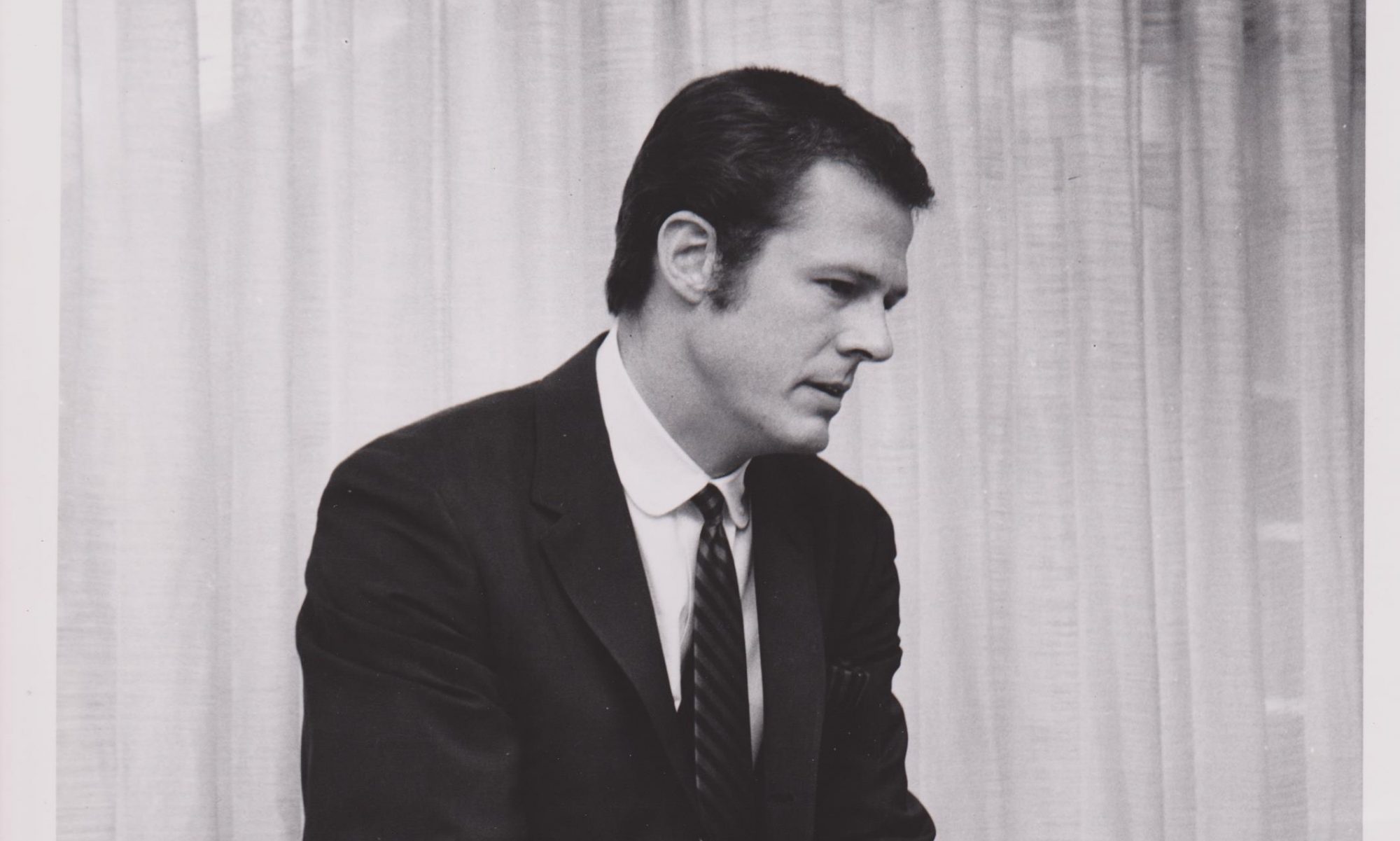
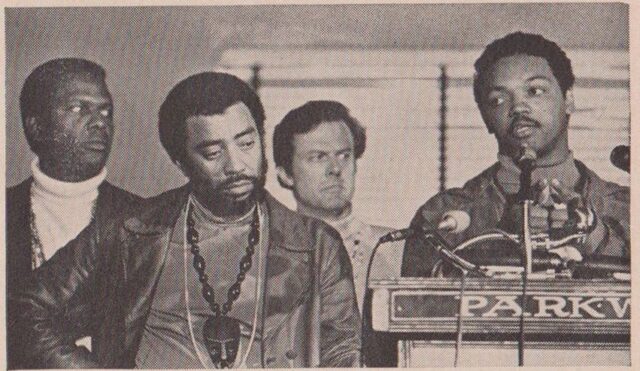

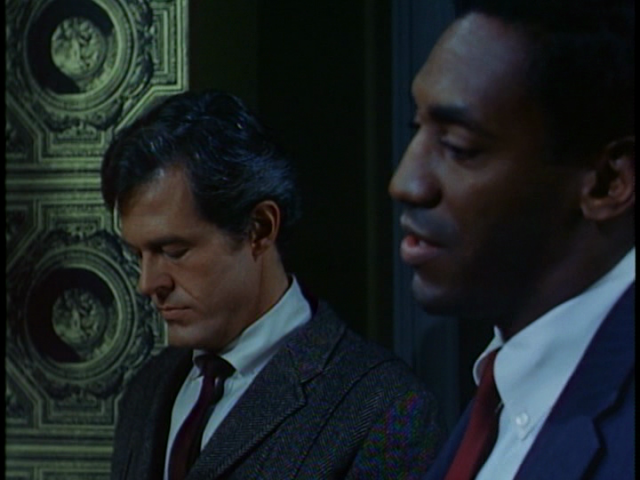
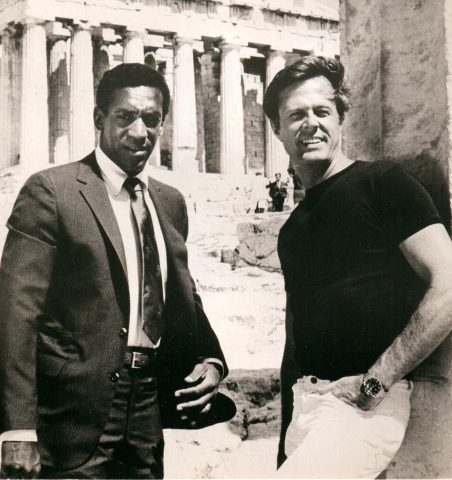
 Once upon a time, NBC had guts.
 By now, most of you have heard of the “Trump Trackdown” video. For those of you who haven’t, a quick recap:
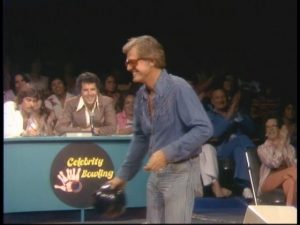 You can also find two of Culp’s Celebrity Bowling appearances at the PROClassic site,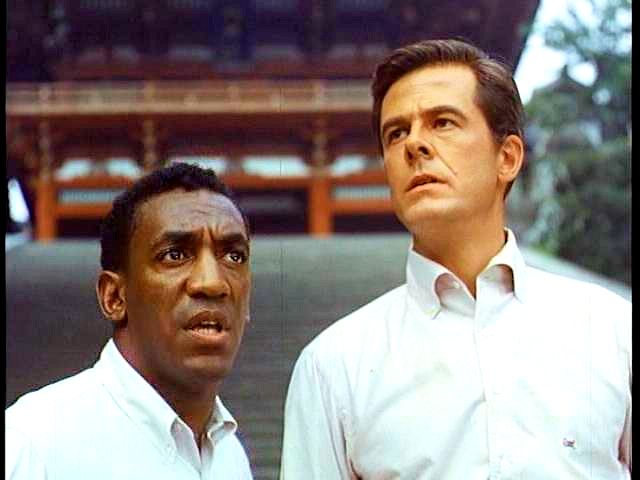
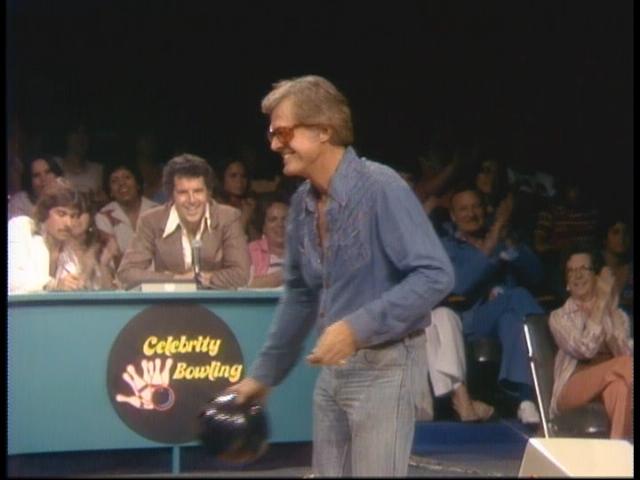
 Stop me if you’ve heard this before…
 It’s also unclear if the concept has changed. Originally, it sounded like Ralph, Pam and Bill were NOT going to be rebooted, that it would be all new original characters; an inner city teacher named Issac would be the recipient of the suit. Now, based on the recent Deadline Hollywood article, the script written by Rick Famuyiwa (DOPE), “is the story of what happens when great power is not met with great responsibility. An ordinary man, completely content with being average, wakes up with a superpower suit he never asked for and has to deal with the complications it brings his life.”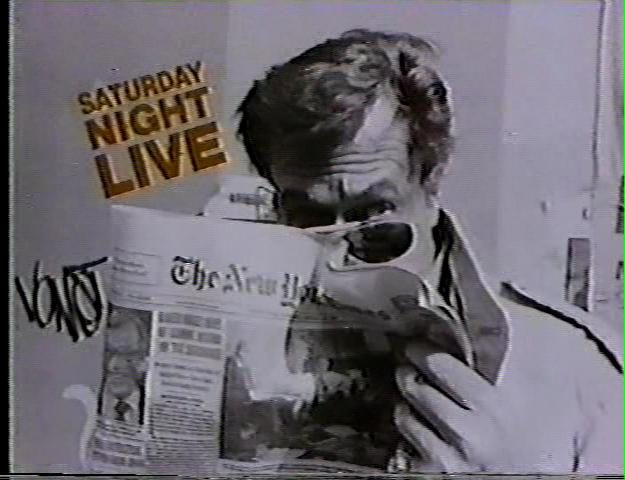
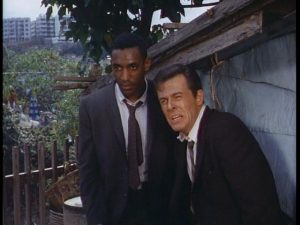
 Tatia (Season 1, Episode 10)
 The Tiger (Season , Episode 15)
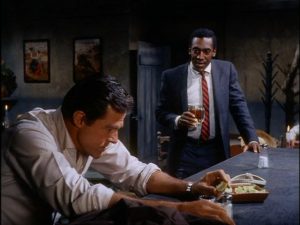 Bet Me a Dollar (Season 1, Episode 20)
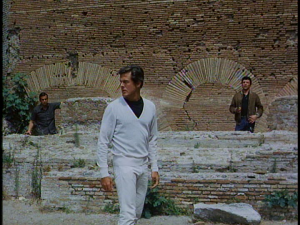 Vendetta (Season 2, Episode 4)
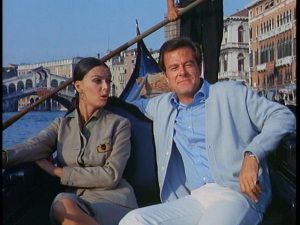 Bridge of Spies (Season 2, Episode 9)
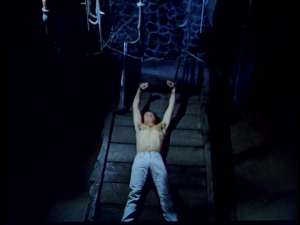 Room with a Rack (Season 2, Episode 21)
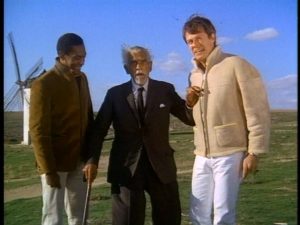 Mainly on the Plains (Season 2, Episode 22)
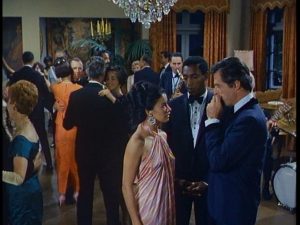 Magic Mirror (Season 2, Episode 25)
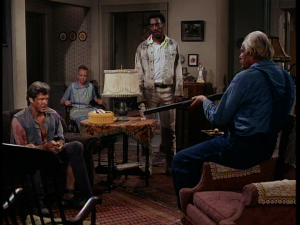 Home to Judgment (Season 3, Episode 14)
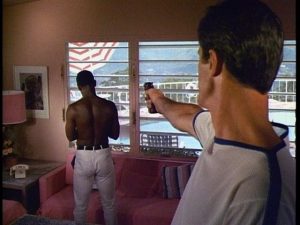 It’s All Done with Mirrors (Season 1, Episode 27)
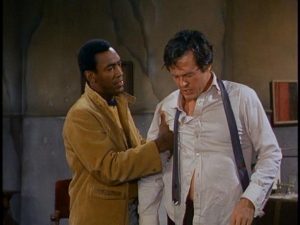 Blackout (Season 2, Episode 24)
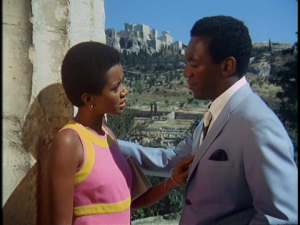 Laya (Season 3, Episode 3)
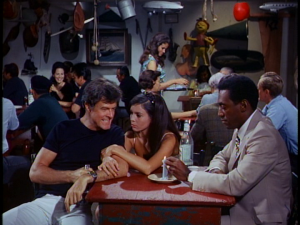 The Lotus Eater (Season 3, Episode 12)
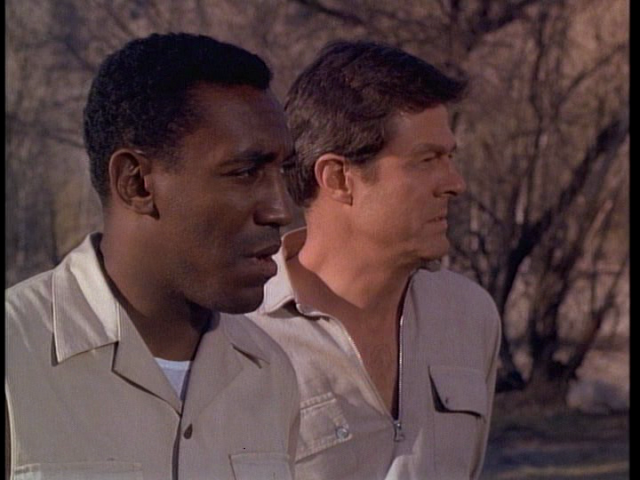 I Spy was one of the few correct and true things NBC has ever done. The nation needed to see in a non-proselytizing manner that all men are created equal. We were given in a weekly fifty minute non-statement, two men literally equal in size and stature sharing a meal, a room, a mirror, a bathroom. Nothing mattered as long as they got the job done and had fun. The end. This steady dose of Kelly Robinson and Alexander Scott walking side by side, living life together was absorbed subliminally and obviously and hearts began to change. Self-doubt about whether it was really OK to sit next to your classmate and eat off each other’s plates, finish their drinks, go camping with them, was obliterated. Ninety episodes later Alexander Scott made it clear to young men they no longer had to fear being the nerd who had done so well scholastically because being so didn’t negate your ability to be a man. To be a good human being.
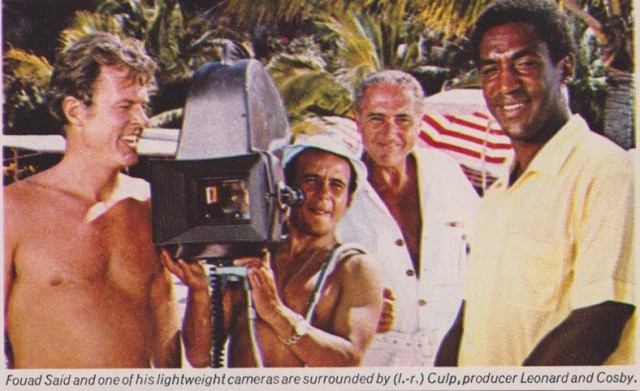 This equipment also threatened to push out the antiquated cameras, lights, mikes, and men that had been Hollywood staples for years, and no one was happy about that. For most of the time I Spy was filmed Said could not join the unions you would have expected him to be a highly valued member of. That came only as the series was ending, as did other breakthroughs.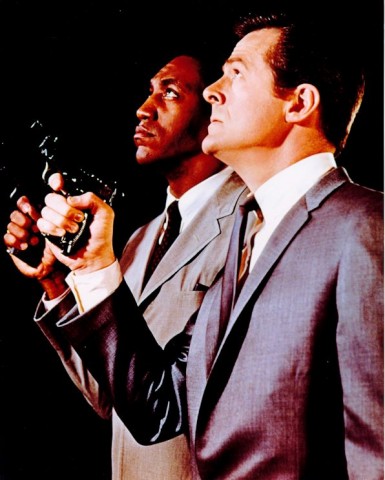
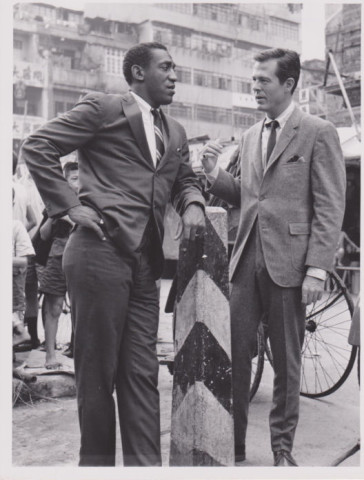 Both performers came to the attention of Sheldon Leonard via different paths but with the same fork in the road – Carl Reiner. Culp had written a script for a pilot for a possible series, a spy themed show that he took to Reiner. Reiner was on his way out of television at the time but had passed the script along to Sheldon Leonard. Leonard liked Culp’s idea, but liked his own better and as soon as Culp heard it, he concurred. Cosby’s name was mentioned to Leonard as having some potential for a future project and then Carl Reiner, again, passed Cosby’s name to Leonard after his son, Rob Reiner, saw Cosby on the Tonight Show and mentioned it to his father.
 Unhappy with “Affair in T’sien Cha” NBC picked from the other episodes completed the Robert Culp penned “So Long Patrick Henry,” to be the episode that premiered the series. In the episode Elroy Brown, a disenfranchised black American Olympic athlete (played by Ivan Dixon), defects to China lured by the promise of cash. Although he gets more money, he’s kept on a short leash by his Chinese handlers and after a year appears disgusted with the treatment. Kelly and Scotty must make an effort to persuade him to return to the United States. Neither of them really care if Brown comes back to the US or not, since he’s basically a jerk toward both of them. He still thinks he got the better deal until Scott throws it in Brown’s face, telling him bitterly that he more or less sold himself back into slavery.
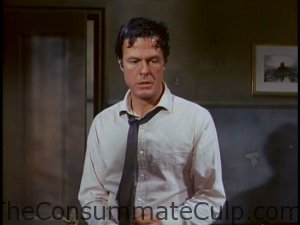 Ok, some of the storylines may have been fanciful, after all this IS television we’re talking about. But I Spy, unlike its various counterparts at the time, didn’t rely on gimmicks, trick weaponry or a Massive Evil Conglomerate Organization Bent on Taking Over the World (Megalomaniacs R Us) as it’s one and only enemy. Kelly and Scotty matched wits and outwitted standard Cold War adversaries from the Russians and the Red Chinese, but also drug lords, mobsters and a few old friends and acquaintances. When either of them were betrayed by somebody, you felt the shock and pain. When either of them were cut, they bled. They were beaten and battered and sometimes bordered on being broken. The spy business was dirty, ruthless, lonely and unforgiving. Innocents were killed while the guilty got asylum.
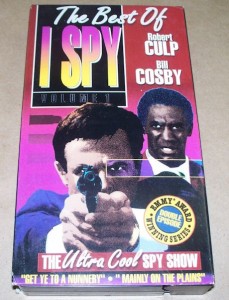 I Spy never cracked the top twenty in ratings but after the show’s end in 1968 it continued to have a decent fan base with reruns running through the 70s and into the 80s. Limited VHS releases came in the 1990s with a random selection of episodes. However, one particular release erroneously featured a photo of Culp and Cosby from their 1972 film Hickey & Boggs on the cover instead of an I Spy photo. I could say how the shortcomings of the internet back then (which just barely existed) wasn’t like the internet now and thus the people responsible for packaging couldn’t double check on the photo…but Hickey & Boggs photos have been erroneously tied to I Spy for years. Still are.
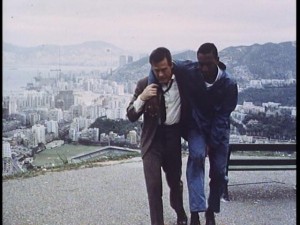 Which may explain why I Spy seems to fly under the radar as far as nostalgic pop culture. Cosby’s misdeeds certainly don’t help now either but the show doesn’t deserve to be punished further. Maybe it’s asking too much too soon but I Spy still matters. It showed us how it looks with no hate. Something we need to see more of, not less.
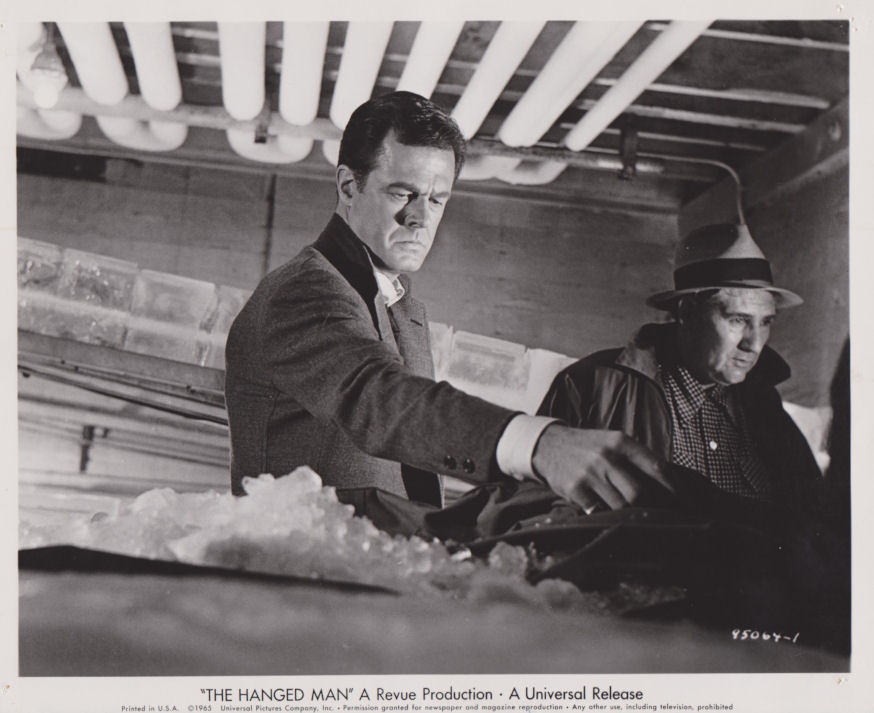 The Hanged Man (1964) – Directed by Don Siegel (Dirty Harry, The Shootist) this was the second TV movie to air and was an adaptation of the 1947 film Ride the Pink Horse. Set in New Orleans during Mardi Gras, Culp is Harry Pace who arrives to find out why a friend was killed and finds himself embroiled in shady union politics. Edmond O’Brien is the union boss with dirty hands, Norman Fell is the cop trying to find out why Pace’s friend was murdered and Vera Miles is the love interest whose allegiance to any man is questionable. Culp’s performance is dark and brooding and through the lies and deceit, the truth he seeks turns out to be more than he bargained for.
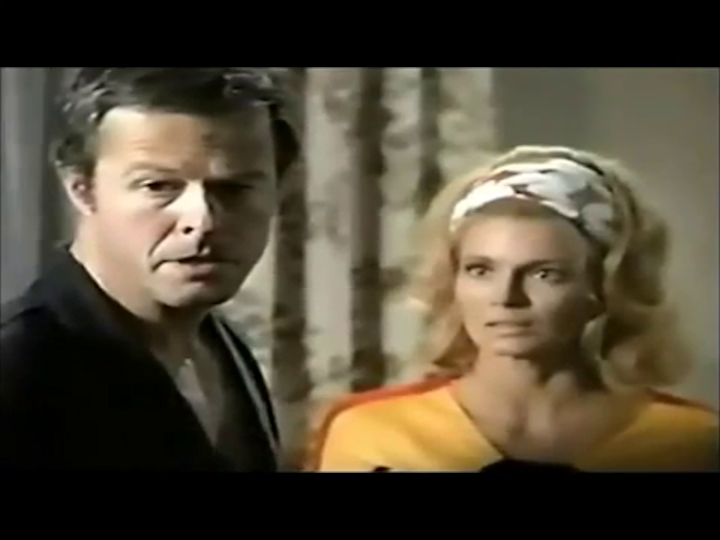 See the Man Run (1971) – Also known as The Second Face, the suspense in this one starts from the get-go and doesn’t let up. Culp is Ben Taylor, an alcoholic out of work actor who has recently moved into a new cheapie apartment with his wife Joanne (Angie Dickinson). Their phone number, previously issued to a Dr. Thomas Spencer (Eddie Albert), is the number a couple of kidnappers dial to say they have his daughter and demand a $50,000 ransom. Culp has no chance to tell them they have the wrong number and after he calls Dr. Spencer and tries to explain what happened, the doctor thinks he is the kidnapper. Caught in the middle and egged on by his wife, Culp runs the dangerous game of go between with the doctor and the real kidnappers for the chance at $150,000. Watching Culp switch roles from cool, threatening kidnapper to trembling victim to mere actor trying keep his wits about him is enough to induce schizophrenia. Angie Dickinson is great as she gets consumed with greed and the twist ending – you’ll never see it coming.
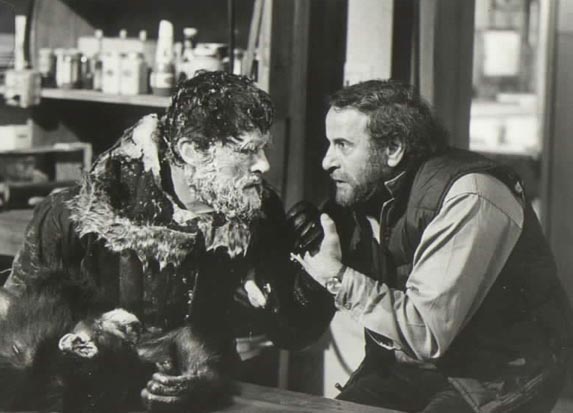 A Cold Night’s Death (1973) – I’m including this one because it seems to be on other people’s top list but here’s the thing: I haven’t watched it yet. I got as far into it as when the helicopter pilot is showing Culp and Eli Wallach around the lab, which is located on some godforsaken frozen mountain, and he shows them the part of the lab with the big vats that hold snow to melt to use for drinking water and I had this awful vision. I won’t share it but since I live in a place that has winters that look like where this laboratory was located, I haven’t had the hot foot to go back to it.
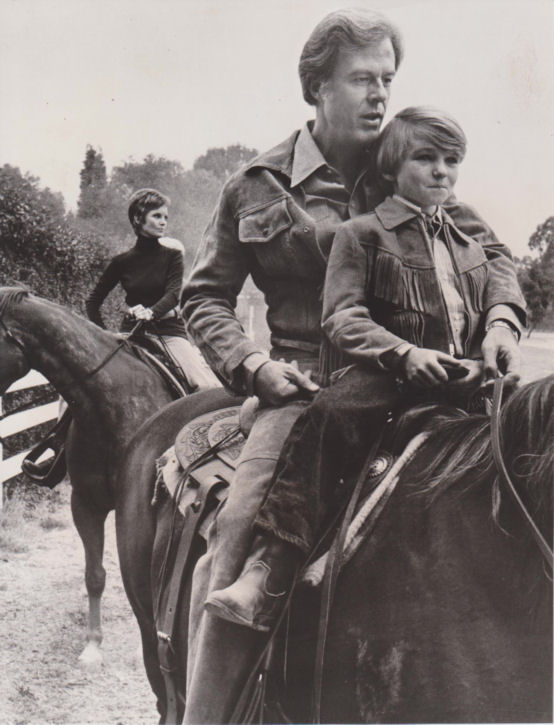 Outrage (1973) – Apparently based on true events, Culp is Dr. Jim Kiler, a veterinarian and family man, living in a gated community somewhere in California. The spoiled rich kids in the neighborhood enjoy raising a ruckus and go hot rodding around in their cars, risking life and limb to anyone who is out on the sidewalk or in the street. Kiler petitions to have speed bumps put in the neighborhood and after becomes the target of the punks and their escalating antics. The basic story line of the gentle man pushed too far, anyone who has seen Culp in his Columbo episodes will recognize the contained simmering anger in this one that builds up to a violent and, let’s face it, satisfying vigilante outburst at the end.
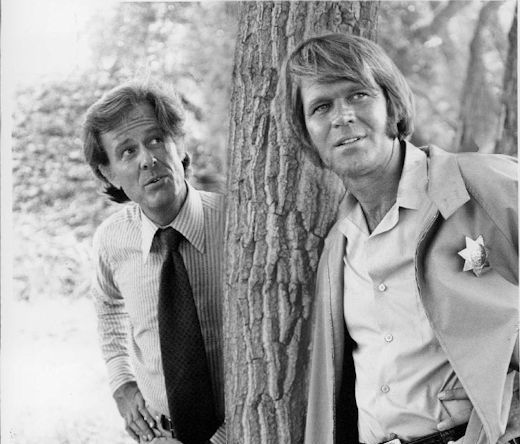 Strange Homecoming (1974) – Culp plays Jack Halsey, who left his small town 18 years earlier and sends postcards back home to his brother, Bill (Glen Campbell), from all these exotic locations all over the world where he does “business.” His business, however, is that of a jewel thief and while in Hawaii Jack adds murder to his resume. On the run from the law, he returns home to the surprise of his family and old friends, who are oblivious to his true trade. Campbell, who’s also sheriff of the town, starts to become suspicious of his brother. Culp is cool yet wild eyed and creepy in this one, having an especially awkward moment involving a pair of ladies nylon stockings (causing him to flashback to the murder in Hawaii). When the brothers finally clash, only one will win and the ending may surprise you a little.
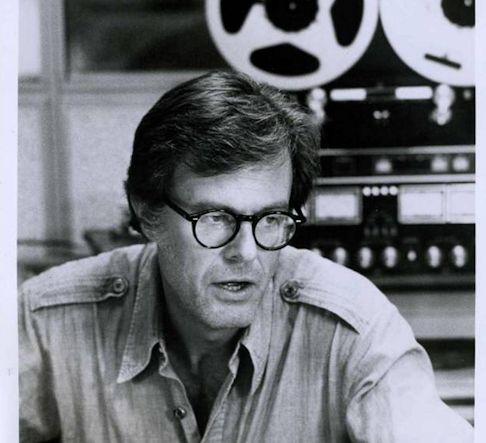 A Cry for Help (1975) – Culp channels his inner Don Imus in this one as a caustic talk radio host, Harry Freeman, who indulges in diatribes and insults his listeners for sport during the morning commute. When a young girl phones in saying she’s going to commit suicide, he blows her off, jokingly asking where she was and that he would join her. When his listeners start phoning in and taking him to point, including a psychologist, Culp scrambles to try to locate the girl via his listeners to stop her from going through with it. The best part of this is watching Culp turn from caustic to caring and seeing the humanity in the character come through…even though he masks it and denies it.
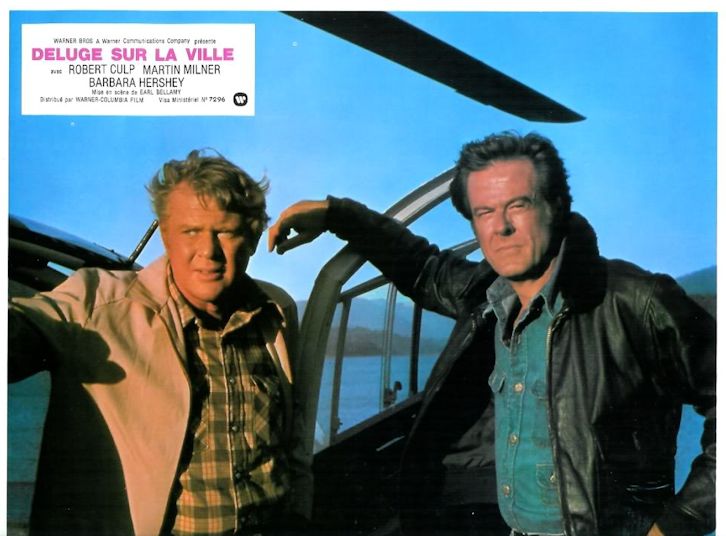 Flood! (1976) – Master of Disaster Irwin Allen (The Poseidon Adventure, The Towering Inferno) brings big screen disaster to the small screen with the story of a rain swollen lake, an earthen dam that can’t hold it back much longer and the small town of Brownsville that stands to be washed away when the dam breaks. Culp is helicopter pilot Steve Brannigan who ferries high paying clients back and forth to fishing cabins at the lake. After seeing the water level at the dam, along with a fresh leak, he tells fellow pilot and friend Paul Burke (Martin Milner) who tries to get the mayor and town council to consent to opening the dam to relieve the pressure. They won’t because it will ruin the fishing, thus ruin the tourism…which apparently is more important than, say, preventing the whole town from wiped out by the flood from the busted dam, which is exactly what happens (how’s the fishing now?!). Culp assists in rescue efforts with his bird and looks really good doing it, just saying!
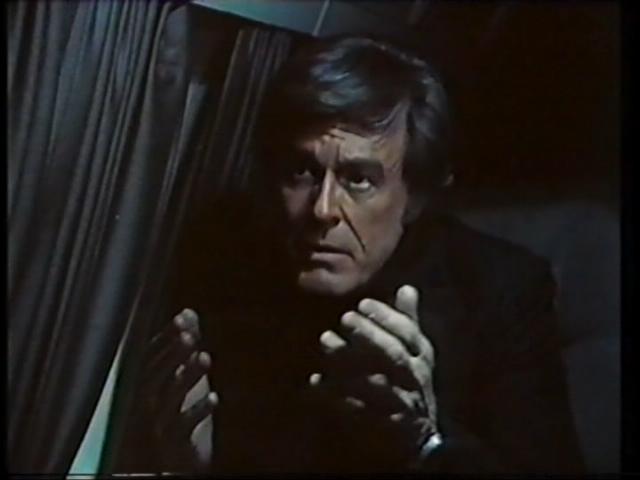 Spectre (1977) – Originally pitched as a pilot for a potential series created by Gene Roddenberry, Culp plays William Sebastian a renowned criminologist and dabbler in the occult. With his partner, Dr. Hamilton (Gig Young), the two are a modern day Holmes and Watson. They travel to England at the request of Anitra Cyon, who believes her brother Jeffrey has come under the influence of some kind of evil. All the Culp coolness you love is here along with a good mystery and very well done production.
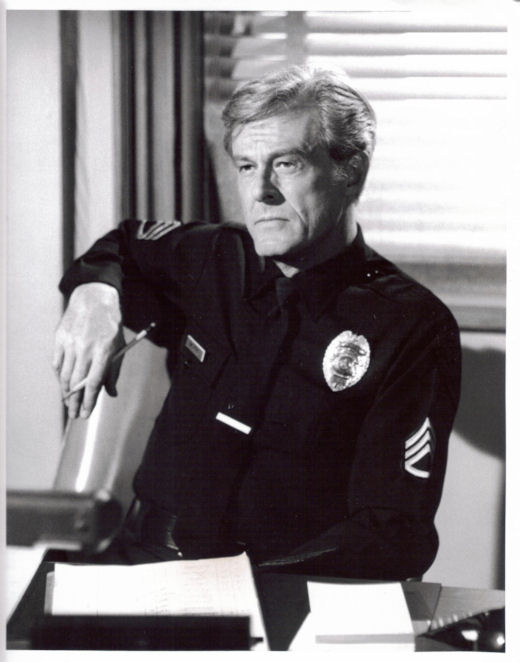 Last of the Good Guys (1978) – Culp once said in an interview that the earliest incarnation of “Maxwell” was in this, where he plays a tough, calcified, by-the-book (sound familiar?) police sergeant named Nichols that oversees a misfit squad of cops (including Dennis Dugan, Ji-tu Cumbuka, James Hong and Hampton Francher). When veteran cop Frank O’Malley (Larry Hagman) dies just days from retirement, the younger cops plot to manipulate Nichols by covering for O’Malley at roll call until his retirement date, so that his widow and kids can receive his pension. Nichols catches on to the ploy and after Officer Lucas (Dugan) attempts a last minute desperate shakedown on Nichols involving a “breach of promise” with a young blind girl, it comes down to whether the tough as nails Nichols sticks with the book regarding O’Malley’s pension or not.
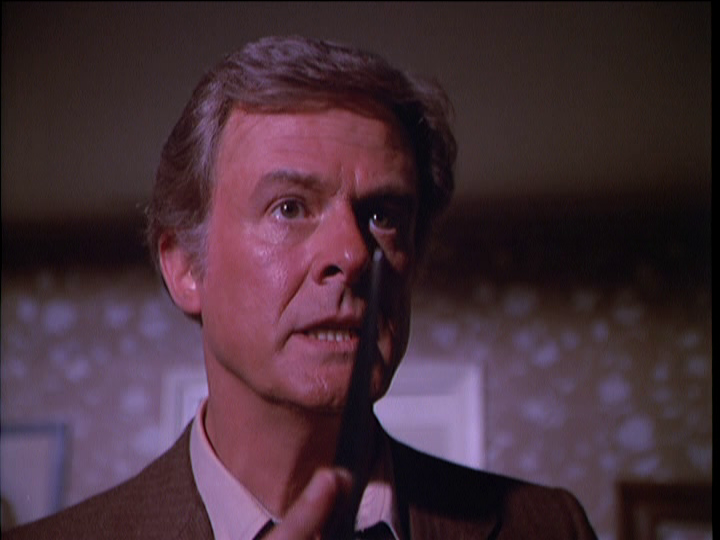 Killjoy (1981) – A murder mystery so damn convoluted you’re not sure who really died and who really did it until the very end. Culp is Lou Corbin, a cop and also a suspicious character in his own right, who knew the victim, Joy Morgan, and is trying to find out who killed her. A tip of the hat to Columbo with a touch of Maxwell with a bent, Corbin shows up on people’s door steps, pops in on them when they least expect it (especially when they go rummaging through the victim’s house) and essentially pesters everybody (just like Columbo!) but never lets on that he’s a cop until the end.
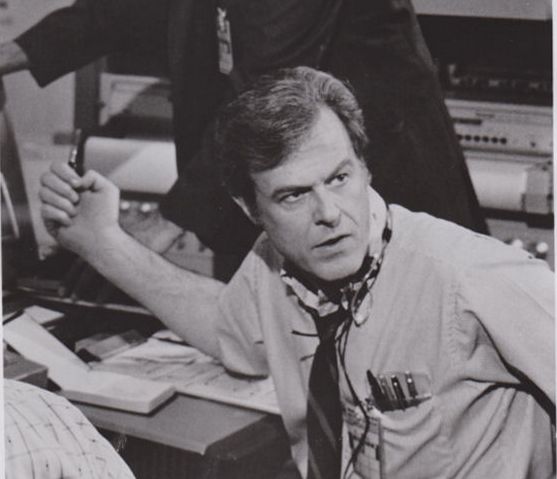 Houston, We’ve Got a Problem (1974) – Dramatization of the 1970 Apollo 13 crisis, only this one focused on the lives of the men who were on the ground at Houston Mission Control, having to work to figure out how to get the crippled space craft back to Earth and back to safety. Culp is Retro Officer Steve Bell, who suffers from a deteriorating heart condition that will essentially end his career if not his life before Apollo 13 makes it back to earth. Not knowing if the lunar module itself is damaged, Culp must figure a point of re-entry and calculate coordinates to bring the module safely back through Earth’s atmosphere. The other story lines run more melodramatic and the film was criticized at the time for being so (and for being overly fictionalized) but if you’re a Culp fan his performance alone is worth the watch.
 The Blue Lightning (1986) – Although he opens the movie, there’s not enough of Culp in this one, plain and simple. Culp is ex-IRA bomber and cutthroat criminal Lester McInally (complete with Irish brogue) operating in the Australian outback when he goes up against private investigator Harry Wingate (Sam Elliot) who is attempting to retrieve a priceless opal from him. The film is non-stop action and only slows down enough when Elliot takes a bullet in the lung from Culp (ha!). Character development is sparse but the Australian scenery is magnificent. I would have liked to have seen a scene showing Culp overseeing his den of debauchery at McInally’s Casino, ordering thugs around and all but, alas.
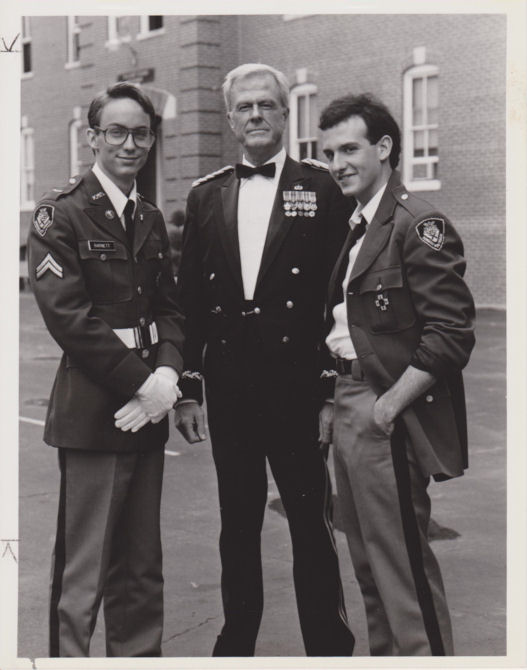 Combat High (aka, Combat Academy) (1986) – Military academy version of “Police Academy” (produced by the same people) Culp is in the Commandant Lassard role here (although not as air headed), as the head of a military academy. When two punk kids (Keith Gordon, Wallace Langham) are sent to his school, they turn it and him upside down. Culp suffers the typical sophomoric indignities in this one, including the entire dining table being upended on him in the mess hall dumping just about everything all over his uniform and his office is sabotaged six ways from Sunday. A young George Clooney plays Culp’s son and there’s a subplot involving the strained father/son relationship. The film is loaded with noted guest stars including Jamie Farr (actually in a uniform as opposed to his typical “dress” on MASH), Bernie Koppell, John Ratzenburger, Richard Moll, Dick Van Patten and Sherman Hemsley.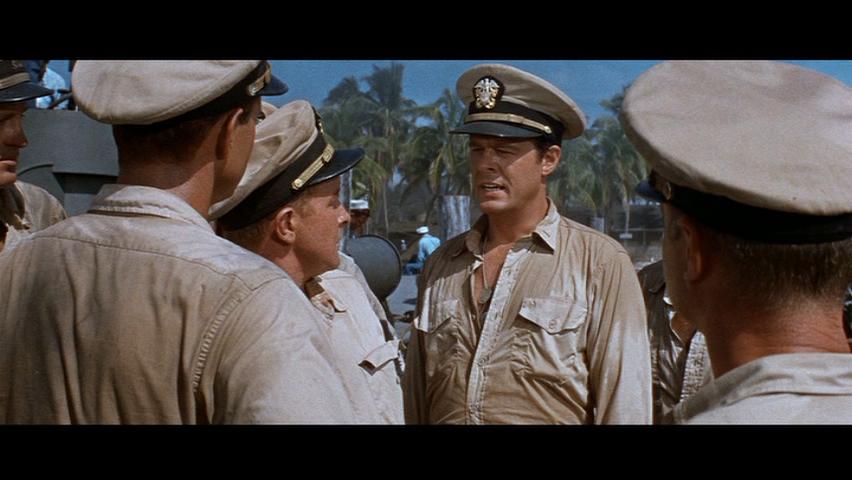
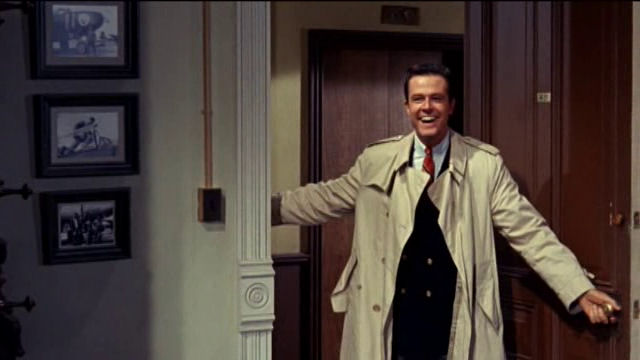
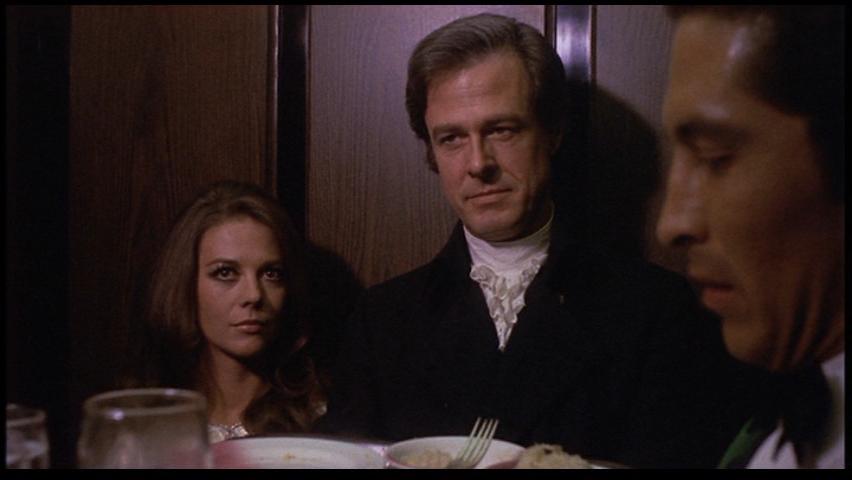
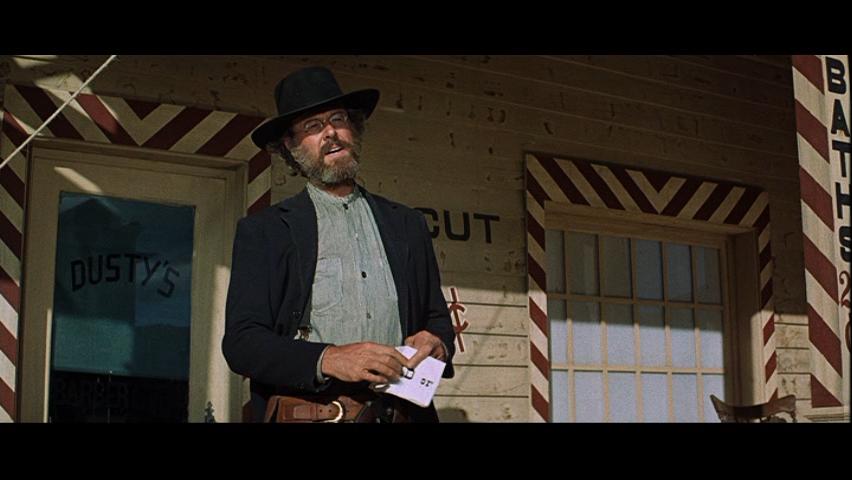
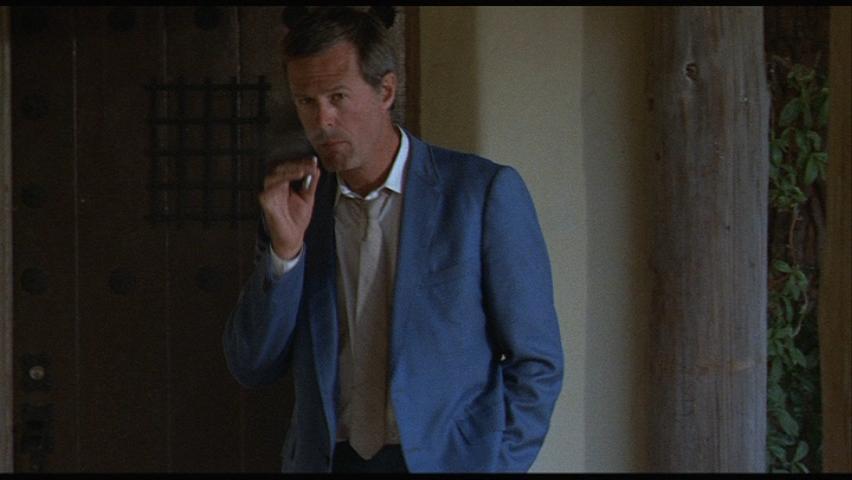
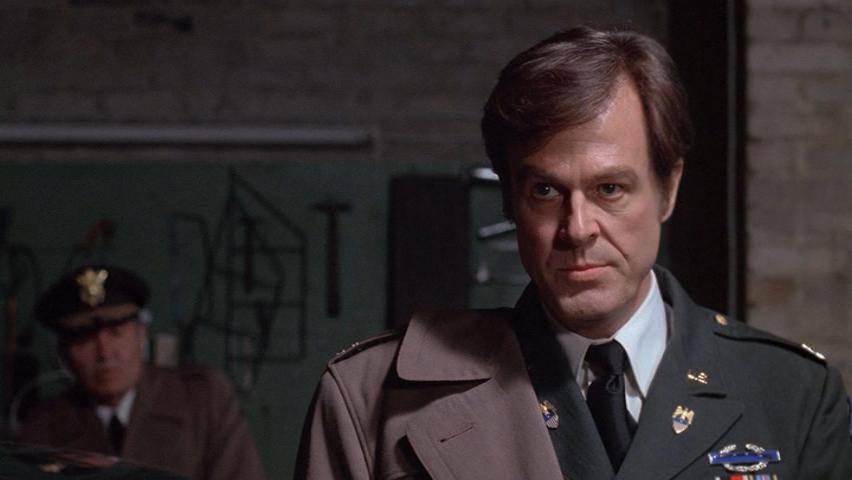
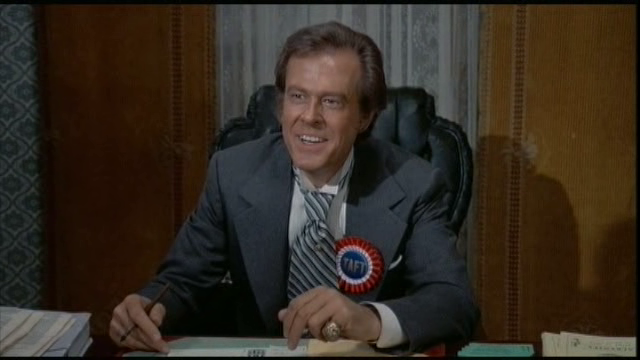
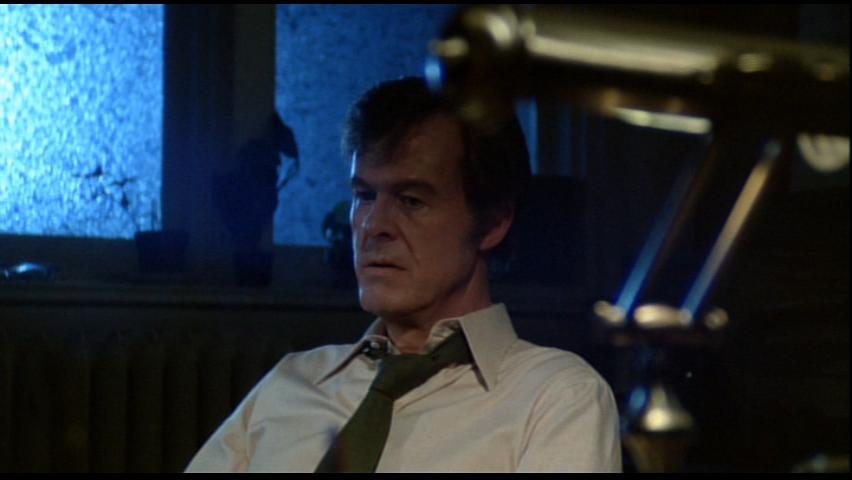
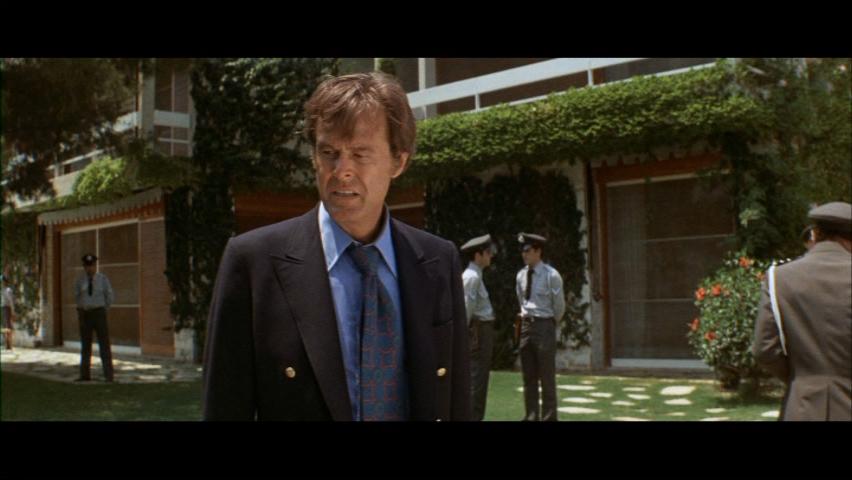
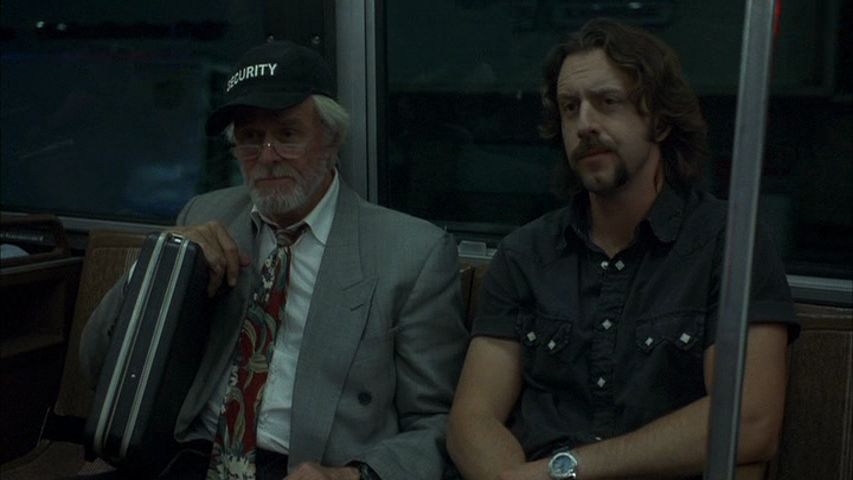
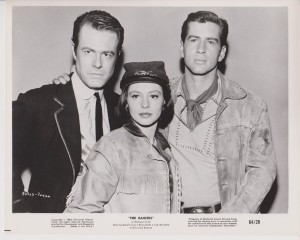 The Raiders (1963) – I don’t believe this was actually intended to be a feature film. It feels more like a pilot for a potential television series focusing on the exploits of the three leads, Culp as Wild Bill Hickcock, Judi Meredith as Calamity Jane and Jim McCullan as Buffalo Bill Cody. I’ve seen this movie get trashed by other reviewers more or less because the historical characters are completely put through alchemy in the story line. There’s no doubt it’s complete and total fanciful fiction and if you can forget who Wild Bill Hickcock, Calamity Jane and Buffalo Bill Cody really were, the concept here had it’s positives. Culp is fun to watch as the sharp dressed and sharp shooting Wild Bill. The chemistry was there, but alas, it was only for one pass. Since TV movies weren’t quite the norm yet (they were literally just around the corner) one would assume that Universal decided to release the pilot as a feature film since it was at least worthy of that.
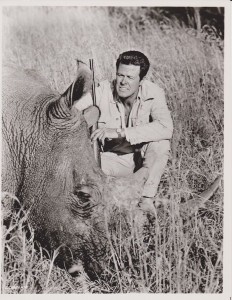 Rhino! (1964) – Basically National Geographic Goes to the Movies Rhino! was filmed entirely on location in Africa and the actors in the film get up close and personal with the various animals, Culp especially since he’s playing a scientist. Harry Guardino is a safari guide (and closet poacher) who agrees to guide Culp through the countryside in search of the white rhino. Bond girl Shirley Eaton is the love interest. At the time the film was made there were 650 to 700 southern white rhinos in South Africa. Today, thanks to conservation efforts such as what was portrayed in the film there are over 16,000 southern white rhinos in South Africa.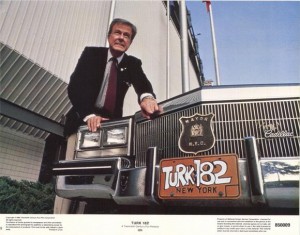
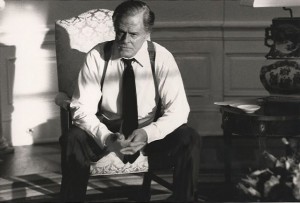 The Pelican Brief (1993) – If I don’t mention this one, somebody’s gonna smack me, and rightfully so. However, at the time of this writing I have not watched The Pelican Brief yet so I can’t comment anything on this movie. I did read the book back in high school but…yeah, that doesn’t help me. At all.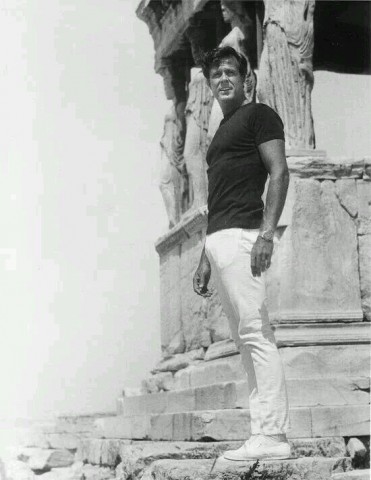
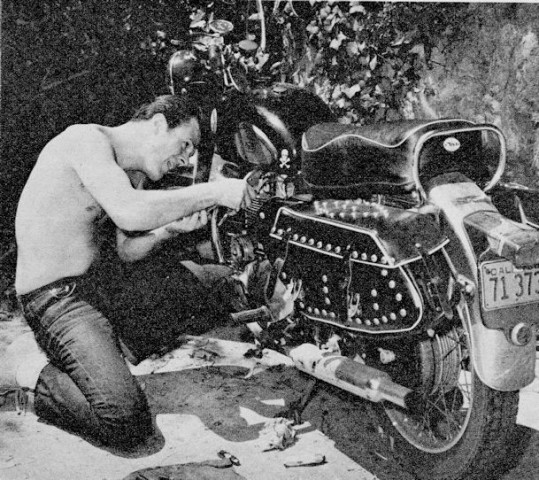
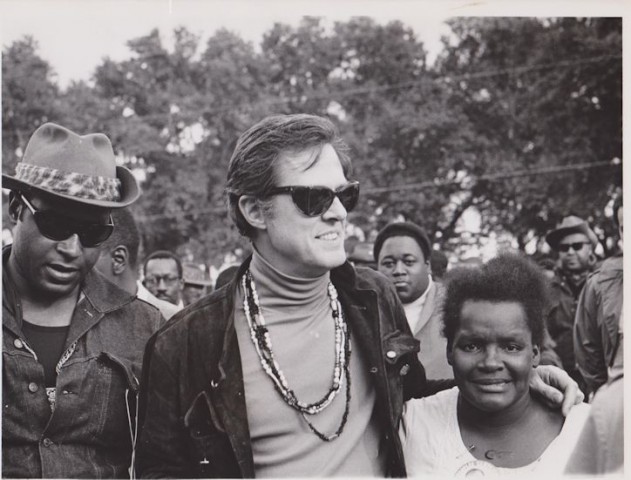
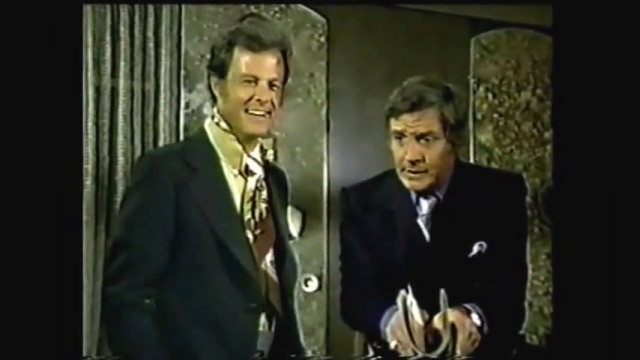
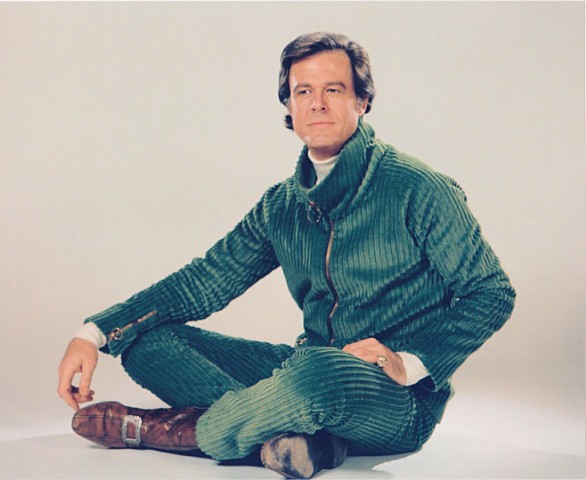
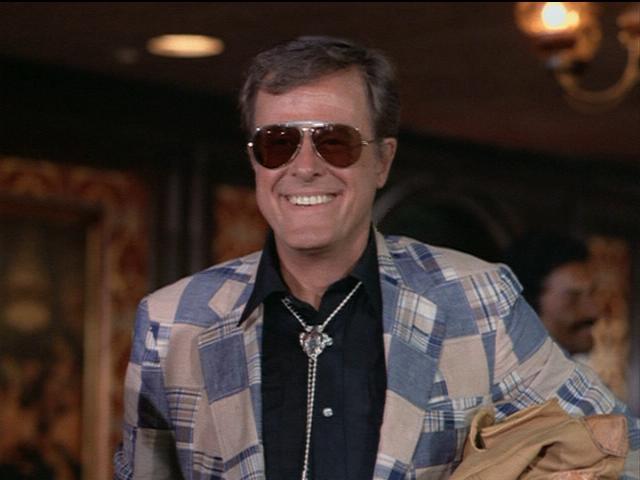
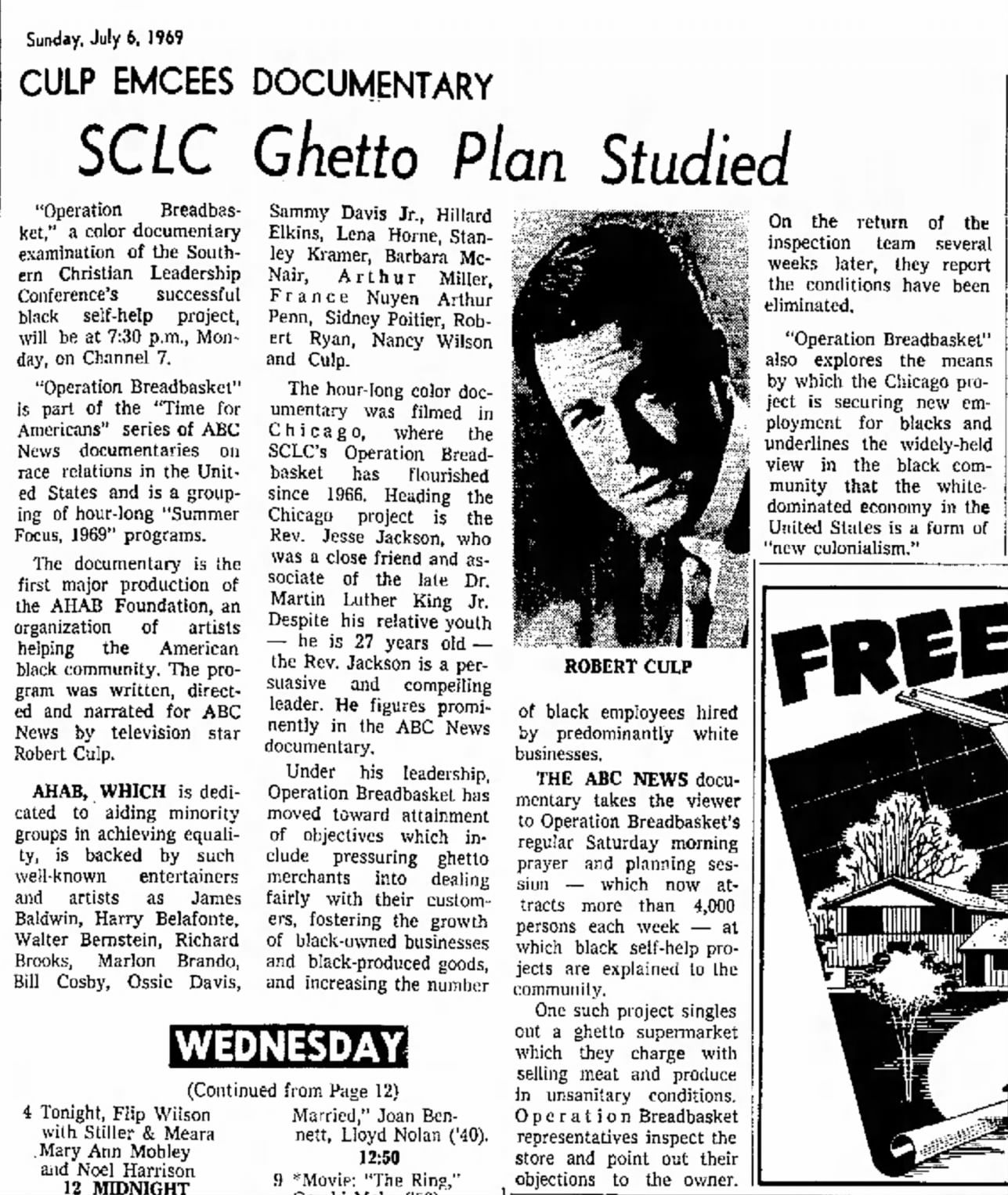
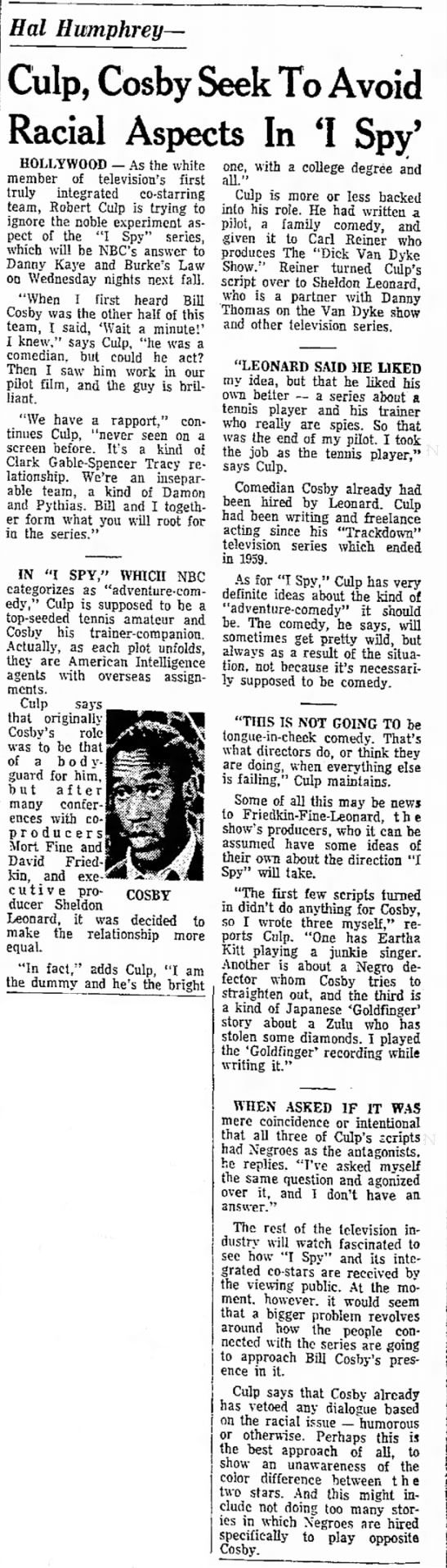
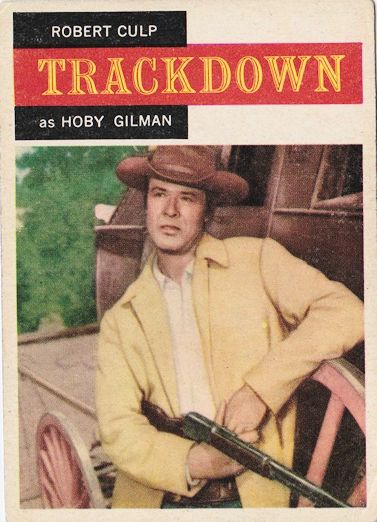
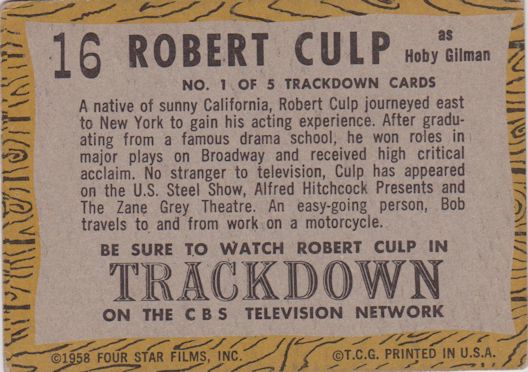
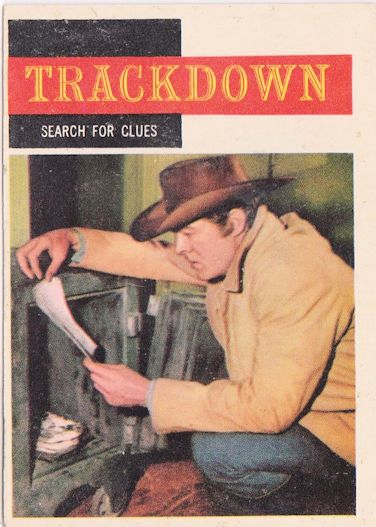
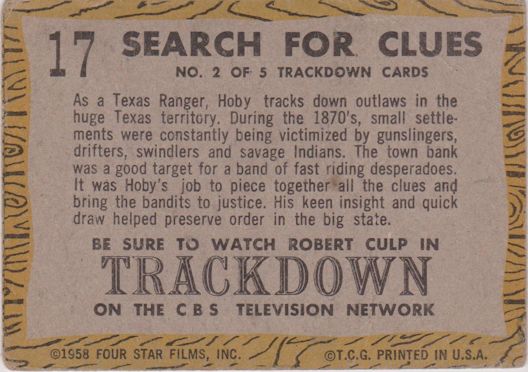
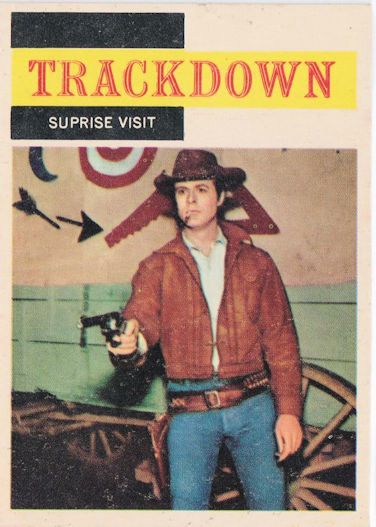
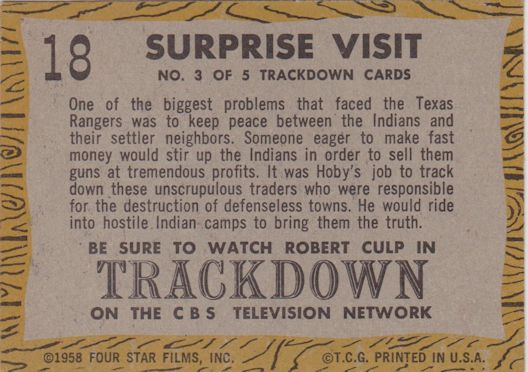
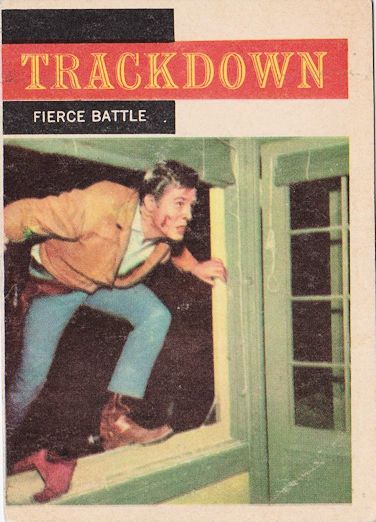
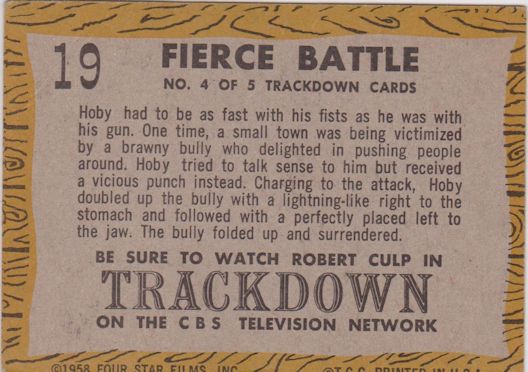
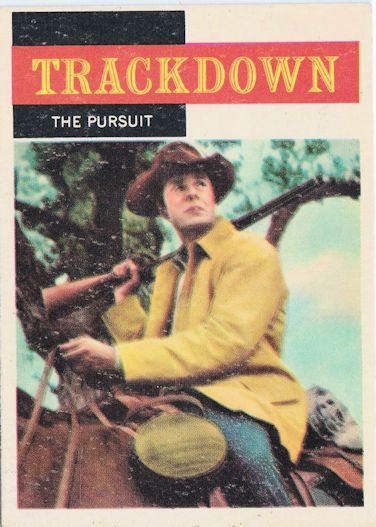
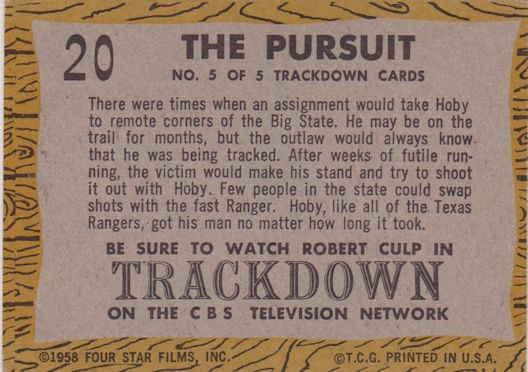
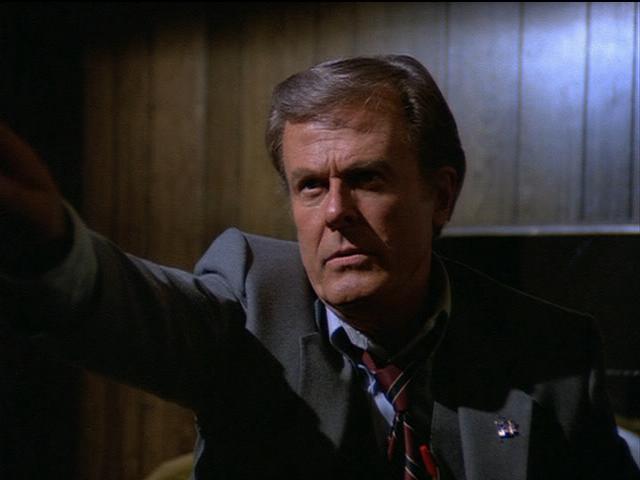
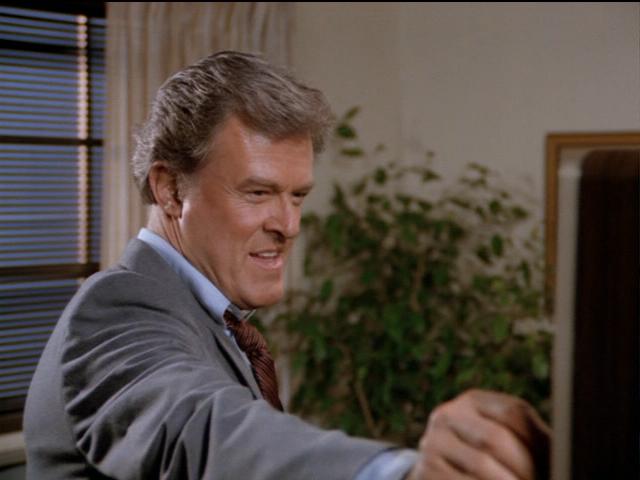 With the recent posts over on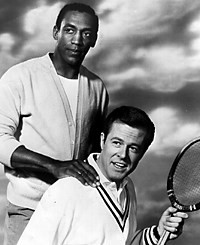
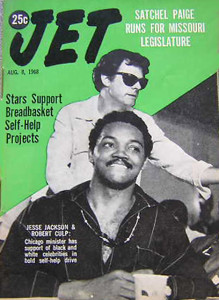
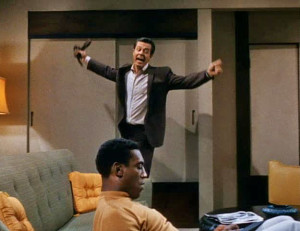


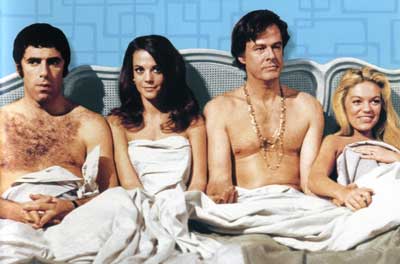 Looking for something to do this Saturday night (3/15/14) in LA at 5pm? How about heading on over to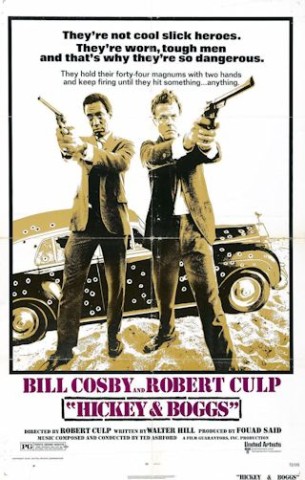
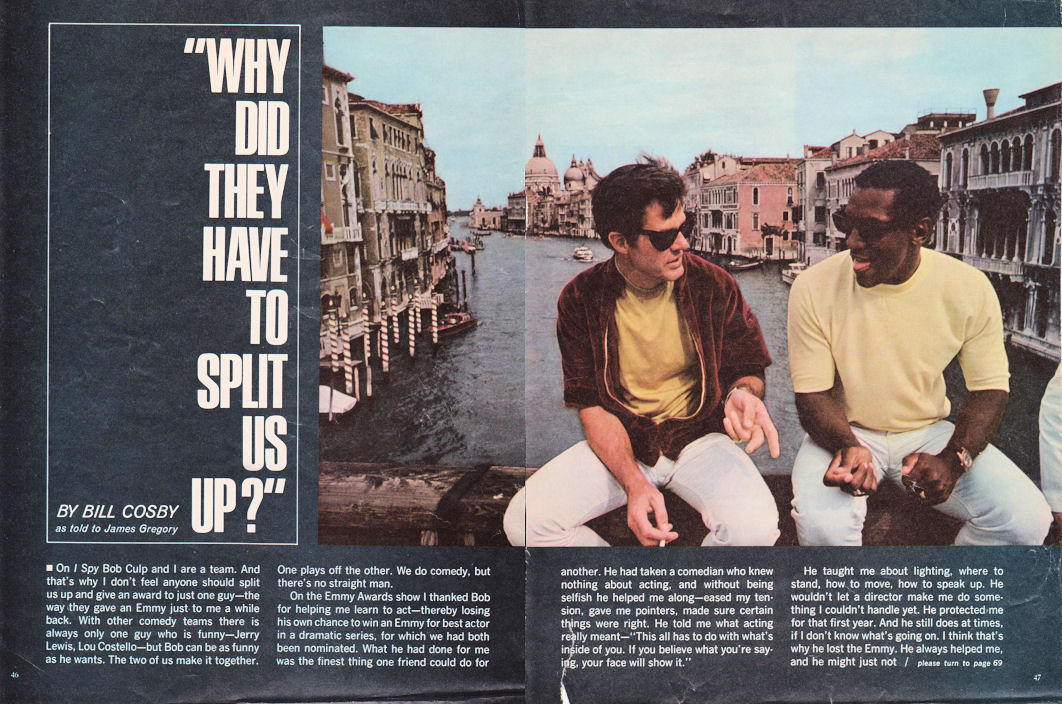
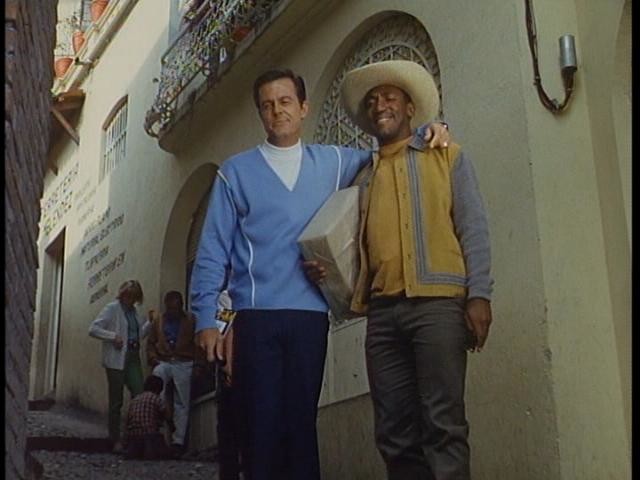 But I really didn’t have to explain to Bob how I felt. We’re so close that we instinctively understand each other. We even have a certain way that we speak to each other. I don’t know if you’ve ever had a friend who was so close to you that maybe just one word could key you off into – not necessarily fits of laughter, but enjoyable moments, when you’ve both been depressed or tired. For me that particular pick-me-up happens to be Bob Culp.
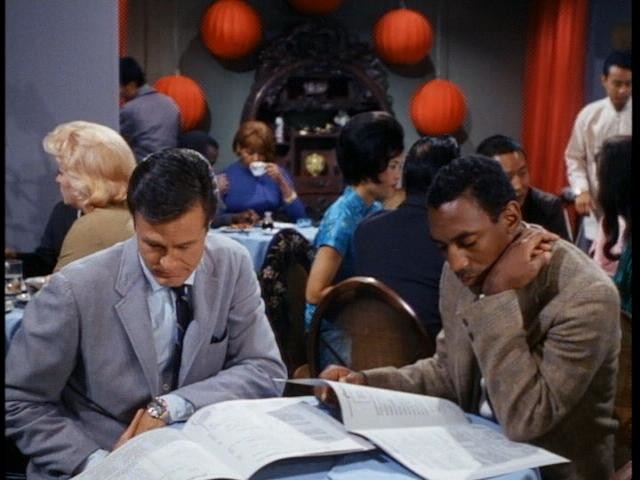 Then there was something that happened to Bob and me in Hong Kong while we were filming the 1st show in the series. Now, when I get to a foreign land I like to eat the food of the country. I don’t care how sick it makes me feel. Well, we were sitting in this restaurant. (A Chinese restaurant, of course!) Both of us had just learned how to work out with chopsticks, and were starting to learn a little about Chinese food, I mean real Chinese food. So we sat down and looked at the menu and said, “What is this?” and so forth and so on, and “Let’s have some of this. Have you ever tried this? No, man, let’s try some. Let us venture forth and get some of these wonderful things that they have on the menu here. We don’t care what it is. Give us some of this and some of that, with flangs and floosh and zoobie … and oh, yes, we must have some duck. Give us some duck. This barbecued duck here.”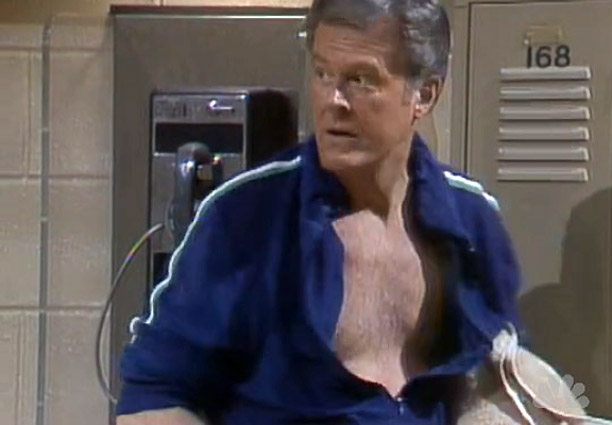
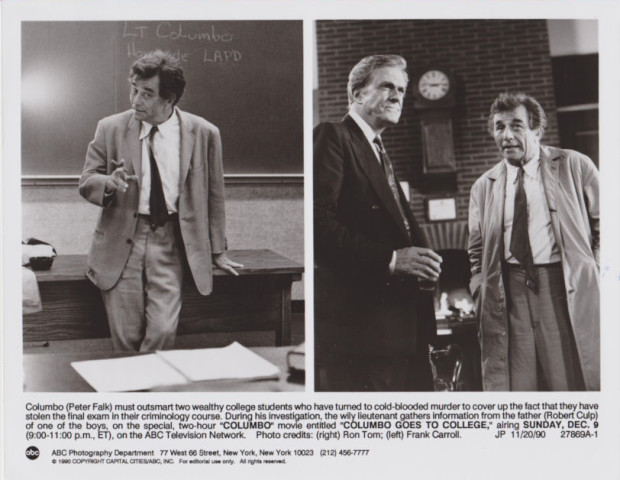
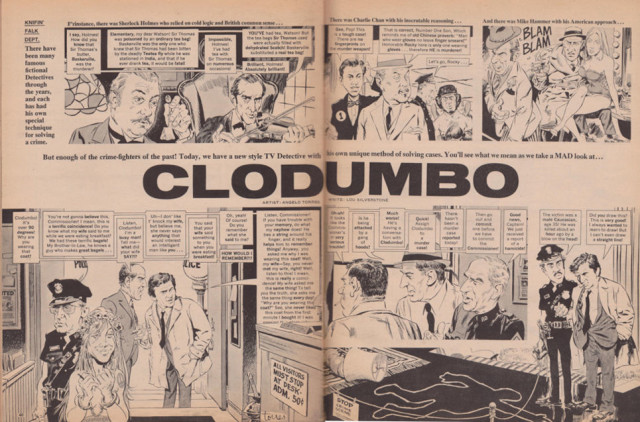
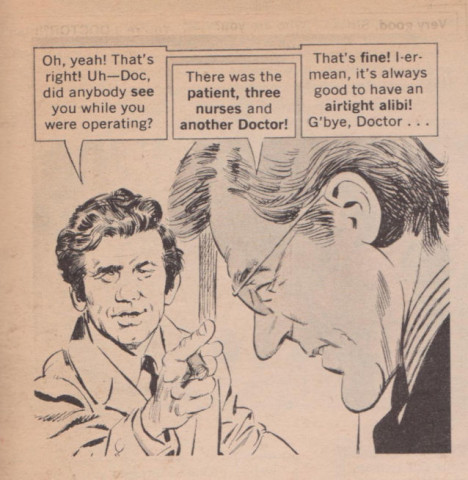
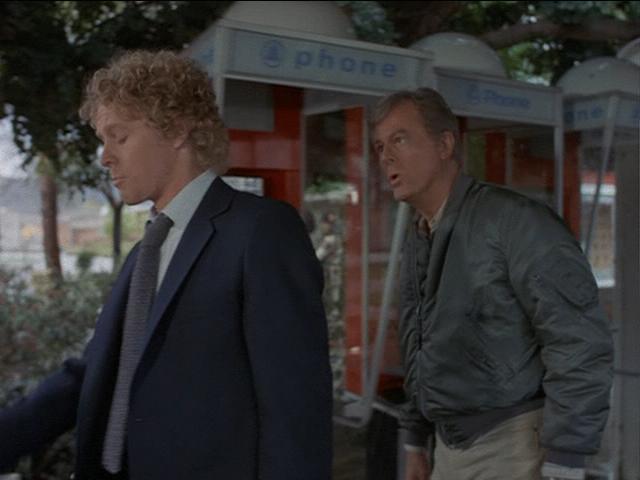
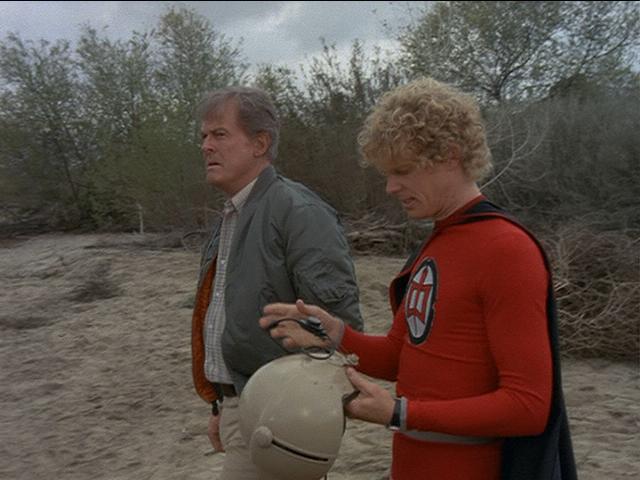
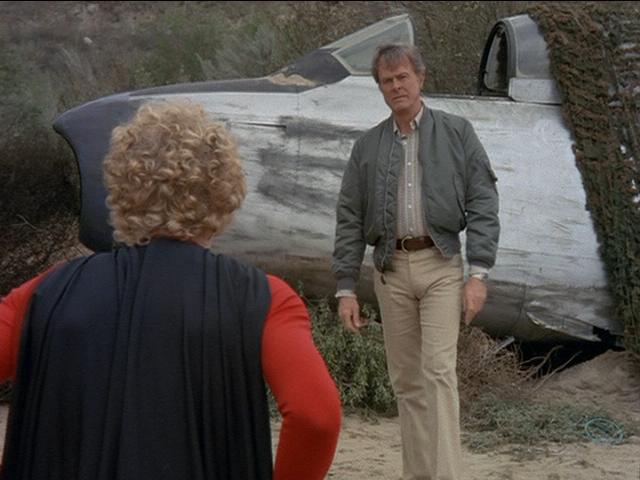 Ralph freaks out, of course, and can’t figure out how to reverse what he’s done. He and Bill head back to town, with Ralph whining the whole way about having to face the rest of his life being invisible. Bill, meanwhile, is trying very hard to find positives in the situation and not let Ralph get too discouraged. Despite his cheer leading efforts, he catches the attention of a motorcycle cop, who thinks the Fed is talking to himself.
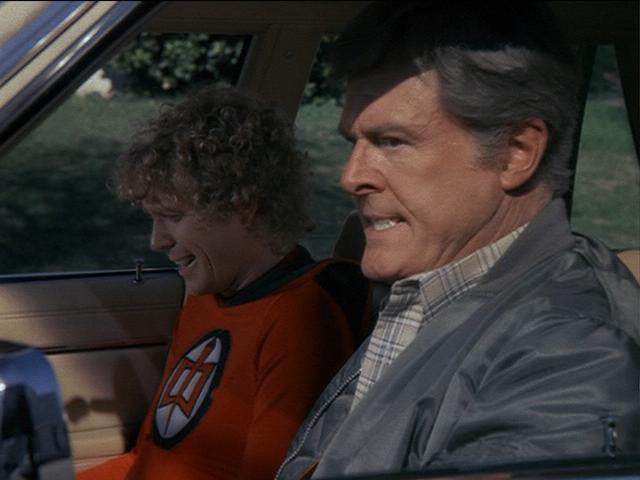 While Bill and Ralph have been investigating all this international intrigue, Pam’s parents are visiting from Minnesota (Deer Lick Falls, Minnesota to be exact where Pam’s father is the mayor but having nothing to do with “The Mayor’s Committee from Deer Lick Falls” which was a Rockford Files episode. Let’s not confuse the issue). Ralph made reservations at a nice restaurant to take Pam and her folks for dinner. Which would be all well and good except he’s still invisible with the suit.
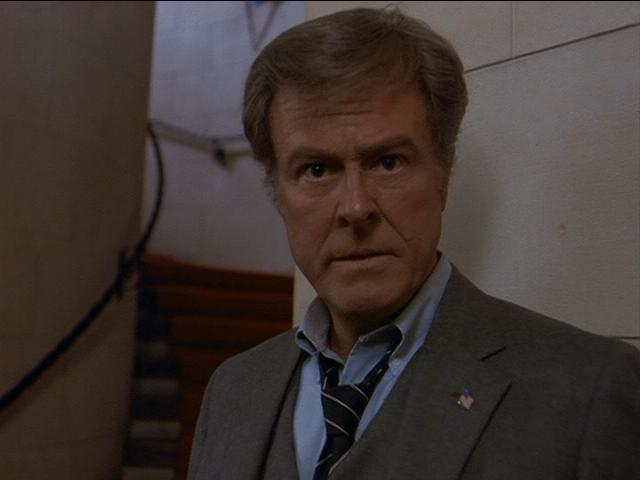 Ralph gets the gunsight and, naturally, pandemonium breaks out as all the bidders freak out when the gunsight magically floats through the air and out of the room. Ralph meets back with Bill again – just in time for his invisible cloak to click off. He and Bill make a run for it and Ralph flies himself and Bill out of the consulate, crashing landing on the ground outside the wall. The flight footage of the two is from the pilot, as Bill magically goes from a three piece suit to khaki’s and green aviator jacket then back to suit again upon landing.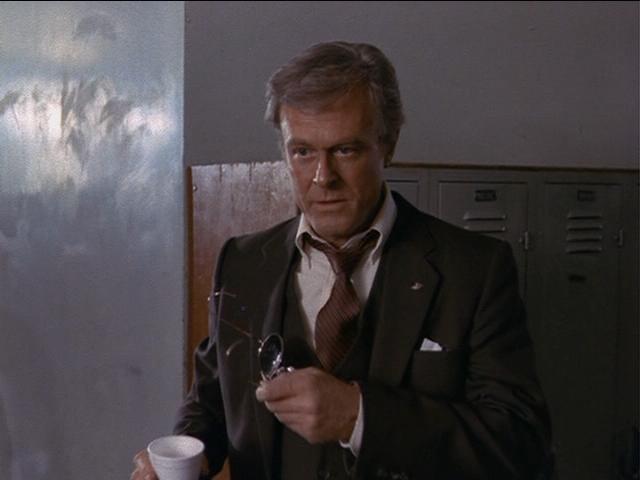
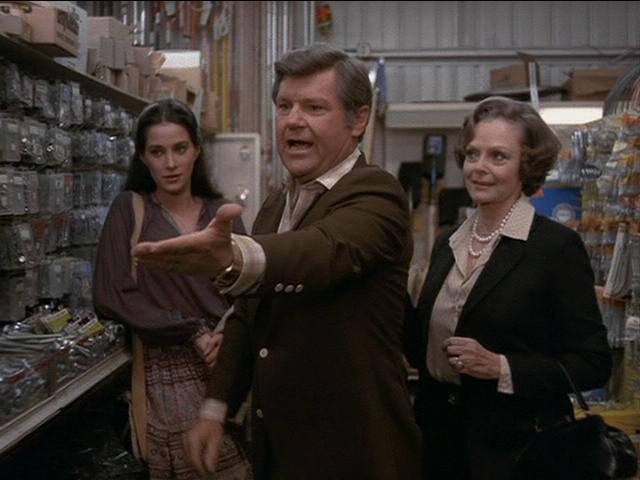
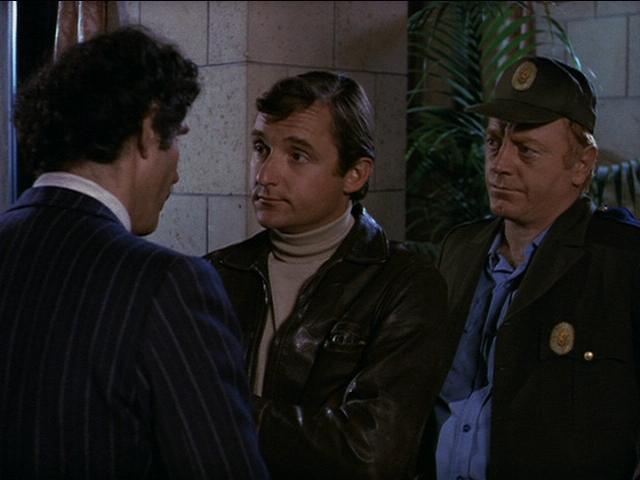
 is available at Amazon.com, either as a download or you can purchase the DVD set. You can also download the episode itself through Amazon for about the price of a cup of coffee!
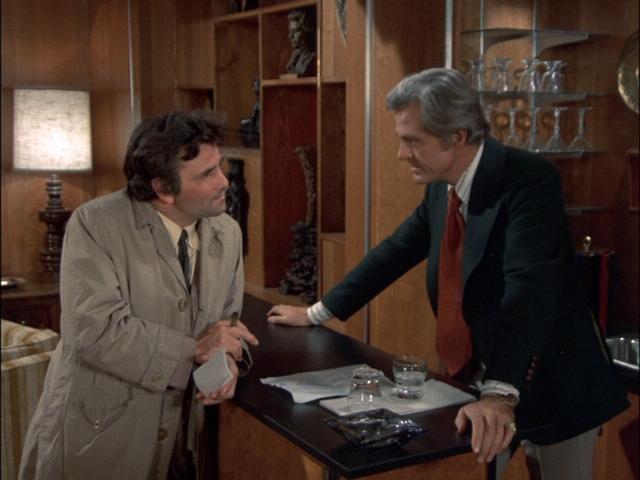
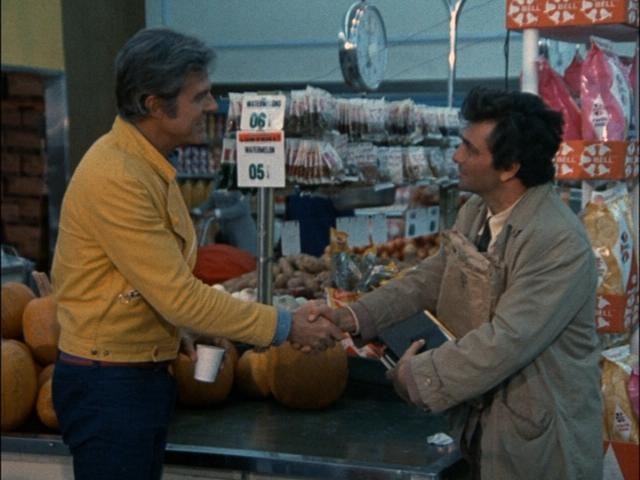
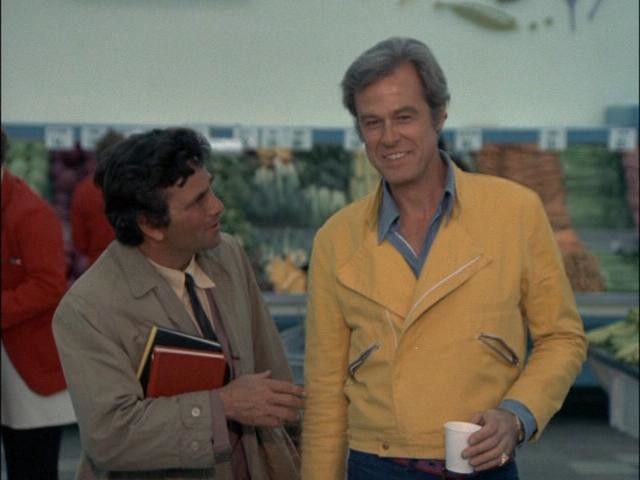
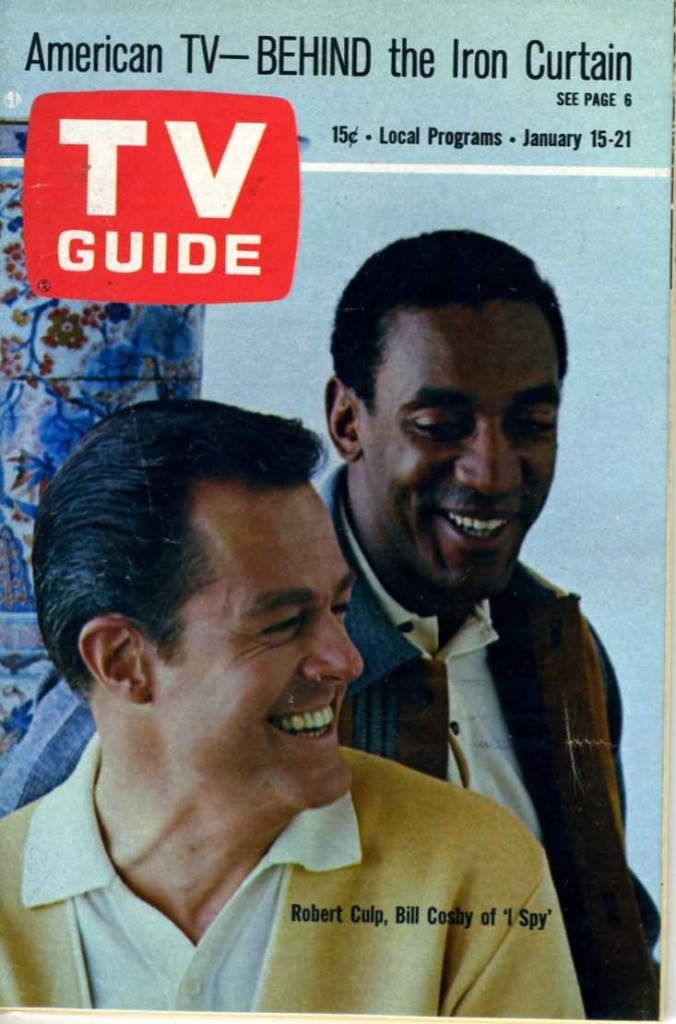
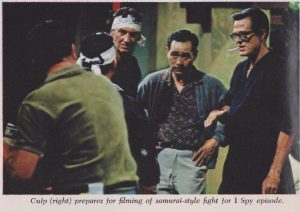 It’s true, he had to shell out $2000 to get into the Directors Guild in order to direct this episode, for which his director’s pay is $3500. He concedes he laid out $2500 for an artist to story-board the entire script. “Rarely can a man successfully act and direct at the same time. One has to suffer and it will always be the acting.” That conviction is what motivated Culp to hire acting coach Jeff Corey to stand by and observe his performance.
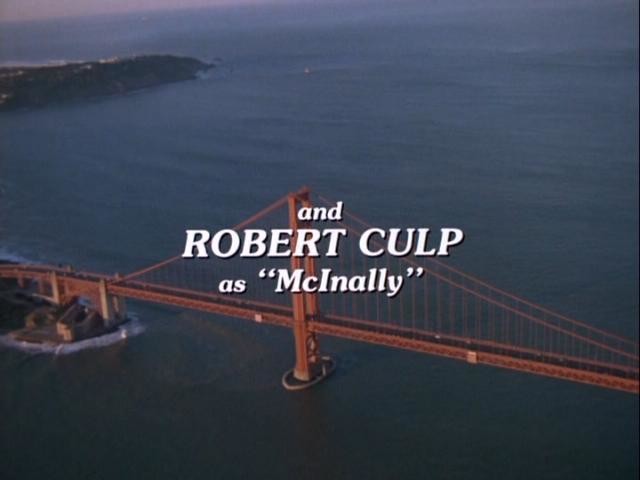
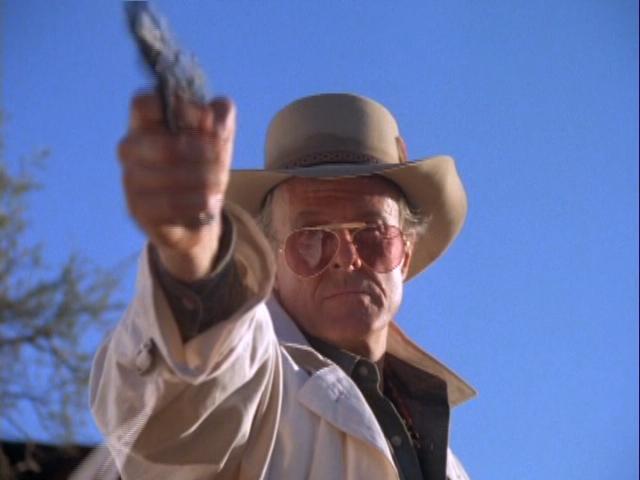
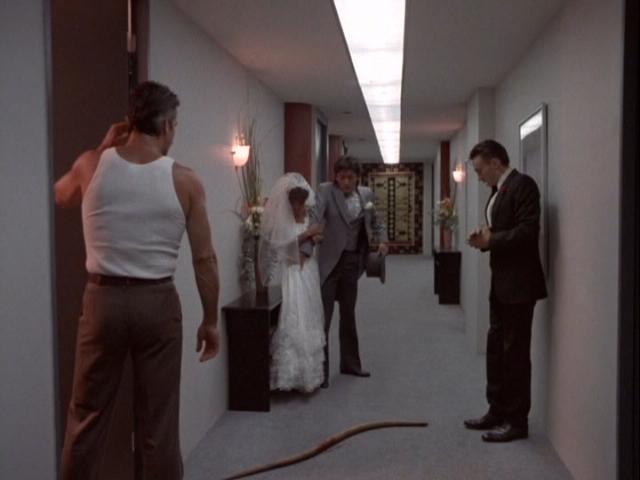 Good thing he got the gun first because he uses it to cut the snake in half. He then dumps it outside his hotel room, just as a bride and groom are going by. (Hopefully that didn’t bode badly for their future together.)
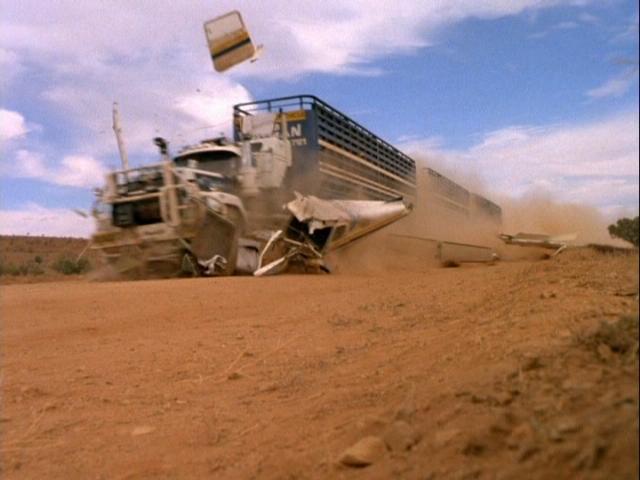 The hired guns keep looking to see where the plane went down. Harry and Kate catch their breath near a tree not far from the road they landed on. Unfortunately, a huge truck comes along and smashes their plane to pieces. The driver is horrified thinking he had killed someone. He finds Harry and Kate are fine just as the hired guns show up in their plane. Everybody jumps into the cab of the truck and they take off, with the plane chasing after them and shooting.
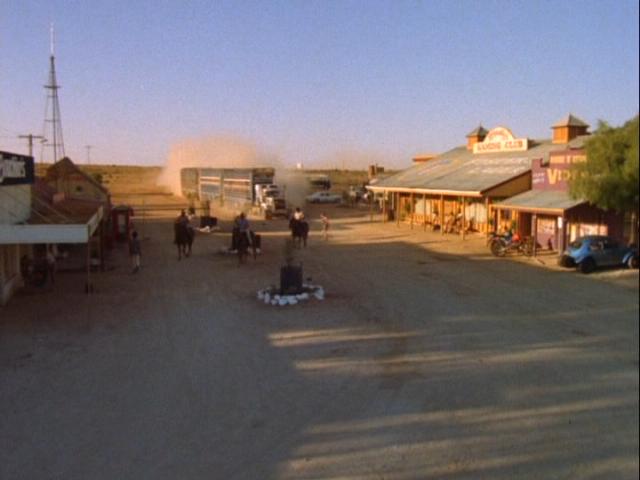 They continue on to Opal Ridge without incident and the truck driver drops them off. He wishes them luck in their going up against McInally, who is hated with a passion apparently all over Australia (and the British government couldn’t find him?). Opal Ridge, one should note, is a town out in the middle of nowhere in the Australian Outback. Think of the old west towns, add a little more color, some cars along with horses and a video arcade. Yer there.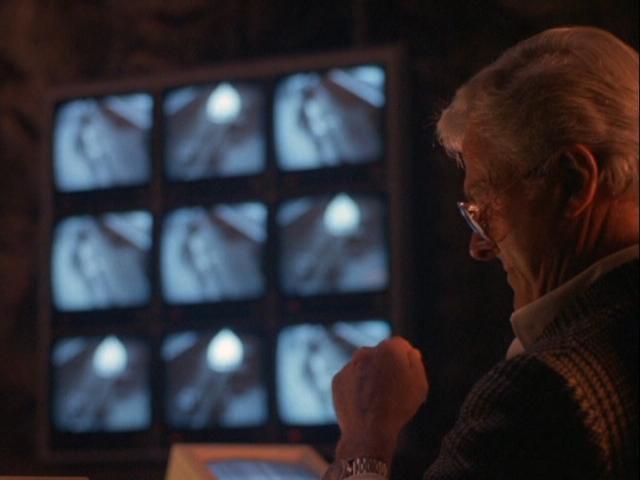
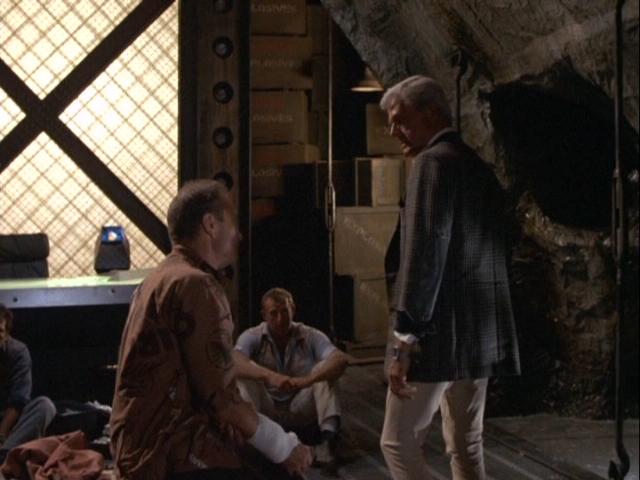
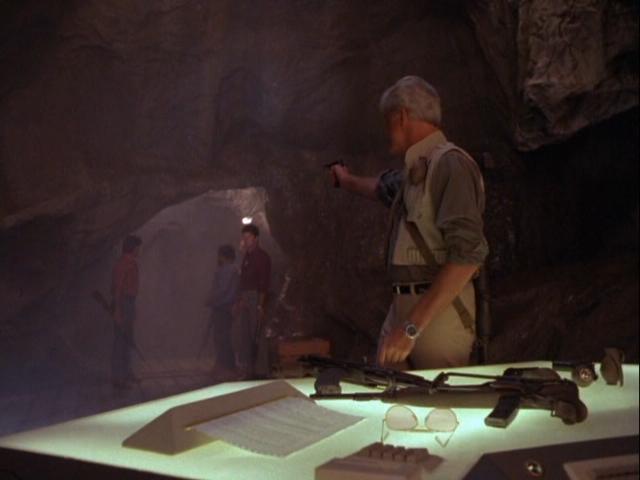


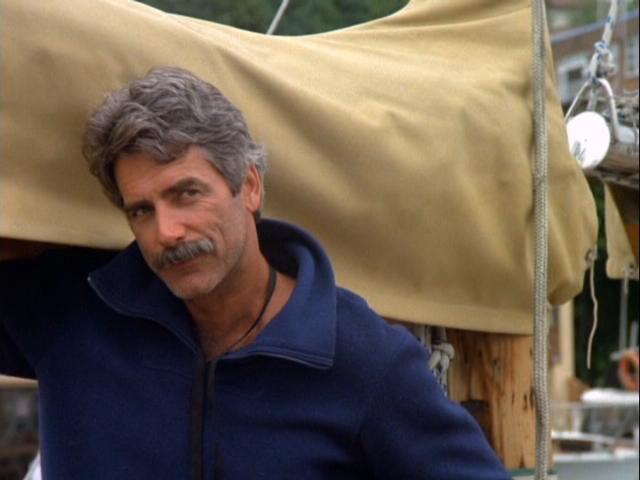
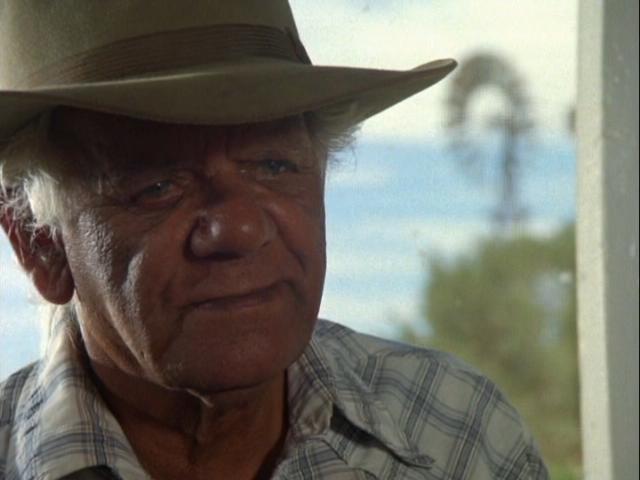
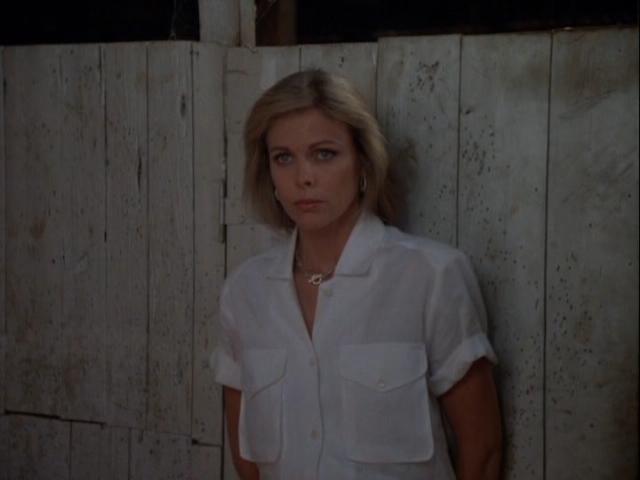


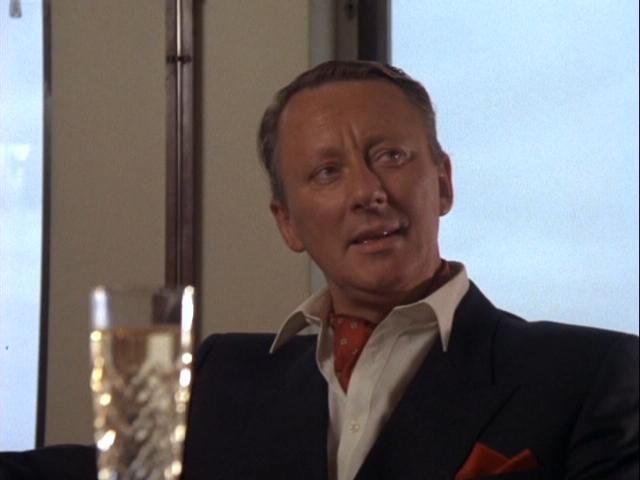 Although he only had one scene, Max Phipps’s Brutus Cathcart was memorable enough. Phipps career spanned theatre, film and television in Australia. He played Dr. Frank-n-Furter in the Australian production of The Rocky Horror Picture Show and played “The Toadie” in the second Mad Max film (The Road Warrior) where he loses a few digits trying to catch a particularly sharp boomerang.
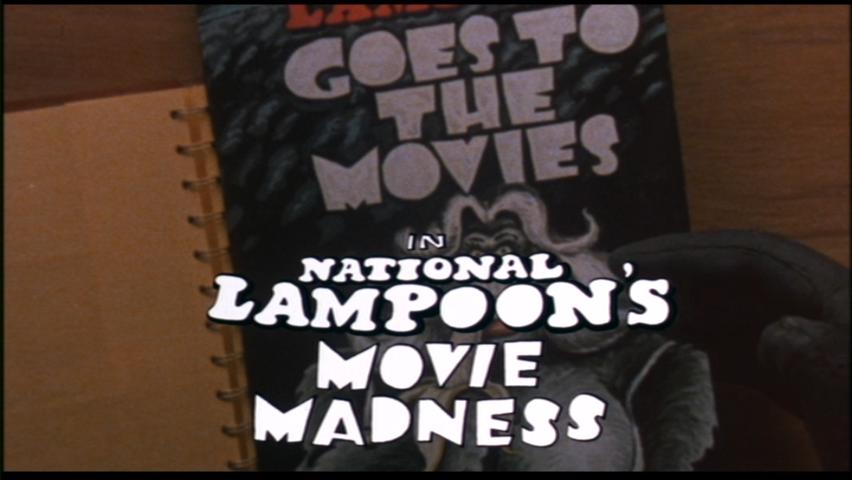
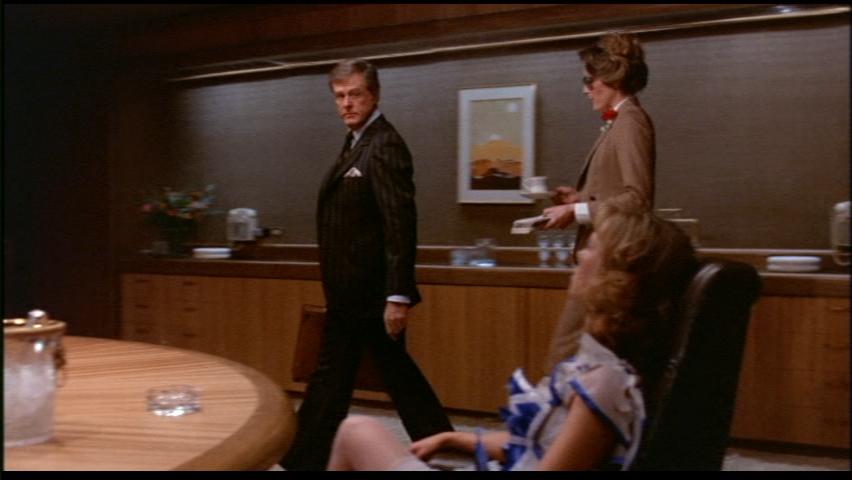
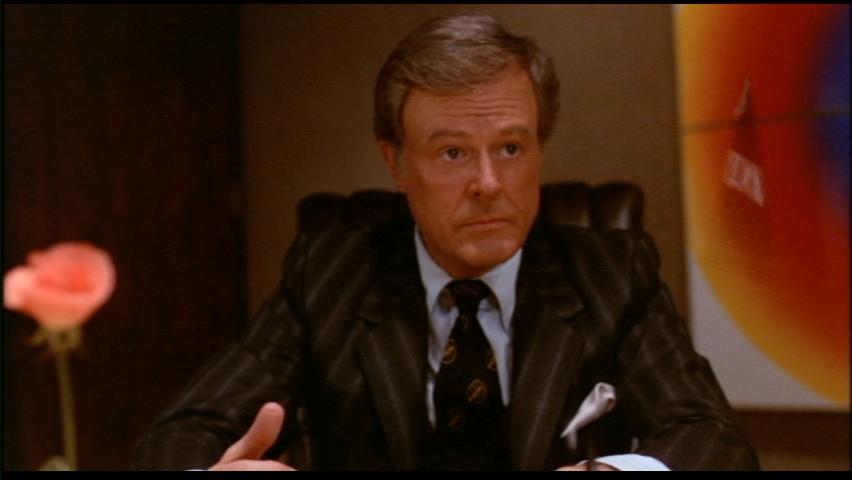
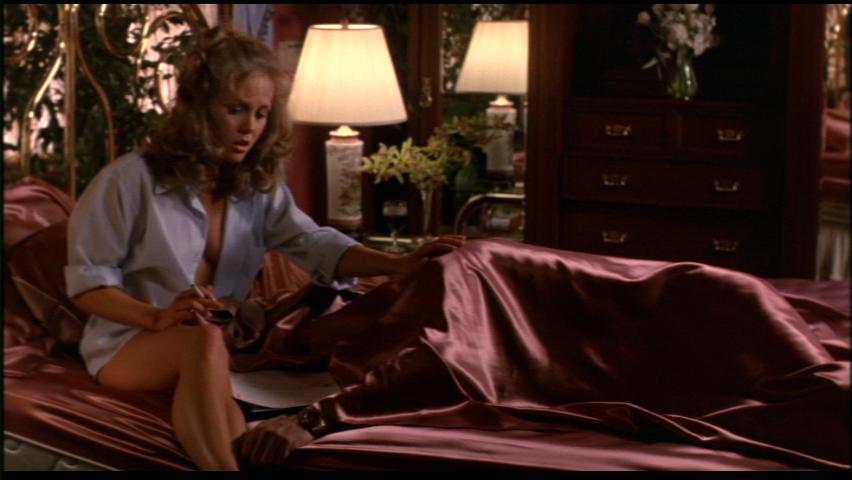
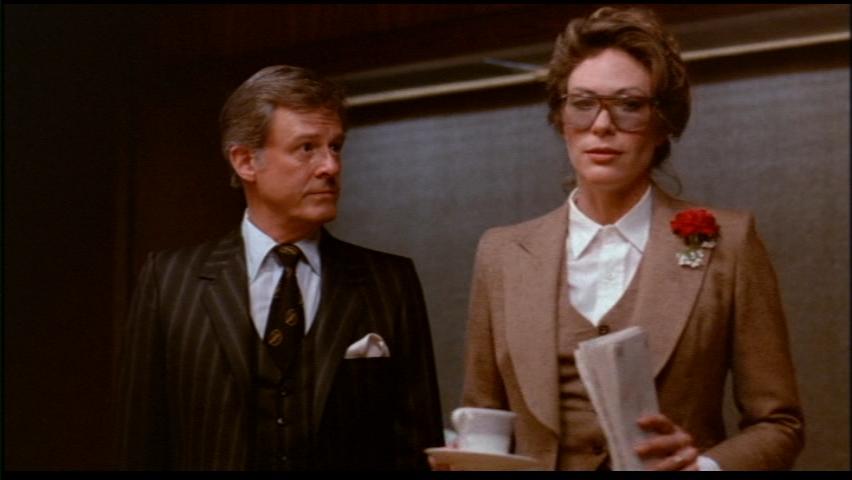
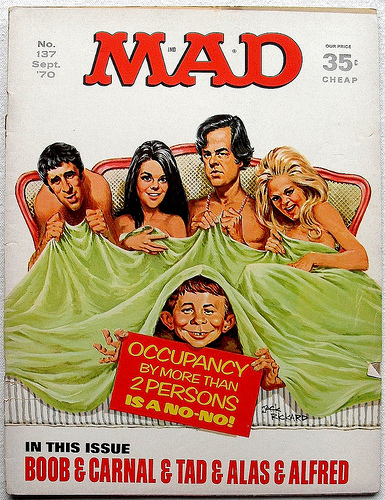
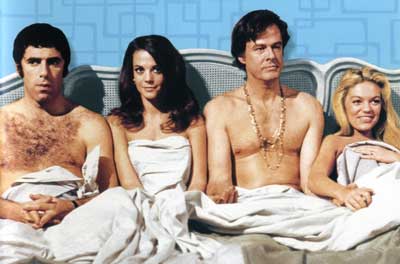
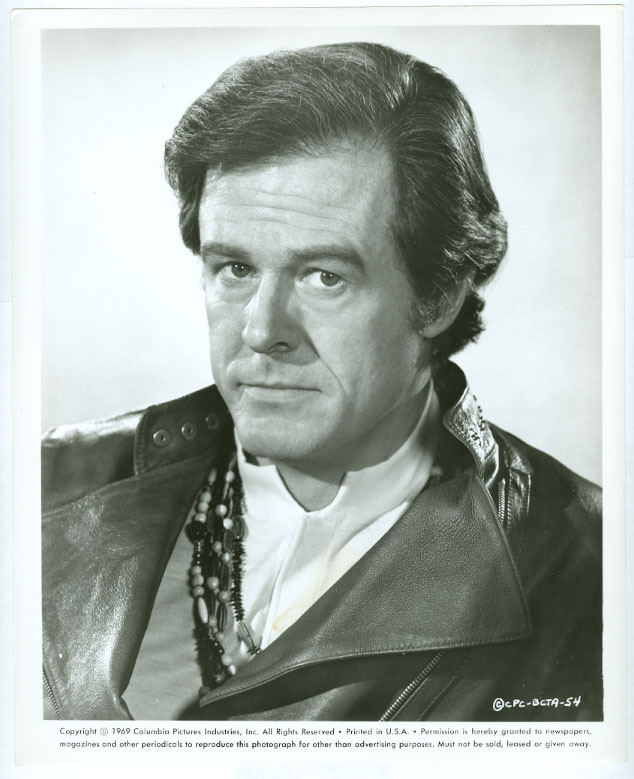
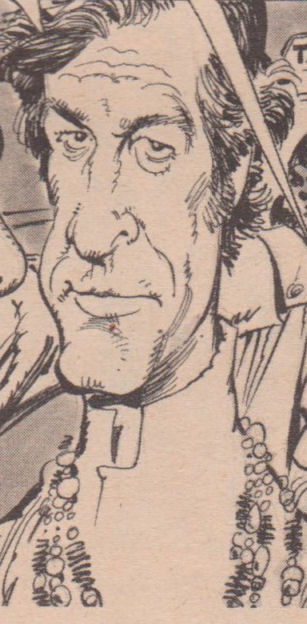
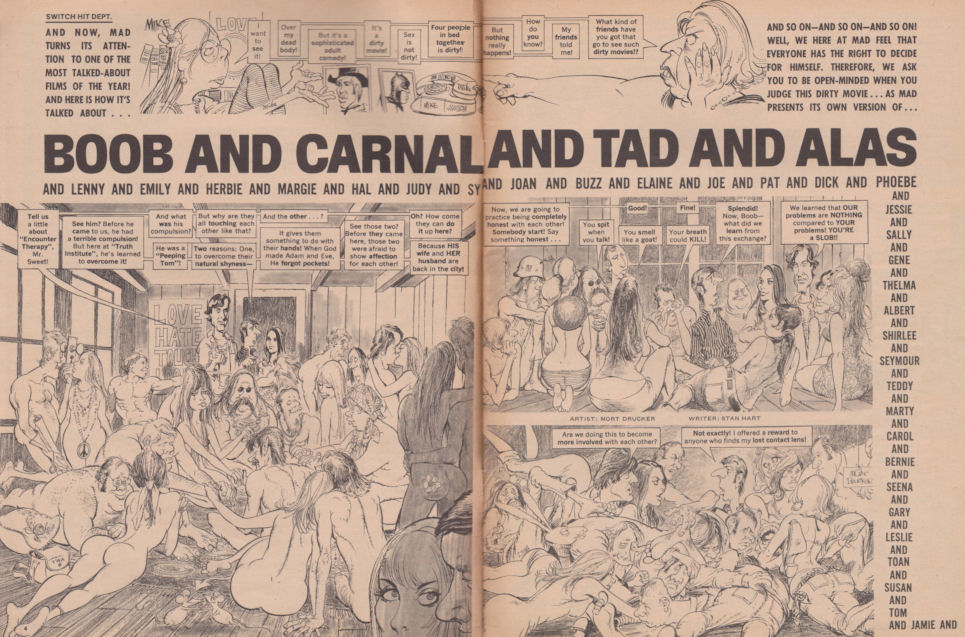
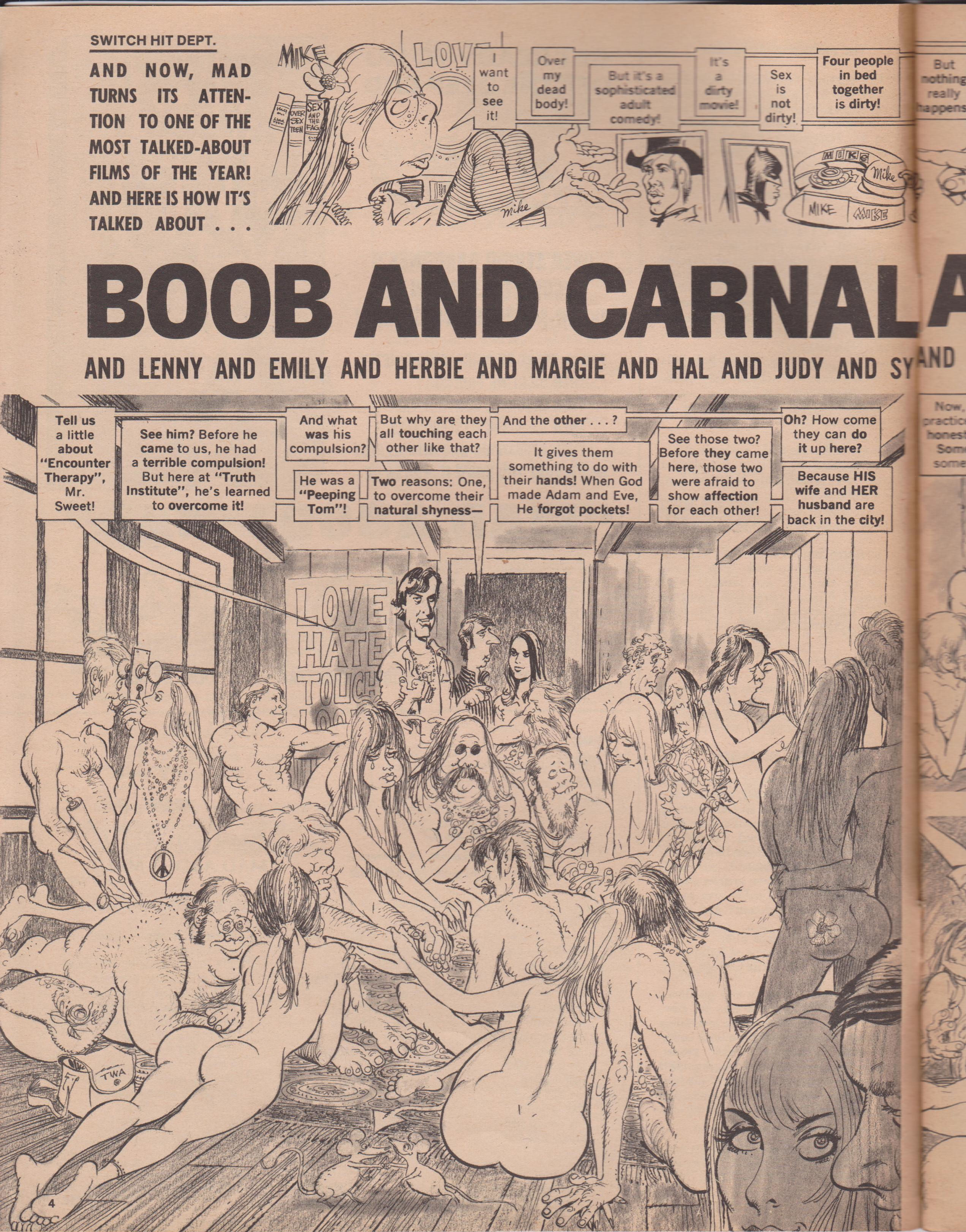
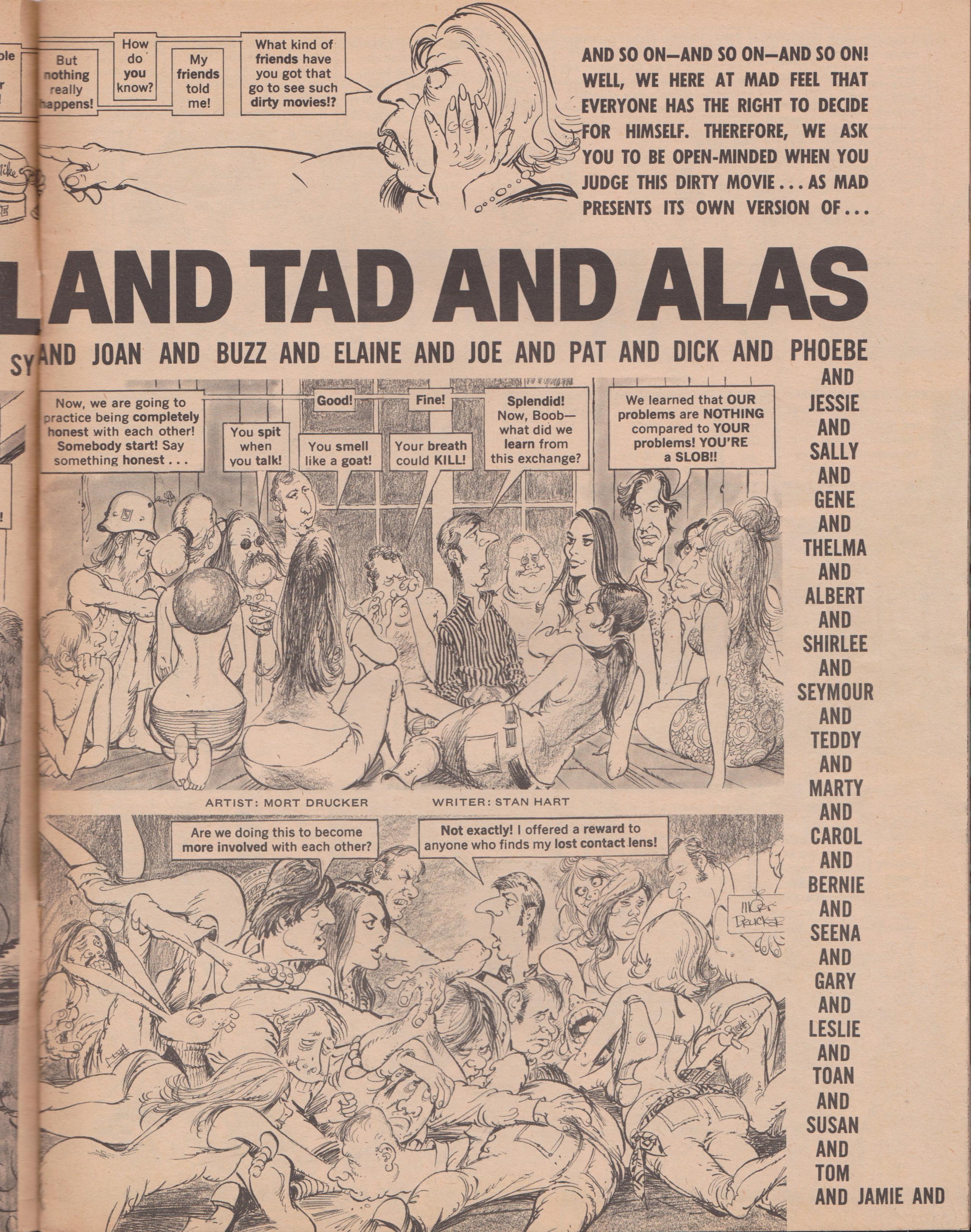
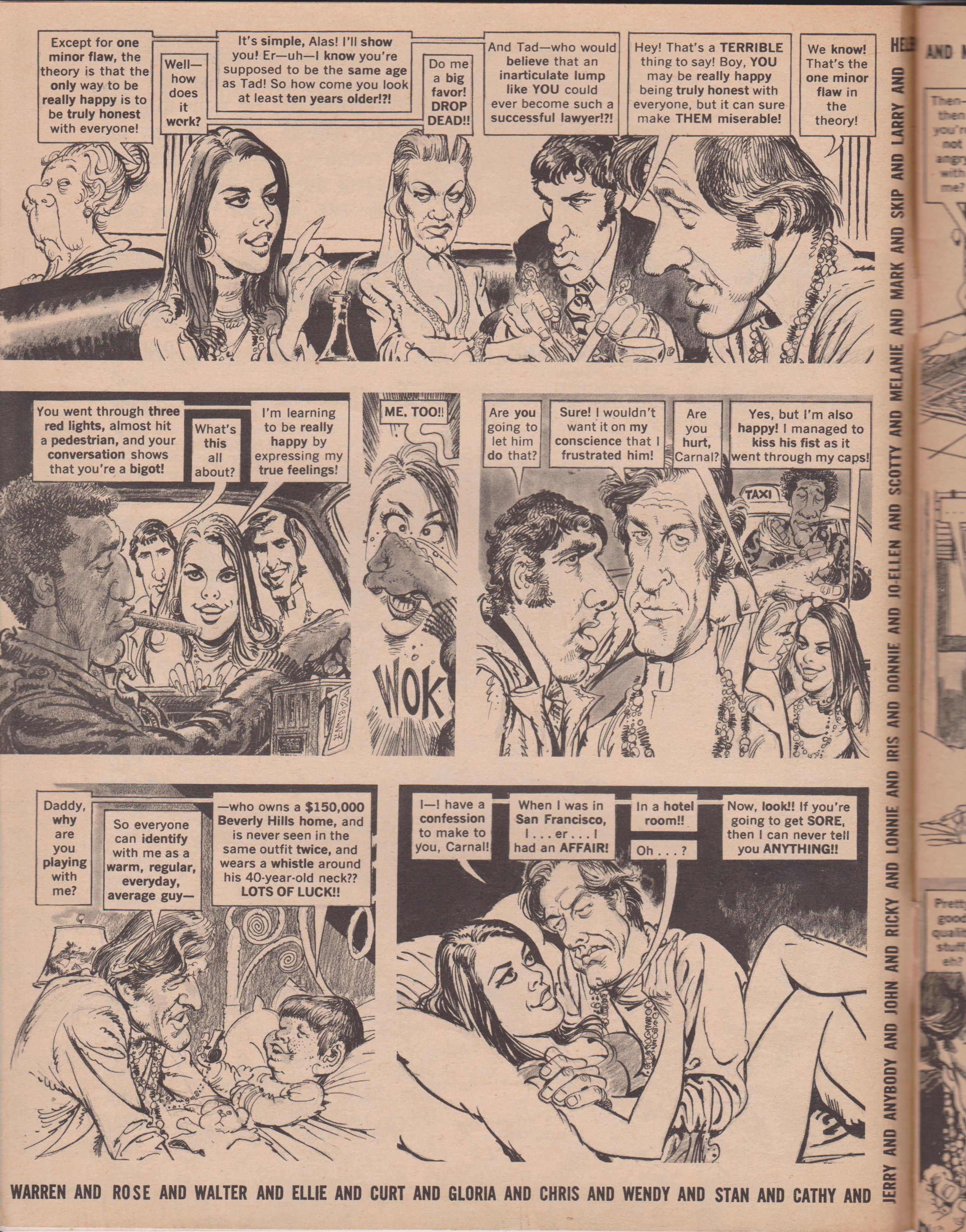
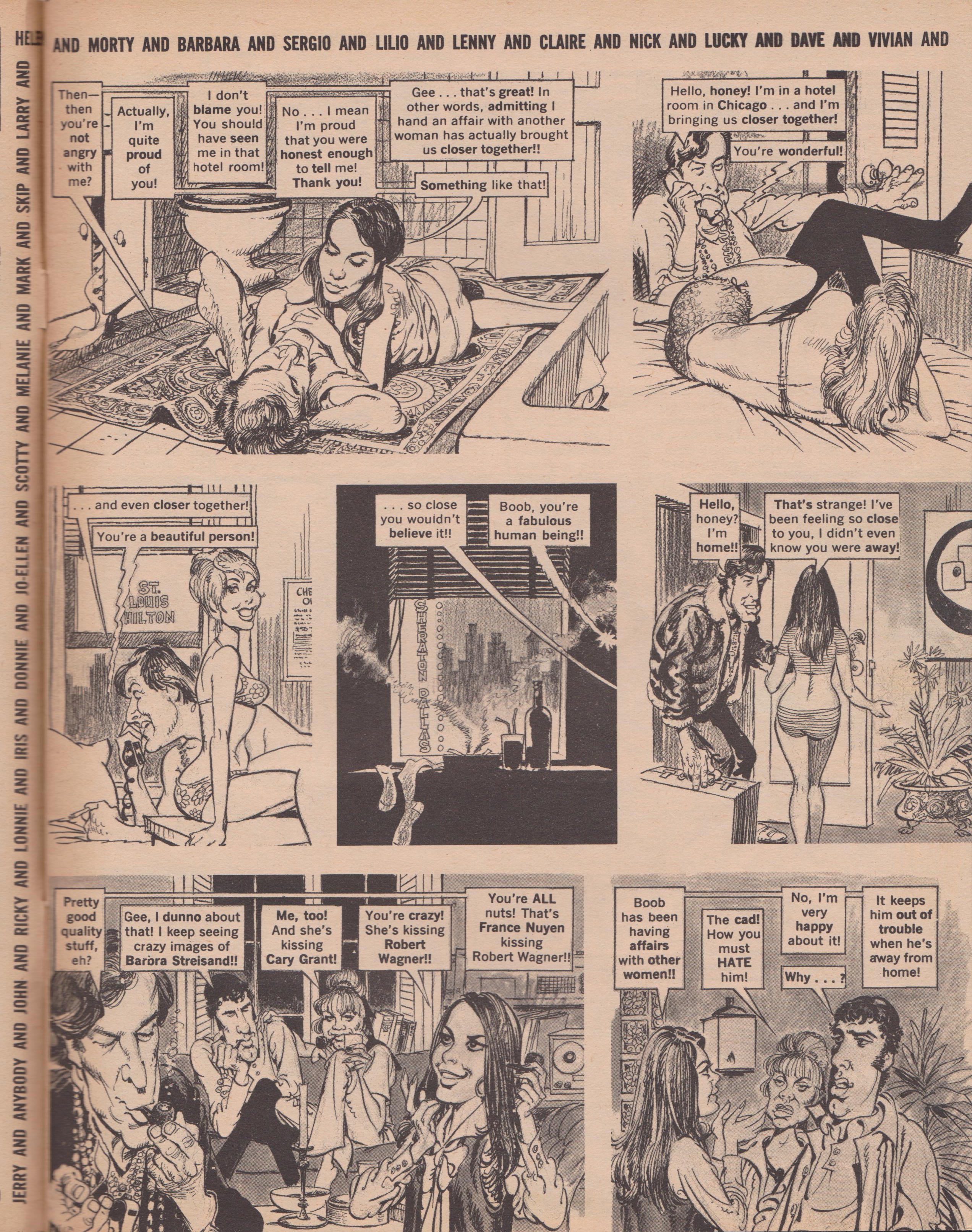

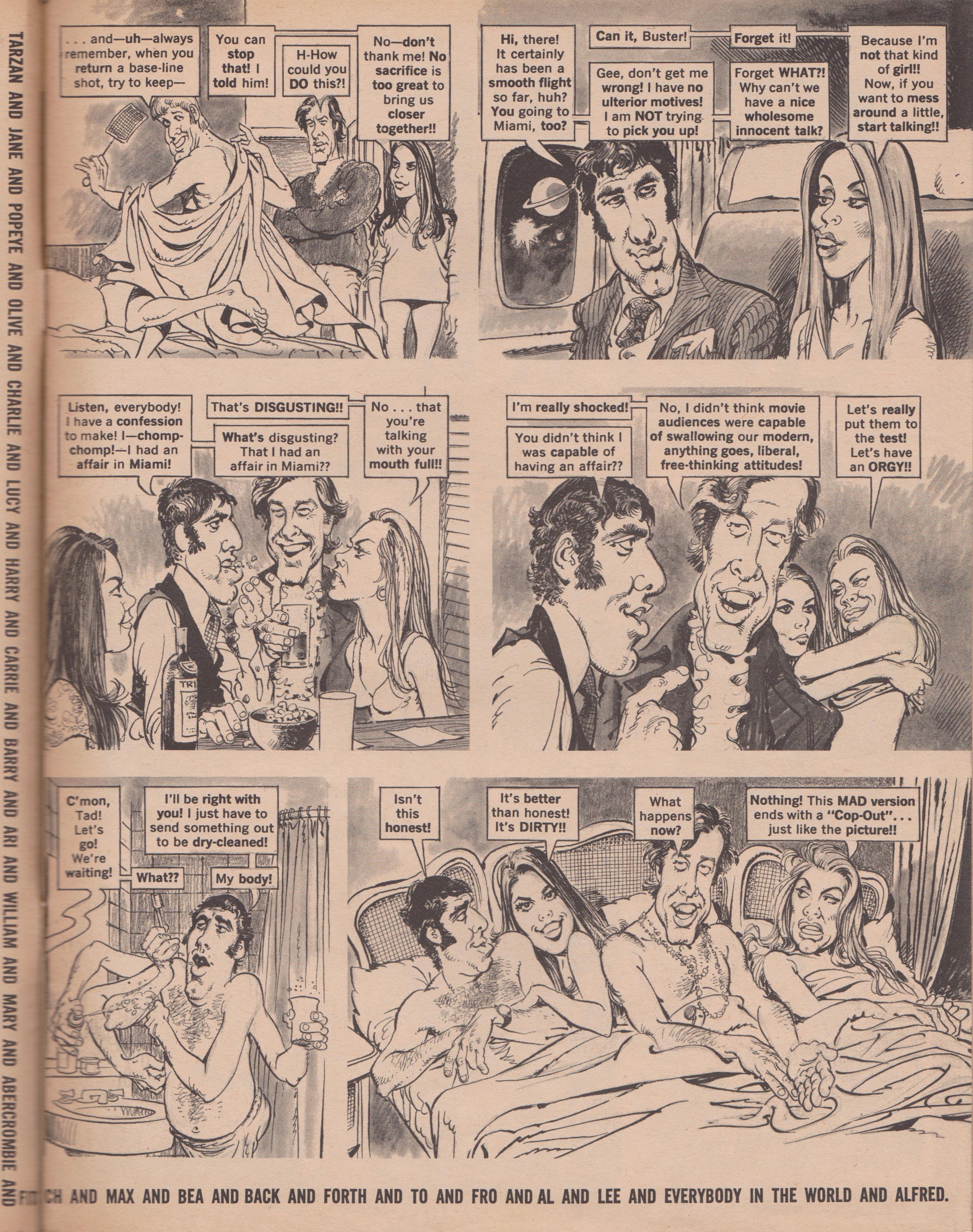
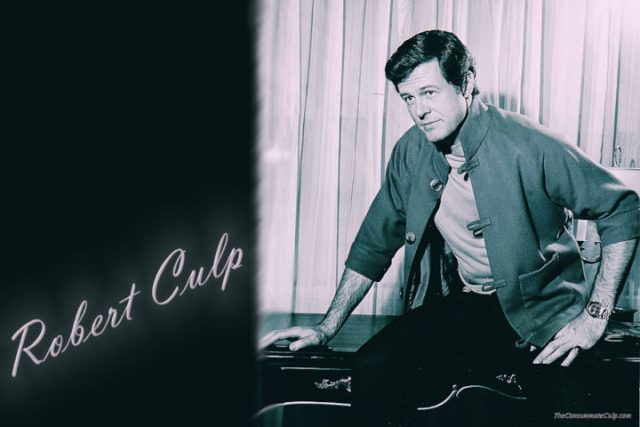
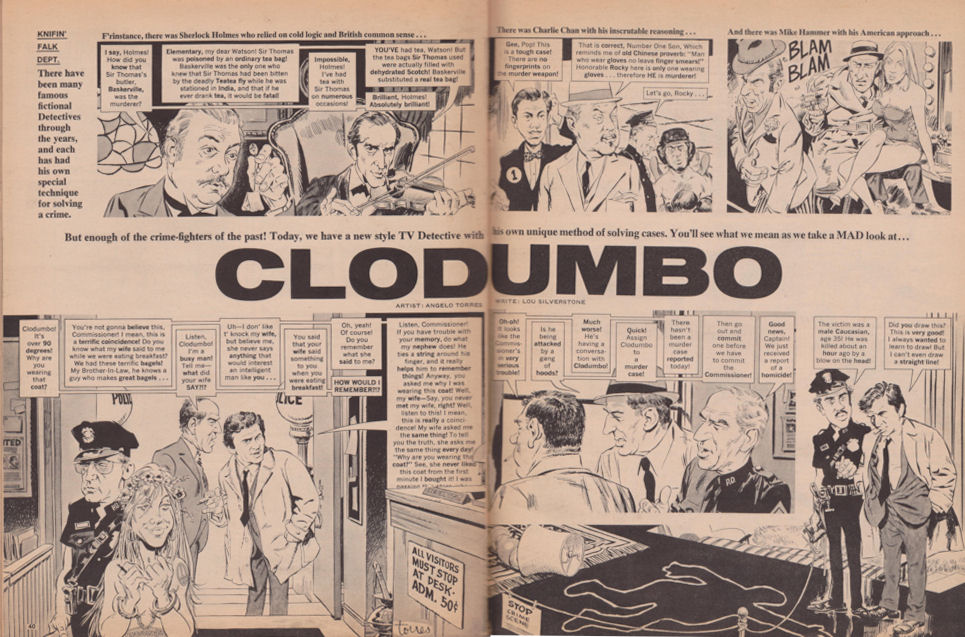

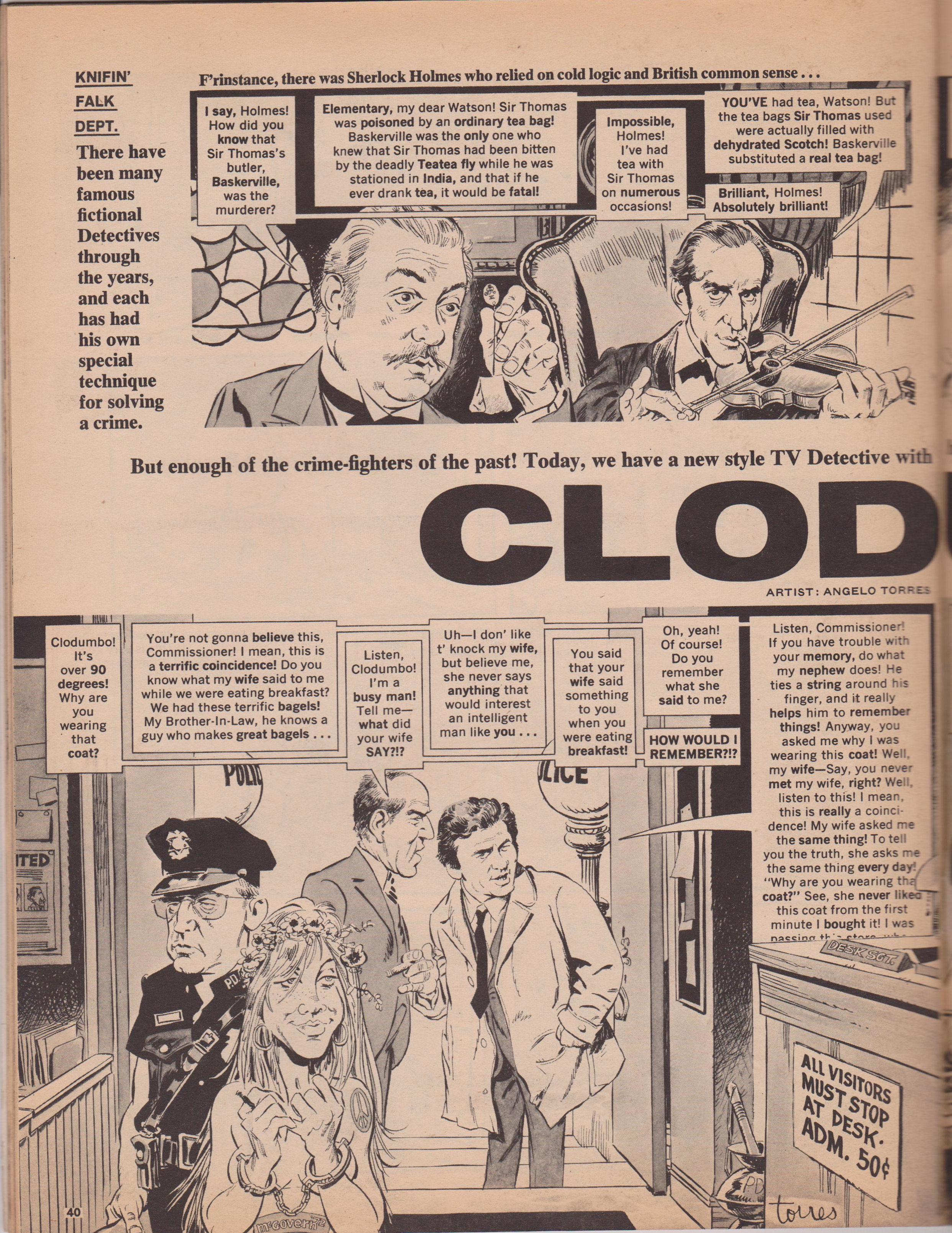
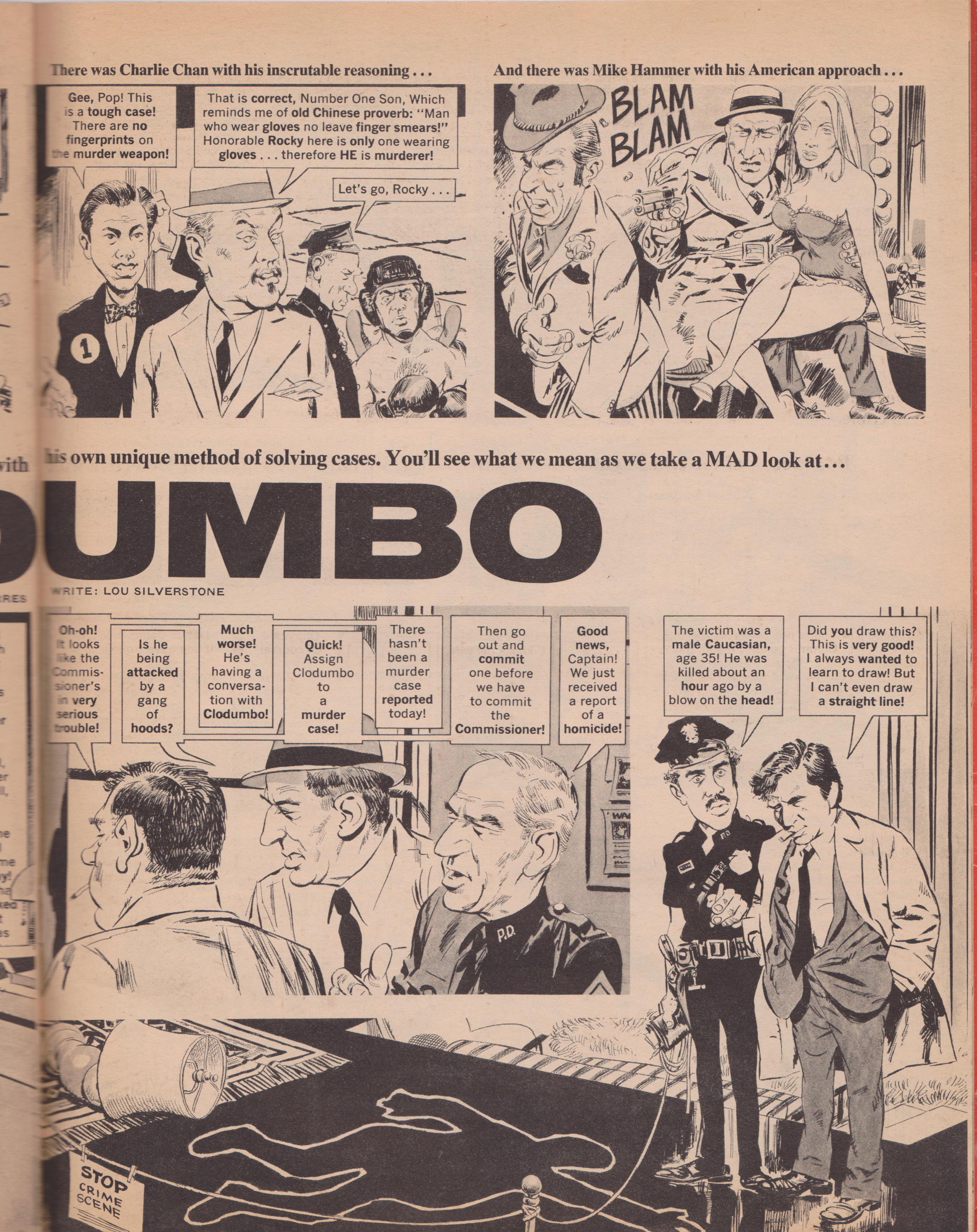
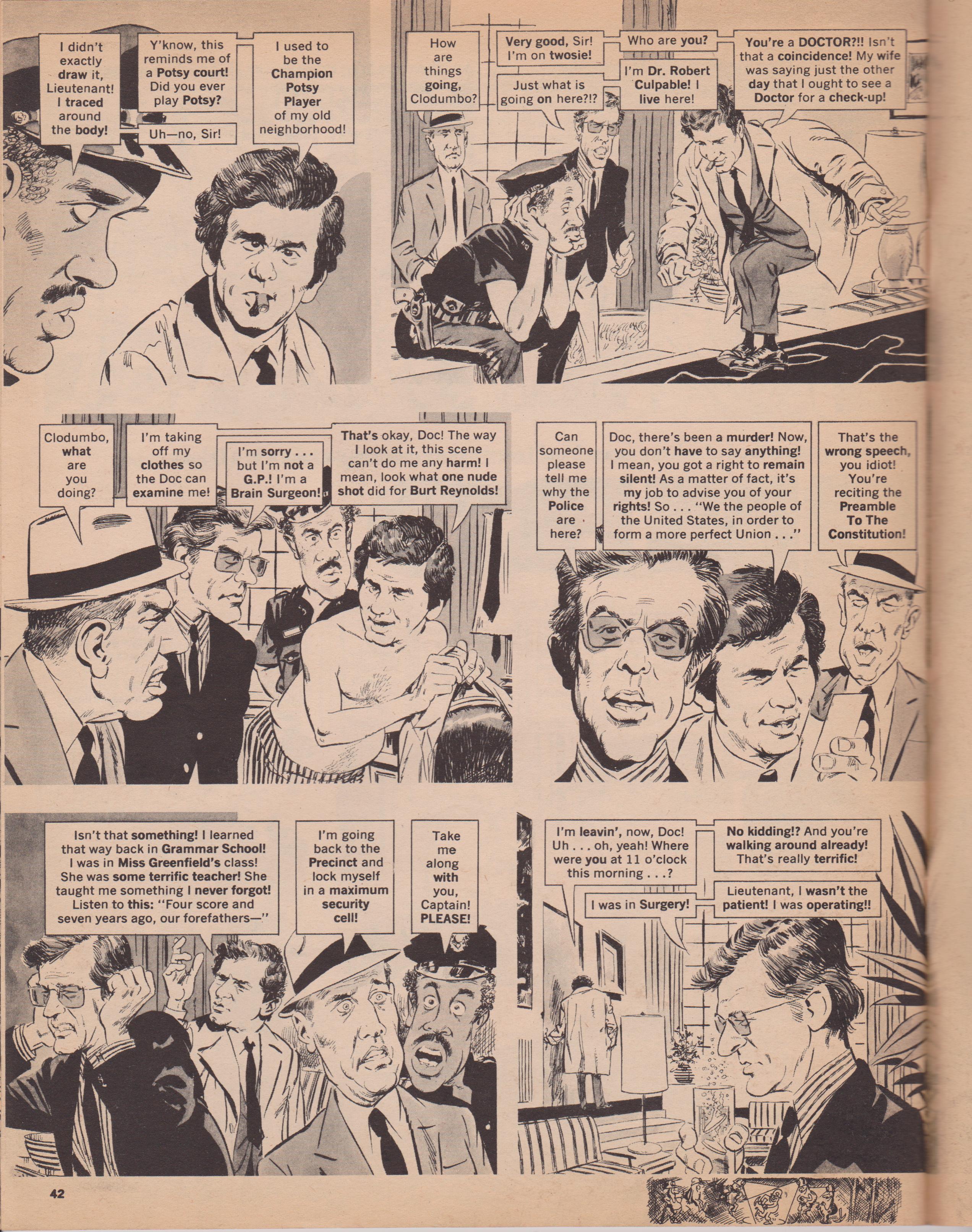
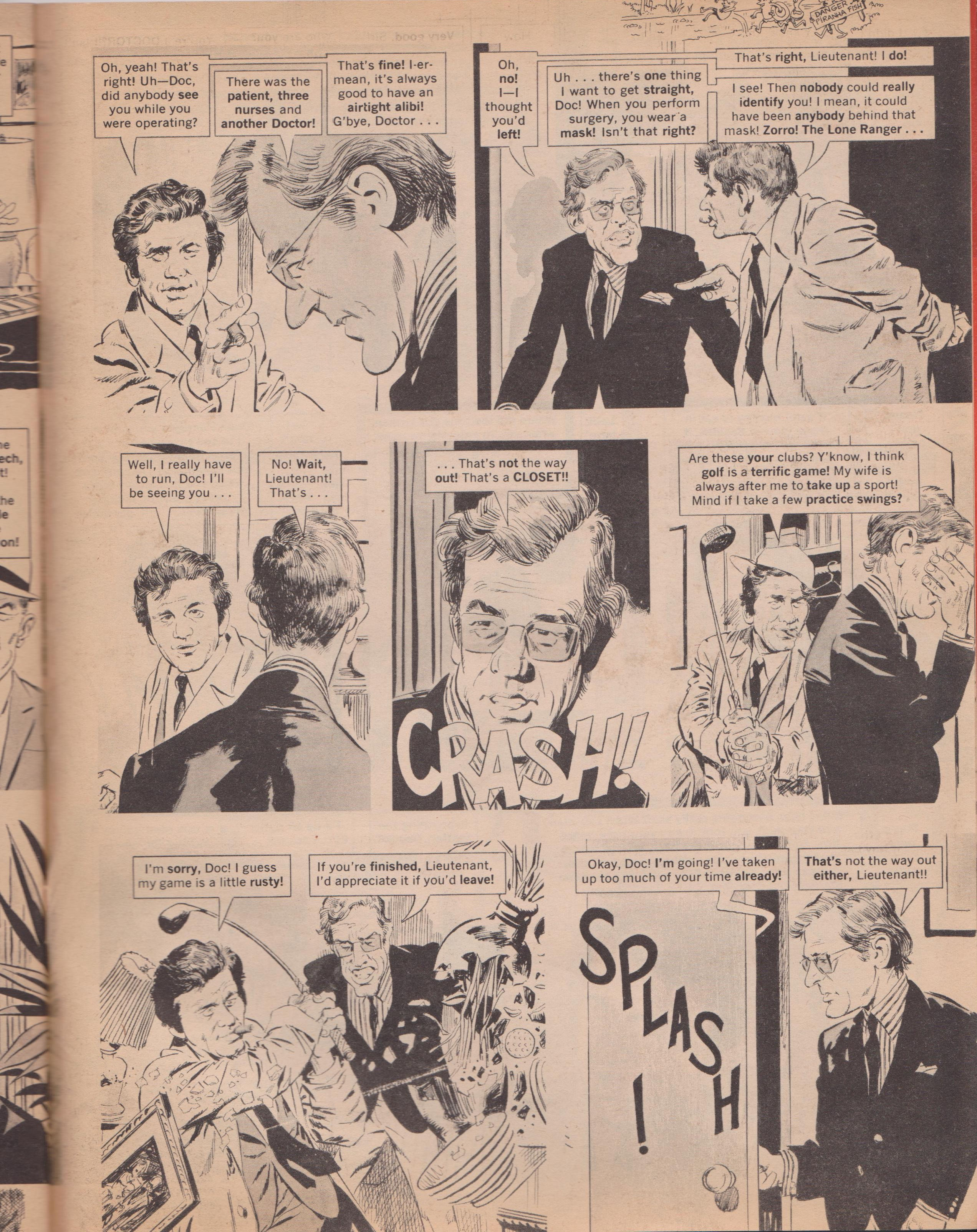
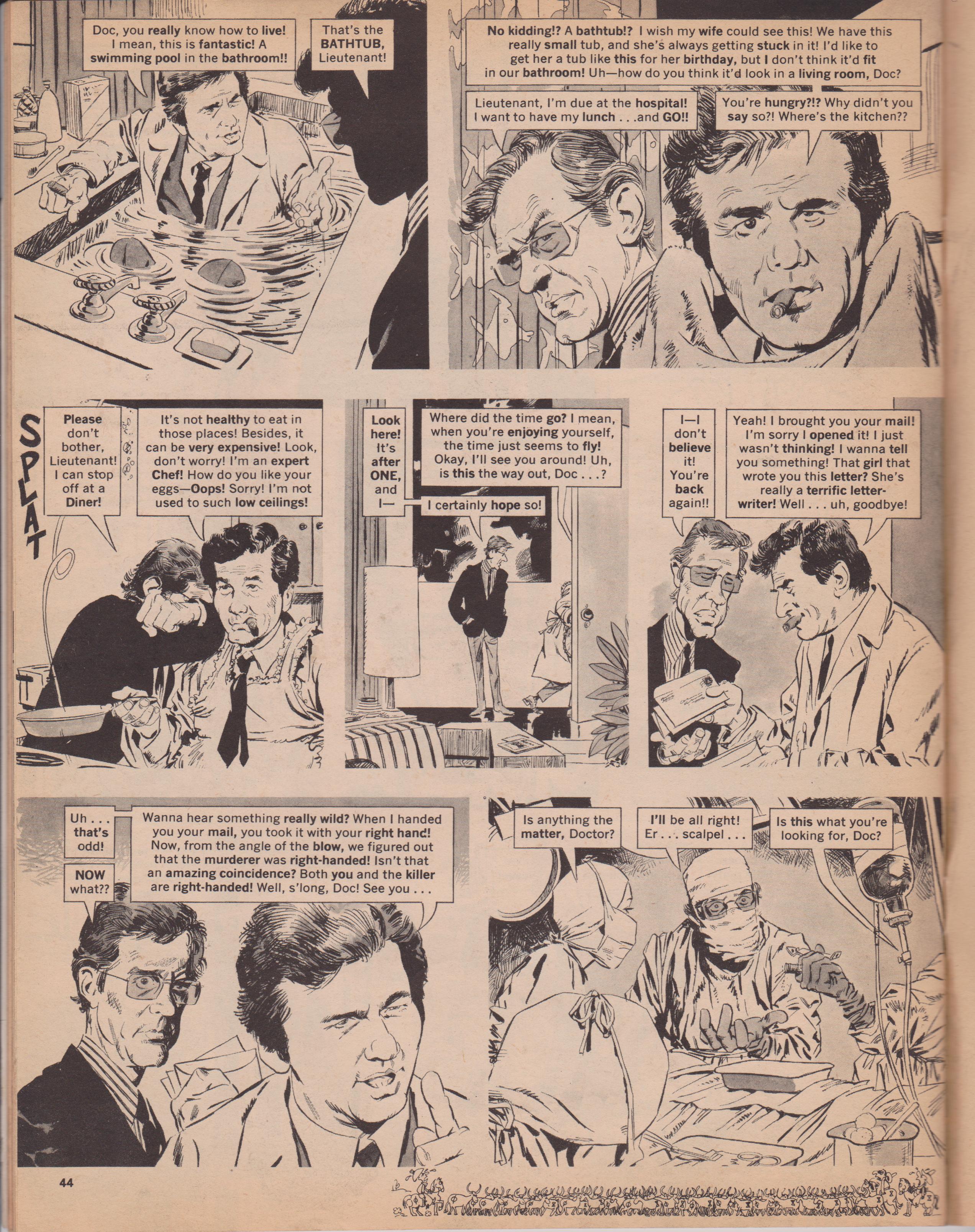
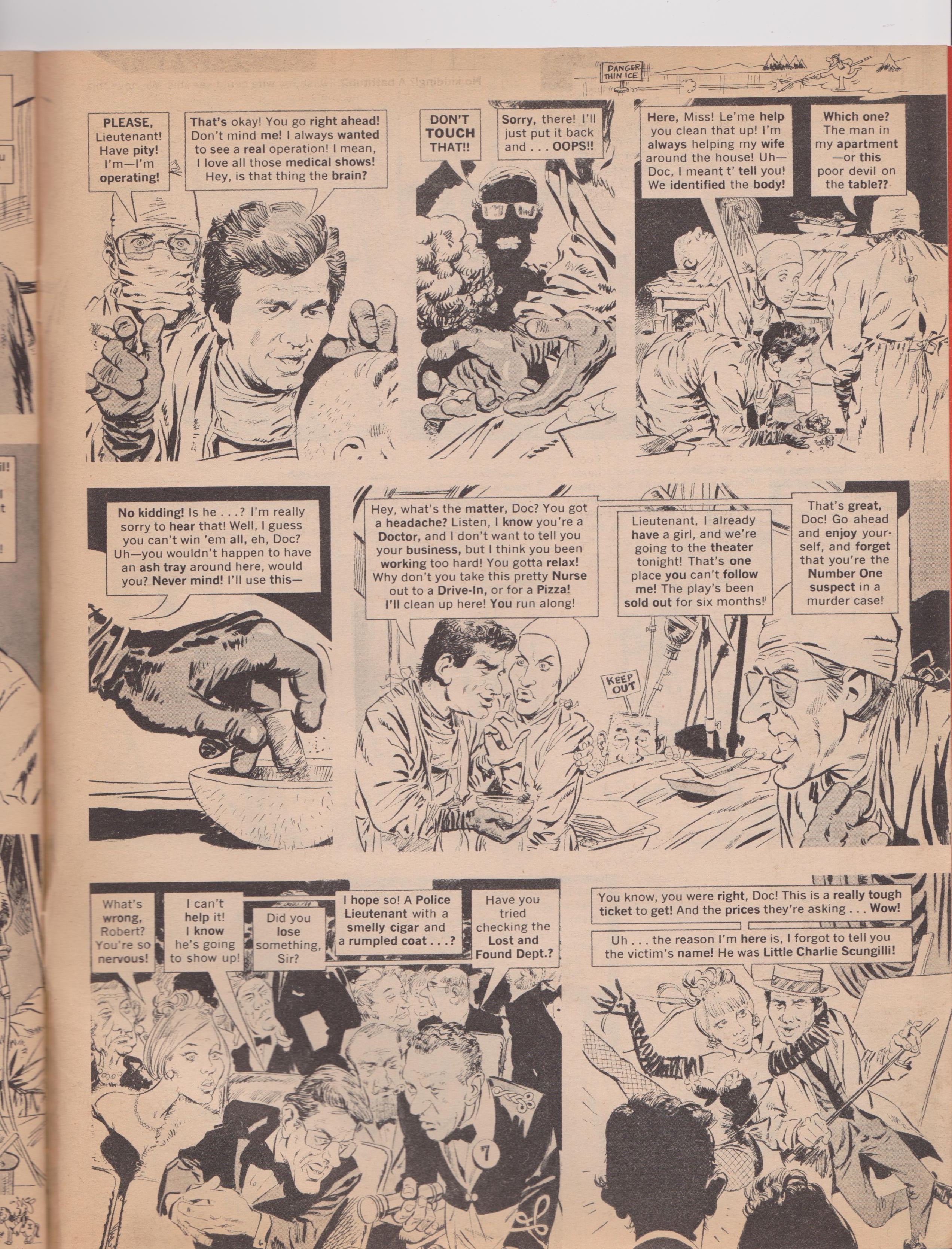
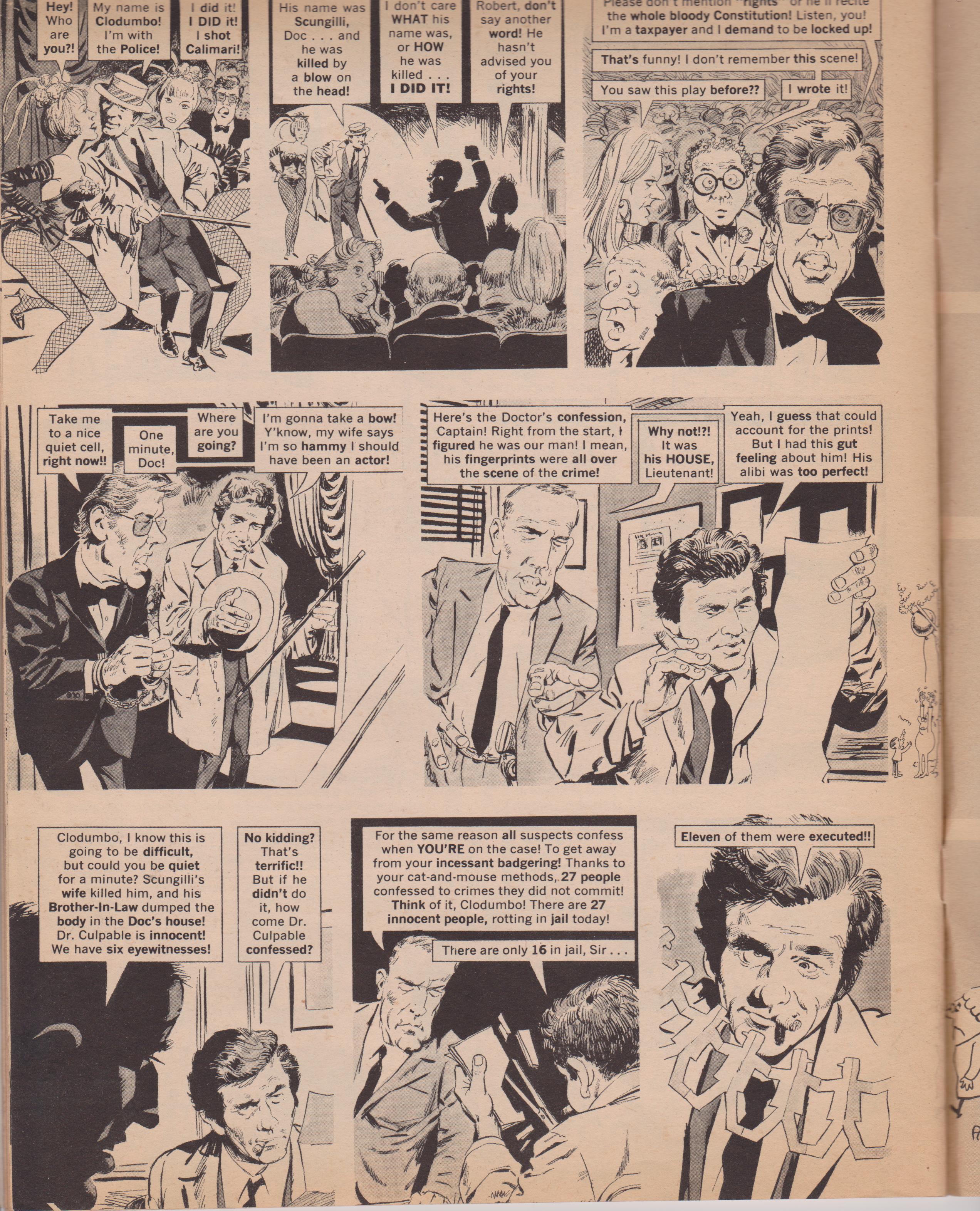
 was over before it began. The reason? A lack of financial backing. Reportedly, Cannell’s vision of the movie was high-tech, with special effects and stunts that were a far cry from the cheesy, low-budget sequences in the TV series.
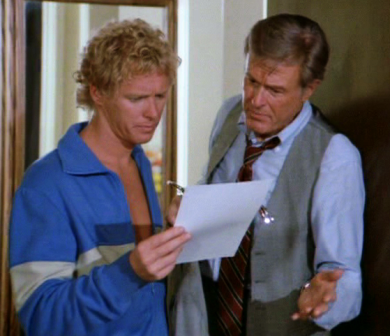 was built around an ordinary guy who got in over his head; a premise that is true to the original TV program.
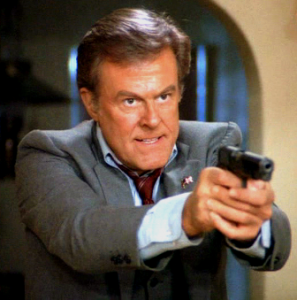 Actor
Actor  The Greatest American Hero: the Fans and the Future
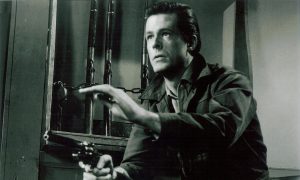 Back a couple of months ago I found this great blog post by Justine who, as an 11-year-old child, wrote a fan letter to Robert Culp back in 1958 during the time of Trackdown. The letter is a wonderful example of a young girl’s first celebrity crush and the seriousness (at age eleven) at which she approached it.
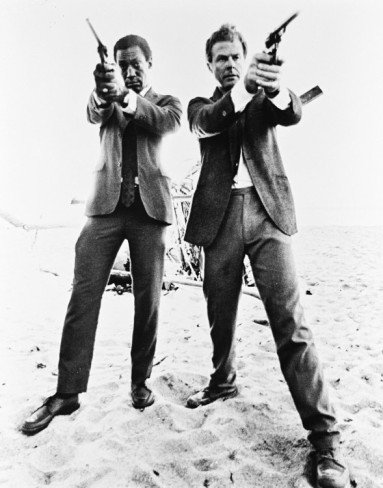 For the longest time it seems this movie languished in obscurity. I had heard of it almost as soon as I started delving into All Things Culp, but finding the thing proved a task. Up until 2011, there had not been an official DVD release and apparently whatever copy was out there floating around, was not of the greatest quality. One grainy clip of Culp and Cosby going into the hotel to try to find Mary Jane was about all I’d ever seen of the film. And that wasn’t even posted on YouTube.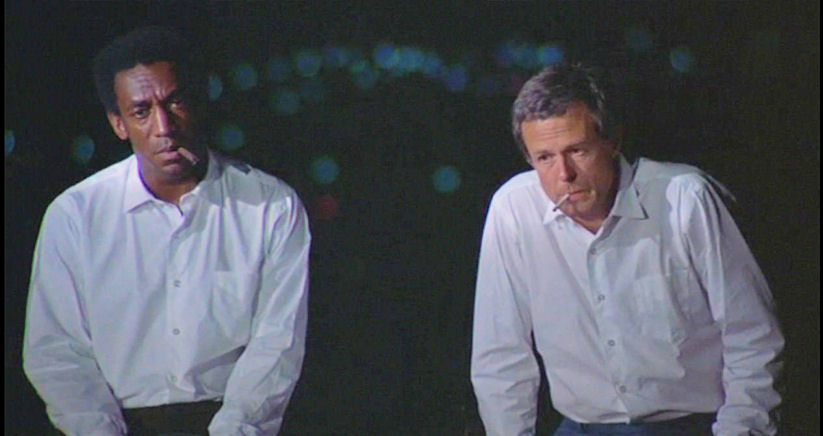
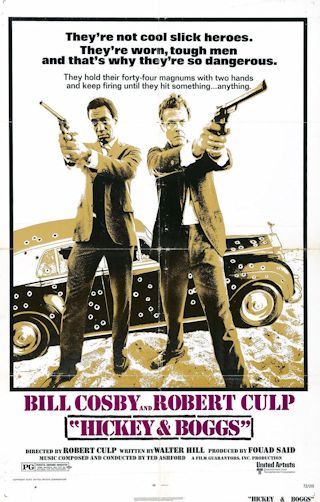
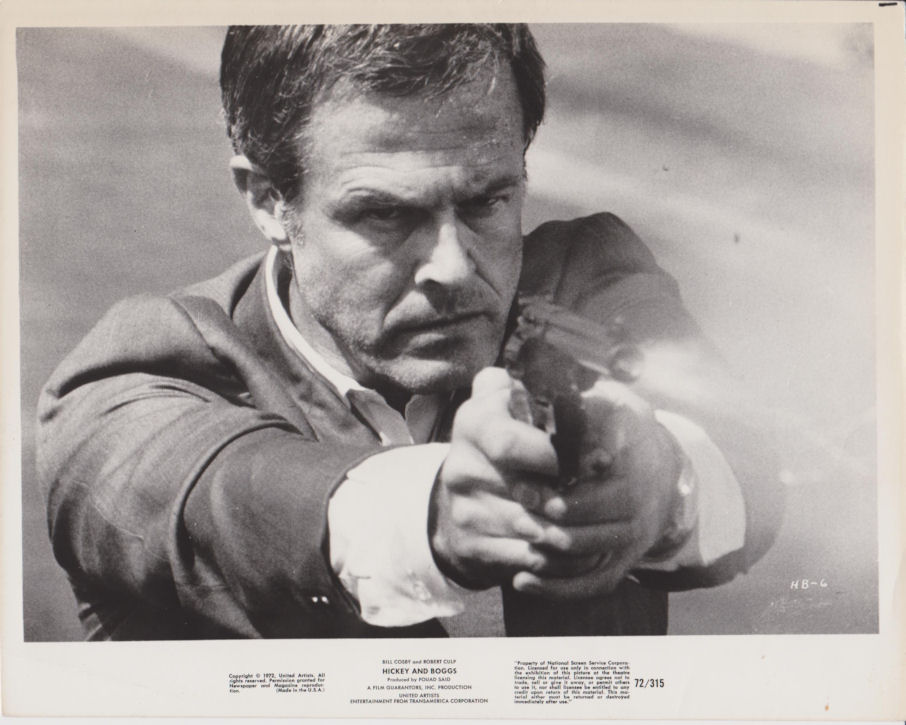
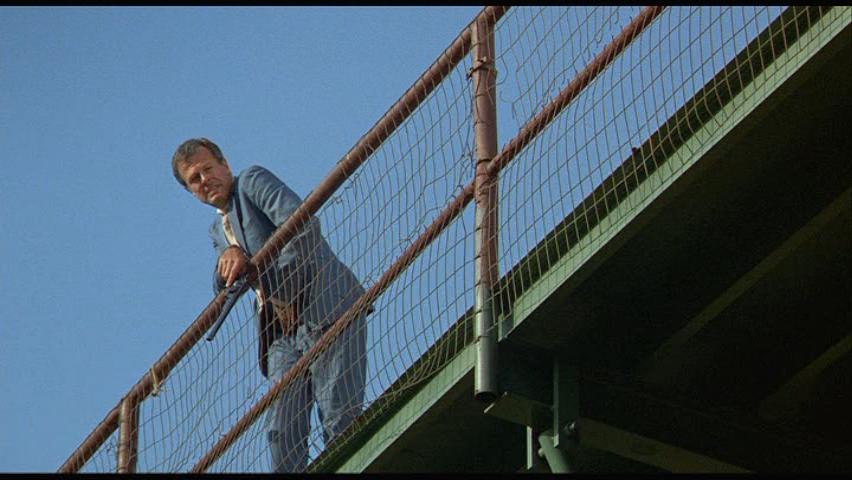
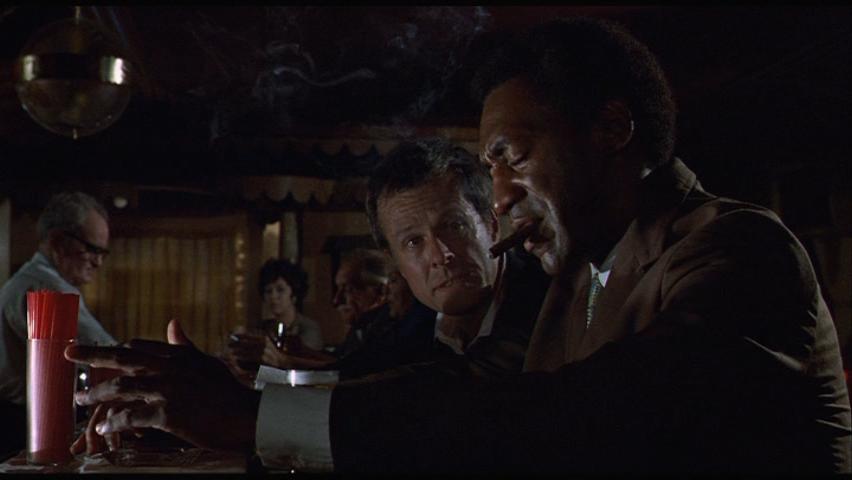
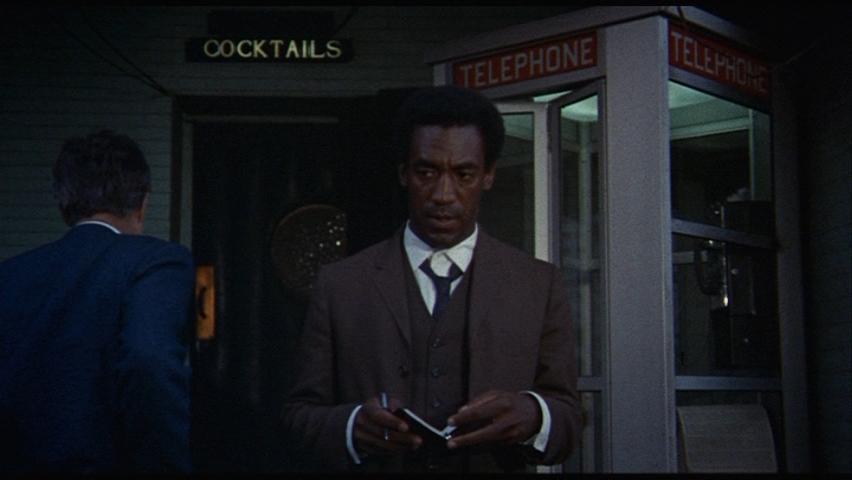
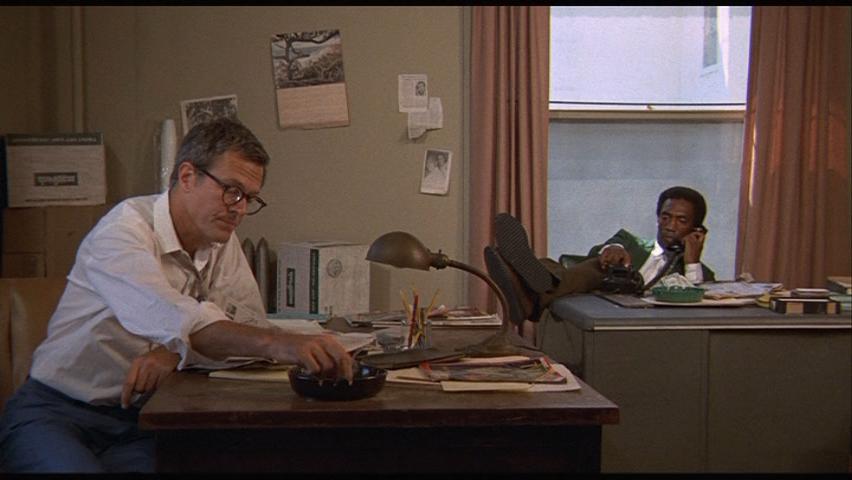
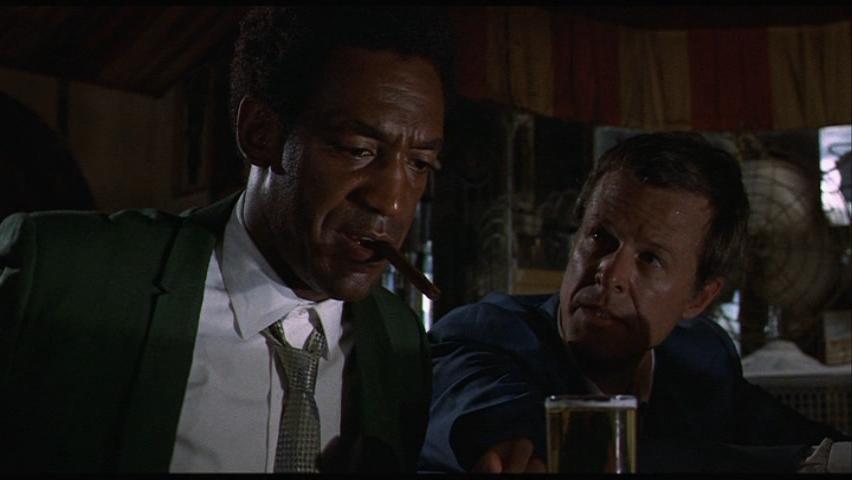

 Boggs, meanwhile, finds comfort and solace in a twenty dollar hooker. At the office. When he leaves the money on her coat, we never actually see her take it. With the dawn breaking over LA, Boggs sits in his chair with a drink and a dry toothbrush. He then brushes his teeth…and so begins a new day.

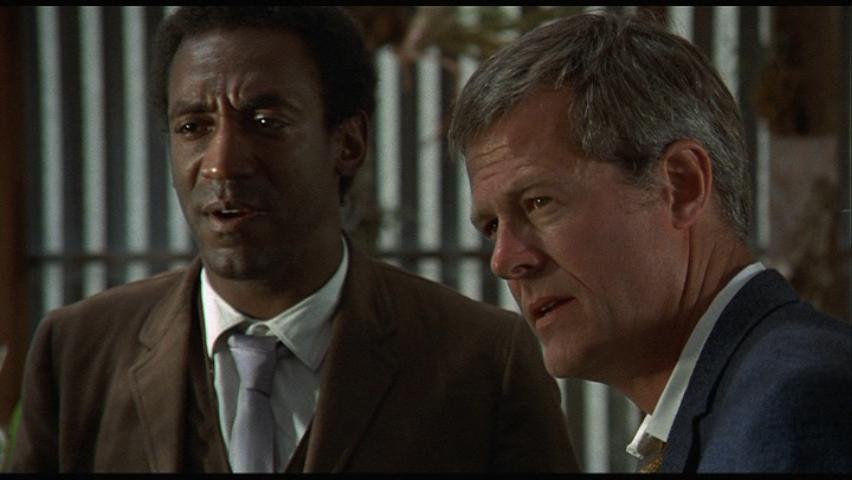
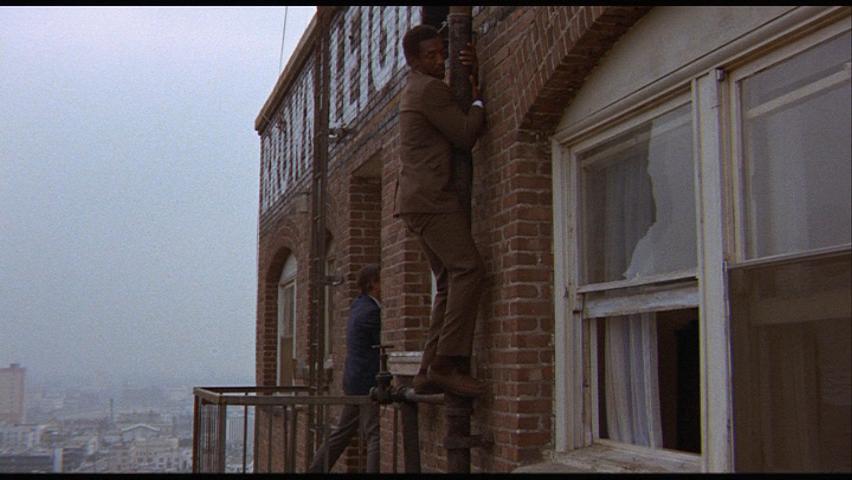
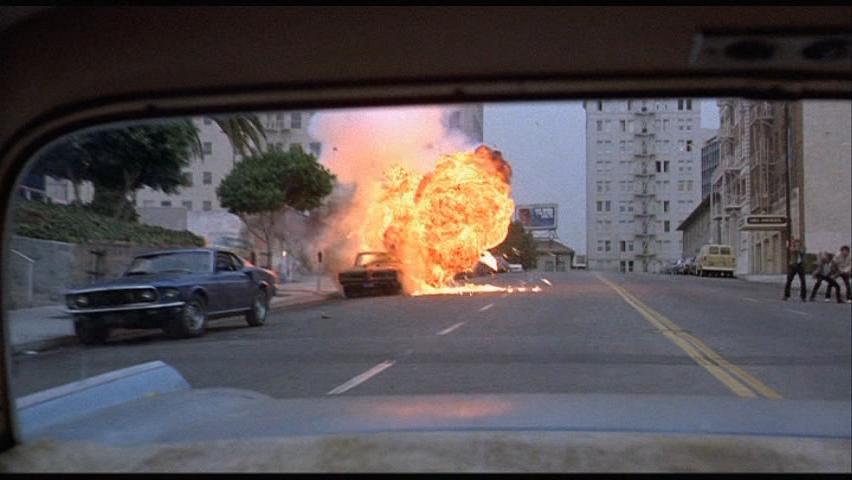 The two PIs crash through another room’s window and run like hell (for the most part. Culp can’t run worth a damn here and even goes tumbling down the bottom of the stairs. But there’s a reason for that. Stay tuned). When they get outside, Boggs grabs his “out of order” paper bag off the parking meter and runs to the back of the torpedoes GTO. He stuffs the bag in the gas cap and lights it. He and Hickey take off as the torpedoes come out of the building and start shooting at them….and the GTO blows sky high.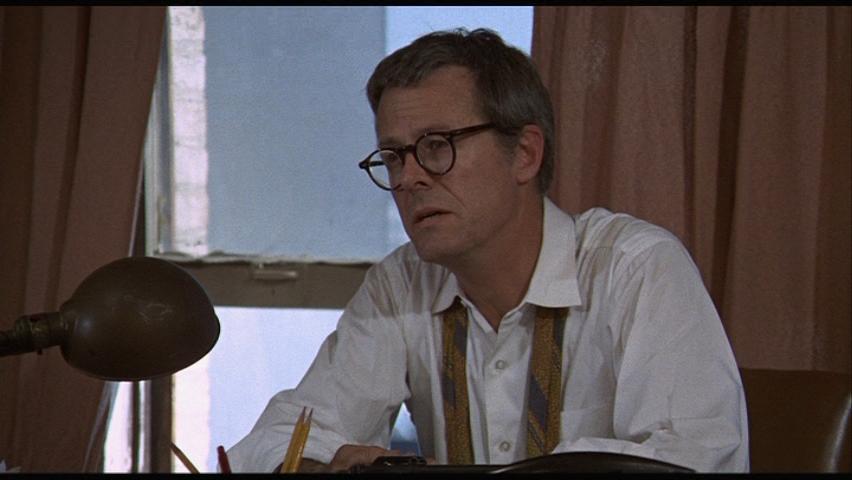
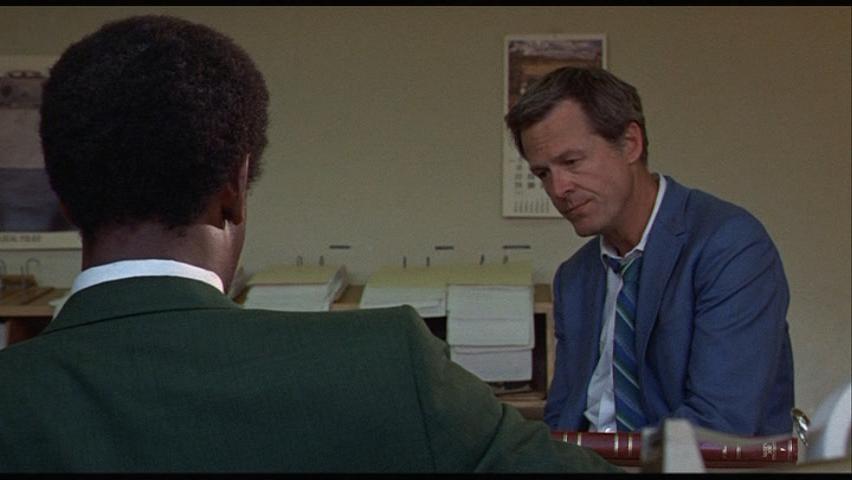
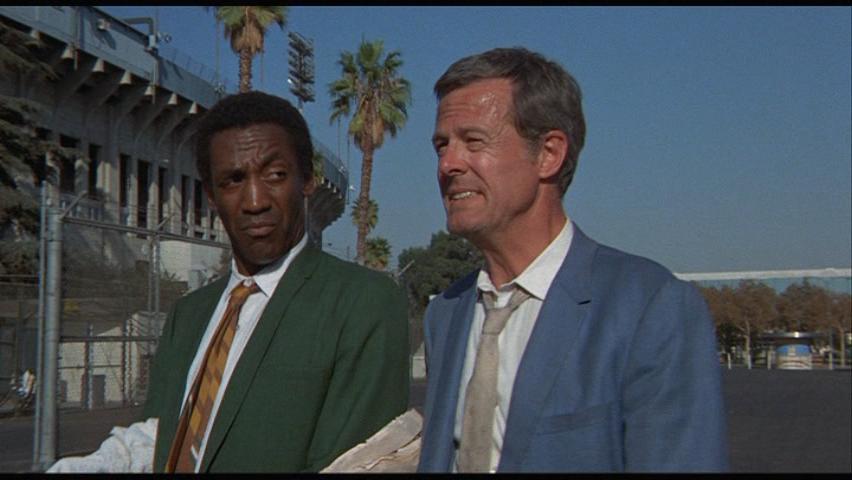
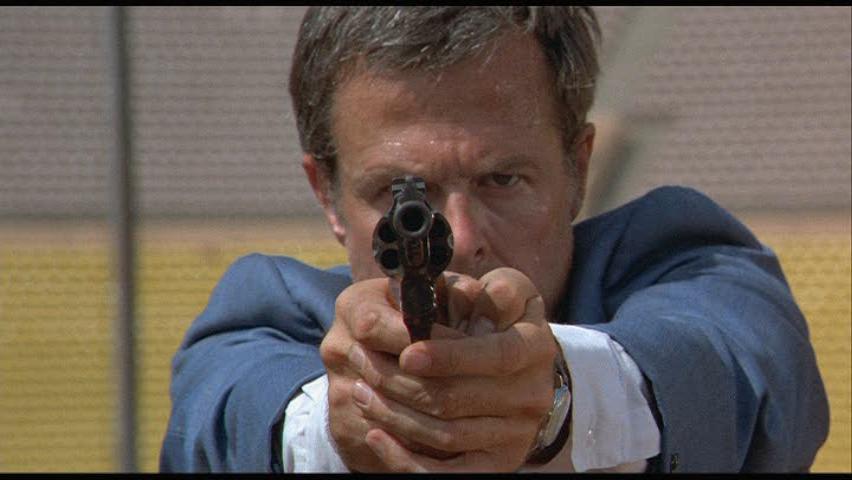
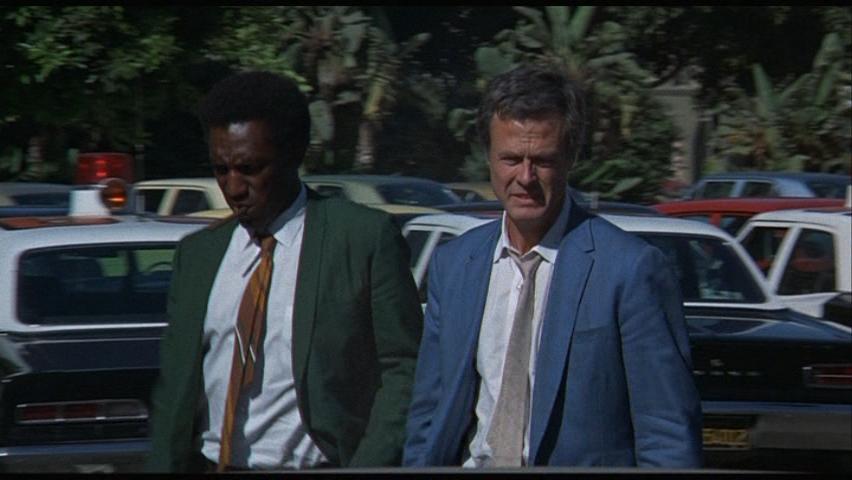
 When he goes to see Eleana Cole, Boggs doesn’t know it but he ends up face to face with Rice, the guy who had hired him and Hickey to begin with. He asks to see Mrs. Cole to talk about Clifton Farrow and Mary Jane Bower. He’s brought in to see what turns out to be Mr. Leroy (another name on Farrow’s note), a black revolutionary.

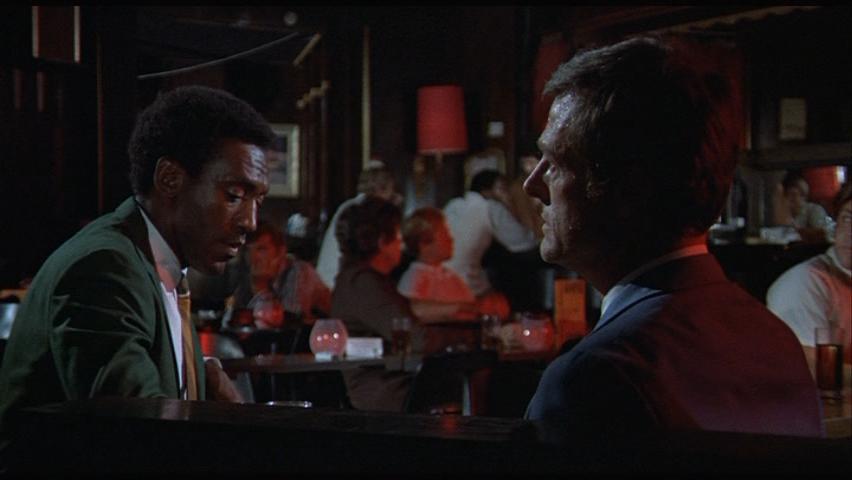
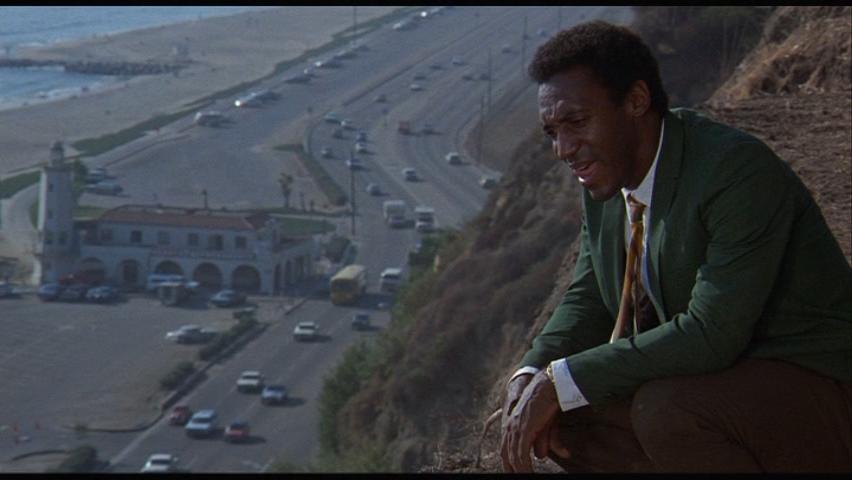
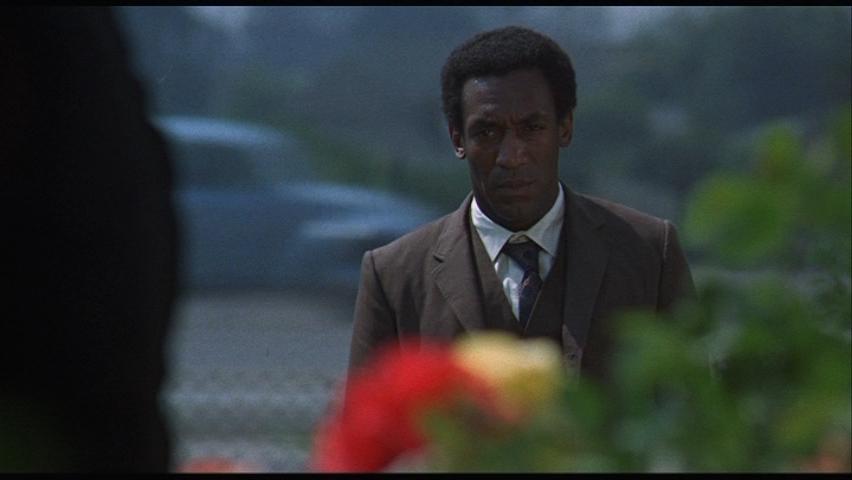


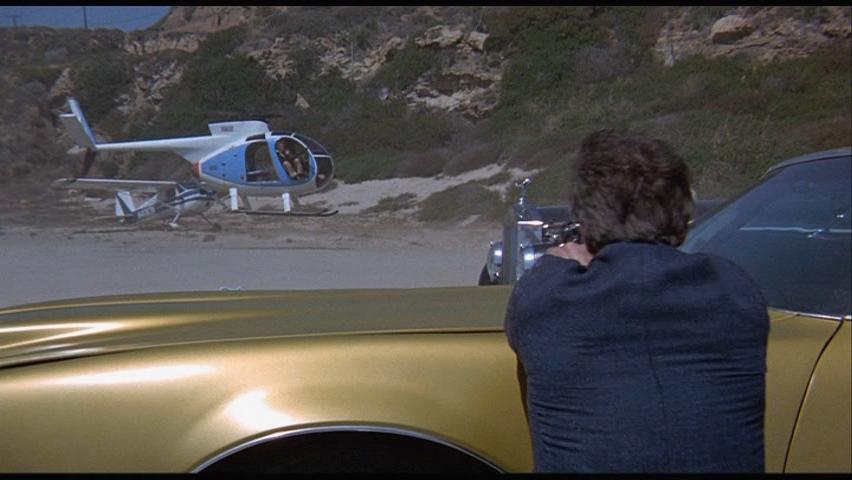
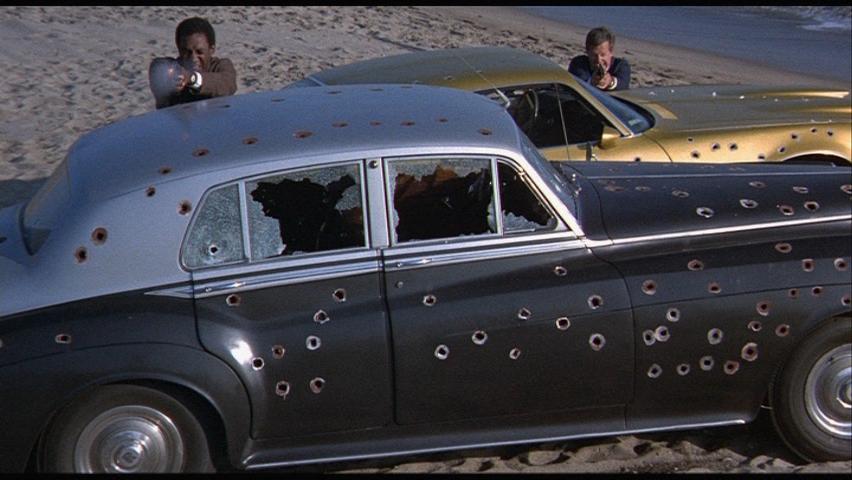
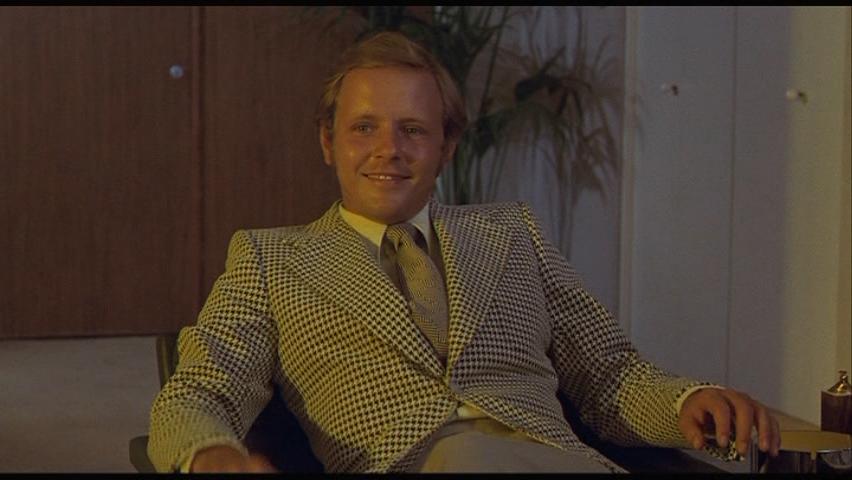
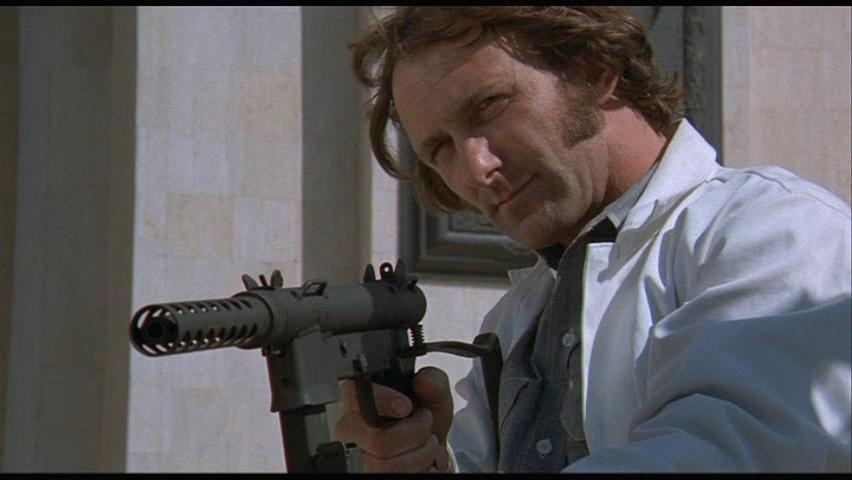
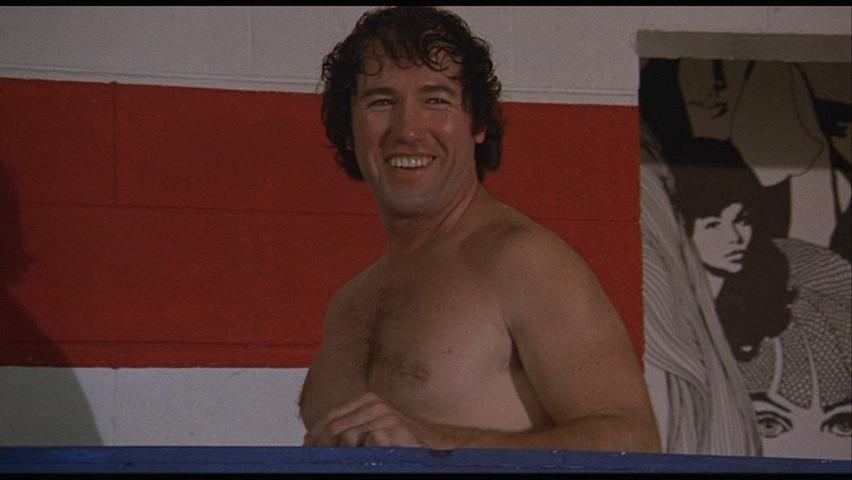
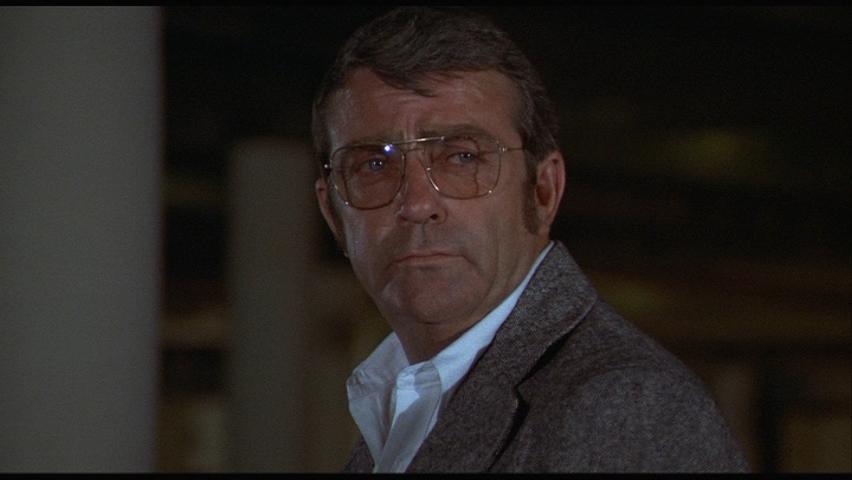


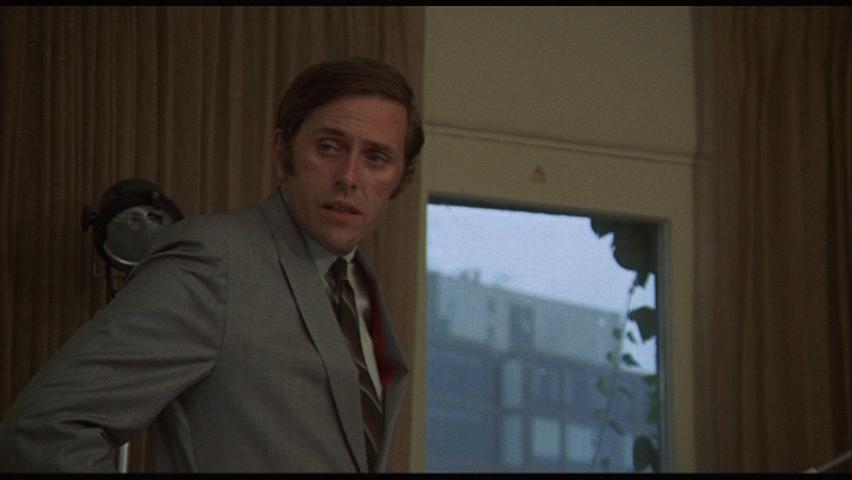
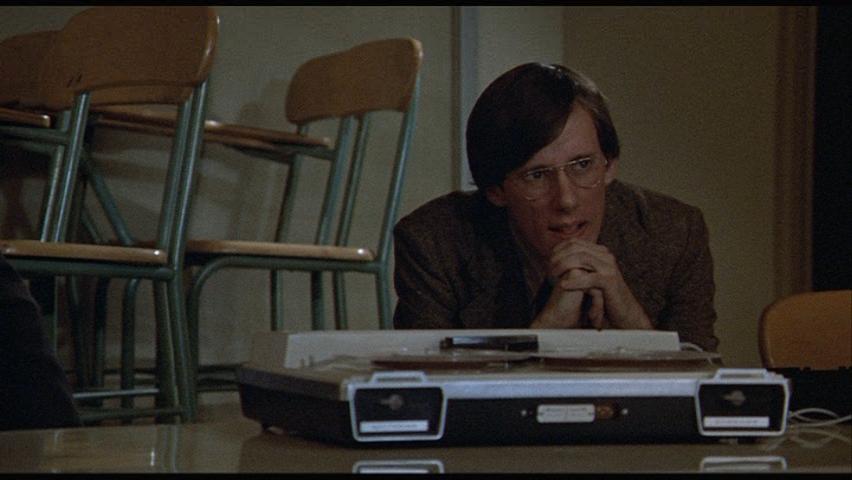
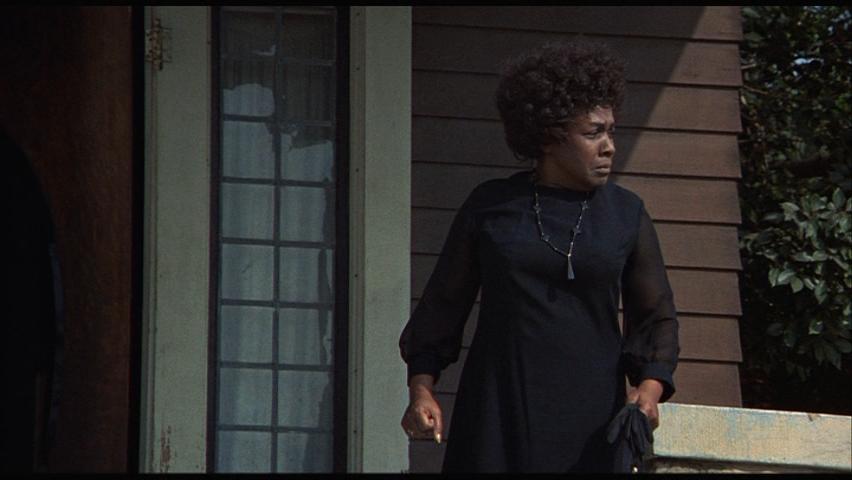
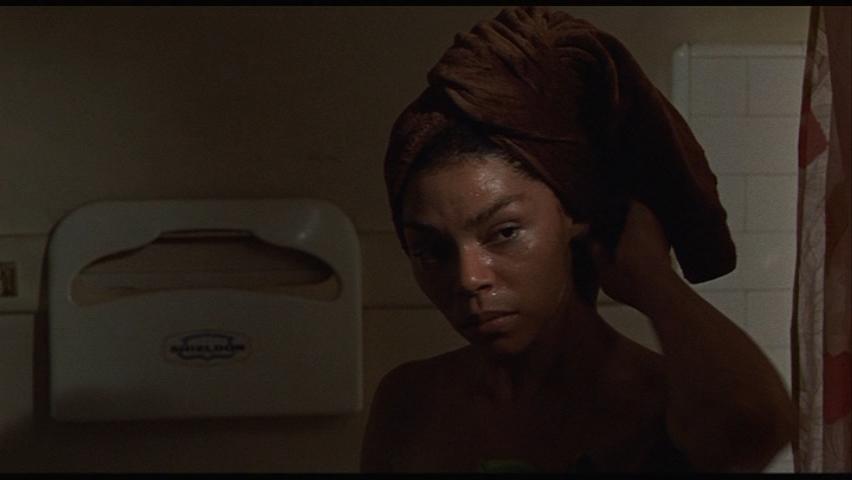
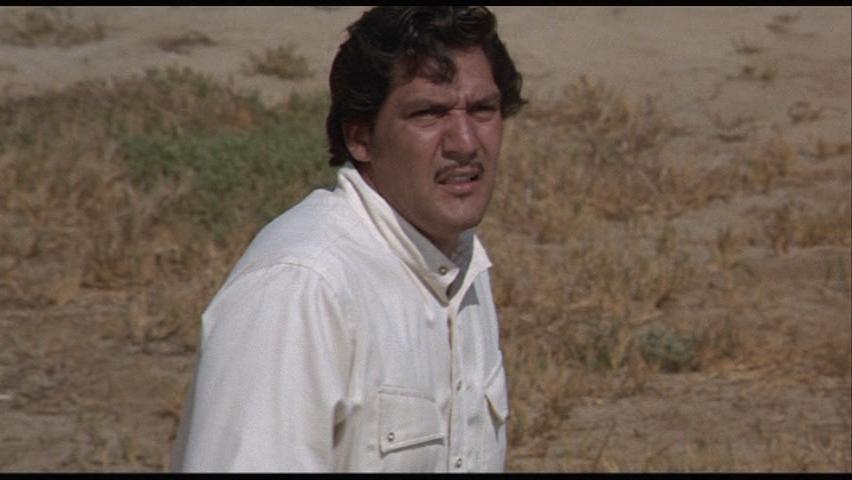

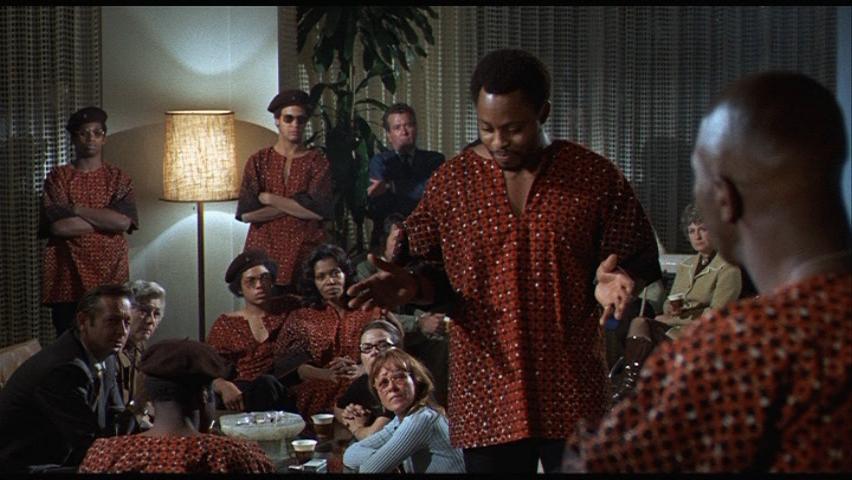
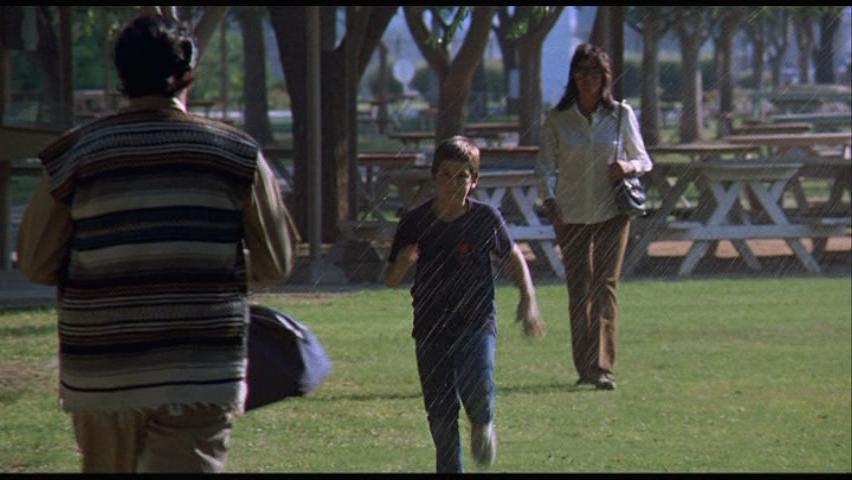
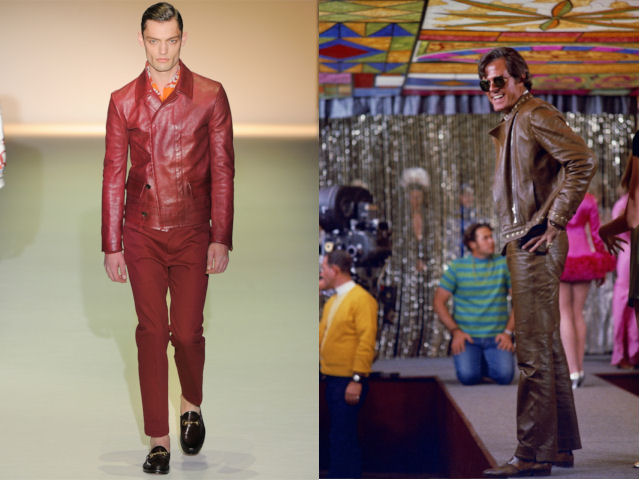
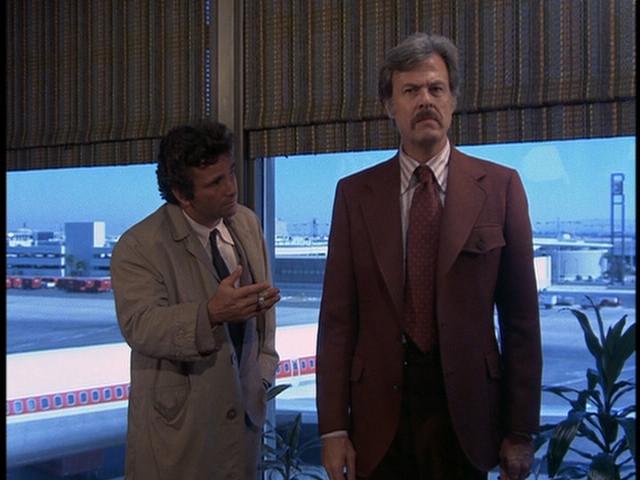

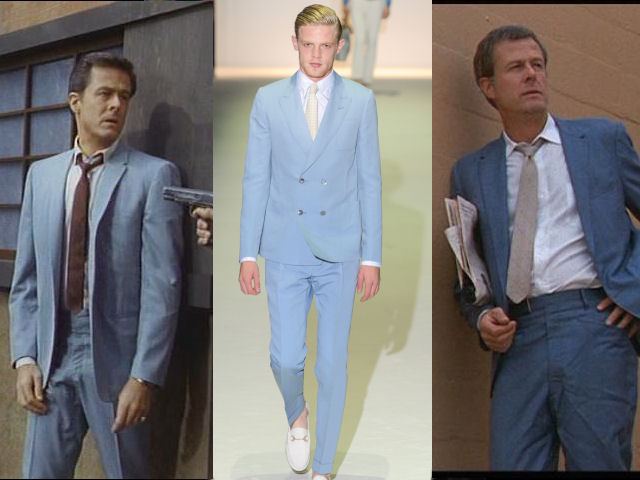
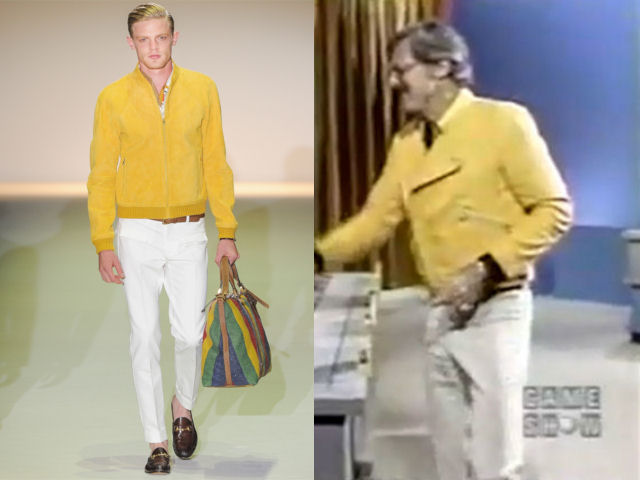
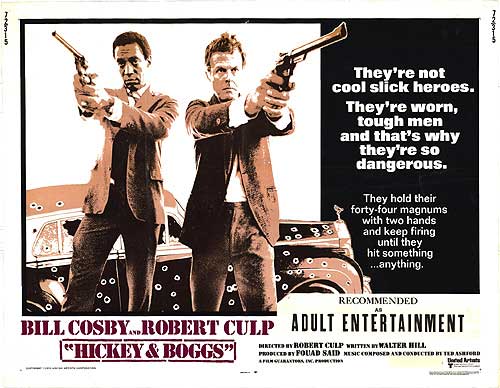
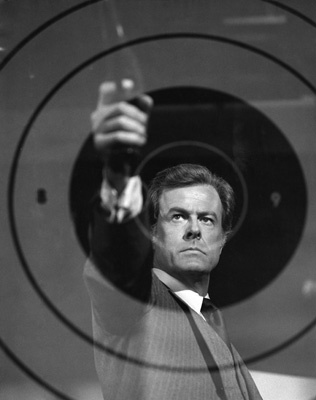
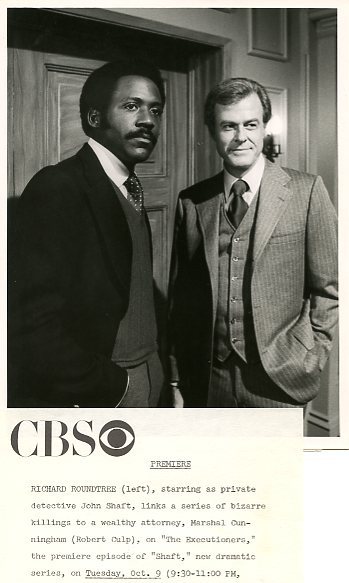
 With Shaft working on investigating who killed Dawson, Cunningham has instructed police officer Lou Turner (Richard Jaeckel) to make sure Shaft doesn’t get far in his investigation. Specifically, Cunningham told Turner that if Shaft gets too close “to see that he has a short life.”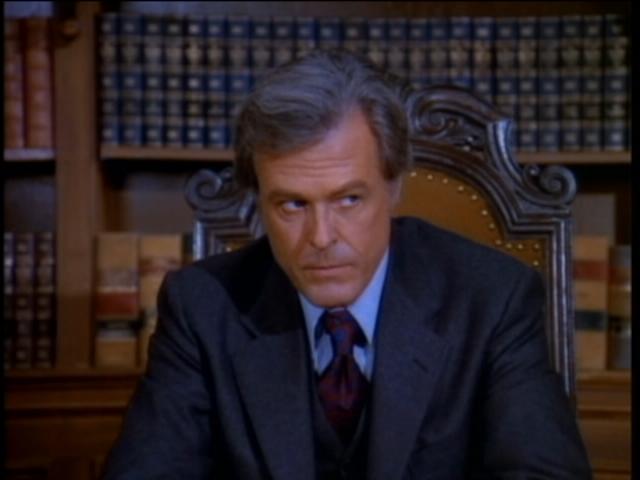
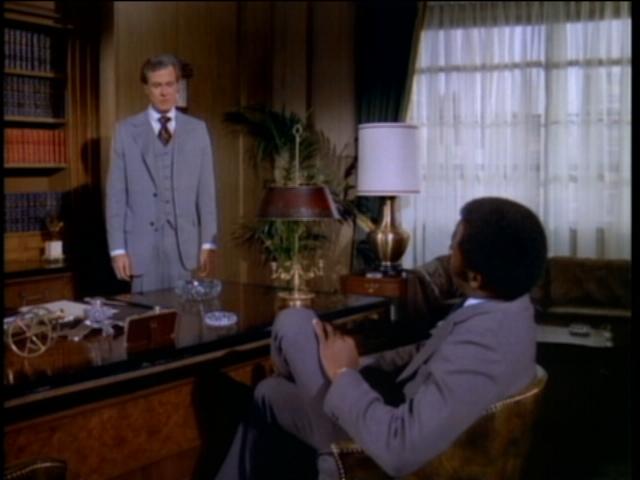
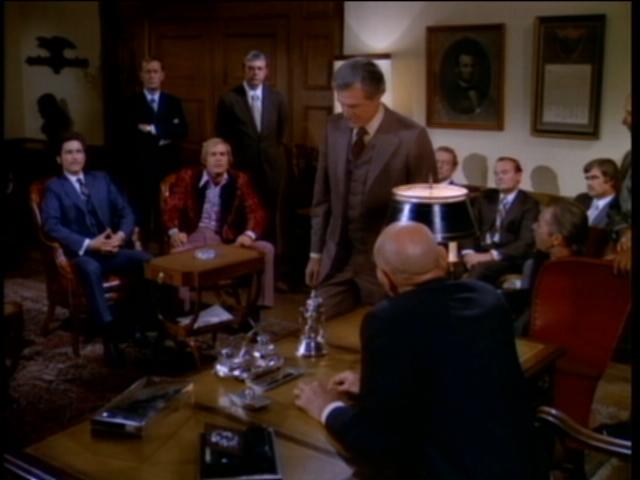
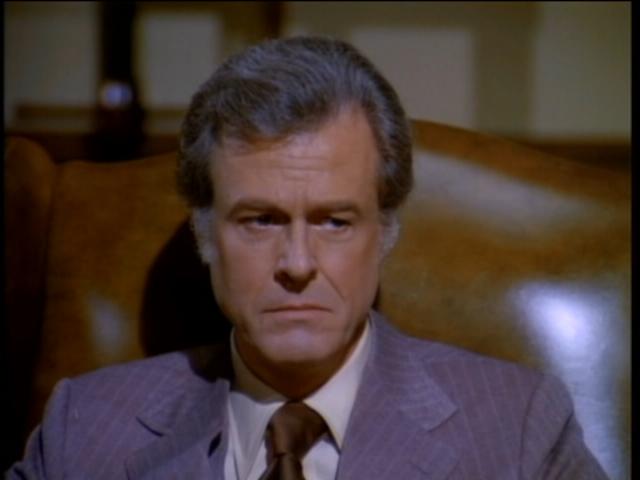
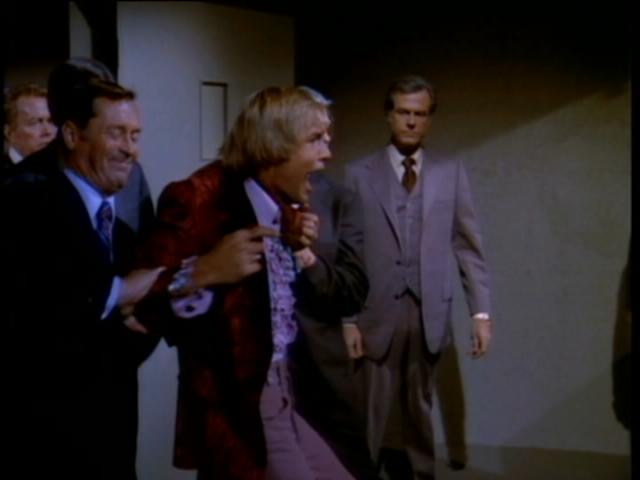
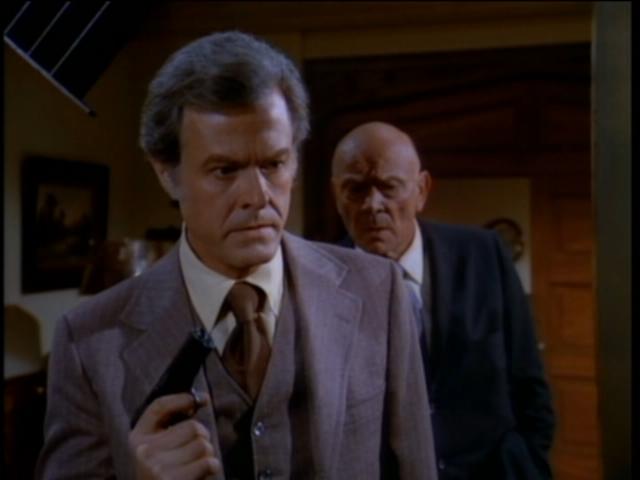
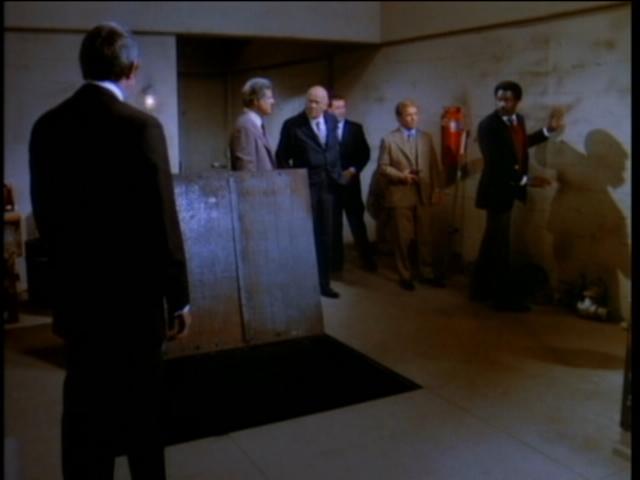
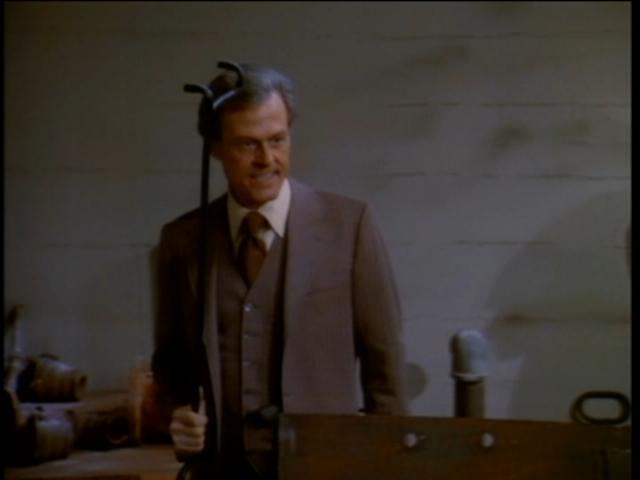
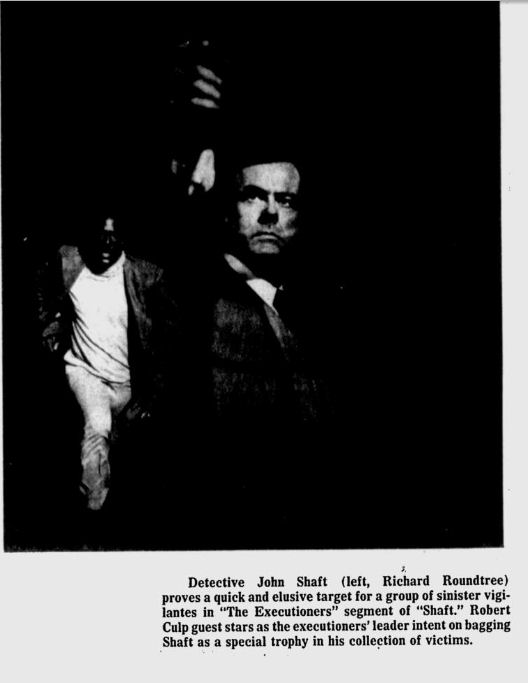
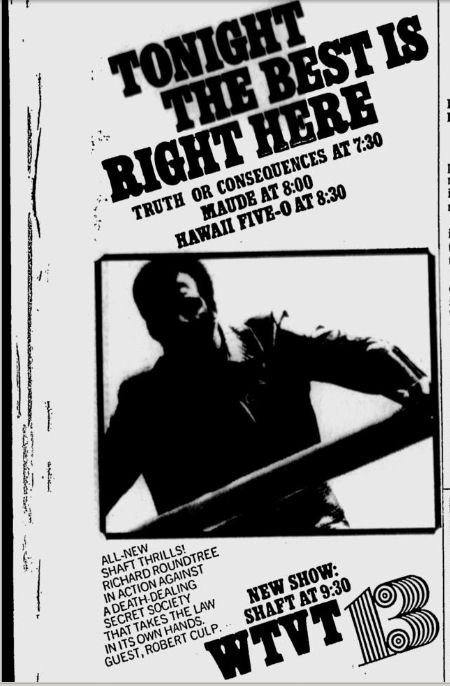
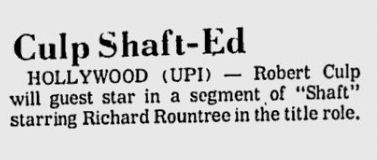
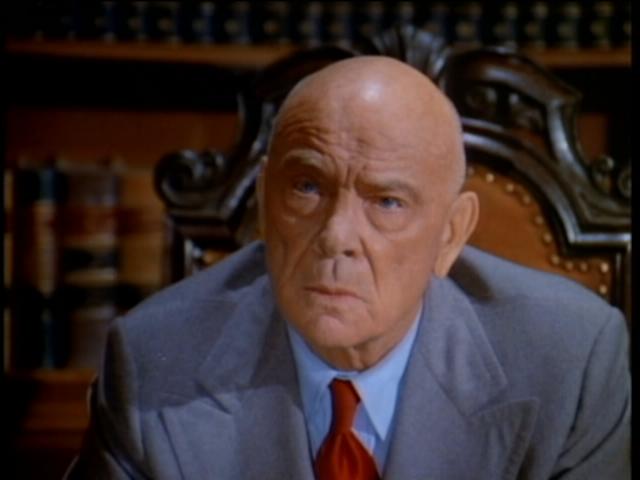 Dean Jagger (Judge McCormick) – Academy Award winning actor who first started in films in 1929. Played Brigham Young in the 1940 biopic “Brigham Young” (with Tyrone Power and Vincent Price), appeared in films such as “Twelve O’Clock High” (supporting actor Oscar win) 1949, “White Christmas” 1954, “Bad Day at Black Rock” 1955, “Cash McCall” (with James Garner) 1960, and “First to Fight” 1967 . Was nominated twice for an Emmy for his role as Principle Albert Vance on the 60s tv series “Mr. Novak” (1963-1965)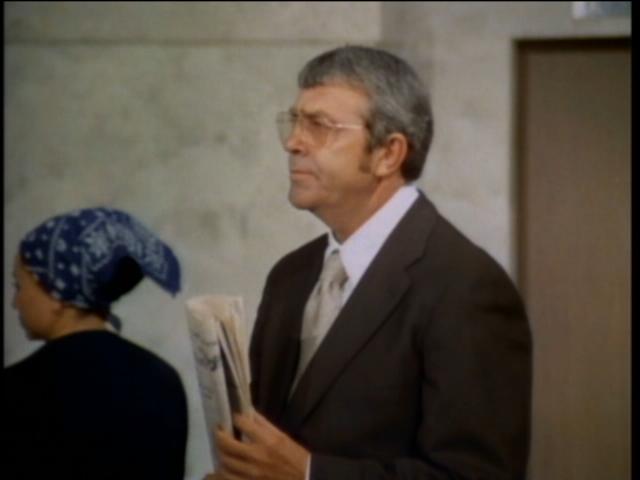
 Noah Keen (Charles Dawson) – Veteran character actor who often played doctors, lawyers and police officers. Guested on many television shows from the 60s through the 80s.
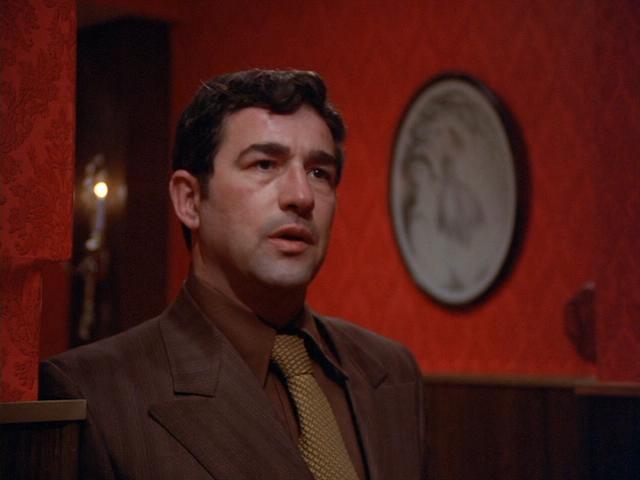
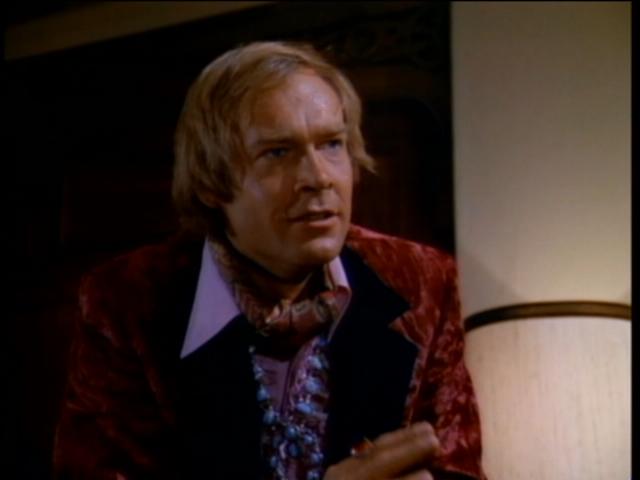 Kaz Garas (Gerald Fell) – If he looks familiar, and he should, the Lithuanian born Garas guest starred on numerous television series’ back in the ’70s and ’80s, including “Cannon,” “The Streets of San Francisco,” “Hawaii Five-O” and “The Dukes of Hazzard.”

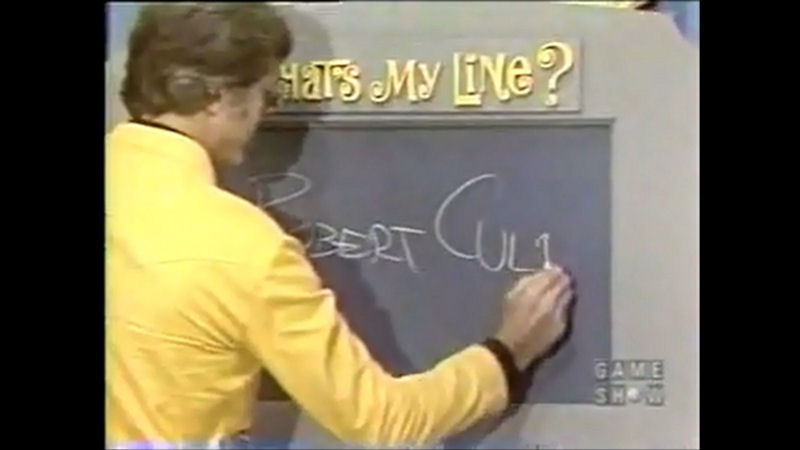
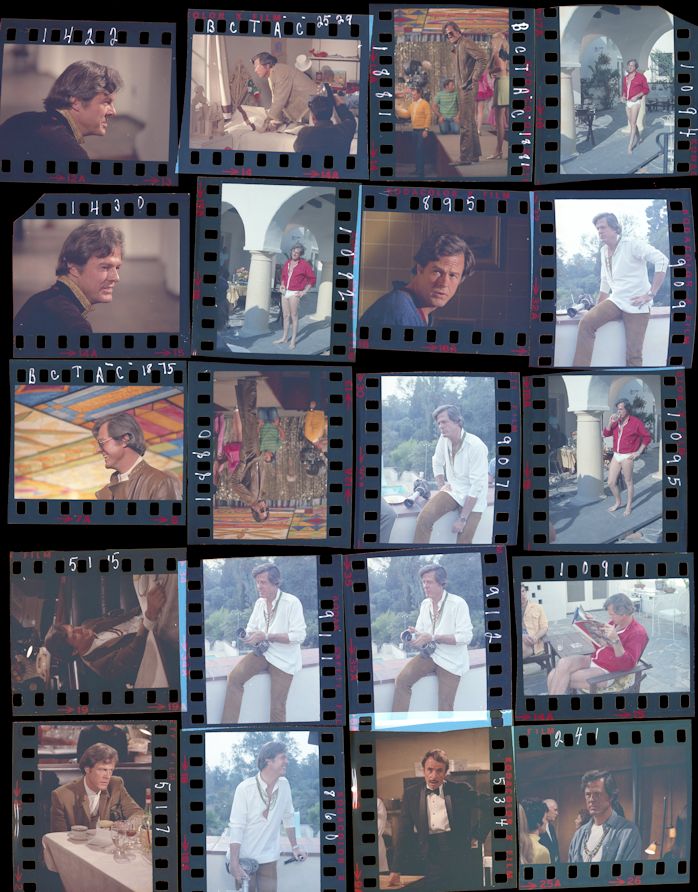

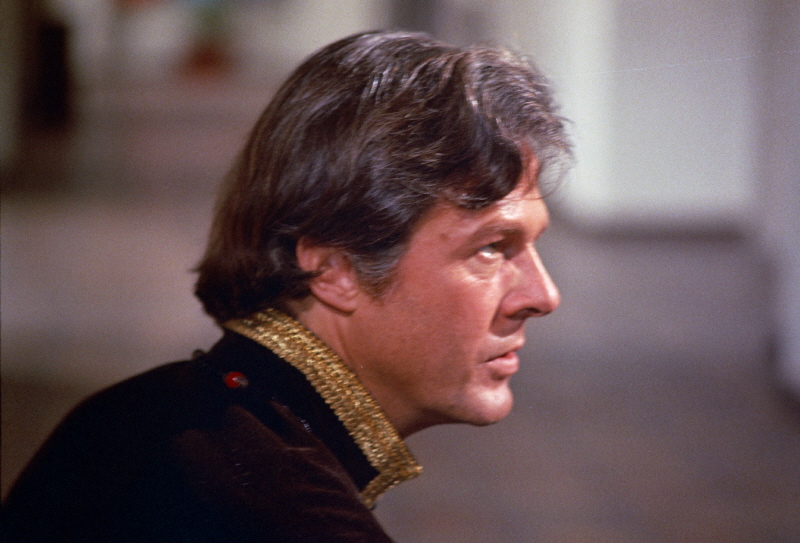
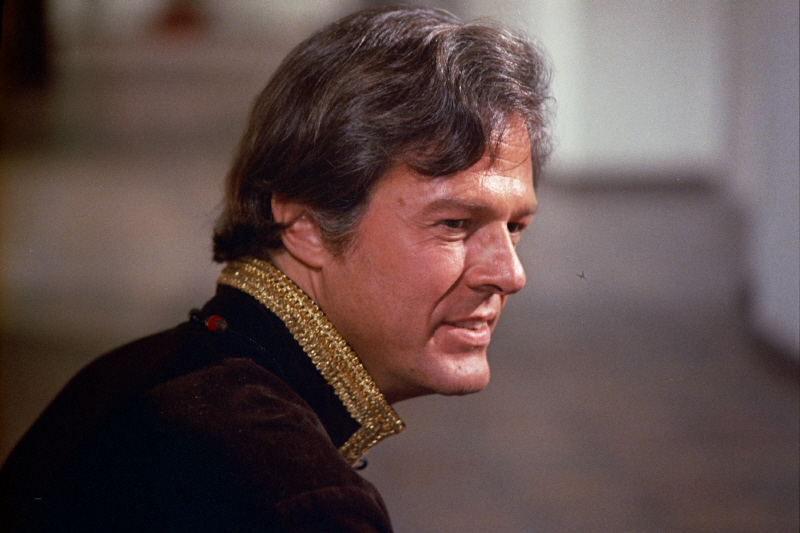

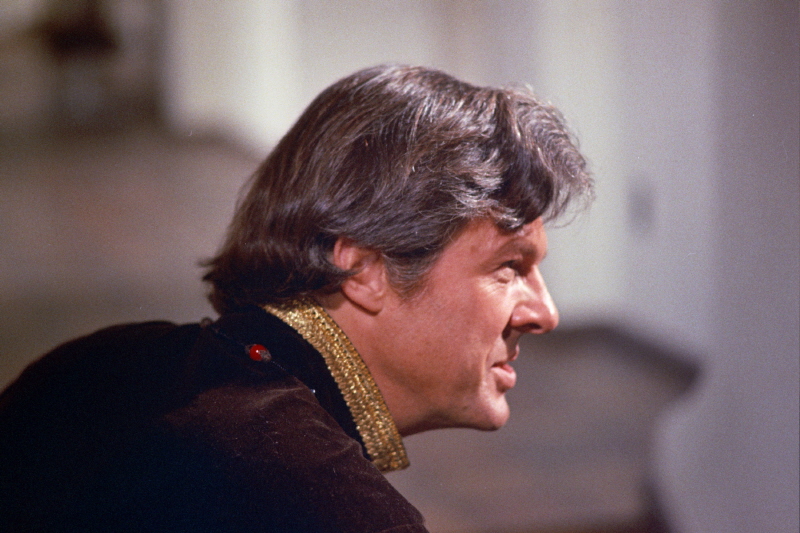
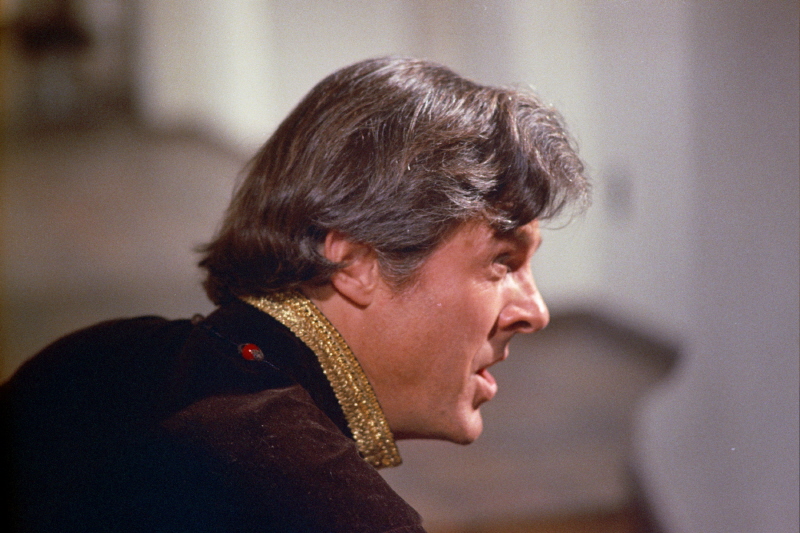
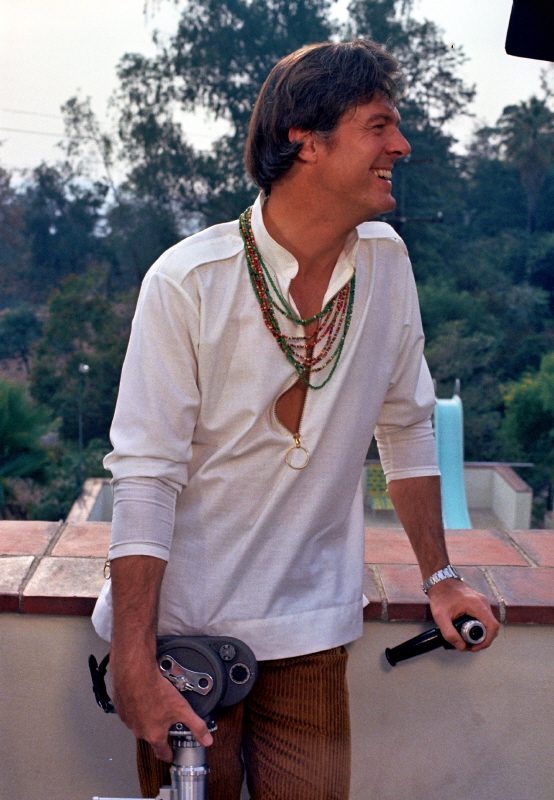
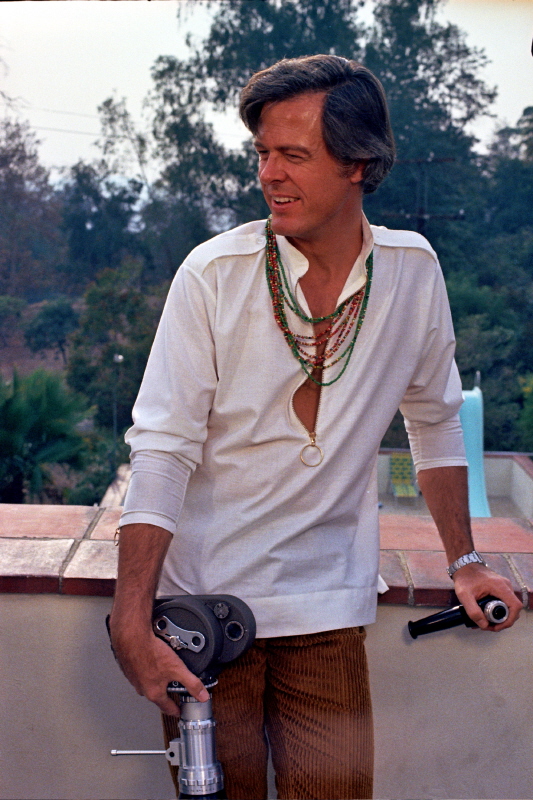
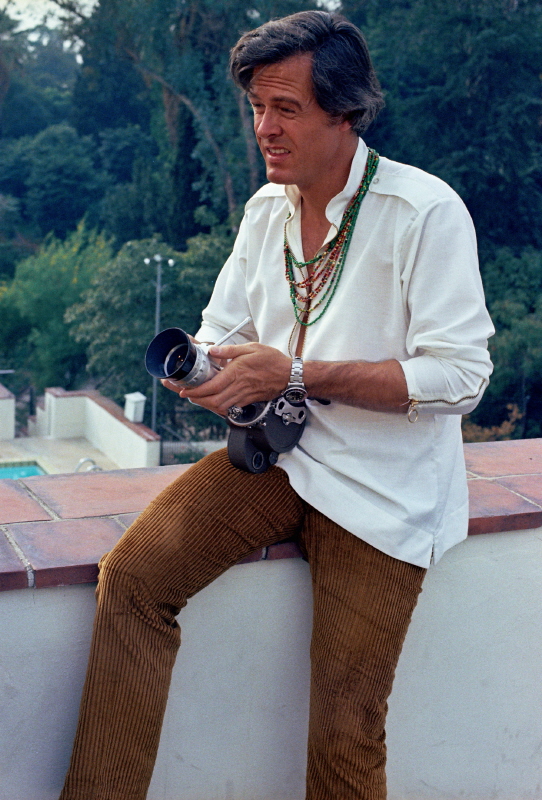
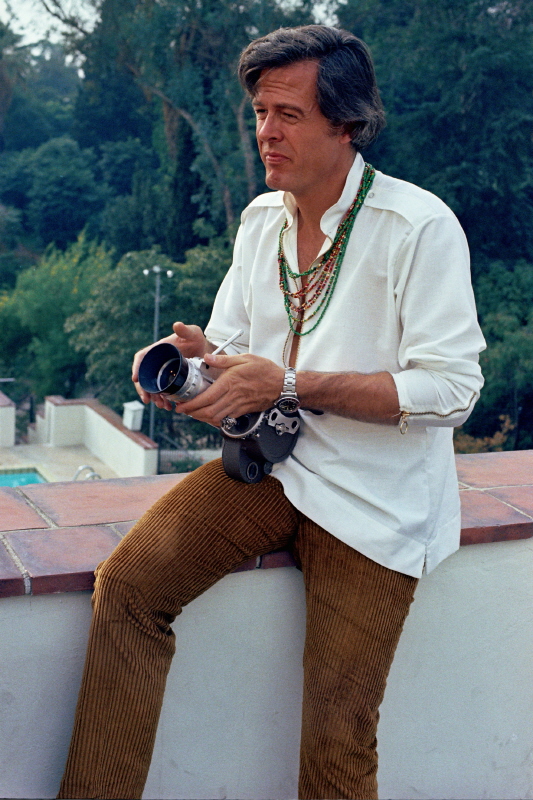
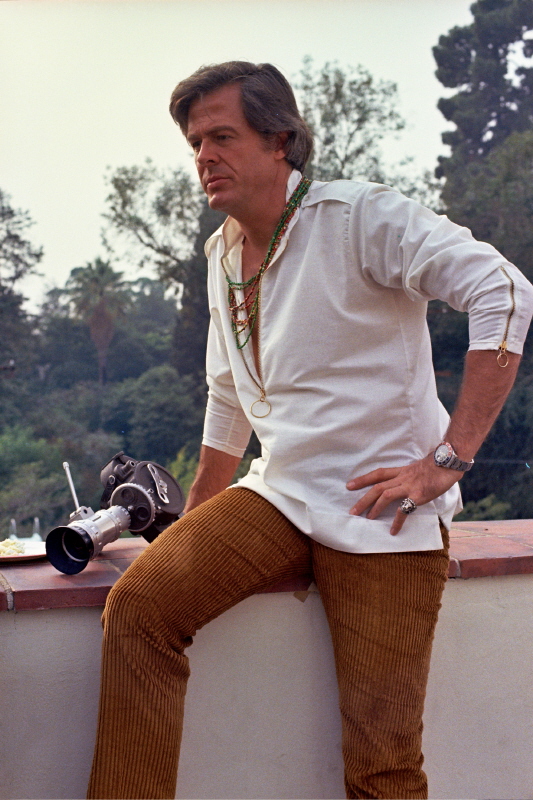
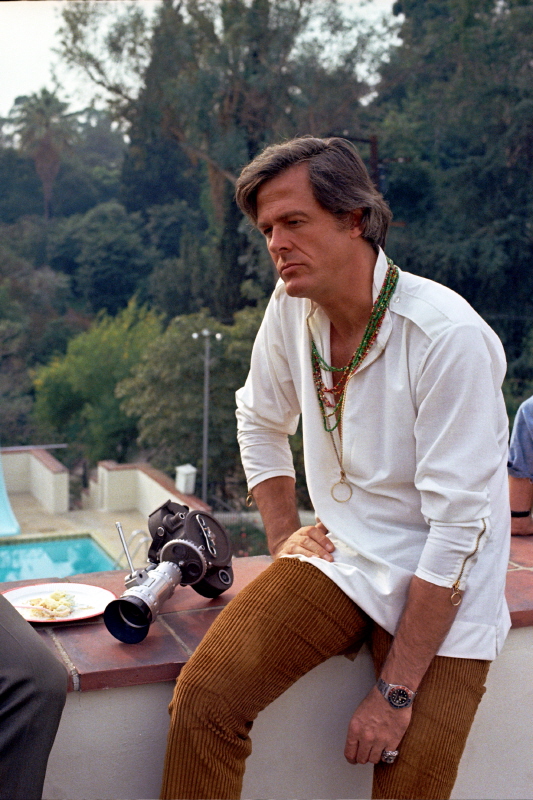
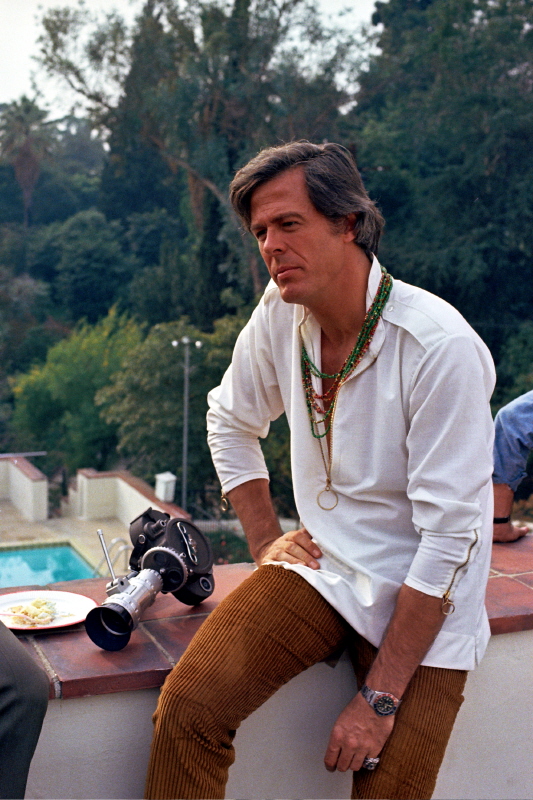
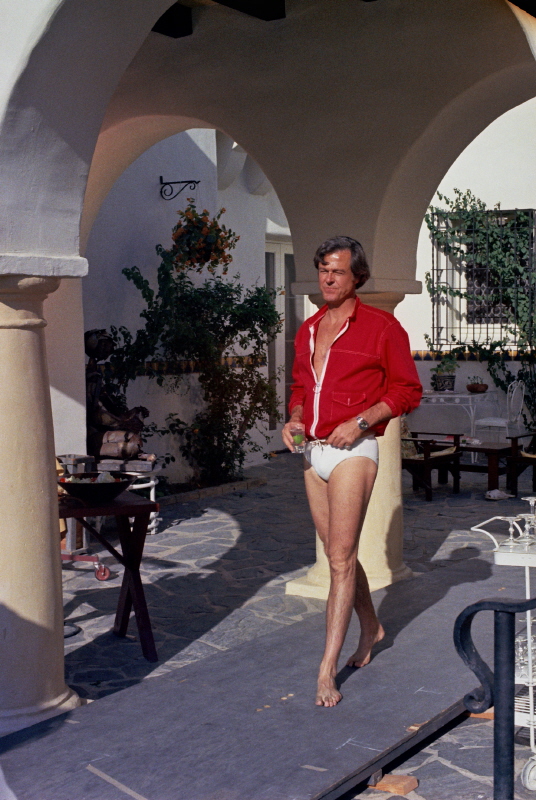

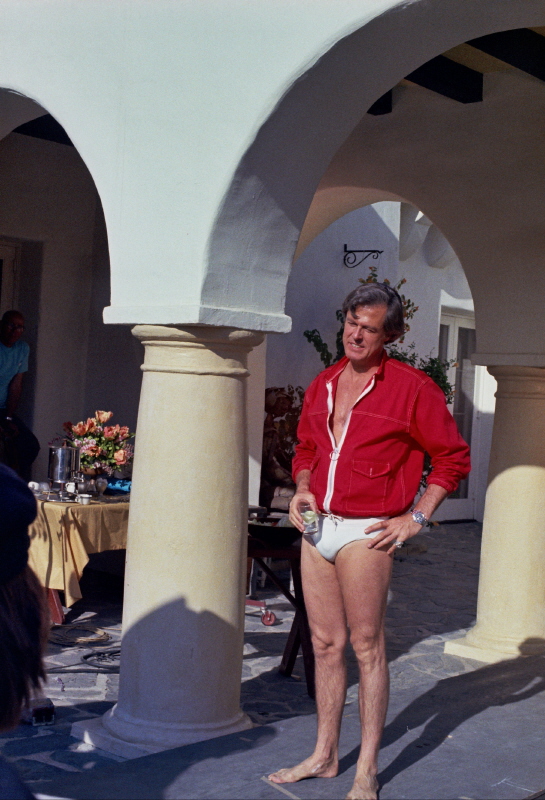
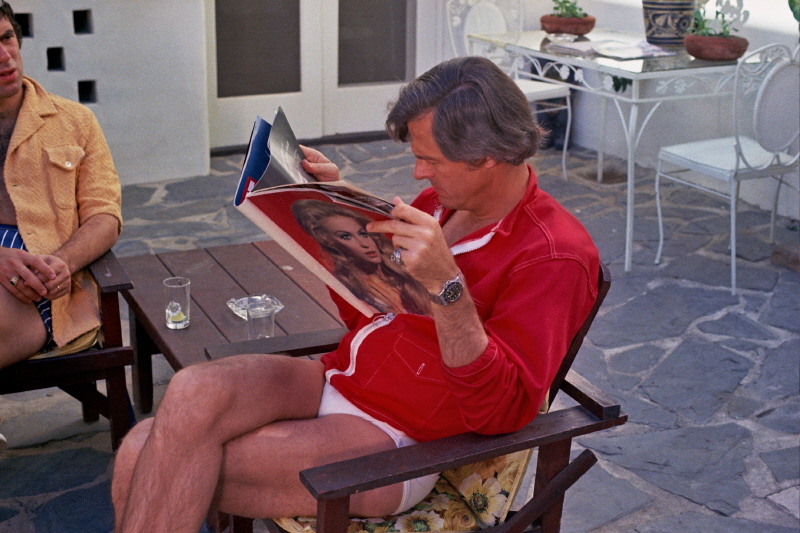
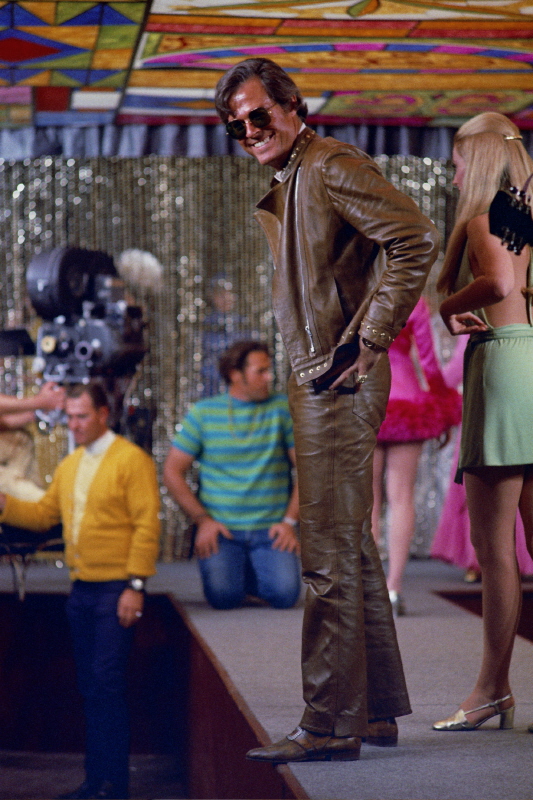
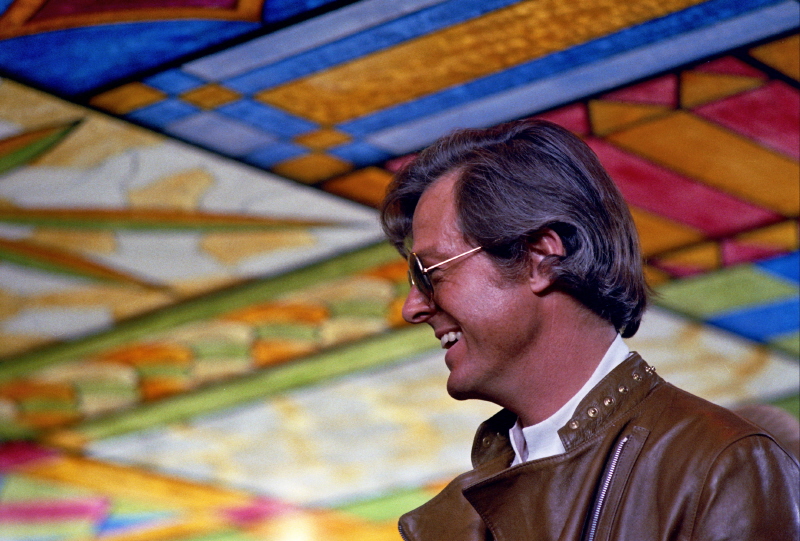
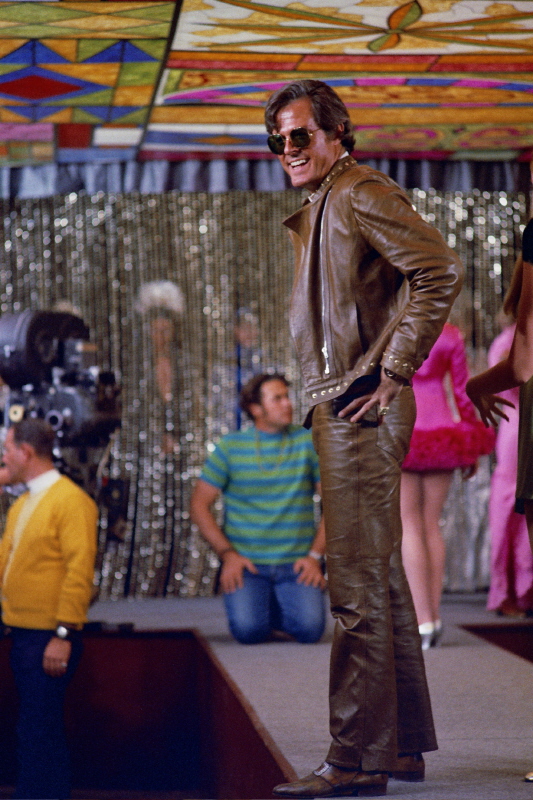
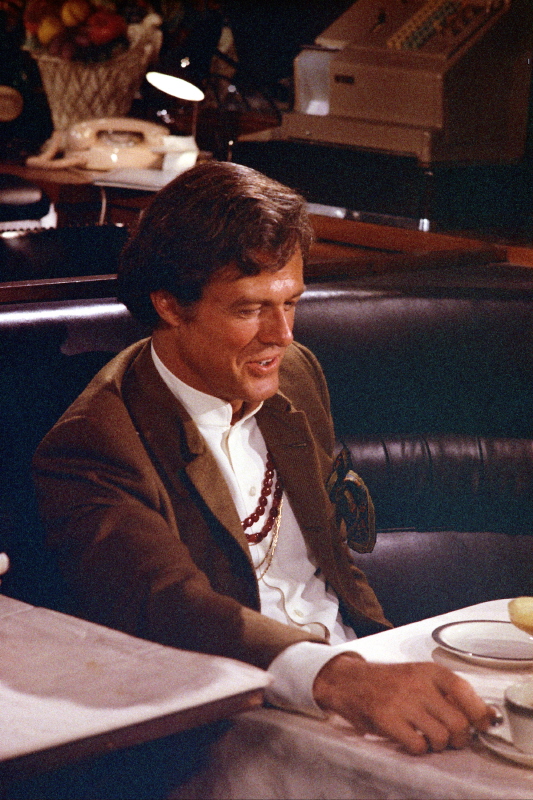

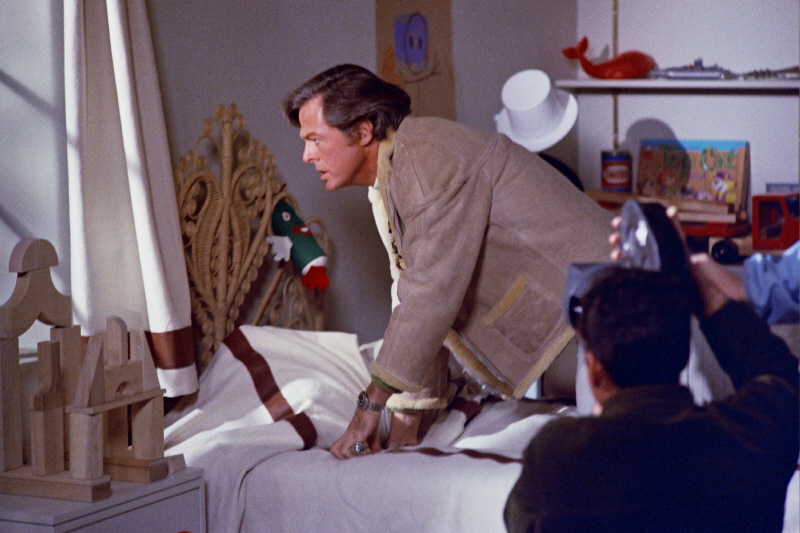
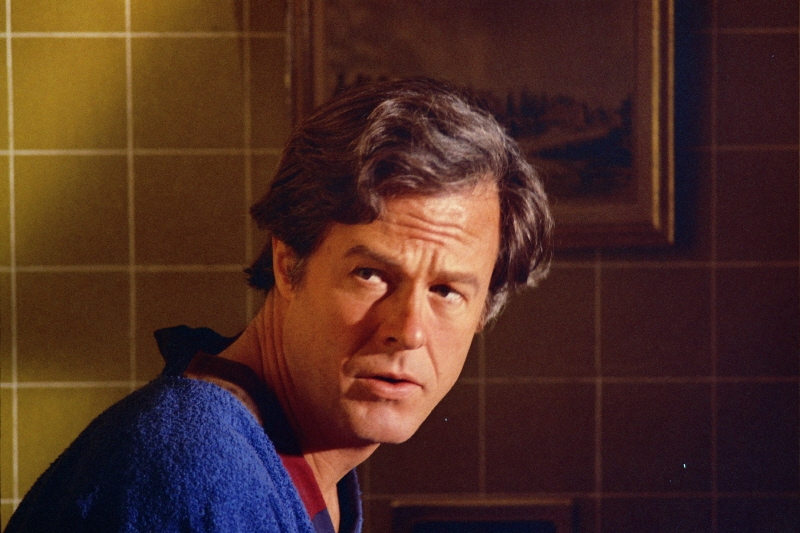
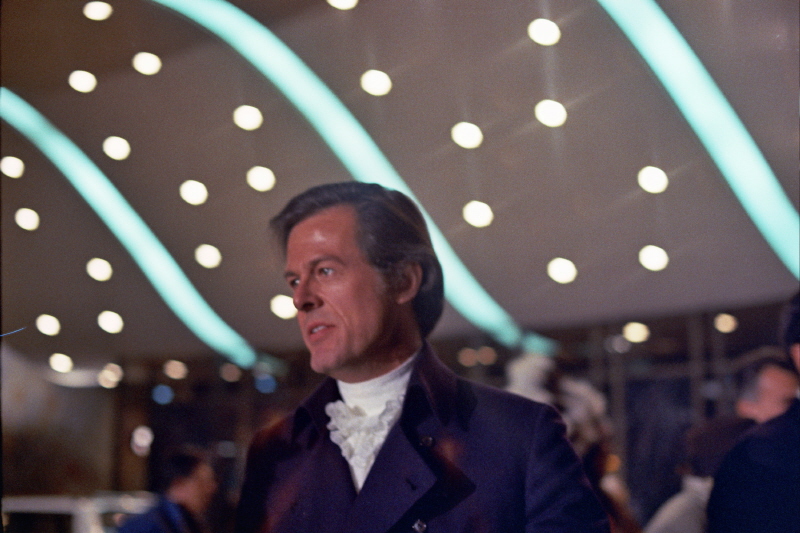
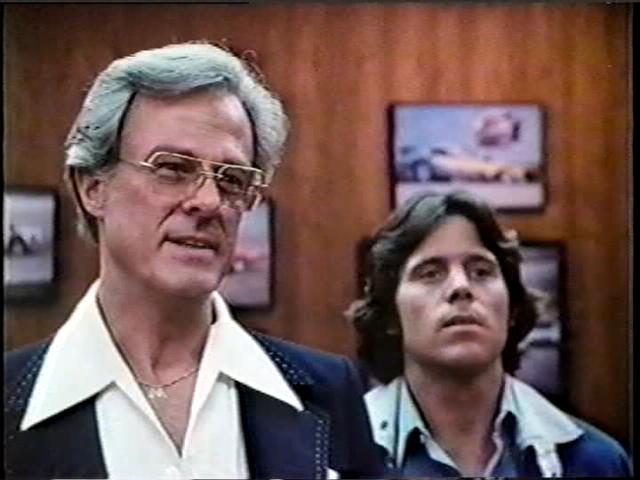

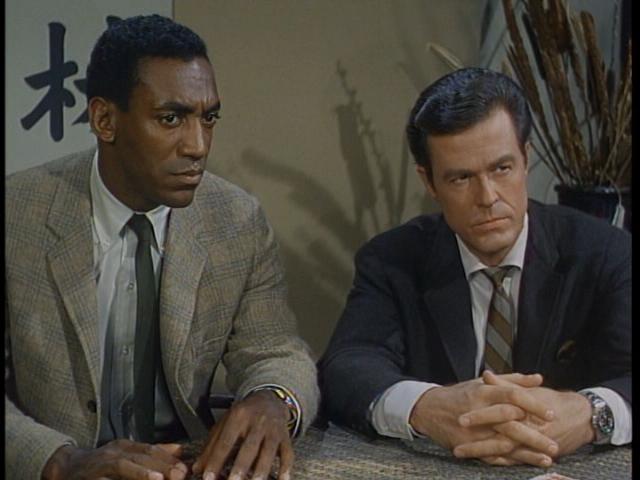
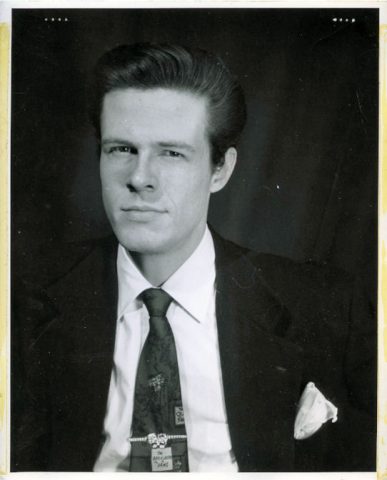
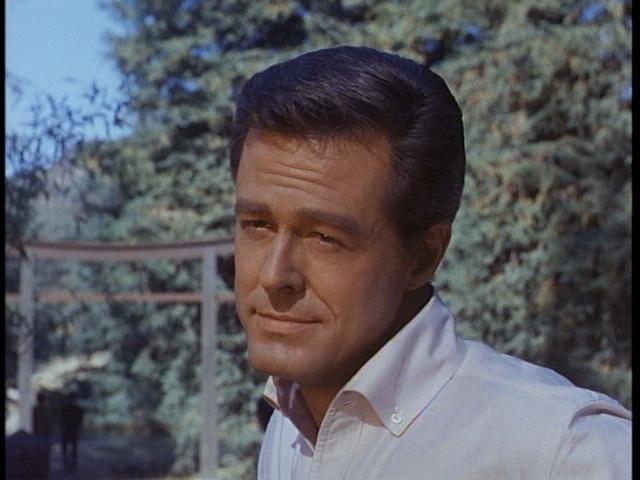
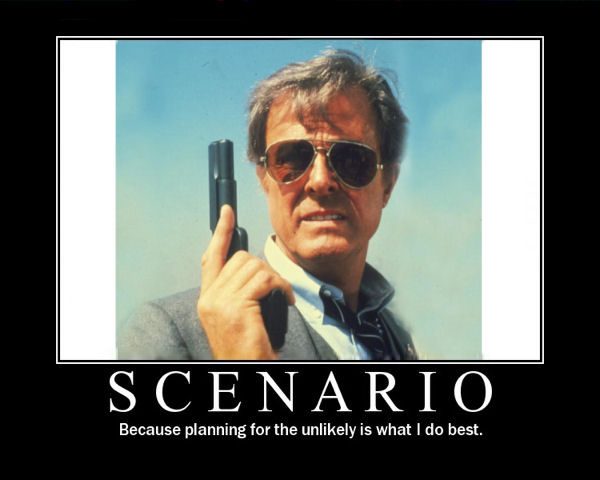
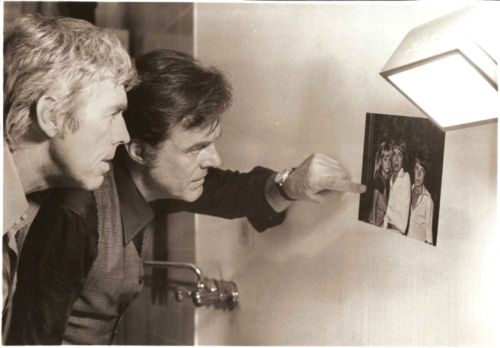
 is available for pre-order at Amazon.com. (Disclosure: If you purchase through the provided link, I receive compensation. Click
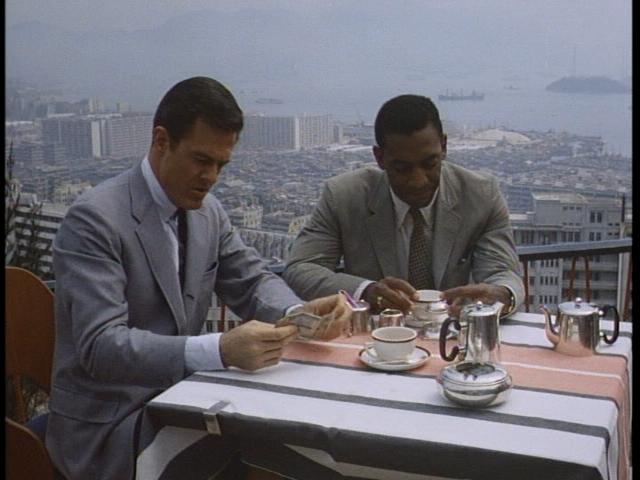
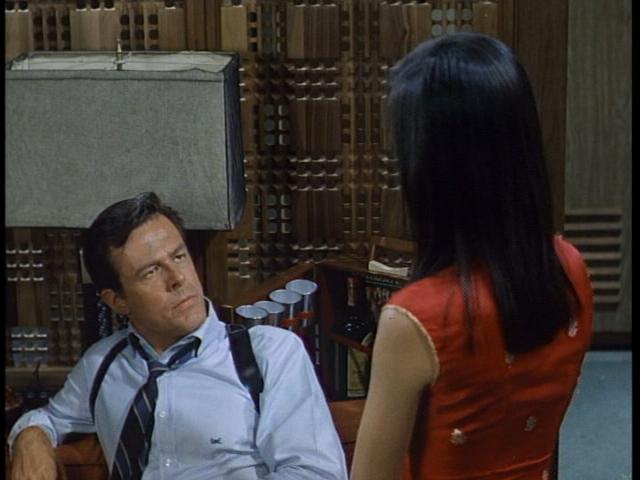
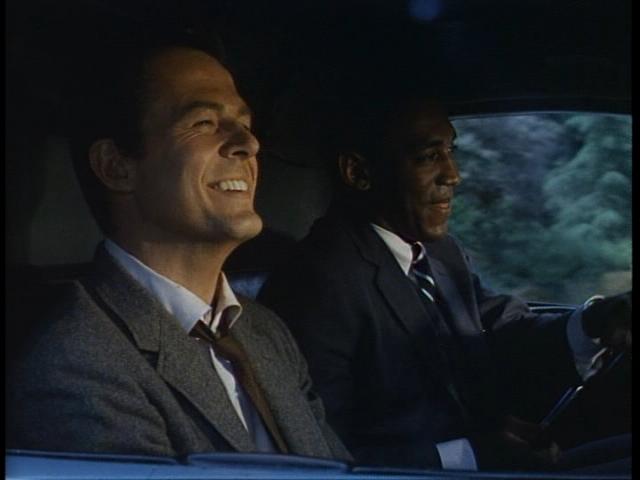
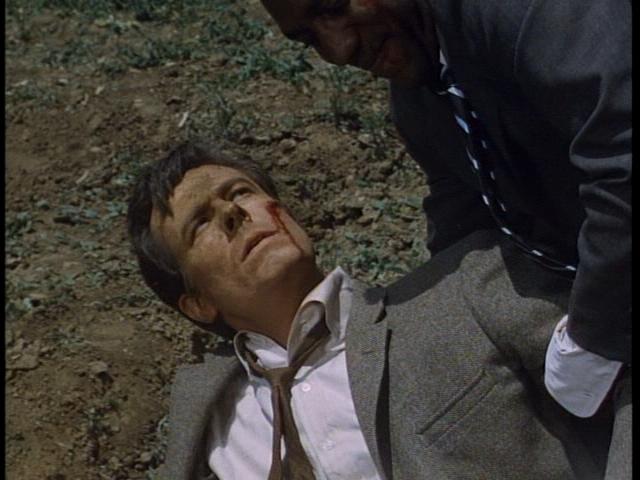
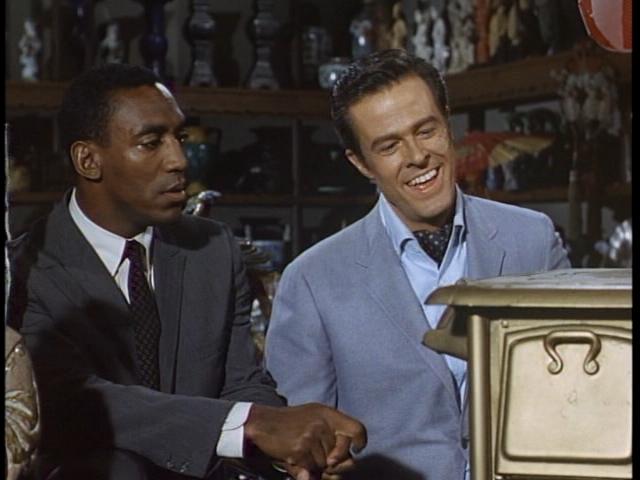
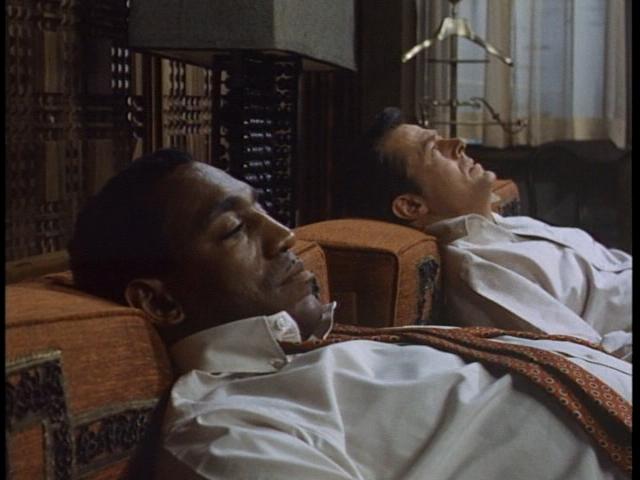
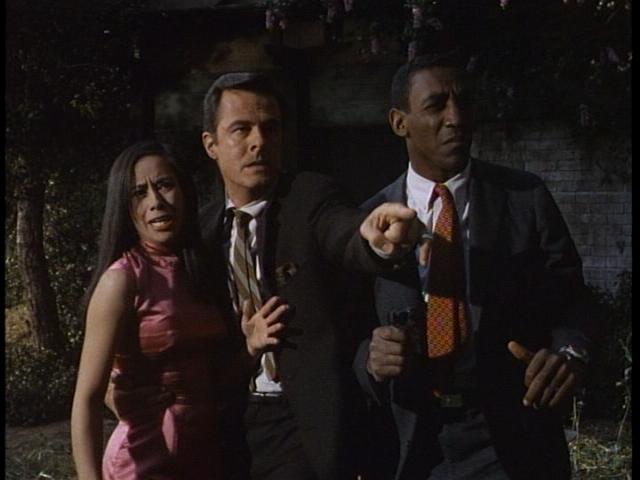
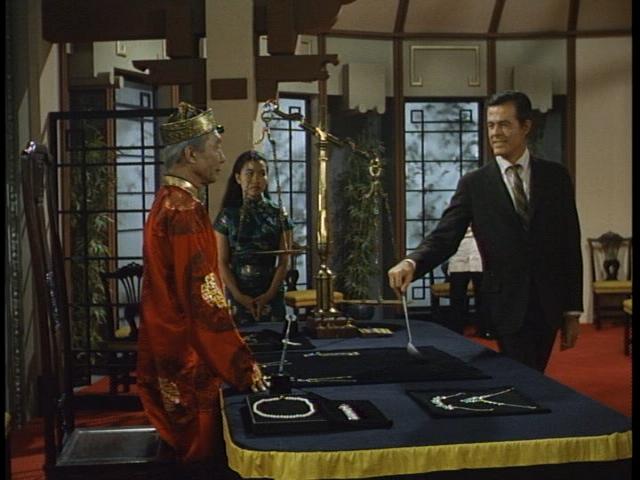
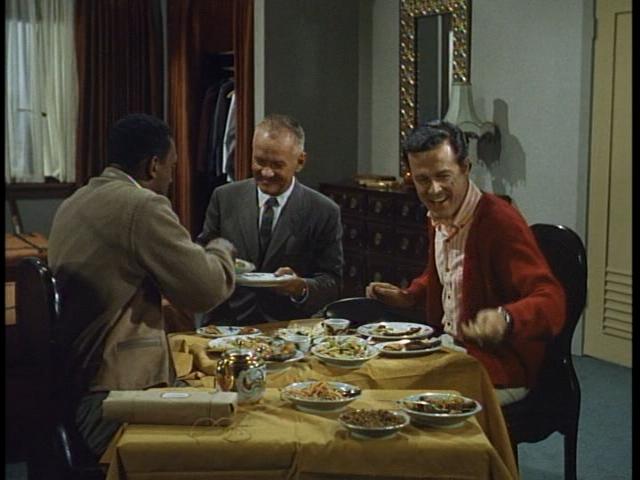
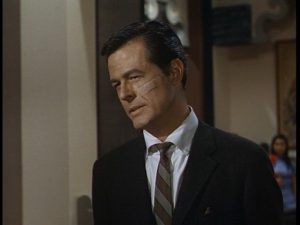
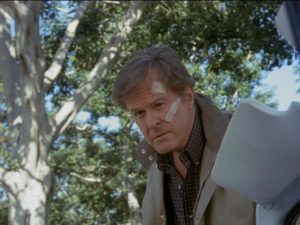
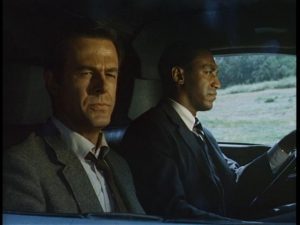
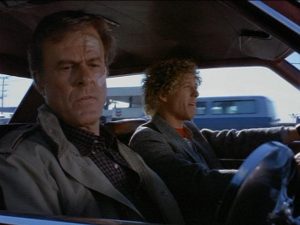
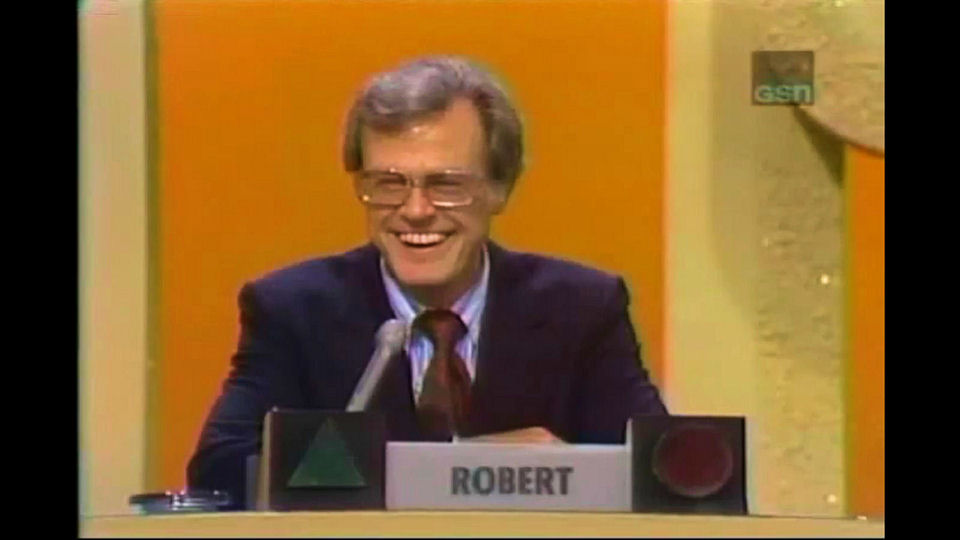
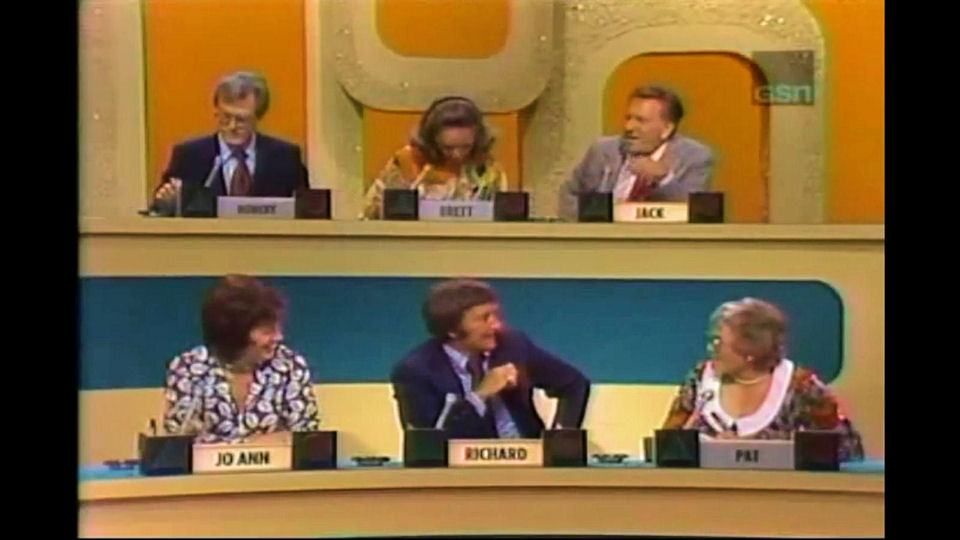
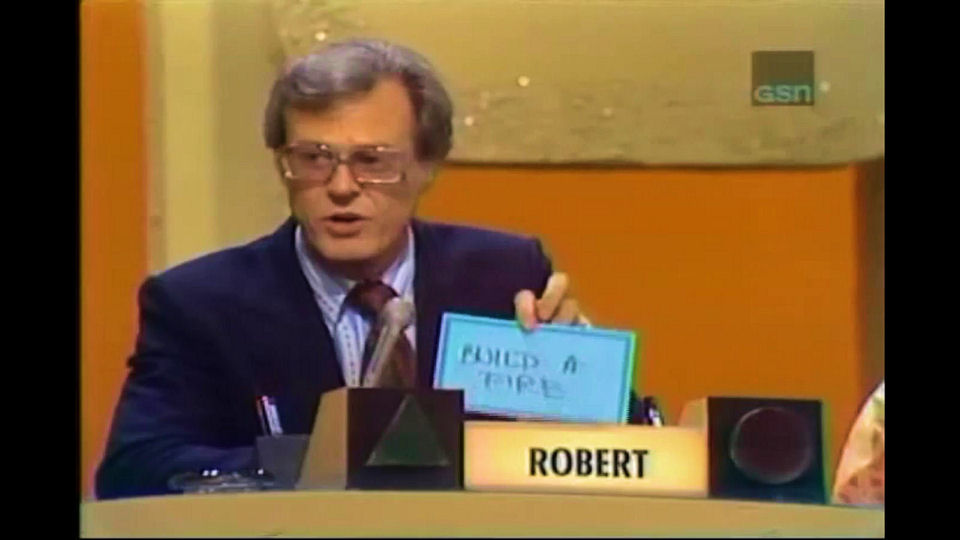
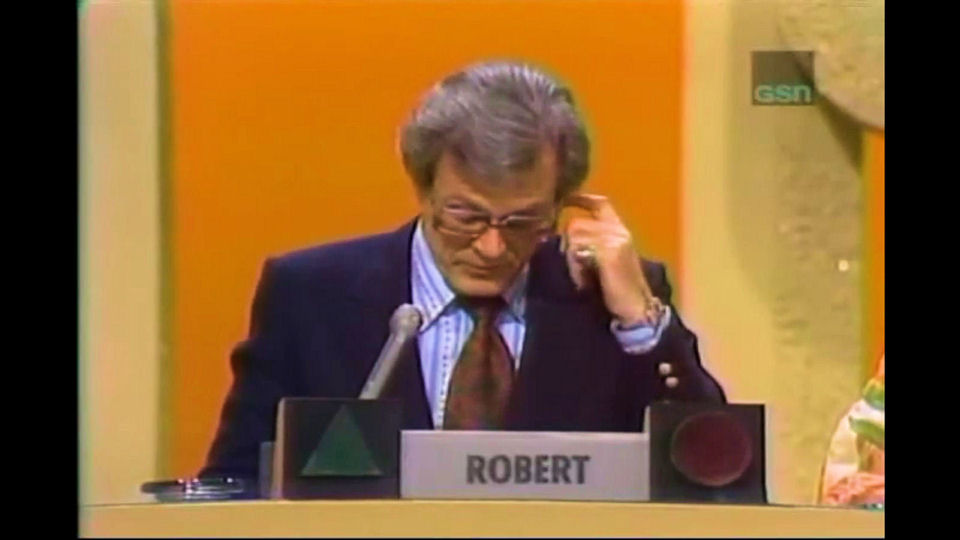
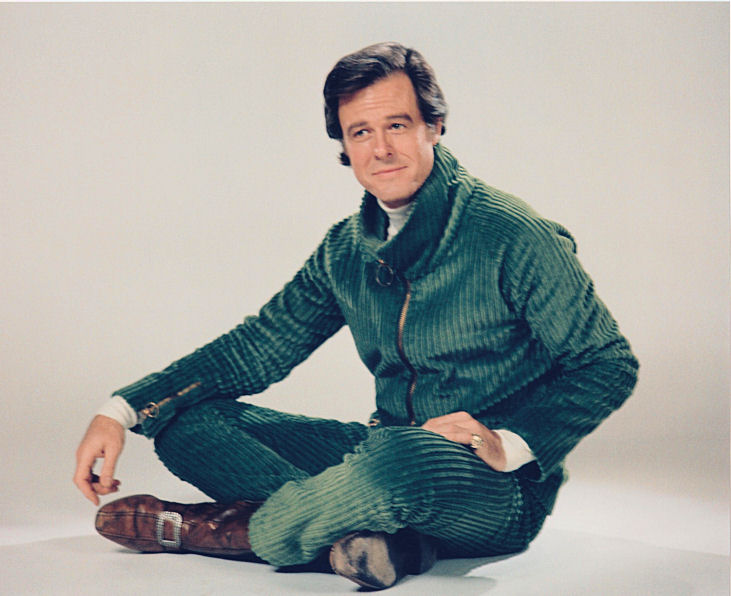
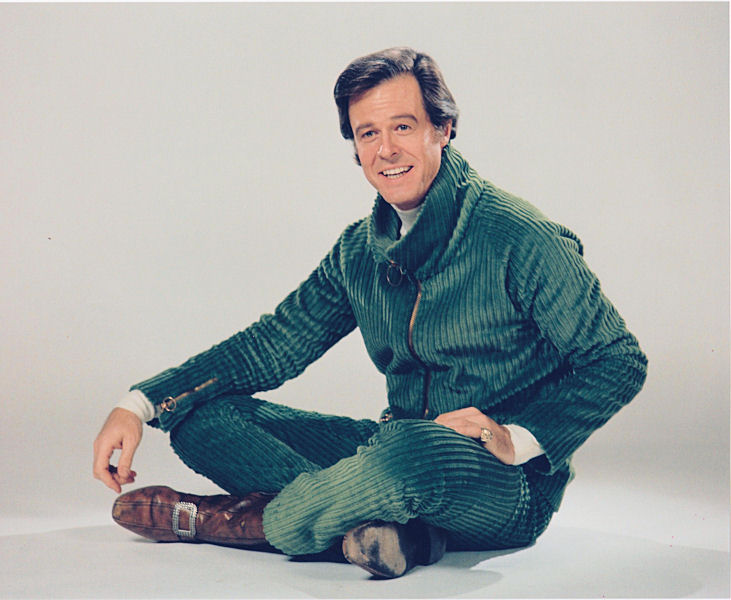
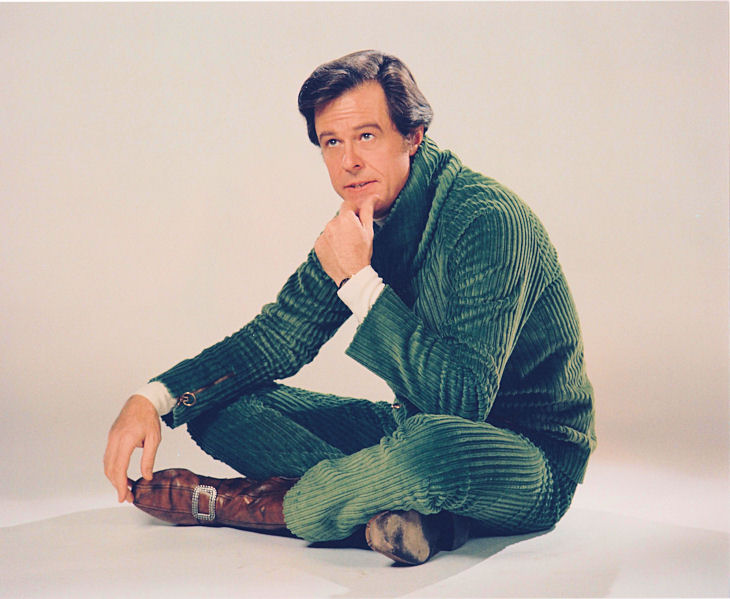
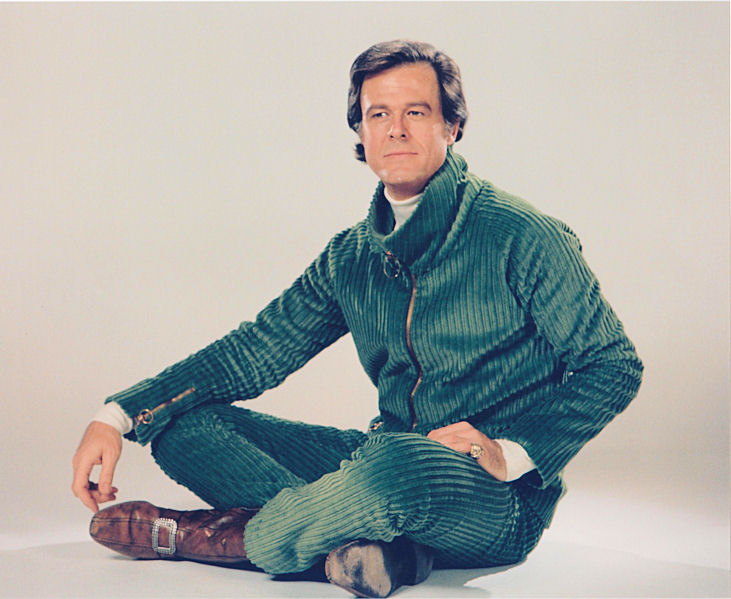
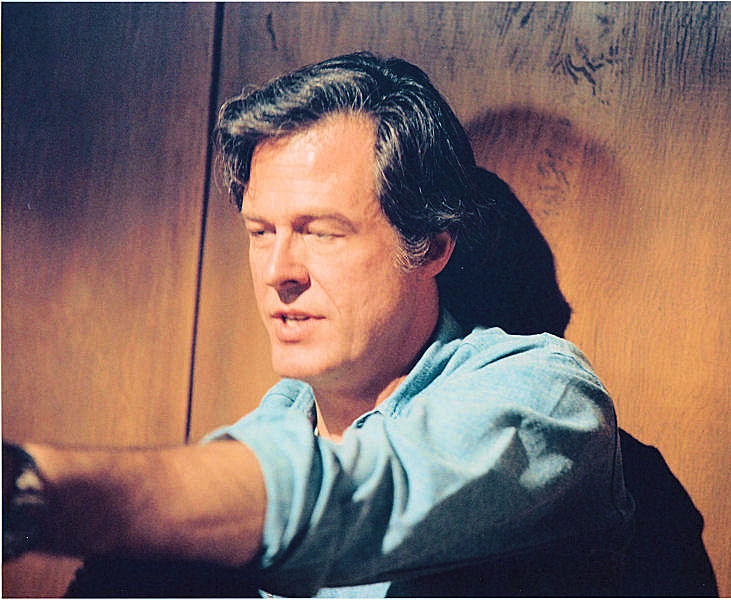
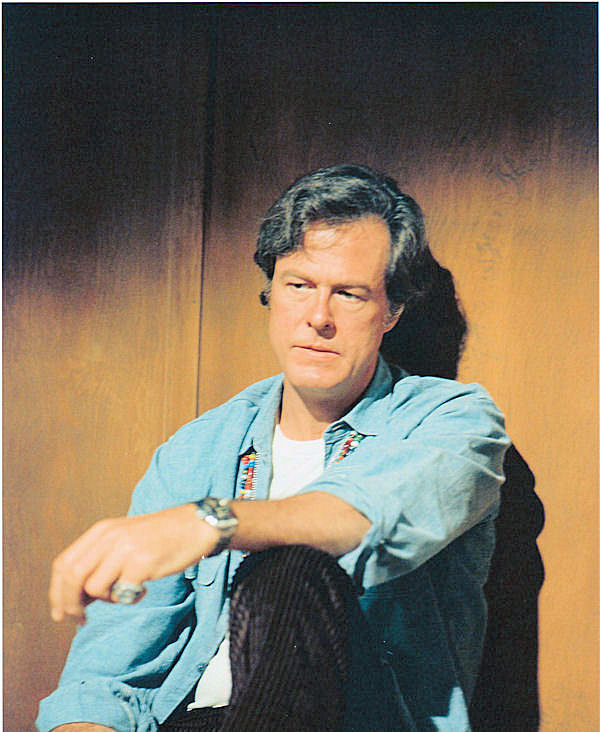
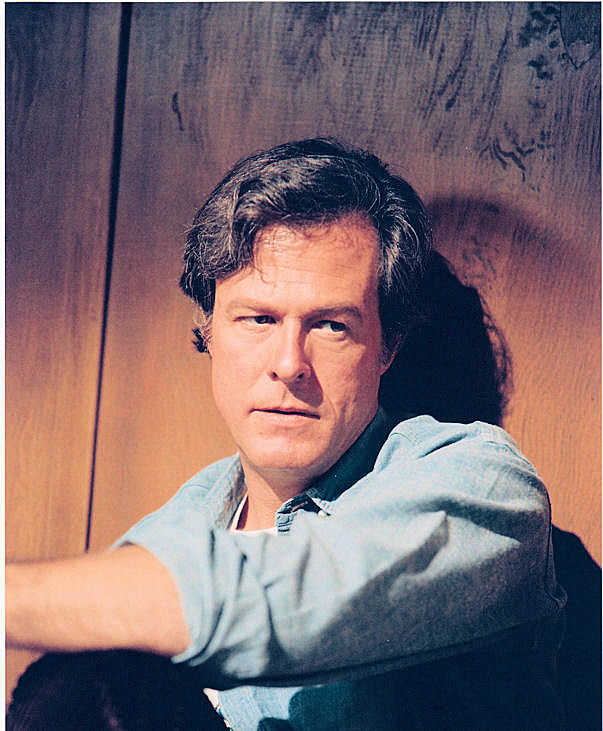
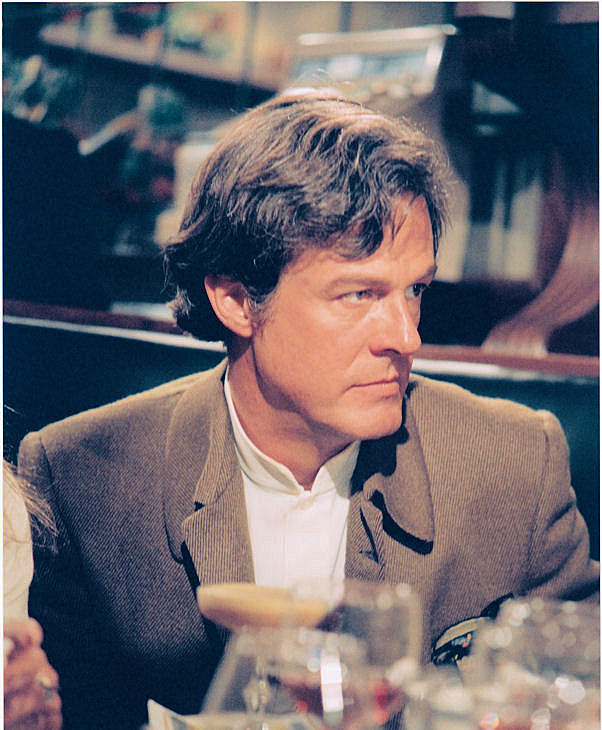
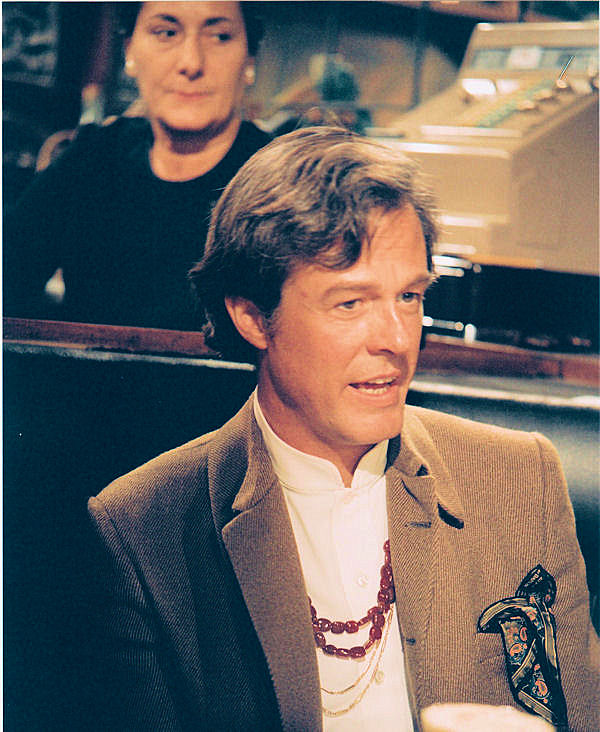
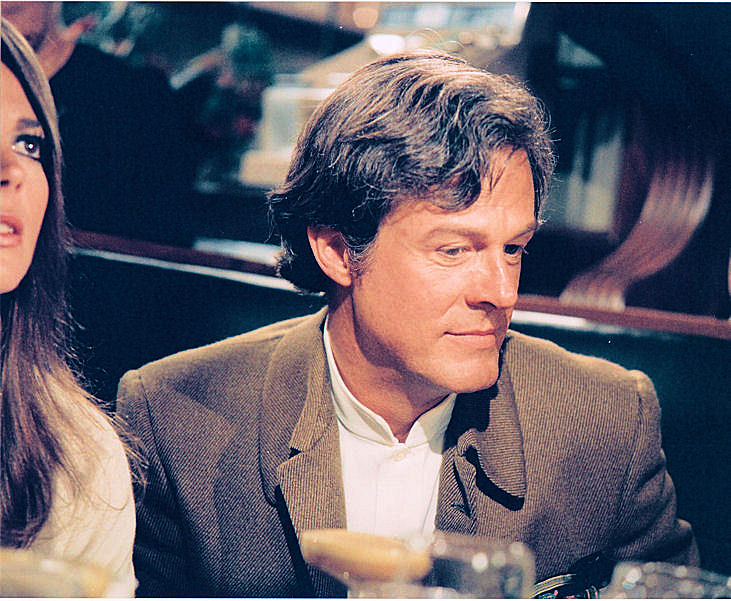
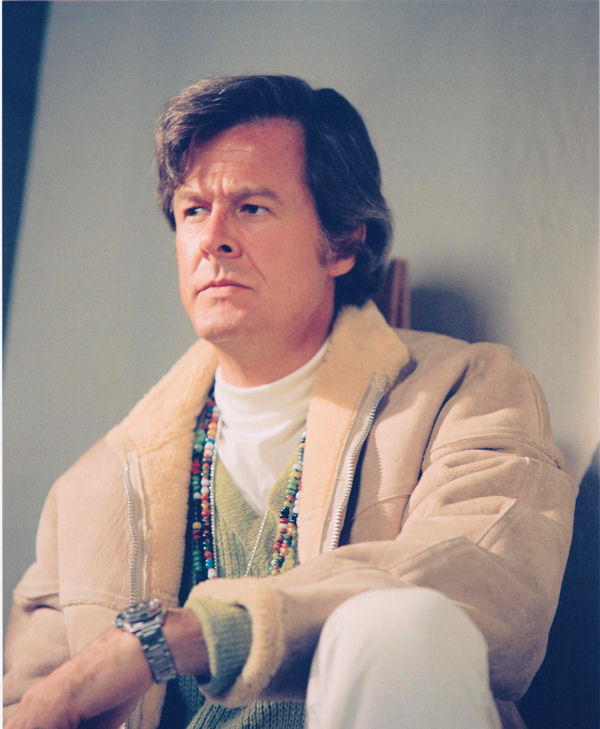
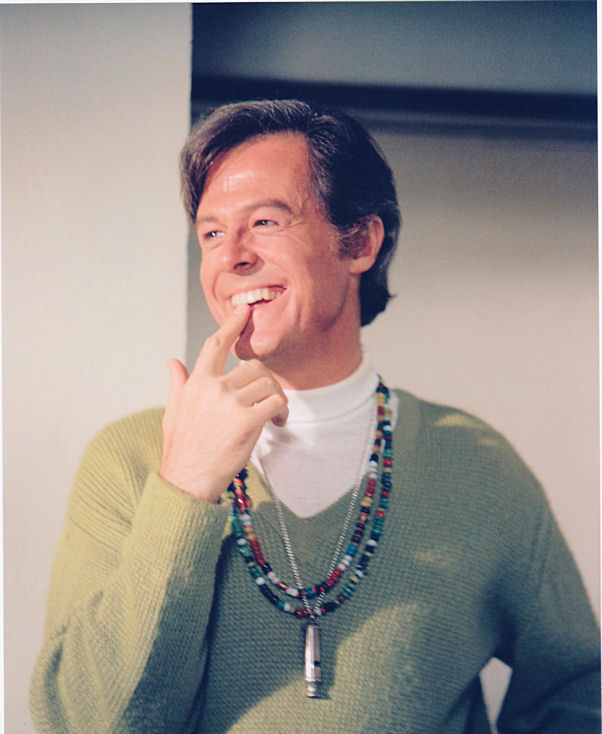
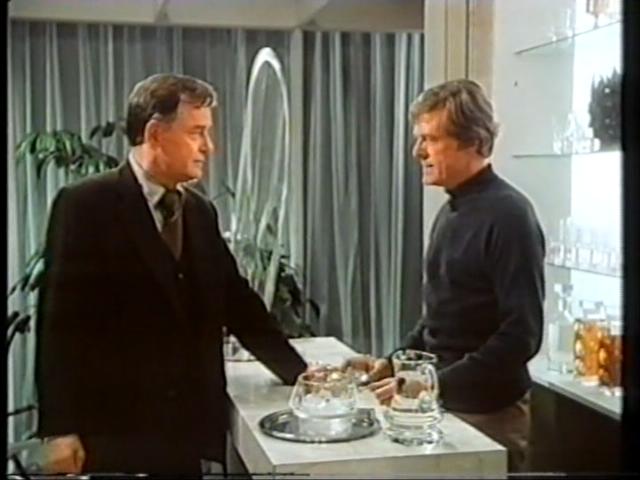
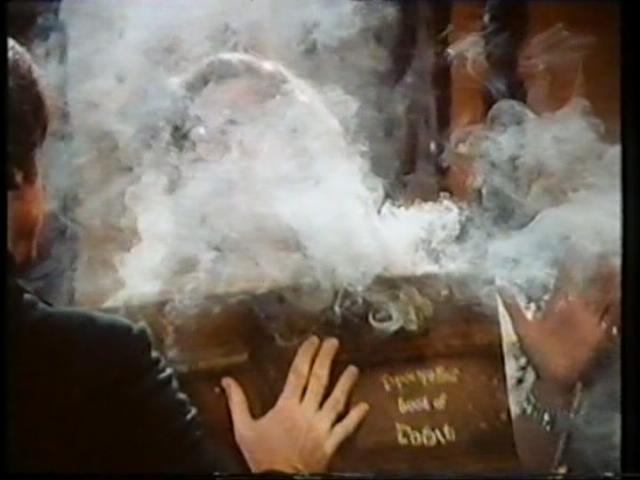
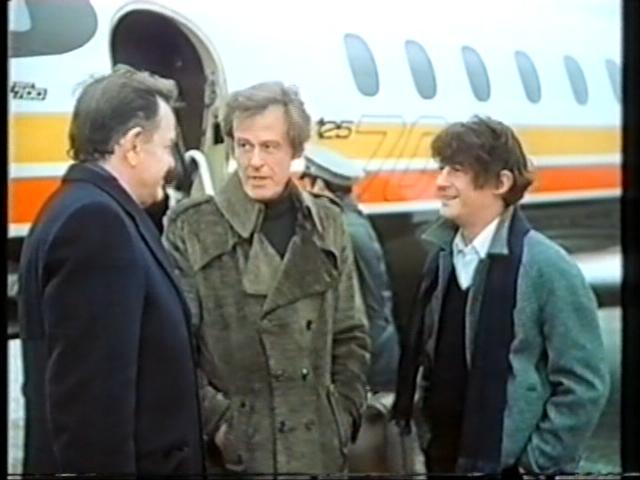
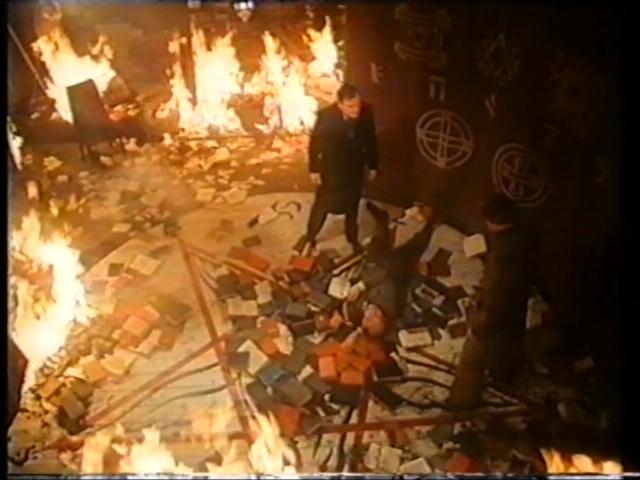
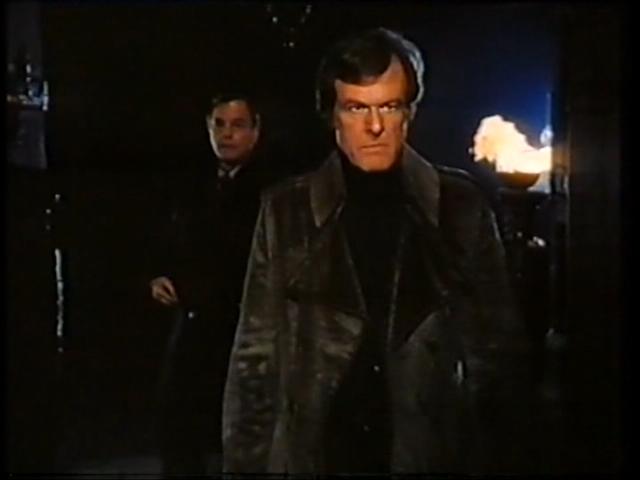
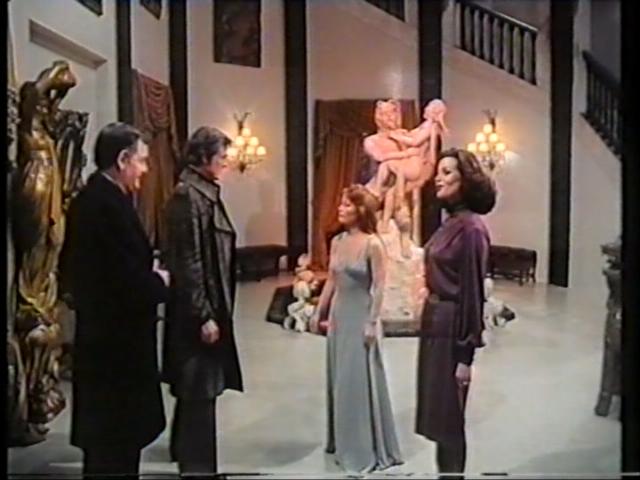
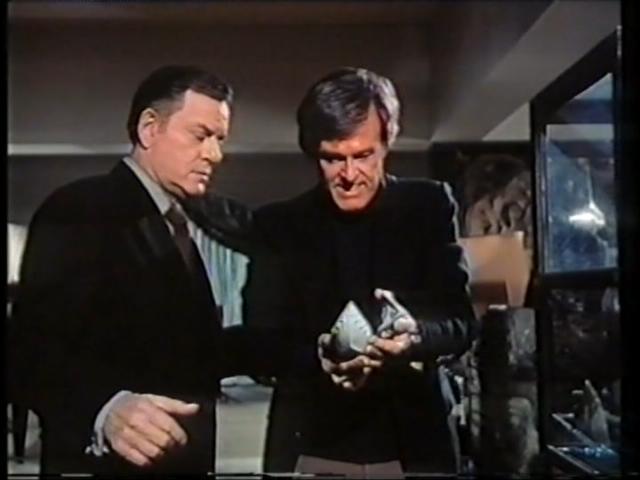
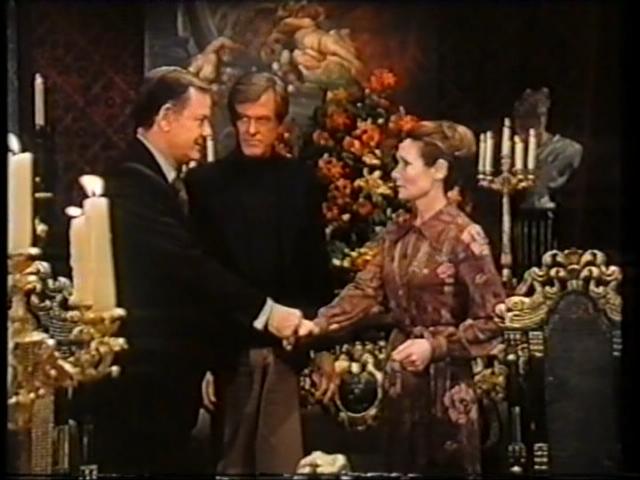

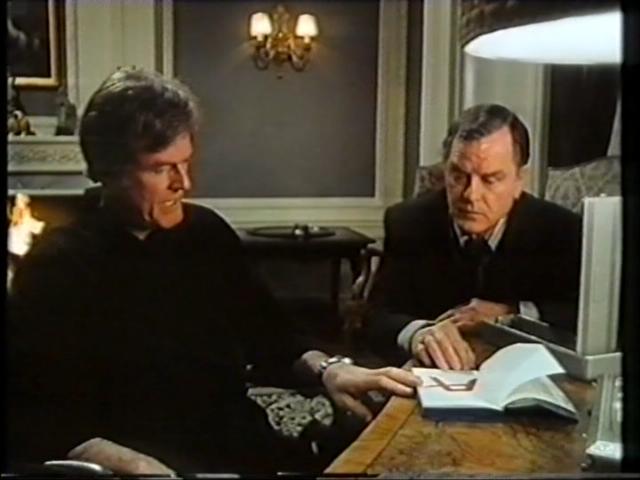
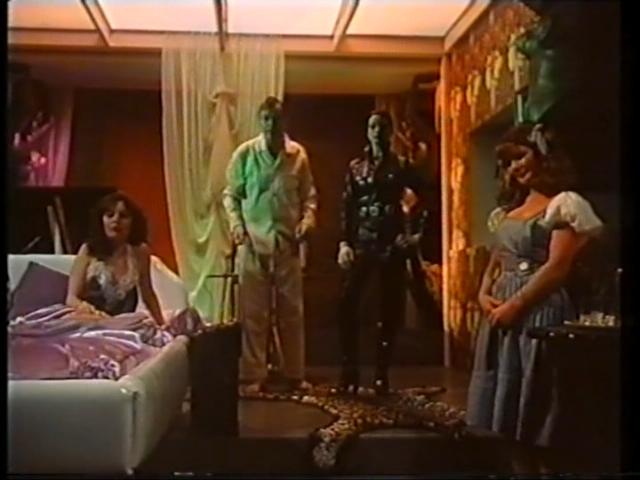
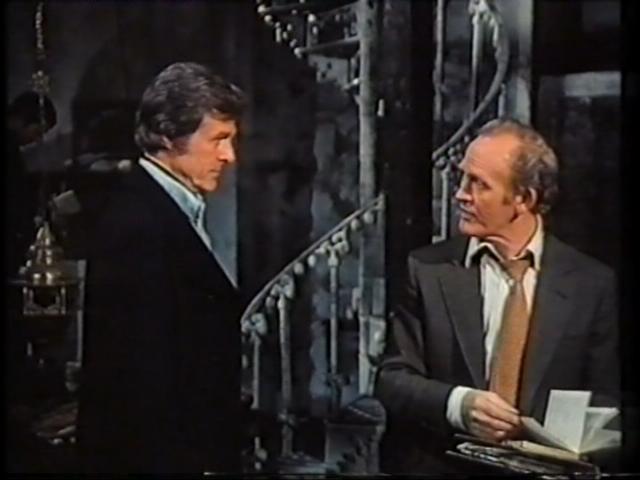
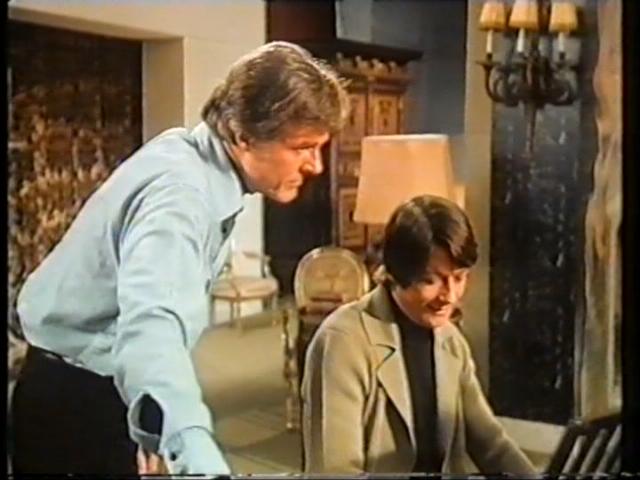
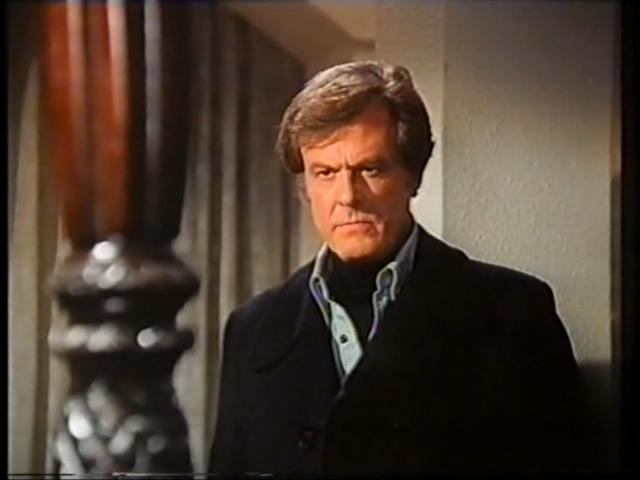
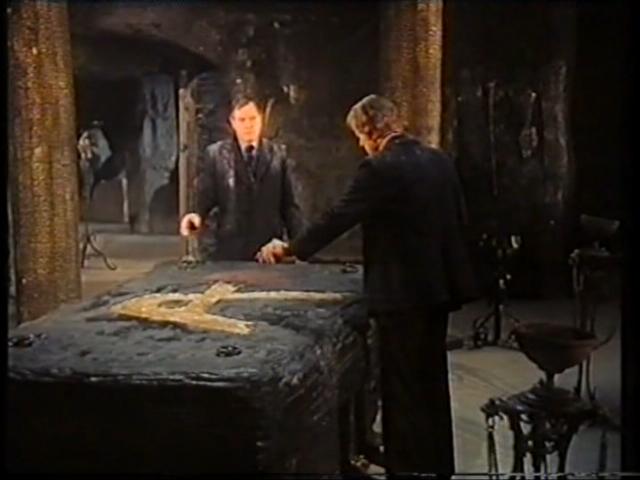
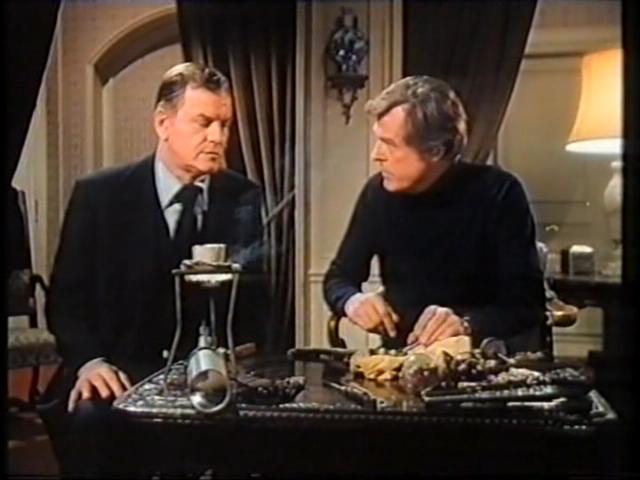
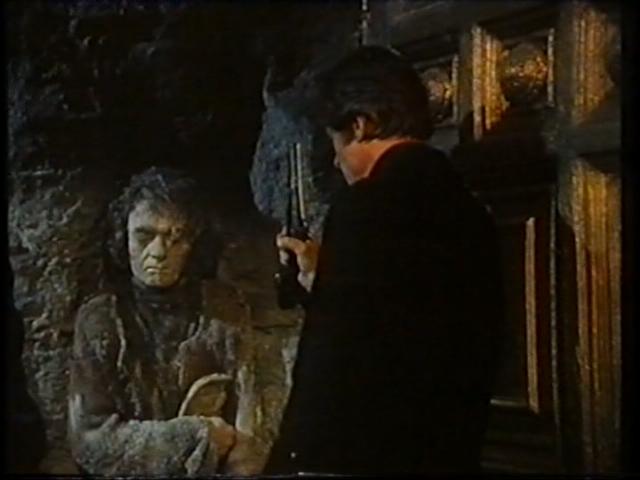

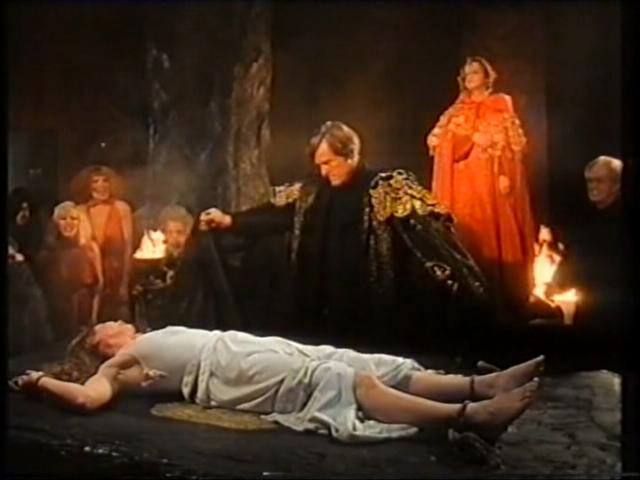
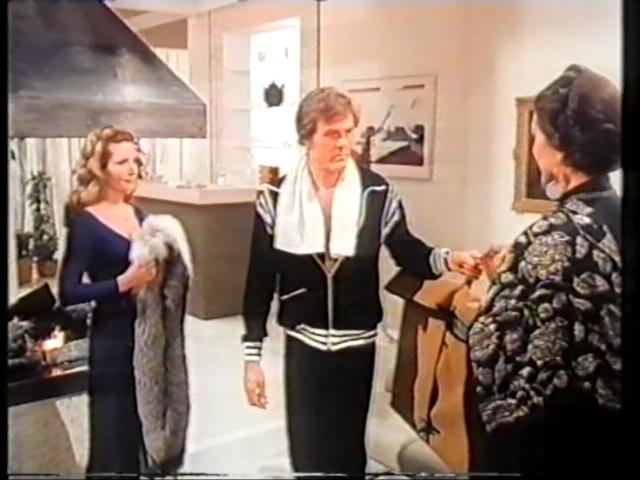
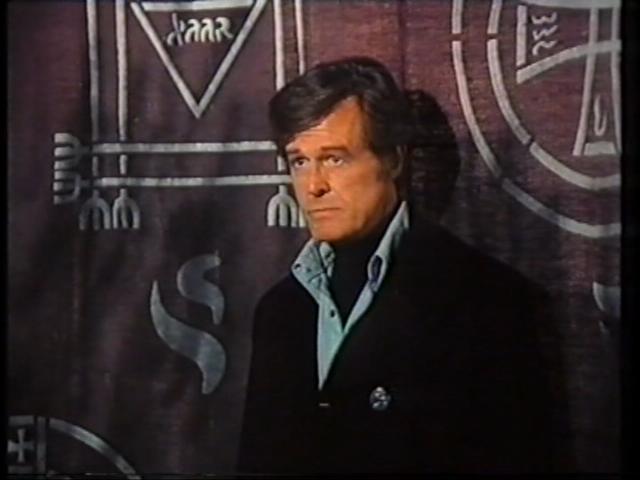
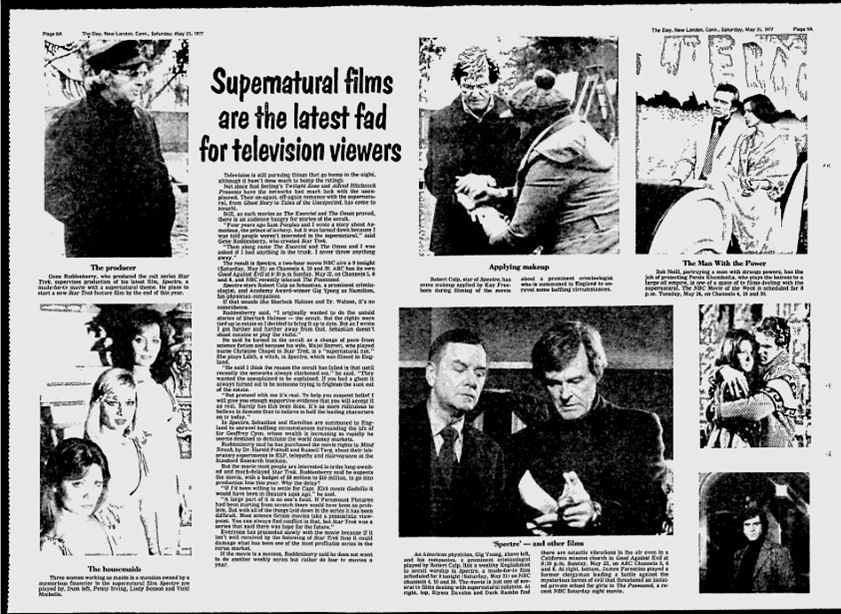
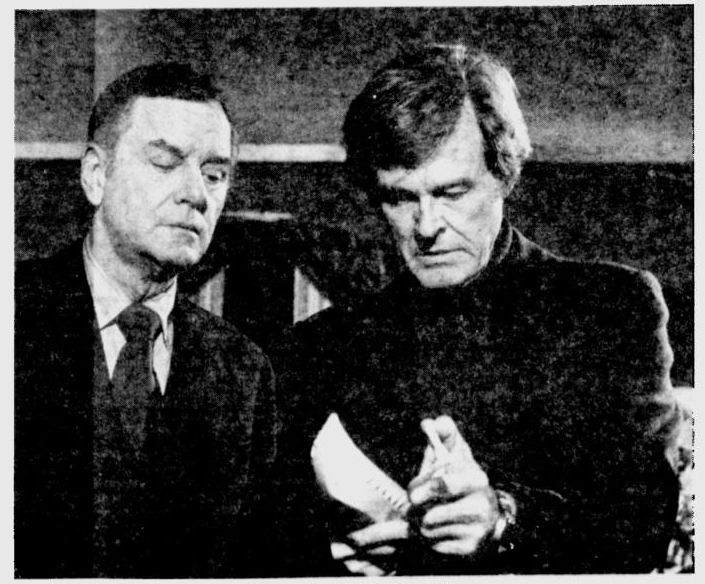
 John Hurt – the British actor known for his role in Alien and his Oscar nominated roles in Midnight Express and The Elephant Man, essentially made his American TV debut with Spectre.
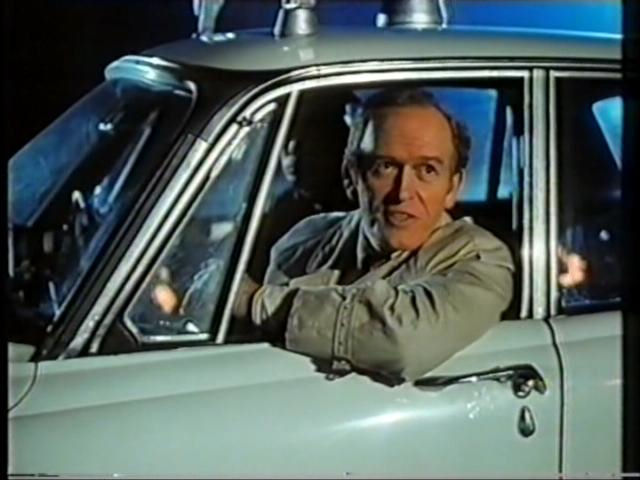 Gordon Jackson – another British actor familiar to American audiences from movies such as The Great Escape and the television series Upstairs, Downstairs. Ironically, he would guest star on an episode of a short lived British television series the same year called…Supernatural.
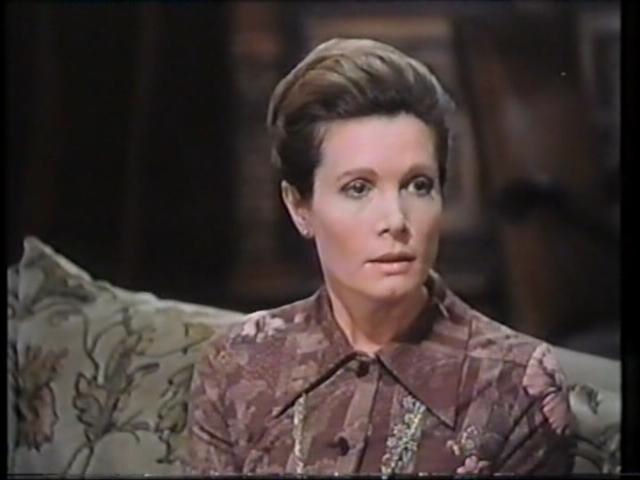 Ann Bell – A long time actress on British television, Ann had an uncredited role in Fahrenheit 451 and also appeared in To Sir, With Love.
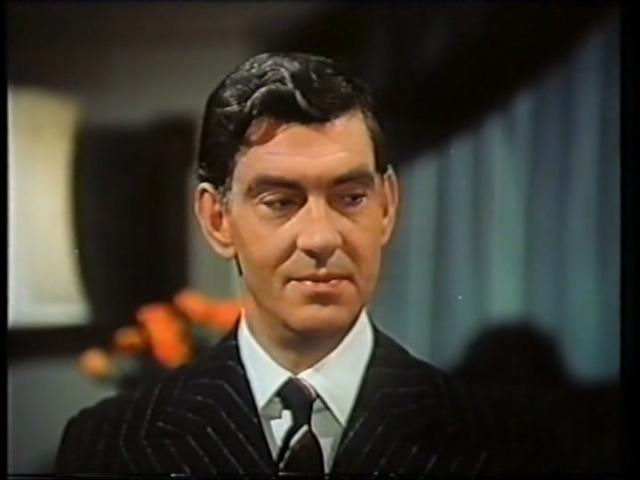 James Villiers – Long time British character actor who made a career of playing upper class type characters. He infact had an aristocratic background, being a descendant of the Earls of Clarendon. He appeared in such movies as the 1981 James Bond film For Your Eyes Only, Roman Polanski’s Repulsion and the 1965 Bette Davis horror/noir film The Nanny.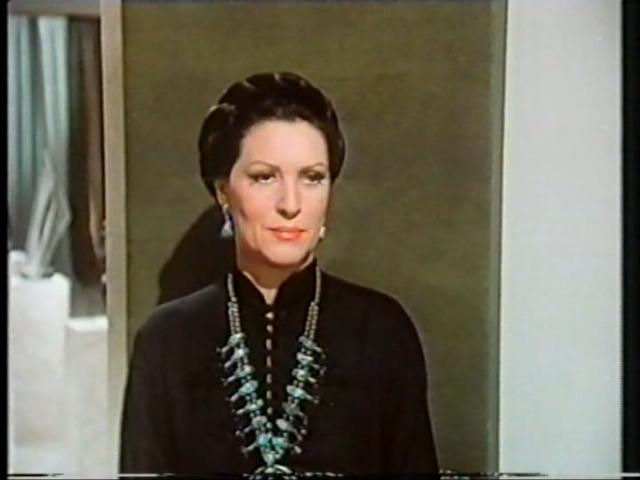
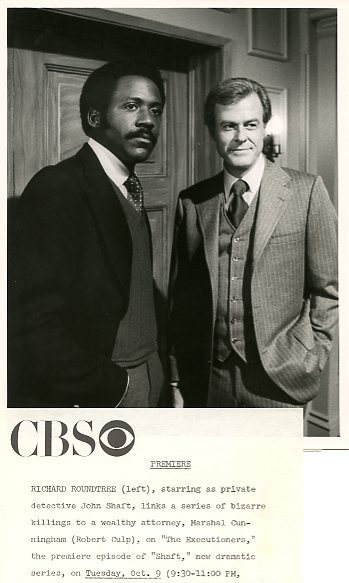
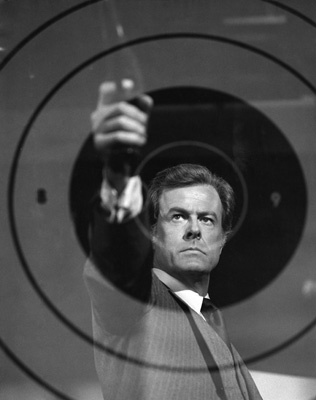
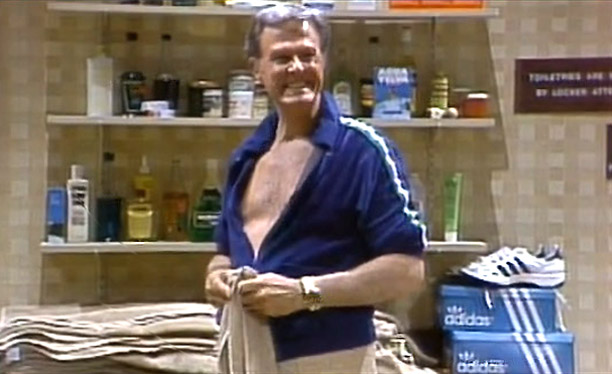
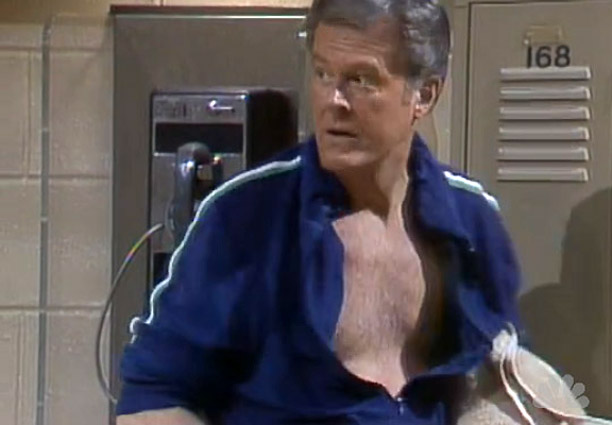
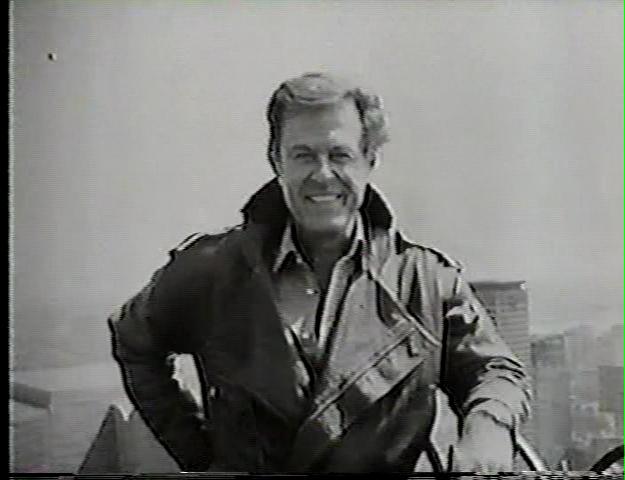
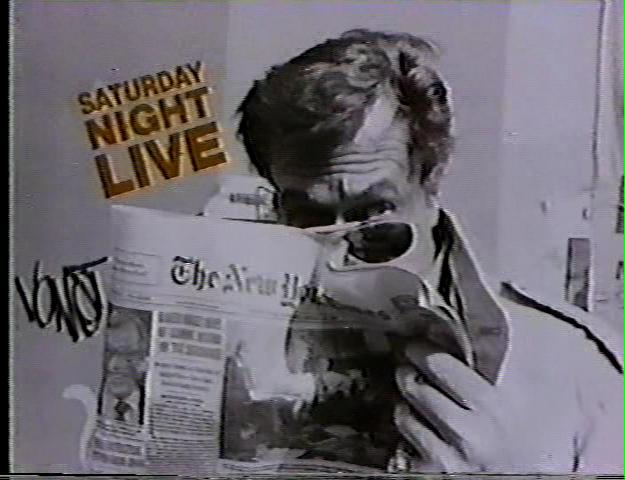
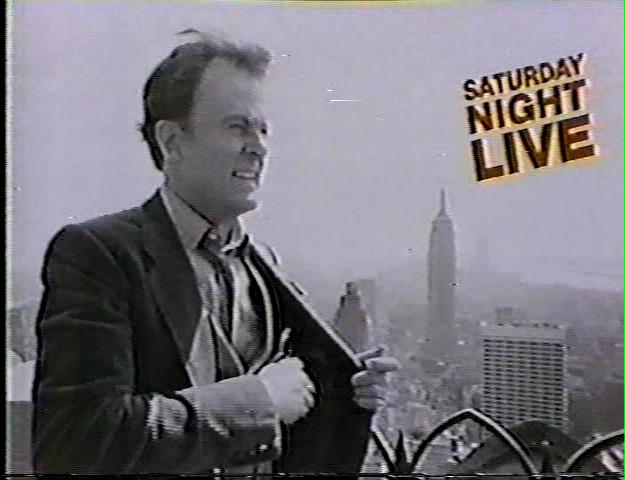


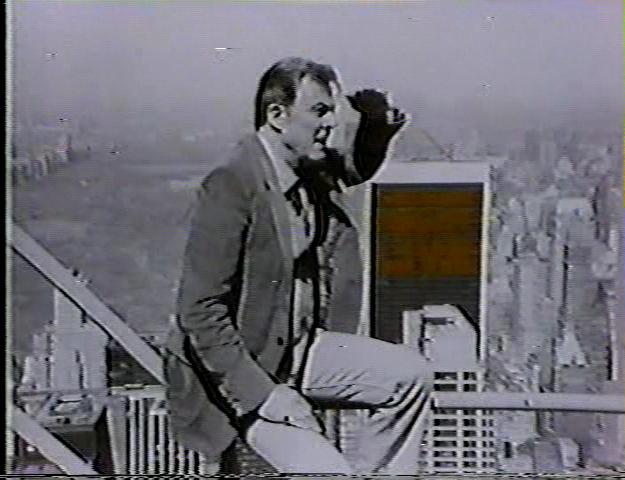





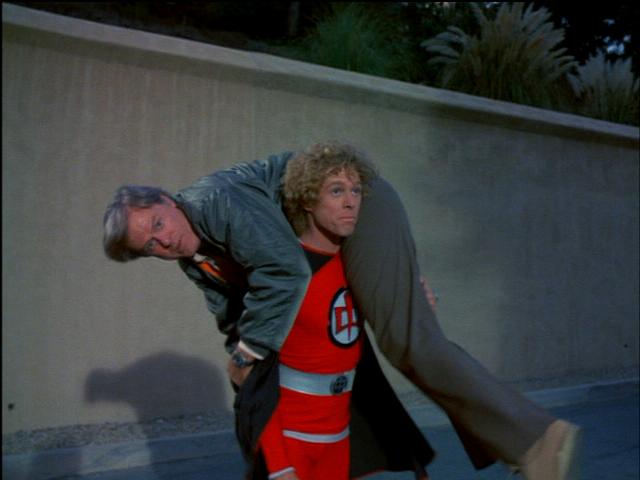
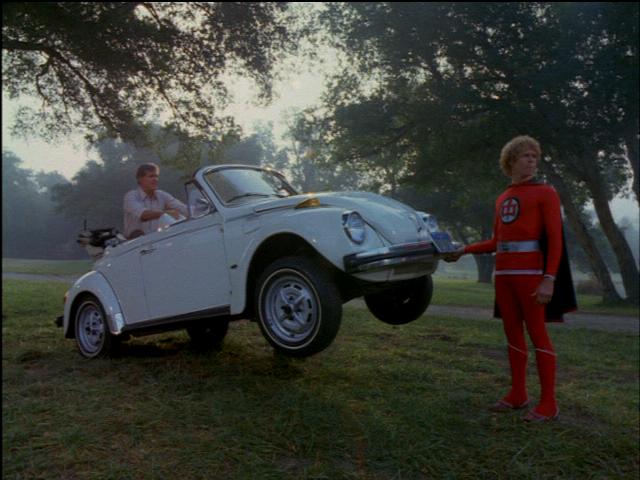
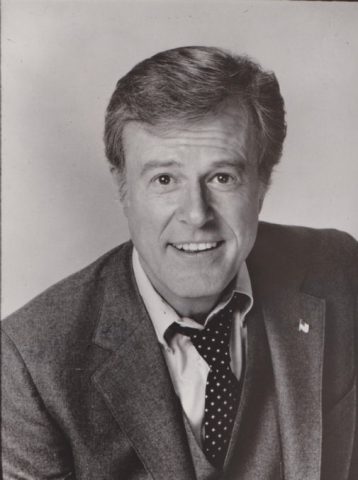
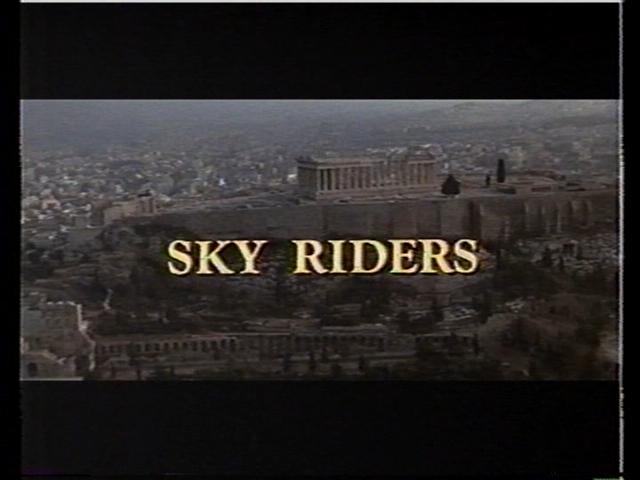
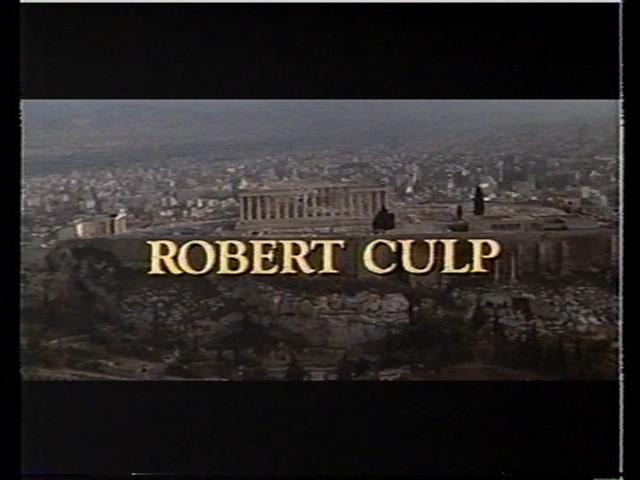
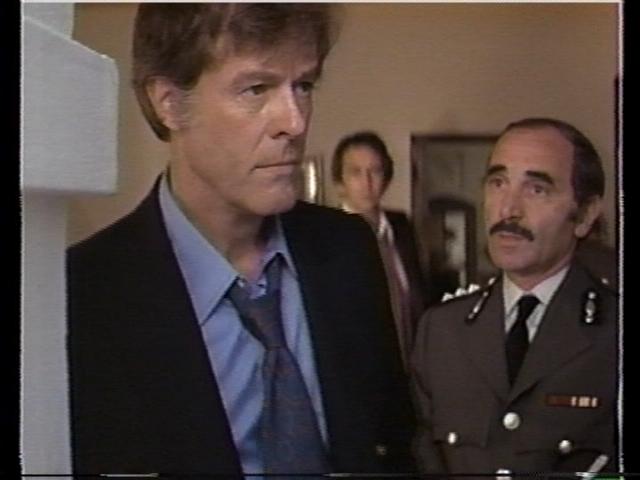
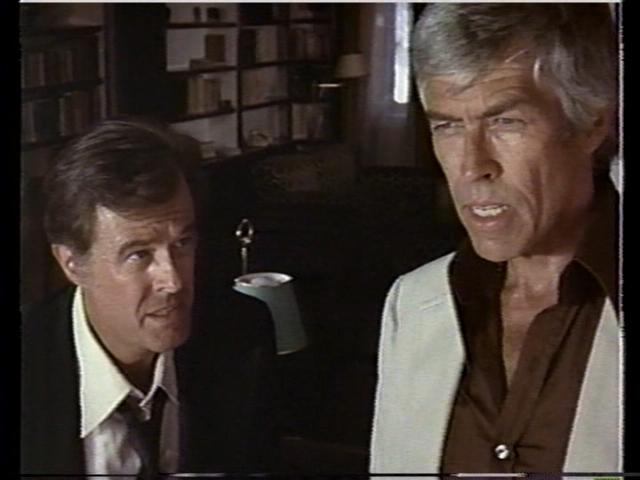
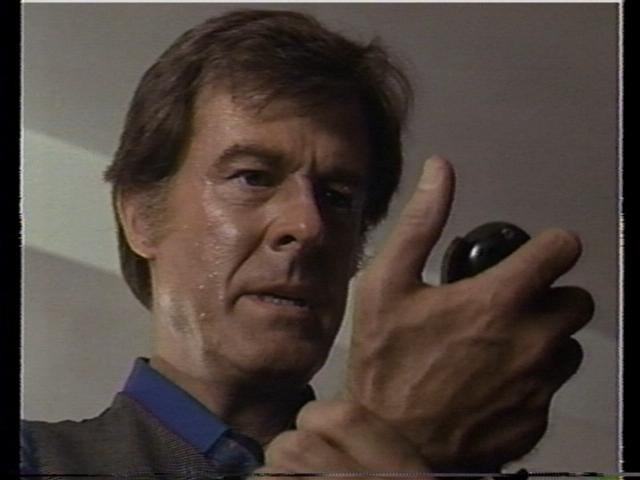
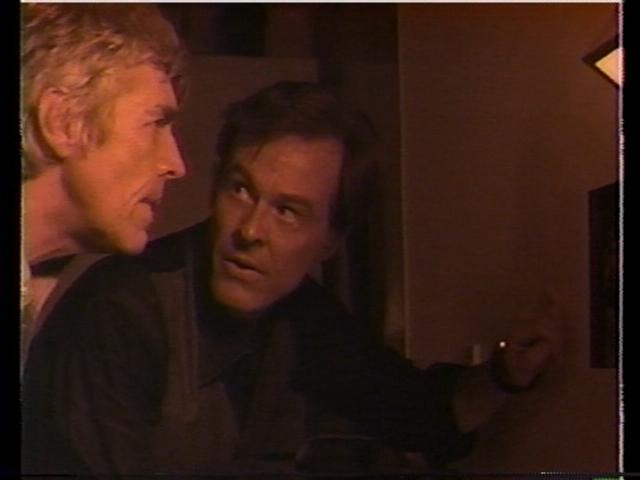
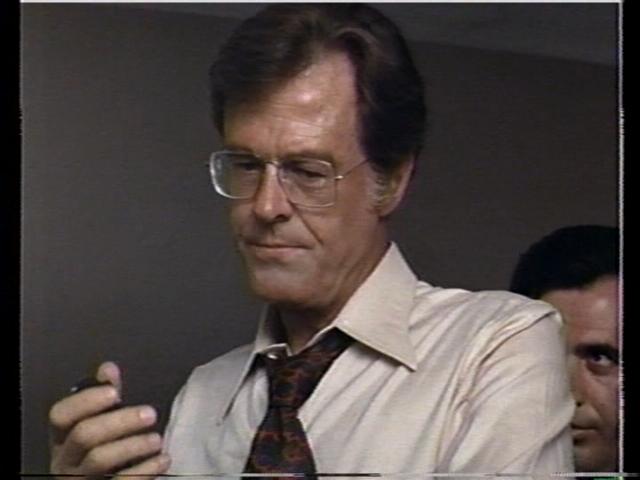
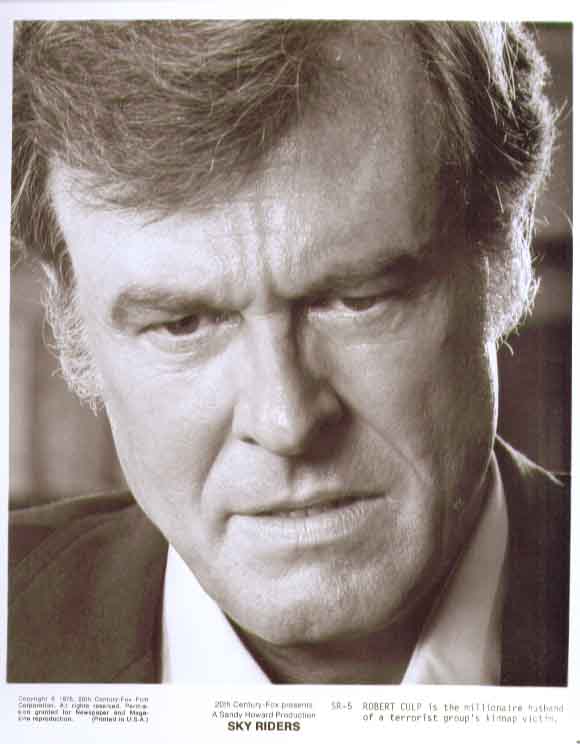
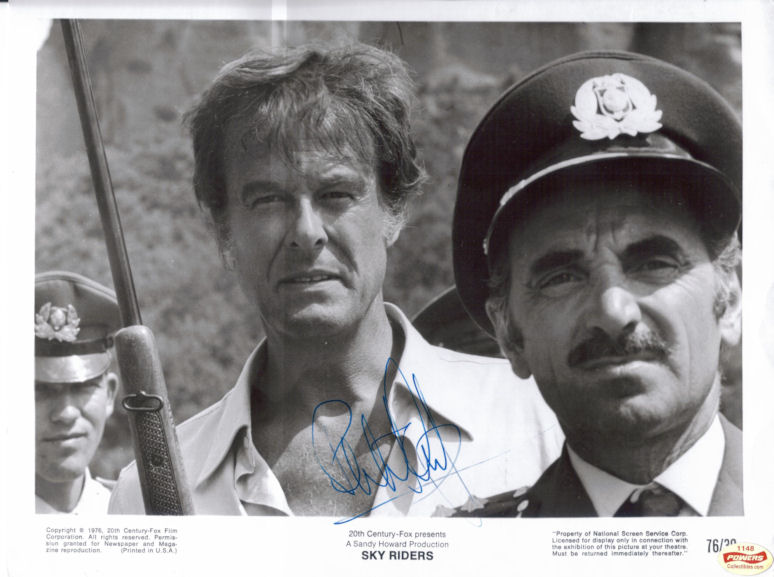
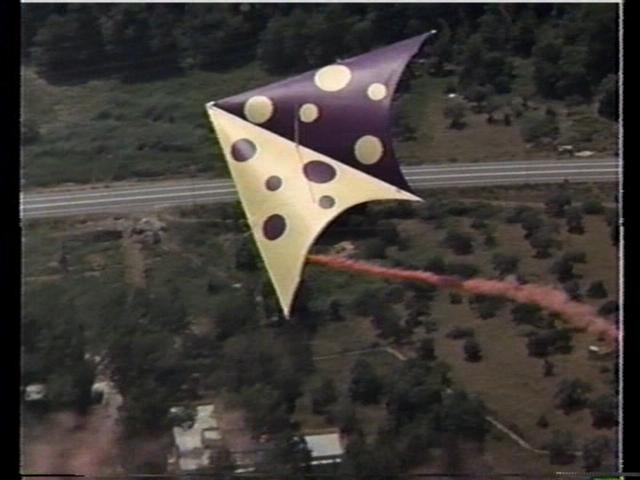
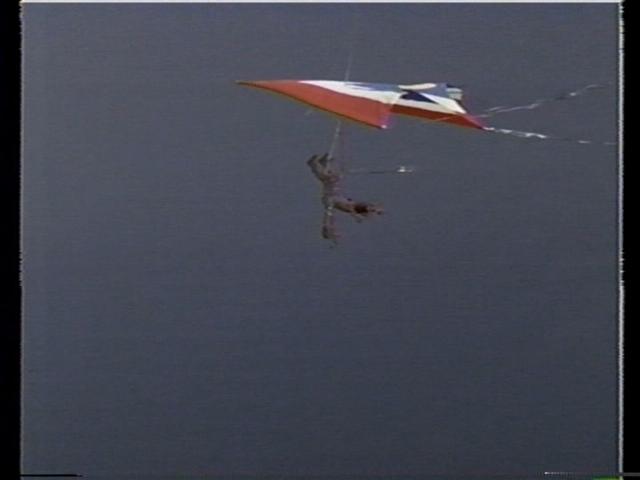
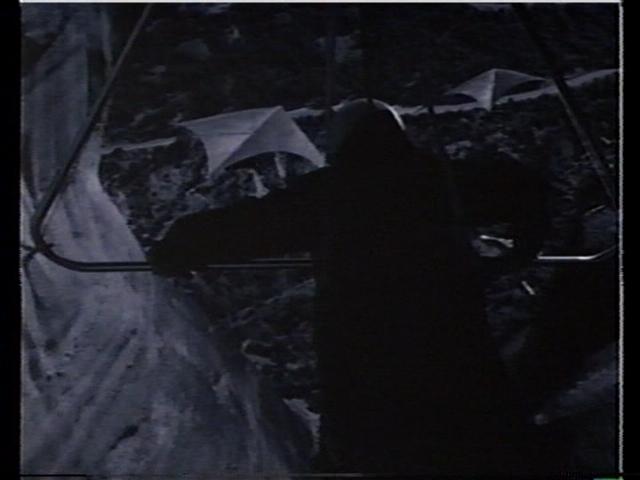
 Also of note is Ernie F. Orsatti, as one of the glider pilots, Joe, (and as a stunt coordinator). Those familiar with The Greatest American Hero will recognize him as one of the hit men from the episode “The Hit Car.” Although Ernie has several acting credits to his name he is better known for his long career in Hollywood as a stuntman and stunt coordinator, having worked on such films as The Poseidon Adventure (he’s the one that does the fall into the glass ceiling as the ship is turning over), three of the Death Wish movies, Hoosiers, Fear and Loathing in Las Vegas, and dozens of television shows including LA Law, The Practice, Charmed, The Closer and more recently, Big Love.

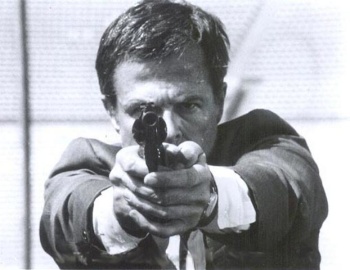



 and also a CD-ROM DOS
 version. I don’t believe the CD-I format can be played on anything other than the CD-I player. The CD-ROM DOS version was only compatible with Windows 95/98 systems.


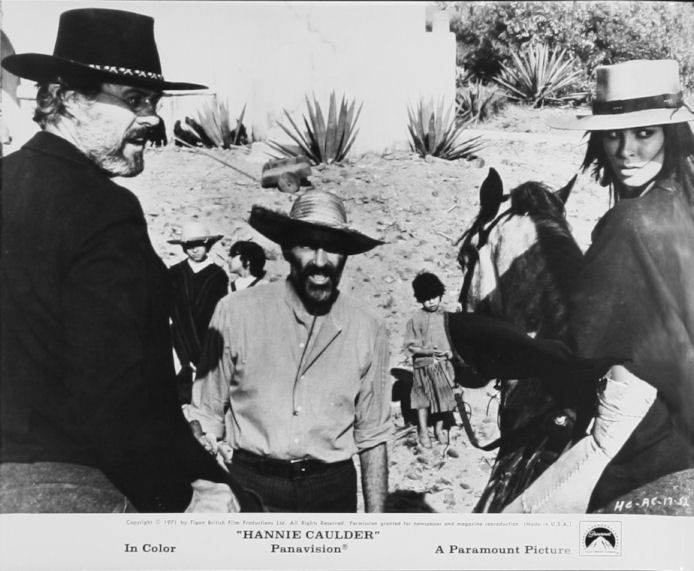


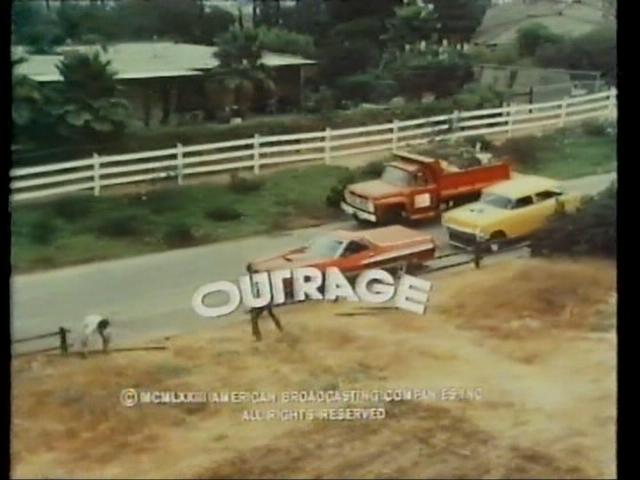
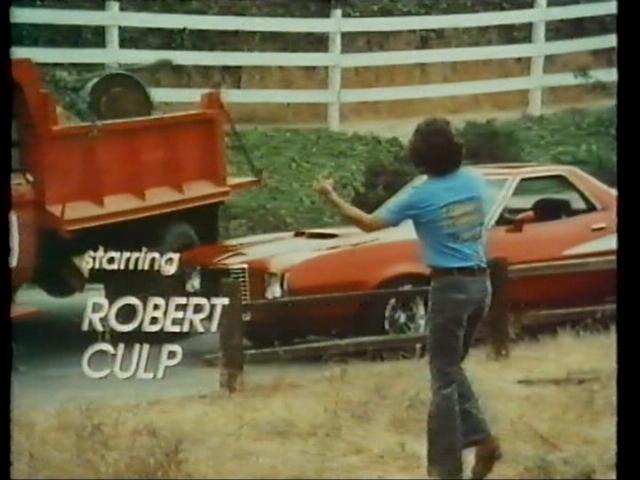
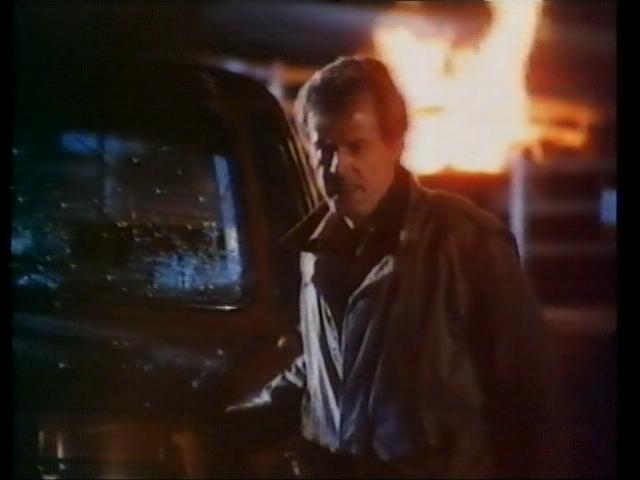
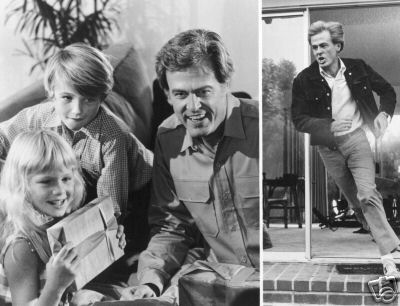
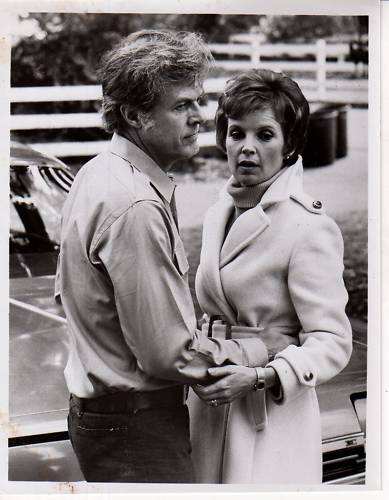
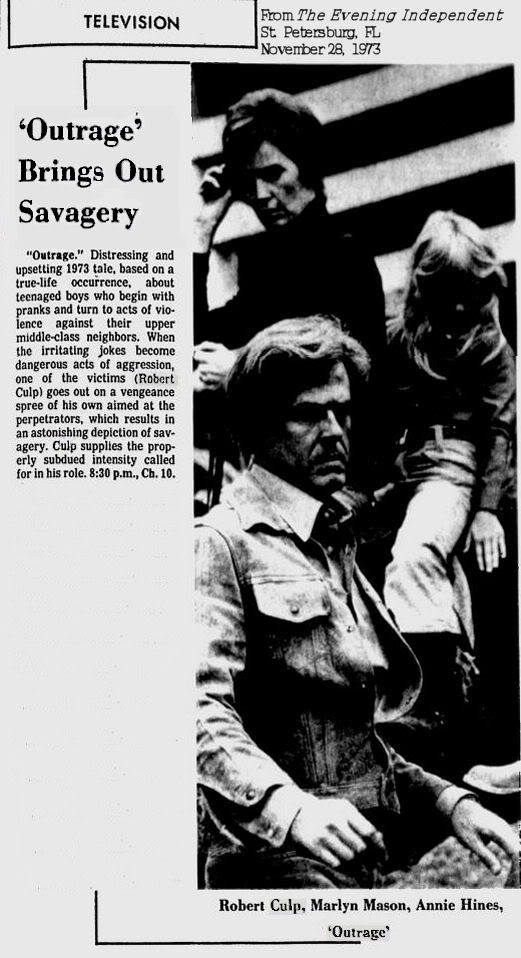
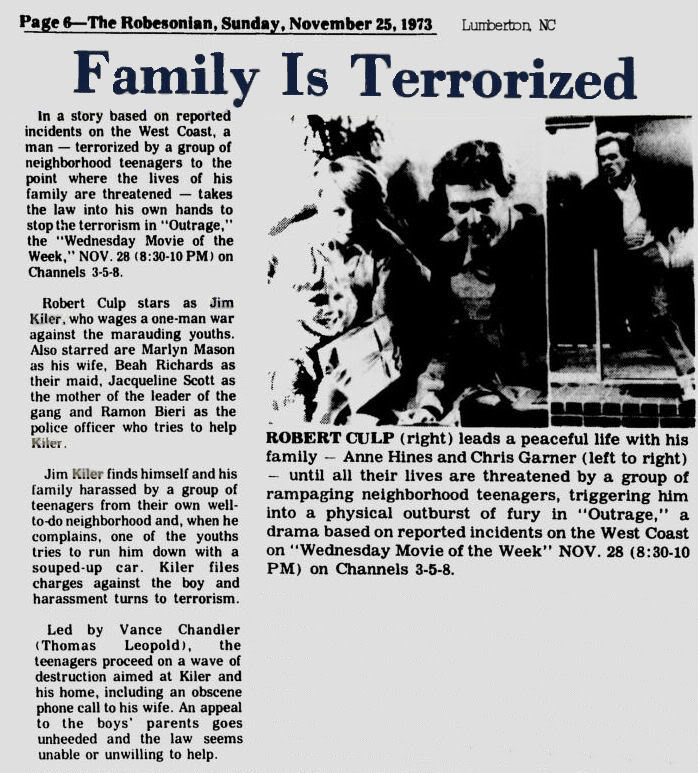
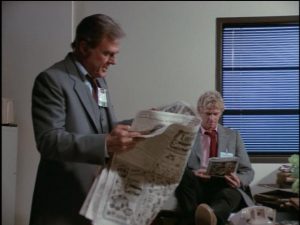 I didn’t start mining through the Google newspaper archive until I was doing research for the movie A Name for Evil and now I find myself getting lost looking back through old newspapers. (I’m a history buff anyway). Subsequently, I’ve been digging through looking for whatever I can for whatever Robert Culp movie or TV show I’m writing about next but since I only just started doing this, movies such as Inside Out (and Hannie Caulder) missed out initially.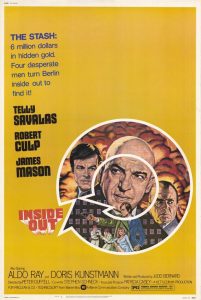
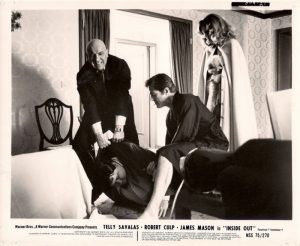
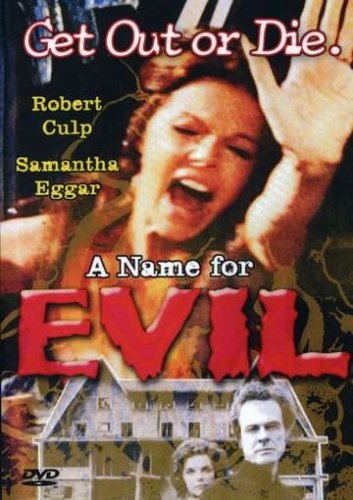





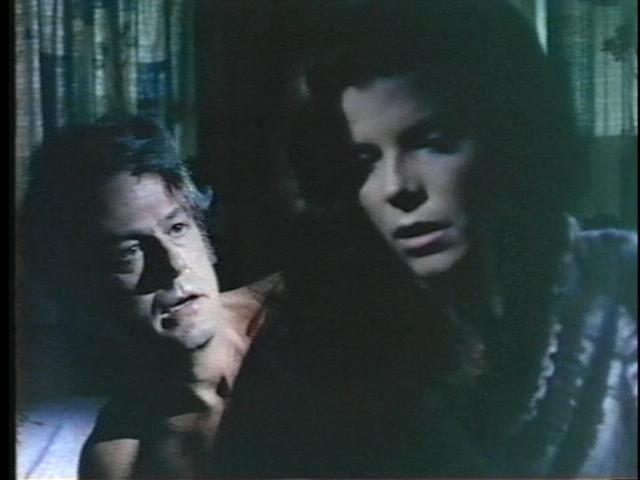 Culp, by the way, bares quite a bit in this scene. Not all, as he’s strategically positioned, but quite a bit. Ahem.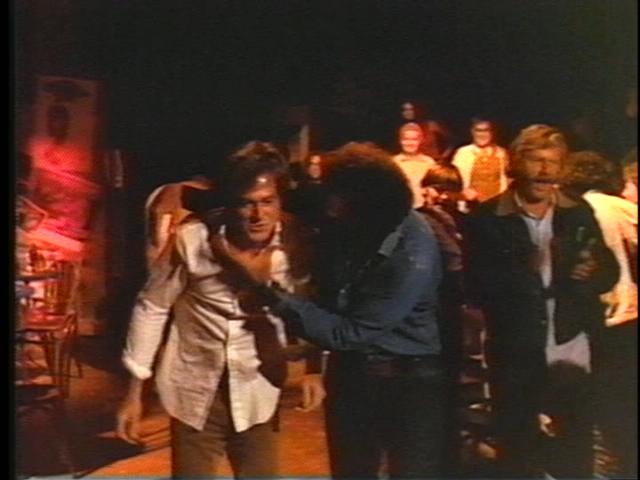
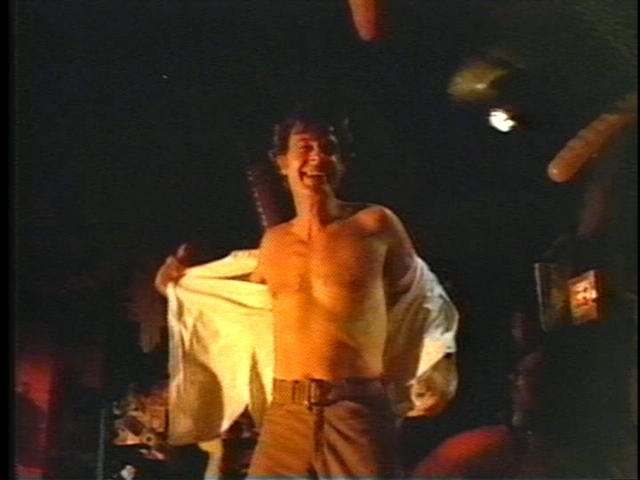
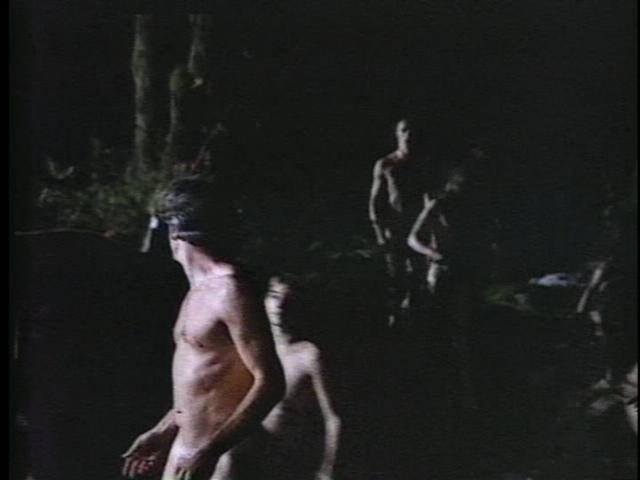
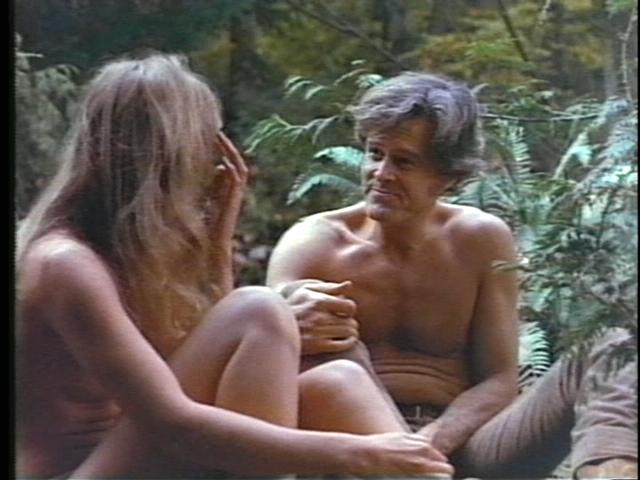
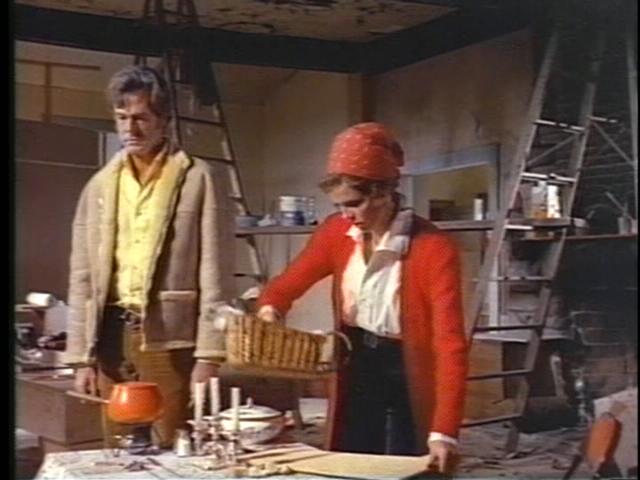
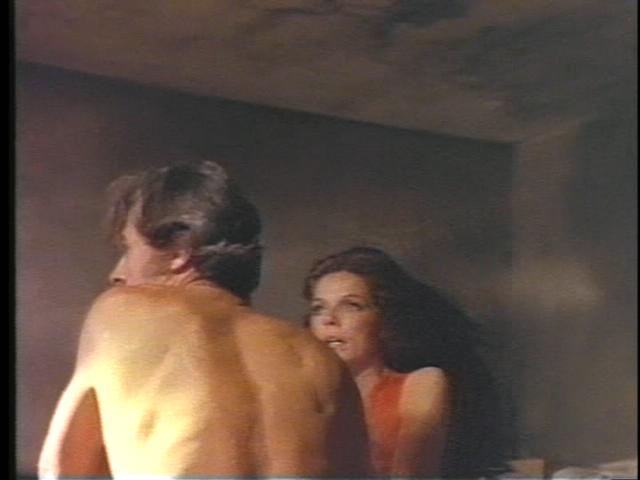

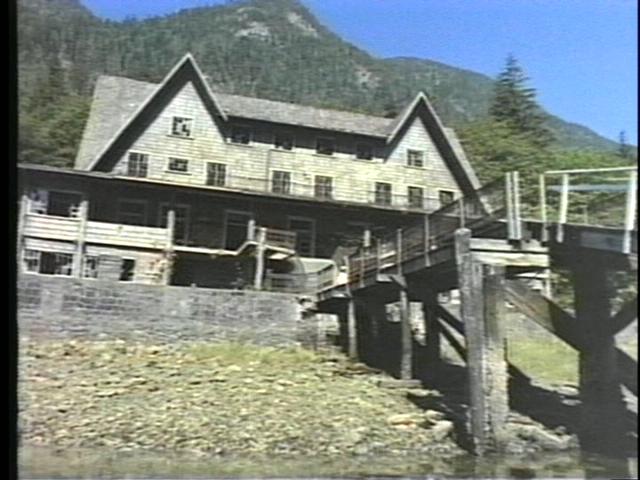

 is available from Amazon.com, still for about $4.


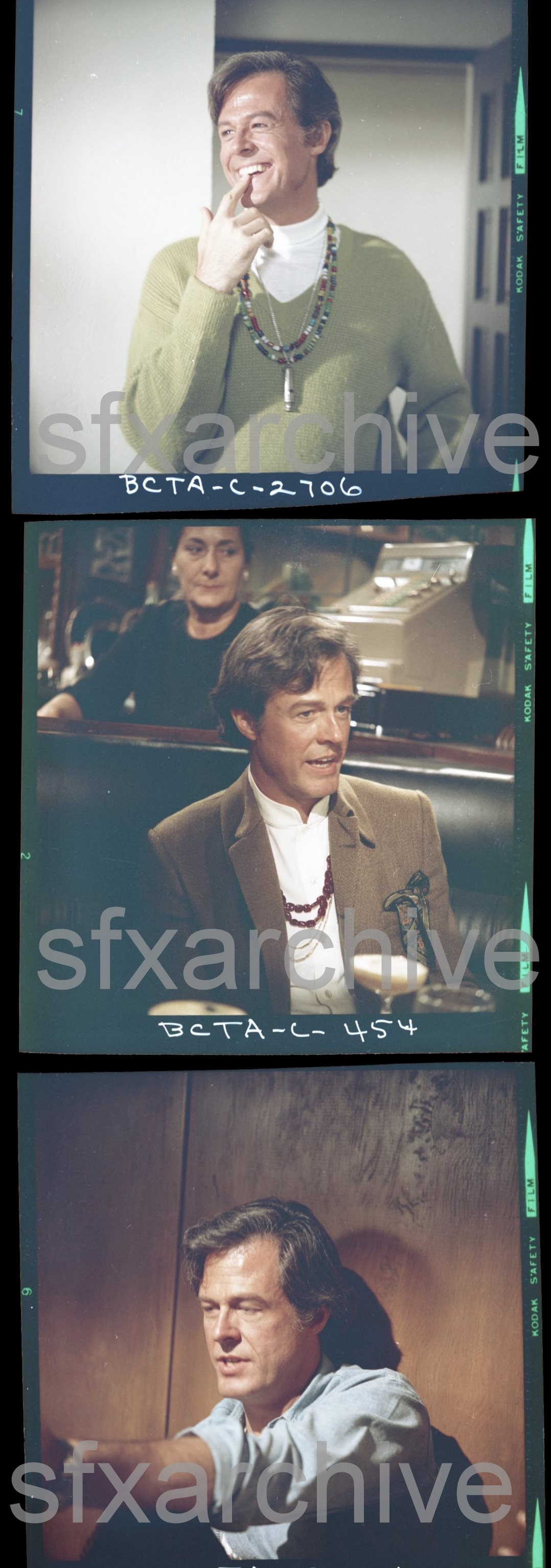
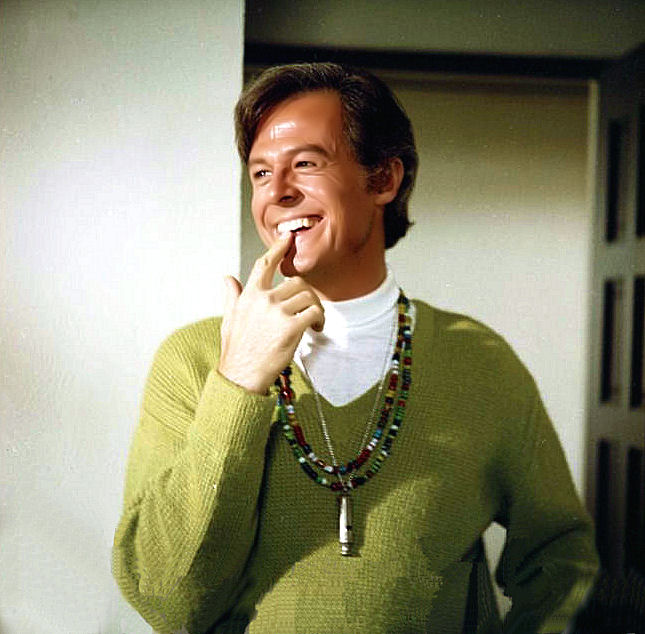
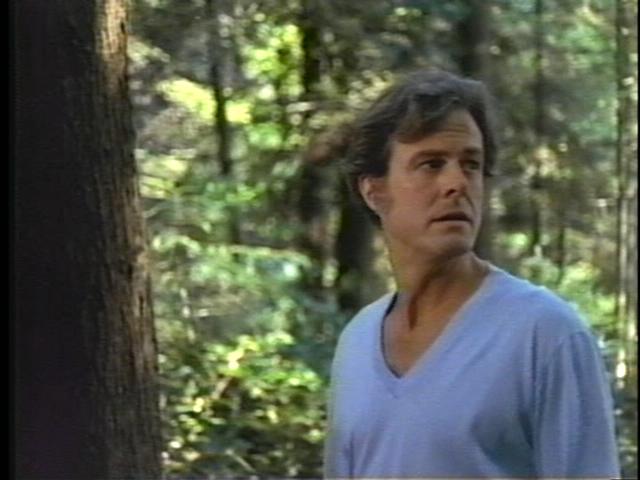
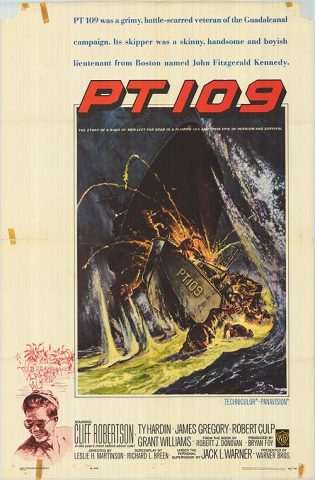
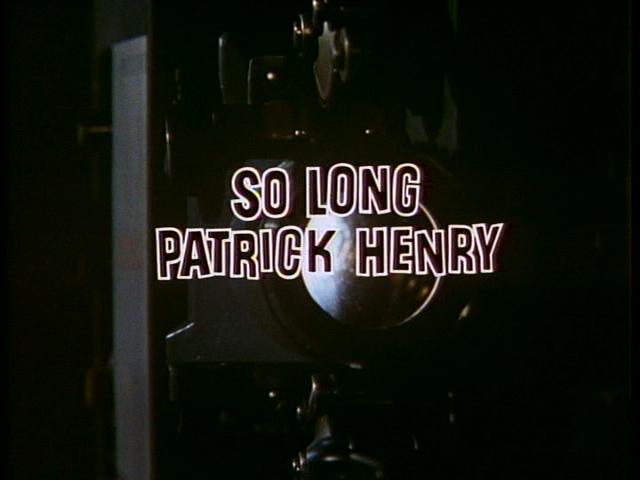
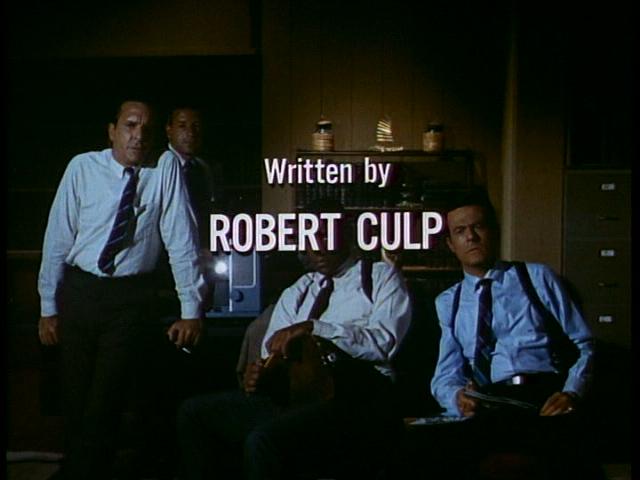


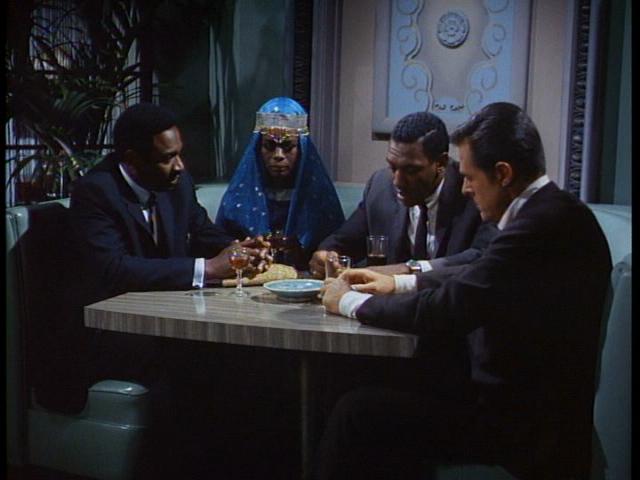


 is being released tomorrow, 3/29/11, through 20th Century Fox’s MGM Limited Edition Collection. The release is being done “MOD” (Manufacture on Demand) but unlike Warner Brothers, where you can buy directly from WB through their archive, you can order the Fox/MGM DVD through online retailers such as Amazon, MoviesUnlimited, ect. (Disclosure: If you purchase through the provided link, I receive compensation. Click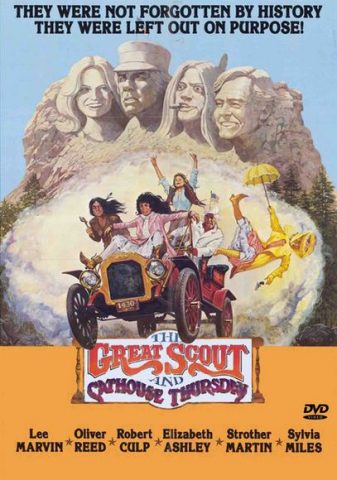
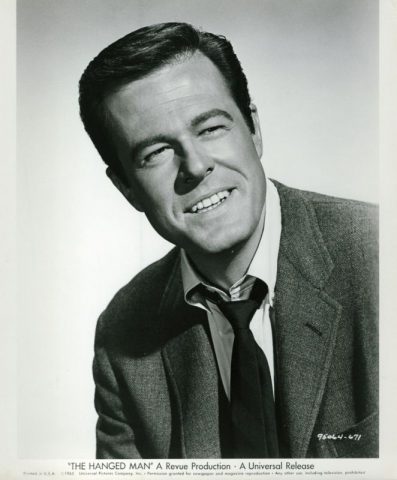
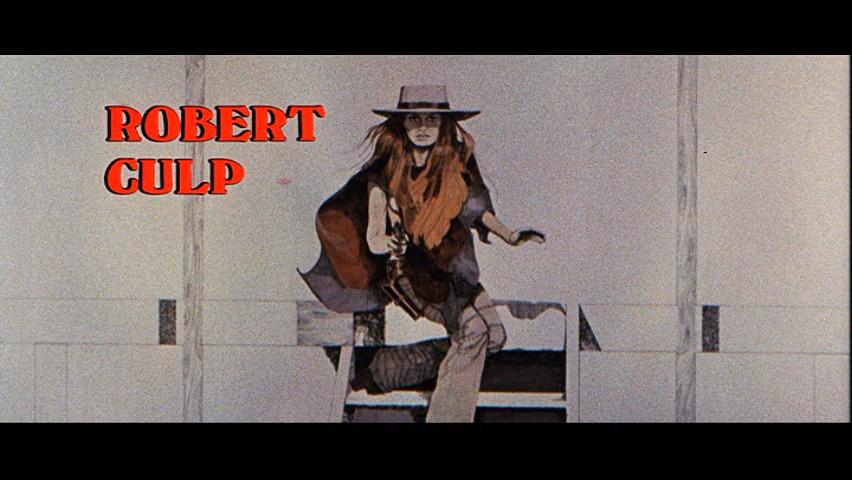

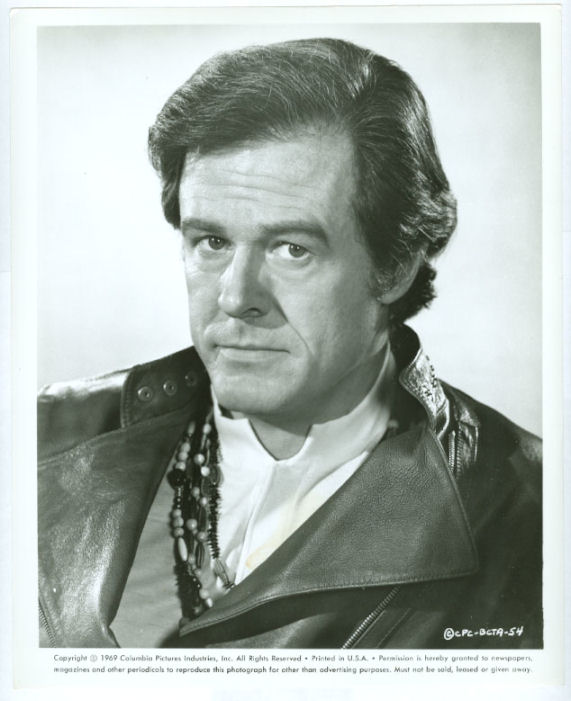
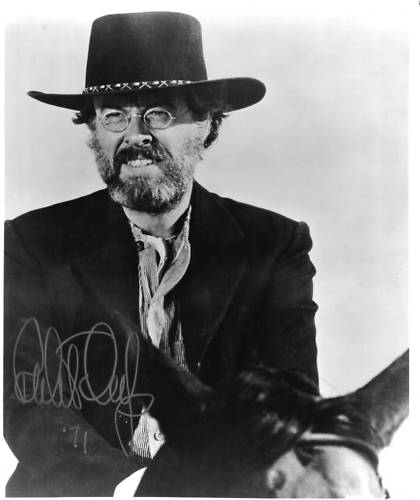
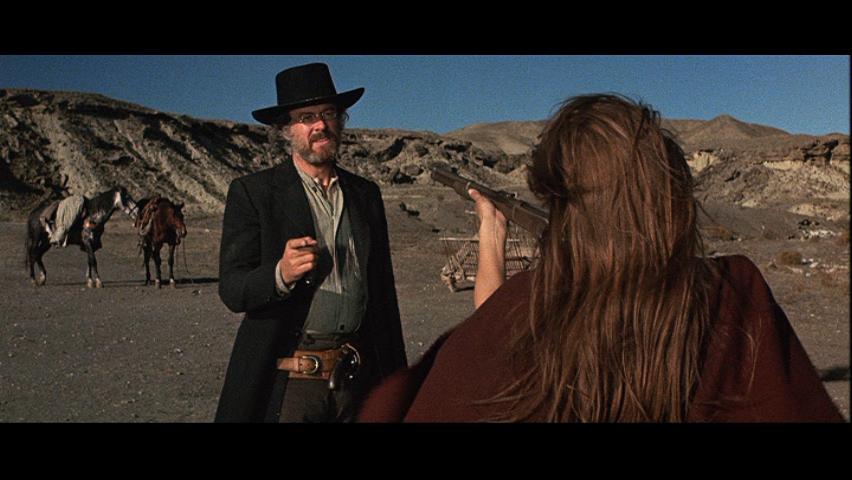
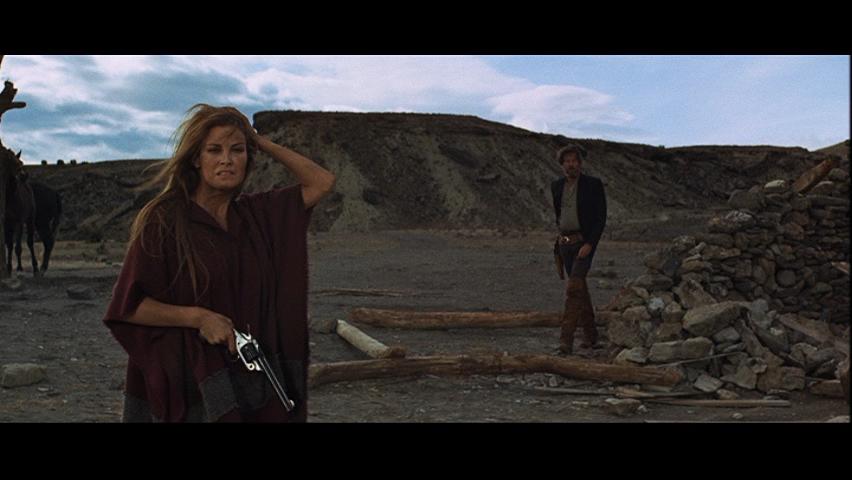
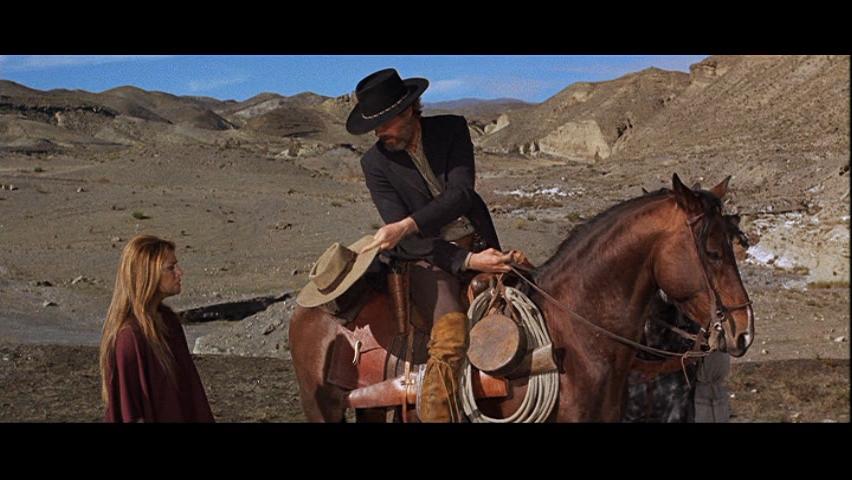
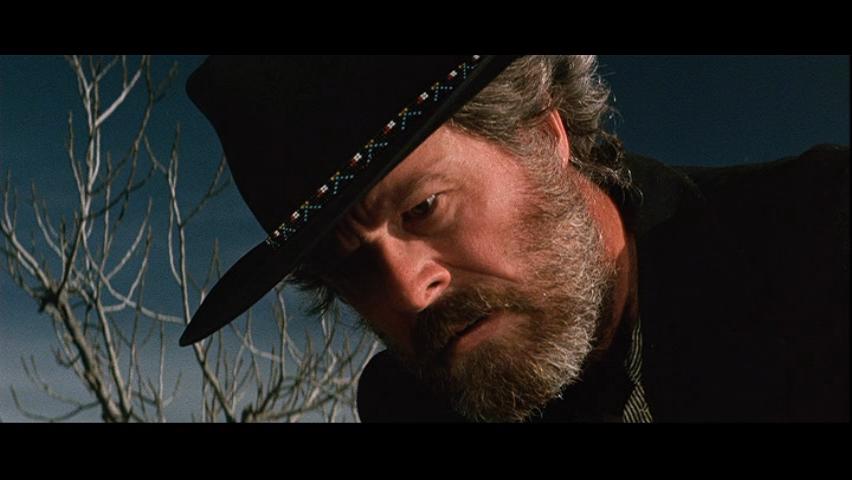
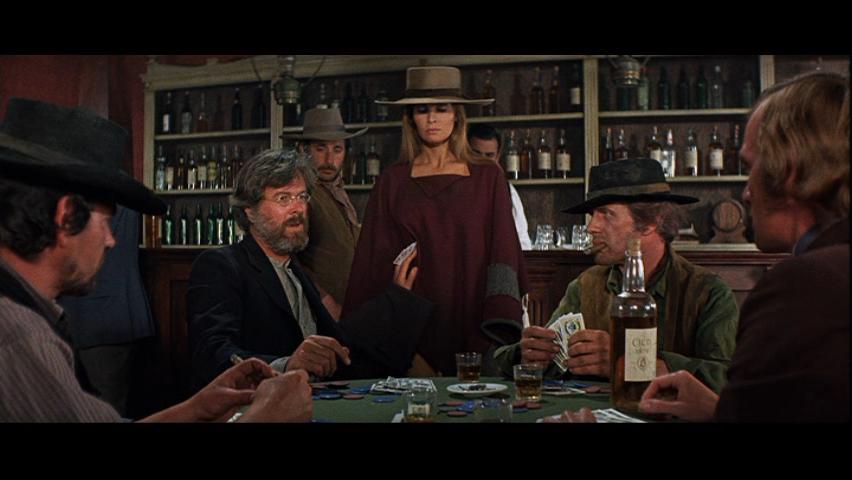
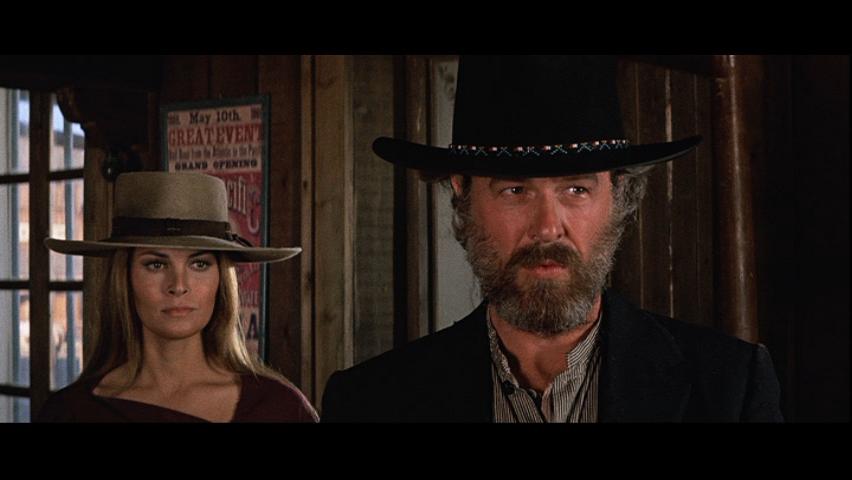
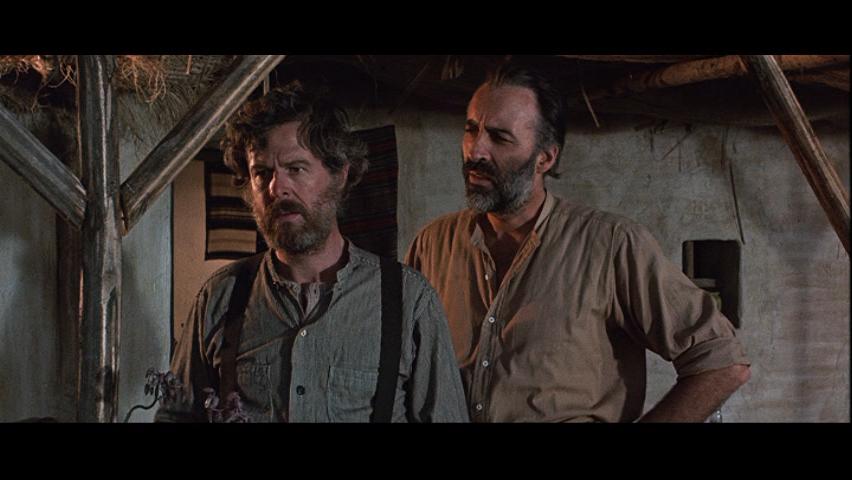
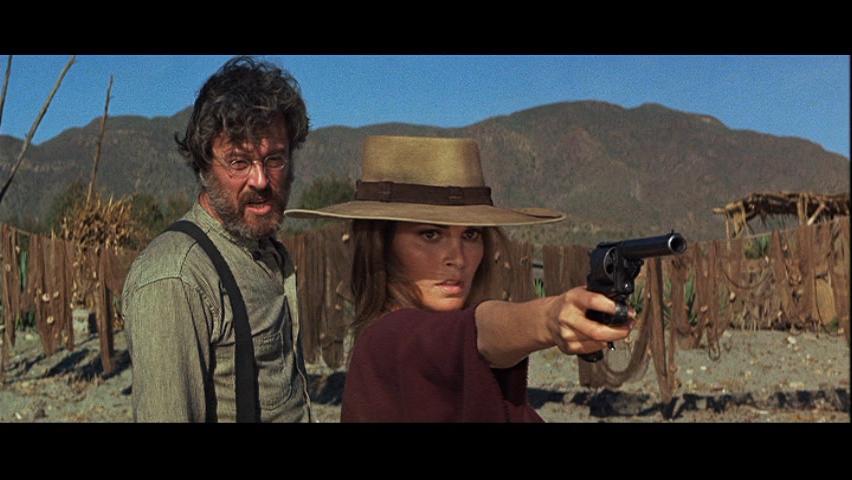
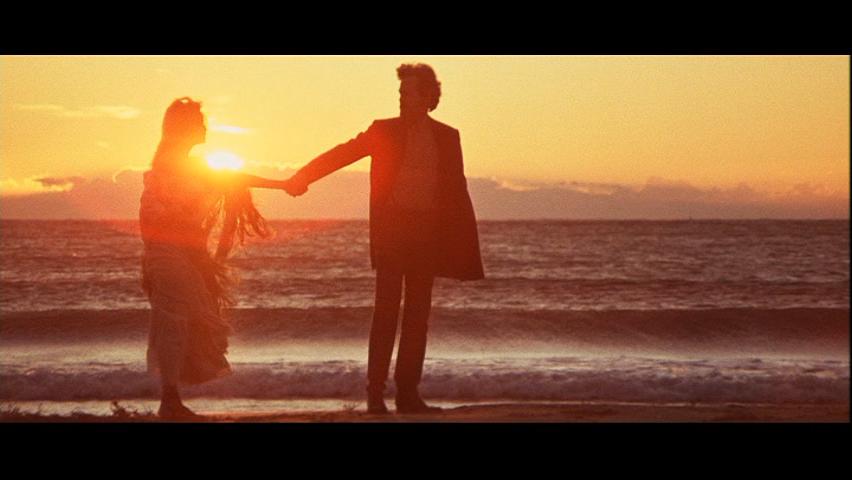
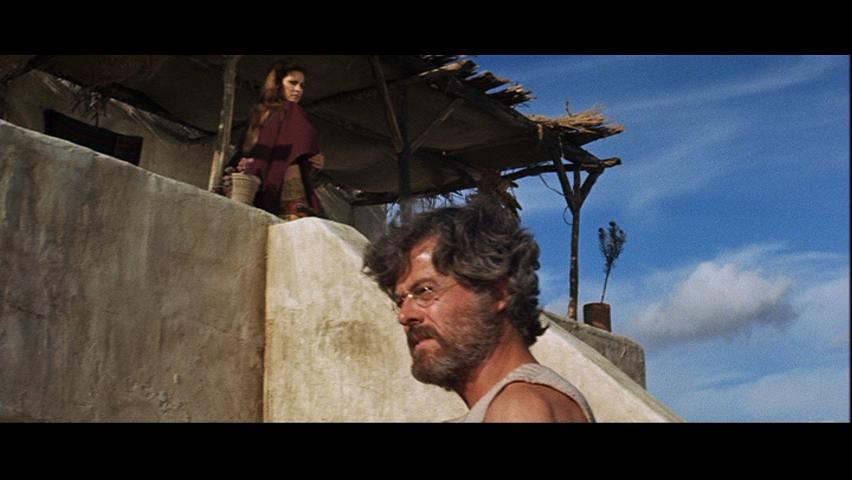
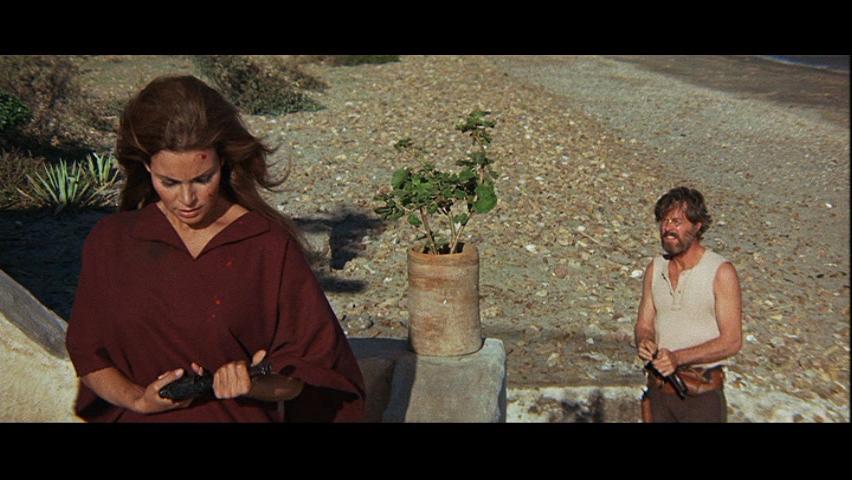
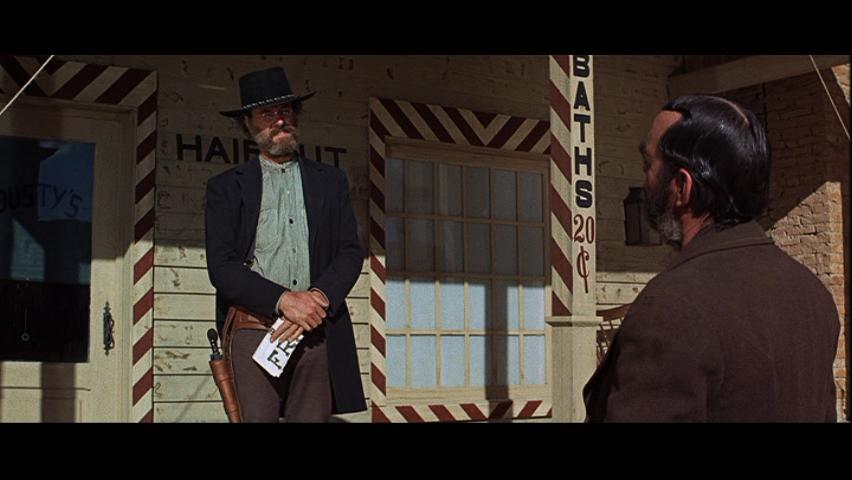
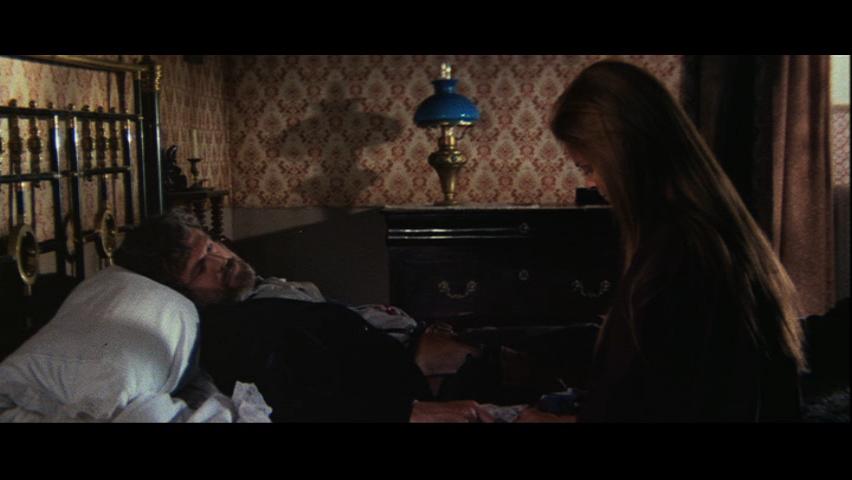
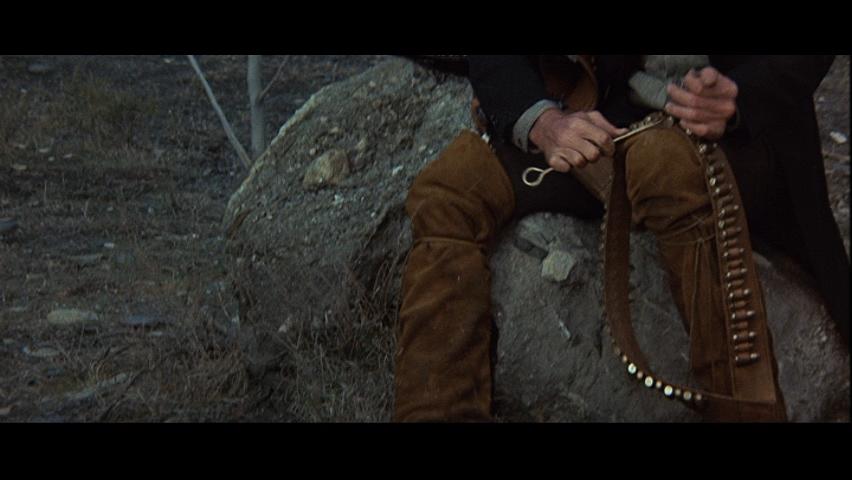
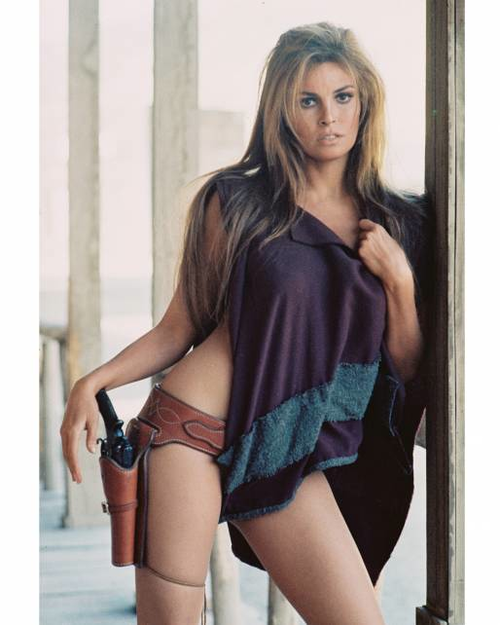
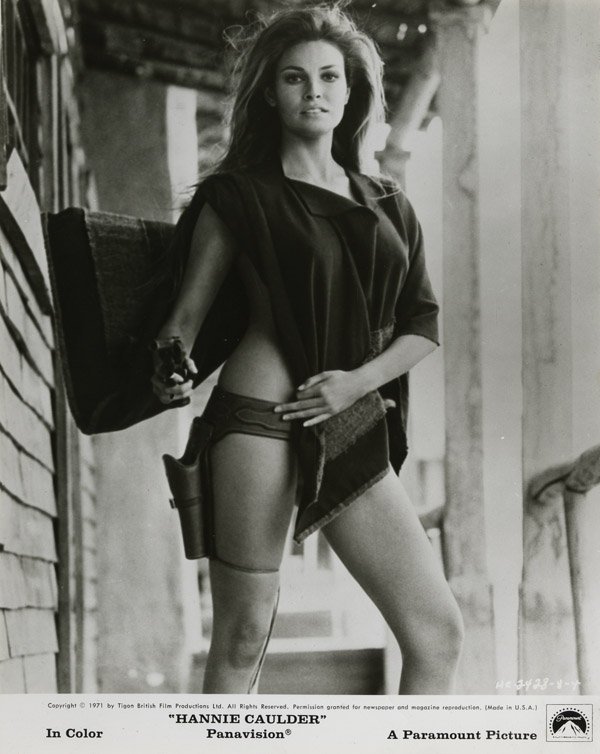
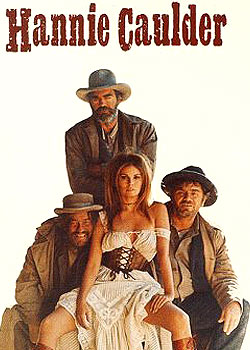
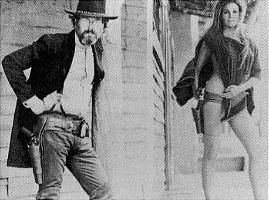
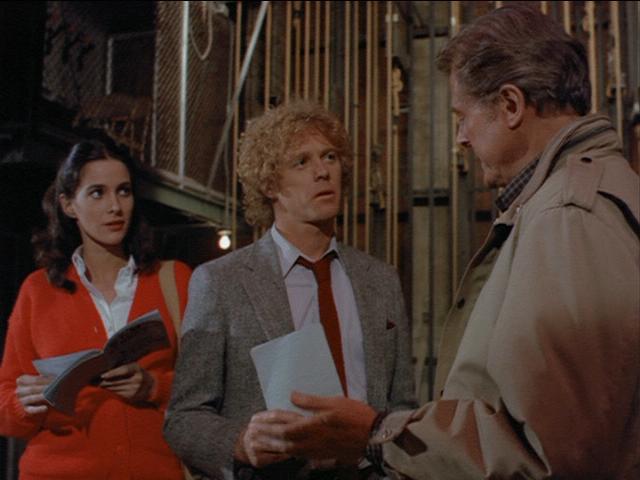
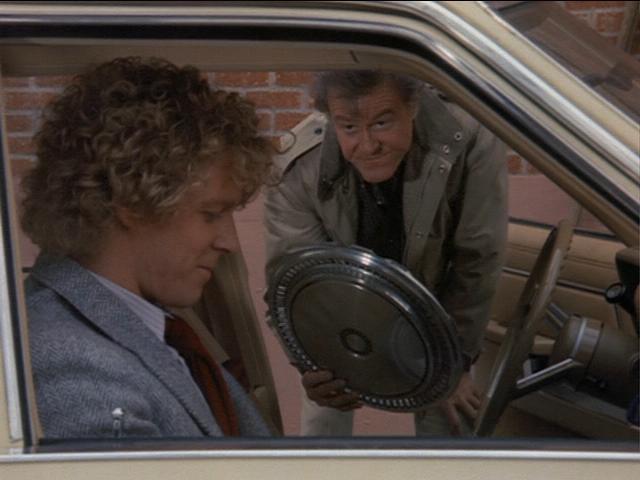
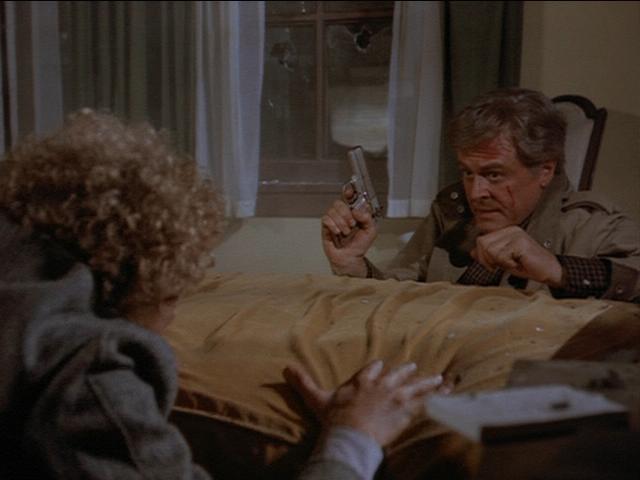
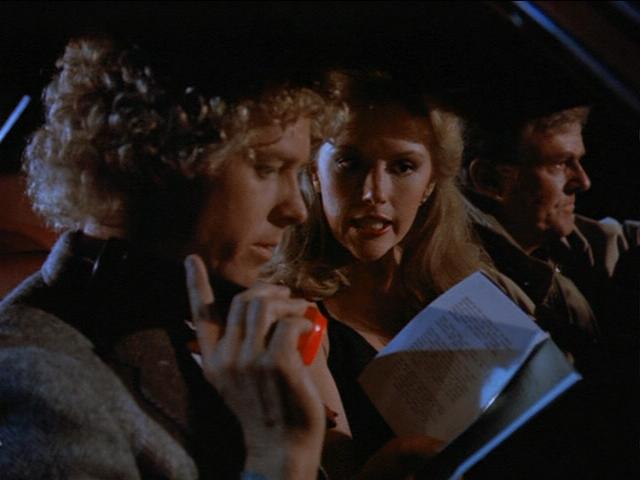
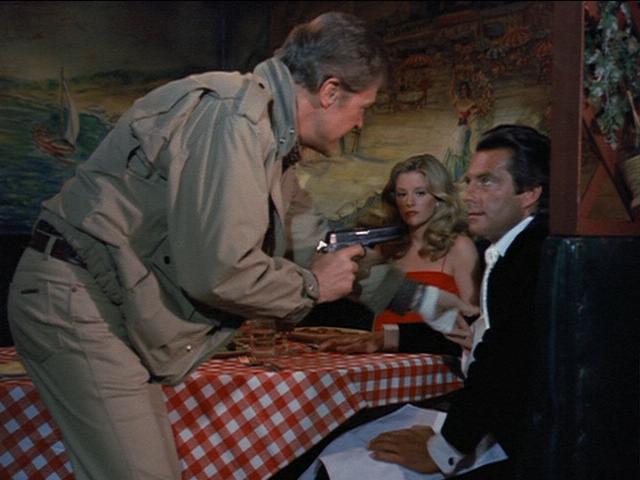
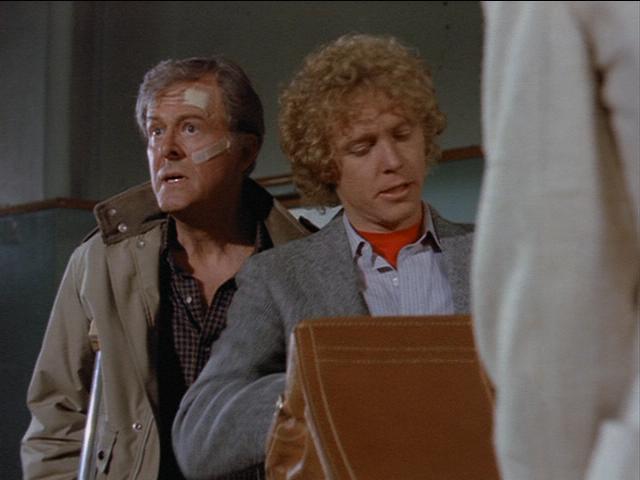
 is available at Amazon.com, either as a download or you can purchase the DVD set. You can also download the Hit Car episode itself through Amazon for about the price of a cup of coffee!

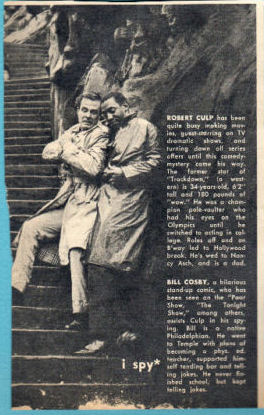
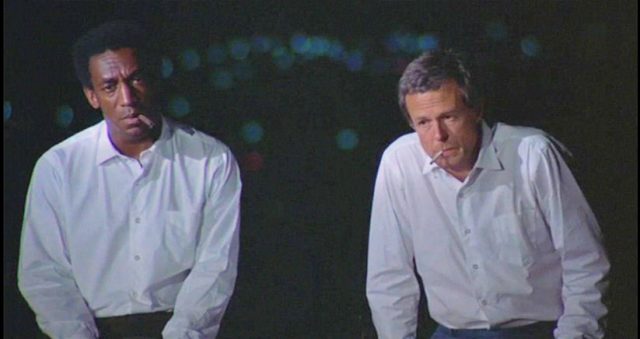 I set up a Google alert recently for “robert culp” and have gotten back alerts the past few days for blog posts talking about the movie Hickey & Boggs. It’s great to see the film discussed because it’s a good film and one worthy of discussion but too often in these posts I’m seeing the character names be mixed up. Either the wrong character is attributed to the wrong actor or the characters first names are swapped.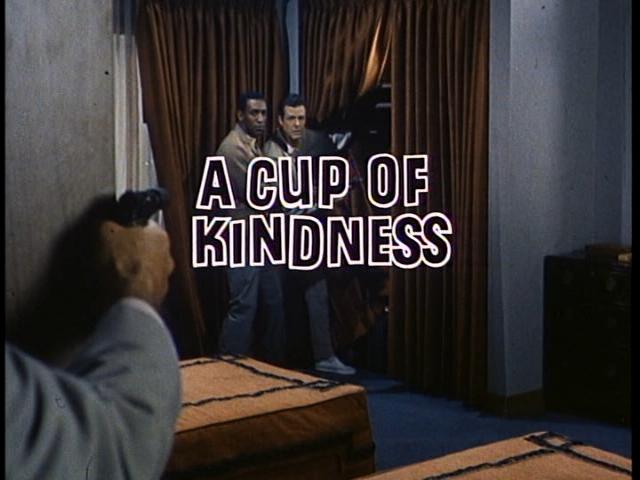
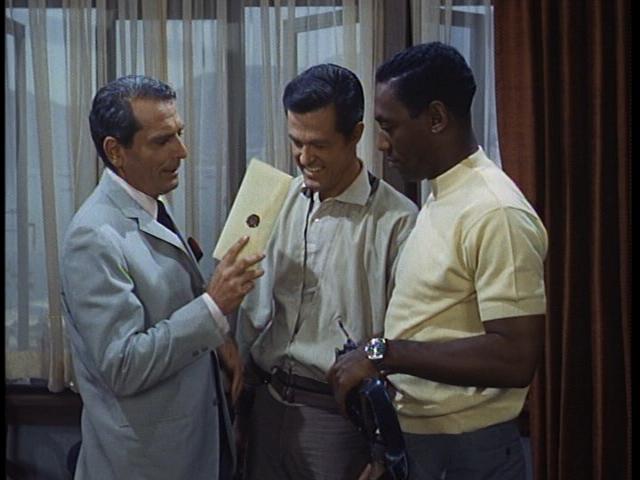
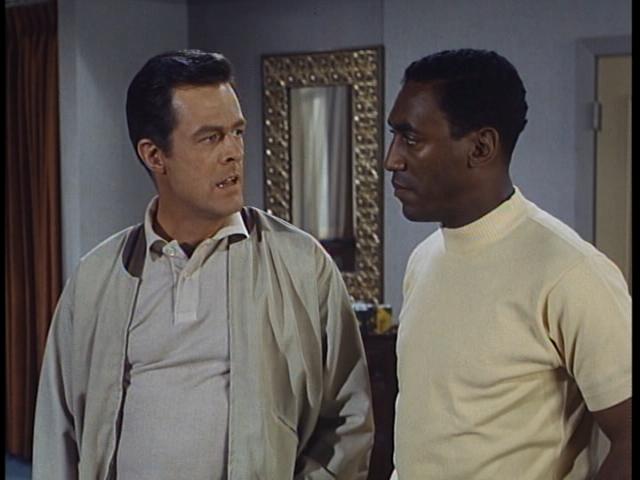
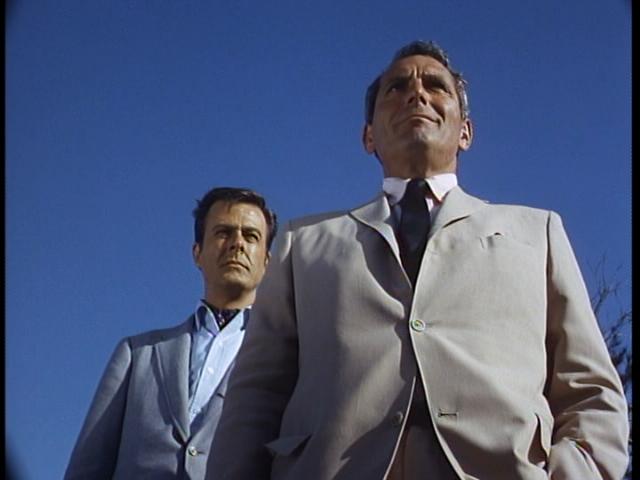
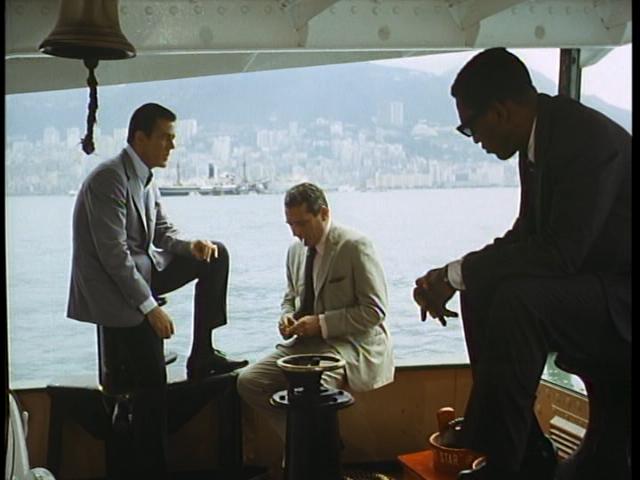


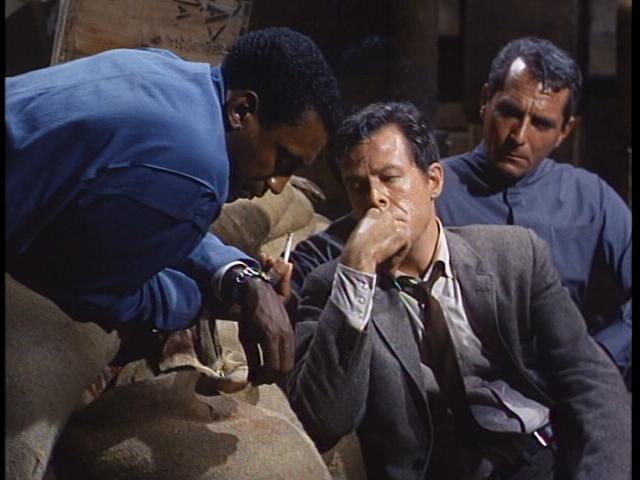

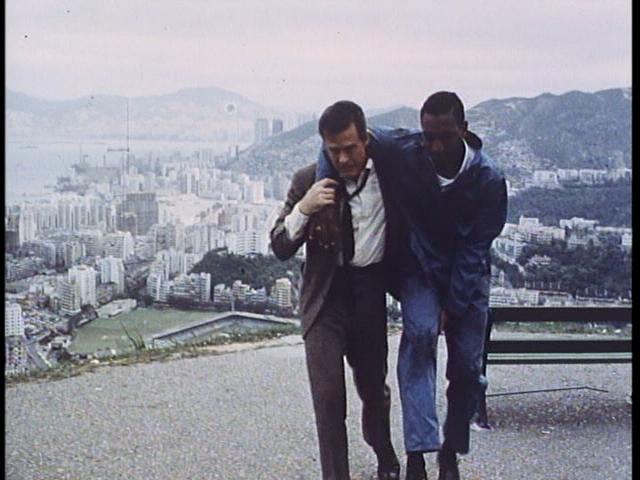
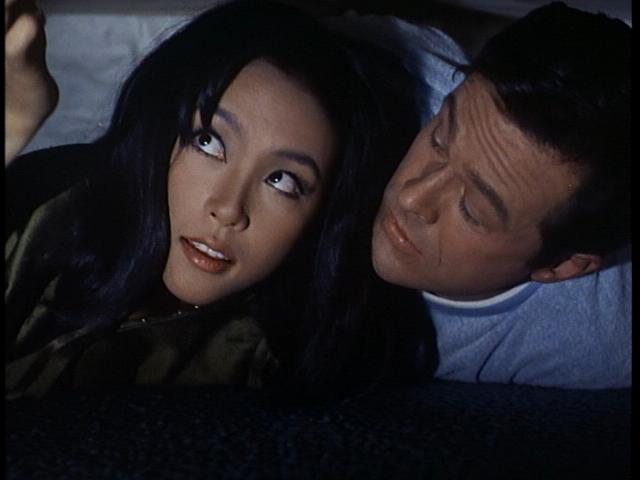


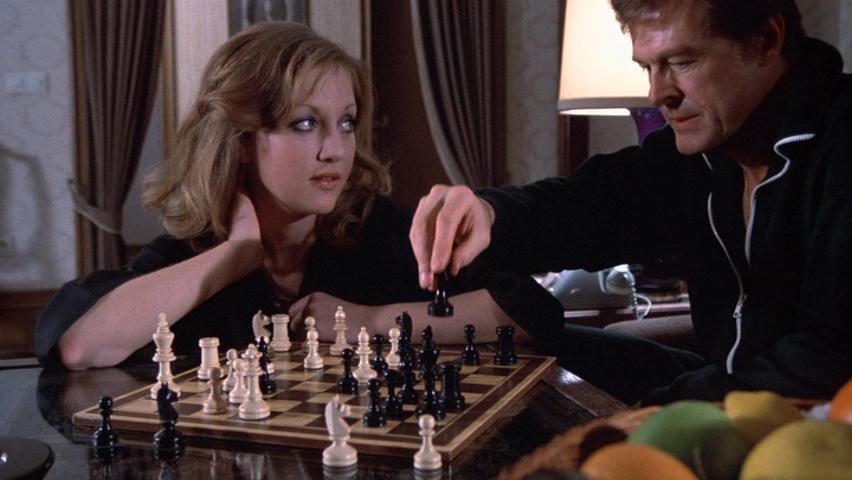
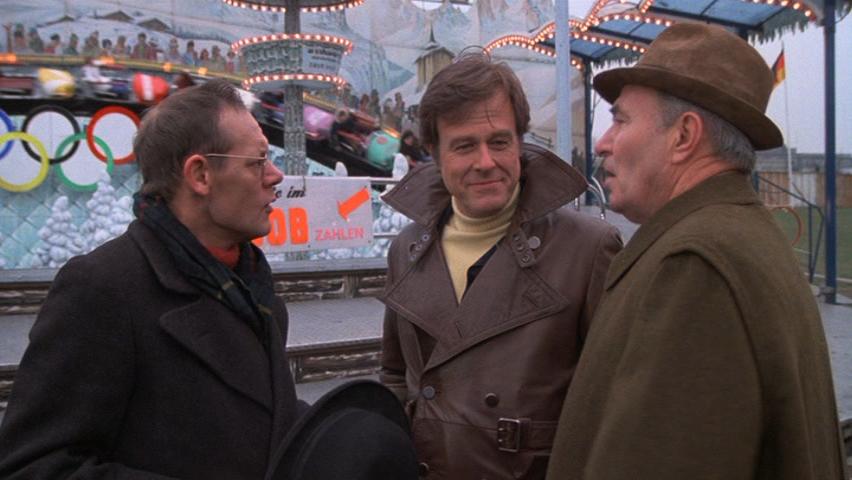

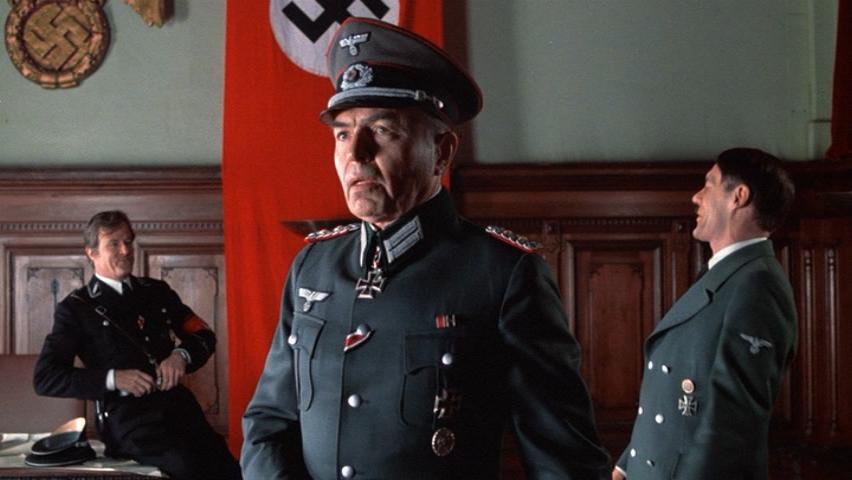


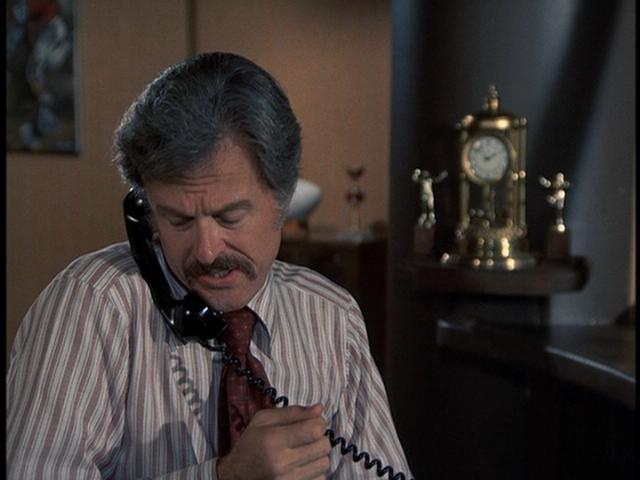 Culp plays Paul Hanlon, general manager for a pro football team owned by Eric Wagner. Eric inherited the sports empire from his father but would rather spend his days partying and playing. Paul, however, sees a better and brighter future for himself – if he can get Eric out of the way.