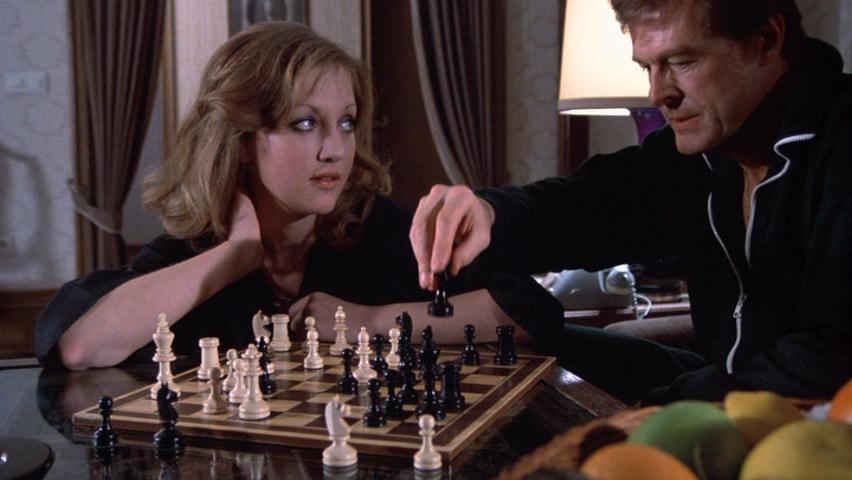
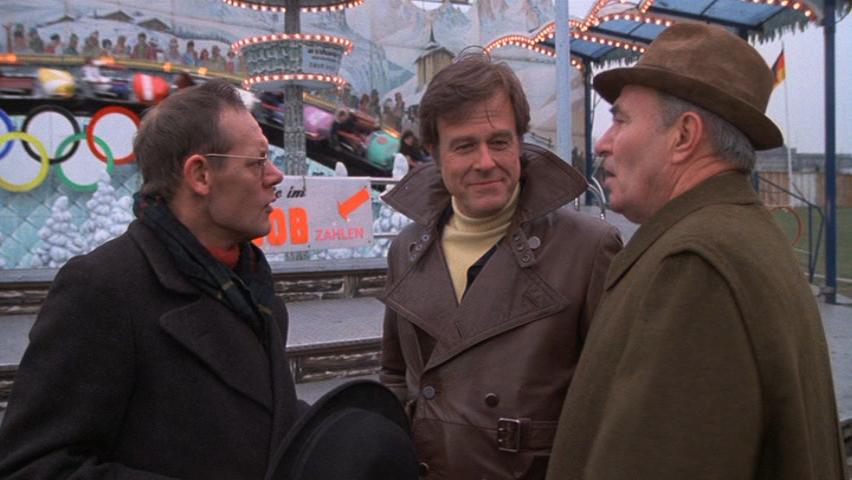
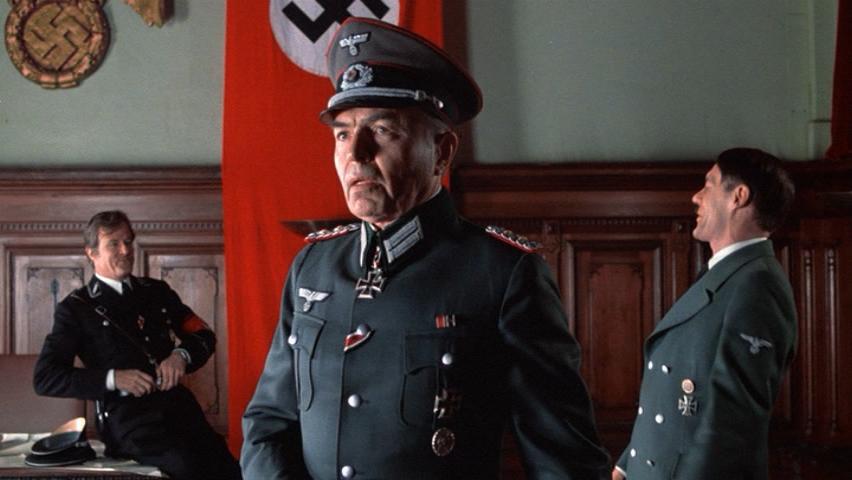
Recently I shared on Facebook several HICKEY & BOGGS articles I had written back in 2012 for the 40th anniversary of the film. One of the articles made reference to a 2007 screening of H&B at the Aero Theatre in Los Angeles with Robert Culp on hand afterwards for a Q&A session. Video of the event existed at the time of the posting in 2012 – and then disappeared some two weeks later. The source of the video, a website known as Criminally Unknown which was dedicated to discussing lesser known films, all but fell off the face of the earth at the time. The links to vids on their Facebook page disappeared, their website disappeared, and onlyone segmentof the nearly 45 minute Q&A survived still on YouTube. It seemed the entire Q&A session was lost forever.
But lo… it was not lost! After sharing the articles I heard from a fellow Culpophile and I’m very happy to say that the vids have survived because they were saved (thanks Tatia!) and now THEY’RE BACK! And you can check them out below.
AFI Silver Theatre and Cultural Center, in partnership with The National Building Museum, has been presenting the film series “Overdrive: LA Modern, 1960-2000” which looks at the legacy of Los Angeles architecture and use in film. The series began February 8th and runs through April 17th, 2014 with several films being screened as part of the series, including Robert Culp’s sole big screen directorial effort “Hickey & Boggs” from 1972.
AFI Silver accurately describes the film as a “neo-noir to end all noirs” and recognizes the films broad use of known LA locations, such as the Los Angeles Coliseum and Dodger Stadium, along with street scenes in LA’s core, topless bars, homes with freeways in the front yard and other once fine homes falling off cliffs along the ocean.
The film will be screened Sunday, March 9 at 4:00pm, Monday March 10 at 9:30pm and Tuesday March 11 at 9:15pm. General admission tickets are $12.
The March 9th screening will be introduced by National Building Museum’s assistant curator Deborah Sorensen.
During my Hickey & Boggs retrospective a couple of weeks ago I included a post that featured a three part video, originally done by the folks at Criminally Unknown, from a Q&A session with Culp after a screening of the film at the Aero Theatre in LA in 2007. It appears the video is no longer available and the Criminally Unknown FB page is gone. Their Twitter account has been dormant for more than a year and their website is gone too. I know the internet is a fickle place and nothing last forever but…dammit all, did it have to go away not two weeks after I added it here?!
Their YouTube account appears to still remain, but also with no updates for more than a year, and the only piece of the nearly 40 minute Q&A session that was posted was a segment regarding Bill Hickman and the connection the Rolls Royce used in Hickey & Boggs had with The French Connection. I’m going to include the clip here but… don’t dilly dally watching it for it may be gone tomorrow.
If, by any remote, insane, million-to-one shot chance that somebody out there, either from Criminally Unknown or who knows them or something, sees this, could you contact me? I would be more than happy to give that 40 minute Q&A video a home with all proper credit and attribution and whathaveya to Criminally Unknown. The video is a rare, fantastic gem full of stories and tidbits on Culp’s only directorial feature. Oh please, don’t let it be lost forever…
For the longest time it seems this movie languished in obscurity. I had heard of it almost as soon as I started delving into All Things Culp, but finding the thing proved a task. Up until 2011, there had not been an official DVD release and apparently whatever copy was out there floating around, was not of the greatest quality. One grainy clip of Culp and Cosby going into the hotel to try to find Mary Jane was about all I’d ever seen of the film. And that wasn’t even posted on YouTube.
Then sometime in 2009, I found the movie available through iTunes (and still is). Naturally I purchased and downloaded it, although I lamented going this route. I pined for a DVD, something tangible that ensured, for the most part, that I would always have the movie, even if I burned through the computer that I downloaded it to (which, eventually, I did.)
Thankfully, 20th Century Fox on behalf of MGM released the film in a manufacture on demand format – along with several other MGM titles that Fox now has the rights to – in 2011.
What saddens me is that Culp did not live to see the film finally get a proper DVD release. The demise of MGM in the 70’s, the breakup of the studio’s film catalogue between other studios (Fox, Warner and Sony/Paramount) pretty much shoved everything into a vault for years while legal issues were hammered out before any of these titles could see the light of day again. Also, before the advent of the manufacture on demand, studios were hesitant to make the investment into a DVD release for a movie that they felt probably wouldn’t get much of a return.
Very unfortunate, as it would have been fitting to have Culp put together a “director’s cut” or at least a good amount of extras and commentary on the movie.
What we do have though, is various tidbits and commentary about the movie via other sources that I wish to bring together here. Bonus material, if you will, that didn’t make the DVD…
The re-teaming of Culp and Cosby was certainly noted by the media at the time the film was being shot in September/October of 1971. I Spy had ended 3 years earlier but was still fairly fresh on people’s minds. (At the time I Spy was cancelled, it was still pulling good ratings. So why was it cancelled? That’s another story).
Culp was very clear, however, when speaking about Hickey & Boggs to the public. “The story has nothing to do with ‘I Spy,’” he was quoted in the press at the time. “The fellows we played were winners, obviously. These two guys – Hickey & Boggs – are losers.”
Most entertainment writers noted the same thing but their stories played up the I Spy angle more than anything. Michel Poiccard of the Los Angeles Times noted in October of ’71, “’Hickey & Boggs’ will obviously generate much of its interest because it stars a team of actors who are both well known and loved by American audiences.”
Critically, it did garner interest. The film got a mix of good and “meh” reviews, some who praised the acting of Cosby and Culp, appreciated Culp’s directing skills, the use of locations, establishing a mood, ect. ect. The Pittsburgh Press (now Pittsburgh Post) called the film a “fine thriller about human private detectives.” Although the reviewer noted that it was sometimes confusing, they compared it to The Big Sleep noting that Hickey & Boggs’ “momentum comes more from characters and isolated situations than from the coherent flow of a story.”
Jamie Portman of The Calgary Herald also lamented that the plot “suffers from severe confusion if not dislocation.” But even he seemed to forgive this, extolling more about the characters and characterization of Al Hickey and Frank Boggs. “You can talk all you want about the gut realism of Sam Spade, Philip Marlowe or Lew Archer stories; but they are also invested with a rueful romanticism. The romanticism has gone sour in Hickey and Boggs.” Portman concluded that Hickey & Boggs “is a metaphysical detective thriller – fragmented, maddening and extraordinarily watchable.”
Frank DeGuida of The Milwaukee Sentinel applauded the film, the Culp and Cosby reunion and appreciated Culp’s direction, in particular the action sequences and Culp’s “fine sense of composition, with many shots presenting interesting visual effects.” DeGuida concluded, “all in all, if Culp has a sequel in mind when he has his heroes walk away into the sunset after the final shootout, I, for one, am looking forward to seeing it.”
Not all critics were as generous. Some couldn’t figure out who was who and what was what. Some blamed the script, some the directing. Others just didn’t get it, such as Variety which complained that the script ”suffers through audience never being entirely certain as to the identity of some of the characters.” (While some critics appreciated that the film didn’t insult the viewer’s intelligence by having to explain everything, Variety reviewers apparently liked their movies simple and spoon fed.)
I did not find any reviews from any Florida newspapers, which, so far in my searches, typically were less than kind of any Culp film or tv show (leading me to believe that it simply must have been depressing to live in Florida in the ’70s.) However, I did find a review from the Ocala Star-Banner for when the movie premiered on television on NBC’s “Saturday Night at the Movies” in March of 1976. The reviewer noted the following about the plot: “During their travels through the less glamorous sections of Los Angeles, Hickey and Boggs stumble up on a major case that places them in the midst of a major hold up at Dodger Stadium.” Um…what?
But overall, the critical response was positive. Unfortunately, that didn’t translate into much success at the box office. Although critics seemed positive about the film being well done and such, they also noted, heavily, that the film really was a downer. However, in looking at the promotional materials for the film at the time – the trailer and movie poster – the movie seems to suffer a little of an identity crisis. The trailer at least is fairly clear; two down and out PIs who are in over their heads but the funkified music and Dragnet-esque voice over ruins it.
Then there’s the poster. It has a great photo of Culp and Cosby on it with the shot up Rolls Royce and the very blunt tag line: “They’re not cool, slick heroes, they’re worn tough men and that’s what makes them so dangerous. They hold their .44 magnums with both hands and keep shooting until they hit something. Anything.”
I understand the first line, a bit of a poke at the fact that this is not I Spy. But the rest of it, about shooting their guns until they hit something…. The poster doesn’t so much as even hint at any thing else about these two men (ie, that they’re PIs) and I can’t help but wonder if they’re a couple of guys who just go berserk (ala Michael Douglas in Falling Down) and start shooting people. And ya know, I wouldn’t wanna see Culp n’ Cosby in a movie like that.
Perhaps, that may have been what kept others from seeing the film too. The whole “this isn’t I Spy” angle may have been driven home too much.
It may have just been, perhaps, that the average movie goer didn’t want to see Culp and Cosby as “losers.” The point was certainly driven home enough, in both reviews and in the promotion of the film that these two characters were down trodden, seedy, bottom of the barrel type guys. Cosby’s expression on the movie poster is pretty hang dog for a guy whose bread and butter is comedy. And Culp, after being handsome and dashing as Kelly Robinson, looks…well, he looks like shit in this movie. He’s pale, drawn and has what has to be the worst hair cut I’ve ever seen on him.
But friends, that’s what makes it all work.
When I first saw this movie I was struck by both Culp and Cosby’s performances in this. I grew up knowing Bill Cosby as he was on The Cosby Show and also remember a children’s show he did called Picture Pages. This is the guy who wore those wild sweaters during The Cosby Show run in the 80s, pitched Jello products and is a hilarious comedian. Of course, I was familiar with I Spy before seeing the movie, but nothing he did there was nearly as dark as what he did in Hickey & Boggs. I was genuinely impressed.
I don’t believe Bill Cosby would have done this kind of movie if Robert Culp had not directed it. This is not Cosby’s typical vehicle but Culp knew the kind of performance he could get from Cosby and got it.
As for Robert Culp…damn, I thought. He is so damn good at what he does, he really looks like a downtrodden, bottom of the barrel, crawling into the bottle kinda guy. He can’t run worth a damn in this thing. Brilliant!
Ah, well I might have been giving Culp a little too much credit. Not that he’s not that damn good at what he did (because he was) but come to find out he had something happen to him two weeks before filming started that contributed to his somewhat less than stellar physical appearance here.
He had double hernia surgery. That’s right. Double. Ouch.
Which explains his tripping down stairs, limping running style and being bent at the waist whenever he could get away with it. This is especially noticeable at the end of the shootout scene at the Coliseum, when Boggs is at the top of the bleachers looking down at Hickey and the dead bag man on the ground, leaning on the fence, bent double and looking like he’s making sure his innards are still where they’re supposed to be.
Culp told nobody about having surgery, except Cosby who would have known something was wrong. Culp swore Cosby to secrecy because if the insurance company knew about it, the production would have been shut down immediately, something Culp couldn’t afford to have happen.
There are a lot more interesting stories and tidbits about the movie, more than I can possibly do justice by cramming into this post, so instead I invite you to check out the following three part video. Back in 2007, there was a screening of Hickey & Boggs at the Aero Theatre in Los Angeles and Robert Culp was on hand for a Q&A session afterward. He talks about everything, from getting the script, the financial backing, directing it, the clothes he and Cosby wore (Cosby hated them), the “laughing garbage man” and the hernia surgery, amongst other things. All three parts together total about 40 minutes or so. The video is originally from the folks at Criminally Unknown. A great “featurette” for this Hickey & Boggs 40th anniversary salute! (Links originally lost in 2012, restored in 2015).
My capapalooza post for “Hickey & Boggs” can be found here.
And finally, Hickey & Boggs is available on DVD and Blu-ray through Amazon.com. Do yourself a favor, get this movie!
Originally released, September 20 (limited)/October 4 (nationwide), 1972
**Contains spoilers – for the love of Culp, if you haven’t seen this movie STOP READING and go watch it first!**
Robert Culp plays Frank Boggs who, along with Bill Cosby’s Al Hickey, is a down trodden gotta-reach-up-just-to-touch-the bottom of the barrel private investigator. Hickey and Boggs work out of an old office building somewhere in downtown Los Angeles, where the bright California sun does little to make their world any more cheerful. They’re old school PIs who are trying to hang on in a business that’s been pretty much legislated out of existence by the State of California.
These guys have hardly anything. They don’t have enough money to pay all their bills (but do manage to scrounge enough for drinks at the local bar), they drive junk cars, wear old suits and both have marriages/relationships that have busted apart.
Yet, they keep moving, not exactly forward but moving. And this is where the movie opens. They’re at the bar, having a few drinks, watching the boxing match on the tv. During the commercial break they talk finances. They don’t have enough money to pay both their phone service and the answering service, so Hickey only paid for the answering service. Boggs offers to borrower against his house, which I take based on Hickey’s reaction there’s not a lot of equity left in the place.
In order to check their messages and return phone calls, they’re reduced to using the payphones outside of the bar. One of the messages is for an appointment the next morning which Hickey has to make because Boggs decides he’s going into the tank. (Can you get any lower than this?)
The next morning, Hickey meets with a Mr. Rice (Lester Fletcher) on the beach. Mr. Rice made it a point to be sunbathing for this meeting – first thing in the morning. He wants the PIs to find a girl, Mary Jane Bower, whom he hasn’t seen in some time. Rice never really says why he wants to find her, it’s assumed to be romantic connection. Hickey doesn’t really care since Rice is willing to pay $500 as a retainer.
Rice, by the way, spends part of the meeting looking over at the young kids playing on the swings with “bad intent.”
Hickey returns to the office to tell Boggs they’re working. Boggs hardly looks up from his newspaper until he hears how much they got for a retainer. “You think money turns my head?” Boggs asks…as he slooowly turns his head toward Hickey (obviously it must). With a couple of leads to follow, the two PIs head out to try to find Mary Jane.
While this is happening, the local mob is discovering that the money they were originally to get from a bank robbery in Pittsburg about a year earlier, is now floating around LA, looking for a buyer. They know “Quamando’s woman” has the money but they’ll have to do some homework to track her down. Mr. Brill (Robert Mandan) makes some phone calls to get some soldiers to track it down, the soldiers being Tommy Signorelli as the gunman, Nick, Matt Bennett as the muscle, Fatboy, and Bill Hickman as, appropriately, the wheel man, Monte.
The leads from Rice turn up two things, a fresh dead man (who Hickey discovers) and a tidbit that Mary Jane dated a guy by the name of Quamando at one time who went to prison for armed robbery. Prisoner Quamando has a brother who runs a flower shop and when the two PIs meet again at the bar to compare notes, they plan to visit him the next day.
We learn that Al Hickey was once a police officer, having worked out of the Hallenbeck division. (Bogg’s background is never specified). Hickey goes to see Nyona (Rosalind Cash) who he may or may not have been married to, but they were living together – until she threw him out. Nyona has a young daughter who is about the only bright thing in Hickey’s life at the moment. He leaves some coins under the child’s pillow and then has a very short visit with Nyona, whom he hasn’t seen in three weeks. Whatever it was that made her throw him out, she’s still mad at him about.
Mr. Rice, meanwhile, is giving the same information he gave to Hickey to Mr. Brill. I’m not sure if he went to Mr. Brill of his own accord or was asked to be seen or what, but there’s one tidbit he doesn’t give the mob: He claims to not know of Mary Jane Bower.
Boggs, meanwhile, finds comfort and solace in a twenty dollar hooker. At the office. When he leaves the money on her coat, we never actually see her take it. With the dawn breaking over LA, Boggs sits in his chair with a drink and a dry toothbrush. He then brushes his teeth…and so begins a new day.
Fresh as a daisy, Boggs goes to Clifton Farrow’s apartment, the man Hickey found dead. The apartment is still an active crime scene with the LAPD but he fanagles a key to the place from either a neighbor or the landlady (making it sound like he was a cop) and goes in to poke around.
As he pokes around the place, he sees a note about a Rams/Falcons football game in a date book. Boggs helps himself to the day old bacon that’s been sitting on the stove since the man was killed and while in the kitchen, he hears the snap of a mouse trap from under the sink. He opens the cupboard and finds the mouse, releasing it. He then finds a small jewelry box taped to the drain pipe under the sink. Inside the box are two $1000 bills.
Large denomination bills, by the way, were last printed in the 1940s and discontinued by the Federal Reserve in 1969. Although the Fed began removing the bills from circulation, criminals would have still had an interest in them for various illegal transactions, such as the drug or arms trade. As the viewer, we know Mary Jane is trying to unload the cash and she obviously couldn’t spend it on new clothes, not without getting somebody’s attention.
When he’s done snooping through the apartment, Boggs returns the key to a patrolman, claiming he ended up with it by mistake. Mr. Brill’s soldiers, on orders to check out the same leads Hickey and Boggs are following, drive by in their GTO and see the cops hanging around the place which pretty much tells them all they need to know.
Later, Boggs meets up with Hickey at a hot dog stand. Hickey was to check with the florist Quamando brother, but the flower shop was closed. Boggs shows him what he found in Farrow’s apartment. He then says that he tried to call Rice but Rice’s answering service had been shut off with no forwarding number. They each order up a couple of really horrendous looking chili dogs.
They turn what they found over to the police. As is typical, there is no love lost between these two PIs and the police department. Sergent Papadakis (Vincent Gardenia) and Detective Shaw (Jack Colvin) are naturally annoyed that Boggs walked into an active crime scene.
Still, Boggs made a note of what he had found in Farrow’s apartment even though it didn’t seem like it had anything to do with Mary Jane. Along with the two $1000 bills was a note with some names on it and he copied down the names.
From here they go to check with the florist. He says he hasn’t seen Mary Jane in five years or more.
Shut out, Hickey and Boggs regroup outside the florist shop looking at the names Farrow had written down with the two $1000 bills. There was also an address noted which they decide to check on. They drive off just as the torpedoes show up to beat the same information out of the florist.
The address they check is for a hotel, where the room is rented to a Mary Florida. She hasn’t been seen for a few days. For $50 Boggs gets a key to the room and a promise from the receptionist that she would phone them if any heat shows up.
The room is sparse but Boggs finds an envelope in a drawer with the same Rams/Falcons seat numbers written on it as was found in Farrow’s apartment. The mob torpedoes then show up and the two PIs go out the window to the fire escape before the thugs arrive, with Hickey hanging on a drain pipe and Boggs trying to bust in to another room from the fire escape. The torpedoes, meanwhile, are tearing the hotel room apart. Fatboy can’t find anything productive to do so he finds a doll and proceeds to tear that apart. (Makes you wonder what he’d do to a woman. Eeeeyah…)
Hickey keeps hanging on to the drain pipe despite Boggs telling him to come on and sees Fatboy rip apart the doll. When Fatboy goes to look out the window and puts his hand on the windowsill, Hickey pushes the window down with his foot and crushes Fatboy’s hand.
The two PIs crash through another room’s window and run like hell (for the most part. Culp can’t run worth a damn here and even goes tumbling down the bottom of the stairs. But there’s a reason for that. Stay tuned). When they get outside, Boggs grabs his “out of order” paper bag off the parking meter and runs to the back of the torpedoes GTO. He stuffs the bag in the gas cap and lights it. He and Hickey take off as the torpedoes come out of the building and start shooting at them….and the GTO blows sky high.
The next morning, Hickey comes into the office with the mail. They get a letter from Rice, taking them off the case. Boggs assumes Rice found Mary Jane, but Hickey doesn’t think so (and the letter doesn’t specify). Considering the heat they had on them at the hotel, Hickey figures Rice was scared off. Hickey’s not about to be scared off and he pulls out his gun and starts loading. Boggs joins him, after reinforcing himself with a shot of booze first. But he asks Hickey if he really wants to go to this point. It may be better for them to just run.
Nope. Hickey isn’t running. And as such, neither is Boggs. “Yes, sir, I like your style…” he says after Hickey leaves to go see the florist again.
The thing about this part that I don’t get is why Boggs discouraged Hickey from wearing the shoulder holster. It’s gotta be a pain in the rear to have to lug around a .44 wrapped up in a towel or a newspaper under your arm. The only thing I can think of is it was too “cop like” to wear the holster.
When Hickey gets to the florist shop, he finds Quamando is dead.
The police, meantime, have run a trace on the two $1000 bills found in Farrow’s apartment. Turns out they were part of a bank robbery in Pittsburg the previous winter. Over $400,000 was stolen. Three guards were killed along with three of the robbers. The driver got away but then he was found dead later, the money and his girlfriend missing.
The girlfriend was never identified.
The police have Hickey and Boggs brought in because the recent deaths keep tying back to this money. Come to find out there’s a reward out for the recovery of the money: $25,000. This gets the boys attention.
Back at the bar, Hickey is running over everything again figuring Mary Jane was the girlfriend and is trying to unload the money. Boggs tells him not to worry about that now and that they were going to the football game the next day. Hickey doesn’t care about going to any football game. “We’re looking for Mary Jane Bower, not Roman Gabriel. Twenty-five thousand dollars…” Undeterred, Boggs asks what kind of odds Hickey wants. “On the Rams?” Hickey asks.
“On Mary Jane being at the ball game.”
They go to the game (and somehow got in as ushers) but Mary Jane doesn’t show. The wait around until the stadium clears out. The note Boggs found in Mary Jane’s hotel room matched what Farrow had on his date book: Rams – Falcons + 1. And three seats specified. After some thought, they figure that the plus 1 might be plus one day.
The next day, they go back to the Coliseum (with guns wrapped in towels and newspapers – seriously fellas, holsters woulda been more practical!). Boggs has scratched a new name on the copy of the note from Farrow’s apartment – Edith – with a phone number. His ex-wife who’s been dumped by some boyfriend in Westwood with a bigger house and has crawled back to Frank wanting help. Hickey’s raised eyebrow is commentary enough.
Inside the Coliseum, they wait in the tunnels for Mary Jane to show up. They’re not the only ones lying in wait, the torpedoes are waiting too. Mary Jane shows up, as does the bag man she was going to deal with, but she spots not only Boggs at the entrance to one of the tunnels, she sees one of the torpedoes. She stays in the shadows of another tunnel, while the bag man waits in the seat in the stands for about five minutes. When Mary Jane doesn’t show, he gets up to leave.
Hickey and Boggs chase after him…well, Hickey chases after him as Boggs drops back because he can’t run worth a damn…only for the bagman to get blown away by Nick. Our fearless PIs end up in a shootout with Nick, Fatboy gets the bag man’s brief case of cash and the torpedoes make their getaway, but not before Boggs puts a bullet in the back window of their car. (Best shot of Culp in the whole movie.)
Meantime, Prisoner Quamando is released on parole. Mary Jane isn’t just his girlfriend, she’s his wife and they have two children (one of whom is played by Jason Culp).
The police are less than enthused about the shootout at the Coliseum. Papadakis blows his stack and Lt. Wyatt (James Woods) warns the two PIs that he’ll basically put them out of business if this escalates further.
The two PIs press on though, as Bogg’s eloquently puts it, “We gotta find that bitch before they do.” They go over the names Farrow had on the note that was with the money Boggs found originally. The addresses for these people Farrow did not write down, so the phone book provides the answer and another hot dog break.
When he goes to see Eleana Cole, Boggs doesn’t know it but he ends up face to face with Rice, the guy who had hired him and Hickey to begin with. He asks to see Mrs. Cole to talk about Clifton Farrow and Mary Jane Bower. He’s brought in to see what turns out to be Mr. Leroy (another name on Farrow’s note), a black revolutionary.
They meet on the back patio of the house that faces the ocean. Yes, it is really hanging precariously off a cliff!
While Boggs is doing that, Hickey is back at the office where he gets a phone call from Mary Jane. Mary Jane also phones Mr. Brill and contacts Rice to make a deal. Boggs finds out about the phone call when he gets back to the office, where he loads up on booze and a cigarette. Culp is not at his prettiest here (nor is he supposed to be.)
The meeting with Mary Jane is to take place in Parking Lot 32 of Dodger Stadium. Hickey and Boggs are waiting, as are the torpedoes. A man in drag shows up (this is the guy Rice sent – in drag on purpose). Hickey and Boggs think they have Mary Jane. So do the torpedoes who come barreling out of the dark and start shooting. The man in drag goes down. Bogg’s car ends up getting blown up (“500 cars in the lot and the bastards blow up mine!”). Hickey, however, nails Nick and the torpedoes get away.
The man in drag turns out to be one of the leads they couldn’t find, a guy named Bledsoe. Hickey then realizes that they were set up.
The police are at their limit now. Lt. Wyatt is ready to pull their ticket and put them out of business. They’re facing charges now (witholding evidence, abetting felonious conduct) and their lawyer can’t offer much help. As they walk out of the PIs office and down the hall, Hickey stops at one point and says “I dunno…” and as if on cue there’s the sound of a toilet flushing in the background. Appropriate, since that’s about where these two are at.
Hickey figures it’s time to get out of the PI business. “It’s not about anything,” he tells Boggs.
“Yeah it is. It’s about four hundred grand…” More than that, it was about $25,000 – money both of them needed pretty badly.
While things are looking pretty dire on the professional level, with either the cops or the mob going to bury them, Hickey seems to be improving his relationship with Nyona on a personal level. It would be the last bright spot for him, however. The only bright spot Frank has is to see his ex-wife Edith (who he still pines for) back at her old job – as a stripper. She was previously barred from this particular club but the guy owed Frank a favor, so Edith was hired back. This allows Frank to basically be tortured by watching her dance.
Hickey lets it go for about a minute and then yanks Frank out of the place by the arm. Edith expresses her insincere thanks. “Kill yourself.”
Out on the street, Hickey and Boggs have to pick up the pieces. Boggs decides to check up on the Prisoner Quamando. Hickey says he’ll go back to the house at the beach (Mrs. Cole) and see what more he can find out. Frank also has to get himself another set of wheels.
Not only does Frank find another set of wheels, he finds another damn blue T-bird. And no, I don’t know what the point was of pulling the door latch was all about. He doesn’t kick the tires. He doesn’t even test drive the thing. He takes it, as is. Even the car dealer is surprised (and no, it’s not Cal Worthington – whose commercials can be heard on the tv in the bar scenes).
Hickey, meanwhile, goes back to Mrs. Cole’s house only to find it literally has fallen off the cliff!
Frank returns home with his new T-bird (which he looks back at as he walks to his front door – don’t we all do that with a new car?) only to find his house has been broken in to. He calls Hickey to warn him that the torpedoes might be on their way to his place (note the interstate running through Bogg’s front yard as he’s talking on the phone.) But the torpedoes have already been at Hickey’s place. Nyona, who was finally starting to thaw to Hickey and had been at his place, was in the wrong place at the wrong time…
This is where Culp’s directing style is unique. We don’t see what happened to Nyona. We don’t even see all of her on the screen. We don’t have to. Earlier in the film we saw Fatboy tear apart a doll. Here we see the blood splatters on her legs, the electrical cord and the two by four wrapped around one leg… Only a moron would stop and whisper to the person next to them in the theatre and asks “what happened to her?”
Hickey is devastated by what happened. One of the most powerful scenes in the whole movie is Hickey sitting on the front steps of Nyona’s house, while her little girl mindlessly goes back and forth on the small patch of lawn with a push mower. They don’t say a word to each other but there’s some kind of consolation going on. The child means a lot to Hickey and we’re pretty sure that Hickey had come to fill a void in the little girl’s life for a father. But then Nyona’s mother (played by Isabelle Sanford) spots him sitting there and comes out of the house and rips into him, basically blaming him for Nyona’s death. As she’s yelling at Hickey, calling him a no good rotten son of a bitch, the little girl stops pushing the mower and just crumbles to the ground.
As the grandmother consoles the little girl, Hickey can only watch heartbroken. Behind him, traffic on the freeway whizzes by, oblivious.
Hickey is pretty much stone faced when Boggs meets up with him at the bar again. Boggs found out that the Prisoner Quamando was paroled a couple of days before and that his wife’s name is Mary Florida Quamando. Bingo. He got their address too and is ready to go. He figures Hickey wants to get the torpedoes, if they find the woman, the torpedoes wouldn’t be far behind. But Hickey just sits there.
Boggs runs the gamut, first trying to get Hickey to move, then admonishing him for quitting, then joining him for a drink, then getting really pissed reminding Hickey of his speechify earlier about how Frank couldn’t go bad now because of some woman he couldn’t get over. Boggs is a little callous here as his ex-wife hadn’t been killed but…
Frank then declares he’s going to go after that $25,000 reward and he up and leaves the bar, but he doesn’t go far. After a moment, he comes back and he tells Hickey that he can’t bring Nyona back and he can’t make up for what he missed. The only thing he could do was to even things up. Make things right.
On that note, Boggs starts to leave again but he pauses. He’s really not going to go without his friend and partner and when he looks back to see where Hickey is at, Hickey is following after him.
They go see Quamando and manage to get into the middle of things just as Quamando is about to go through with a deal with Rice and Mr. Leroy. By this point the pieces have all come together. Quamando worked for the LA mob and Mary Jane had got the money in Pittsburgh and brought it back to LA. But he went to prison and instead of delivering the money to the mob in LA, Mary Jane sat on it for a while before looking for a buyer – with a better deal than the mob. She originally had a deal with Farrow but he wanted a bigger cut which was why he was taken out of the equation completely. But as soon as she started putting the money out on the street, the mob got tipped off and the pressure was on. Quamando goes to the mob looking “to come home” but they want him to collect another bonus. So they tell him to go through with the deal with Rice and Mr. Leroy.
The mob, however, have one more trick up their sleeve.
Quamando brings the two PIs with him when he meets with Rice and Mr. Leroy. They drive on to the beach where they’ll meet up with Mary Jane, who will have the money with her.
Mary Jane arrives by plane (earlier in the film, when Hickey and Boggs are looking in her hotel room, there are pictures of small aircraft on her wall) and lands on the beach. She hands the suitcase of money to Quamando who turns and throws it into the sand at Rice and Mr. Leroy. He doesn’t even take their bag of money in return. He takes Mary Jane by the hand and starts to walk her back to the plane.
Over the cliff along the beach, however, comes a helicopter with Mr. Brill’s soldiers in it.
A shootout ensues. Rice goes down, Mr. Leroy had a couple of his boys riding in the trunk of the Rolls and he pulls them out but they’re no match for the mobsters in the chopper. They’re cut down in the sand. Mr. Leroy tries hiding in the trunk of the Rolls himself, but the bullets from the mobster automatic rifle cuts holes into the car and the trunk.
While this is happening, Mary Jane and Quamando are turning the plane around on the beach. The chopper hovers back over to them and the gunman hesitates for a moment. Just when you think they might be spared, they’re not. In a cloud of dust kicked up by the chopper we hear the gun fire and when the dust clears, Mary Jane and Quamando are dead.
This is another part where Culp’s directing is unique. I actually felt sorry for these two when I shouldn’t have. I mean, Mary Jane blew a guy away earlier in the film. Yet the death of these two characters wasn’t at all satisfying in terms of any justice served.
When the mob soldiers think they’ve got everybody taken care of, they drop Fatboy down to the beach to pick up the both the $400,000 suitcase and the paper bag of money from the deal, the “bonus.” Fatboy no more than picks up the suitcase when suddenly there’s thunder from Bogg’s .44.
An intense shootout takes place between the heavies and the PIs. Mr. Leroy’s Rolls Royce and Quamando’s Firebird get shot full of holes but essentially protect Hickey and Boggs against the automatic rifle of the mob gunman. They get a break when the rifle jams and Boggs, who earlier in the movie complained that he needed a bigger gun because he couldn’t hit nothing, nails the gunman in the chopper. The force of the hit sends the gunman into the lap of Monte who is piloting the chopper and Monte can’t keep the bird in the air. The chopper crashes down to the beach.
Monte is still alive but he can’t get the dead weight of the gunman off of him to climb out of the wreckage of the now burning chopper. Fatboy tries to move in closer to help but the flames consume the remains of the bird and it blows up.
Fatboy is the last man standing against the PIs. He pulls on a piece of the chopper literally fighting with it before it comes loose. Hickey and Boggs just watch him and when he has it loose he turns to them. Neither PI feels particular threatened by Fatboy. (I think Fatboy knows he’s a goner anyway). Hickey’s gun is empty so Bogg’s hands over his .44. With what turns out to be Bogg’s last bullet, Hickey takes Fatboy down.
And the movie ends with so much death and carnage…and nobody showed up. The beach was empty and even when we see a shot of the other end of the beach (where there are some people!) apparently nobody dared even pay attention to what was going on. How could they not? There were about as many bullets flying on this beach as there was at Normandy. And with the plane and the helicopter…nobody noticed?!?!
Anyway, Hickey and Boggs got to the end of it with their lives and this time they got the bag money. The stolen $400,000 in the suitcase is left on the beach and the two PIs walk off into the sunset…they’re own futures perhaps not to be much longer.
My additional commentary will be in a separate post, but I did want to note the various cast members of this film, all of whom were excellent.
Robert Mandan (Mr. Brill) – Played Chester Tate on Soap and showed up a several times on Cannon, Maude, The Love Boat, Barnaby Jones and Santa Barbara. Also had a recurring role on Three’s Company (and Three’s a Crowd) and the short-lived Private Benjamin.
Michael Moriarty (Ballard – Brill’s right hand man) – Known for his role as Executive A.D.A Ben Stone on Law & Order and also appeared Bang the Drum Slowly and in Clint Eastwood’s 1985 western Pale Rider. One of Moriarty’s earliest film roles is Hickey & Boggs.
Tommy Signorelli (Nick) – Had minor roles in films such as Kelly’s Heroes, Theif, Dick Tracy and Bang the Drum Slowly (with Michael Morairty and Vincent Gardenia).
Matt Bennett (Fatboy) – Had minor roles in only a handful of films and tv appearances in the ’70s, including the off beat film Dinah East, an episode of Starsky & Hutch, and the 1978 tv mini-series How the West Was Won.
Bill Hickman (Monte) – Actor/stunt driver best known for being the wheelman that drives the black Dodge Charger in Steve McQueen’s Bullitt, and did the driving stunts for The French Connection and The Seven-Ups. Hickman would appear with Culp again (uncredited) in “The Enforcers,” the first episode for the short lived Shaft tv series in 1973.
Lou Frizzell (lawyer). Character actor with several credits, including the 1971 film Duel, Bonanza, Hawaii Five-O, The Streets of San Francisco and Barnaby Jones. Some descriptions of Hickey & Boggs credit him as the man that hires the two detectives. This is incorrect. He’s their lawyer, who tells them that he’s “a lawyer, not a magician” when it comes to trying to get them out from under the charges they face after the Dodger Stadium incident.
Lester Fletcher (Mr. Rice) – This is the guy that hires the PIs. Character actor often cast as a fashion designer, he had various credits, including the 1961 film Operation Eichmann (with future Hogan’s Heroes stars Werner Klemperer and John Banner), and appearances on such shows as The Doris Day Show, The Rockford Files and The Streets of San Francisco.
Ed Lauter (in a bit part here as Ted, the patrolman that Boggs gives the key to) – Veteran actor easily recognizable as he’s had a plethora of roles in film and television throughout his career. Also known as Captain Knauer in the original The Longest Yard and had a recurring role as Captain/Sheriff John Sebastian on The Misadventures of Sheriff Lobo and BJ and the Bear. He and Culp would cross paths again in the 1996 Olivier Gruner action flick Mercenary.
Vincent Gardenia (Sgt. Papadakis) – Previously appeared with Culp and Cosby on an I Spy episode “Get Thee to a Nunnery” and work with Culp again on the 1980 miniseries The Dream Merchants. He had a recurring role in All in the Family as Frank Lorenzo and also known for his role as Detective Frank Ochoa in Charles Bronson’s Death Wish II and as Cher’s dad in 1987’s Moonstruck.
Jack Colvin (Detective Shaw) – Best remembered as investigative reporter Jack McGee who chased after The Incredible Hulk for five seasons on CBS, Colvin also had roles on The Six Million Dollar Man, Kojak and The Rockford Files.
James Woods (Lt Wyatt) – Hugely successful actor whose career has spanned the past 40 years, one of Wood’s earliest film roles was here.
Isabel Sanford (Nyona’s mother) – Best remembered as Louise Jefferson on the The Jeffersons, Isabel made her film debut in 1967’s Guess Who’s Coming to Dinner?
Rosalind Cash (Nyona) – Prolific actress with many film and television roles including The Omega Man, Uptown Saturday Night and television appearances on Kojak, Starsky & Hutch, The Cosby Show and A Different World.
Prisoner Quamando and Mary Jane Bower – were played by real life husband and wife Louis and Carmenchristina Moreno.
Two final cast notes, Roger E. Mosley (T.C. on Magnum PI, Coach Ricketts on Hangin’ With Mr. Cooper) has an uncredited role as one of the black revolutionaries and Robert Culp’s son, Jason, is seen as Quamando’s son.
Magazine clipping that, unfortunately, I don’t know what magazine it comes from. However, I do know it’s from England. This was part of a small collection of foreign clippings related to Robert Culp I found on eBay a couple of years back.
Part of my 40th Anniversary look at Hickey & Boggs, here’s an original trailer, this being a 55 second television spot that ran back in 1972 that I found on YouTube sometime back in 2011.
I’ll be honest in that I wasn’t really bowled over by this trailer – and I had already seen the movie multiple times. The disadvantage, of course, is I’m looking at this from a perspective forty years after the fact and I’ve been spoiled over the years by the likes of voice over folks like Don LaFontaine. (Can you imagine if Don LaFontaine had done the trailer for this one?). The voice over here sounds like Jack Webb and it has almost a Dragnet feel to it. The music –although definitely early 70’s flavor – is totally wrong for the film (infact, it’s not even music used in the film). The clips used are great and certainly show the down and out feel of the characters and the good action scenes in the film, but the music and voiceover just don’t cut it. And the line about “they’ll knock you out of your seat” …um, eeeyeah.
Having been kind of disappointed in the original trailer (I think the movie deserved better), I was inspired to try to edit together one of my own. Now, mine’s probably no better than the original and I’ll admit my editing skills are pedestrian. Plus, I don’t have Don LaFontaine to do the voice over (in fact, I have no voice over with this). But, ever have an idea grab at you and not let you go until you do whatever it is it asks?
It was 40 years ago this September/October of 1972 that Robert Culp’s only feature length directing effort, Hickey & Boggs was released. The film starred Bill Cosby along with Culp and although it was not a big commercial success at the time of its release, the film has obtained something of a cult status and is now considered a lost gem of early 70’s noir.
I’m biased, of course, but this movie really is a lost gem. As such, and since Hickey & Boggs truly was a significant milestone in Robert Culp’s career, it seemed natural that my next “capapalooza” post would be for the film and I would have it ready by the time of the 40th anniversary. I actually started working on the post way back in January since I knew it would probably run a little long between the number of screens caps I had and doing the overview of the film.
A little long? The whole thing literally got away from me. I have hundreds of screen caps, the overview ran waaay too long plus I had tons of commentary. The whole thing ended up a monster.
So instead of one great big LONG overkill of a post, I decided to break things up into smaller parts. There will still be the usual big capapalooza post (with some restraint on the overview) but I will separate out most of my commentary and other tidbits and gems about the film into other posts. So stay tuned over the next few weeks for more on Hickey & Boggs.
For the longest time, the photo above haunted me. Not in a bad way, but it is such a damn freakin’ awesome serious Don’t-Screw-With-Me look with the gun and the target pattern. And I had no idea for the life of me what film or tv show it was from! The image was even available on t-shirts and mugs and such through Cafepress on Culp’s official website but there was nothing noting what it was from.
Then in searching around the vast portals of the internet I came across the photo in an archive for either Getty images or something similar. The photo was tagged as being from something called “Shaft: The Enforcers.”
Shaft? I thought. As in John “bad moutha shut yer mouth” Shaft? But there were only three Shaft movies, the original Shaft, Shaft’s Big Score and Shaft in Africa. What’s this “The Enforcers?”
At some point after that, I found this photo…
Well, dang! I had no idea there had been tv movies with the Shaft character. I certainly knew of the original film, which is one of my favorites. But damn, I thought, Culp in a Shaft-esque tv movie? I gotta see this!
Alas, that was easier said than done. Until the nice folks at the Warner Archive put the 7 Shaft tv films out on a DVD set. The episode, actually known as “The Executioners” was the first of the series.
Robert Culp plays Marshall Cunningham, a well-heeled attorney in New York City. His wife was sexually assaulted and as a result has been confined to a hospital. The man who assaulted her was found not guilty but was eventually killed.
Meantime, the city has seen a series of unusual deaths over the past several months. Our story begins when defense attorney Charles Dawson (Noah Keen) and his client (Rafael Campos), who was just acquitted, are abducted while leaving the courthouse. They’re held for at least 8 hours and are then brought before a group of men in a finely decorated office, neither of them having any idea why.
Turns out Mr. Cunningham has put together a modern day posse, a vigilante task force if you will, comprised of several upstart citizens, including a former judge, a police officer and other distinguished members of the community. Their “court” charges, tries, convicts and sentences criminals who have otherwise evaded the justice system or had the good fortune to fall through its cracks. Justice delivered by Mr. Cunningham’s procedural is swift and final. There is no appeal, no parole and no jail time. The sentence is always death.
Killing a defense attorney, however, was a first and would be a costly mistake. The death of Attorney Dawson draws the attention of private investigator John Shaft, an old friend. Dawson had helped get Shaft started in the business.
Meantime, we see a little more of the life Marshall Cunningham, who lives in a stately New York high rise with his 11 year old daughter, Cathy (Melissa Sue Anderson). He drives his daughter to school because the streets are not safe (certainly, after what happened to his wife he is very protective of his daughter). Most of Cathy’s friends walk to school and she wants to as well, but father says no. As they wait on the sidewalk for his car to be brought around, she hands him an envelope with a note for her mother to take with him when he goes to see her.
After dropping his daughter off at school, Marshall goes to see his wife. Jane Cunningham (Barbara Babcock) is very disturbed after what happened to her and reacts extremely even to the sound of a man’s voice (even own her husband’s). She cowers in the corner and he makes no sudden moves and speaks softly to her, leaving the envelope from Cathy on the bed. The whole scene is tragic and Culp’s facial reactions as Cunningham show that the sight of his wife in a such a state, although he’s seen it probably day in and day out since the incident happened, kills him every time. He leaves quietly, giving a glance skyward as he goes out the door, hopeless that she’ll ever improve.
With Shaft working on investigating who killed Dawson, Cunningham has instructed police officer Lou Turner (Richard Jaeckel) to make sure Shaft doesn’t get far in his investigation. Specifically, Cunningham told Turner that if Shaft gets too close “to see that he has a short life.”
At the next meeting of Cunningham’s tribunal, they discuss new business. Dr. Walter Anderson (Maurice Hill) shows a recent feature from the newspaper about a man who boasts of controlling a large percentage of the city’s prostitution and yet has not been convicted or arrested for it. The tribunal agrees, unanimously, that the pimp should not be allowed to continue. Cunningham asks Anderson to do some homework on the pimp, determine his patterns and routines and with that information, Cunningham would do the pickup.
Shaft has been doing some homework himself, researching the backgrounds of the murder victims (all of whom were criminals of various degrees) and digging deeper by looking into the families of the people who had been victimized by the murdered individuals. Among those on his list: Marshall Cunningham.
Shaft finds out that the man accused of attacking Mrs. Cunningham, although found not guilty, was found dead two days after his acquittal. Cunningham acts surprised to learn of this and says he’s sorry to hear of it. He explains to Shaft that he feels that criminals are people who are sick and need help, not punishment. Shaft finds this just a bit hard to believe coming from a man whose wife was sexually assaulted. Cunningham has an answer for this too, explaining that Jane has had problems since the birth of their daughter. Cunningham is cordial to Shaft and all but it’s clear after Shaft leaves that the detective is starting to get too close.
After meeting with Cunningham, Shaft goes to the hospital where Mrs. Cunningham is confined. He asks to speak to the doctor in charge. Turner’s guy that’s tailing Shaft phones Turner to tell him. Turner tells him to dump him.
Shaft can’t get any information from the head nurse, but he gets the name of Cunningham’s doctor. He phones the doctor claiming to be a new attendant and says that Mrs. Cunningham was having problems. Shaft learns of what specifically happened to her and also learns that Mr. Cunningham is “on the edge of serious illness himself.”
As Shaft leaves the hospital, he’s shot down by Turner’s tail. The man is identified by a witness but is conveniently shot and killed by Sgt Turner who was sent to pick him up.
After two weeks recovering from the gunshot wound, Shaft is back on the case. He finds out more about Cunningham, who not only is a senior partner in a law firm, but also serves on several boards for various corporations, chairman of a bunch of charities, honest, trustworthy and reverent. The original Mr. Clean. Shaft also learns that Cunningham served in the military, obtaining the rank of Colonel and serving in the Judge Advocate’s branch.
Shaft stakes out Cunningham’s residence and tails him when he’s picked up by someone (looks like Bill Hickman). Cunningham is dropped off somewhere in midtown and he sneaks into the backseat of the pimp’s Rolls Royce, waiting for him and then pulling a gun and telling him to drive.
Shaft follows them to the athletic club where the pimp, Mr. Fell (Kaz Garas) is taken inside. Shaft sneaks into the building.
Mr. Fell, meanwhile, is placed on trial by Cunningham’s task force. Shaft hears the voices and follows through the club to find where the men are meeting. He finds the room and listens, hearing the names of the impaneled jury.
Cunningham presents his case and sounds very convincing. He asks the jury to return a sentence of death and he gives Mr. Fell a look that, well, if looks could kill…
We never hear what the defense argument is as it’s presumed to take place when Shaft leaves his listening point to find a phone and call Lt. Rossi at home.
Back at the trial, Mr. Fell is pleading for his life and looking to cut a deal. He says he’ll cut the girls loose, he’ll get out of town. His groveling gets no reaction or comment from the men in the room. When he’s reduced to sobbing for his life, we see reaction from Cunningham (Culp’s expression speaks for itself)…
Shaft makes a second phone call in the meantime to Sgt. Turner, telling him he’s busted the Dawson case wide open and to get down to the athletic club with some back up.
When Shaft goes back to the room where the trial was being held, he finds it empty. The task force is escorting Mr. Fell to his execution. When they bring him into the firing range, he screams.
Shaft hears the screams and runs through the building trying to locate them. Fell is tied up and gagged and placed at the far end of the firing range, by the targets. The Executioners ready their weapons…
The pimp is shot before Shaft can get to them but he busts in anyway. Shaft’s upper hand is short lived however when Turner shows up.
Certainly not wanting Shaft to expose what they’ve been up to, they put him on trial. His charge? Murder. Since the “court” previously held that Attorney Dawson carried the blood of his client’s victims on his hands by working to free his clients from conviction, Shaft, therefore, became an accessory having used his investigative skills to assist Dawson.
I gotta admit, although the whole concept of this tribunal borders on the absurd, Culp is totally convincing here as the prosecuting attorney. Shaft speaks in his own defense and calls the tribunal for what it really is, nothing more than a bunch of a vigilantes. He can understand why Cunningham is part of it all, but he doesn’t figure every man there to have a wife who was attacked and in a hospital.
Nonetheless, he’s found guilty. He slugs the nearest guy to him though before they can lead him out of the room and he tells Turner that he had phoned Rossi. Turner doesn’t believe him and even if Rossi was on the way, Turner figures Rossi won’t have much of a case without Shaft’s testimony.
Before he can be lead out of the room again, Shaft pushes one of the henchmen (Bill Hickman) and dives through a window that overlooks the athletic club’s indoor swimming pool. Cunningham is the first one to the window – with a gun. He fires a few shots at Shaft as the detective is getting out of the pool but misses.
Shaft tries to escape from the club but gets caught by both Turner and Cunningham in the basement. Shaft almost makes it outside but is caught by Cunningham. Shaft retreats back to the basement and locks the door only to be caught by Turner inside. Cunningham shoots the lock on the door and goes in. (Watch the gun Culp uses closely, it nearly blows up in his face.)
Not so minor continuity error here: After escaping the court by diving into the pool, Shaft must’ve been running pretty fast because his clothes are bone dry.
Cunningham shows Shaft the “garbage disposal” as they dump the pimps body into the opening in the floor. Eighteen blocks away it empties into the river. Turner tries to push Shaft into the opening but Shaft grabs Turner and throws him in instead.
And at this point ladies and gentlemen is where Marshal Cunningham finally cracks. He pulls his gun, completely crazed and is stopped only by Judge McCormack from shooting Shaft.
One of the henchmen picks up a shovel and readies a swing at Shaft when Cunningham says “No!…let me do it…” He’s nuts by this point. Crazed. He picks up the hook used to open the floor gate, clanging it on the open door and slowly coming around after Shaft. He even gives Bill Hickman a gentle push to the side.
He takes a few swings at Shaft and misses and Shaft manages to grab hold of the hook and turn it on Cunningham, practically wrapping it around his neck. The judge hollers for the henchmen to help Cunningham but before they can move, Lt. Rossi finally makes it on the scene.
Overall, this wasn’t a bad show, but if you’re expecting anything like the movies, especially the original Shaft (even with cleaned up language), forget it. This was clearly sanitized for television and has none of the New York City grit as the film does. The theme music is pretty well preserved but the opening of the episode looks like the opening for “The People’s Court,” and everything’s all pretty in the city. I’d even bet that, with the exception of some exterior shots, the episode wasn’t necessarily filmed in NYC. Shaft doesn’t even sport his classic leather duster here. Bummer.
Also, with the exception of Shaft and one minor character, there are no other black actors in this. Honestly, if this hadn’t been Shaft with Richard Roundtree, it could have just been another white guy playing a PI on television.
Additionally, I wasn’t impressed with some of the acting in this one. Richard Jaeckel as Sgt. Turner is a little too stiff, Eddie Barth is okay as Lt. Rossi but I would have liked to have seen Charles Cioffi who played Lt. Androzzi in the original Shaft film here. (Cioffi, for those of you playing Six Degrees of Separation Culp Style, was in the tv movie “See the Man Run” with Culp in 1971). Also the back and forth looks between Noah Keen and Rafael Campos after their abduction and when the committee finally arrives to see them, seems forced and excessive.
Culp alone is worth watching in this one. Those familiar with his Columbo appearances will recognize the similar modus operandi here. Character carries extreme anger and rage but is cool and calm by all outward appearances – until something causes him to completely crack up. None of Culp’s guilty murderers on Columbo ever really snapped once they were nailed by the famed Lieutenant, but when Shaft dumps Sgt. Turner down the “garbage disposal” Culp is no longer the refined, cool, calm attorney. He becomes a wild eyed, snarling, basket case.
Which is an excellent touch….to an otherwise disappointing scene. Culp’s Cunningham is wild in expression and looks capable of doing some real serious damage to Shaft, but instead we see a few feeble swings with the hook at Shaft who manages to grab it and wrap it around Cunningham’s neck. Then Lt. Rossi comes in to save the day.
Critics were lukewarm to the series, essentially lamenting it for being not much like the movies. One critic for The Milwaukee Journal went so far as to comment that “Red Skelton could have played Shaft and gotten away with it, given the same script, cast and production values.”
The St. Petersburg (Florida) Independent was just plain blunt. “It’s more than terrible, it’s a waste of time. There are lots more fun things to do with the 90 minutes – watch the grass grow, count dog hairs in the carpet, read a good comic book….” (It must have been depressing to live in Florida in the 70’s based on the entertainment reviews I’ve come across on other Culp shows/films). The bright spot of the Independent’s review is they ran a photo and a CBS affiliate ad on the same page. The quality isnt’t great here, but there’s no mistaking what Culp photo was used.
The best gem I found in my newspaper search?
Just a tiny piece, buried underneath a weather map, a story about President Nixon not releasing his tax returns and a story about some young folks involved in a car accident. Man, I miss the old days of newspapers…
Shaft “The Executioners” had several noted guest stars which included…
Dean Jagger (Judge McCormick) – Academy Award winning actor who first started in films in 1929. Played Brigham Young in the 1940 biopic “Brigham Young” (with Tyrone Power and Vincent Price), appeared in films such as “Twelve O’Clock High” (supporting actor Oscar win) 1949, “White Christmas” 1954, “Bad Day at Black Rock” 1955, “Cash McCall” (with James Garner) 1960, and “First to Fight” 1967 . Was nominated twice for an Emmy for his role as Principle Albert Vance on the 60s tv series “Mr. Novak” (1963-1965)
Bill Hickman (one of Cunningham’s heavies, uncredited) – Actor/stunt driver best known for being the wheelman that drives the black Dodge Charger in Steve McQueen’s “Bullitt.” Hickman also played the wheelman, Monte, in Culp’s “Hickey & Boggs.”
Melissa Sue Anderson (Cathy Cunningham, uncredited) – At the time of her appearance in this tv film, Melissa was only about a year away from becoming Mary Ingalls in “Little House on the Prairie.”
Barbara Babcock (Jane Cunningham) – Prolific actress with numerous television credits including recurring roles on shows such as “Dallas,” “Hill Street Blues” and “The Law and Harry McGraw.” Probably best known for her role as Dorothy Jennings in “Dr. Quinn, Medicine Woman.”
Richard Jaeckel (Sgt. Turner) – was Charlie Prince in the original 3:10 to Yuma in 1957, appeared in an episode of Trackdown with Culp (“The Protector”) in 1959 and played Lt. Martin Quirk for two seasons on “Spenser for Hire” and had a recurring role on “Baywatch.”
Noah Keen (Charles Dawson) – Veteran character actor who often played doctors, lawyers and police officers. Guested on many television shows from the 60s through the 80s.
Rafael Campos (Juan Otero, seen above with Attorney Dawson) – IMDB lists his first film credit with “Blackboard Jungle” in 1955, had a recurring role on “Rhoda,” guest spots on many tv series in the 70s and 80s including “All in the Family,” “Ironside” “The Streets of San Francisco” “St. Elsewhere” and “Airwolf.”
Ed Barth (Lt. Al Rossi) – has the interesting distinction of having been in the original Shaft movie as Tony, one of the mafia hoods guarding the kidnapped daughter of Bumpy Jonas. He also had a recurring role on Simon and Simon as Myron Fowler and appeared in films “The Amityville Horror” and “Fame.” If his voice sounds familiar then you recall the Miller Lite commercials from the 80s.
Kaz Garas (Gerald Fell) – If he looks familiar, and he should, the Lithuanian born Garas guest starred on numerous television series’ back in the ’70s and ’80s, including “Cannon,” “The Streets of San Francisco,” “Hawaii Five-O” and “The Dukes of Hazzard.”
And finally, Shaft was never seen driving a car in the original movie (he walked everywhere and I’ve always heard that a lot of New Yorkers walk to where they gotta go). Here, Shaft gets a set of wheels, a grey nondescript 1973 Dodge Charger.
“The Executioners” is available on the Shaft TV Movies complete DVD set, available from Amazon.com.
The latest issue of Time magazine features a two page advertisement on the inside cover for Ralph Lauren. Two finely suited young men are dressed in Ralph Lauren Purple Label suits. Very classic. Very stylish.
And, seemingly, very familiar…
The striped shirt, print tie and three piece pattern suit in the Lauren ad reminded me of Culp’s striped shirt, print tie and three piece pin stripe suit from Columbo “Double Exposure” (1973). I’m biased, of course, but I think Culp wore it better.
September 1972
Panelists: Soupy Sales, Melba Tolliver, Jim Backus, Arlene Francis
Host: Larry Blyden
“What’s My Line?” was a long running game show on CBS, airing from 1950 to 1967 before going into syndication in 1968 (lasting until 1975). Typically, contestants with unusual occupations were put before a celebrity panel of four who had to guess the person’s occupation based on questions where only yes or no answers were allowed. The contestant won money for every “no” answer they got (at least, in the original version). There was also a “mystery guest,” usually someone famous, that the panel, now blindfolded, had to guess using the same yes or no question format. The mystery guest usually disguised their voice, making it more challenging for the panel to figure out.
Robert Culp was the mystery guest on this September 1972 broadcast of “What’s My Line?” When he emerges from the side of the stage to write his name on the board for the television viewers and studio audience to see, he gets a resounding ovation. The applause prompts one of the panelists, actor Jim Backus, to say, “Judging from that reception you are in the entertainment business.”
Indeed he is, and in the two minutes the panel has to ask questions to try to guess who he is, they’re effectively stumped. Culp disguises his voice, sounding like an old timer and given his varied career up to that point, (he had been on Broadway, television and motion pictures) he couldn’t always give a really straight yes or no answer. There was no way they could’ve ever pinned down who he was (at least, not in two minutes!)
Shoot, I hardly recognized him with the moustache! This clip was posted to YouTube just shortly after Culp’s passing in 2010 and was the first I had seen him with a moustache ( a real one mind you!). And regular readers know I was just as surprised to see Culp still sporting the ‘stache in the Columbo episode “The Most Crucial Game” which aired November 5 1972.
Jim Backus mentions having appeared with Culp on an I Spy episode (“Happy Birthday, Everybody”). He was also in the 1963 Warner Brother’s movie Sunday in New York with Culp, although they had no scenes together. Backus is most recognized as the voice of Mr. Magoo and as Thurston Howell III on Giligan’s Island.
Comedian Soupy Sales compliments Culp on a tv movie that he had seen a rebroadcast of (See the Man Run, first broadcast in December of ’71) and Culp speaks about the upcoming release of Hickey & Boggs. As such, where he talks of it being released within the next month I pegged this game show appearance to have taken place sometime in September of ’72. (Hickey & Boggs was released in October of ’72).
Melba Tolliver is an accomplished journalist who was a reporter and occasional news anchor for WABC-TV in New York City at the time. Culp has an interesting non-verbal reaction after one of Melba’s turns with a question, but I have no idea what prompted it. He answered yes to a question about whether or not he was in a motion picture that was currently playing. Melba followed up asking if it was a drama as opposed to a comedy. Culp answers “neither….or both as the case may be.” I assume he’s referring to Hannie Caulder which was released in July of ’72 and was panned by some critics who couldn’t discern if it was a drama or a comedy.
Arlene Francis was a panelist on the original “What’s My Line?” from 1950-1967 and returned for the syndicated version in 1968. Her comment of “poor fellow” after they determine that Culp was not currently in a Broadway production and was not rehearsing for one is a hoot.
My caps come from the YouTube video, which isn’t always easy to cap (thus, there are so few here). However, you can still watch the video and see Culp stump the panel.
I’ve just discovered that Shout! Factory (a descendant of the old Rhino records company) will be launching an official release for the 1976 film “Sky Riders” tomorrow (January 17)! The film is part of a double feature set with another James Coburn film, “The Last Hard Men.”
As regular readers know I did my capapalooza write up for Sky Riders previously based on a copy of the film obtained from Modcinema.com. With this official release, the film is no longer available at Modcinema.
My screen caps can attest that the copy from Modcinema was pretty decent, all things considered. But Sky Riders was originally released in wide screen format, as the opening titles and first scene show.
After that, the film is “formatted for television” and there are a couple of scenes in the film that look odd with having been cropped, such as this one where the actors seem to be standing so far apart.
But since Culp looked sooo good looking so worried in this film, it’ll be great to see it in its original wide screen format and with re-mastered clearer picture. So let me give a big shout out to Shout! Factory for releasing this one!
While roaming around YouTube lately I came across this foreign trailer for Inside Out. It’s in Farsi. In fact, the description on the video reads (thanks to a Farsi to English translator – though I wouldn’t stake my life on this): “Trailer “the price of a prisoner” Indonesia with Farah F. Voice. Reconstructed by myself.” I have not ever seen what the trailer for US audiences was but I would guess that this is probably pretty close, the only differences being the language overdub and some sound overdubs (the car racing across the bridge to make the jump).
The Match Game (as it was called during the sixties) was resurrected in 1973 as “Match Game ’73” with subsequent seasons being denoted by year (Match Game ’74, Match Game ’75, ect…). Near as I can tell this was Robert Culp’s only appearance on Match Game in the ’70s, He would have appeared in the entire week’s run of episodes, however, I’ve only ever seen this first day.
Since Culp is in the first chair at the top row, he’s the first introduced. Um, pay attention, Bob…
Although this episode is early in the Match Game run, the familiar feel of the show is well established already. What would become the familiar cast of misfits are here, with Brett Sommers and Richard Dawson. Charles Nelson Riley was not yet a regular, but in what would be his chair is Mr. Brett Sommers, Jack Klugman. Frequent visitor Jo Ann Pflug is here and the “new blood” are Robert and actress Pat Carroll. Gene Rayburn promises the newbies they’re gonna have fun. Culp asks when. Heh. Carroll complains something about missing a PTA meeting for this. Honestly though, I’m not sure Culp really wanted to be there at first, it’s hard to tell.
The two contestants are Allen and Diane. Allan picks the first question, which is…
Gene: “Molly fed Jake nothing at all but chicken soup until he finally BLANKED.”
The usual shot of the stars writing their answers down. Nice close up of Culp. May I add that he looks very sharp in that blue suit?
Allan answers that Jake “cackled.” The audience likes this one.
Robert: “Well, it was close…he croaked.”
Most of the rest of the answers are similar, that Jake died. Klugman figures the soup might be like Brett makes it…thus, Jake vomitted. Anyway, Allan gets no matches from any of the stars. Culp says something about “no chicken soup jokes here…”
Next question for Diane… “When little Maybel dances with Big Wilt, her nose touches his BLANK.”
Now, by this point if you’re not familiar with Match Game you may have noticed the questions could sometimes be suggestive in some way. The answers, however, could not violate FCC rules. But you know everybody, including the audience, are thinking the same damn FCC violating answer. They just can’t say it. Gene tells everyone not to be influenced by this “evil audience” who are hooting and snickering. Since they’re all thinking the same answer, Culp is heard saying something like “nobody is that short.”
Diane keeps it clean and says that Maybel’s nose touches Big Wilt’s chest. Obviously the audience isn’t fond of the answer as they’re pretty much stone silent.
Robert: “Well the only Wilt I know is a lot taller than that. Belt buckle.”
Although Culp doesn’t match with Diane, he and Jack Klugman are on the same wavelength. Klugman’s answer was also belt buckle. “I think Robert and I dance with the same Wilt, I said belt buckle… ”
Jo Ann and Pat also say belt buckle. Brett and Richard say navel. Diane does not get a match but by this point Culp seems to be loosening up. On to the next question.
Gene: “Robinson Crusoe said to Friday, ‘We’ve been on this island together for 20 years. Let’s BLANK.’”
Yeah. You’re thinking all kindsa naughty answers aren’t you? So’s everybody else. Allan, who just can’t help himself, answers: “Get married.”
Gene: “He’s such a shy guy too.”
Robert: “I told you he was a vision in blue!” (Allan is wearing a bright powder blue sport coat.)
Your answer, Bob?
“I really wanted to play it very straight, because they’re cold up there and they wanted to build a fire.”
Build a fire? No, I’m sure that’s not what he first thought. (And if I was stuck on an island with Robert Culp for 20 years, I would hope we built a fire long before then!) Brett says “dance.” Klugman’s answer he figures will get him thrown out of the business…he matches Allen with “get married.” Jo Ann’s answer was that they should leave. Richard also matches with Allen for “get married.” And Pat figured as Jo Ann did, that they should just get out.
After a commerical break we return with the next question, which is, “Herman flew all the way to Brooklyn to look up Janet’s BLANK.”
The audience gets a good snicker along with some of the celebs on the panel. Culp asks Gene to repeat the question, saying, “I dare you to say it again.” Gene repeats it, unruffled, everybody chuckles and the close up of Culp shows…
Yeah. He’s thinking, “Geeze…” I’m also willing to bet Culp is thinking a particular answer but he plays it straight.
Brett is giggling like a mad woman as she writes her answer down. Everybody puts their cards in, Culp being the last one.
Diane’s answer is a disappointing “phone number.”
Robert: “You guys are too tough for me, I had to start out easy with this. I said ‘address.’”
No match. On to Brett who just stares at Gene for a long moment, looking innocent. Finally she snaps out of it and pulls her card out. The viewer and the audience can’t see it, but Culp does and you hear him burst out laughing.
That answer Culp might’ve been thinking of? Brett had no shame and proudly displays her card. “HER SKIRT!” After a good laugh, Brett then apologizes for her complete lack of taste. Culp can be heard saying “it’s allright…” Heh!
Once again Jack Klugman matches Culp with “address.” None of the other celebrities match with Diane so Allan wins the round. He goes on to win $500 in the super match with Richard but doesn’t win the $5000.
Round two with a new player, Barbara. Barbara picks question B, which is, “The morning after the party, Harry said, ‘Boy my mouth tastes like somebody left their BLANK in it.’”
Barbara’s answer: Socks
Good answer. Culp almost has it. “Very, very close!” he says, “But! It was shoes…”
Barbara would match with Brett and Richard to get two points. Unfortunately, that would be all the time they would have for this day’s game.
Now I dunno about you, but I would have loved to have been a contestant on Match Game just for the heck of it, but particularly if Culp was on the panel. If I had won a round and made it to the supermatch I would’ve picked him. I wouldn’t have cared if I won or lost at that point, I would’ve been happy just to have stood on that stage, with Culp not 15 feet away and try to see if I could match him.
And see about building that fire.
You can watch the Match Game ’73 episode on YouTube in five parts (Part One, Part Two, Part Three, Part Four, Part Five) which is where I grabbed my screen caps from. As always, with the fickle existence that is YouTube, check it out sooner rather than later as there’s no guarantee on how long the video will remain posted.
Now if I can just find the rest of his appearances from that week. I believe this screen cap I found on the internet is from the same week.
NBC Movie of the Week, Originally aired May 21, 1977
**Contains spoilers**
One of the last gems I found on YouTube in the ‘08/’09 period was this tv pilot which I thoroughly enjoyed. As a more casual Star Trek fan I was also intrigued by the fact that this was created and written by Gene Roddenberry and it’s unfortunate it didn’t make into a series.
Robert Culp plays William Sebastian, a brilliant and well known criminologist who has been dabbling in and researching the occult. His theory is that the more heinous murders committed by humans that had no definable logic in motive must have been committed due to other more powerful and unseen forces. As a result of his flirtations with the dark side and backing out of a deal with the devil, he has just one minor problem: He has a hole in his heart, like a dagger or some object has been shoved through it.
A little healing black magic from his housekeeper, Lillith (Mrs. Gene Roddenberry – Majel Barrett), Sebastian is able to continue to live and walk around. But the spell does not offer a permanent fix. Sebastian has to find the doll that the object is impaled in.
He has been asked to look into a case in England at the request of Anitra Cyon (Ann Bell), who believes her brother, Geoffrey (James Villiers), is under the influence of evil supernatural forces which has contributed to his sudden and extensive wealth. In order to proceed with the case, Sebastian will need help from his former partner, Dr. “Hamm” Hamilton (Gig Young.) The movie opens with Hamm’s arrival at Sebastian’s home – having been requested there by telegram – and this great voice over to set the tone for the movie.
“I come here to meet a man I vowed never to see again. He was vain, arrogant, selfish, but his brilliance was still irresistible. He was also dangerous – never to me – but this evening began for both of us, a slide into horrors unimaginable, a descent into a corner of hell….”
Sebastian explains about the hole in his heart and asks for Hamm’s help with the case in England. Initially Hamm says no, after all, he has some issues of his own going on including a more than casual drinking habit and is facing an inquiry by the hospital he works for. He reconsiders after learning about Sebastian’s condition but suggests that Sebastian didn’t need a compulsive drinker as an assistant. The good doctor’s drinking habits, however, were corrected by Lilith.
As they talk, another visitor arrives: Anitra Cyon. The woman, however, is not who she appears to be. Sebastian becomes suspicious when she tells him that she’s changed her mind about having him investigate anything. He takes her into his study where she refuses to sit in a chair with a cross on it and after some talk she attempts to seduce Sebastian.
He kills the mood, if you will, with the Apocryphal Book of Tobit, pressing the open book against her and exposing her for what she is, a succubus. She literally goes up in smoke.
Hamm hears the screaming and the noise from the study and bursts in, only to be shoved back out by Sebastian. Hamm is incredulous, once Sebastian finally lets him into the study, as to what happened and who the woman was. Even further, he’s appalled by all the ancient art, religious artifacts and other “junk” as he puts it, that’s in the study. He shows genuine concern for Sebastian but also warns him, that if he’s harmed anyone with all this occult hullabaloo he would have him put away. Sebastian, to Hamm’s surprise, agrees.
They fly to England on the Cyon jet with Mitri Cyon (John Hurt). During the flight over Sebastian and Hamm talk about the supernatural. Hamm pretty much is a non-believer. Sebastian suggests the possibility that some of the most heinous murders (Charlie Manson, Richard Speck) may have been done at the force of the supernatural. As they talk, the jet begins to malfunction with loss of power, loss of engines and loss of radio transmission. Hamm attributes it to a malfunction, afterall it’s a man-made machine. Sebastian knows differently and the jet lurches and tosses about in the air even more when Sebastian starts rattling off the different names by culture for the devil. After a moment, the jet settles and resumes under normal power.
In London, Mitri stays behind at the airport to check on the plane and sends Sebastian and Hamm along with the Cyon car. Sebastian asks the driver, Sydna, to make a stop first, only to realize she was already headed in that direction.
The stop is at Merlin’s Mews and the library of Dr. Qualis, an expert in the occult. Sebastian had been in contact with Qualis regarding what was going on with the Cyons. When he and Hamm get there, they find the place on fire and they find Qualis dead inside. On the floor is a pentacle, which Qualis was trying to get to the center of at the time he died but didn’t make it. (The center of a pentacle is the safest place to be when facing demons). They find Qualis is clutching his journal just as a demon attempts to get into the room. Sebastian gets the doors shut and he and Hamm stand in the middle of the pentacle. The demon busts through the doors just before fire and police arrive. The demon disappears and a fireman is yelling at them to get the hell out of the building.
Outside, they’re greeted by Scotland Yard Inspector Cabell (Gordon Jackson) whom they’ve dealt with before. After a brief explanation of how they found Qualis, the Inspector drives Sebastian and Hamm to Cyon House.
During the drive over Cabell questions them, asks if they saw anything. They say they did not. Sebastian asks if the other murders (this is the first indication that there’s any pattern of murders that have occurred – unless I missed something earlier in the movie) have any connection to Geoffrey Cyon, business rivals or the like. The inspector admits that there is a connection, off the record. Cabell says that the Qualis killing, however, doesn’t fit the previous murders. Cabell then asks Sebastian if he has reason to believe that Geoffrey Cyon is behind any of the killings. Sebastian says he does not have any reason to believe so. Cabell looks relieved to which Sebastian adds that Cyon is quite close to several members of the Cabinet. Cabell answers that, “This is England. No one is above the law.”
They arrive at Cyon House which is the former Kentworth Abbey. Cyon spent millions redoing the place and it is no longer very “abbeyish” inside. Sebastian dismisses the inspector and he and Hamm approach the entrance. The moment Hamm uses the door knocker, Sebastian is hit with terrible chest pain. Sebastian describes the pain like “something being twisted. A physical movement…” It lasts for only a moment before it passes….and the door to Cyon House opens.
Inside, Hamm and Sebastian are welcomed to Cyon House which looks less like a stately English estate and more like a tacky gilded bordello. Much of the artwork and sculptures are sexually suggestive. The maids are all beautiful women who wear slinky dresses. As Hamm and Sebastian wait for Geoffrey Cyon they admire a more artistic rendition of Venus Reclining and then Sebastian notices a small ivory coffin box in a display case. He goes a little nuts, trying to find a way to open the case and then finally smashes the glass with his elbow. The coffin, which he thought contained the doll, or rather contained him, is empty.
They meet Geoffrey Cyon, a severe looking gent who looks like he might be a distant cousin to an American family known by the name of Adams. He’s aware of his sister’s request and there’s a discussion about payment. Geoffrey offers up the Venus Reclining painting, for which he paid some 200,000 pounds for. If they can confirm Anitra’s fears and suspicions they will receive the painting. If not, they get nothing. Geoffrey then has Sebastian and Hamm join him and his siblings for dinner.
At dinner they meet Anitra Cyon, for what seems like the second time. Hamm even asks her if she has any relatives living in the United States, which she replies she does not. (Hamm’s still not quite convinced of that whole succubus thing). During dinner Geoffrey speculates that the true reason for Anitra’s investigation is simply because she does not approve of his extravagant and open lifestyle. Nonetheless, he proposes a toast to Sebastian’s success. Before Sebastian takes a drink of his wine, the edge of the glass leaves a cut on his finger. He pours the contents of his glass out using his napkin as a sift and finds shards of glass. The “old crystal” is to blame for the shards and Sebastian, not missing a beat, takes Hamm’s drink and proposes a toast. He recites the verse (which is not in English) and then takes a drink of his wine. Everyone else’s glasses shatter.
Anitra demands an explanation. Before one can be given, the head mistress of Cyon house comes in to inform Geoffrey that they were having trouble with the main gate, that the sonic control seemed jammed. Sebastian explains that the high frequency waves simply caused the old glass to shatter. Still…it doesn’t explain why his glass didn’t shatter.
After dinner, Anitra speaks with Sebastian and Hamm privately. She asks if he believes what was in her letters. Anitra is a somewhat plain, stern looking woman who obviously does not approve of her brother’s lifestyle or of the buxom beauties who are the maids. She’s somewhat envious, she admits. Nonetheless, she truly believes there is something evil going on and she fears for both her brothers. She asks Sebastian that if he can’t stop whatever power it is that is doing these things, if he has to resort to killing everyone in Cyon house to do it, including her, that he should do so.
The request literally knocks him back in his chair but he nods meekly. Hamm figures this is a good time to excuse himself and Sebastian for the evening. Mitri comes in in time to escort them up to their rooms. At the top of the stairs, they pause for Sebastian to catch his breath. One of the maids walks by with an arm full of sheets and brushes against Hamm, pushing him against the railing…which gives away and nearly sends Hamm tumbling down into the fountain.
Their rooms are adjoining, and Hamm’s looks like a bordello (complete with pink satin sheets on the water bed, a heart shaped pillow and more sexually suggestive art. There’s even a leopard skin rug on the floor. But wait, it gets better…)
Hamm leaves the room to check on Sebastian next door, who has a more appropriate and stately decorated suite. Hamm checks on Sebastian’s vitals while he reads through Qualis’s journal. Sebastian also explains that his toast at dinner was to ward off evil spirit. Since the demon would only be present or possessing one of the Cyon siblings, all of the glasses shattered in order for “it” to not reveal itself.
Sebastian reads entries from Qualis’s journal. The excavation done at Cyon house three years earlier for a new wine cellar disturbed an ancient underground cavern known as Druid’s Firepit. Qualis’s greatest fear is realized when he learns that “A” has been freed, after being bound for more than 2000 years. Qualis can’t even write the demon’s name in the journal instead writing only the symbol he is known by. When Sebastian shows Hamm the page with the symbol on it and speaks the demon’s name, Asmodeus, Prince of Lechery Lord of Corruption, the wind suddenly picks up and the fire in the fire place grows larger. It lasts for only a moment and then dies down.
Hamm doesn’t buy that this is anything beyond coincidence. Even he speaks the demon’s name and nothing happens. Sebastian explains that it was a direct response to him.
We have a break in our evil supernatural spirits for some comic relief with Hamm, who’s room remember looks like a bordello. More or less because, it is a bordello. He awakens to find a girl in his bed who, with a push of a few buttons on a console brings up the colored lights and turns on the funky music. She then has Hamm make a selection which in turn brings in a dominatrix and a “school girl.” The dominatrix selects a whip from a hidden cabinet on the wall and gives it a crack. By this point Hamm is out of bed and grabs the whip from the dominatrix….and the door adjoining to Sebastian’s room suddenly opens.
“I’m sorry,” Sebastian says, “am I interrupting something?” Hamms sputters that the ladies were just leaving then he turns it around and says they had just gotten there. Either way, Sebastian shoos the ladies from the room. Hamm explains he’s been awake all of two minutes. Sebastian marvels at how much Hamm accomplished in two minutes. Heh!
Sebastian then shows Hamm the druid ring from the window explaining that it was that that had awoken him. After they dress, they go out to check it out. Hamm is sure he can hear either women screaming or animals howling, or both – just as two pit bulls come barreling over the stones and straight toward them.
The two remain still while the dogs are snarling at them before being called back by Geoffrey Cyon. When they say they thought they heard noises from the ring, he invites them to take a closer look. He then says how the wind makes odd noises with the stones sometimes and advises the two that they shouldn’t come out here again. The hounds could be dangerous.
Back inside Cyon house Sebastian and Hamm leave to meet with Inspector Cabell just as several high profile financial leaders are arriving for a meeting. When they get to New Scotland Yard, they find the Inspector is not there and is at Merlin’s Mews. Sebastian figures that Cabell has learned that Qualis kept a journal and is there looking for it. They drive on to Merlin’s Mews and turn the journal over to Cabell. Cabell isn’t much interested in any of the evil spirits bunk and is only interested in making sure that Geoffrey Cyon is not being implicated in any of the murders. Technically, he’s not being implicated, as Sebastian notes that Geoffrey was in other parts of the world at the time various murders occurred. But still there’s something amiss at Cyon House. Inspector Cabell isn’t much interested.
Back at Cyon House, Sebastian strolls through the main foyer and notices a piano and sheet music and starts to play the melody. He gets stuck on one particular note. Mitri shows up and shows how it’s played properly. They talk a bit, Sebastian wondering what the hell Mitri is doing flying a plane when he can compose and play music that is beautiful. He asks Mitri about Cyon business interests and how each of the siblings own a third of the share. Mitri points out though that Geoffrey is the financial wizard and he (Mitri) merely backs him up in terms of votes, which always out votes Anitra. Mitri speculates that this may be part of her wanting this investigation too. Mitri also marvels at how much his brother has accomplished and praises his abilities, just as Geoffrey walks into the room.
Geoffrey admonishes Mitri, however. He even goes so far as to slap him when Mitri admits that he wonders if Anitra is going mad. Mitri excuses himself and leaves the room. Geoffrey then extends an invitation of sorts to Sebastian, just as Anitra comes into the room. Just as she’s about to warn Sebastian about Geoffrey’s “obscene Hell Fire club” they hear noises coming from Mitri’s room.
By the time the police arrive, one of the hounds is howling its head off at something in the tree. The only witness to the attack on Mitri was the other dog, who was gored and thrown into the tree. Geoffrey has the ambulance that was called for cancelled as Dr. Hamilton was taking care of things. This is the only scene in the whole film where Culp’s character is seen wearing glasses. Not sure if this was a continuity error or if any other scenes where he wore the glasses might have been cut.
Inspector Cabell speaks briefly with Mitri, who saw nothing of his attacker and could not recall even if it might have been a man or an animal. Sebastian then talks to Cabell about how the disciples of Asmodeus are capable of great physical change. Cabell is still not buying much of it but does agree to Sebastian’s request that a constable be left on the grounds, in case the attacker (if it was such an outside force) returns.
Hamm returns as Cabell leaves. With a constable on the grounds, Sebastian figures Cyon will have to keep his dogs penned up so he and Hamm can take a closer look at the ruins. They prepare to go with a flash light and appropriate religious symbols. Hamm’s is nothing more than a simple Star of David on a key chain. Sebastian has a cross. A very old cross, blessed for more than 900 years. (“Why must you always have the best of everything, William?” Hamm asks, somewhat sardonically). Sebastian does note that it’s “good to be together again.”
They head out to the ruins and find their way in (but not before one of the boulders of the ruins nearly falls on Sebastian). They follow the tunnel where they find one of the maids dresses on the ground along the way. They find markings on rocks dating back to druid times and are nearly crushed under falling stones.
Finally, they find the “prison” Asmodeus was locked away in for 2000 years. They find half of the broken solid gold seal that had been on the doors. Inside the “black temple” they find a sacrificial alter that bears Asmodeus symbol. Sebastian unveils the 900 year old cross that he carries and places it on the alter, the power of which is felt through the temple and brings Sebastian to his knees.
After he tucks the cross into a crevice in the altar, he gets back to his feet with help from Hamm. Suddenly they hear the crazy laughter of a girl and turn to see one of the maids is hanging upside down on the wall. Hamm checks on her but she’s completely unaware that he and Sebastian are even there. A disciple shows up a moment later but doesn’t enter the temple due to the half seal that Sebastian had hung on a candle stand. The disciple leaves and then Sebastian is hit again with the twisting feeling in his chest. Hamm grabs hold of him and walks him out of the temple, Sebastian taking the gold seal with them.
Back in Sebastian’s room, he tells Hamm what will happen if they don’t stop Asmodeus. His physical condition, however, has weakened and Hamm will not allow him to travel to London for the items that he needs. So Sebastian tells Hamm that he has to go. The items include materials so they can melt down some of the gold from the seal to make a bullet, holy water from a baptism and communion wine, blessed by a bishop. Hamm figures getting some of these things will be impossible, as he puts it he’s not a witch from MacBeth. But he agrees to go, so long as Sebastian rests. Sebastian agrees. He also figures if Geoffrey Cyon is Asmodeus, they needed to figure out which human was his priest. The legend goes that the priest takes the form of a great cat. This would be the most dangerous of the disciples.
Hamm returns later to Cyon House to learn that Anitra has gone missing. This news apparently doesn’t faze either of her siblings as Geoffrey is carrying on with a planned party. When Hamm asks of any news from Geoffrey about Anitra, Geoffrey simply walks away. Mitri is even less upset, saying that whoever has her is probably in more trouble than they realize anyway, as Anitra “is always saying she’s the real tiger of the house.”
As the party goes on downstairs, Hamm and Sebastian are in Sebastian’s room preparing the golden bullet. Sebastian theorizes that Anitra’s disappearance might be permanent. Hamm mentions Mitri’s comment about Anitra being the “real tiger of the house.” Sebastian adds that it was Anitra, after all, who brought them there.
As the party rages on (and dissolves into an orgy) Sebastian and Hamm sneak back down through the wine cellar to the temple. When Sebastian attempts to load his golden bullet into his gun, he drops it and it rolls behind one of the massive doors. He and Hamm pry the door away from the wall where they find the other half of the golden seal in the mummified hands of Mitri. Asmodeus was never Geoffrey Cyon. It was Mitri all along. Sebastian finds his golden bullet and takes the other half of the seal.
Sebastian loads his gun when the sounds of chanting can be heard. He and Hamm go into the temple and hide in the shadows.
They watch as disciples arrive carrying Anitra and placing her on the altar. Asmodeus then arrives and Sebastian and Hamm watch in awe as Mitri commands Geoffrey to be his priest by taking Anitra, sexually. Geoffrey cannot bring himself to do it and offers instead her death and her death only. But even this he is unable to do.
Asmodeus figures he knows someone else who would be his priest and he calls out Sebastian. The disciples chant Sebastian’s name and one of them turns to face him – Inspector Cabell.
Asmodeus offers Sebastian his life, the removal of the object impaled in the doll if he will become the priest. The ivory coffin box is brought in and the object is removed from the doll. Sebastian’s hole in his chest and heart are healed.
He approaches Mitri, vowing to “obey my Lord.” He’s draped in a black and gold robe and he turns to Anitra who cries to him about his promise, to kill them all. He says nothing, opening his arms wide where one hand contains the bottle of holy water. He pours near the crevice where the cross had been tucked into earlier.
The power of the holy water and the cross flares up from the alter and chaos erupts in the temple as disciples scramble away from the altar. Hamm hands the other half of the gold seal to Sebastian who puts the two pieces together and holds it out to Asmodeus. Asmodeus screams for hellfire and he gets it, only not for Sebastian. Sebastian throws both halves of the seal into the fire and then follows up with the communion wine, putting Asmodeus into a hellfire of his own. As the final touch, Sebastian fires his golden bullet at Asmodeus.
Hamm frees Anitra from the altar as total madness takes over the disciples and the temple. Sebastian fights off disciples as he makes his way to the doorway of the temple. Once he, Hamm and Anitra are out the temple crumbles and collapses in fire and destruction, taking everyone in it with it.
Back in the US, Hamm and Sebastian see the newspaper reports of the fire that destroyed Cyon house and the partygoers, along with many of the paintings and artifacts that it contained. Asmodeus unfortunately was not destroyed and Sebastian warns that they would see him again. They then receive a surprise visitor, Anitra Cyon, looking much lovelier than she ever had. She brings a gift to Sebastian, a painting. Not the Venus Recliningthat he had admired at Cyon house but a suitable replacement. While Sebastian looks over the painting, Hamm offers to talk to Anitra alone in Sebastian’s study.
Lilith assures Sebastian that it is indeed Anitra Cyon. Sebastian had no doubt and although he knows it’s really Ms. Cyon and Lilith knows it, Hamm doesn’t. When he comments that it should be an interesting session in the study, the fire suddenly burns higher and the wind blows through the room. It’s then that Sebastian realizes there’s a symbol on the painting. The “A” of Asmodeus…
I really enjoyed Culp’s performance in this. He’s exactly as Gig Young’s voice over at the beginning of the movie describes: Vain, arrogant, selfish…but his brilliance is irresistible. Although the arrogance of the character doesn’t come off like some annoying know-it-all; he never talks down to anyone. He shares his knowledge not to make himself look important, but because the knowledge is important and needs to be shared so that others can understand what’s going on. This demon stuff is serious business! (Serious enough that his arrogance is in having to have a priceless jewel encrusted cross, blessed by priests for 900 years.)
He also looks really good dressed in black.
Gene Roddenbury was actually about 30 years ahead of his time with this pilot. Although supernatural movies like “The Exorcist” and “The Omen” freaked out audiences back in the ’70s at the movie theatres, and Steven King books were all the rage, the thought of bringing the supernatural to television was met with some skepticism. Spectre was not the only supernatural themed movie to air at the time (indeed, there were two others the same weekend; Good vs. Evil on ABC and The Possessed, also on NBC.) The networks, Roddenbury said in an interview in 1977, “always chickened out (with supernatural stuff) because they want the unexplained to be explained. If you had a ghost it always turned out to be someone trying to frighten the aunt out of the estate.”
Although audiences were looking for such programs, critics weren’t. Reviews were mixed for Spectre, one critic calling it “campy.” Perry Fulkerson of the The (St Petersburg, FL) Evening Independent downright condemned the pilot calling it, literally, “a piece of trash.” Everything about the movie offended him, from the sexual overtones (the bedroom scene of Hamm’s with the dominatrix and young girl – “This is on television?” Fulkerson wrote, “It ought to be in the garbage.”) to Culp’s character using “evil devices” to fight off the forces of evil (Holy water? Communion wine? Oh, silly me, I guess Mr. Fulkerson didn’t like the old fashioned single action pistol Sebastian used). Fulkerson goes on further to say that using evil to fight evil is “quite contrary to the nature of reality.”
Makes me wonder what Mr. Fulkerson would think of the plethora of demon and vampire shows on television nowadays. Particularly, Supernatural, where the Winchester boys have a trunk full of “evil devices” in their old Chevy Impala to fight off evil spirits.
Nonetheless, I thought this pilot was well made and the storyline is good. I acknowledge there’s a little camp with Hamm’s bedroom scene and Culp borders briefly on being a smidge hammy with his “Ah ha! A welcome!” when he and Hamm arrive at Cyon house. The production values, settings and special effects in this movie are very well done (and clearly very expensive!) except for one part. When Mitri/Asmodeus loses his human form during the final confrontation with Sebastian and is turned back into the demon, he looks like something out of a 1950s sci-fi movie. Very amateurish, totally fake and extremely disappointing. Especially so after various demons/disciples in previous scenes are much better costume and makeup work. Why a similar look was not utilized for Asmodeus in this scene is completely beyond me.
Unfortunately, because it cost so much to produce this movie NBC passed on picking it up as a series. The film was also overshadowed by Roddenberry’s decision to go forward with the first Star Trek motion picture although that film didn’t go into production until late 1978. Also, tragically, Gig Young would be dead just over a year after this pilot aired, after taking his own life.
As I was digging through the Google archive for info on Spectre I found a nice full page layout about the movie from The Day newspaper of New London, Connecticut.
I also happened to notice another amusing tidbit, but not directly related to the movie. If in England, “no one is above the law” then it’s ironic that two days before Spectre aired, David Frost’s infamous interview with former President Richard Nixon was televised. Nixon was quoted in the interview essentially saying that “when the President does it (orders something that might be illegal otherwise, like, say, burglaries) then it’s not illegal.”
Along with Academy Award winner Gig Young (supporting actor, They Shoot Horses Don’t They?) guest stars included…
John Hurt – the British actor known for his role in Alien and his Oscar nominated roles in Midnight Express and The Elephant Man, essentially made his American TV debut with Spectre.
Gordon Jackson – another British actor familiar to American audiences from movies such as The Great Escape and the television series Upstairs, Downstairs. Ironically, he would guest star on an episode of a short lived British television series the same year called…Supernatural.
Ann Bell – A long time actress on British television, Ann had an uncredited role in Fahrenheit 451 and also appeared in To Sir, With Love.
James Villiers – Long time British character actor who made a career of playing upper class type characters. He infact had an aristocratic background, being a descendant of the Earls of Clarendon. He appeared in such movies as the 1981 James Bond film For Your Eyes Only, Roman Polanski’s Repulsion and the 1965 Bette Davis horror/noir film The Nanny.
And certainly I can’t forget to note Majel Barrett (who was a part of just about every Star Trek tv series and film – either as a character or as the voice of the Enterprise/Federation computer) who was the single most driving force behind Gene Roddenberry writing this pilot in the first place. Ms. Barrett actually studied witchcraft and had an interest in the supernatural. A piece appeared in newspapers around the country in March of 1977 that can be seen here.
Fans of the British tv series Are You Being Served? should recognize Penny Irving as the First Maid. Fans of the British tv series ‘Allo! ‘Allo! should recognize Vicki Michelle as the Second Maid. Both ladies can be seen in the full page spread from The Day newspaper above.
Spectre is available on DVD from modcinema.com. As of the time of this posting it is one of the Top 20 bestsellers.
Can you dig it?! Another great MGM release is being done via the Warner Archive MOD format: Shaft – The TV Movie Collection. The official release date is today, September 13.
What does Shaft have to do with Robert Culp you ask? The very first of the tv films, “The Executioners” (aka “The Enforcers”) features Robert Culp as a guest star!
Don’t let Culp’s smile fool you. He’s a bad moutha shut-yer-mouth in this one!
I have seen the episode, but I’ll definitely be getting the DVD set to add to my ever growing Culp Collection. Yet another reason why I loooooove the Warner Archive! Thanks WB!
Back when Culp material on YouTube was still pretty thin (2008/2009), I was pleasantly surprised to find this movie. Although the plot stretches things just a tad, it’s a good entertaining 90 minutes spent. Plus, I was knee deep in Maxwell Mania by the time I found this and I couldn’t help but see some brief flashes of Maxwell characteristics in Jonas Bracken. Very brief, mind you. The loose necktie and Culp’s particular vocalization in this thing are close to Maxwell (without the brassy language) and the fact that Bracken, for all his money and refined lifestyle, had no qualms about picking up a rifle and jumping into the fray with this thing. Maxwell woulda been proud.
Culp plays Jonas Bracken, an American multi-millionaire international businessman living in Greece, whose family is kidnapped by terrorists moments after he leaves the house for the day. Members of Bracken’s house staff are killed in the process and the kidnappers take off with his wife, Ellen (Susannah Yorke) and two children.
The police notify Bracken and immediately begin investigating, the lead cop being Inspector Nikolidis (Charles Aznavour). The kidnappers have left a two way radio at the house to communicate further instructions to Bracken. Bracken can only wait.
Meanwhile, Jim McAbe (James Coburn) is a black market smuggler of some sort who hears the news when he makes a delivery. Bracken’s son, turns out, is actually McAbe’s but McAbe hasn’t seen the child since he was a baby. He’s nonchalant about the news to the shady sea captain he’s dealing with but once he flies back to land, he goes to see Bracken.
Obviously, he’s quite concerned about what has happened. If there’s any animosity between these two men, given one’s the current husband and the other is the ex, it doesn’t show. Jonas asks McAbe to stick around.
The terrorists have Ellen record a message to Jonas, explaining who they are and what their demands are. She tells Jonas that she and the children are okay and then lays out their demand: Five million dollars in 48 hours, otherwise the family will be executed. Jonas immediately goes to work trying to liquidate every holding and asset he’s got to come up with the $5 million.
When the terrorists contact Jonas again, with another recorded message from Ellen, they know he hasn’t raised all the money yet, but they take what he has gotten so far as a sign of good faith. She tells him that they will be contacting him again at a specific time with the two-way radio. When they do, they have a long laundry list of what they want him to spend the money on. Hundreds of guns and weapons with millions of rounds of ammunition. (Culp’s facial reactions are priceless during this scene – shock, disgust, anger – he runs the gamut).
While the list is being rattled off, the police are trying to zero in on the radio signal. They do and trace it to a truck parked in what looks to be some kind of construction area on a hilltop. The police surround the truck and one of the officers, Dimitiri (the nephew of the Inspector Nikolidis) approaches the truck. He opens the doors and has just enough time to see the tape player equipment – and the bomb.
The explosion kills Dimitri and kills and wounds several other officers.
After this, Jonas gets a package in the mail. A note “to encourage you” and a roll of film negatives. He’s about to turn the note and the negatives over to the police when McAbe tells him not to. Instead they develop the film themselves and find a photo of Ellen and the children who appear okay. They also note what looks to be a painting of some kind behind them in the photo.
Jonas makes a couple of extra copies for McAbe who plans to get Ellen and the children back. McAbe shows the photo to an art historian/dealer that he knows. The dealer pinpoints what the painting is and knows where it is at: A long abandoned monastery that sits high on the mountains, with one road in and no other way to get there. McAbe checks it out and while doing his re-con of the place he figures there’s another way in. To fly.
Of course, he can’t get a plane in there, they’d hear him coming. But if he could get in quietly, like a bird, he’d have a chance. He enlists the help from some hang gliders to teach him how to fly one. Eventually he asks for their help in the whole caper.
Jonas, meanwhile, gets another radio call from the kidnappers who want to know how he is doing getting what they want. They remind him of the photos they sent him, which the police didn’t know about until now. Inspector Nikolidis, overhearing this transmission, asks to see the photos and then tells Jonas that he’s under arrest (for withholding evidence is my guess).
Meantime, the hang gliders decide to help McAbe.
At the police station, the police have traced the location of the terrorists hideout based on the photos. The Inspector plans to go after them the next day. Jonas would rather any police operation wait until he gets his family back by way of the exchange that they want (or by McAbe who, Jonas figures, is going to attempt to get them back). All the same though, Jonas fears if the terrorists get any idea of a rescue attempt to be made, his family will be killed.
The police have also been checking up on McAbe and learn that he has checked out of his hotel and met up with some other Americans. As a result of this news, the Inspector decides they will go after the family immediately.
Jonas again asks for the police to wait, but Inspector Nikolidis says no.
It’s a five hour drive to this monastery. McAbe and his troop of hang gliders are already there and they wait until nightfall to make their landing. The police, meantime, are on their way.
Under the cover of night, McAbe and his crew make it into the monastery and find Ellen and the children. They almost make it out clean but one of the terrorists spots them out a window (easily enough since it’s now morning). The monastery erupts into chaos and shooting with McAbe and everyone trying to get out and the police and Jonas, moving in.
And Jonas, by the way, is right smack in the middle of this thing. After spending the whole movie sitting and worrying, he was spoiling for action at this point. And may I say I’m GLAD they had Jonas smack in the middle of this thing and not sitting in a police car, with the occasional shot of him…sitting and worrying as he hears gunfire off in the distance. Man…
Meanwhile, the gilder pilots, Ellen and the children all get back to the gliders with McAbe staying behind to provide cover as everyone takes off. As they make their getaway, however, they end up in full view from the monastery. The terrorists fire shots, wounding a couple of the flyers but Ellen and the children are unscathed. Jonas and the police shoot at the terrorists to prevent them from shooting any more at the gliders.
The terrorists have one more card to play, a helicopter, and they use it to try to take down the gliders. They also try to take down McAbe but he merely grabs hold of one of the landing skids and hangs on for the ride. The gilder pilots suffer some wounds but manage to clear out with Ellen and the kids. McAbe shoots the rotor/transmission of the chopper forcing it to land.
The terrorists are defeated and Jonas is reunited with his family again.
After all Coburn’s character went through and the great stuff from Culp here during the shootout, I found the wrap up to all this is a huge and total let down. I’m not sure Ellen actually says “thank you” to McAbe in their short exchange before she goes running back to Jonas. McAbe is handed a bottle of booze by the Greek police and carried off on a stretcher to be patched up.
I didn’t notice the first time I saw this, but noticed it when I capped it that Culp puts a little Hoby Gilman in Jonas Bracken as he’s got a six shooter strapped to his hip and tied down. How many multi-millionaire international businessmen do you know own a six shooter, let alone look comfortable enough wearing it? He never pulls the weapon at any point during the shootout, instead using a rifle but he obviously came prepared for this fight.
Despite the fact that Culp does nothing more than look worried throughout this whole flick, he looks soooo good doing it.
But I’ll say again I was glad his character got right into the fray of the rescue.
At the time this movie was released, Sky Riders didn’t cause too much of a stir. It was filmed entirely on location in Greece, but most critics passed over it, one going so far as to call it “a long jump off a short mountain.” Another critic noted that “Culp and Susannah York’s talents were largely wasted here.” If the movie was noted for anything at the time it was for the hang gliding sequences, which are very well done. (Hang gliding was a fairly new sport in 1976, having only been around for a few short years). Bill von Maurer of the Miami News called the film “perfectly mindless, perfectly harmless adventure movie,” and lamented that if “there had been more hang gliding sequences and less of the kidnapping, ‘Sky Riders’ could have been a lot better movie.”
Quite possibly that was the intent of the screen writer, Hall Sprague. Mr. Sprague, who passed away in May of 2010 at the age of 79 (just two months after Robert Culp passed), was a sociologist and noted musician, playwright and screenwriter in the San Diego area who wrote several screen plays. Sky Riders was the only one that made it to the screen but according to Hall’s son Hall wasn’t happy with the final result, not liking the James Bond-ish spin that it ended up with. Mr. Sprague is credited with the story for the movie (others are credited with the screenplay) and is also listed as an associate producer of the film.
The cast included, of course, star James Coburn (The Great Escape, Our Man Flint), and Susannah York (They Shoot Horses Don’t They? Superman). Additional cast notes include international singing star Charles Aznavour as Inspector Nikolidis, iconic French model (and one time girlfriend of the Rolling Stones’ Brian Jones) Zouzou as the female terrorist that watches over Ellen and the children and John Beck as the lead glider pilot, Ben, who would later play Mark Graison on Dallas in the 1980s.
Also of note is Ernie F. Orsatti, as one of the glider pilots, Joe, (and as a stunt coordinator). Those familiar with TheGreatest American Hero will recognize him as one of the hit men from the episode “The Hit Car.” Although Ernie has several acting credits to his name he is better known for his long career in Hollywood as a stuntman and stunt coordinator, having worked on such films as The Poseidon Adventure (he’s the one that does the fall into the glass ceiling as the ship is turning over), three of the Death Wish movies, Hoosiers, Fear and Loathing in Las Vegas, and dozens of television shows including LA Law, The Practice, Charmed, The Closer and more recently, Big Love.
James Coburn’s chopper ride and a clip of a hang gilder landing in a herd of sheep were used in the opening title sequence to the 1980s tv series “The Fall Guy.”
Sky Riders was previously available from modcinema.com and was one of their top selling DVDs. My caps are based on that copy of the film. The movie was given an official release through Shout Factory! in 2011 (paired with another Coburn film “The Last Hard Men”) and can be seen in it’s original wide screen format.
Finally, finally, finally!! Hickey & Boggs is being release on DVD August 23rd under the MGM Classics Collection (manufacture on demand) and will be available through Screen Archives. You can pre-order now (I already have!). Granted, I downloaded the movie from iTunes and have watched it several times already but having it on DVD ensures two things: 1. My future cap n’ yap on this movie will be easier to do. 2. When I’ve burned through five computers (I’m on #3) I won’t have to worry about losing any “permissions” to continue to watch the movie on any future computers.
Mining the Google news archive for Hannie Caulder resulted in tidbits that were more of the one line Hollywood trashy gossip vague variety rather than anything of any substance. Some of it left me scratching my head, such as this titillating tidbit from entertainment writer/television critic Jack O’Brian in April of 1971: “The big explosion in Spain was Raquel Welch and Bob Culp battling for real on the set of “Hannie Caulder.”
And that’s all he wrote. What?! Are we implying here that Culp and Welch went toe to toe about something? Or did somebody confuse Culp with Patrick Curtis, Welch’s husband at the time? (The two were on the outs during the filming of this movie.) Of course, do you think I could find anything more about this supposed battle royal? Of course not.
A year later, in May of ‘72, Mr. O’Brian wrote: “Raquel Welch wears just a poncho and a gun in her “Hannie Caulder” Western. Her contract lets her okay every still used.”
I then found a few mentions by the blunt and often catty Hollywood columnist Joyce Haber, who wrote in May of 1971, “There’s a scandal brewing over ‘Hannie Caulder,’ the Raquel Welch starrer recently finished in Spain. Few, if any, collected their salaries beyond the first two weeks after shooting started. Certainly not Burt Kennedy, the director, or the cast which co-starred Ernest Borgnine and Robert Culp. ‘Hannie’ is a co-production of David Haft’s Tigon and Raquel “Pat Curtis” Curtwell. But Kennedy has spoken to his lawyer.”
She then followed up on June 2, 1971 with a correction: “David Haft cables from Twickenham Studios, London, that he had nothing to do with Raquel Welch’s latest film “Hannie Caulder.” That’s the one Burt Kennedy has consulted his lawyer about for default of salary. ‘The company is not David Haft’s Tigon nor am I in any way, shape or form responsible for its activities of financial obligations. Any difficulties between that company, Patrick Curtis (Miss Welch’s estranged mate), Burt Kennedy et al, are neither related to nor concern me. I would be most appreciative if you would make this a matter of record.’ Matter recorded, Mr. Haft.”
Incidentally, I found nothing more about the salary dispute and can only assume it was resolved and everyone was paid.
Earl Wilson chimed in as well, commenting on the situation between Raquel Welch and husband Patrick Curtis. Things were not well but on April 8, 1971, Wilson reported that things had been “resolved.” I’m guessing that resolved meant they split up, which was what was reported four days later by Norma Lee Browning of the Chicago Tribune. (Welch and Curtis were divorced by January of ’72).
If the trite breathless Hollywood “news” items weren’t bad enough, reviews for ‘Hannie Caulder’ were not particularly kind or enthusiastic. “A travesty of the western genre.” “Bland Mediocrity.” One reviewer points out that the film can’t seem to make up its mind if it’s a tragedy or a comedy (which I’ll concede is a legitimate point).
Culp, however, apparently took most critics by surprise. In fact, one review put it that “Culp is a surprise also, the pleasantest one.” Another review calls Culp “personable” and says he “plays it like he did in ‘I Spy’ on TV and charms Miss Welch and the audience. “
On the other end of the spectrum, Jamie Portman of the Calgary Herald wrote on August 9, 1972, “With his greying beard, dark jacket and granny glasses, Thomas Luther looks more circuit preacher than lethal gunslinger. Look closer and you make the improbable discovery that it’s really Robert Culp hiding behind all that foliage.
“Mr. Culp appears more embarrassed than smitten by Miss Welch’s charms. Objecting to their ample display, he loans her a pair of his trousers. The trousers, unhappily, are baggy, but Miss Welch solves that problem by visiting the territory’s haberdasher and decking herself out in a pair of suede pants which, after repeated immersion in a bath-barrel, give the impression that she’s been poured into them.”
Mr. Portman later added that “Mr. Culp is stalwart in a bizarre sort of way.” Not sure exactly what he means by that…
Norman Dresser of the Toledo Blade wasn’t thrilled much with the movie at all, commenting that “Miss Welch wears a sack-like poncho throughout the movie, which hides 90 percent of her screen personality.”
And of Culp? Mr. Dresser wrote, “Also on hand, in another off-beat bit of casting, is Robert Culp as a bounty hunter who teaches Miss Welch how to shoot so she can carry out her mission. He teaches her very well, indeed.”
Stefanie Pettit of the Spokesman Review (Spokane, WA) was blunt. “Bland at best, this film has simply nothing at all to recommend it” and “if by some chance, (Welch) should become flat-chested later in life, all her talent will be gone.”
Man. As I read these reviews all I could think of was how hard these critics had to work to try an outdo each other in the snark and smarm department back then. Then I realized that nothing’s changed since.
Despite all that, I did find one redeeming piece of Hollywood gossip. This, from an uncredited column from March 12, 1971: “Bob Culp – in Spain doing it with Raquel Welch in ‘Hannie Caulder’ flying on still another trip. Got his shirts back from a local cleaning chick with something new in laundry marks – the home phone number of the senorita who did the ironing.”
Call me. I’ll press your shirts anytime…
My non-snark, non-smarm overview and screen caps of “Hannie Caulder” can be found here.
Back in 2008, when I found the I Spy episodes, Greatest American Hero video, the Get Smartclip and a couple other gems on YouTube, I found a “trailer” of sorts for this 1973 made-for-tv movie. The video has since been removed from YouTube, but it was a collection of scenes from the movie, including parts of the ending where Culp goes “calmly ballistic” and smashes the hell out of whatever he can with his pickup truck and baseball bat. After seeing the clip and reading a little bit more about the movie, I knew I had to find it just so I could watch him go berserk and cheer him on. I love old/classic cars but the kids in this film looked like a bunch of real pieces of —-.
Turns out, I was right.
I eventually did find the film at a wonderful website called modcinema.com, which specializes in rare and hard to find 60s and 70s feature films and made-for-tv movies. The copy is good, but the viewer should be aware that it is not a remastered film. Capping this thing proved challenging and there were some shots I could not get that were very clear.
The events in this movie were based on an actual incident that occurred. Culp plays Dr. Jim Kiler, a veterinarian, who lives with his wife and children in an affluent gated community called “Oak Meadows” in California. Unfortunately, some of the residents of the community include some spoiled and bored rich kids who have nothing better to do with their time than tear around in their hotrods harassing the neighborhood. The movie opens with the boys dumping a truck full of junk and garbage into the swimming pool of an older woman who lives in the neighborhood.
When the kids’s drag racing spooks the horses Jim and his family are riding, Jim and his wife, Muriel (Marlyn Mason) decide to start a petition to install speed bumps and stop signs in the neighborhood. And things begin to escalate from there.
Vance Chandler (the leader of the pack, if you will – played by Tom Leopold) and another kid are racing up and down the street and nearly run Kiler down in his own driveway. The other kid’s car suffers a broken headlight, and Jim ends up with a broken hand as he ends up karate chopping the thing. Jim gets nowhere with the Sheriff’s department or the highway patrol as he has only a vague description of the car and obviously couldn’t get a license plate while diving out of the way. He confronts Vance afterwards, wanting to know who the other boy was. He gets a name, and then gets some additional information from the police who track down the car. Jim then talks to the young man, Carl Dibble.
Carl (played by Don Stark – whom I have an interesting tidbit about when I get to the end of this) seems to show some genuine remorse for what happened and doesn’t want for things to be escalated by any lawsuits or anything. Jim doesn’t say one way or the other if he’ll press charges.
In the end, he does. In court, however, when Vance Chandler and Ron Werner’s parents don’t show up, the judge postpones the hearing to a later date, which only opens up a whole lot of time for Chandler and his friends to harass Jim and his family.
And harass, they do. They start by throwing cans of paint at the house. Then the boys fire incendiary devices over the house and over the lawn, setting a hay bale on fire. The Kilers get no help from the law and already by this point Murielwants to move. Jim, however, refuses to cave in to a bunch of “spoiled brats.” In fact, he’s so adamant it’s the first real flash of red hot anger we see from him. For the rest of the movie, however, Kiler is a man who is constantly simmering and trying very hard to do things by the law.
He calms himself immediately though and instead he suggests that Muriel not be at the house by herself and they ask their housekeeper, Thelma, to stay during the day. She does, and as expected, the torment from the boys continues. They dig up and tear apart the plants Muriel was planting, only to get a free bath from Thelma when she turns on the lawn sprinkler.
Undeterred, the boys then plant a cherry bomb in the Kiler’s mailbox. Again, the law can’t do much. But the deputy offers to put in some off duty time to try to catch the boys. Although Jim appreciates the offer and agrees, it’s still unofficial.
The antics continue with Vance making an obscene phone call and then taunting Jim after Kiler picks up the extension. Jim’s simmer starts to boil and he’s about to march out of the house to confront Vance again. Muriel tells Jim to stay put while she goes across the street to try to talk to Mr. Chandler, which gets her nowhere. Chandler tells her to tell Jim to leave his family alone. Thing is, Jim had followed Muriel over and hears this just in time. When Jim confronts Chandler, Chandler tries to take a swing at him only to end up on the ground by Jim. Muriel pulls Jim away and walks him back to the house.
By this point, Muriel is at her wits end. She’s begun taking tranquilizers to get through the day. Jim tells her he wants her and the kids to go to her mother’s for a while, until the trial is over. She doesn’t want to go – she’d rather just pack up and move out of the neighborhood. But Jim refuses to give in to the threats and antics of these kids and reminds her of that.
While they’re talking, the boys have been busy stringing up an effigy outside the Kiler’s home. With the call of their car horns and revving engines, the Kiler’s come out side in time to see effigy’s of them, burning from the tree.
The next day Jim sees his wife and kids off. Vance and his buddies are watching from across the street and they follow Muriel as she drives out of the neighborhood, tailgating, hollering and blaring horns. Jim follows in his truck. Chandler and his friends then let her go and double back to the Kiler home, proceeding to take the split rail fence down.
Jim returns home to find his fence destroyed. The deputy sheriff makes a stop by, unfortunately not soon enough to have caught the boys in the act. He then finds out that Jim has sent Muriel away and is disappointed, as he had asked that an adult be at the house at all times in order to try to catch these kids in the act. Of course, he then tells Jim that he would be away for a while as his son and daughter in law had just bought a new house up in Oregon.
In court, Carl Dibble has changed his plea to no contest for the hit and run. As a result he is given one year probation, a $200 fine and his license is suspended for six months. Unfortunately, as a result of Carl’s change of plea it lets Vance Chandler and Ronald Werner off the hook and the charges against them are dismissed, much to Jim Kiler’s surprise. The judge makes his displeasure clear and speaks strongly to the parents, telling them to straighten these boys up or else they could end up in prison someday.
With the trial over, and the boys let off scot free, Jim’s not sure if they’ve sobered up a bit or if they’ll be encouraged to try more antics. He phones Muriel and tells her to wait a couple of days before coming back home.
Jim attempts to get things back to some kind of normal and has some workers working on cleaning up the red paint from the face of the house. But the antics of the boys continue. After returning from a horse ride, Jim heads out behind the house to put the horse in the stall. The family dog, Oliver, remains out front, where he’s spotted by the boys as they drive by. They entice the dog with some food and essentially dognap him.
It doesn’t seem like the boys intended for any harm to come to the dog, but as they’re playing with Oliver, Vance comes barreling through in his car – and hits the dog. They leave Oliver on Kiler’s front step to be found later that night.
Jim makes an appearance at the next town meeting to talk about the teenage violence. He had distributed a letter and got responses back from other teens in the community who had no qualms about naming names as to who were responsible for the acts of violence that were taking place. Jim names the families, getting as far as the Chandlers and the Werners. Mr. Werner objects, threatening to sue for slander. But then another citizen comes to the defense of Jim and when Jim delivers a speechify about controlling the kids to prevent someone from getting hurt, or killed, the townsfolk applaud. Jim proceeds, at the behest of the Mayor, to name the names. The families accused walk out, but the rest of the townsfolk still back up Jim.
Despite the support, the town folk vote against any new spending on additional protection from the Sheriff’s department.
For three weeks though, things seem quiet. Muriel returns home with the kids and, other than having to explain about the loss of Oliver, it seems like things can finally get back to normal. The young girl’s birthday is coming up and since Thelma will miss the actual day, they decide to have a little get up that night with some cake and ice cream.
Chandler and his friends decide to put some “icing on the cake” and they lob bricks through the kitchen window, injuring Thelma. This becomes the incident that finally sends Jim over the edge. He heads out with his pickup truck and baseball bat and proceeds to smash the hell out of each of the cars involved, along with some fences and a greenhouse. At each stop, he announces himself. He pours paint over one of the cars. Tosses patio furniture through a front window. Breaks a window at another house and shoves the garden hose through, spraying water at full blast. And he smashes out the windows on all the cars.
At the Chandler house, he pushes Vance’s Chevy with his truck. He then breaks the windows on the car, all the while calling for Chandler, who looks out from within the house. For Chandler, however, Jim has reserved a very special revenge. He pushes Vance’s car down to the bottom of the drive way, stuffs paper into the gas tank and lights it on fire. He jumps back in his truck, zips across the street and gets back out in time to turn around and watch Vance’s Chevy blow up into a huge fireball.
The movie ends with a on screen note saying that no charges were brought against Jim and there was no further violence in “Oak Meadows.”
No matter how many times I’ve watched the ending of this movie, I still get a bit of a rush from it. Culp plays Kiler as a man simmering through the entire film. He pops a gasket a couple of times, but otherwise struggles to keep his cool in the face of the crap these kids are dishing out. You know he wants to just beat the snot out of all of them. But as he himself says after he slugs Vance’s father, “other than being stupid, (violence) doesn’t solve anything.”
He tries so hard to do things legal and civil like. Throughout the movie the antics of the boys involves mostly just property damage. With the death of Oliver one might have thought that would have sent Jim over the edge. He’s clearly heartbroken and at that point pleads to the entire town for some kind of help. But even then, he doesn’t get any.
The final straw comes during a special moment for one of his kids. A simple little birthday celebration, being held special so that Thelma can be there, is shattered, literally, by Vance and his friends and Thelma is injured. It could have just as easily been Muriel or one of the kids who got struck by the brick. And you know Culp, as Kiler, knows this. The look on his face, after the ambulance pulls away from the house, goes from exhaustion and defeat to the dangerous look of complete and total…outrage. He’s crossed the line and there’s no turning back. Not even Muriel’s plea, her reminder of his promise of no violence, does any good. He’s too far gone.
What’s scary is watching him do this all so damn calmly! There’s no crazed outburst. No excessive screaming and carrying on. He turns his truck into a tool of destruction. He carries nothing more than a couple of paint cans and a baseball bat. He announces himself at each location. (The best one being after he smashes through the greenhouse with his truck. “This is Jim Kiler! If you wanna play come on out!”)
Only he’s not playing. Maybe the final destruction sequence is tame compared to anything nowadays, but don’t look at just what he does physically. Watch his expression. For crying out loud, if it weren’t for the fact that he doesn’t want anyone physically hurt during his rampage (thus his announcing himself and warning people away from windows before he throws patio furniture through it), he would have been bashing more than just car windows, grills and blowers!
This movie had several notable guest stars. Of note…
Thomas Leopold (Vance Chandler) is better known for his comedic writing, having worked with the likes of Steve Allen and Chevy Chase and penned scripts for shows such as Seinfeld and Cheers. He also has worked as an executive producer.
Nicholas Hammond (Ron Werner) would go on to play Spider Man in the 1977-1979 series The Amazing Spider Man. Nick also was one of the youngsters (Friedrich) in The Sound of Music.
Don Stark (Carl Dibble) is best recognized now as Bob Pinciotti of That 70’s Show. Also interesting to note he portrayed the character of Bill Maxwell in the 2009 fan film short of The Greatest American Hero. Outrage is listed as his first film credit on the IMDB.
Mark Lenard (Mr. Chandler) is best known for his work in the various Star Trekseries’, having played a Romulan, a Vulcan and Klingon. He also is one of the few (if not the only) actor to reprise a character who was not an original lead character across multiple Star Trek franchises. He voiced, though was not seen, as Sarek in the original Star Trek, then reprised the role in two Star Trek films and also appeared on The Next Generation.
Marlyn Mason (Muriel Kiler) appeared with Robert Culp in the I Spy episode “Weight of the World” and would co-star with him again in another made-for- tv movie The Last of the Good Guys in 1978.
Ramon Bieri (Deputy Tottif) is immediately recognizable as he appeared in well over a hundred television shows in the 70s and 80s often as a law man, politician or villain.
Emmy award winning actress Beah Richards (Thelma) appeared with Robert Culp in the I Spy episode “Cops and Robbers” as Scotty’s mother. She was nominated for an Oscar in 1968 for her role as Mrs. Prentice in the film Guess Who’s Coming to Dinner.
A search through the Google Archive turned up a couple of television programming notes around the time the movie originally aired.
I didn’t start mining through the Google newspaper archive until I was doing research for the movie A Name for Evil and now I find myself getting lost looking back through old newspapers. (I’m a history buff anyway). Subsequently, I’ve been digging through looking for whatever I can for whatever Robert Culp movie or TV show I’m writing about next but since I only just started doing this, movies such as Inside Out (and Hannie Caulder) missed out initially.
So, I did a little searching around and found a couple of interesting tidbits for Inside Out. The first being a note in one of Marilyn Beck’s columns from March 19, 1975, saying that Robert Culp took part in a tennis tournament in Berlin during filming of Inside Out. The tournament, held annually, was called “The Divided City Tennis Competition” and Culp’s partner was a US Consul and career CIA political officer, Merron L. Latta. Culp and Mr. Latta defeated their French opponents 9 – 6.
Another tidbit involved not Culp, but Telly Savalas, who endured tabloid garbage from the Daily Mail alleging that during filming he partied all night until 4am, didn’t remember his lines and kept his co-star (James Mason) waiting. Savalas filed a libel suit against the Daily Mail and a year later won, to the tune of $56,700.
Mason, for his part, defended Savalas and paid him compliment in court, talking about how inexperienced people tend to put too much emphasis on learning just the lines, while actors like Savalas exercise a little more creativity with the words and dialogue.
Nowhere in any of the articles I found relating to this was there any comment or quote from Culp, who I imagine kept otherwise busy with the tennis tournament and stayed the hell out of Savalas’s legal issue.
And, of course, I found a few reviews of the movie. Michael Marzella, a staff writer for the St. Petersburg (Florida) Times panned the movie in February of 1976 calling it “dull” and “hollow trash.” He went further to say that after seeing the movie “any jury in the land would convict (the) actors of attempted suspense and recommend no mercy.” For Culp specifically, he noted, “Culp smiles very nicely and usually remembers his lines.”
Ouch. Perhaps Mr. Marzella was just having a bad day?
Another reviewer, Jim Moorhead of The (St. Petersburg, FL ) Evening Independent wasn’t quite as harsh in February of ’76, but he lamented the films’ lack of a clever plot. Despite various faults he found with the movie (the lack of using actual German or Russian dialogue in the scenes involving Germans and/or Russians) he did say the film is “a diverting and amusing evening’s entertainment.”
And the last tidbit I found comes from the North Island Gazette of Port Hardy, British Columbia, where the film was screened in the 16mm format fairly early in the film’s release period (March/April, 1976) due to Warner Brothers apparently deciding not to release Inside Out in the 35mm market. This was apparently significant at the time and the Port Hardy screening was only the second such screening of the movie throughout all of British Columbia (after Vancouver). I’m not all that well versed on the technical aspects of the film world at that time, the difference between American and Canadian releases, nor do I fully understand what the difference is between the 16mm and 35mm market – other than the 16mm was usually screened much later after a film’s release, according to the article. But apparently this was a “minor coup” at the time for 16mm markets. If anyone can comment further on this, please do as I’ll admit I’m curious. The article can be read here.
And one final note, from the same Port Hardy article, while the two reviewers in Florida panned the film, Canadian film critic Michael Walsh described Inside Out as “a completely compentent caper film.” I certainly enjoyed the film and you can check out screen caps and my overview here.
Early in my exploration of All Things Culp, I kept finding interesting tidbits and discussions about this movie. The descriptors were pretty much the same across the board. The movie was weird, bizarre, strange, it didn’t make sense and, oh yeah, Culp shows all in one scene.
What? Culp shows….what? Well. Ahem…
I bought the movie late last year off Amazon, paying just 4 bucks for the thing. The DVD case carries a warning on it, saying this movie was “not for children or adults who scare easily.”
I paused. Horror flicks really aren’t my gig. I can’t do slasher films and the like. If something so hideous happens to Culp in this thing I’ll be scarred for life, I thought. I mean, there was a warning on the DVD case! Even one of the photos on the case was of Culp who looked like his soul had just been ripped away from him and he was about to lose his life!
Gah. I dunno if I can watch this.
But…none of the online discussions mention anything really horrible or hideous happening in this film. Besides, he’s buck naked in some scene…
Okay, okay. No problem. We can handle this. It can’t be that bad. And if it is, I can always stop the movie. Awright, deep breath. Put the disc in, hit play…
Culp plays Jonathan Blake, an architect, who decides he’s had enough of city living and corporate rat race and he and his wife Johanna (Samantha Eggar) are going to pack up and move to his great- grandfather’s decrepit estate up north. The goal is to rehab the large estate. In celebration of breaking free from the chains of daily city living, John takes his television set and throws it off the balcony.
He then turns to his wife and right away, we realize that John has an issue with separating reality from fantasy as he goes back and forth picturing exotic dancers and Johanna with her hair down and looking at him with longing. The reality however, is she’s not looking at him this way. She’s really not all too thrilled with this move but doesn’t make any argument. Instead she goes to lie down for a while.
He goes into the bedroom and sits down near her on the bed as she sleeps. “I wish I knew you as well as I love you. I promise you by all that I hold dear, which, above all is still you, I can tell the truth from fantasy. Let’s try and find out the truth, together. I love you, woman. Embrace the truth with me before we wreck each other. A five minute embrace. Each day…” When he steps out on to the patio and looks back in, it’s fantasy again. She’s standing at the door way, says she wants him to make love to her, and that she can’t wait until tomorrow when they can wander around the Grove, just the two of them. Then it all snaps back to the reality.
They fly up north and then drive to Fats Landing and stop to check in at a motel before going out to the house. John gets an earful from the motel owner/ local mechanic/preacher about “The Major.” The mechanic’s granddaddy didn’t care for the Major and near as can be told the mechanic ain’t too thrilled about John Blake either. Undeterred, John makes an offer to the mechanic to help with hiring local labor for a percentage. The mechanic doesn’t say no, only saying he’ll think about it. (Money talks, he ends up agreeing.)
At the house, John and Johanna explore the house and grounds. (Check out that ring Culp’s wearing on his pinky!) The place is a wreck and it’s going to take a lot of work to bring it back to any kind of glory. Here we start getting the creepy stuff going as John thinks he sees somebody on the porch. When he goes up to get a closer look we have the disembodied voice saying, “It’s mine. The Grove is mine! Go away…Go away!”
No, I wasn’t exactly scared by this point.
Johanna’s not really thrilled with the prospects of the house. After a talk with Jimmy – and no, I don’t know who Jimmy is supposed to be, he’s just…there – she’s even less enthused. They had a tenant who apparently had died some time ago, which they weren’t aware of. They had written him several letters which had not been returned to them for any reason. According to Jimmy, no one had lived in the “big house” since the death of the Major. His use of the term “big house” leads me to believe that there was a carriage house or some other building on the property, that maybe this tenant was living in.
John gets part of his fantasy, walking the grounds of the Grove with Johanna. But she’s not all lovey dovey and they’re bickering a bit. The house is wreck and she strongly suggests that they just sell it. He’s convinced he can make it work. She’s not.
Back at the motel, Johanna’s ready to pack up and go back to Connecticut. John wants to check the house and grounds more and he proceeds to change his clothes to do so. We’re just over 17 minutes into this movie and Culp’s got his shirt off!
In all seriousness though, a very revealing conversation takes place during this scene where Johanna points out that this whole thing is just an escape for him. An escape from himself. She points out the fact that John never finishes anything he starts. He doesn’t apply himself to anything, his job, his career. Their marriage. She’s pretty sure he won’t apply himself to this idea of renovating the house and when things go wrong he’ll blame everything and everyone. It will be yet another unfinished project of his in a long line of unfinished business. He tells her that this time, he’s going to follow through.
Obviously there are some serious problems in their marriage too, of which his fantasies might be contributing to.
He goes back to the house to poke around. And may I add that he goes poking around this dilapidated, falling down, dirty, moldy, crappy old house in WHITE jeans?! Yes, Culp looks great in white jeans, it was practically a trademark for him on I Spy but…Sheesh! Anyway, he talks to Jimmy a bit too, which – have I mentioned I dunno who the hell Jimmy is supposed to be? Is he a caretaker of the grounds? A local guy? He’s always there! Anyway, he tells a story of the Major and when John talks about how the house is his now, Jimmy says, “Always the Major’s, always will be.”
We have a dead animal in the house and some more spooks from the ghost. John spots a man ride off on a white horse. There’s a continuity error here in that Culp’s lost his beads somewhere.
I’m still not scared by much. Intrigued yes, by this ghost and all, but not scared of anything. This is a horror movie?
The renovations get underway and John has hired some of the locals to do the work. They grumble though about being paid – in cash.
Dinner with Johanna inside the house. They talk about inviting some friends down and some ideas about the house. For the first time, Johanna seems genuinely interested in the progress of the renovation which makes me wonder if this is a fantasy scene of John’s.
During renovations, workers uncover a room that had been sealed up for some 50 years. Then there’s a dissolve to a scene in the room again, only I think it’s partly some of John’s fantasy. He especially likes the way Johanna’s hands massage the leather of the chair. She then wanders off to another room and he hears her laughter. He sees her shadow then sees an extra shadow but when he goes to the room, she’s gone. The room’s empty.
The fantasy, if it was one, or the spookfest, if that’s what it was, ends and Jimmy is standing in the doorway (he’s always there!). When John says what their plans are for the room, Jimmy warns that the Major won’t like it.
Like the ghost of the Major earlier in the film, John says that the house “is mine.” He basically tells Jimmy that if he doesn’t like what’s being done, he can leave.
Then we have some more spooky weirdness, shadows on the walls, the neighing of a horse, MORE shadows on the wall and then John nearly falls down the stairs. The Major’s voice warns once again, “The Grove is mine! Go away!”
Then we find some weirdness in the basement. John hears Johanna’s laughter again and finds she’s in the basement as well, or is he fantasizing again? It’s hard to tell by this point. Either way, there’s a tunnel she’s found. After she leaves and goes back upstairs, John looks in the tunnel and a cold blast of air comes through along with the voice of the Major “Go! Go away!” John jumps out of the way of a cabinet or something and he drops the lantern nearly starting a fire (and nearly catching himself on fire, I think Culp’s pant leg gets a taste of it). The fire burns itself out and he takes off through an open basement doorway (NOT the tunnel!)….
… and ends up outside at a water fall.
I’m totally not scared of anything in this movie at this point. I’m just confused. Unfortunately, this is where the unfinished state of the film really starts to show it’s cracks because this makes ZERO sense. He looks like he just barely made it out of hell’s doorway but we saw him leave through a basement doorway that looks like it he should have just ended up outside the house somewhere. Instead he ends up God knows where, with a very beautiful waterfall, babbling to himself about the shadows on the wall and the basement tunnel.
The next scene is John and Johanna entertaining some guests. The woman thinks the old house is absolutely fantastic, groovy and such. Seriously. Her exact quote, “This old house absolutely sends me into a thousand and one fantastic absolutely marvelous ways of understanding what is really such a worthwhile way of developing and reaching out for something. I mean, this is way beyond any kind of description. I can’t believe all the absolutely fantastic – I mean where can you go when you’ve reached the really marvelous kind of aspirations which makes this all so incredible.”
As the women are talking to each other, John’s trying to keep his attention on the husband, Hugh, but he keeps looking toward Johanna and the other woman. Johanna’s complaining about no heat and no running water and all. Hugh is trying to tell John how he can sell the property for 10 times what it’s worth.
Dinner with Johanna again and a talk about their guests. Johanna notes that John always seems uncomfortable around Hugh. John’s reason? “He’s an ass.” Johanna tells John that Hugh is not an ass, he’s a man who knows what he wants in life and he’s gotten it. “That’s not being an ass.” On that pleasant note, they then return to the motor home to go to bed.
John has something else on his mind. And Johanna seems receptive to his amorous intentions until it stops suddenly. We hear the voice of the ghost saying “she’s mine!” before it all runs cold. When John asks her what’s wrong all she says is, “if you don’t know, I can’t tell you.” Man, something is so seriously wrong in this marriage.
Culp, by the way, bares quite a bit in this scene. Not all, as he’s strategically positioned, but quite a bit. Ahem.
Rejected, John dresses and leaves the motor home for a bit. Outside he spots a white horse, the same white horse he had seen and heard a time or two before but now it was right there in front of him. And Jimmy just happens to be out and about during the night too (imagine!) and is there for John to ask who the horse belongs too. Jim says it’s the Major’s. Wait a minute, hasn’t the Major been dead now for like 50 years?? The average age of a horse is anywhere from 25 to 30 years but…. John jumps on the horse and rides off.
Folks, this is where the electric kool aid acid test goes viral and the movie spins totally off into hippy dippyville. Totally groovy, free form funkified hippy heaven.
John rides the horse to Fats Landing, rides the horse straight into a bar and proceeds to spill off the animal and on to the floor. He’s hauled up off the floor, brushed off, offered a drink and invited to dig the scene.
And what a scene. We’ve got singing and dancing, and roasted chicken and some kind of arm wrastlin’ thang going on and spaghetti. Lots and lots of spaghetti. No sauce though. More dancing and singing. Beer and drinks flowing. The horse finally turns around and leaves.
Billy Joe Royal sings a song. Billy Joe Royal?! How he went from “Down in the Boondocks” to this thing, I’ll never know.
The mechanic/preacher dude from earlier in the movie, introduces John to a pretty young blonde (Sheila Sullivan). Really, strains of “Love the One You’re With” should’ve been playing at this point. Instead, Billy Joe Royal starts in with a song called “Mountain Woman.” (Actually not a bad song but it doesn’t appear he released it on any of his records.)
The pretty young blonde starts unbuttoning John’s shirt. (Culp’s shirt is off again!)
It isn’t long before everybody’s naked and dancing and then there’s a romp through the woods. I have completely forgotten by this point that this is supposed to be a horror movie. This is the point where Culp bares all and, folks, this about the only screen cap I can post without getting myself in trouble! (Culp, conveniently, censors himself!)
Needless to say he scores with the girl (crass way of putting it but…) and then he rambles on to her something about people who are never wrong, who never make a mistake “are beautiful people. And also very, very dangerous…”
In the morning light she asks if she’ll see him again. He doesn’t know. She tells him who she is, where she lives and that she’s there most all the time. She knows who he is because she knows where his big old spooky house is. All he can do is wonder what happened to his shirt and to the horse. He has pants and a jacket. And a hat. What I want to know is where his clothes came from because he was not carrying them when they first came out into the woods! Nor was he wearing that jacket and hat when he first rode into the bar.
He returns to the house and the trailer, to find the door open, the bed wrecked and an ash tray with a cigar in it. We then see the Major briefly up on the balcony (he dresses like Brett Maverick), smoking a cigar.
Inside the house Johanna is cleaning up from their dinner the night before. She talks about how they’ve been there six weeks and very little has been done. They have half the kitchen, a place to sleep and a room for John’s “study.”
We just saw John in the previous scene have relations with a woman who was not his wife. Now he’s all jealous thinking that somebody was in the trailer with Johanna that night and he asks her. The answer she gives him is that it was him, that he had gone out for about ten minutes and came back as something vile, saying he had tried to kill her.
Her description of the experience would have made a fine horror film scene. But instead we had John in hippy dippyville.
Anyway, he tells her that he wasn’t there last night, he was at Fats Landing and that he can prove it.
He then goes later that night to where Luanne lives, the girl he was with during our hippy dippy scene. To find out, he tells her, if she was for real. (Or was Johanna right and he was as vile as she described and he didn’t remember any of it.) So he and Luanne talk for a bit and then drive to a waterfall. And they do it again…
Afterward, he drops her off and drives back to the house. As he’s driving, Johanna’s words about him, how he doesn’t apply himself to anything, how he’s sick, insane… and how he tried to kill her echo in his mind. When he comes back to the house, he comes in through that tunnel in the basement. (The one we’re not sure where it leads out to, to begin with). He goes up to the bedroom, where Johanna is napping, removes his clothes and sits down on the bed beside her. His owns words echo in his mind, about knowing the difference between fantasy and truth. “Let’s find the truth, together….before we wreck each other.”
Which leaves the question about this entire scene. Is it truth or is it fantasy? Is he possessed? Because he becomes very aggressive with his advance on her, even smacking her across the face. Then she rises up on the bed and comes up with a knife in her hand ready to…GAH!! He deflects her and the next thing we know, just like with the television set at the beginning of the movie, he’s spinning Johanna around in the room and right out the window…
End of movie. The final scene is a funeral service near the observation deck/gazebo. We don’t see John at all.
Damn. Whoever put the DVD cover together sold snake oil in another life. “Nail biting, suspense filled horror movie?” The pilot episode for Supernatural scared the crap out of me. This movie did not. I tip my hat to the film editor, though, who was given the impossible task of putting what footage there was together into something of a storyline without the ending. What’s unfortunate is the potential for this movie to be more a pyscho-horror was there, the performers were all great and even the film score is fantastic. So what the hell happened?
It’s hard to tell. The film, originally titled “The Grove” when it went into production in Vancouver, B.C., Canada in July of 1970, was never finished and ended up in bankruptcy. Originally to be released by MGM, it languished on a shelf for three years, until it was edited together and released by Penthouse Productions in 1973. There was little to no promotion or fanfare for it (though it was noted in both Playboy and Penthouse magazines at the time) and if they managed to recoup a dollar, I would be amazed to know. The original budget for the film was reported to be $750,000.
The film was shot on location in Vancouver and the Major’s estate, or “The Grove,” was a place known (and still known as) the Wigwam Inn. It was built in 1909 and was once a “showpiece of British Columbia.” In 1962, the Wigwam was under different ownership and had fallen out of favor pretty much by this point. The owner attempted to establish it as a millionaire’s gambling casino but was raided by the Royal Canadian Mounted Police and subsequently convicted on bribery charges and sent to prison for six years. The Wigwam stood idle and empty for several years, stripped of some of its wood and materials by unknown persons, taken over by squatters on occasion and essentially neglected and forgotten. It found new life briefly during the filming of “A Name for Evil,” sat dormant for a few more years and then was bought in 1975 and completely renovated and restored. The Inn changed ownership once more and is now a part of the Royal Vancouver Yacht Club (and a “Members Only” stop over). It stands much more beautiful and inviting today than ever.
The observation deck/gazebo that Culp stands on in one scene (also where the motor home was parked near) was also renovated and still stands.
Vancouver was quite a buzz in 1970 when the movie was being made, as it was one of three projects reported at the time of being filmed in and around Vancouver. “The Grove” was the first and there were a few mentions in the entertainment section of The (Vancouver) Sun newspaper, starting in June of 1970. Thanks to Google Archive, many of these articles can be viewed.
Celebrity columnist Jack Wasserman for The Sun mentioned Culp in a column on July 14, 1970…
“That really was Robert Culp riding in the Sea Festival parade Saturday but the girl beside him was a script assistant from the company that is producing The Grove. Samantha Eggar begged off with a sore back. Culp was dragged in at the last minute as a favor to Doug Emery, of Harbor Ferries, who is a paddle wheel in the festival. Incidentally, after the parade, the assorted dignitaries in charge of events were so busy congratulating themselves that they completely ignored Culp, who’d taken a water taxi down from the North Arm just to help out.”
They ignored Culp?! How rude!
A water taxi or any kind of boat, by the way, is the only way you can get to the Wigwam Inn. There are no roads.
One other press mention I found was from New York Post syndicated columnist Earl Wilson, who wrote a piece about Culp and Sheila Sullivan in November, 1970. The movie here is referred to as “In the Beginning” and there’s no mention of it not being completed. Culp lists this movie as one of three things he had done as an actor that he actually liked (up to that point, the other two things being I Spy and Bob & Carol & Ted & Alice), a sentiment that apparently stayed true even years later.
“A Name for Evil” is available from Amazon.com, still for about $4.
Okay, this will probably bring in some interesting Google search results but I had to comment on this. Last week, Newsweek had an article about male nudity in film and how it seems to be happening more and more nowadays (and beyond film, now “showing” on stage productions and even television.) The article does mention how various A-list actors over the years have bared all in a movie, so it’s not like this is anything new but my first thought was how Robert Culp pushed that envelope himself in the movie “A Name for Evil” over 40 years ago. What I don’t know is if it was at all noted or realized at the time. The movie technically was never finished and was edited together and released three years later to hardly any notice. It seems that, in recent memory at least, any time an actor or actress bares all in a film, it’s all over the entertainment news. (Anne Hathaway anyone?)
As cosmic timing would have it, I’ve recently completed a post for “A Name for Evil.” Look for it next week!
I’ve just learned that Great Scout And Cathouse Thursdayis being released tomorrow, 3/29/11, through 20th Century Fox’s MGM Limited Edition Collection. The release is being done “MOD” (Manufacture on Demand) but unlike Warner Brothers, where you can buy directly from WB through their archive, you can order the Fox/MGM DVD through online retailers such as Amazon, MoviesUnlimited, ect. (Disclosure: If you purchase through the provided link, I receive compensation. Click here for details.)
Yeehaa! Another DVD to add to the growing Culp Collection!
Originally released, November 8 1971 (UK), June 30, 1972 (US)
**Contains spoilers**
I mentioned previously that the moustache Robert Culp sports in the Columbo episode, “The Most Crucial Game” threw me for a bit of loop. More or less because it wasn’t fake as there’s footage of him from a game show appearance and a documentary from the same time period. So what was my thought of the Grizzly Adams-ish beard for Hannie Caulder?
What? That’s Robert Culp? Honest, when I first saw a photo of Culp from this movie I did not recognize him. Let’s pause and compare a moment here, shall we?
A mere two years or so separate the two roles, Bob in Bob & Carol & Ted & Alice, 1969 and Thomas Luther Price in our subject of this post, from 1971. Seriously, if you didn’t already know who you were looking at, would you have known that the man on the left was the same man on the right?
Robert Culp plays bounty hunter Thomas Luther Price who comes upon Raquel Welch’s Hannie Caulder after Hannie has suffered rape and the murder of her husband by three outlaws (played by Ernest Borgnine, Jack Elam and Strother Martin). She wears nothing more than a blanket and carries a Winchester rifle which she points at Thomas when he inquires about wanting to get some water for himself and his horses. She says nothing to him and he figures either she doesn’t understand him or she’s just a wench. He’s about to wave her off, literally, and with the motion of his hand he grabs the rifle from her. He empties the chamber and hands the gun back to her – his first mistake. His second mistake is turning his back on her to walk away and she promptly whacks him on the back of the head with the butt of the Winchester.
Hannie goes over to his horse and notices the dead man being carried on the other horse. She realizes Thomas is a bounty hunter and that perhaps, he can help her. She remains by him, settling him against a saddle and covering him with a blanket and waits for him to regain consciousness.
Hannie has only one thing on her mind and that’s to find the three outlaws that killed her husband and raped her and kill them. Problem is, she doesn’t know how to shoot a gun. Curious of her own skill she sets up some old bottles on the fence and takes Thomas’s gun for some target practice.
She’s a terrible shot and she’s startled when the bottles and glasses start smashing off the fence suddenly. She turns to see it is Thomas. He asks for his gun back from her, which she gives him. He then back hand slaps her knocking her to the ground.
With the formalities now out of the way, more significant dialogue begins. Hannie wants to learn how to shoot a gun. Thomas figures her problem has something to do with her husband running off. It doesn’t, she tells him, but she doesn’t elaborate further. Thomas, not much interested in whatever problem Hannie has, declines helping her learn to shoot a gun. Even after she offers to “make it worth his while” and we’re not talking cash, he still says no. He finally gets the water he wanted for himself and his horses and he saddles up and rides off.
Hannie follows him on foot. At one point he pauses, offers her a hat and his canteen. The answer as to helping her shoot a gun, however, is still no.
Hannie’s persistent. When he stops to camp, she fixes and offers him a drink (I’m assuming it’s coffee). He still says no.
When she’s asleep, Thomas hears her cry out from her nightmare – reliving the awful rape. Knowing now what’s happened, he asks her simply how many there were. She tells him and also tells how they killed her husband as well. After hearing this, Thomas decides to help her. Before they ride off, he hands her a pair of pants to put on, since all she wears is a blanket.
They ride off, their destination Mexico. Before getting there, they stop in a town for Thomas to drop off his dead outlaw and collect his bounty money. He then gives Hannie some money to go buy some boots and pants for herself, as she’d need them with the long ride ahead of them while he went to the saloon for a while.
After getting herself some pants (which were too big and she had to take a bath with them on to shrink them up) and washing Thomas’s pants for him, Hannie heads over to the saloon. Thomas is playing poker with some guys and as soon as she speaks his name, one of the poker players tenses up. (No, there’s no formal introductions when ya sit down to a poker game in the Old West or so I learned from watching enough Maverick episodes).
Once the poker player figures out who Thomas is, there’s a tense moment at the table. Thomas still holds his playing cards in hand, the pants Hannie brought back are draped over his arm and he gently pushes Hannie back from the table. When the other poker player attempts to draw his gun, Thomas tips the table upward and shoots the other man down. The playing cards still in his hand, the pants still draped over his arm. The cards get thrown to the floor and the pants get tossed back to Hannie.
Having already dropped one dead man with a price on his head to the Sheriff earlier, Thomas carries the man he just killed over to the Sheriff to collect another bounty. Earlier, Hannie had talked to the Sheriff asking about the Clemmons brothers and the Sheriff had been a little fresh toward Hannie. Now seeing her with Thomas, who literally left the Sheriff shaking in his boots, the Sheriff’s attitude is all conciliatory.
Having done their part to clean up the town, Thomas and Hannie ride out to Mexico. On the way there, he tells her a little about the gunsmith they’re going to see.
In Mexico, Hannie meets Bailey who will craft a gun for her special. While Bailey is crafting the gun, Thomas has Hannie do some exercises to build up the strength in her hands and arms for handling the piece. There’s also a hesitant attraction budding between Thomas and Hannie which shows as Thomas watches Hannie playing with Bailey’s kids on the beach.
Finally, the gun is ready and Bailey presents it to Hannie. Immediately she learns rule number one: Don’t ever pull the trigger unless you’re aiming at something, even if the gun is empty.
And so begins the lessons to learn how to shoot. Thomas is a serious instructor, a reminder of the fact that what he’s teaching is Hannie is serious, life and death stuff. It is not to be taken lightly.
We have a break in the lessons for another tender moment, as the two walk along the beach. This is about as romantic as the movie allows, considering its subject matter. It’s also the only change of wardrobe for Hannie, other than what we see her in when she first appears on the screen. This is significant, as Hannie has suffered from a brutal act by a man (three men in her particular case) but appears willing to trust Thomas and still desires to feel like a woman. Earlier in the film, when Thomas and Bailey are talking about her, Thomas says that “she wants to be a man.” Bailey responds that she’ll never make it. Despite the revenge she seeks, she’s still a woman and taking Thomas by the hand, is the reminder of that.
The next scene is Hannie watching Thomas on the beach, goofing around with Bailey’s kids for a bit. The tranquil moment doesn’t last long, however, as a group of a Mexican bandits ride up to Bailey’s place. Thomas puts his gun belt on and tells the kids to scoot back to the house. He then makes his way carefully up the beach to the house and tells Hannie one word, “Winchester.”
While Bailey is talking to the leader of the pack, Hannie gets the Winchester rifle and Thomas takes up a position near one of the open doorways. Several bandits have spread out to surround the house. The situation doesn’t look good.
It’s not long before a shootout ensues. The Winchester ends up with Bailey and with Hannie and Thomas it helps even up the odds. But at one point when Hannie is face to face with one of the gun men she shoots to wound. When the gun man continues to approach her, likely to shoot, Thomas is yelling for her shoot again. But she can’t do it. Thomas shoots the man down and can only shake his head for Hannie.
After this, Hannie and Thomas take their leave and ride back into the US to track down the Clemmons brothers. They stop in a town and learn that the Clemmons were expected in town that day. At the hotel, Thomas tries to convince Hannie to give up the whole thing but she won’t. Or rather, she can’t, as she tells him. They have a falling out and Hannie hands Thomas his hat, telling him to leave, that she doesn’t need him anymore. Thomas tells her she’s a terrible liar and leaves the room. Hannie knows he’s right.
Outside of the hotel Thomas doesn’t get on his horse and just ride away. He hangs around, watching the town, drinking his liquor. He then sees the Clemmons brothers ride into town. Two of them head for the saloon while one, Frank, goes to the bathhouse.
With Frank’s wanted poster in hand, Thomas crosses the street and confronts Frank after he exits the bathhouse. Before he can walk Frank over to the Sheriff’s office, the other two brothers come out of the saloon up the street and see what’s going on. Frank turns to look which prompts Thomas to turn, gun in hand to fire at the two brothers at the saloon door. One of the brothers throws a knife at Thomas…and hits him directly in the abdomen.
Hannie witnesses the whole thing from the hotel window and rushes across the street to where Thomas has collapsed on the boardwalk. He’s still alive and asks Hannie to get him out of there. Some townsmen carry Thomas back to the hotel.
In the hotel room it’s only a matter of time. Thomas’s wound is fatal. She tells him that he was right, about her being a rotten liar. He says she’s rotten with a gun too. With his strength fading quickly, he warns her that they (the Clemmons) would kill her and asks her to promise him…something. He never finishes what he’s saying. The best guess is he was to ask her to promise not to get killed. Or he was going to ask her to promise not to go through the damn thing at all.
From this point, Hannie sets out to finish off the Clemmons brothers. Up first is Frank, who Hannie finds over at the saloon, up stairs. He’s blown away out the window. Following him is Rufus, who catches her in a store in town and he in turn catches a couple of bullets from Hannie.
The final showdown between Hannie and Emmett happens at an old abandoned prison. She gets Emmett with a little help from the gunman who had crossed paths with Hannie a couple of times before in the film. The first is when he shows up at Bailey’s to have his gun repaired and then later, when Thomas and Hannie ride back from Mexico they pass the old prison, where the gunman apparently has been hiding out.
“Win or lose…you lose, Hannie Caulder.”
Culp’s Thomas Luther Price is an interesting character. A man with a distinct code of honor, one that doesn’t really advise on teaching a woman how to shoot a gun. And yet, knowing what happened to Hannie he can’t help but want to help her to find justice. He knows the path of revenge that she’s on she will never be the same afterwards. He tells her this, as a warning. But Hannie is too bent on the destruction of the Clemmons brothers to understand just exactly what Thomas means. Killing another human being involves a terrible change in psychology and thought process. A fine line that, once crossed, you don’t ever go back and act like it never happened. Hannie may find some satisfaction in taking the brothers down, but in the end, as Thomas tells her, she loses.
I think he tried to save her from this when he attempted to haul Frank in to the Sheriff’s office. He may have even figured to take all three men down himself but I’m not sure Hannie would have forgiven him for that. At least, not right away.
Culp’s attire in this film I also found interesting. The knee high moccasin leg wraps (I don’t know what else to call them as they’re not boots and they’re not chaps. They’re somewhere in between) added a unique look and the beard, of course, along with the glasses made him nearly unrecognizable.
Raquel Welch does a fine job as Hannie. I can’t help but find it amusing though that the promotional material for this movie show her much more scantily clad than we see in the film.
What I really wish I could find is a larger, clearer version of the photo below! I found this on a lark while searching for the above photos of Raquel. The only thing is, I think it’s a splice of two different photos of Culp and Welch, because she looks similar in stance as to the b&w photo of her above.
One final note here. Ernest Borgnine, Jack Elam and Strother Martin as the Clemmons brothers are three of the most disgusting, foulest, meanest, nastiest outlaws I’ve ever seen in a western. They’re also the stupidest as they blow several robbery attempts through the course of this movie. Strother Martin gets extra points for being obnoxiously whiny. The best thing that could have happened to them was for Hannie to shoot them all down and take them out of their collective misery.
“Hannie Caulder” is available on DVD and as a digital download through Amazon.com.
I set up a Google alert recently for “robert culp” and have gotten back alerts the past few days for blog posts talking about the movie Hickey & Boggs. It’s great to see the film discussed because it’s a good film and one worthy of discussion but too often in these posts I’m seeing the character names be mixed up. Either the wrong character is attributed to the wrong actor or the characters first names are swapped.
For the record: Al Hickey was played by Bill Cosby. Frank Boggs was played by Robert Culp.
Originally released October 1975 (UK), January 1976 (US)
**Contains spoilers**
I purchased this publicity photo of Robert Culp for this movie off eBay back in September 2010. The photo prompted me to try to find this movie as I knew little of it and seriously, a pose like that? Facing down some bad dude, dressed in a military uniform? SOLD!
At the time it was only available on places like iOffer and the occasional vintage VHS tape on eBay. I was almost going go with a DVD “copy” from iOffer when I learned that Warner Brothers would be releasing the film through their Archive Collection as a DVD on demand. It couldn’t have been more than two weeks after I bought the photo and started searching for the movie. Strangely enough the same thing happened when I first “discovered” Culp and went looking for I Spy DVDs. Just a few weeks later, all three seasons were released.
Although there’s mixed reviews out there for Inside Out, I enjoyed the film and found it to be a pretty good caper type movie. Culp plays Sly Wells, an ex-con and former thief, now trying to live quietly and keep out of jail in Amsterdam. Telly Savalas is Harry Morgan, a WWII veteran and former POW living in London trying to find his next big hustle (indeed, his flat is for sale and his car is repossessed at the start of the movie). Harry gets a letter from the former POW camp Kommandant who had a business proposition for him: Help him find six million dollars in Nazi gold persumed lost during the war.
The answer to the gold’s location lies with a high ranking Nazi official who is being held in a high security prison in West Berlin. To get the answer, he’ll have to be removed from the prison for a little while and then returned – with no one knowing he’s gone.
Harry tells the former Kommandant that he knows somebody who might be able to help them. Enter Sly Wells.
Sly is a little gun shy at first (staying out of jail has been nice) but given the potential financial windfall if they pull it off, he agrees. He and Harry fly to West Berlin to meet with former Kommandant Ernst Furben (James Mason). Furben shows them the Seigfried Prison and then Harry sets up Sly and himself at a fancy hotel. Harry then sets out to get some help from a few more players in our caper.
Harry makes a connection with an old friend who is a dealer in precious metals and gems. He agrees to help convert the gold into cash – for a price of course. Further details are hashed out over dinner where Harry is introduced to the lovely Erika – a nurse – and learns about Udo Blimpermann, a man with an insatiable appetite and the owner of the largest West Berlin costume company.
Harry brings Erika and Udo back to the hotel later that evening, although getting Udo to the room causes quote a commotion because he’s eaten too much and has passed out. Harry introduces Sly to the two newest additions to the troop. Sly takes a shine to Erika as she does to him.
Now if I had met Sly looking the way he did with the black robe and all…I’d have taken a shine too. Chess? I don’t know how to play chess but who cares?!
Ahem. Moving right along…
The next day, Ernst introduces Sly to Schmidt, who served in a transportation company during the war and had originally been assigned to pick up the gold at a train depot. His orders were overruled by the SS at the depot. He didn’t know it was gold that he was going to be picking up but found out when he witnessed one of the boxes drop and break open while being unloaded from the train.
Harry, meanwhile, makes contact with the ranking NCO at the prison, Prior, a guy that was a POW along with Harry during the war. Harry elicits the Master Sergeant’s help (again, for a cut of the profits) and Harry, Sly, Ernst and Schmidt and Prior have a meeting back at the hotel to lay out the early foundation of their plan.
Sly takes care of some logistics with a helping hand from Erika, including finding an abandoned public building to borrow for awhile and a few props to go with it. Erika also studies up on preparing the proper amount of a tranquilizer drug for Holtz – the top Nazi being held at the prison.
Ernst and Schmidt, meanwhile, set up a simple blackmail against the doctor who is allowed in and out of the prison to see Holtz. Holtz, by the way is the only prisoner in the ENTIRE prison. He’s guarded 24 hours a day by an entire compliment of American soldiers.
With everything in place, and American military uniforms care of Udo Blimpermann, Harry and Sly arrive at the prison with the doctor to make the switch, which is to leave the doctor behind in Holtz’s cell and bring Holtz out dressed as the doc. Holtz is told he’s being given a vitamin B12 shot when in fact it’s the tranquilizer. Doc switches his clothes for Holtz’s and Holtz is ready to go. Doc remains behind in the cell and Harry gives the story that Holtz will need to see a dental surgeon in the morning and Master Sergeant Prior issues orders that ensure the prisoner will not be seen by anyone other than the “doc” the next morning – along with a “dental surgeon” (Ernst).
Harry and Sly escort Holtz out of the prison, although barely – a few checkpoint protocols are nearly breached but between Harry (acting as an Army Major) and Prior they manage to pull enough rank to make it out of the prison. They make a quick stop to pick up Erika and as they drive on to the abandoned public building Sly had scouted earlier, Erika and Sly do up some makeup on Holtz to make him look like he did during the war.
At the old courthouse, Harry, Sly and Erika bring Holtz in (who’s just loopy enough under the tranq to walk upright but not comprehend what’s going on). He’s put into a Nazi uniform and stood up at the doorway, just as the effects of the tranq are wearing off. He enters the old courtroom where Ernst, Sly and Schmidt are waiting for him. Ernst wears a uniform of the German High Command, Sly is dressed in the uniform of the SS (the fact that Culp looks so good in it is just so wrong) and Schmidt is dressed as a very convincing Hitler. All of it convinces Holtz that he’s right back in 1942. Hitler wants to know where the gold is. It takes a little time to jar Holtz’s memory but they succeed.
There’s just one slight problem. The location of the gold, at Holtz’s former summer residence, is located in East Germany (remember, this was 1975 and Germany was still very much divided. Berlin, also divided East and West, was located in East Germany). Harry, Sly, Ernst and Schmidt make their way through Checkpoint Charlie and cross over into East Germany. They locate Holtz’s former summer residence and know that the underground bunker was to the left of the residence but here they come up to their next problem: The underground bunker where Holtz hid the gold now has a tenement building sitting over it.
To gain access to the building, Ernst figures to contact a former fellow German soldier who had defected to the Russians at the end of the war. Ernst is sure they can get his help, with the promise of a cut. The man’s loyalty to the Russians, however, proves stronger. He holds everyone at gunpoint until a Russian colonel arrives.
The Russian colonel, however, is more easily persuaded by money. He shoots down Ernst’s former comrade and instead of arresting the Americans, he agrees to help them to get the gold – for a cut.
Sly, knowing they might need an ace in the hole, manages to snag the dead East German’s gun without the Russian seeing him and quietly pockets it in his trench coat.
The Russian colonel mobilizes the East German police and has the building evacuated under the guise of there being an unexploded bomb inside. Harry, Sly, Ernst and Schmidt go in as a bomb disposal team. They access the bomb shelter by blowing a hole through the basement floor. Down in the bunker they find the gold, hidden behind a folding dressing screen. The fruits of their labor realized, the four men bask for a moment in the glow of the gold.
They load up the gold in their truck and return to the garage of Holtz’s summer residence (next door to the tenement building) to change back to their American uniforms and get the hell out of Dodge. When Schmidt goes to open the garage doors, however, the Russian colonel is right there. He orders them to load the gold into his car after which he will kill them. Harry attempts to disarm the Russian only to trigger a brief but chaotic shootout in the garage. Schmidt goes down by the Russian’s gun, Sly takes the Russian down. Harry doesn’t allow much of a pause upon Schmidt’s death and he, Sly and Ernst clear out immediately following the shooting. They get half way to the checkpoint when Sly suddenly turns the car in a 180. At the checkpoint crossing they came over with four in the car, he explains. They had to go back with four in the car.
So they go back for Schmidt, sit him up in the back seat and head back to the checkpoint. They clear through, but not before being told the flags on their car are on wrong. (Dead body in the back seat? No problem. Flags wrong on staff car? Problem). The guard at the checkpoint fixes the flags and then sends them on their way. Cleared through, they stop at a bridge to dump Schmidt’s body into the river. They then arrive at the business of the gem dealer to unload the gold. Sly makes one final stop to see Erika, who has been keeping a watch over a more heavily sedated Holtz, to let her know they had been successful.
The next morning, Harry, Sly and Ernst head back to the Siegfried Prison with Holtz, but not before being held up by a jackknifed truck and pile of wooden shipping pallets all over the road. The clean up will only take about five minutes…but they have to wait an hour for a tow truck. The boys certainly don’t have an hour to wait so Harry makes a suggestion to Sly: Jump the car. Sly thinks he’s crazy but they had little choice so Sly agrees to do it.
I loved Culp’s look of grim determination as he’s speeding the car across the bridge. Successfully jumping the car, they continue on to the prison and arrive to return Holtz back to his prison cell (but not without nearly getting their cover blown). Nonetheless, they get Holtz back in, they (and the Doc) get back out and after leaving their car in the middle of a busy street in West Berlin, the only thing left for Harry, Sly and Ernst to do is laugh all the way to the bank.
As I said at the beginning, despite mixed reviews, I enjoyed this one. There is one part where the movie drags a little and I literally looked at my watch and thought “Uh, fellas, you got about 30 minutes left of this movie and you haven’t gotten Holtz out of the prison yet!” But those last 30 minutes move a good pace. The music in this thing was the only thing I had a problem with. The dramatic music was good, but the cheezy-even-for-the-70s wah wah stuff seemed poorly chosen.
I also found interesting seeing the scenes of West Berlin of that time period, especially the scene where Erika and Sly go to the observation deck at the checkpoint and look toward East Berlin. The portion of the Berlin Wall that can be seen didn’t have as much graffiti on it as it did by the time it came down in 1989 and the part of East Berlin that can be seen looks frozen in time, with wrecked buildings that made it look like the war had ended yesterday, not thirty years earlier.
A good film and an enjoyable Culp performance!
“Inside Out” is available from the Warner Brothers Archive and also through Amazon.com.
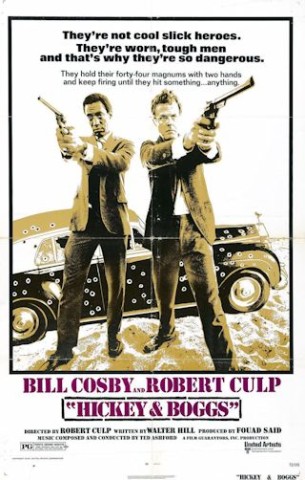
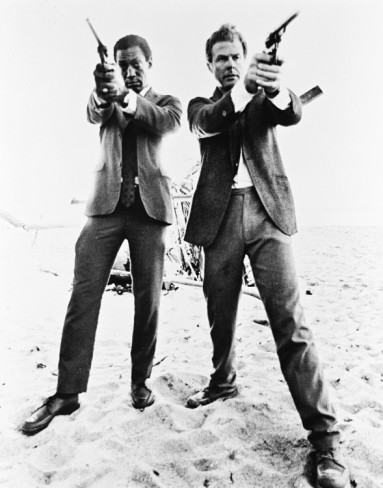 For the longest time it seems this movie languished in obscurity. I had heard of it almost as soon as I started delving into All Things Culp, but finding the thing proved a task. Up until 2011, there had not been an official DVD release and apparently whatever copy was out there floating around, was not of the greatest quality. One grainy clip of Culp and Cosby going into the hotel to try to find Mary Jane was about all I’d ever seen of the film. And that wasn’t even posted on YouTube.
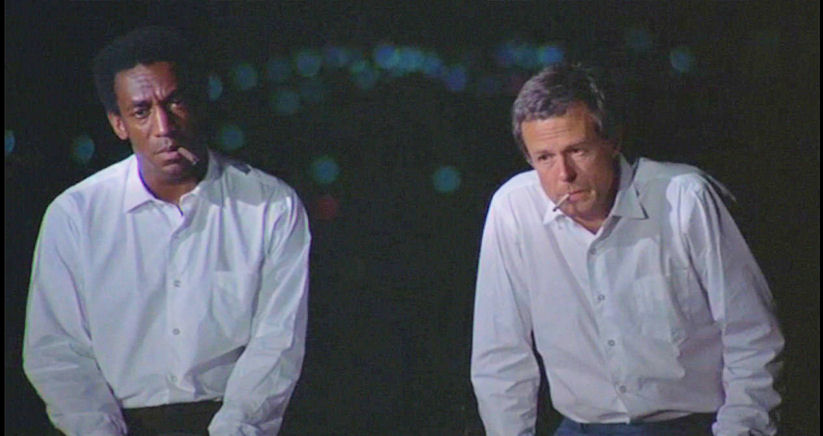
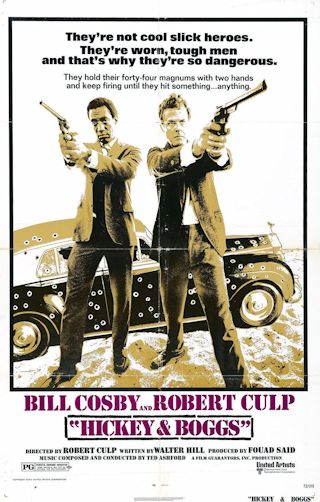
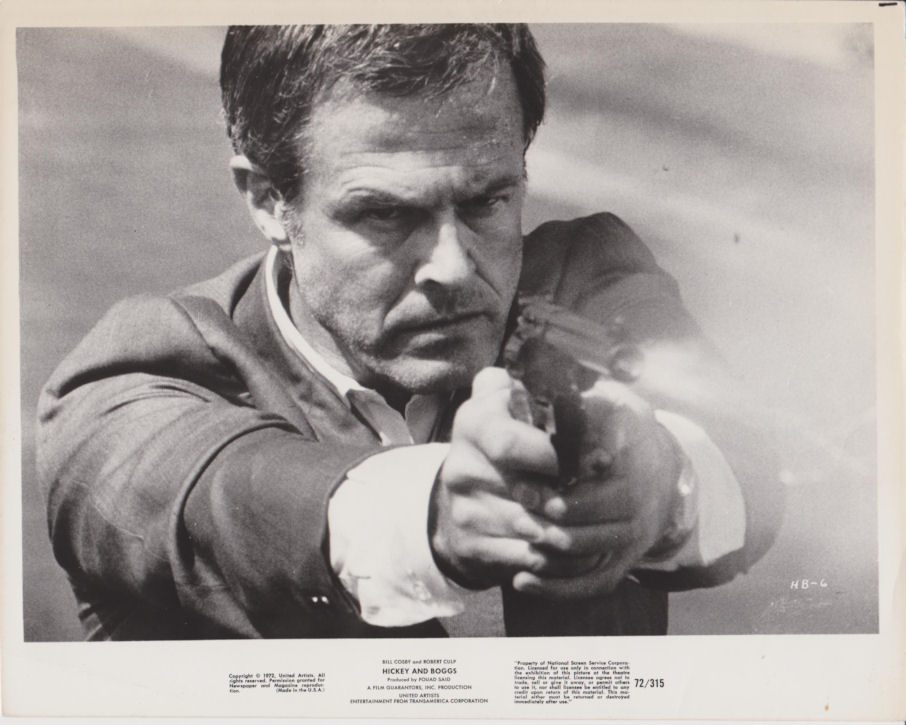
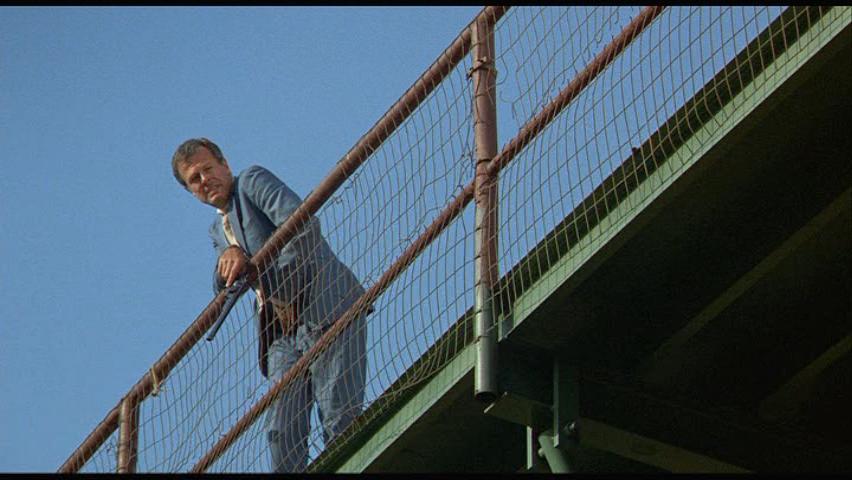
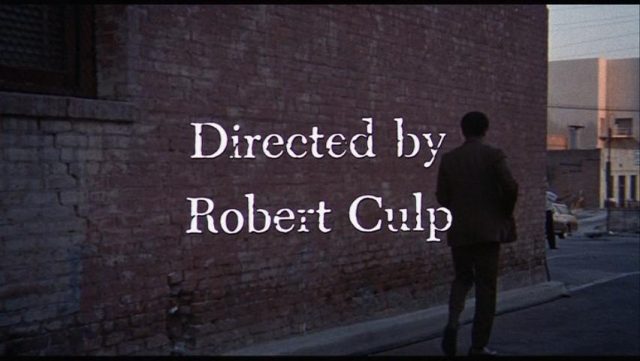
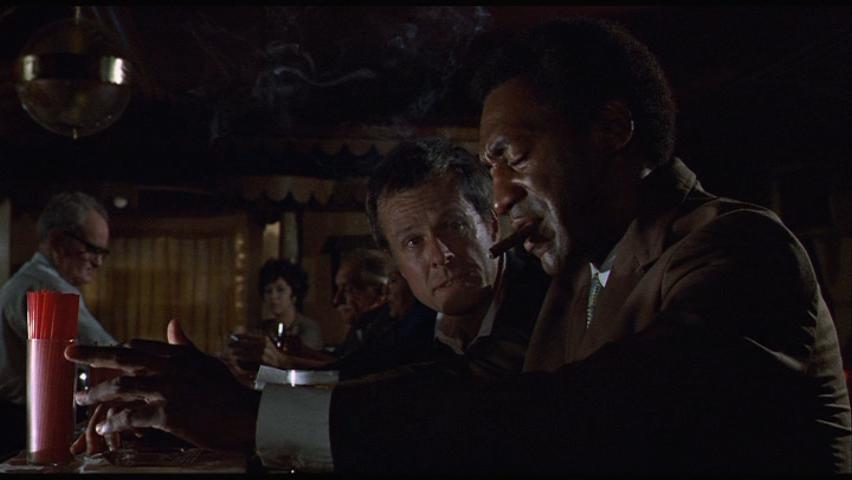
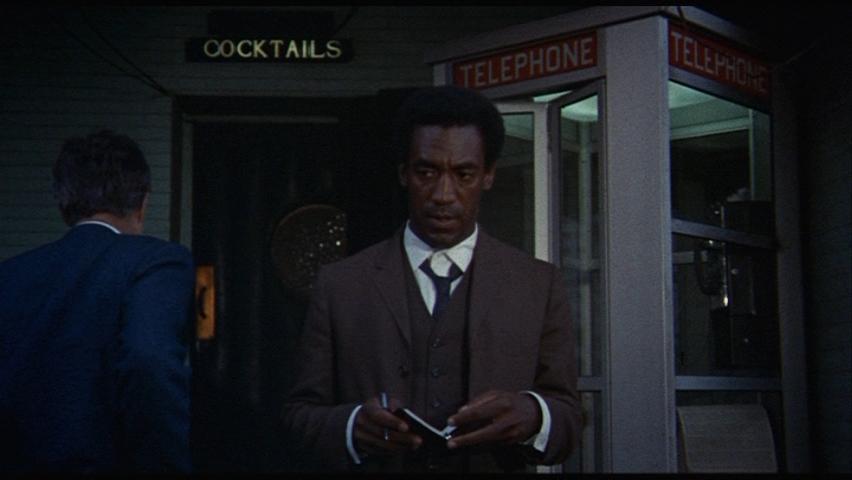
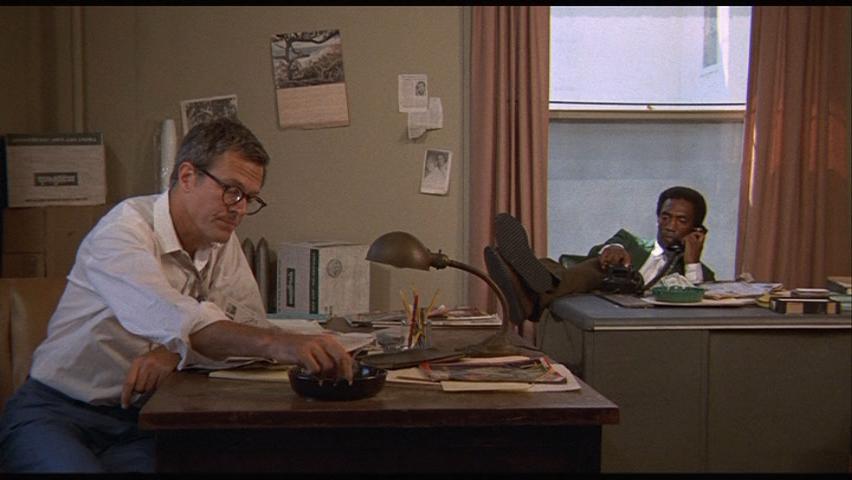
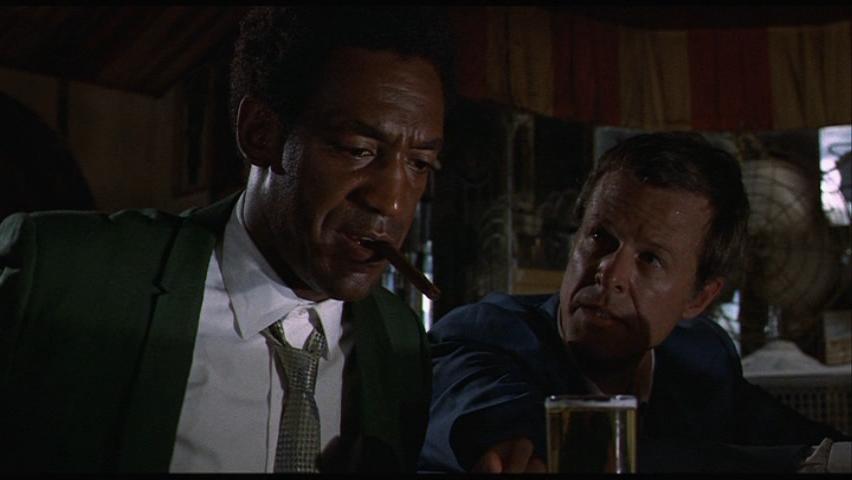

 Boggs, meanwhile, finds comfort and solace in a twenty dollar hooker. At the office. When he leaves the money on her coat, we never actually see her take it. With the dawn breaking over LA, Boggs sits in his chair with a drink and a dry toothbrush. He then brushes his teeth…and so begins a new day.


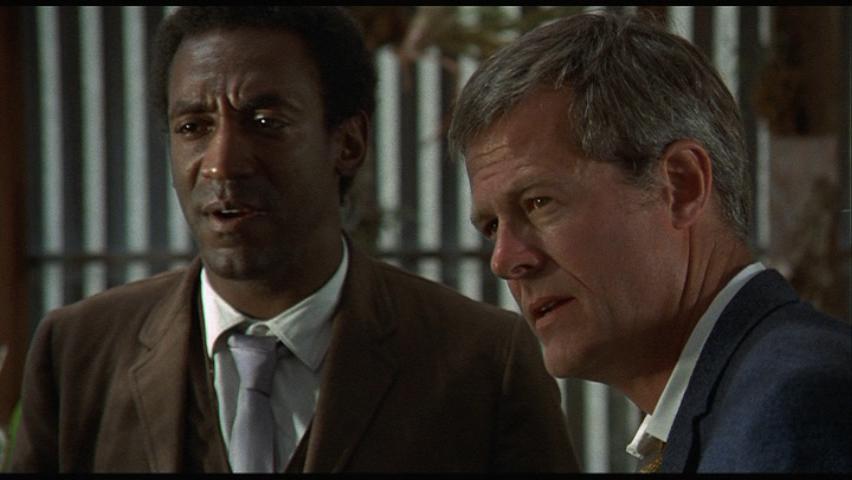
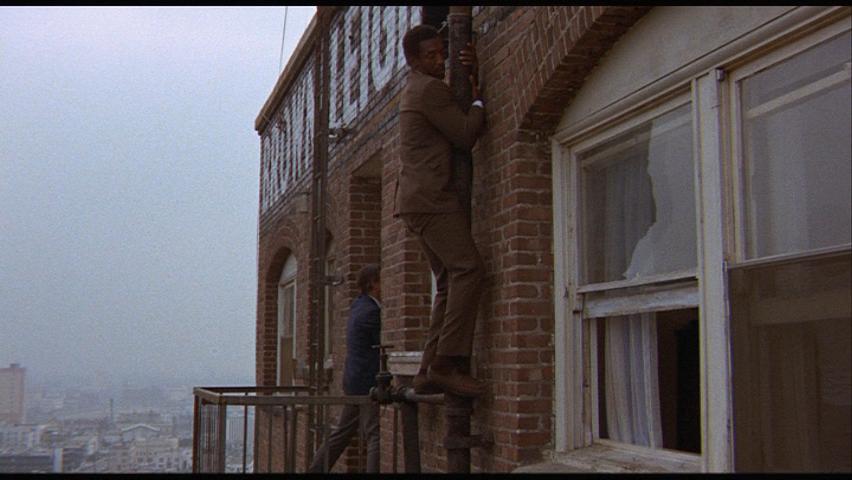
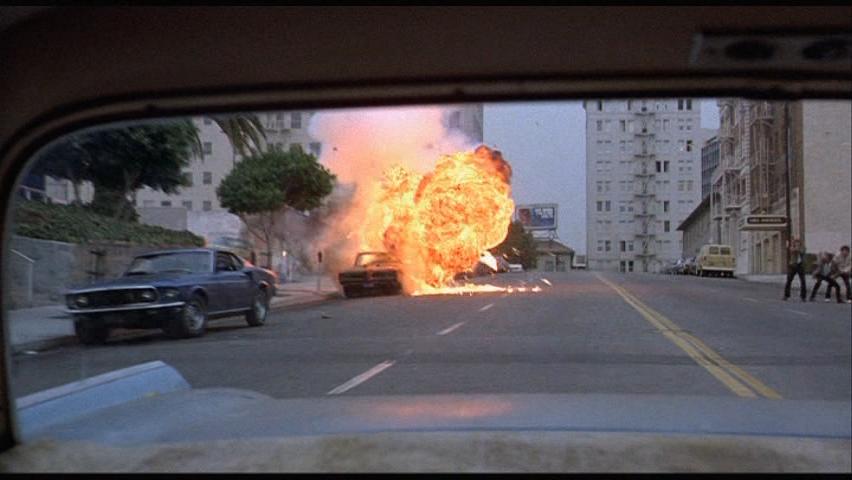 The two PIs crash through another room’s window and run like hell (for the most part. Culp can’t run worth a damn here and even goes tumbling down the bottom of the stairs. But there’s a reason for that. Stay tuned). When they get outside, Boggs grabs his “out of order” paper bag off the parking meter and runs to the back of the torpedoes GTO. He stuffs the bag in the gas cap and lights it. He and Hickey take off as the torpedoes come out of the building and start shooting at them….and the GTO blows sky high.
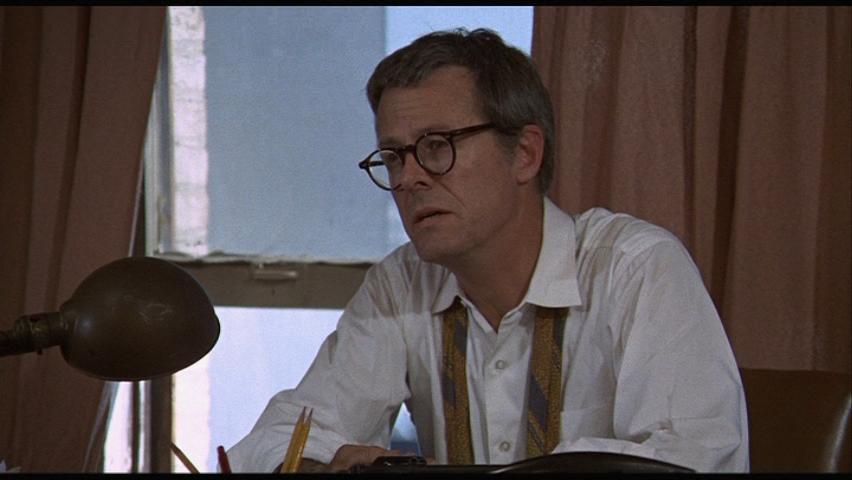
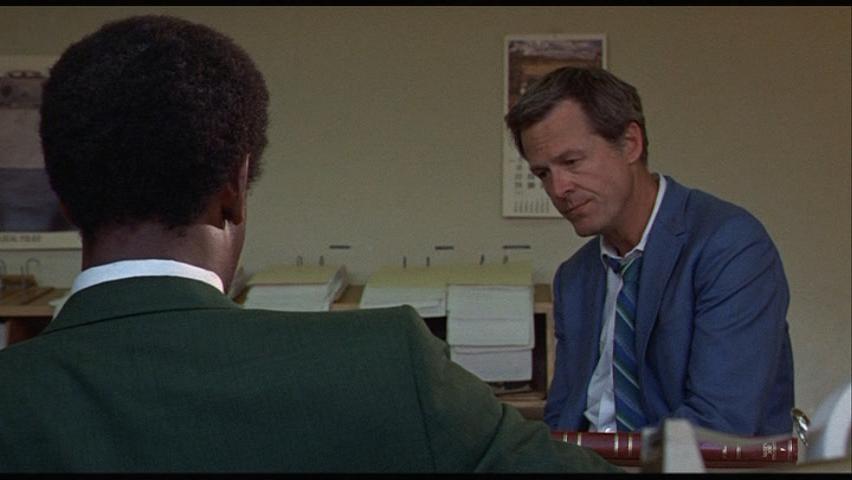
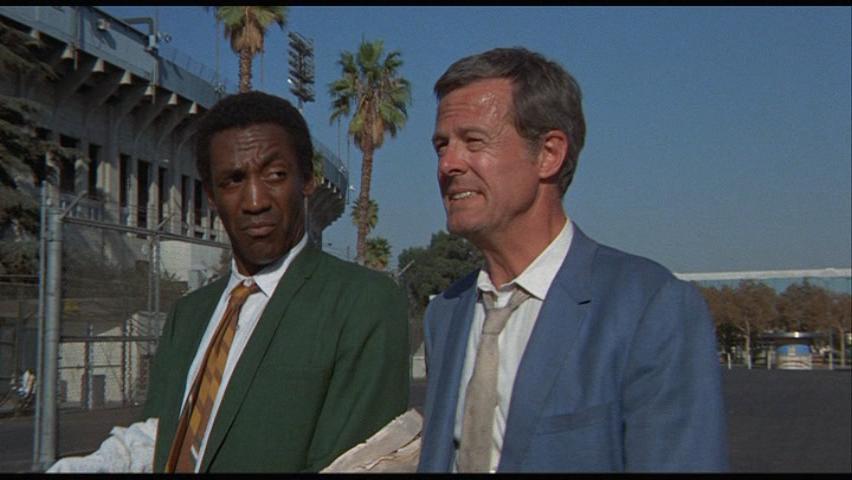
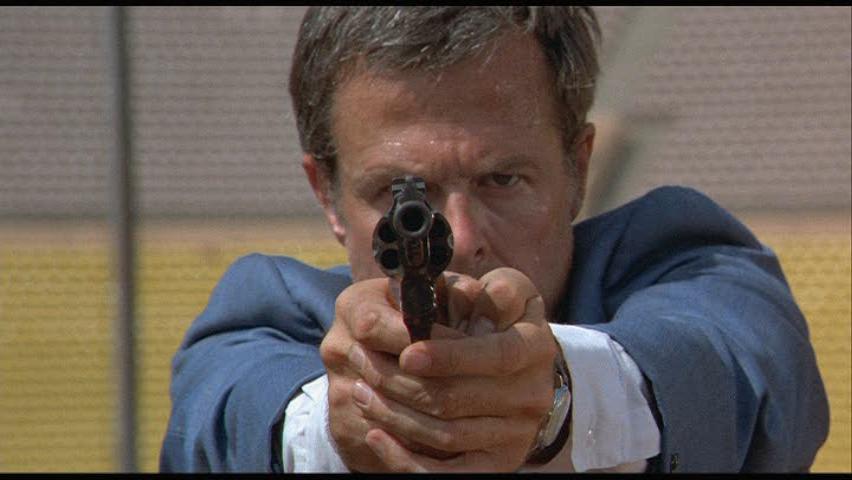
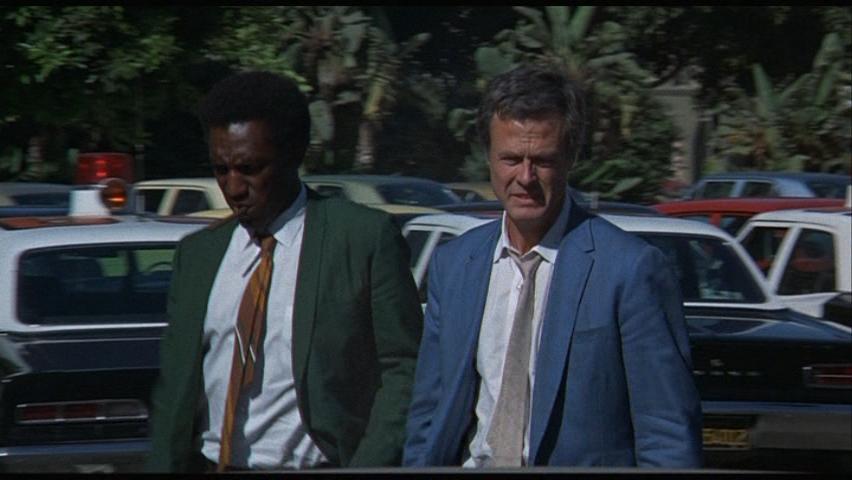
 When he goes to see Eleana Cole, Boggs doesn’t know it but he ends up face to face with Rice, the guy who had hired him and Hickey to begin with. He asks to see Mrs. Cole to talk about Clifton Farrow and Mary Jane Bower. He’s brought in to see what turns out to be Mr. Leroy (another name on Farrow’s note), a black revolutionary.


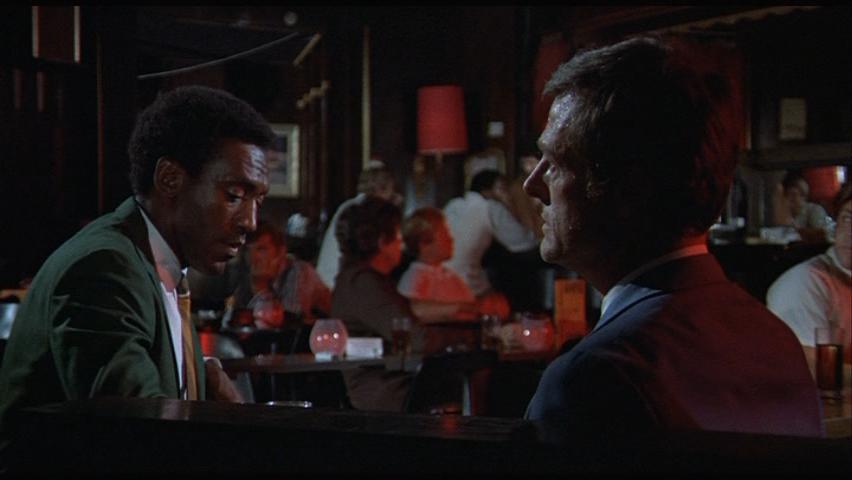
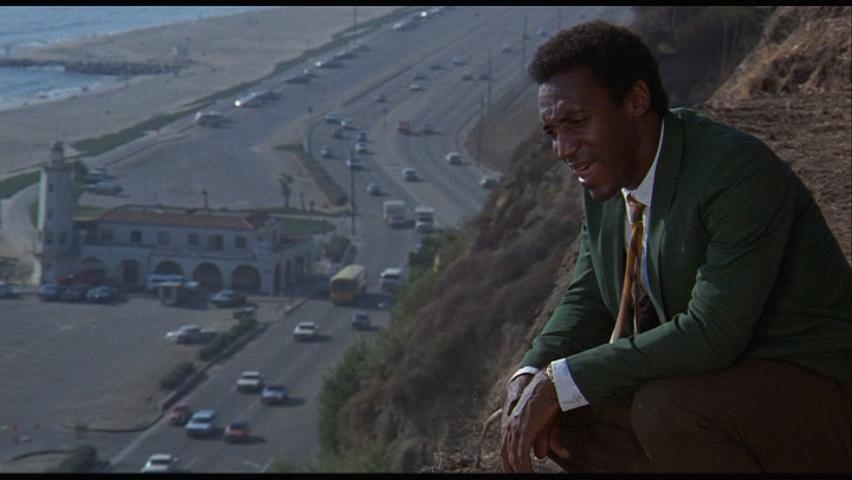
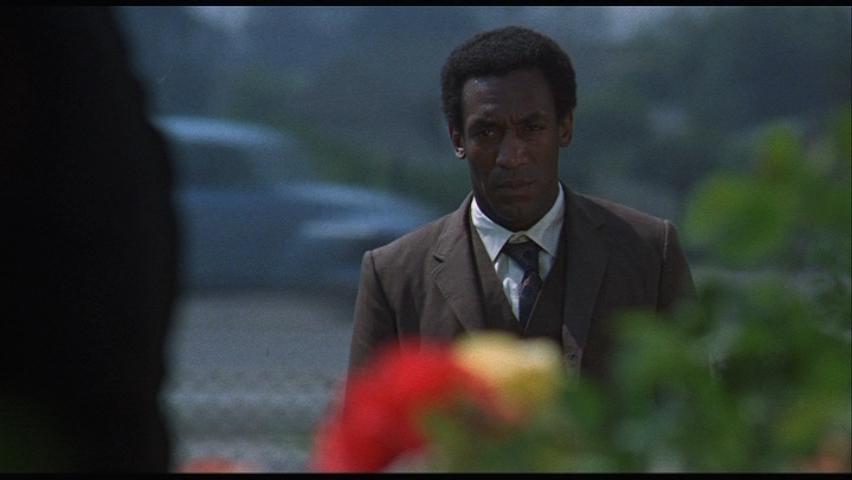


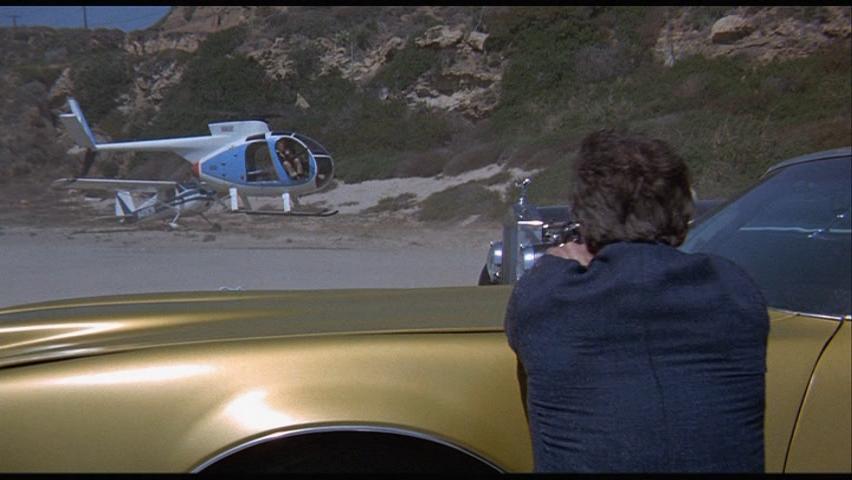
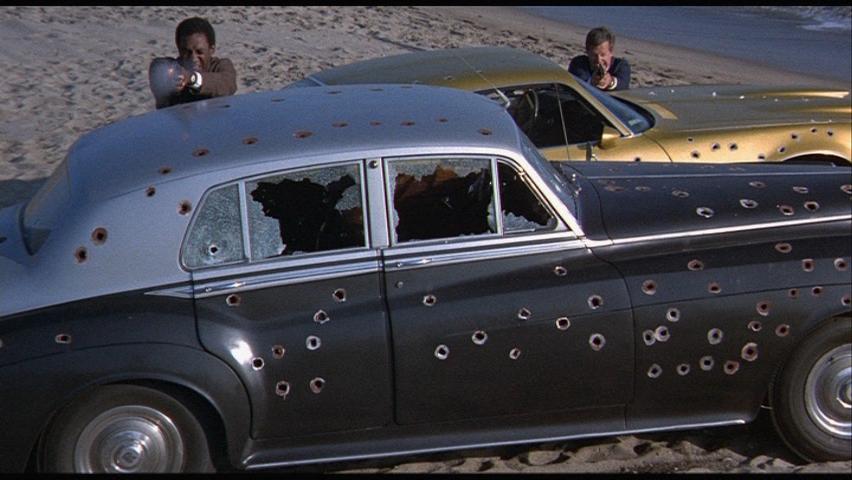
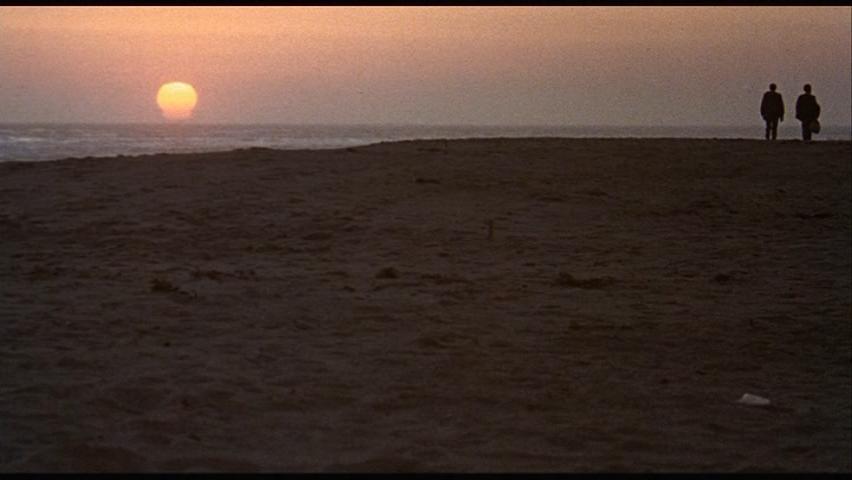
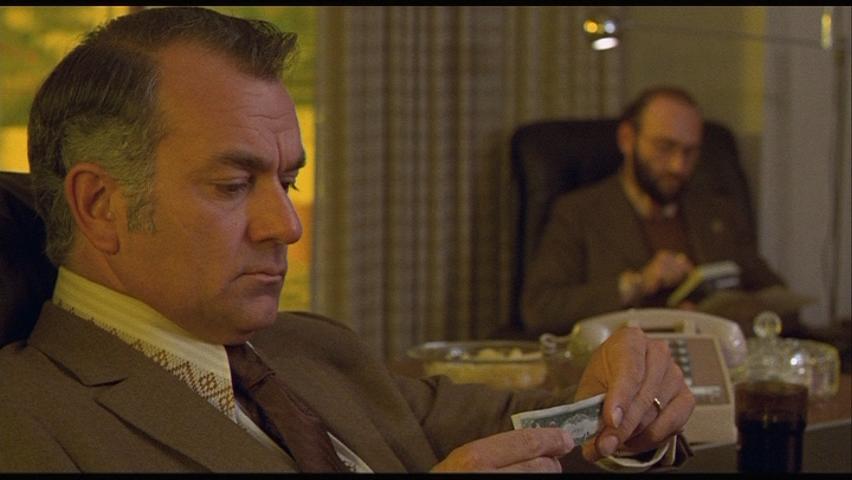
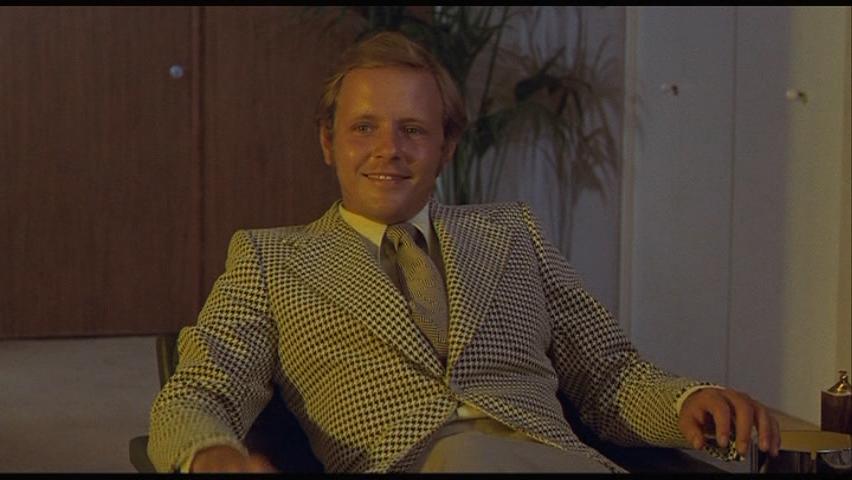
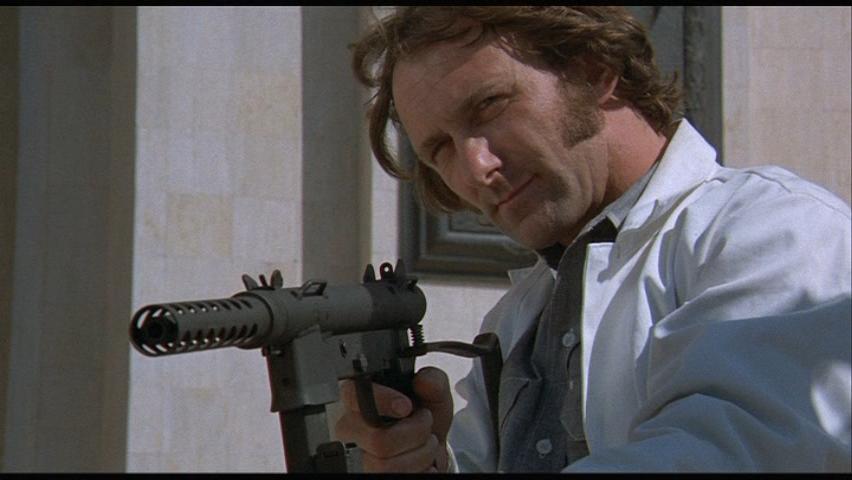
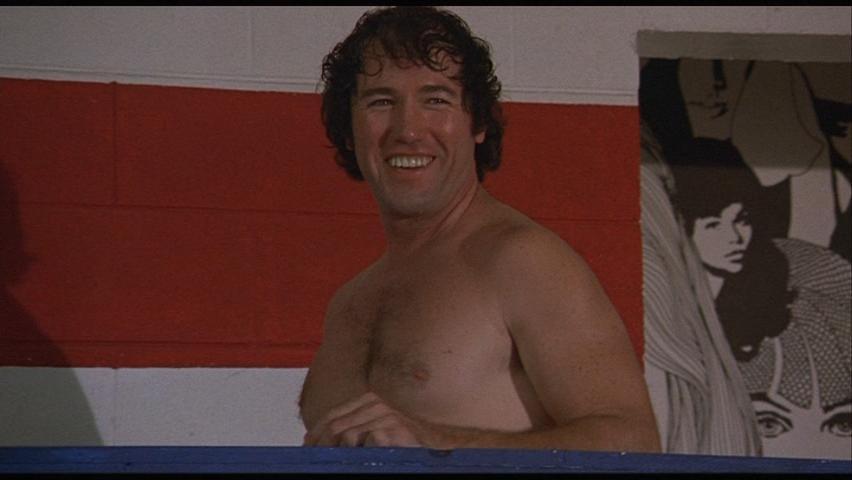
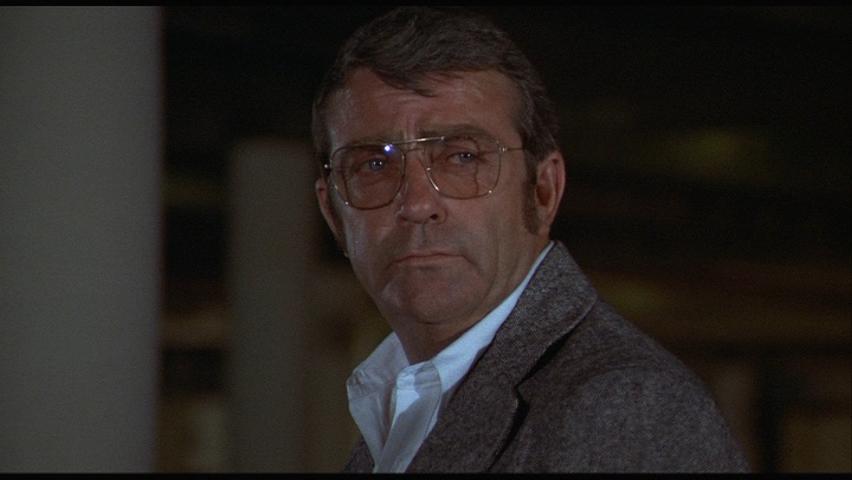


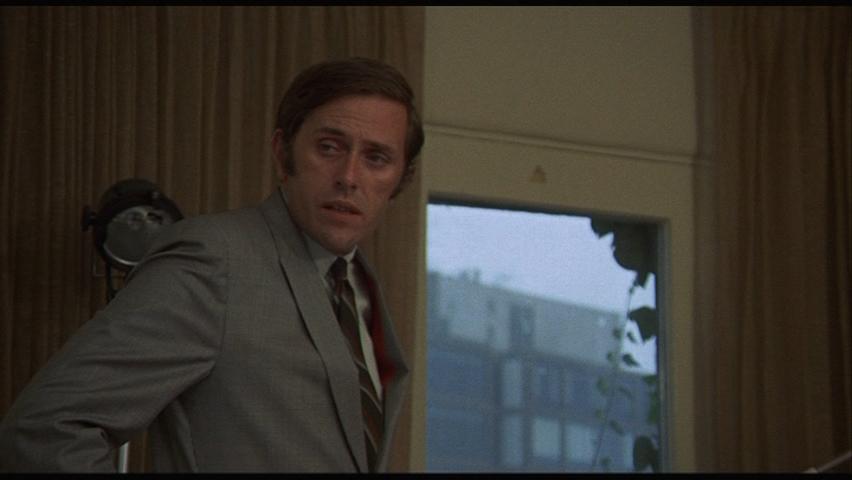
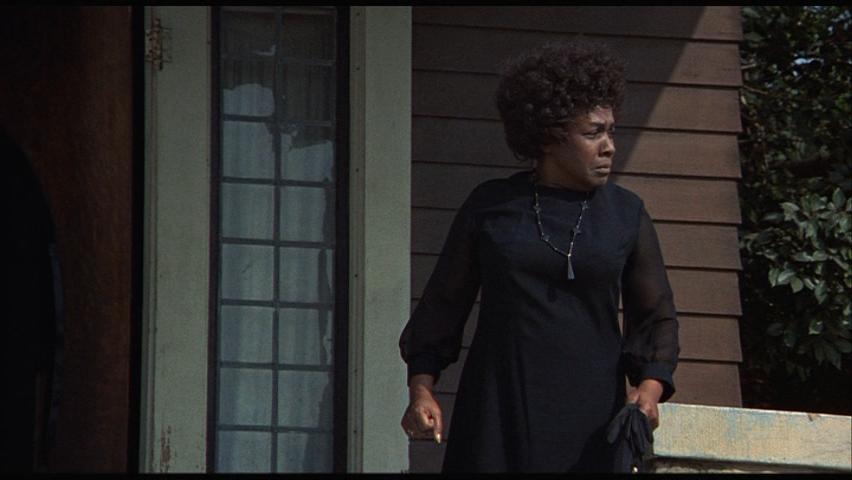
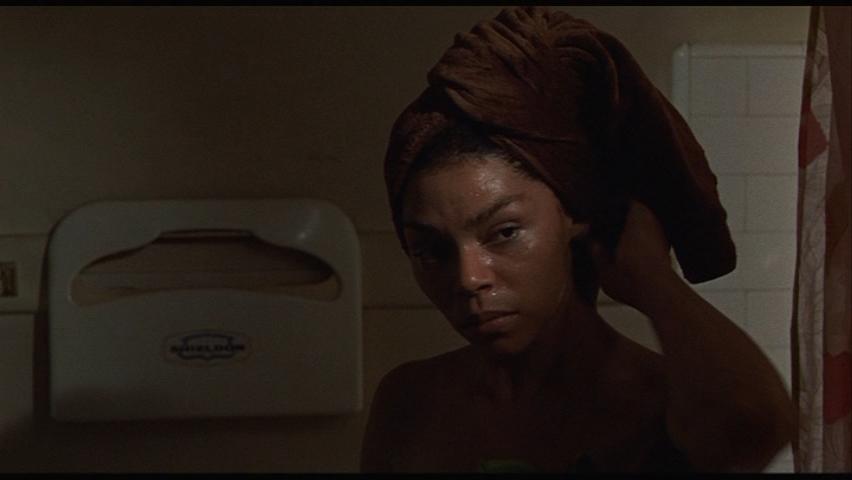
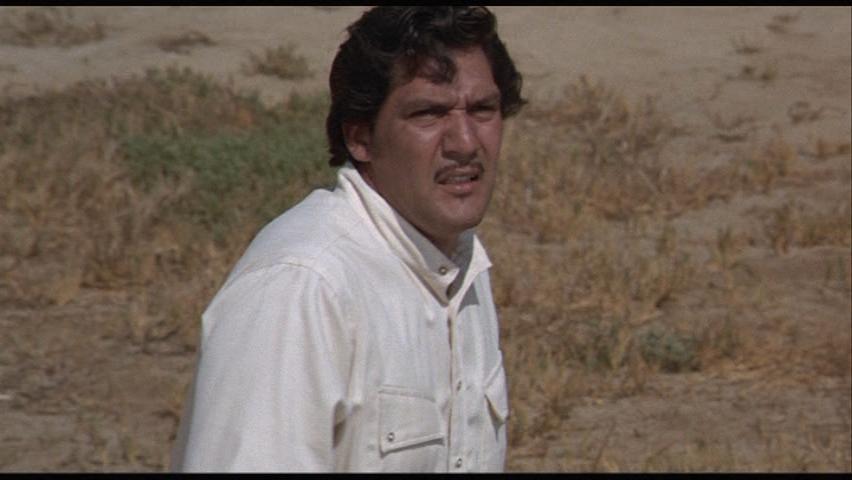

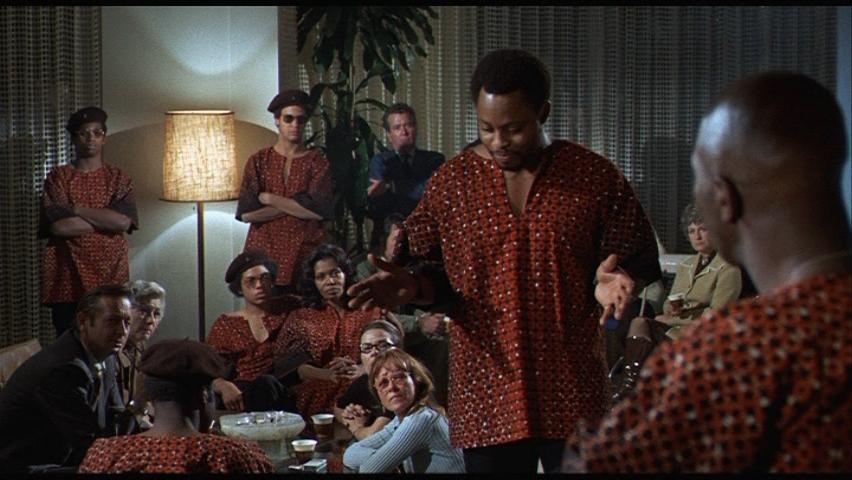
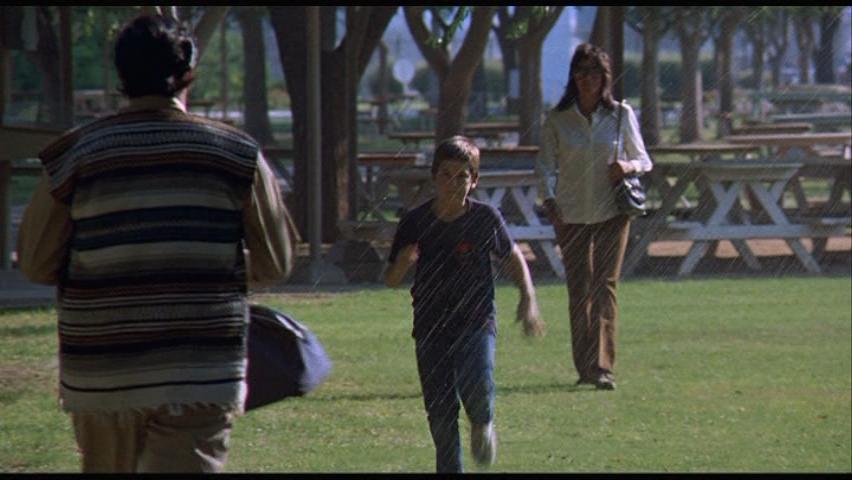
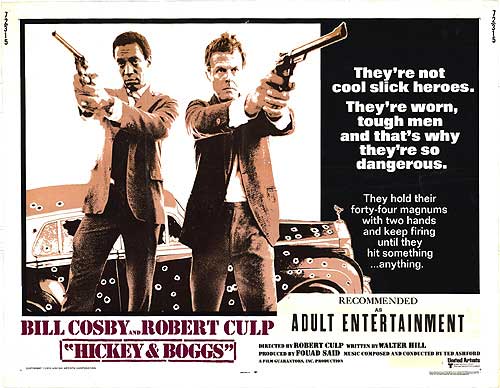
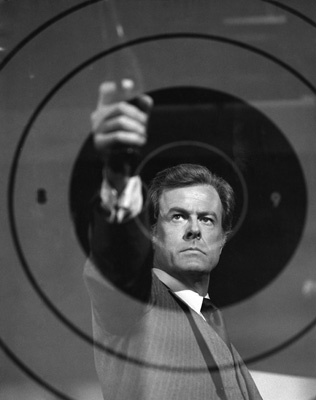
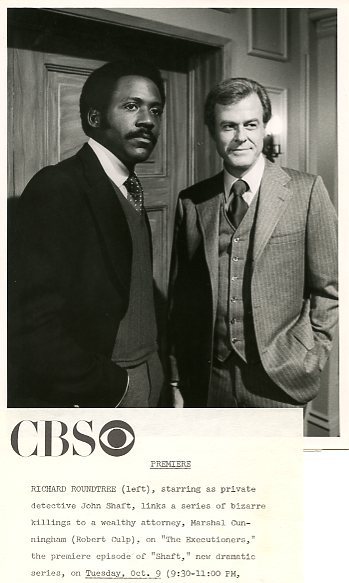
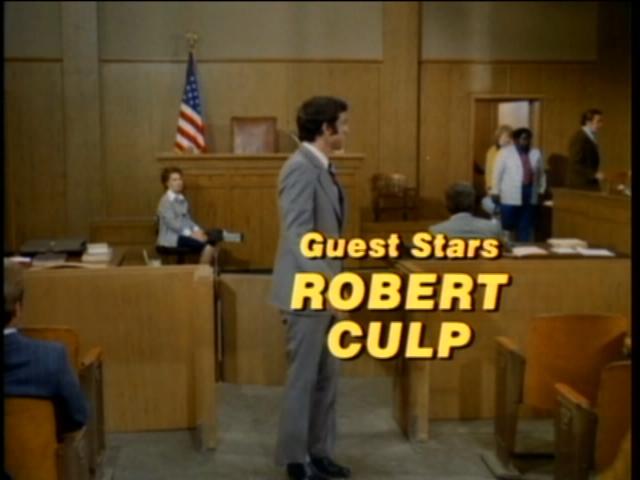
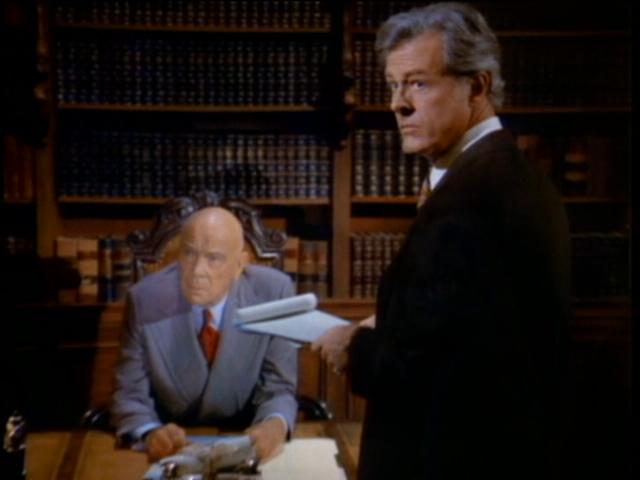
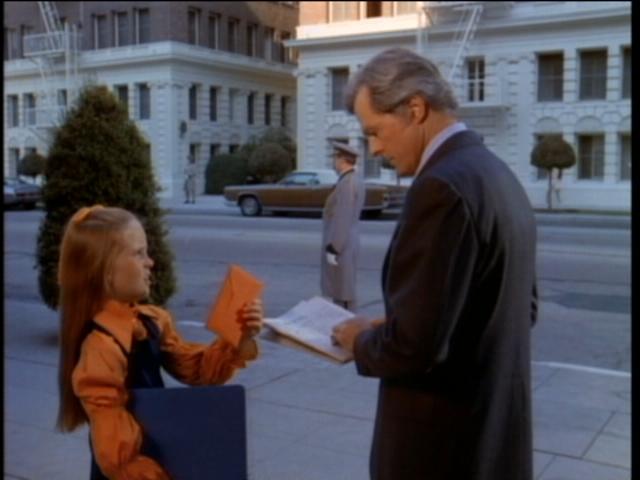
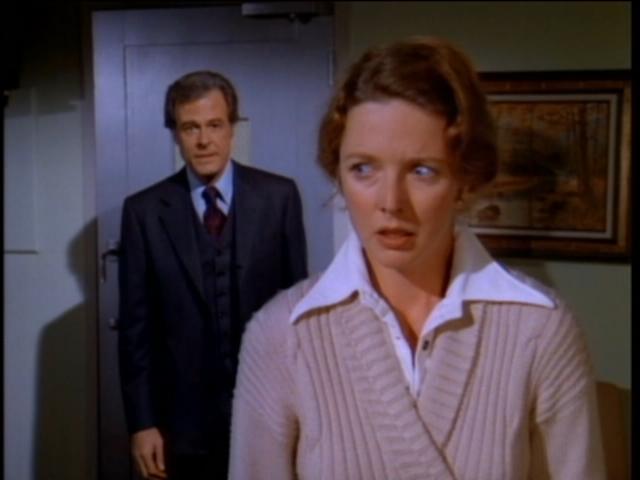 With Shaft working on investigating who killed Dawson, Cunningham has instructed police officer Lou Turner (Richard Jaeckel) to make sure Shaft doesn’t get far in his investigation. Specifically, Cunningham told Turner that if Shaft gets too close “to see that he has a short life.”
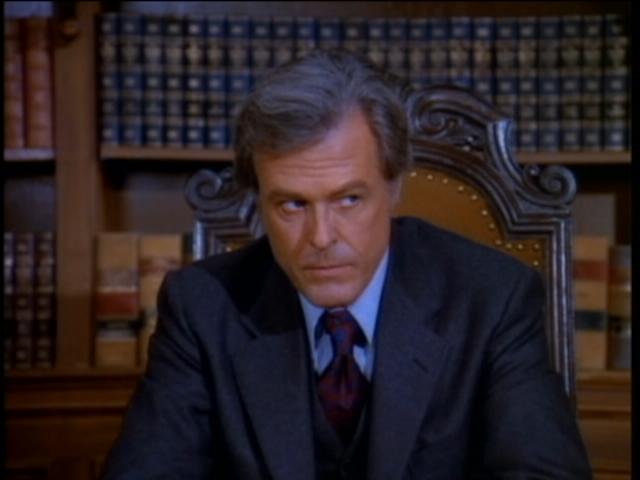
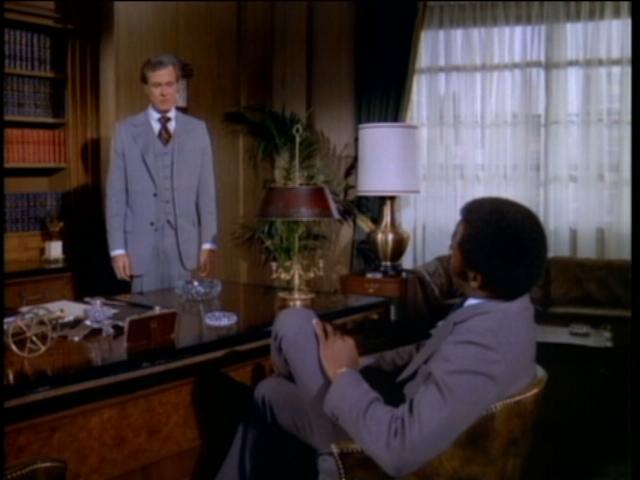
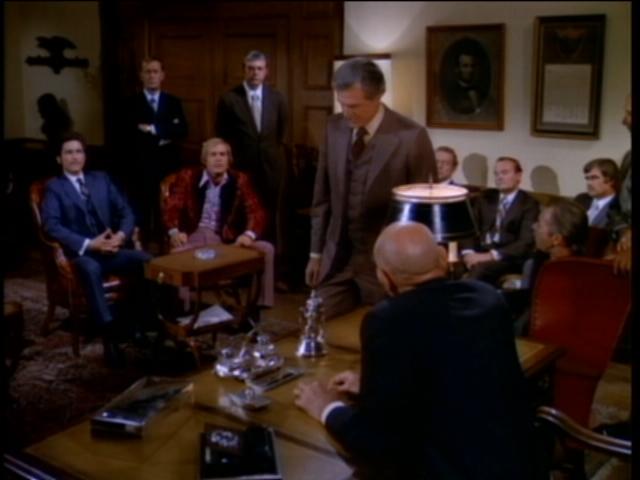
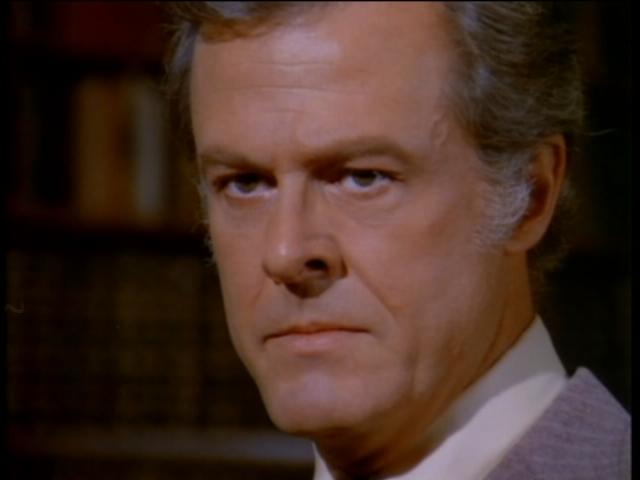
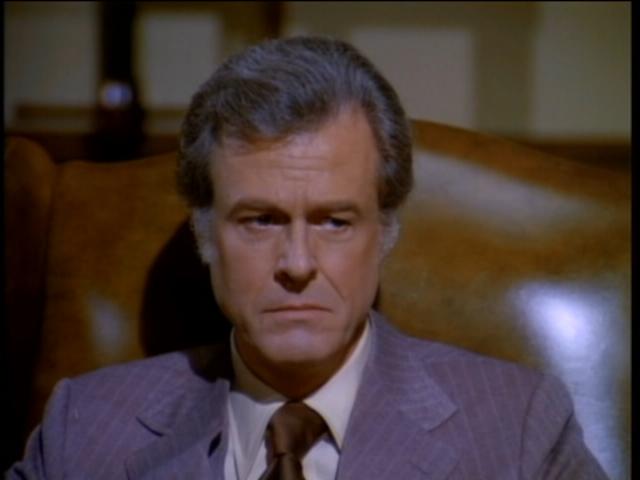
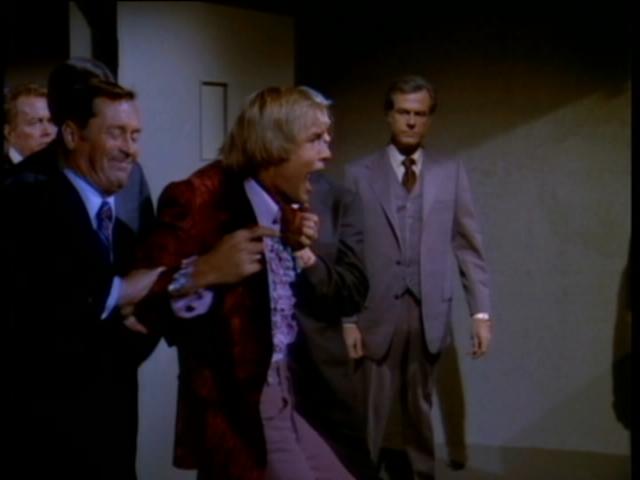
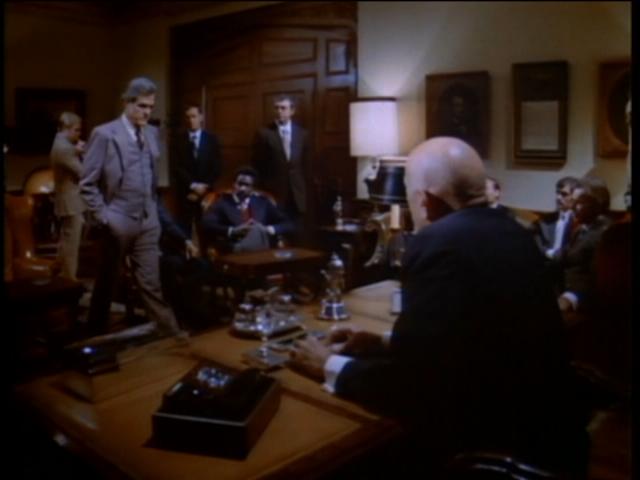
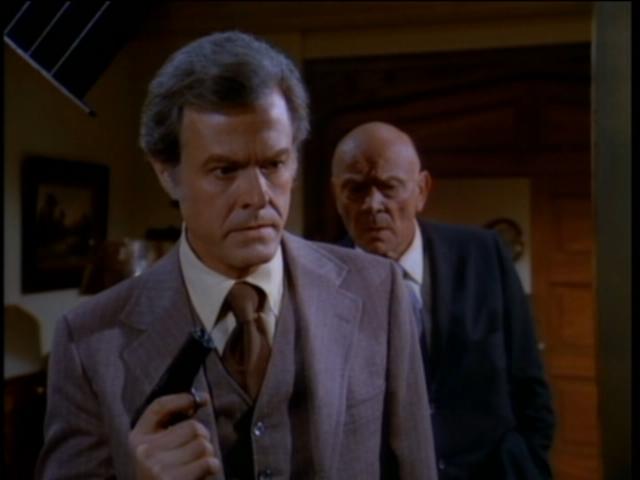
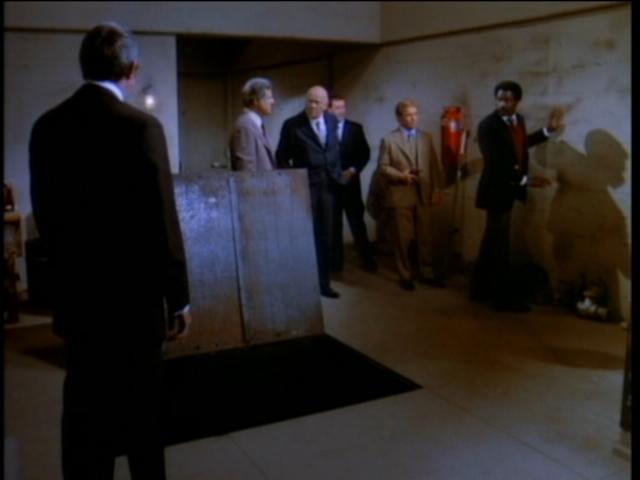
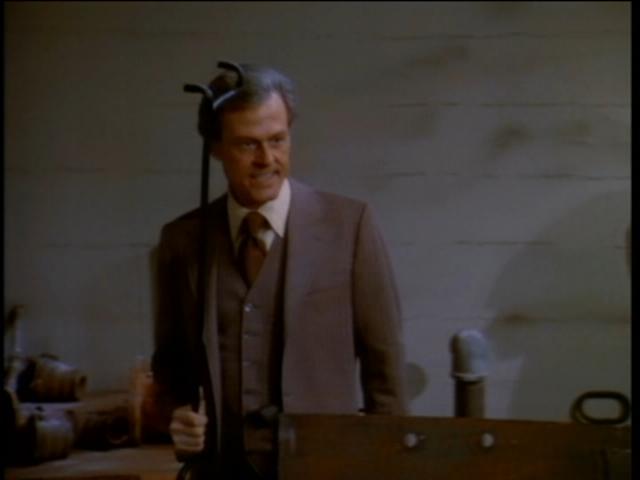
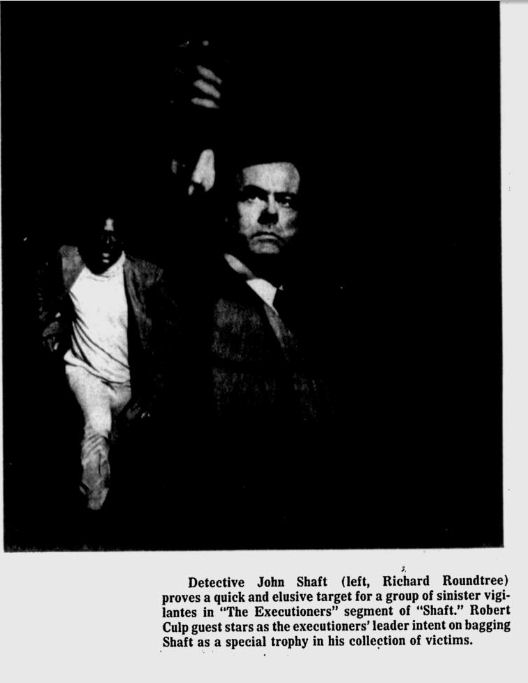
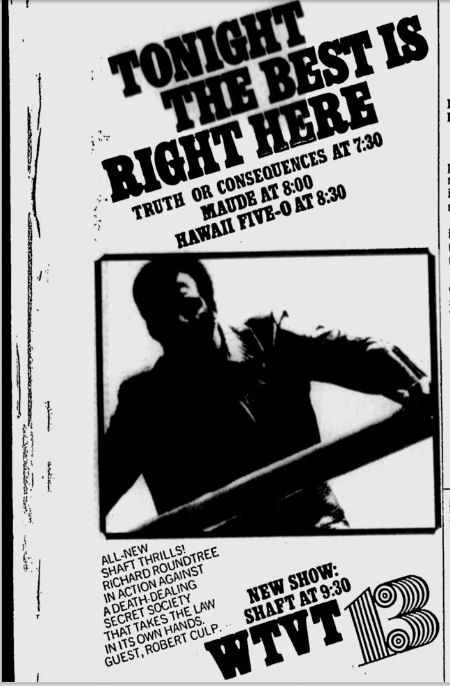
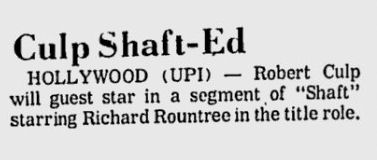
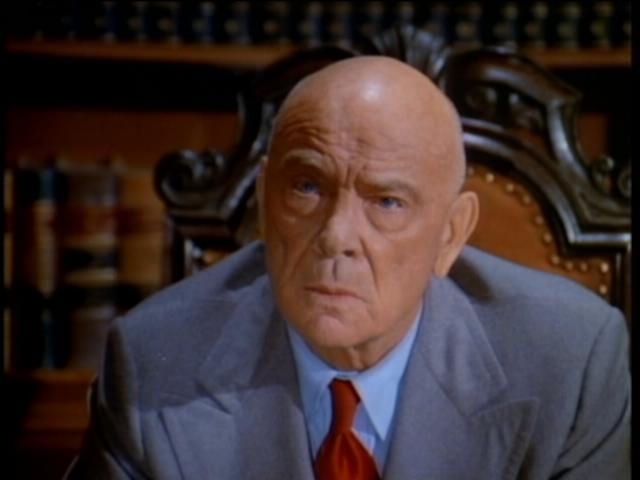 Dean Jagger (Judge McCormick) – Academy Award winning actor who first started in films in 1929. Played Brigham Young in the 1940 biopic “Brigham Young” (with Tyrone Power and Vincent Price), appeared in films such as “Twelve O’Clock High” (supporting actor Oscar win) 1949, “White Christmas” 1954, “Bad Day at Black Rock” 1955, “Cash McCall” (with James Garner) 1960, and “First to Fight” 1967 . Was nominated twice for an Emmy for his role as Principle Albert Vance on the 60s tv series “Mr. Novak” (1963-1965)
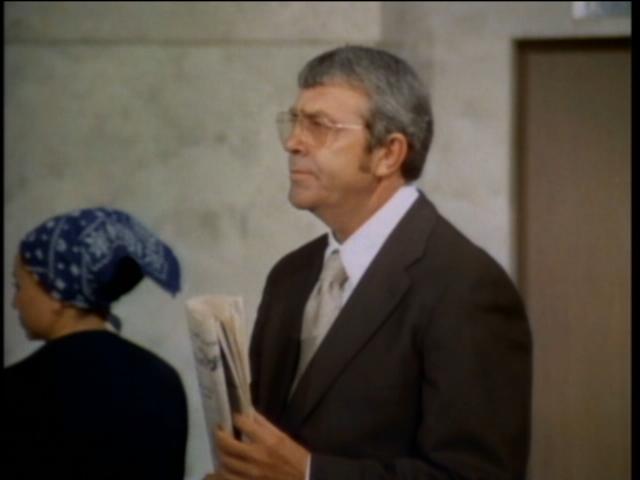
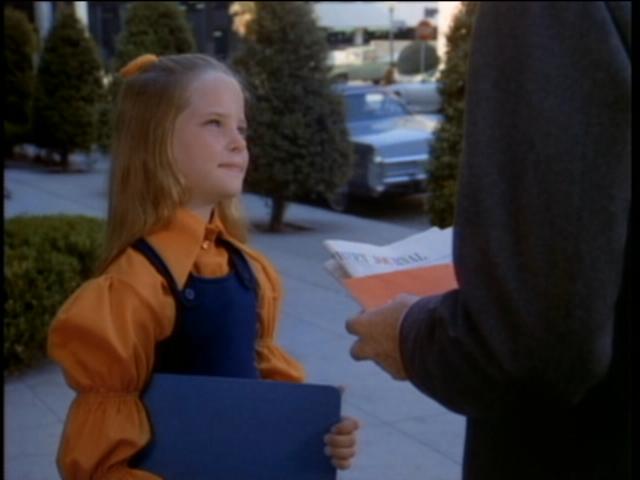
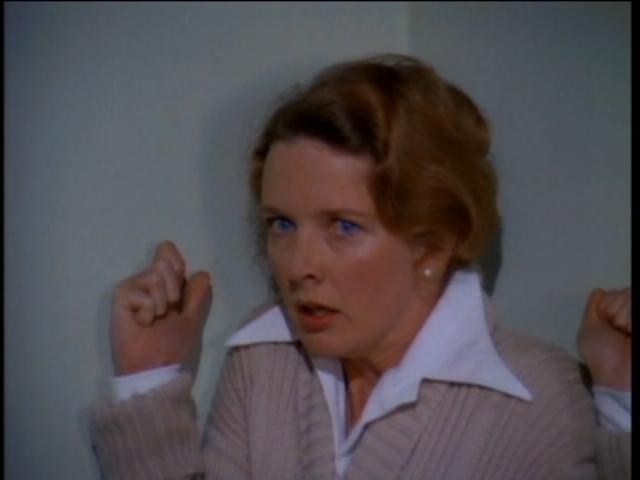
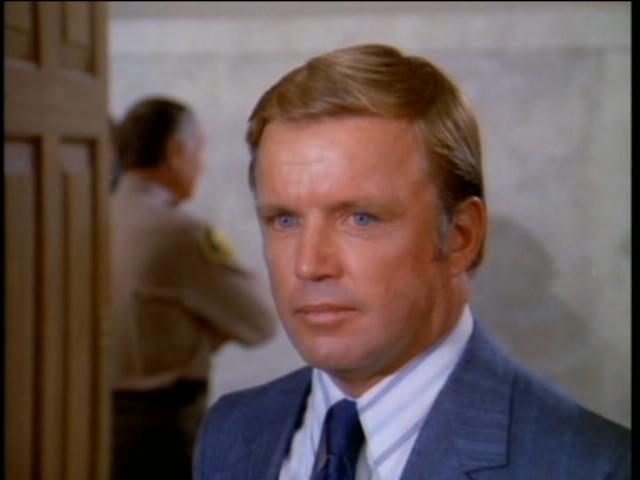
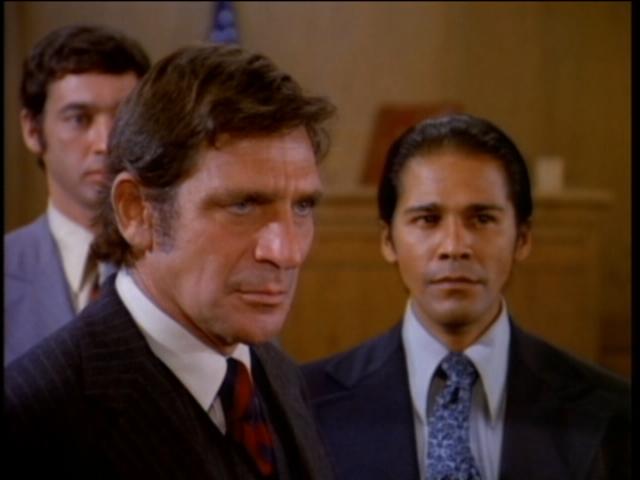 Noah Keen (Charles Dawson) – Veteran character actor who often played doctors, lawyers and police officers. Guested on many television shows from the 60s through the 80s.
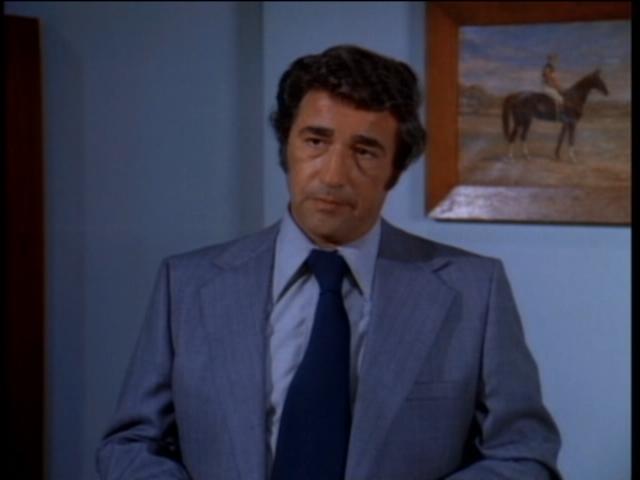
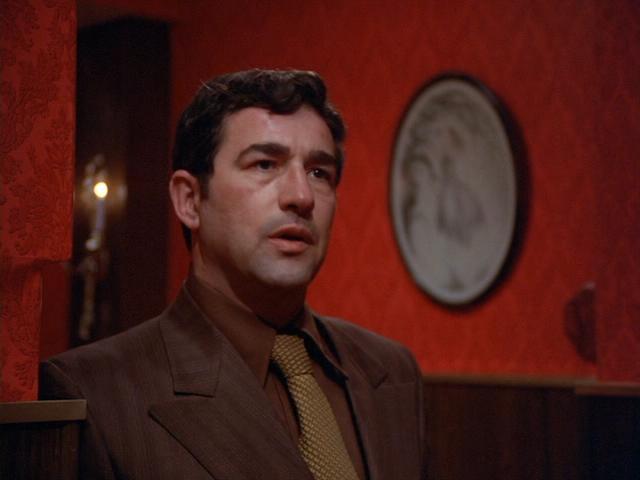
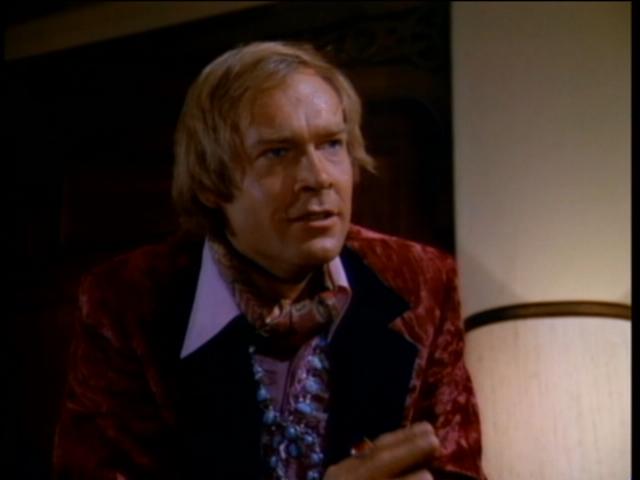 Kaz Garas (Gerald Fell) – If he looks familiar, and he should, the Lithuanian born Garas guest starred on numerous television series’ back in the ’70s and ’80s, including “Cannon,” “The Streets of San Francisco,” “Hawaii Five-O” and “The Dukes of Hazzard.”
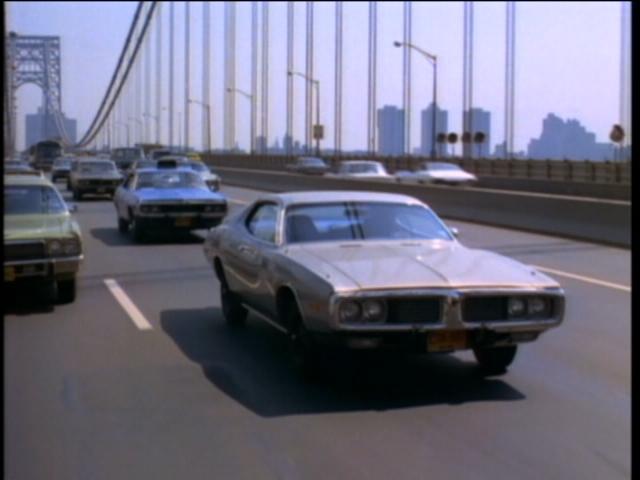

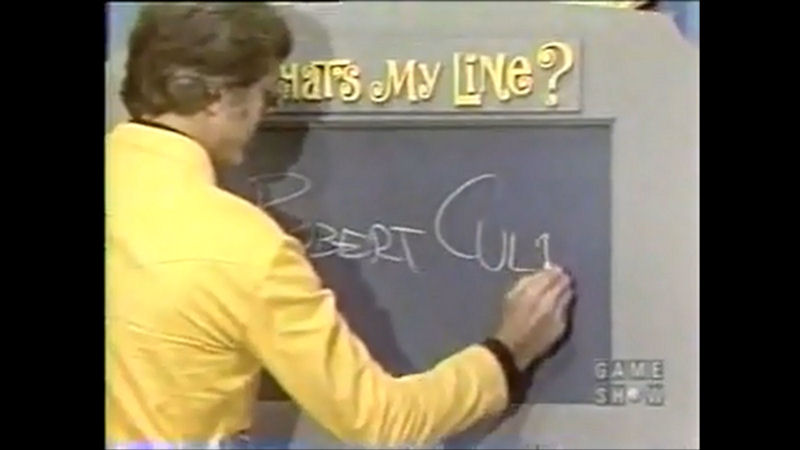
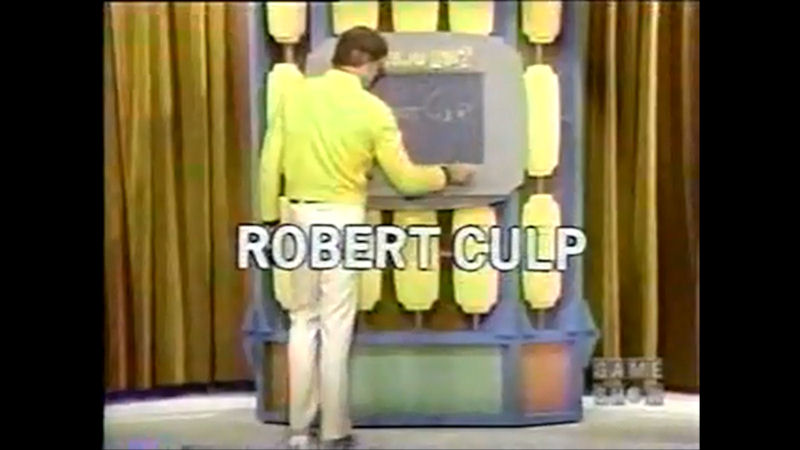
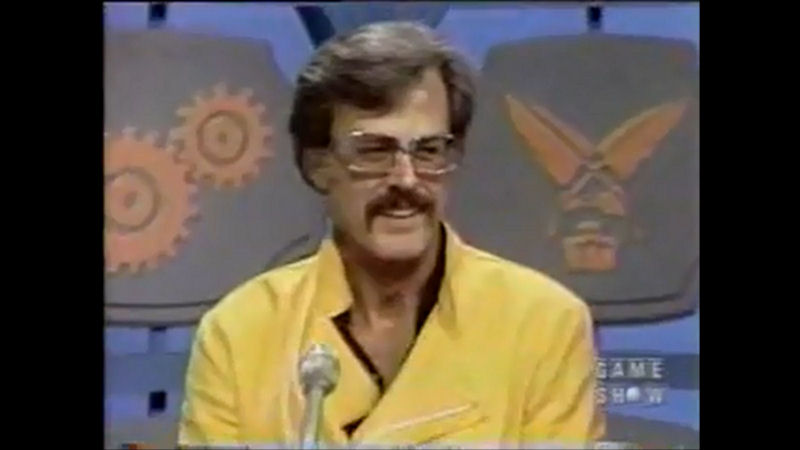
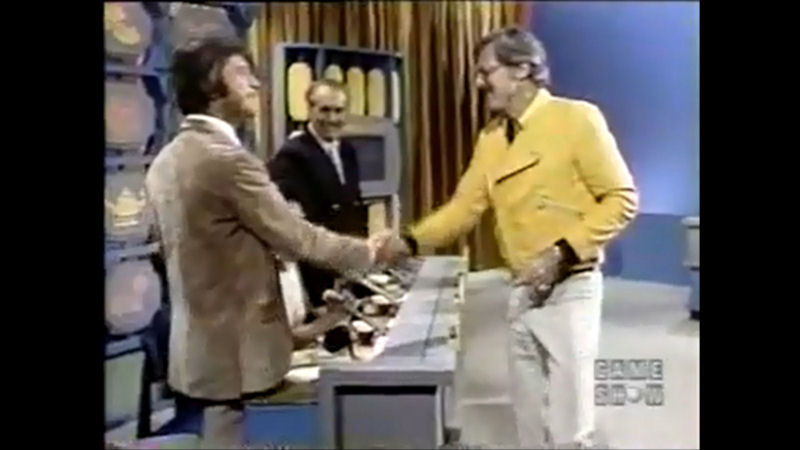
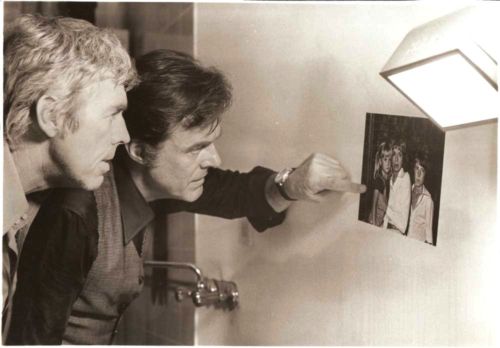
 is available for pre-order at Amazon.com. (Disclosure: If you purchase through the provided link, I receive compensation. Click
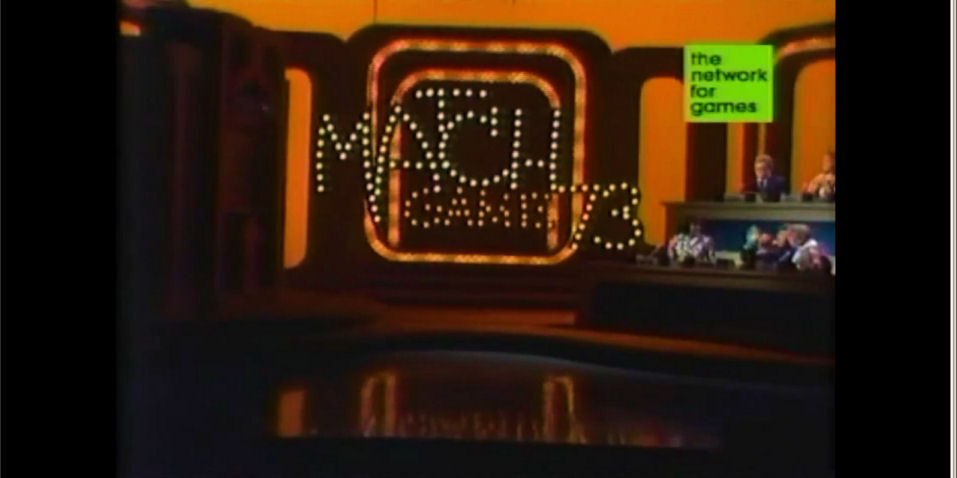
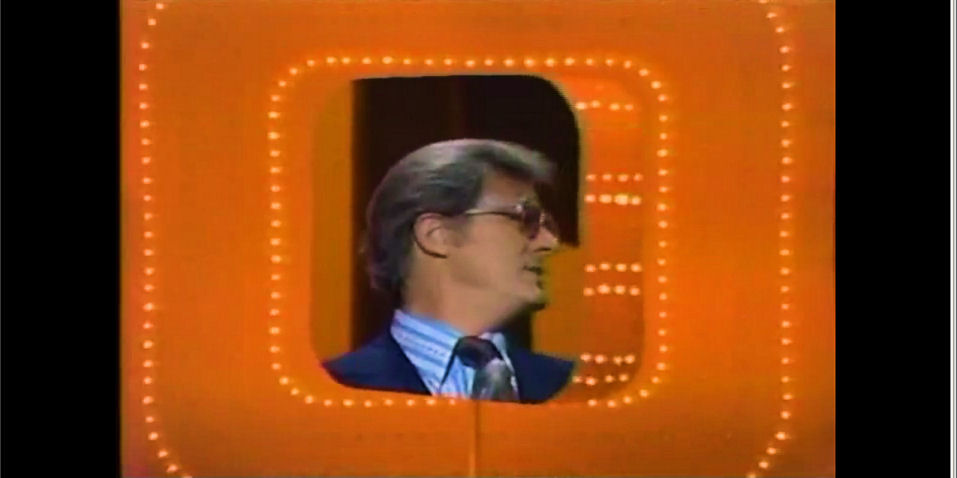
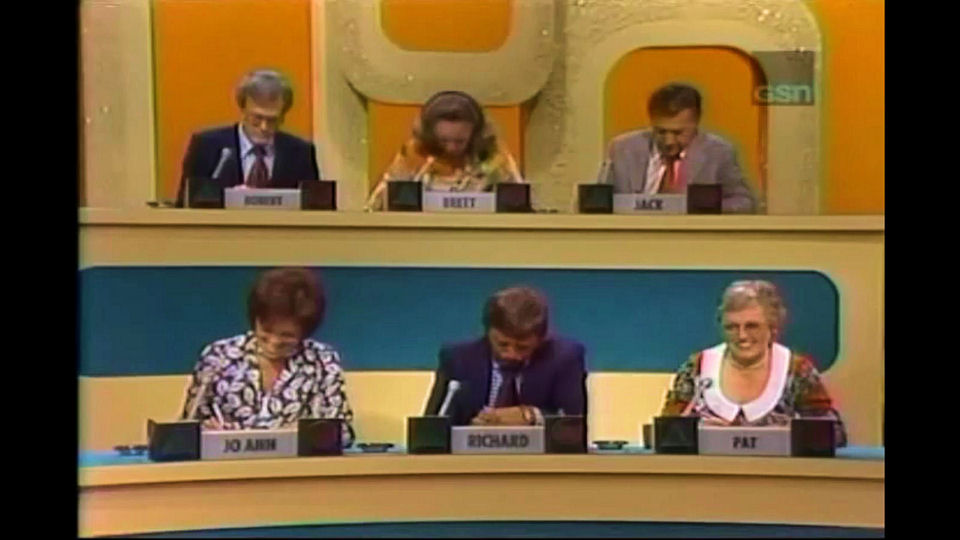
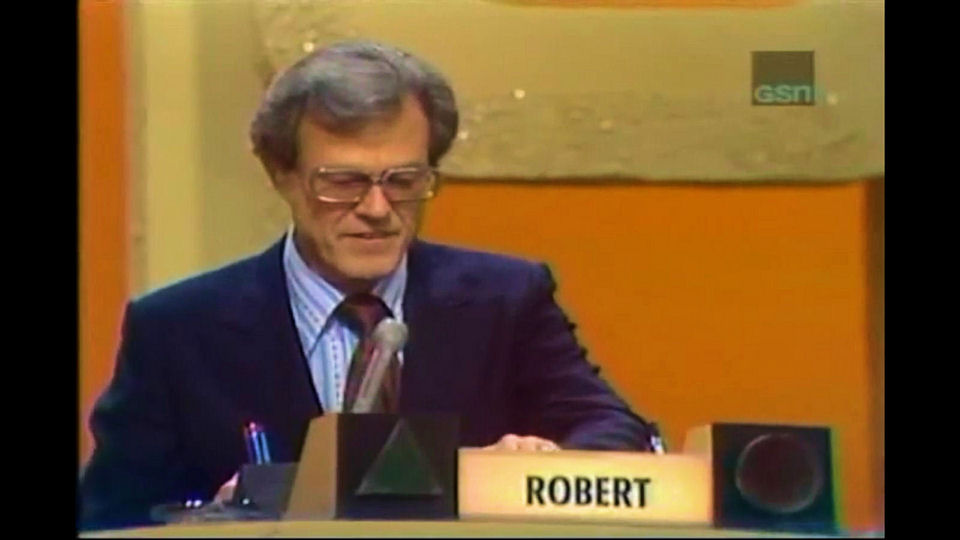
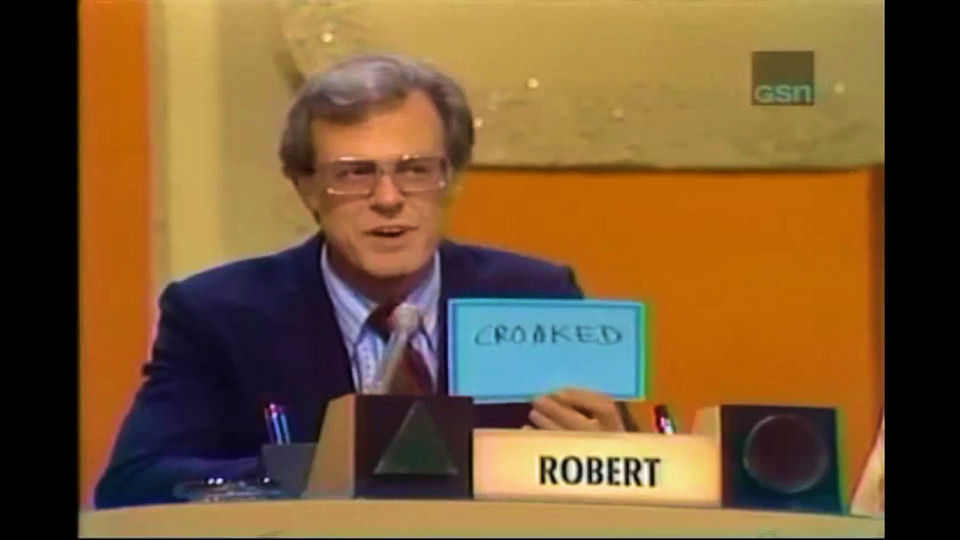
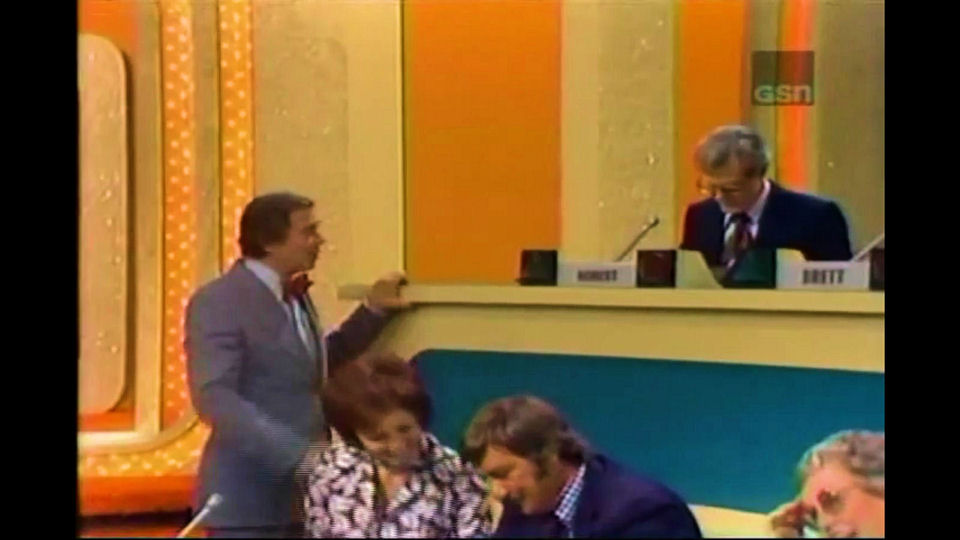
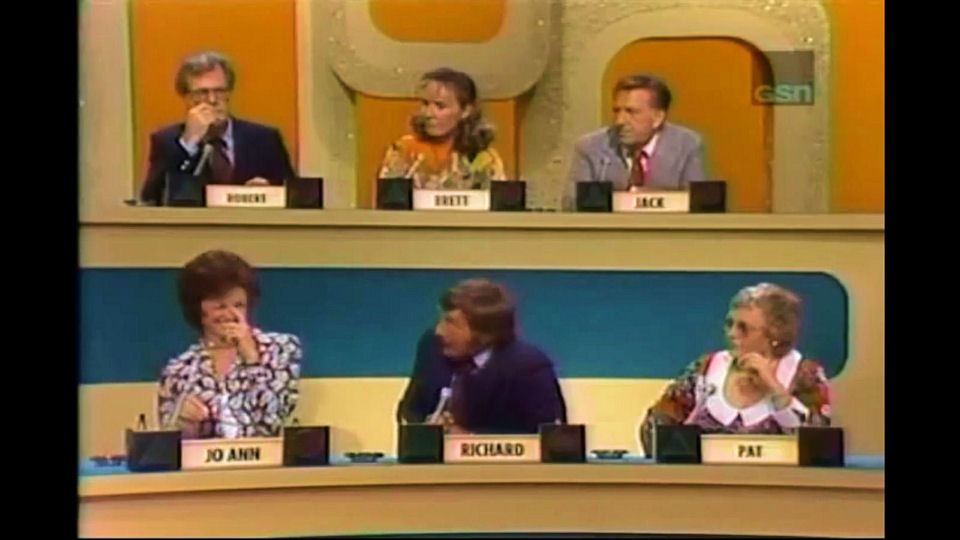
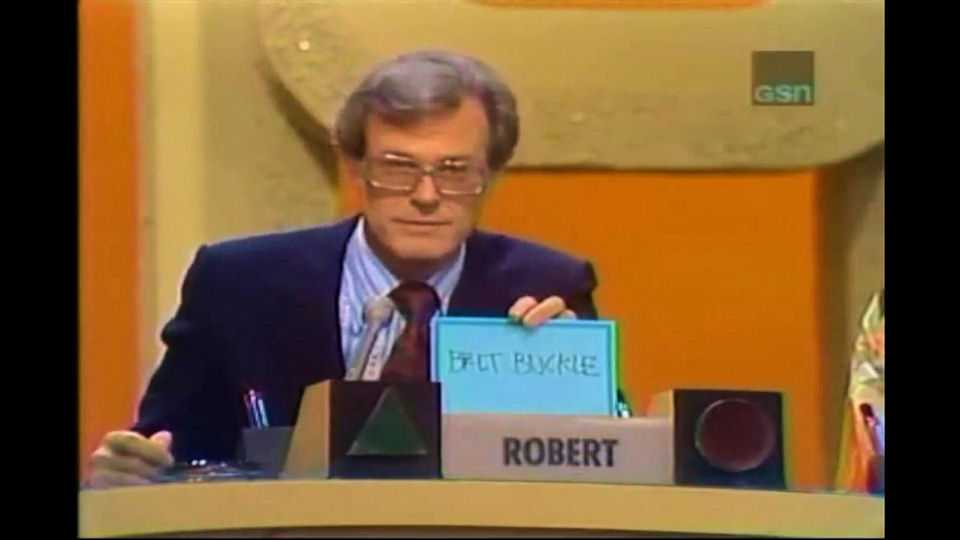
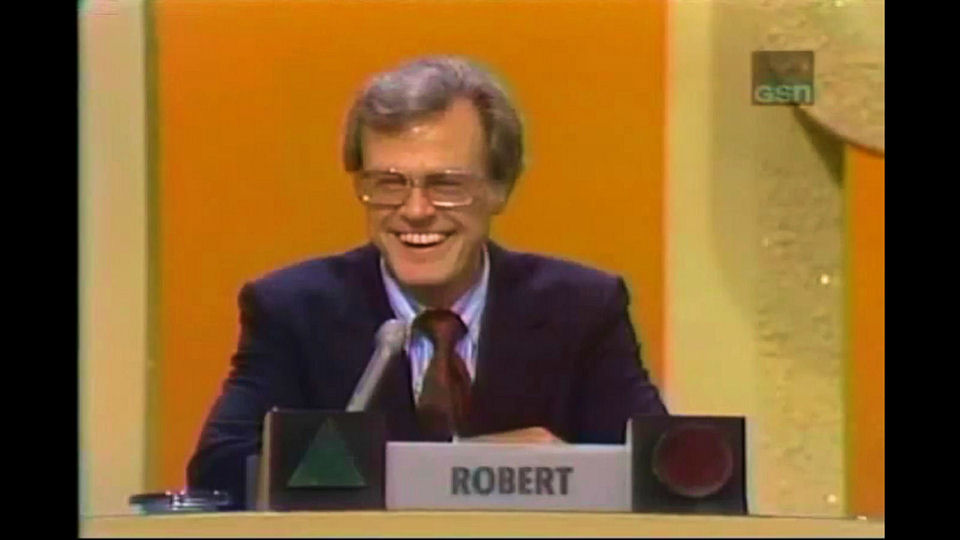
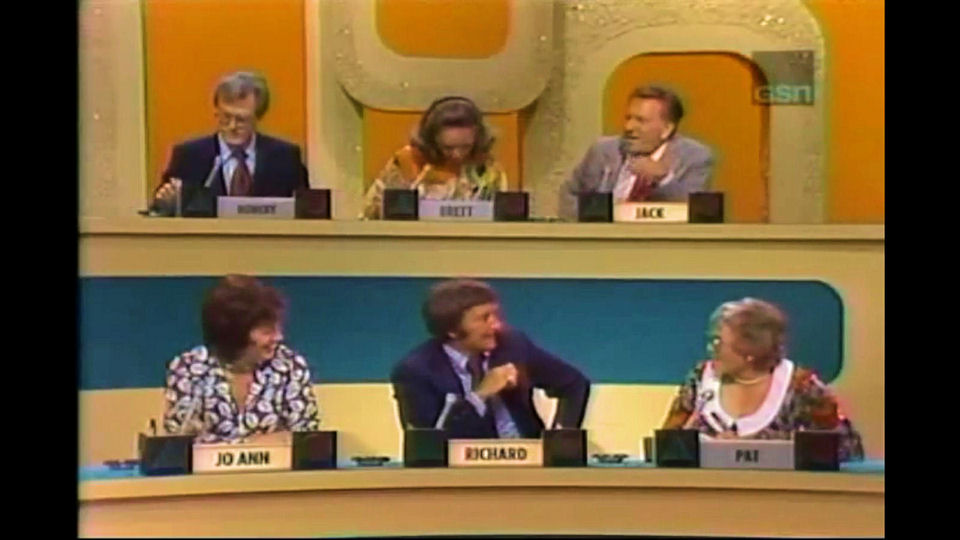
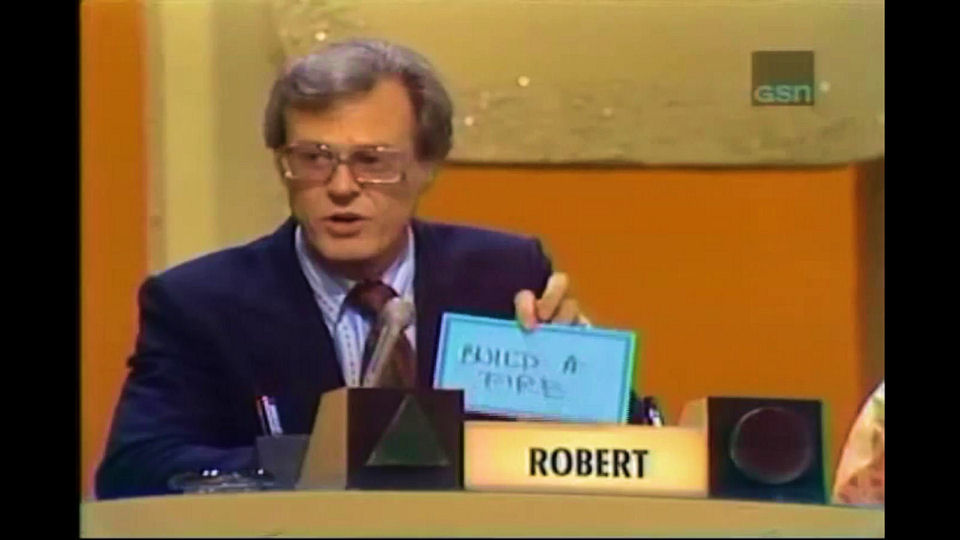
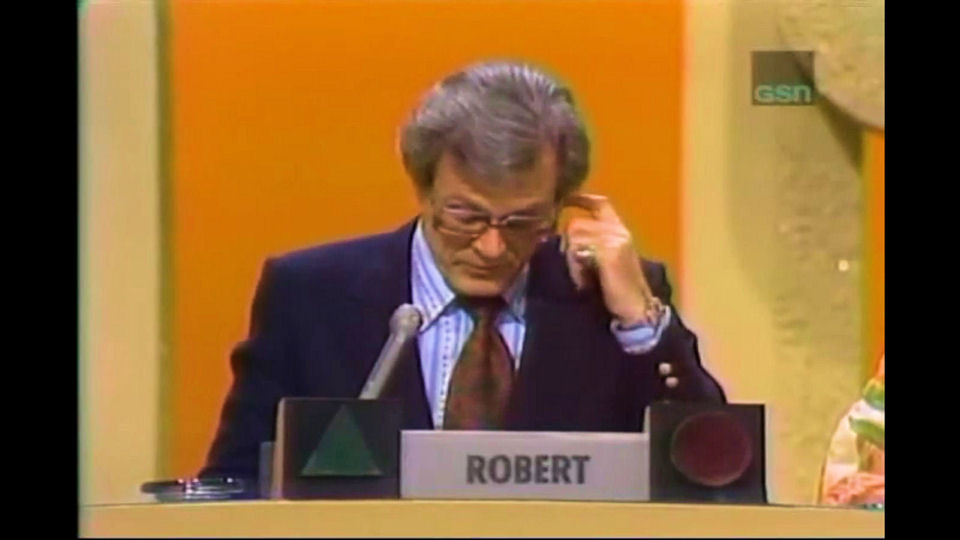
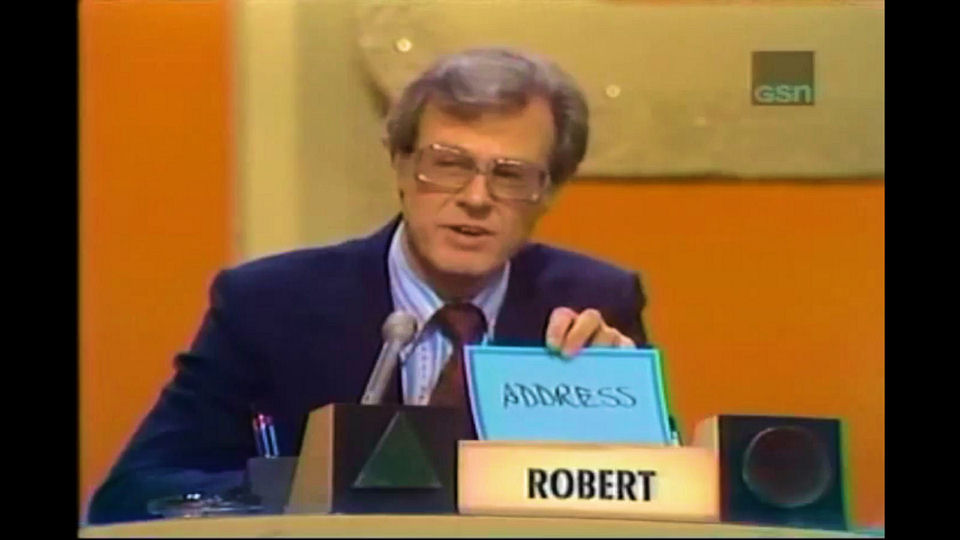
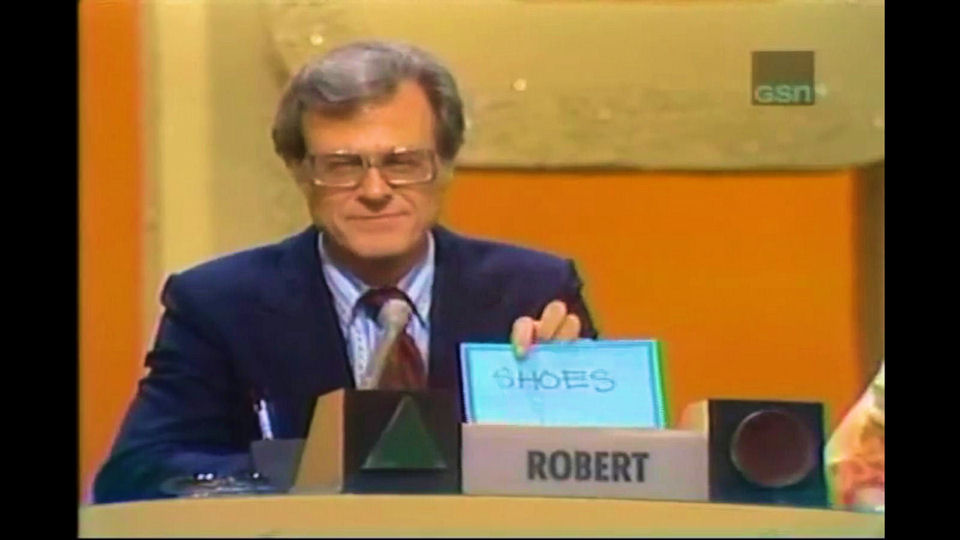
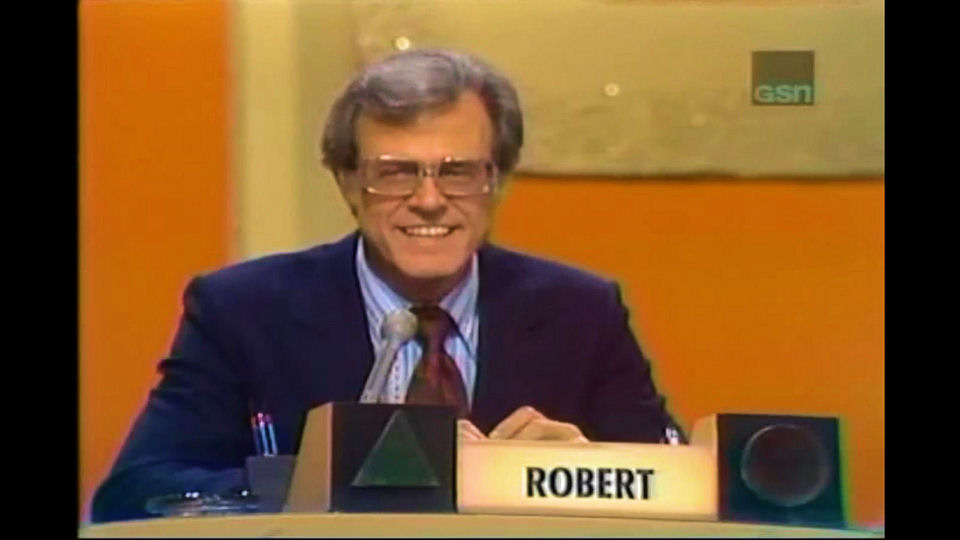
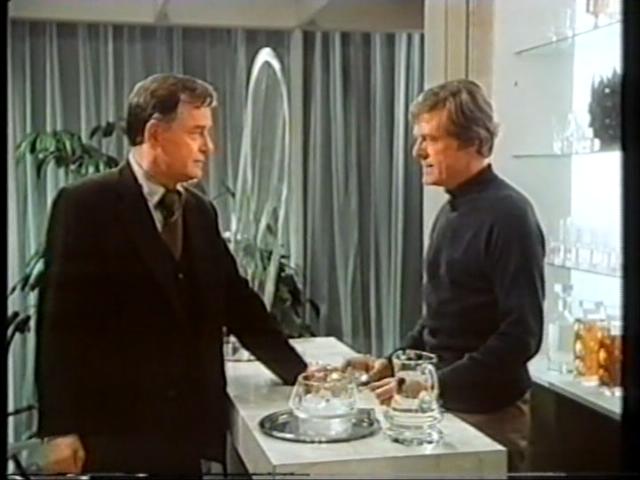
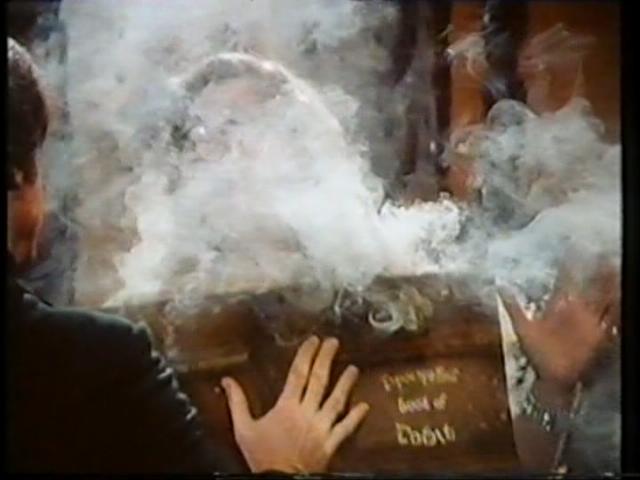
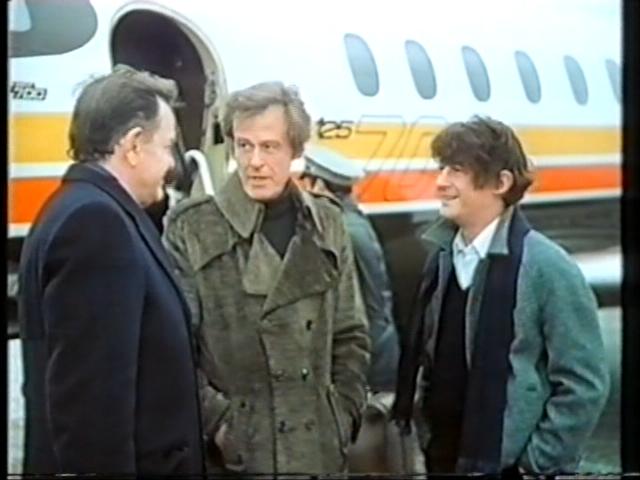
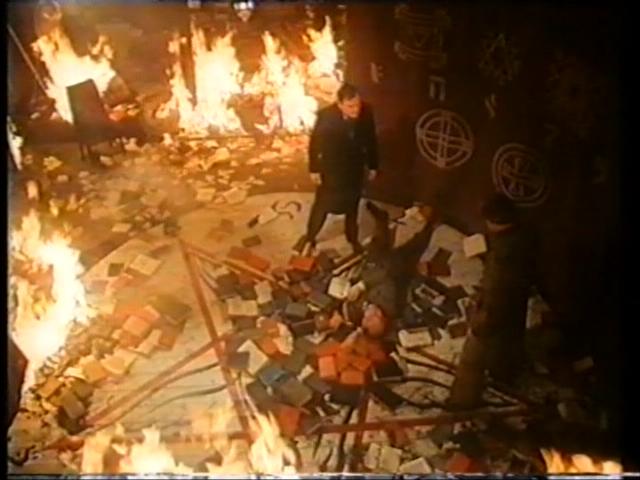
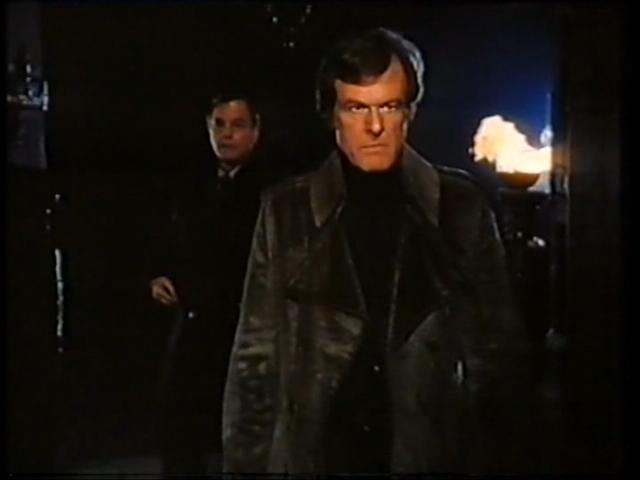
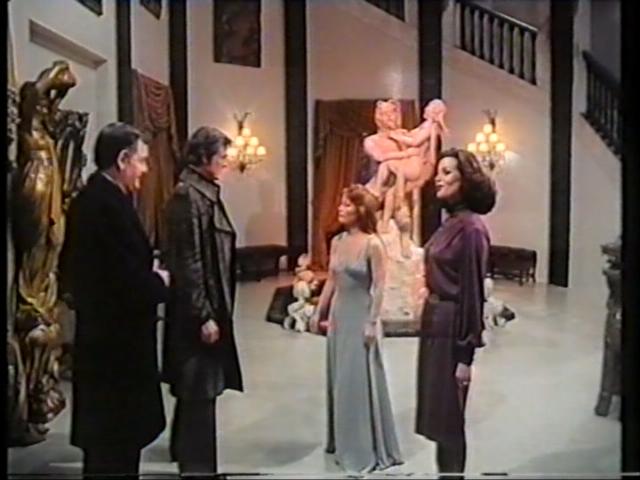
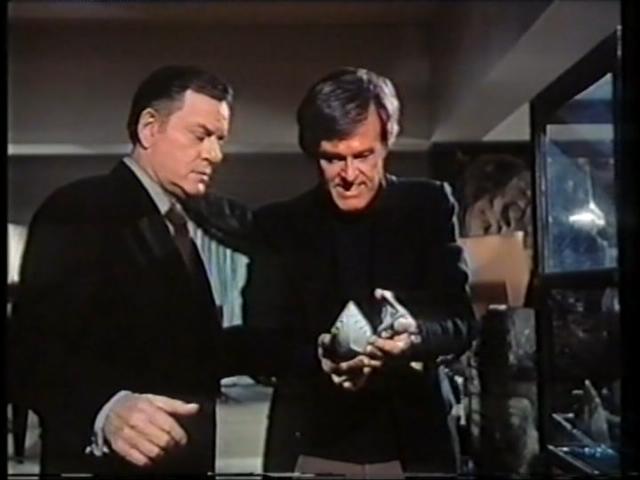
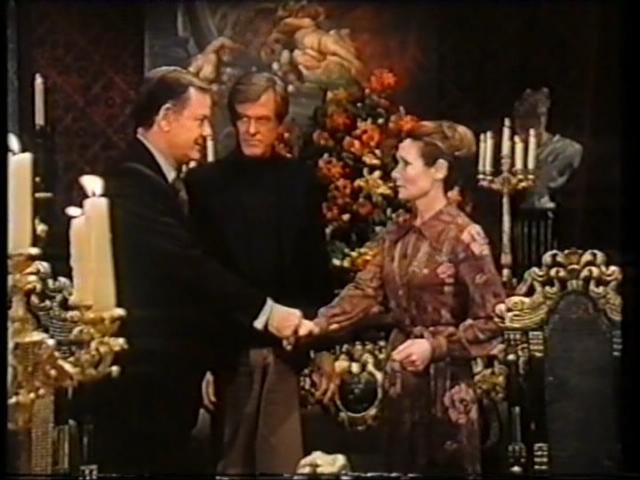

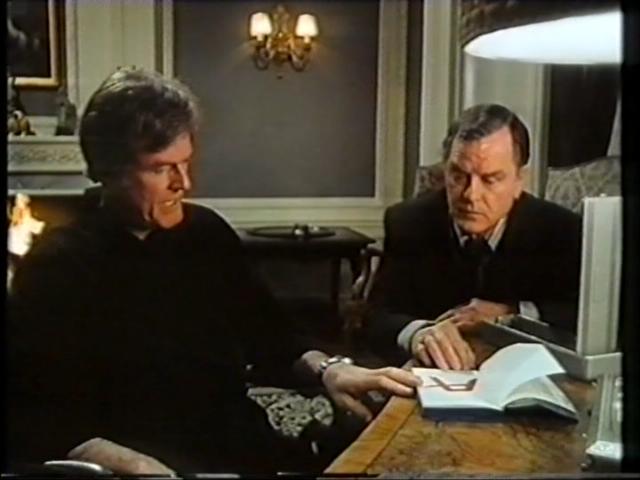
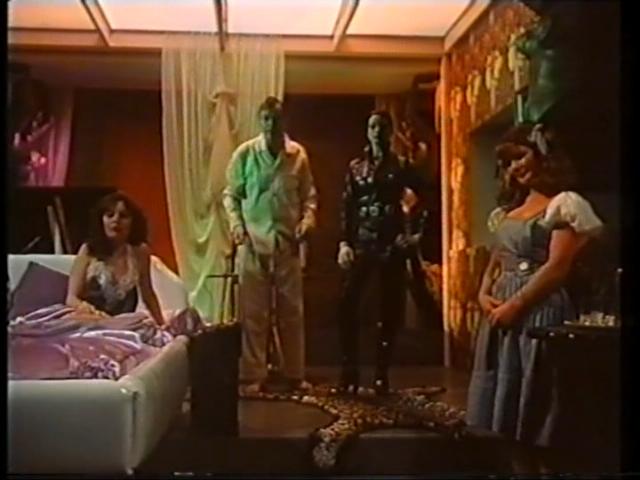
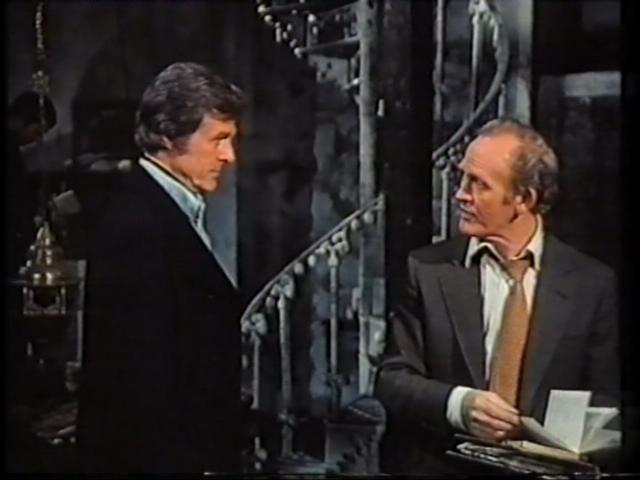
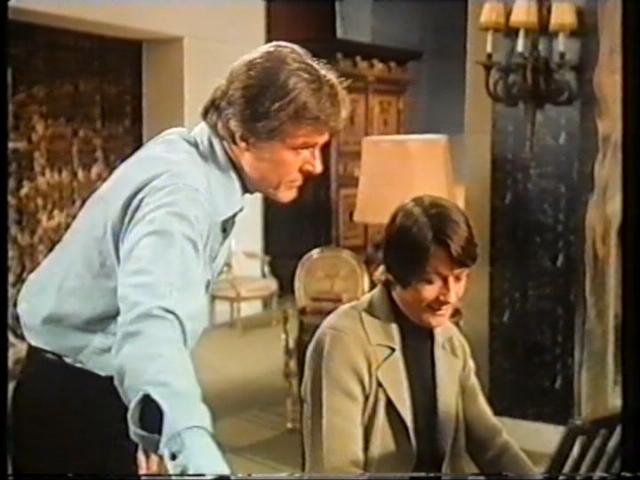
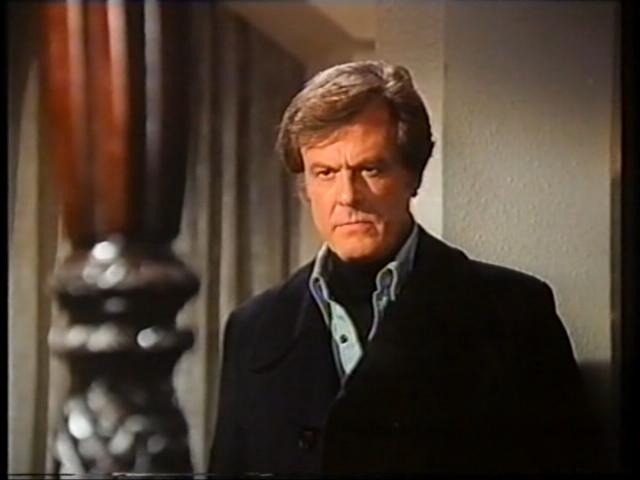
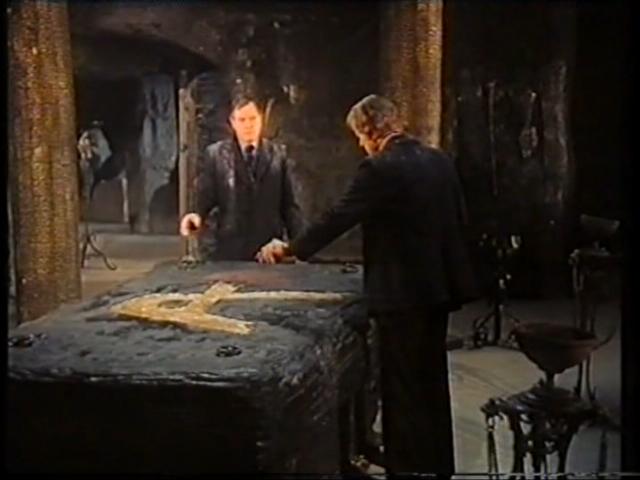
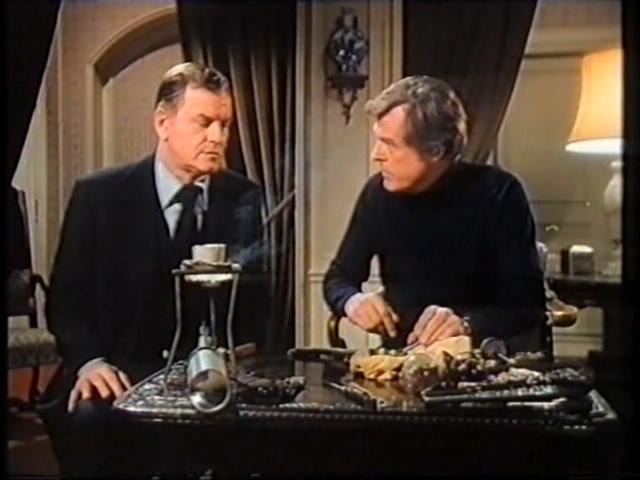
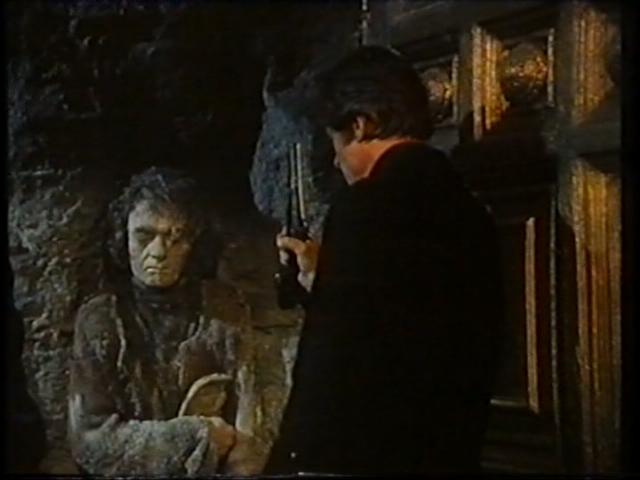

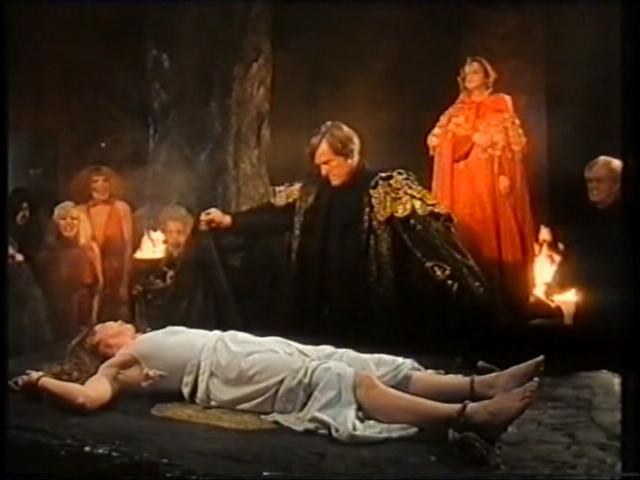
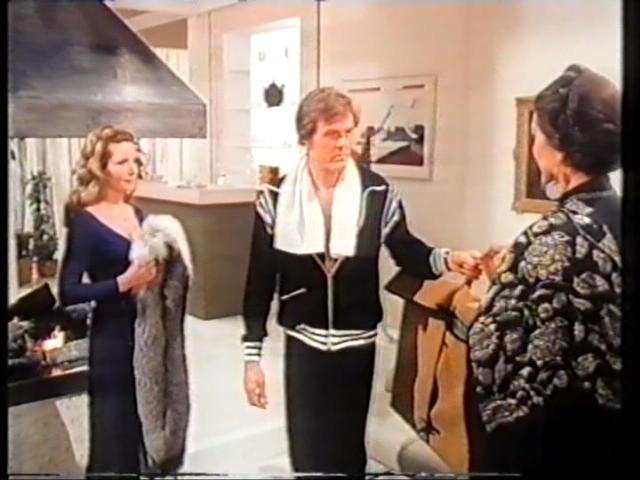
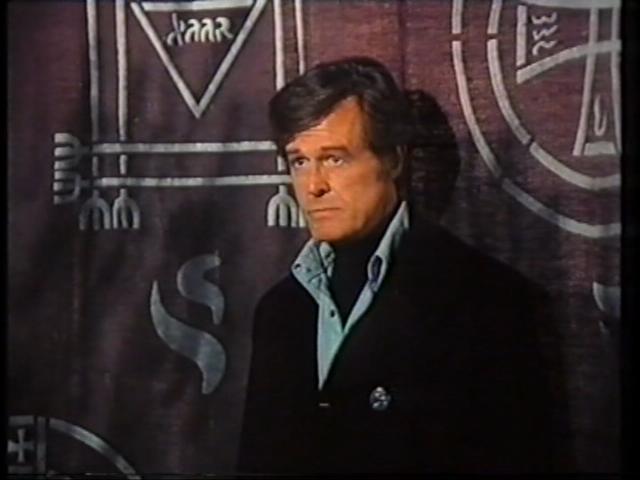
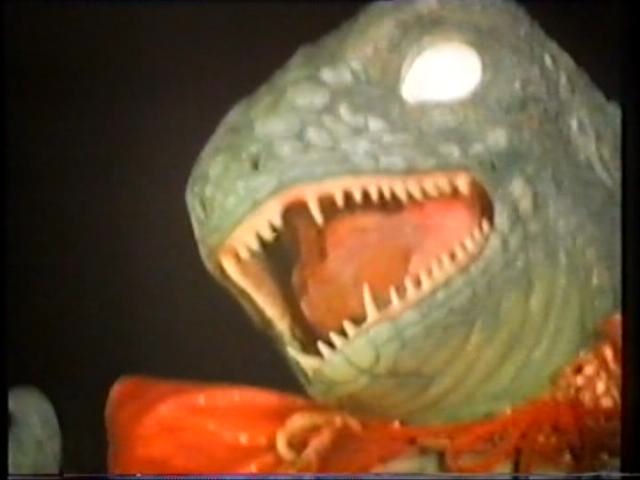
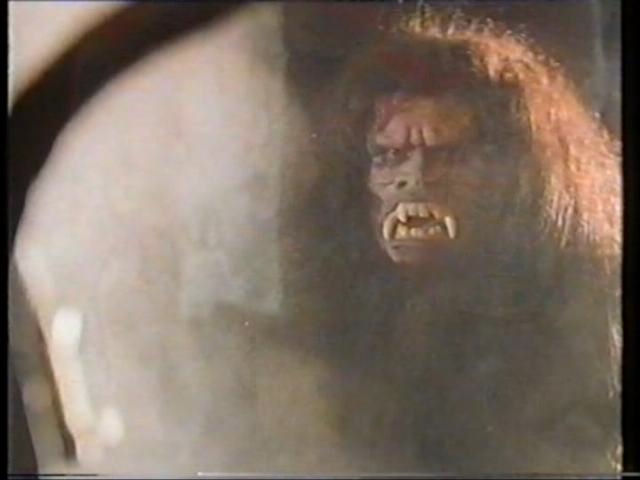
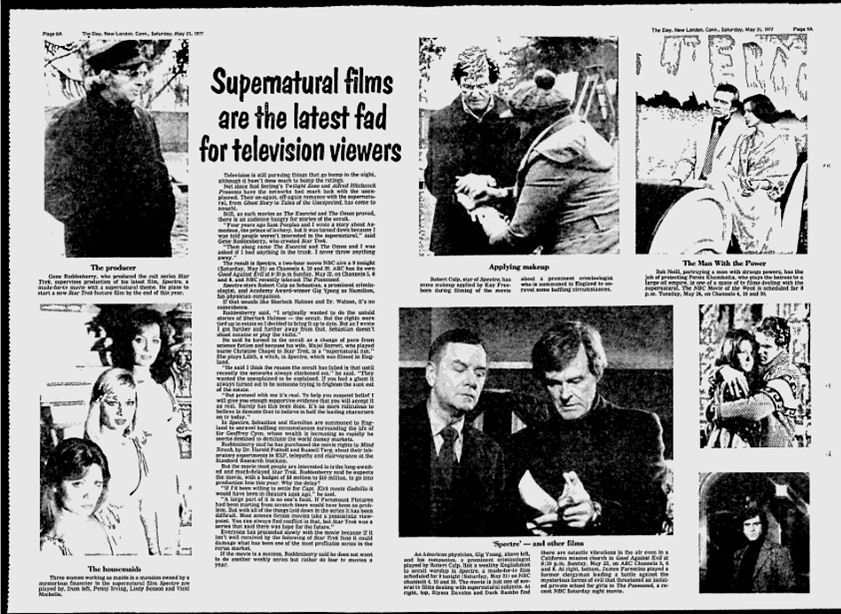
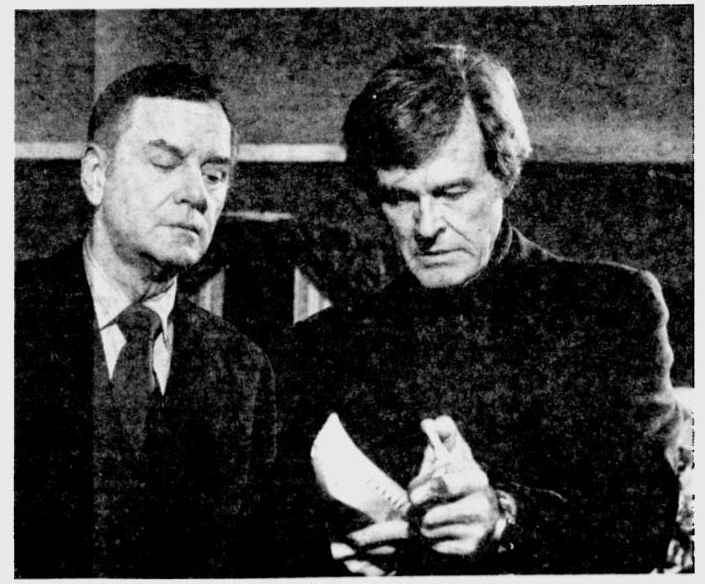
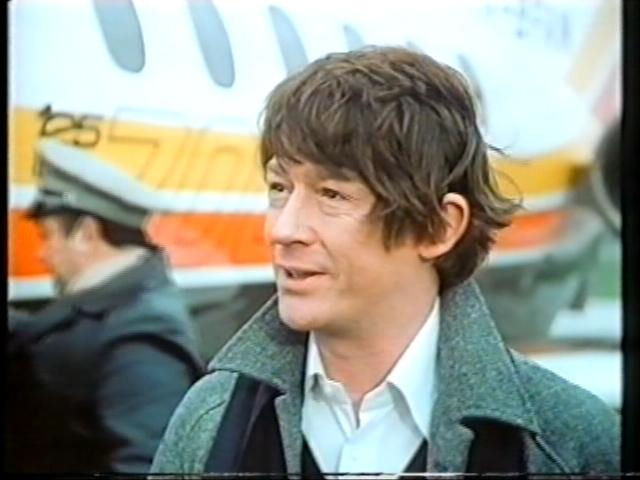 John Hurt – the British actor known for his role in Alien and his Oscar nominated roles in Midnight Express and The Elephant Man, essentially made his American TV debut with Spectre.
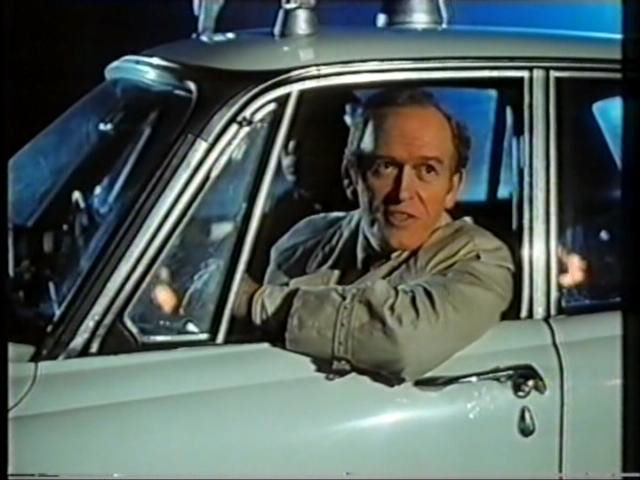 Gordon Jackson – another British actor familiar to American audiences from movies such as The Great Escape and the television series Upstairs, Downstairs. Ironically, he would guest star on an episode of a short lived British television series the same year called…Supernatural.
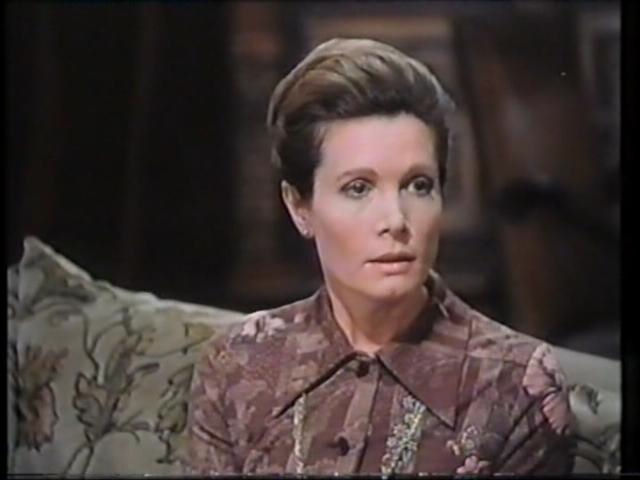 Ann Bell – A long time actress on British television, Ann had an uncredited role in Fahrenheit 451 and also appeared in To Sir, With Love.
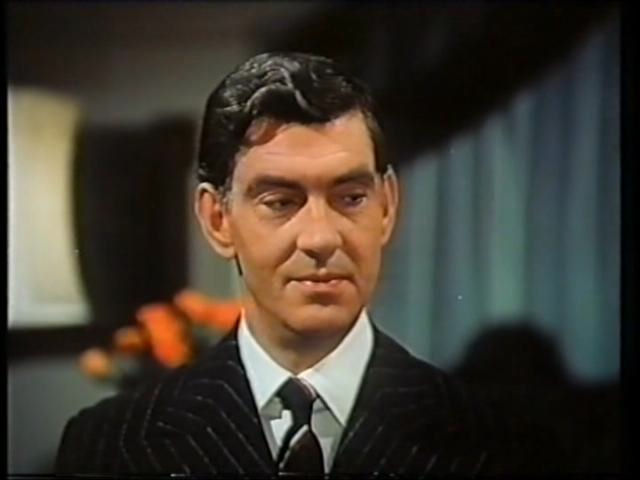 James Villiers – Long time British character actor who made a career of playing upper class type characters. He infact had an aristocratic background, being a descendant of the Earls of Clarendon. He appeared in such movies as the 1981 James Bond film For Your Eyes Only, Roman Polanski’s Repulsion and the 1965 Bette Davis horror/noir film The Nanny.
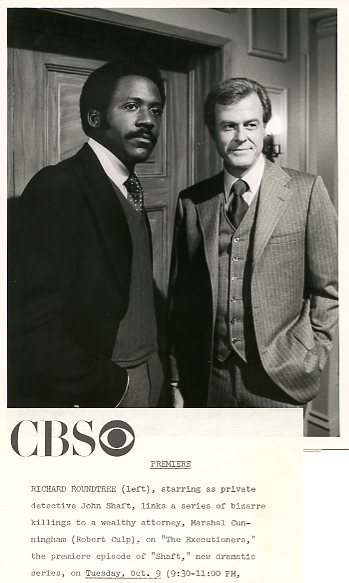
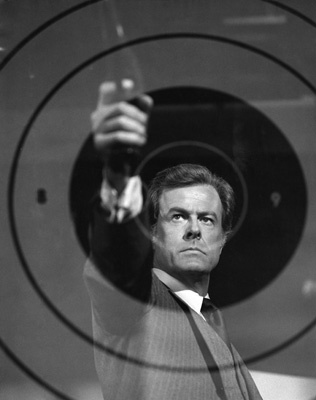
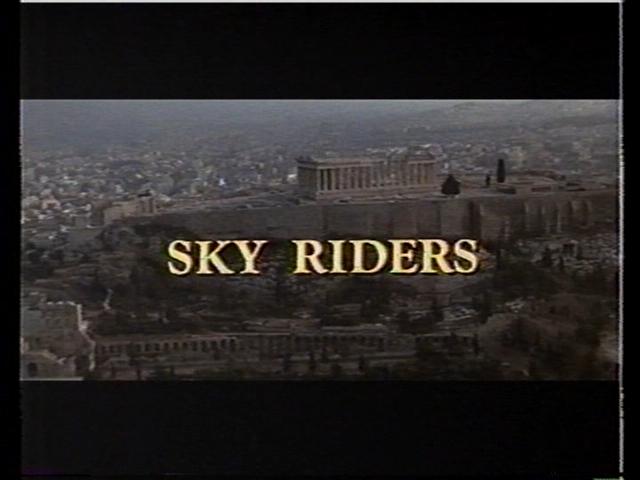
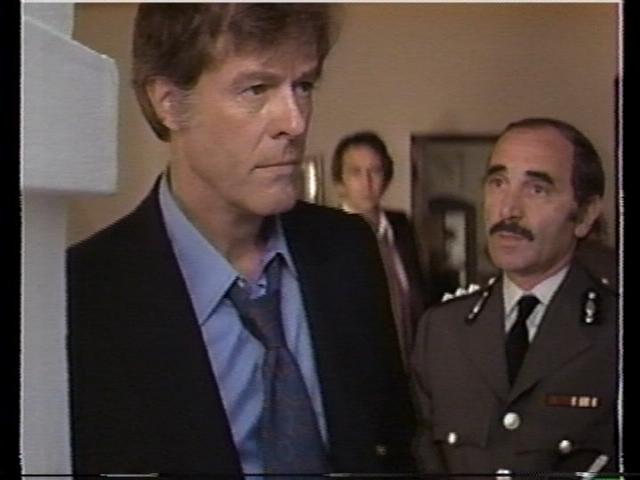
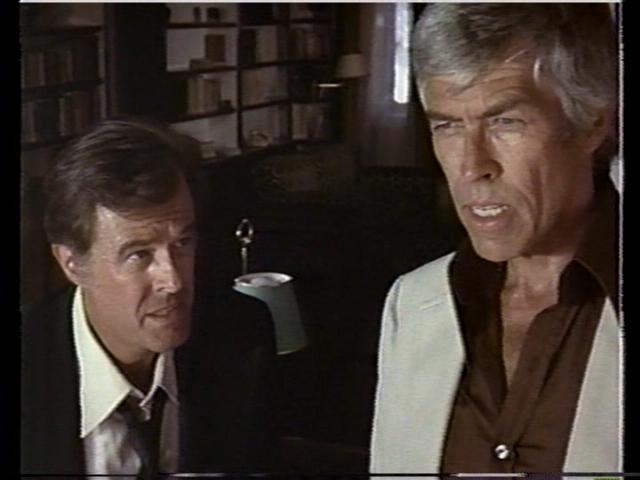
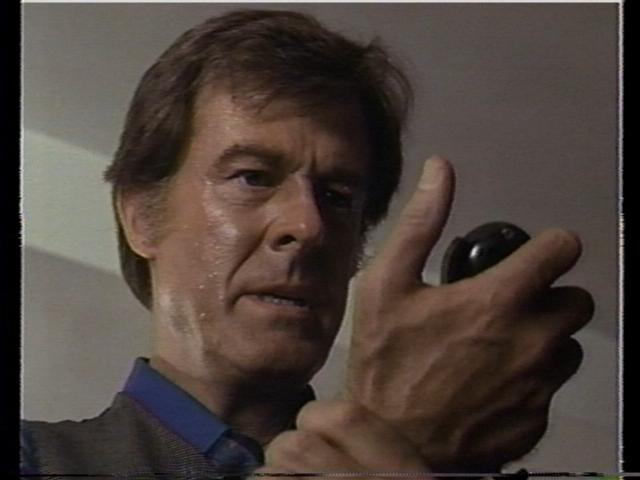
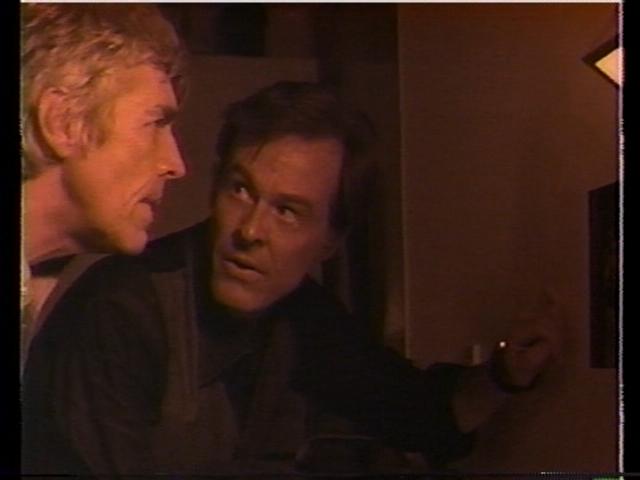
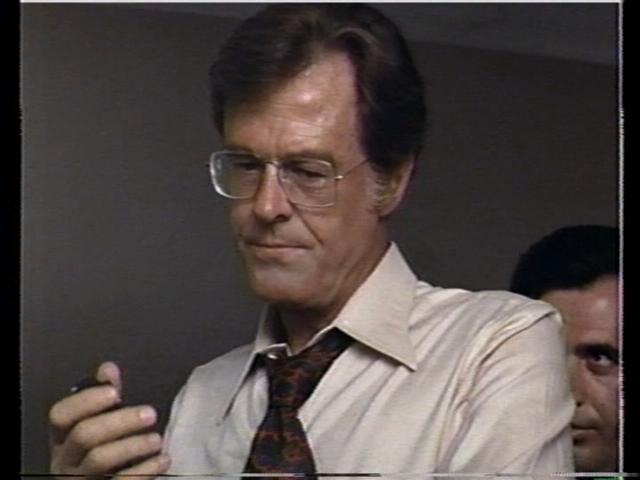
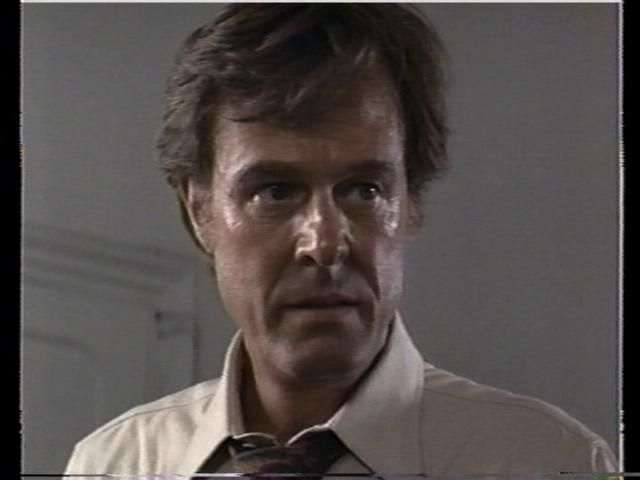
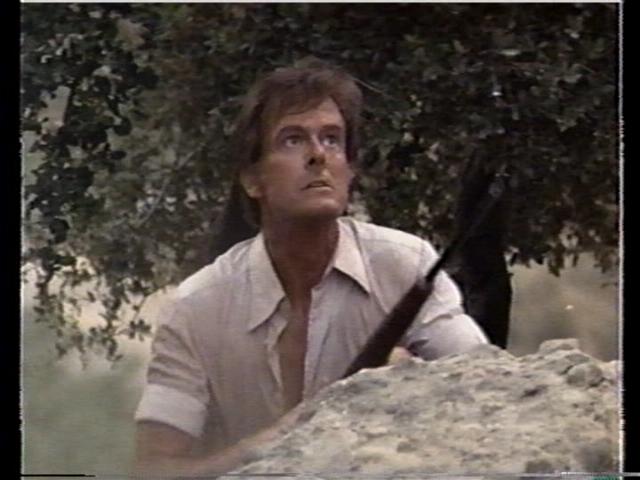
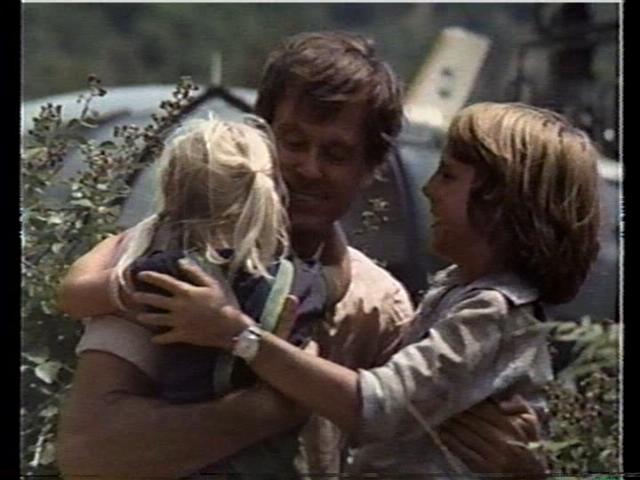
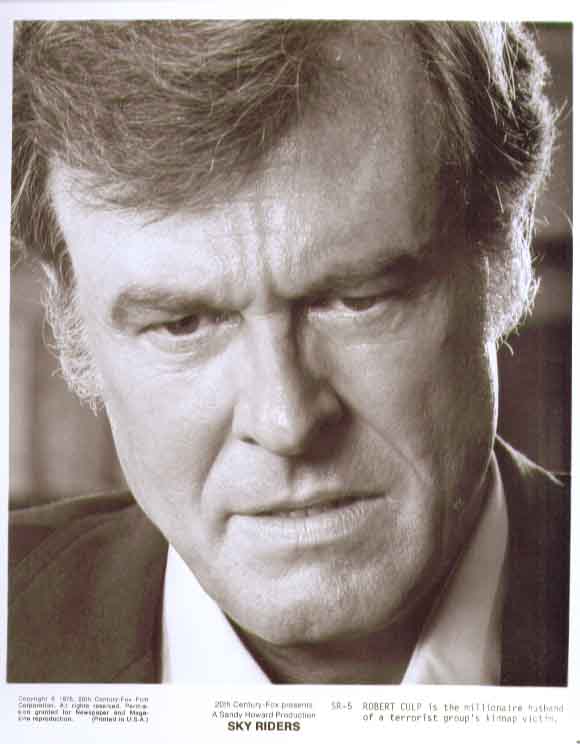
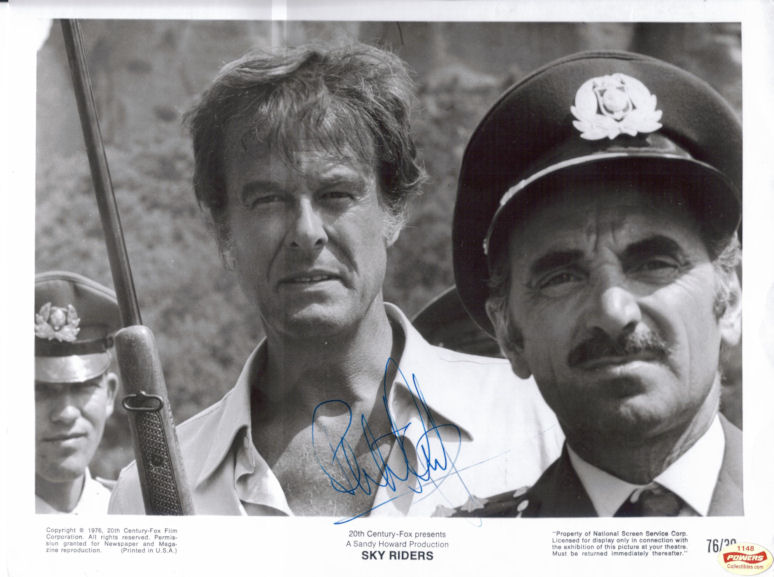
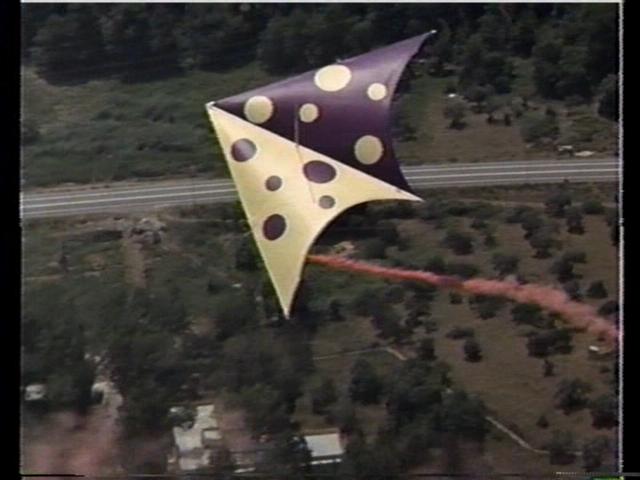
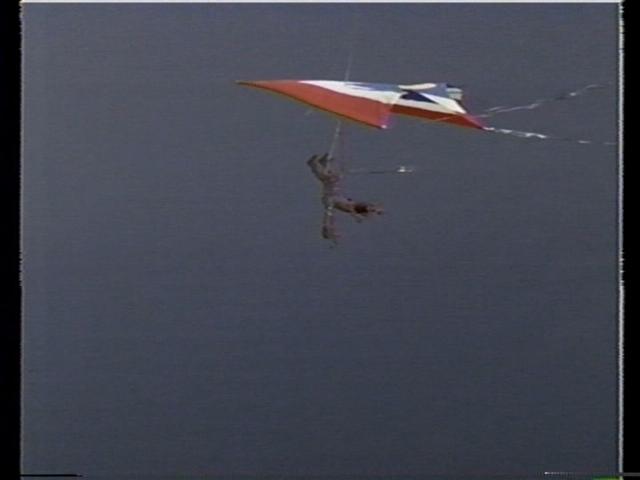
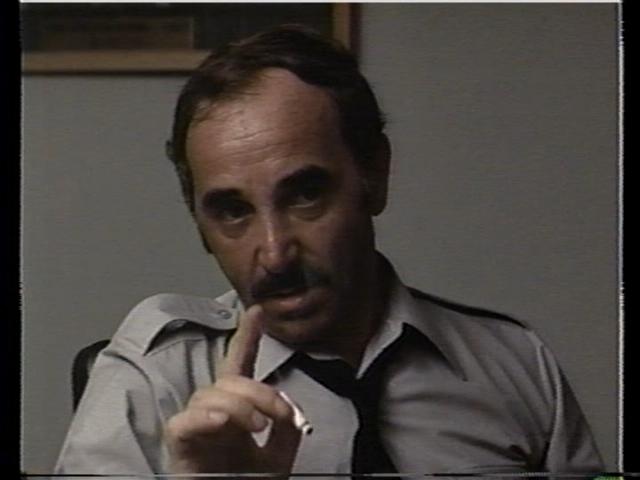
 Also of note is Ernie F. Orsatti, as one of the glider pilots, Joe, (and as a stunt coordinator). Those familiar with The Greatest American Hero will recognize him as one of the hit men from the episode “The Hit Car.” Although Ernie has several acting credits to his name he is better known for his long career in Hollywood as a stuntman and stunt coordinator, having worked on such films as The Poseidon Adventure (he’s the one that does the fall into the glass ceiling as the ship is turning over), three of the Death Wish movies, Hoosiers, Fear and Loathing in Las Vegas, and dozens of television shows including LA Law, The Practice, Charmed, The Closer and more recently, Big Love.


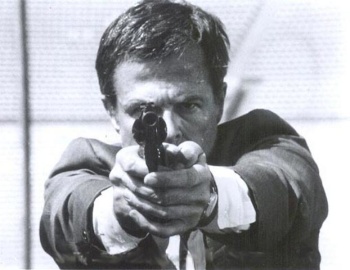


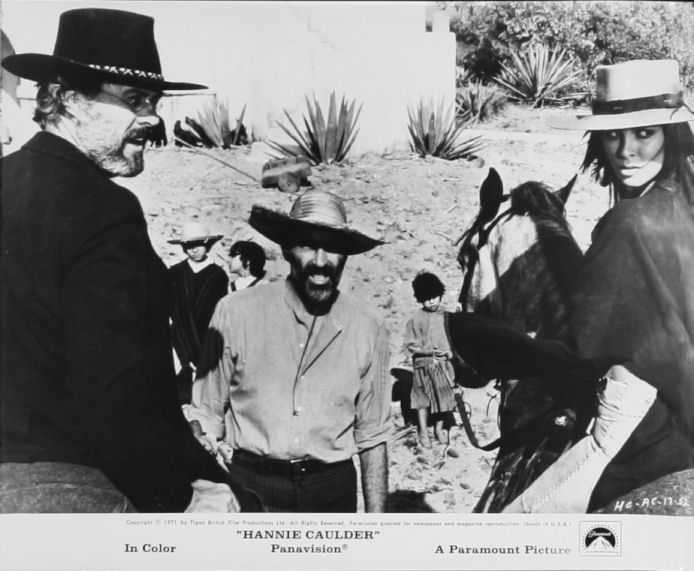


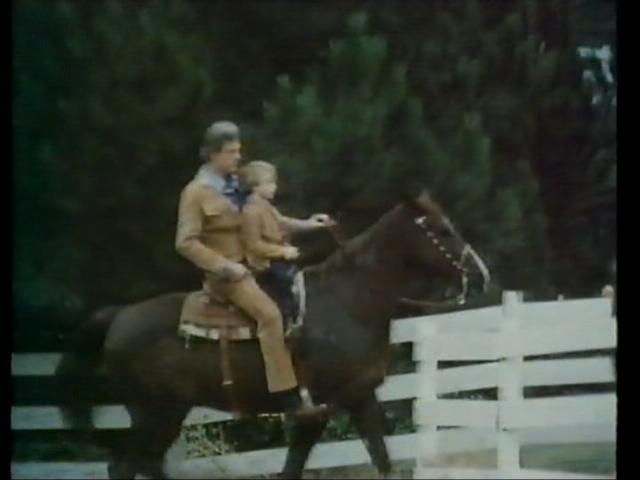
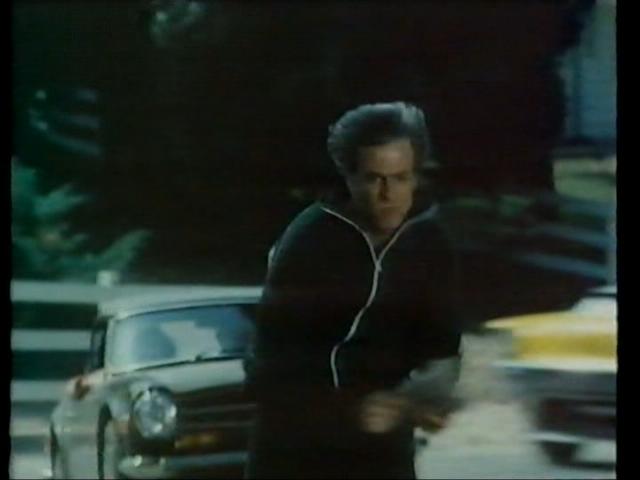
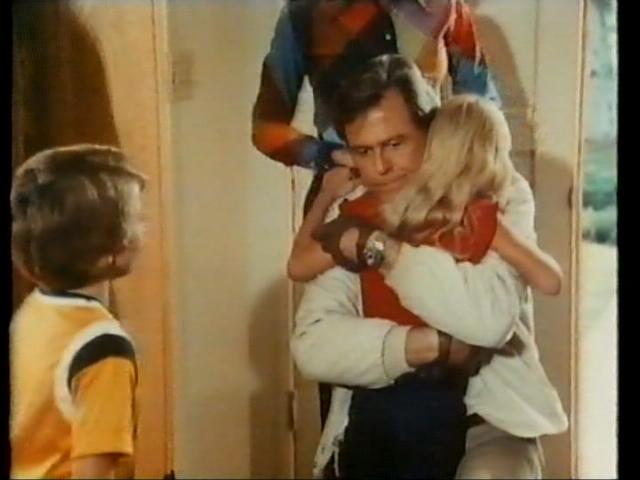
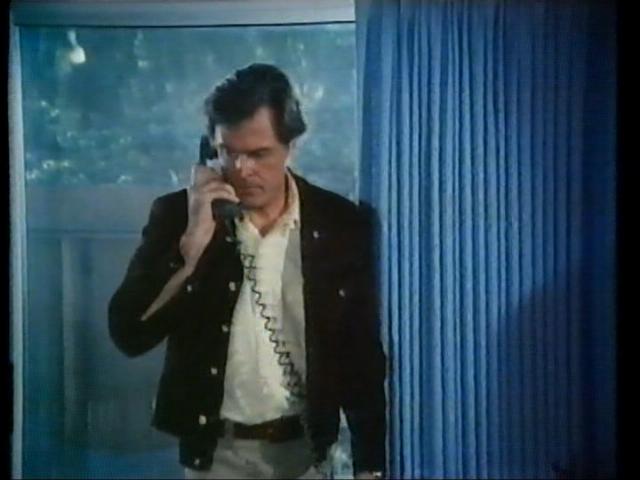
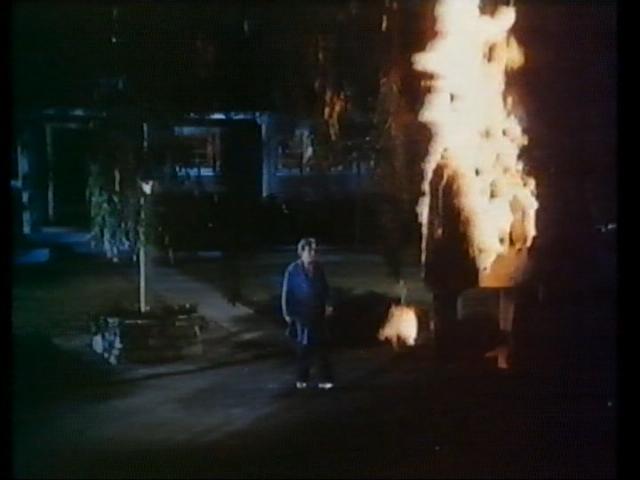
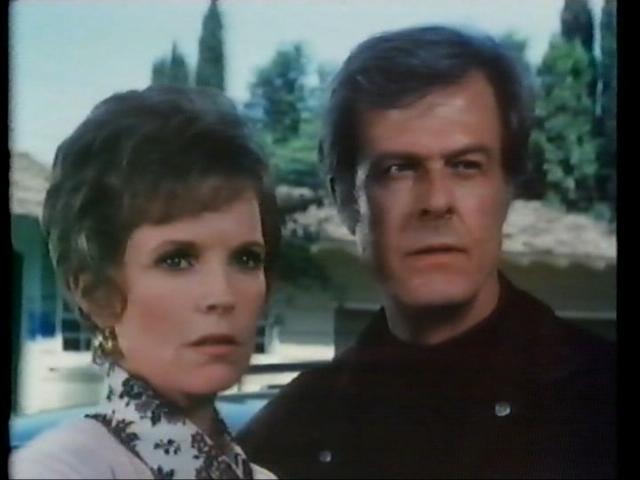
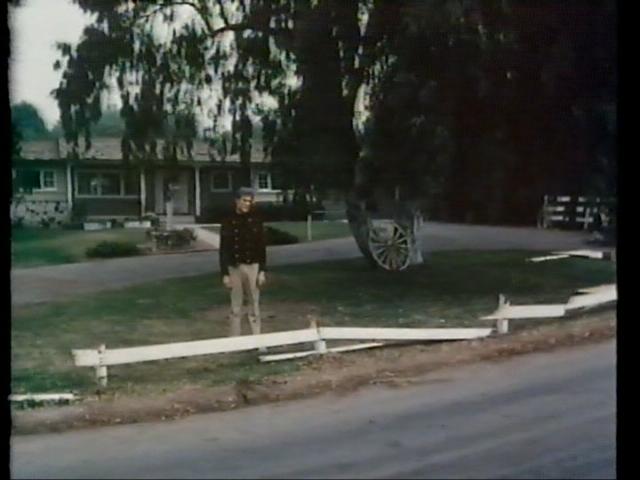
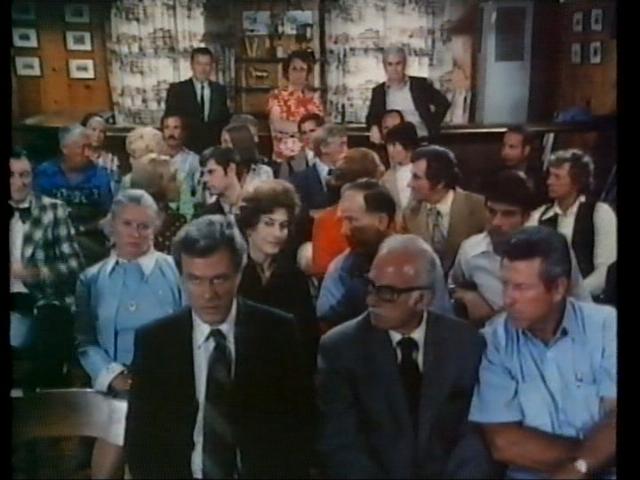
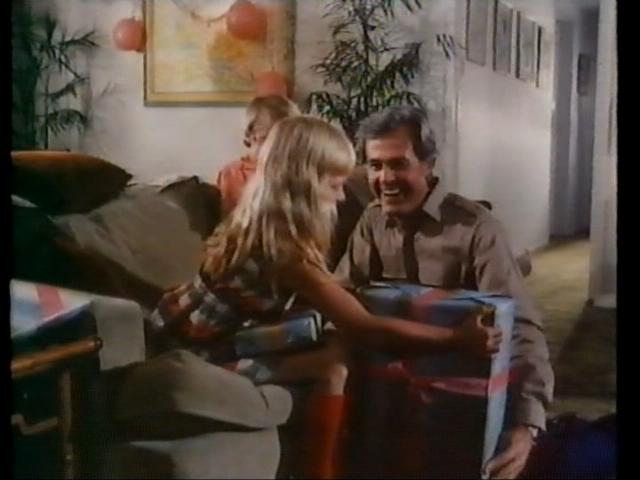
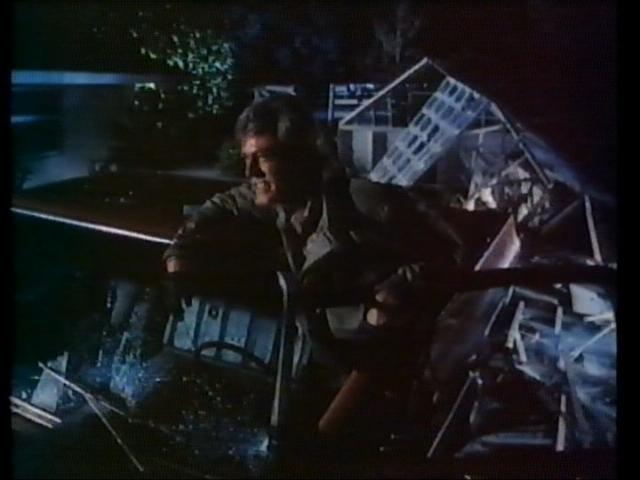
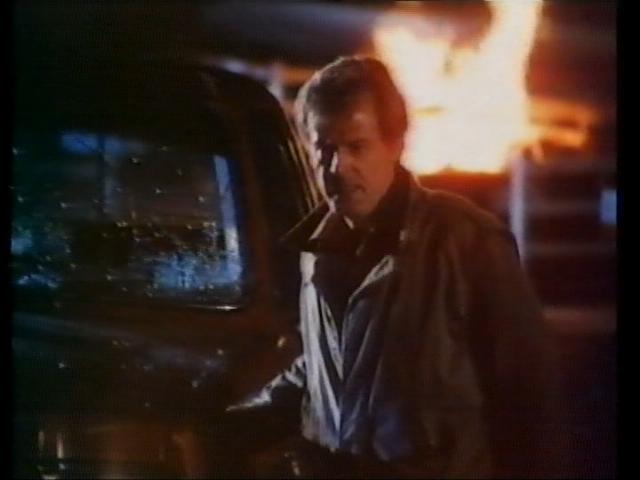
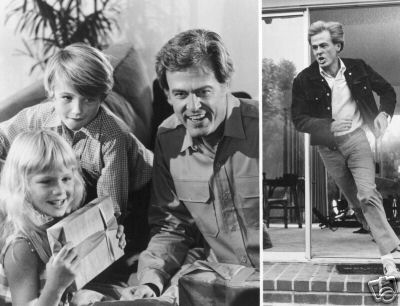
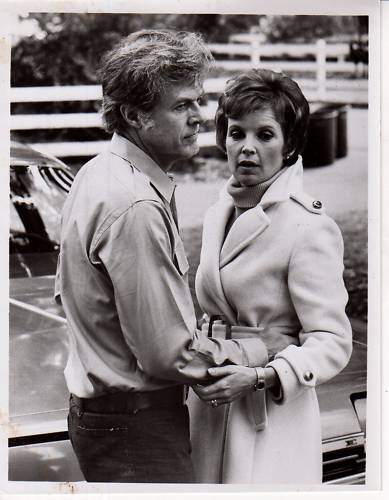
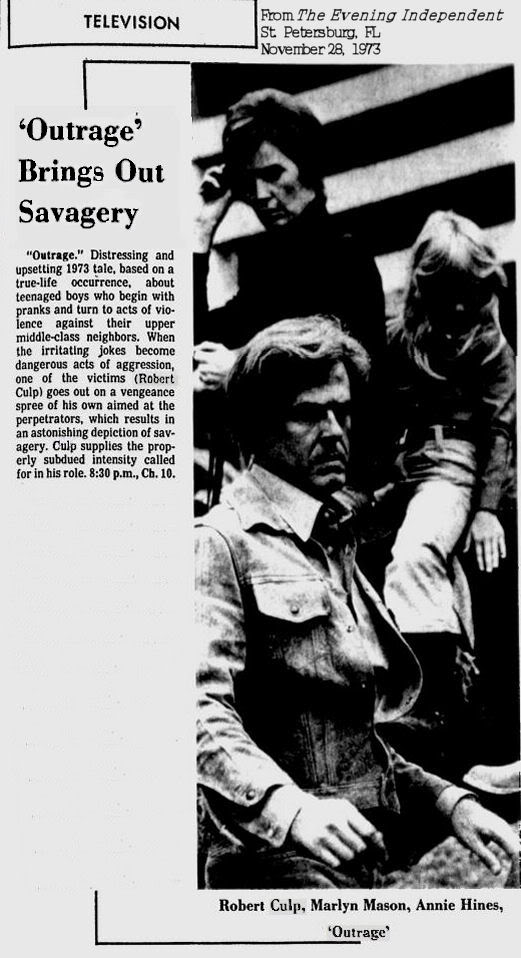
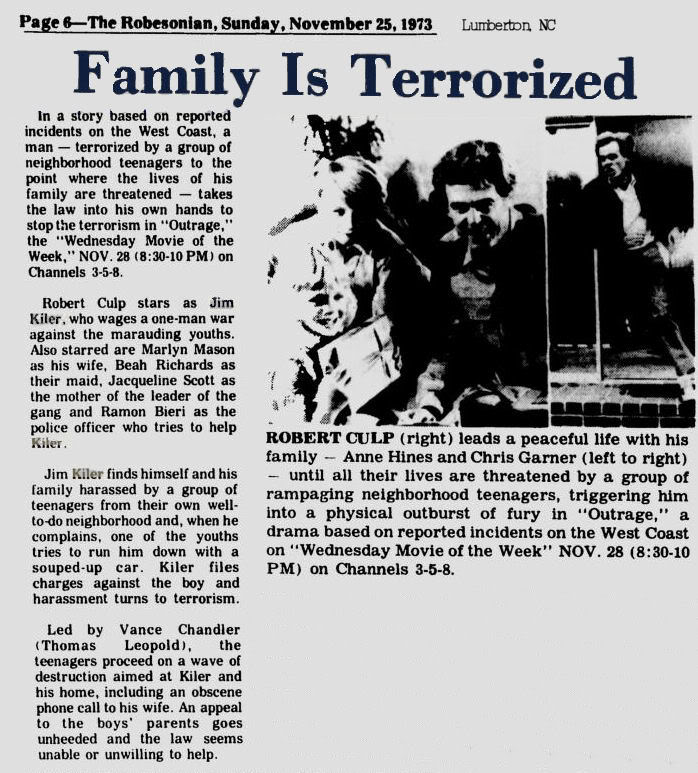
 I didn’t start mining through the Google newspaper archive until I was doing research for the movie A Name for Evil and now I find myself getting lost looking back through old newspapers. (I’m a history buff anyway). Subsequently, I’ve been digging through looking for whatever I can for whatever Robert Culp movie or TV show I’m writing about next but since I only just started doing this, movies such as Inside Out (and Hannie Caulder) missed out initially.
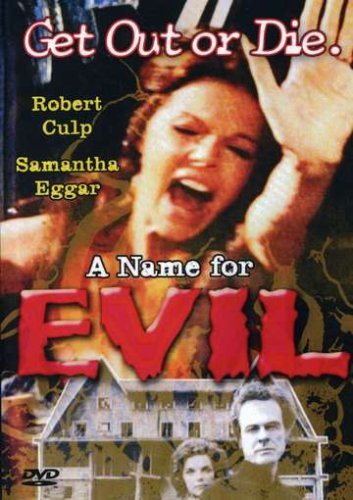





 Culp, by the way, bares quite a bit in this scene. Not all, as he’s strategically positioned, but quite a bit. Ahem.
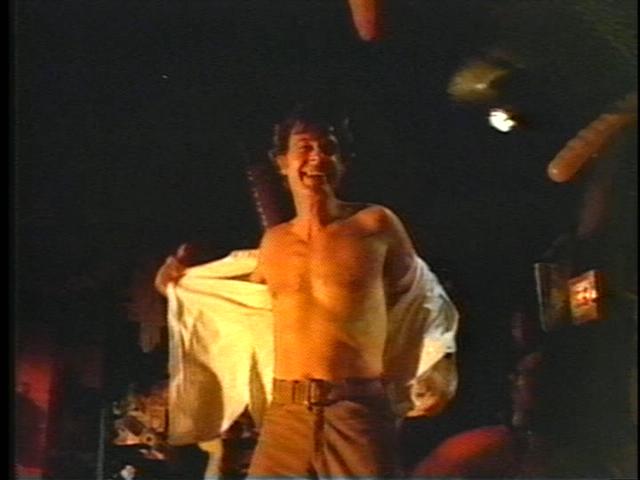
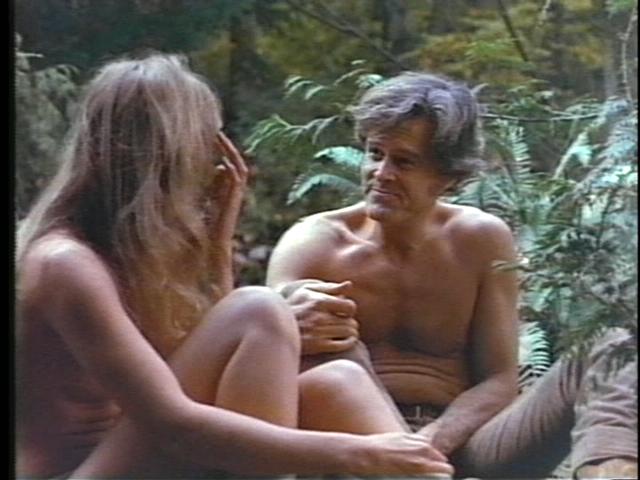
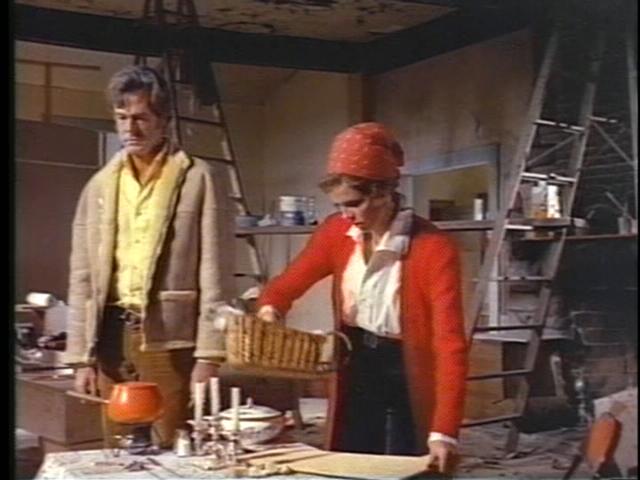
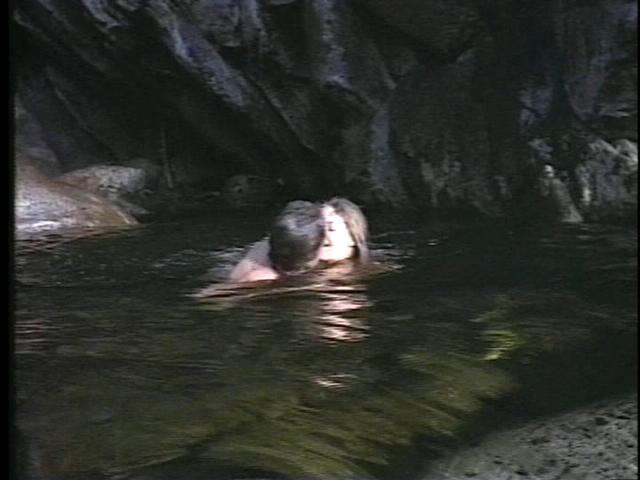
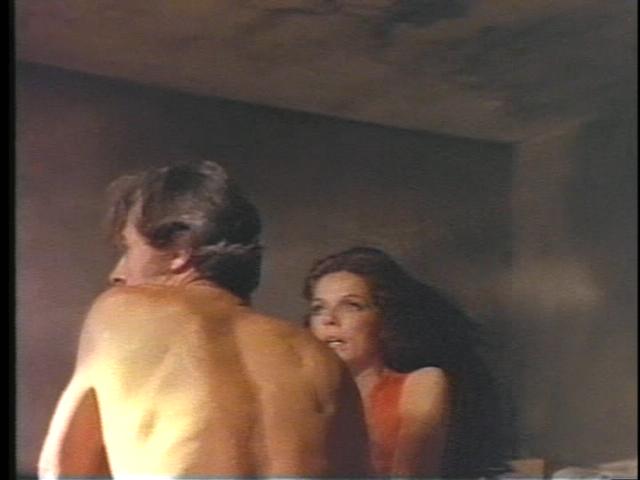

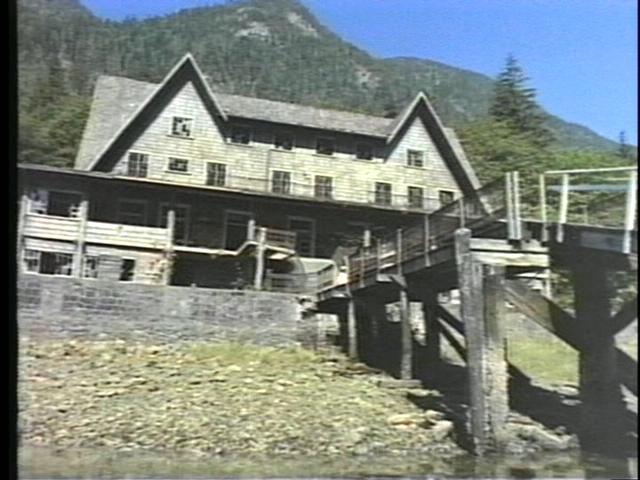

 is available from Amazon.com, still for about $4.
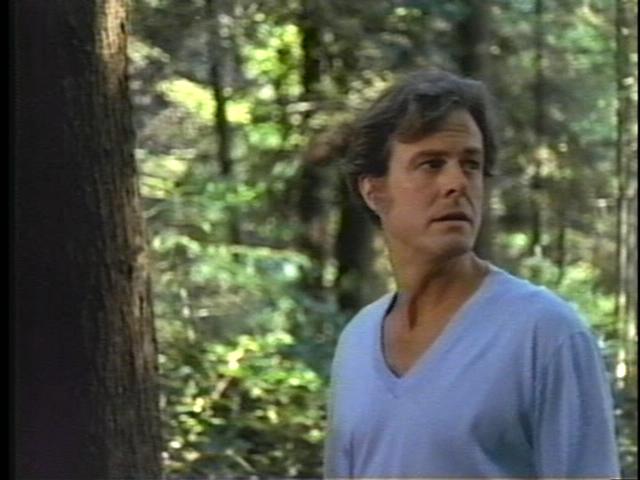
 is being released tomorrow, 3/29/11, through 20th Century Fox’s MGM Limited Edition Collection. The release is being done “MOD” (Manufacture on Demand) but unlike Warner Brothers, where you can buy directly from WB through their archive, you can order the Fox/MGM DVD through online retailers such as Amazon, MoviesUnlimited, ect. (Disclosure: If you purchase through the provided link, I receive compensation. Click
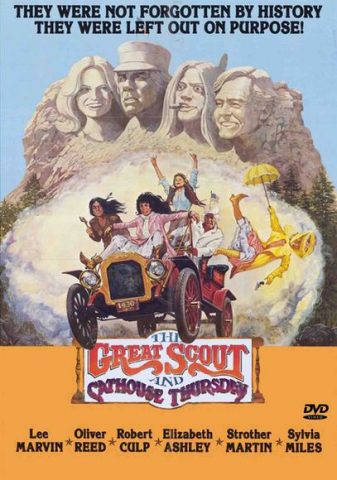
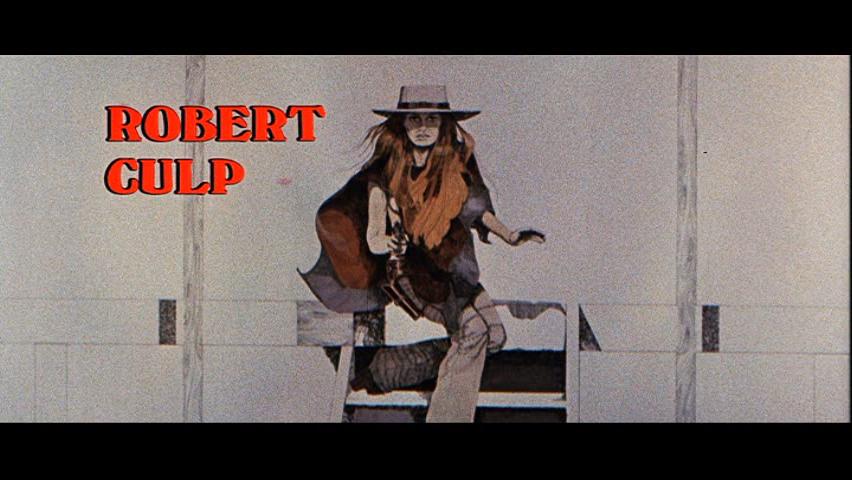

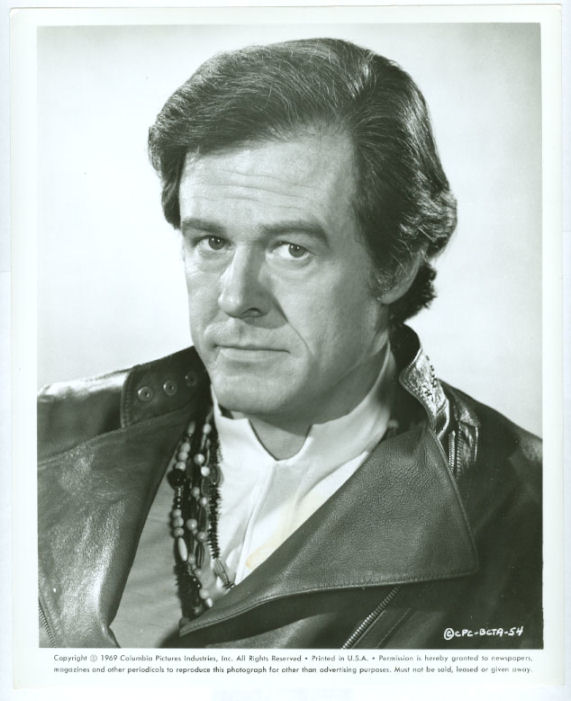
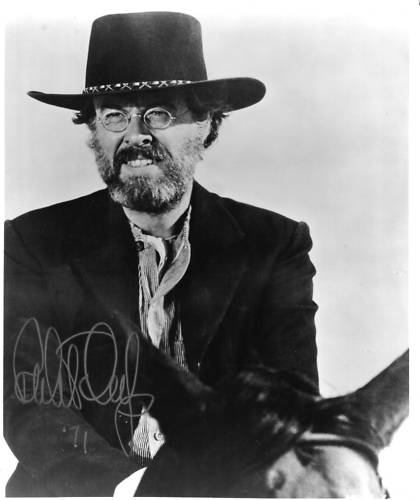
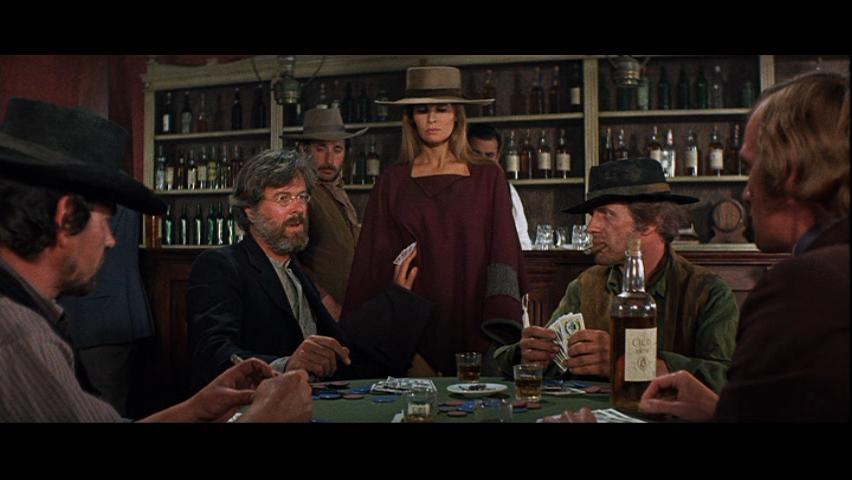
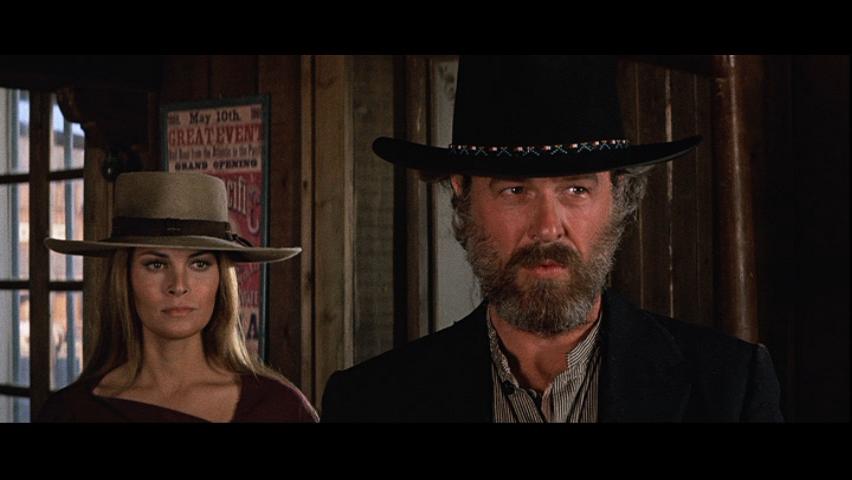
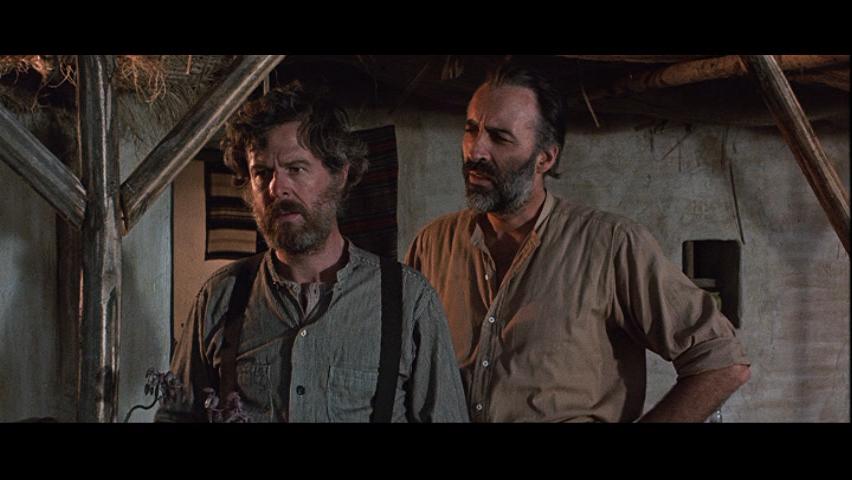
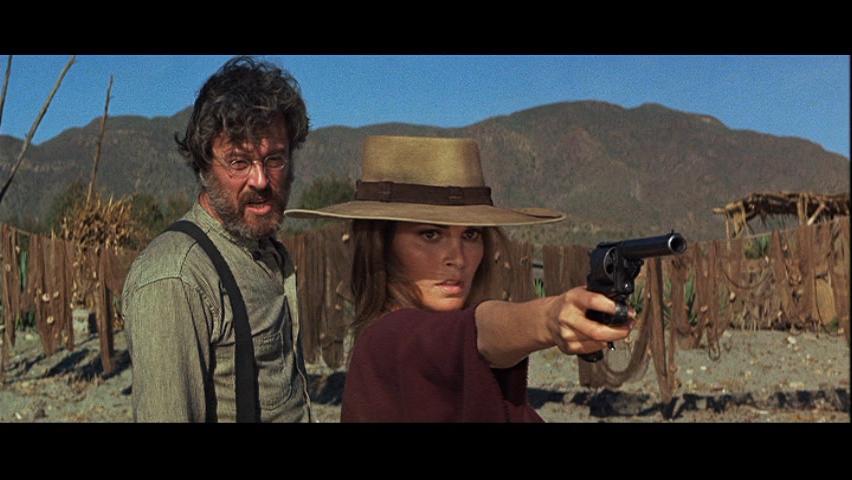
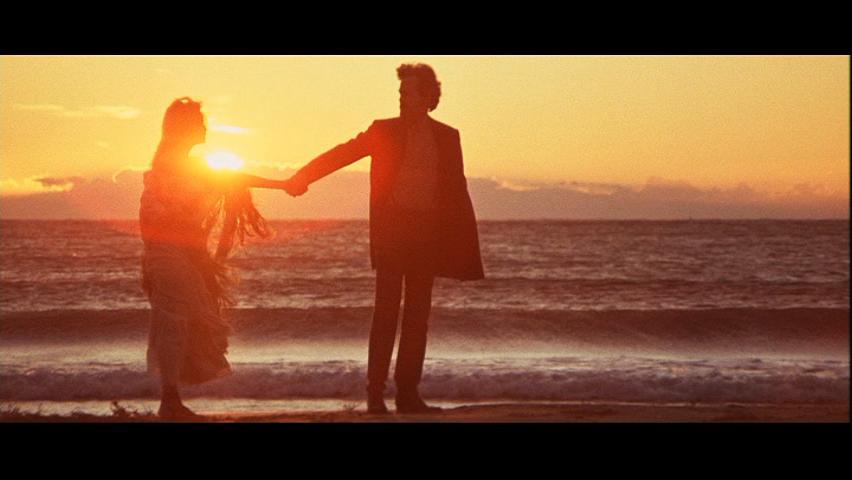
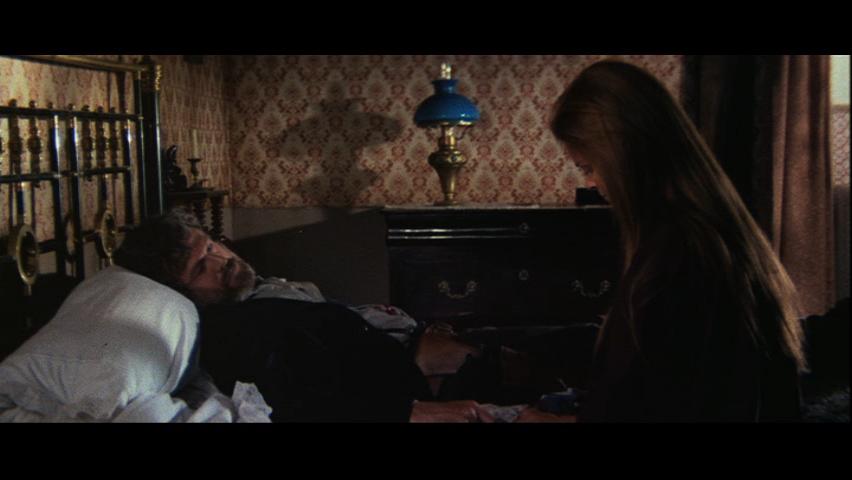
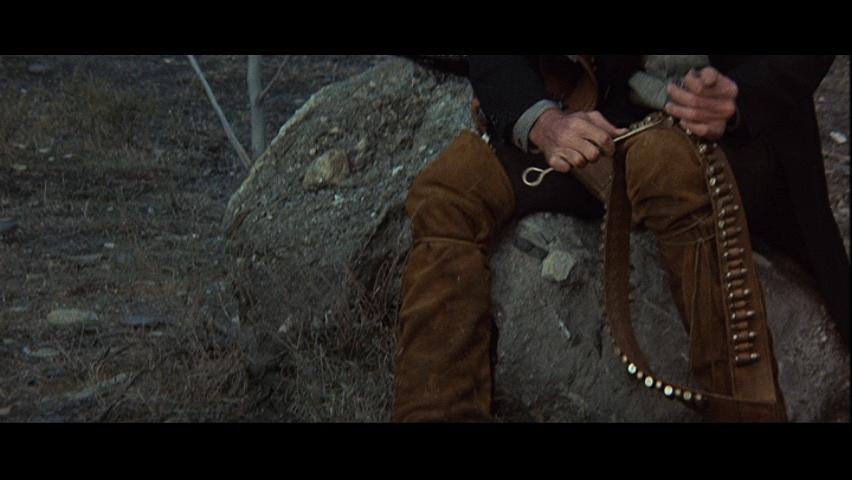
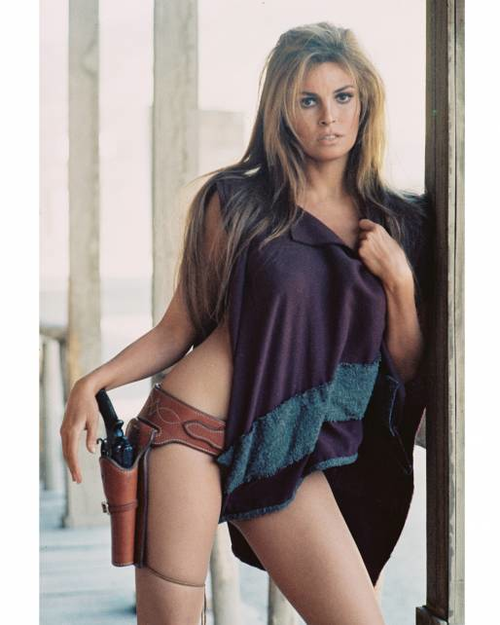
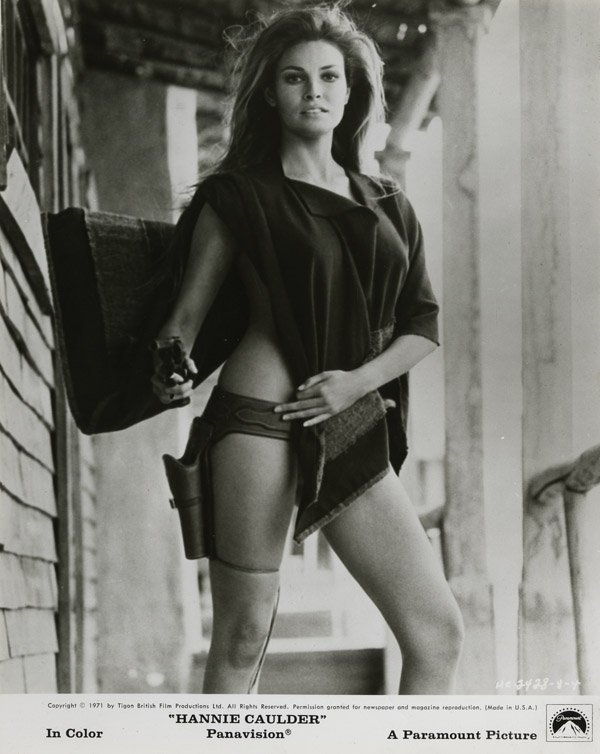
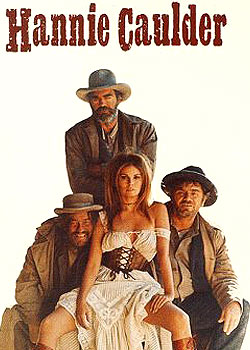
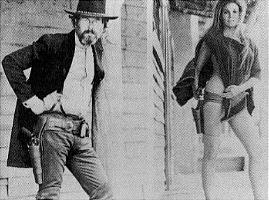
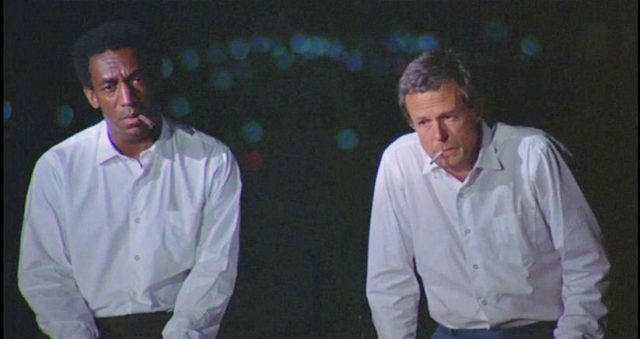 I set up a Google alert recently for “robert culp” and have gotten back alerts the past few days for blog posts talking about the movie Hickey & Boggs. It’s great to see the film discussed because it’s a good film and one worthy of discussion but too often in these posts I’m seeing the character names be mixed up. Either the wrong character is attributed to the wrong actor or the characters first names are swapped.